2027 Sports Science Degree Enrollment Trends by Age Group: Traditional Students vs Adult Learners

Co-Founder and Chief Data Scientist
The physical and clinical demands of sports science careers shape distinct enrollment patterns by age group. Traditional students often enter programs directly after secondary education, positioning themselves early for licensure-intensive roles requiring rigorous practicum hours. Conversely, adult learners frequently balance enrollment with ongoing employment, entering programs to transition into specialized roles driven by credential inflation and evolving industry standards.
Notably, the U. S. Bureau of Labor Statistics projects a 13% growth in exercise physiologist roles by 2030, fueling demand across age cohorts. These divergent trajectories reflect workforce specialization and educational accessibility, signaling a bifurcation in how sports science adapts to workforce needs and career progression.
Key Things to Know About Sports Science Degree Enrollment Trends by Age Group
- Enrollment data from 2024 shows students aged 25+ increasingly choose sports science part-time, reflecting a tradeoff between work commitments and extended program duration affecting timely graduation.
- Employers prioritize internships and practical experience often gained by traditional-age enrollees, challenging adult learners to demonstrate equivalent workplace readiness through alternative means.
- Rising tuition inflation disproportionately impacts younger students relying on loans, while adult learners leverage employer tuition assistance, influencing access and overall cost considerations for each group.
- Key Things to Know About Sports Science Degree Enrollment Trends by Age Group Key Things to Know About Sports Science Degree Enrollment Trends by Age Group
- Which Age Groups Represent the Largest Share of Sports Science Students? Students by Age Group
- Why Do Traditional Students Choose Sports Science Degree Programs? Traditional Students
- Why Do Adult Learners Return to School for a Sports Science Degree? Adult Learners
- How Do Academic Goals Vary Between Younger and Older Sports Science Students? Academic Goals by Age Group
- How Do Financial Concerns Differ Between Traditional Students and Adult Learners? Financial Concerns by Age Group
- What Challenges Do Adult Learners and Traditional Students Face While Earning a Sports Science Degree? Student Challenges by Age Group
- How Does Age Affect Sports Science Degree Student Retention? Age and Student Retention
- Which Sports Science Specializations Are Most Popular Among Adult Learners? Top Specializations for Adult Learners
- How Does Age Affect Job Opportunities for Sports Science Graduates? Impact of Age in Job Opportunities
- What Do Current Sports Science Enrollment Trends Reveal About Future Demand? What Do Current Sports Science Enrollment Trends Reveal About Future Demand?
Which Age Groups Represent the Largest Share of Sports Science Students?
Sports science programs enroll students across diverse life stages, but participation tends to cluster within particular age groups shaped by career timing, financial readiness, and educational pathways. Rather than academic preference alone, this age distribution mirrors wider educational system dynamics and labor market entry patterns. The timing of workforce entry, availability of flexible program structures, and shifting professional goals significantly influence who enrolls in these programs.
- Ages 18-24: This traditional college-age cohort forms the largest share of sports science enrollment. Fresh out of high school, many in this group pursue full-time undergraduate degrees focused on preparing for entry-level roles requiring physical performance and clinical experience. Their concentrated presence aligns with established pathways from secondary to postsecondary education and employer preferences favoring recent graduates for hands-on roles such as coaching or athletic training.
- Ages 25-34: Adult learners in this bracket represent a growing but smaller portion of enrollees. Driven by career changes or credential enhancement, they often balance studies with work and family, favoring flexible or part-time options. Their participation reflects shifting industry demands for experienced professionals who supplement practical skills with academic qualifications.
- Ages 35 and above: Enrollment typically declines beyond early adulthood, as long-term workforce engagement and managerial career progression decrease the incentive for full-time study. Many in this group pursue selective courses to complement existing expertise rather than comprehensive degrees, aligning with roles that emphasize leadership over physical execution.
- Non-traditional younger students (under 18 or late high school learners): This segment is minimal due to limited access and program prerequisites focused on postsecondary credentials, though early exposure initiatives occasionally attract interest.
The patterns evident in sports science enrollment illustrate how labor market expectations, such as the emphasis on physical capability and clinical certifications, shape age demographics. Programs increasingly offer accelerated programs online to accommodate diverse schedules, especially benefiting adult learners balancing competing responsibilities. Recognizing these enrollment trends by age group helps prospective students anticipate practical barriers and advantages, aligning educational choices with career realities and life stage constraints.
Why Do Traditional Students Choose Sports Science Degree Programs?
Traditional students pursuing sports science degrees often select this field because it offers clear academic alignment with their interest in human physiology, biomechanics, and health sciences combined with defined early career pathways. The degree serves both as a signal to employers and a practical framework for exploring roles in fitness training, rehabilitation, or athletic coaching, which helps reduce uncertainty common to first-generation college enrollees. According to the 2024 National Center for Education Statistics report, about 38% of students in sports science-related programs choose their major based on alignment with career goals, emphasizing the program's role in early vocational clarity rather than merely academic curiosity.
Deeper enrollment motivations hinge on structured recruitment channels, where universities with strong kinesiology or allied health departments actively channel recent high school graduates into sports science through targeted advising and introductory coursework, often shaping perceptions of job market stability. Guidance counselors and exposure to health and exercise science in secondary education play pivotal roles in framing sports science as a practical and attainable major with growing demand across healthcare systems and athletic industries. These system-level influences reinforce enrollment dynamics and shape the academic motivations for sports science degree enrollment, especially as students weigh early specialization, internship opportunities, and prospective employer expectations within competitive labor markets, underscoring the advantage of programs and certificates online that integrate applied certifications and practical experience into their curriculum.
Why Do Adult Learners Return to School for a Sports Science Degree?
Adult learners often return to pursue a Sports Science degree driven by tangible career objectives such as securing roles with greater responsibility, achieving wage increases, or entering new sectors within health and fitness. Unlike traditional students, their decisions are shaped by explicit labor market demands and personal financial calculations. The U.S. Bureau of Labor Statistics projects that occupations connected to sports science, including exercise physiology and rehabilitation therapy, will grow about 15% over the next decade, reflecting strong employer preference for credentialed professionals. This credential inflation compels adult learners to obtain formal qualifications that translate into measurable career mobility and job stability rather than purely academic achievement.
Beyond career progression, factors such as employer tuition aid, flexible online offerings, and accelerated degree tracks significantly influence adult learner participation. Many programs now recognize the importance of accommodating work and family commitments, allowing students to balance education with existing responsibilities. Additionally, ongoing technological advances and evolving industry standards require frequent updating of technical skills, making reskilling essential to remain competitive. Adult learners often choose programs that validate prior experience while providing practical, evidence-based knowledge, which aligns with current employer expectations emphasizing both formal education and demonstrated capability.
How Do Academic Goals Vary Between Younger and Older Sports Science Students?
Younger sports science students often approach their education as a foundational stage focused on broad skill development and exploration. Their academic goals typically include acquiring essential scientific knowledge, gaining practical experience through internships, and positioning themselves for early-career roles in athletic training, coaching, or rehabilitation. According to a 2024 report from the National Center for Education Statistics, roughly 62% of these students aim to enter competitive athletic professions soon after graduation, emphasizing credentials that quickly translate into workforce entry or graduate study preparation. This demographic commonly prioritizes networking and program features that support immediate job placement and skill certification suited to entry-level positions.
In contrast, older sports science students generally have more defined academic objectives oriented around targeted skill enhancement, career shifts, or professional credential completion linked directly to existing workplace demands. Many returners balance education with employment and family responsibilities, making flexible or accelerated formats critical to their success. Research from the American College Health Association in 2024 highlights that about 48% of adult learners use sports science degrees for career transitions into healthcare or entrepreneurship, prioritizing how coursework translates to specific roles rather than exploratory learning. Their focus extends to interdisciplinary applications involving public health and wellness, reflecting longer-term professional strategy rather than immediate job entry.
One adult learner described navigating a rolling admissions process with a mix of urgency and cautious planning. After working several years in a fitness role, they decided to pursue a sports science degree to qualify for advanced rehabilitation positions but hesitated to apply early, weighing part-time study against full-time commitments. Waiting to confirm work schedule flexibility introduced delays, and the uncertainty around course availability made the timing stressful. Ultimately, the student's decision to apply midway through the enrollment period balanced preparedness with practical constraints, illustrating how adult learners' academic goals are closely tied to life circumstances and career logistics rather than traditional academic calendars.
How Do Financial Concerns Differ Between Traditional Students and Adult Learners?
Traditional students pursuing a sports science degree often rely heavily on family support, scholarships, and federal financial aid, which significantly shape their financial decision-making. While tuition and fees are primary concerns, many of these students benefit from the relative lack of broader financial obligations such as mortgages or dependents. According to a 2024 National Center for Education Statistics report, about 65% of students aged 18 to 24 receive some form of federal aid, underscoring their dependence on external funding sources. For this group, the calculus often involves weighing the long-term impact of student loan debt against anticipated career trajectories, with financial aid mitigating immediate cash flow challenges but potentially amplifying lifetime debt burdens-key considerations when evaluating the financial challenges faced by traditional vs adult sports science students.
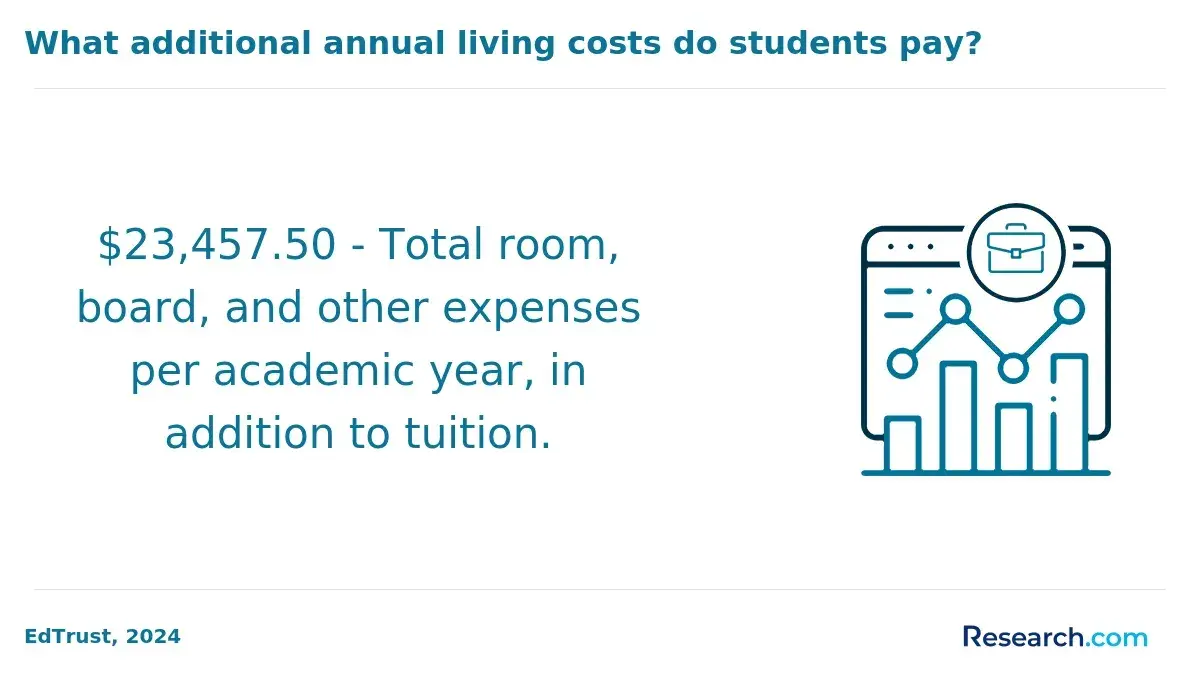
In contrast, adult learners enrolling in sports science programs face more complex financial pressures due to simultaneous family responsibilities, ongoing employment, and existing debt. Many have to balance the cost of tuition with the opportunity cost of reduced work hours or foregone income, which intensifies financial strain beyond just direct expenses. Employer-sponsored tuition assistance plays a crucial role for over half of adult learners, but the variability of such benefits complicates consistent planning. Data from the Council for Adult and Experiential Learning highlights these financial trade-offs, showing that adult students frequently prioritize program flexibility and online or evening class formats despite higher costs. These dynamics illustrate the tuition cost considerations for adult learners and traditional sports science students, reflecting the interconnected decisions between workforce participation and education financing.
The differing financial pressure patterns between traditional and adult sports science students significantly influence enrollment choices and program formats. Adult learners' need for flexible scheduling and direct applicability to current job roles often leads them to select online or accelerated options, such as those detailed in the growing availability of accelerated online business degree programs. These decisions involve assessing immediate versus long-term return on investment, where adult learners tend to prioritize short-term workforce relevance and cost-effectiveness, while traditional students weigh debt accumulation alongside broader career potential. Understanding these nuanced financial behaviors and online classes priorities is essential for prospective students aiming to align educational pathways with practical economic realities over the entire lifecycle.
What Challenges Do Adult Learners and Traditional Students Face While Earning a Sports Science Degree?
Traditional students pursuing a sports science degree commonly face challenges centered on adjusting to structured academic environments, managing time between demanding coursework and campus involvement, and developing disciplined study habits essential for mastery. This group often relies on recently acquired knowledge from high school but must adapt to more rigorous material and practical applications that require sustained focus and active engagement. Data from the National Center for Education Statistics in 2024 indicates nearly 60% of these students experience stress balancing academic and extracurricular demands, reflecting the intense pressure to perform while cultivating foundational skills vital for future employability in technical fields.
Adult learners, typically aged 25 and older, encounter a markedly different set of obstacles shaped by intersecting professional and personal commitments. Their academic progression is often constrained by work schedules, caregiving roles, and the need to integrate learning with existing responsibilities, limiting access to crucial hands-on training and internships. A 2024 study by the Adult Learning Policy Institute shows that 72% of adult sports science students identify time management as a primary barrier, compounded by financial strains when education disrupts income streams. Unlike traditional students, they may also confront the challenge of reacclimating to academic settings and mastering new technologies, which can slow advancement in specialized areas such as biomechanics or physiology.
Recognizing these divergent needs, many institutions have begun tailoring support mechanisms, including flexible course offerings, targeted advising, and resources designed to bridge gaps in prior knowledge or life-stage constraints. Effective program design must reconcile scalability with individualized guidance to accommodate both populations, aiming to mitigate dropout risks and promote credential completion that aligns with labor market realities. As adult learners represent an increasing share in health-related fields amid evolving employer expectations, adaptive educational models remain crucial to equitable access and sustained career development in sports science disciplines.
How Does Age Affect Sports Science Degree Student Retention?
Retention patterns among younger sports science students often reflect the transitional challenges associated with entering higher education. These students, frequently aged 18 to 24, must navigate academic rigor alongside evolving motivation and a need to engage swiftly with collegiate resources and peer networks. The adjustment to full-time study and the pressure to align immediate goals with long-term career plans can cause retention rates to hover around 65%, as noted in recent data from the National Center for Education Statistics. Early academic preparedness and social integration remain critical, as gaps in these areas often correlate with frustrated persistence despite institutional support designed primarily around traditional student schedules.
In contrast, older students face retention challenges shaped more by external responsibilities than by academic acclimation. Adult learners, typically aged 25 and above, exhibit lower first-year retention near 48%, largely due to balancing coursework with work demands, family caregiving, and financial responsibilities. Yet, this group tends to demonstrate heightened goal orientation and commitment when programs accommodate flexibility through evening or online classes. Their retention is strongly tied to institutional adaptability and career relevance, emphasizing modular structures and pathways aligned with real-world applicability rather than steady pacing. Employer expectations for applied experience further influence persistence by tying academic progress to immediate workplace benefits, often extending degree completion timelines without diminishing motivation.
One sports science graduate recalled how their late admission decision complicated retention prospects: "They hesitated for weeks after applying because juggling a full-time job and family meant any delay felt critical. The rolling admissions timeline added pressure, so when acceptance finally arrived, it was a relief but also a wake-up call to get immediate financial and academic plans in motion. The mismatch between readiness and timing almost made them defer again, but having advisors who understood those constraints was crucial to getting started and staying enrolled." This experience illustrates how timing and institutional responsiveness intertwine with personal circumstances to shape persistence outcomes beyond mere age categories.
Which Sports Science Specializations Are Most Popular Among Adult Learners?
Adult learners in sports science programs typically select specializations that offer pragmatic career benefits aligned with their professional experience and immediate workforce goals. These students, often balancing existing career responsibilities, show a clear preference for fields that promise direct employability, opportunities for salary growth, or smoother transitions into adjacent health and fitness sectors. Their selections reflect a deliberate focus on skill sets applicable to mid- and senior-level roles rather than broader theoretical tracks favored by younger or traditional students.
Among the most popular specializations for adult learners are:
- Exercise Physiology: This specialization appeals due to its clinical relevance and the opportunity to leverage prior healthcare experience. Adult students value the direct linkage to rehabilitation and wellness industries, facilitating advancement into roles requiring applied physiological knowledge.
- Sport Rehabilitation: Combining practical therapy skills with sports science foundations, this path enables learners to enter the expanding rehabilitation workforce where demand intersects with aging populations and injury recovery.
- Sports Coaching and Performance Analysis: Many adult learners seek leadership or consultant positions within sports organizations, and this specialization supports expertise in strategy, athlete development, and performance metrics, often building on pre-existing coaching experience.
- Health and Wellness Management: Growing interest in preventive care and lifestyle medicine makes this specialization attractive for career changers aiming to integrate wellness principles into organizational or entrepreneurial ventures.
- Fitness and Personal Training Certifications: Pursued for quicker labor market entry, these certifications complement degree programs with applied credentials, appealing to adults focused on hands-on employment or self-directed business paths.
- Sports Nutrition: Its interdisciplinary nature aligns well with adult learners' broader health interests and facilitates roles in clinical, athletic, and community health contexts.
Data from the National Center for Education Statistics highlights that about 62% of sports science students aged 25 and over concentrate their studies in exercise physiology or rehabilitation tracks, underscoring a strong link between specialization choice and career-oriented skill updating. This focus on targeted credentials by adult learners reflects strategic efforts for market relevance and career mobility, contrasting with traditional student preferences for more generalist, theory-driven specializations.
For those evaluating educational pathways, particularly with the intent of leveraging prior experience or facilitating career transitions, consulting a list of competency-based colleges can provide insight into programs designed with adult learner flexibility and practical outcome alignment.
How Does Age Affect Job Opportunities for Sports Science Graduates?
Younger sports science graduates, typically aged 18 to 24, often benefit from structured entry-level hiring patterns that align with internship pipelines and full-time roles emphasizing physical stamina and fieldwork. Employers frequently prioritize these candidates for positions demanding high physical exertion or extensive on-site presence, which aligns with traditional workforce lifecycle expectations. A 2024 report by the National Center for Education Statistics found that 72% of sports science graduates under 25 secured full-time employment within six months, demonstrating the relative ease of transition for this demographic. These hiring trends shape the early career trajectory, reinforcing the advantage younger graduates hold in accessing foundational roles in the field of sports science and related health sectors.
Older sports science graduates navigate a distinctive employment landscape shaped by prior career experience, transferable skills, and often the desire for career transitions, which can both expand and constrain job opportunities. While they may encounter employer bias favoring youth for physically demanding tasks, older graduates often leverage workplace maturity and specialized knowledge to secure consultant or leadership roles outside traditional trainee positions. These dynamics influence salary structures and advancement pathways differently compared to younger peers.
Age-related career segmentation reflects the broader labor market's balancing of potential versus experience, making strategic networking and credential updates vital for older students aiming to realign their career trajectories in sports science. For some, exploring options such as online geology degrees or interdisciplinary programs may complement their skill set and broaden opportunities.
- job opportunities for sports science graduates by age
- how age influences sports science career paths
What Do Current Sports Science Enrollment Trends Reveal About Future Demand?
Emerging enrollment patterns in Sports Science degree programs reveal nuanced shifts in student priorities and perceived career value. Traditional students, predominantly aged 18 to 24, still comprise the majority, pursuing degrees immediately post-high school with goals oriented toward conventional athletic training and coaching roles. Meanwhile, adult learners, now growing by over 12% as per the 2024 National Center for Education Statistics, increasingly engage through part-time or flexible formats, signaling a stronger emphasis on lifelong learning, career transitions, and upskilling within wellness and rehabilitation sectors. These trends suggest a diversification of interest that is reshaping how programs position themselves to balance foundational knowledge with practical adaptability.
These enrollment changes mirror evolving labor market demands where employers value both formal credentials and demonstrated experience across age groups. Increased participation by adult learners often aligns with workforce shortages in rehabilitation and health industries, while technological advancements demand specialized skills, encouraging program modularity and specialization growth. The expansion of flexible learning options also responds to the varied scheduling needs of mid-career professionals, implying that future program growth will likely emphasize hybrid models and niche specializations. This alignment between education pathways and workforce expectations furnishes a critical forecast for the relevance and longevity of Sports Science degrees in an expanding, dynamic labor market.
References
- Adult students present unique challenges for two-year colleges https://www.ruffalonl.com/adult-students-present-unique-challenges-two-year-colleges/
- Sport participation among children and youth - Canadian Fitness and Lifestyle Research Institute https://cflri.ca/publication/sport-participation-among-children-and-youth/
- For Adult Learners, College Means More Than Just Jobs and Wages https://www.higheredtoday.org/2024/11/22/college-means-more-adult-learners/
- What is a BA in Sports Science? - eta https://etacollege.com/what-is-a-ba-in-sports-science/
- Why college? A deep dive into adult learners’ journeys https://www.luminafoundation.org/news-and-views/why-college-a-deep-dive-into-adult-learners-journeys/
- Relative Age Effect Among World-Class Jump Athletes #sportsscience #sportsmedicine #exercisescience https://www.jssm.org/jssm-24-9.xml%3EFulltext
- How Sport Science is increasing the longevity of players’ careers https://www.dsscoaching.ie/blog/faster-stronger-and-more-robust-how-sport-science-is-increasing-the-longevity-of-players-careers
- The Benefits of College for Adult Learners - ReUp Education https://reupeducation.com/blog/the-benefits-of-college-for-adult-learners/
- Researching the future expectations of sports sciences students https://sportedu.org.ua/index.php/PES/article/view/1835
- Traditional Vs. Non-Traditional Students in Higher Education https://moderncampus.com/blog/traditional-vs-non-traditional-students-in-higher-education.html
Other Things You Should Know About Sports Science
Adult learners in sports science programs often prioritize flexible scheduling, such as evening, weekend, or online classes, due to work and family commitments. Traditional students usually attend full-time daytime courses, which may offer more hands-on lab and fieldwork opportunities. When choosing a program, adult learners should weigh the tradeoff between flexibility and access to in-person practical experiences, as some experiential learning crucial for sports science careers might be limited in asynchronous or hybrid formats.
In 2027, the contrasting enrollment trends in sports science influence scheduling needs significantly. Adult learners often require more flexible, part-time, or evening classes compared to traditional students, who typically prefer full-time, daytime schedules. Institutions must adapt to these divergent needs to support both groups effectively.
Mature students often benefit from focusing on specializations that align closely with their prior professional experience or physical capacity, such as sports rehabilitation, coaching, or exercise physiology, where applied knowledge is valued over intense physical demands. Prioritizing these areas can optimize job placement and career longevity. Younger students may have more latitude to pursue physically demanding specialties like athletic training or biomechanical research. Adult learners should conduct a critical evaluation of their career goals relative to subfield demands before committing to a specialization.
Sports science degrees frequently combine rigorous academics with physical training components, which can disproportionately strain adult learners balancing external responsibilities. Unlike traditional students who typically have more leisure time, adult learners must allocate time efficiently, possibly necessitating part-time enrollment or program extensions. This can lengthen time to degree completion and impact financial and career planning. Programs offering modular or competency-based progressions may better support adult learners by allowing paced workloads without sacrificing content depth.