2027 Sports Science Tuition Inflation Report: How Fast Are Program Costs Rising?

Co-Founder and Chief Data Scientist
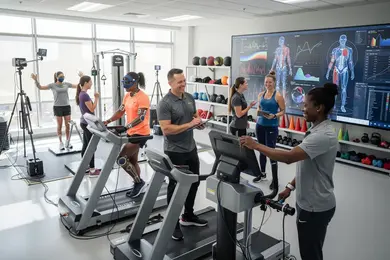
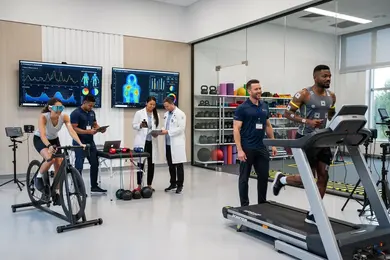
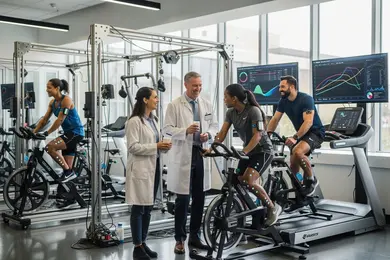
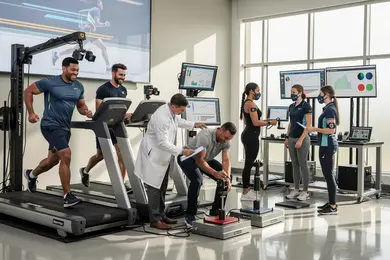
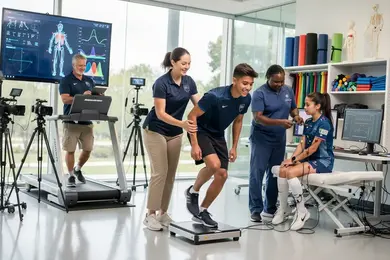
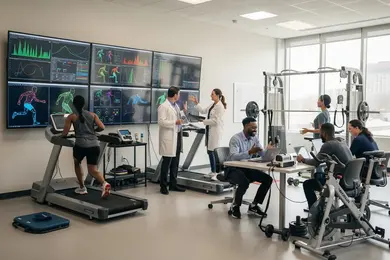
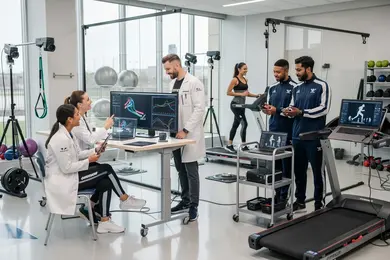
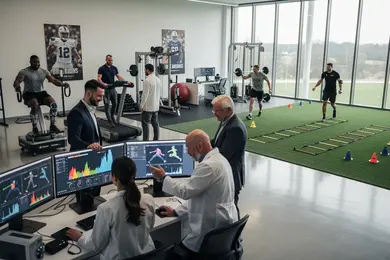
Rising tuition in sports science programs reflects unique operational demands rather than broad higher-education inflation. Growing accreditation standards now require advanced laboratory courses and expanded clinical practice hours, increasing faculty specialization and resource needs. Investment in cutting-edge biomechanical equipment and simulation technology further drives program costs upward.
Additionally, surging workforce demand for certified exercise physiologists and performance analysts encourages schools to enhance curricula, often at added expense. According to a 2024 National Athletic Trainers' Association survey, enrollment in specialized sports science tracks grew 12% over two years, intensifying teaching and facility requirements. This article explores how these factors shape tuition trends and influence the evolving sports science educational landscape.
Key Things to Know About Sports Science Tuition Inflation
- Rising sports science tuition outpaces inflation by 6% annually, forcing students to weigh immediate debt against the slower credentialing pace typical in experiential sports careers.
- Employers increasingly favor interdisciplinary skills over narrow credentials, diminishing the standalone value of expensive sports science degrees in competitive job markets.
- Steady tuition hikes limit access to timely program entry, pushing delayed enrollment that can disrupt career momentum and prolong skill application gaps.
- Key Things to Know About Sports Science Tuition Inflation Key Things to Know About Sports Science Tuition Inflation
- How Much Has Sports Science Tuition Increased Over the Past Decade? How Much Has Sports Science Tuition Increased Over the Past Decade?
- How Does Sports Science Tuition Inflation Compare to Overall Inflation? How Does Sports Science Tuition Inflation Compare to Overall Inflation?
- Which Types of Schools Have Experienced the Fastest Sports Science Tuition Growth? Tuition Growth by School Type
- What Factors Are Driving Rising Costs in Sports Science Degree Programs? Tuition Cost Drivers
- How Does Sports Science Tuition Growth Vary by State and Region? Tuition Growth by State
- Are Online Sports Science Programs Becoming More Affordable Than Campus-Based Programs? Online Program Affordability
- How Have Financial Aid and Scholarships Changed as Sports Science Tuition Has Increased? Impact on Financial Aid and Scholarships
- How Does Rising Sports Science Tuition Affect Student Debt After Graduation? Impact on Student Debt
- Do Higher-Cost Sports Science Programs Deliver Better Career Outcomes or Earnings? Impact on Career Outcomes
- What Do Current Tuition Trends Suggest About the Future Cost of a Sports Science Degree? What Do Current Tuition Trends Suggest About the Future Cost of a Sports Science Degree?
How Much Has Sports Science Tuition Increased Over the Past Decade?
Over the last ten years, sports science tuition at public four-year colleges has risen sharply, with increases averaging between 35% and 45% when adjusted for inflation, according to data from the National Center for Education Statistics and the U.S. Department of Education College Scorecard. Private institutions have seen even higher jumps, often exceeding 50% growth in the same period. These decade-long trends in sports science program costs in the US highlight a pricing trajectory that outpaces many other fields, reflecting broader shifts in how higher education is financed and delivered.
Several factors drive these rising costs beyond general tuition inflation. Reduced state funding for public universities forces programs to cover operational expenses through tuition, while ongoing investments in specialized labs, advanced technology for performance and biomechanical analysis, and compliance with safety regulations push budgets higher. Additionally, the interdisciplinary nature of sports science, blending physiology, nutrition, biomechanics, and data science, demands expanded faculty expertise and enhanced curricula, raising program overhead. These elements collectively amplify tuition pressure, with enrollment patterns and shifting employer expectations also shaping institutional spending priorities.
For prospective students, the financial burden imposed by these increases profoundly impacts educational decisions and long-term planning. Higher tuition does not guarantee stronger employment outcomes, as competitive job markets tend to favor candidates possessing advanced credentials or relevant practical experience. This dynamic encourages consideration of alternative pathways, such as certifications or apprenticeships, to manage debt and optimize return on investment. For those seeking affordable credentials, exploring resources like the cheapest BCBA certification programs may provide viable options alongside traditional degree routes, particularly amid rising costs and evolving workforce demands.
How Does Sports Science Tuition Inflation Compare to Overall Inflation?
Tuition inflation for sports science programs consistently surpasses the general consumer inflation rate, as reflected in data from the National Center for Education Statistics and the College Board's 2024 report. While the Consumer Price Index averages around 2.5%, sports science tuition inflation ranges from approximately 3.8% to 4.2%, indicating a persistent and notable gap. This differential reflects specific cost pressures inherent in sports science education, which include expensive lab equipment and facilities, alongside specialized faculty compensation patterns. Regional trends reveal that these increases are often more pronounced in private institutions compared to public ones, underscoring disparities within program pricing across the United States.
The widening gap between sports science tuition inflation and overall inflation stems largely from structural shifts in higher education funding and operational costs. Decreases in state subsidies have forced many public universities to shift more financial burden onto students, while private institutions face intensified competition to enhance facilities and technology, escalating administrative overhead. Additionally, expanded student support services and accreditation demands for sports science programs contribute to rising expenses beyond typical economic inflation. These drivers combine with broader institutional strategies that prioritize research capabilities and program differentiation, pushing tuition beyond what general market inflation would predict.
For prospective students and families, the inflation gap signals increasing challenges in maintaining affordability, increasing reliance on borrowing, and a need for careful program evaluation. As tuition rises faster than wages and general living costs, the real cost of sports science degrees grows, affecting net return on investment and often influencing enrollment decisions. This dynamic also shapes the value proposition of various institutions and programs, encouraging consideration of less costly alternatives or innovative delivery formats like an online library science degree that may offer more stable pricing relative to inflation pressures in specialized fields.
Which Types of Schools Have Experienced the Fastest Sports Science Tuition Growth?
Tuition growth for Sports Science programs varies notably across institution types, influenced by underlying financial structures, enrollment pressures, and program resource needs. Private nonprofit universities have typically seen higher cost increases due to limited public funding and investments in program specialization. Public universities face different pressures, often balancing state budget cuts against growing demand, which can moderate tuition hikes but still result in upward trends. Understanding these institutional dynamics is critical to assessing how tuition inflation impacts affordability and long-term value in the field.
- Private Nonprofit Universities: These institutions often lead in tuition growth rates for sports science due to reliance on tuition revenue amid constrained endowments and reduced external funding. Their emphasis on research and specialized facilities drives up operational costs, which are passed to students through steady annual increases.
- Public Universities: While traditionally more subsidized, many face shrinking state appropriations, compelling them to raise tuition to maintain program quality and support expanding enrollment. The balance between public funding volatility and increased student demand creates moderate but consistent tuition growth.
- For-Profit Institutions: Typically more market-driven, these schools adjust tuition strategically based on competitive positioning and enrollment targets. Their pricing may reflect aggressive program expansions but is often tempered by regulatory scrutiny and sensitivities around return on investment for students.
- Research-Intensive Universities: Institutions with substantial research portfolios integrate costly lab equipment and interdisciplinary resources into sports science curricula. The high investment in cutting-edge research infrastructure leads to above-average tuition increases, justified by enhanced academic reputation but adding financial pressure on learners.
- Regional Colleges: These schools often maintain lower tuition growth by focusing on teaching over research and serving local populations. Their smaller scale and less specialized programming limit cost escalation, though their financial resource constraints can affect program breadth and innovation.
- Online Universities: Growing demand for flexible learning has boosted program offerings online; however, the cost efficiencies from digital delivery can restrain tuition inflation. Still, investment in quality platforms and comprehensive student services can introduce incremental price increases over time.
Data from the National Center for Education Statistics in 2024 demonstrates private nonprofit institutions average a 4.2% annual rise in sports science tuition, compared to a 2.8% increase at public universities, highlighting how funding models and institutional priorities drive divergent cost trajectories. Such differences underscore the importance of evaluating both institutional type and internal cost drivers when projecting future tuition trends and calculating return on investment for students pursuing sports science degrees.
What Factors Are Driving Rising Costs in Sports Science Degree Programs?
Rising costs in sports science degree programs stem from a complex interplay of institutional funding shifts, labor market pressures, and technological advancements rather than a single driving factor. The financial dynamics of these programs reflect broader trends in higher education finance, where changes in public funding, staffing models, and resource allocation converge. For students, this means tuition increases are rooted in evolving operational realities that encompass more than just instructional expenses, involving specialized equipment procurement and compliance with enhanced regulatory standards that impact overall program budgets.
Key contributors to cost growth include diminished public funding, particularly for state-supported universities, which has led to greater dependence on tuition and fees as primary revenue sources. Faculty salaries in sports-related disciplines have risen steadily, reflecting the demand for instructors with specialized credentials and research expertise, pushing payroll costs higher than inflation rates over recent years. Alongside these labor costs, institutions are expanding administrative roles tied to student support services, accreditation, and diversity initiatives, adding layers of expense. Concurrently, investment in digital platforms and cutting-edge technologies-such as biomechanics labs and performance analysis software-requires ongoing capital outlay and maintenance, further elevating program costs. The 2024 State Higher Education Finance report highlights a 3.5% decline in per-student public funding in several regions, underscoring how external fiscal pressures cascade into tuition strategies and program affordability challenges.
One sports science graduate recalled navigating the admissions process amid rising costs and shifting program requirements. Initially hesitant due to uncertainty around funding and available technology resources, the student engaged in multiple communications with departmental advisors while weighing offers from different institutions. The rolling admissions timeline added pressure to decide quickly, yet careful timing was crucial to secure financial aid packages that partially offset the growing tuition burden. This experience illustrates how prospective students often face strategic decisions under uncertainty, balancing preparation time against escalating expenses and evolving program landscapes.
How Does Sports Science Tuition Growth Vary by State and Region?
Tuition growth rates for sports science degree programs vary widely across U.S. states and regions, shaped by differences in public funding, institutional types, and broader economic conditions. States with expansive public university systems often see sharper tuition increases when state appropriations lag behind rising operational expenses, placing more financial burden on students. Regional cost-of-living differences also contribute, as areas with higher living expenses often experience greater tuition inflation to match faculty salaries and facility maintenance costs. These regional disparities in sports science tuition increases by state reflect a complex interaction of fiscal policies, institutional pricing strategies, and labor market demands rather than simple geographic trends.
Key drivers of variation include state appropriations for higher education, which tend to be more robust in Midwestern and Southern states, moderating tuition inflation to around 2-3%. Conversely, Northeastern and Western states, particularly those housing major research universities and private institutions, frequently face funding shortfalls that accelerate tuition growth beyond 4-5% annually. This reflects both higher labor costs and strategic decisions to prioritize specialized, research-intensive sports science programs that require significant investment. Furthermore, regional workforce demand in healthcare and athletic performance sectors influences institutional pricing as universities respond to local employer needs and competition for qualified graduates.
These uneven tuition growth patterns have implications for student mobility and affordability. Prospective students must weigh the tradeoffs between lower tuition inflation in mid- and low-cost regions against potential limitations in program quality or job market access. Rising costs in high-demand urban centers may be offset by stronger employer networks but increase financial risk if educational outcomes do not align with investment. Additionally, students exploring allied credentials such as certified bookkeeper programs may find more predictable pricing models in less research-intensive institutions, underscoring the need to match educational choices to practical workforce realities and long-term return on investment.
Are Online Sports Science Programs Becoming More Affordable Than Campus-Based Programs?
Recent data from the National Center for Education Statistics indicates a notable divergence in tuition inflation rates between online and campus-based sports science programs, with online offerings increasing at roughly half the rate of traditional programs (2.3% versus 4.7% annually in 2024). This trend reflects a broader shift in institutional pricing strategies where online programs are positioned to leverage scalability and reduced dependence on physical infrastructure. Campus programs often face fixed and escalating costs tied to facility maintenance, on-site staffing, and campus amenities, which in turn drive faster tuition growth. Conversely, online program pricing can remain more moderate due to efficiencies in digital course delivery and the elimination of many location-specific expenses, although cost variability remains linked to program design and institutional priorities.
Core factors shaping this affordability gap include the cost structures underpinning each delivery model. Online sports science programs benefit from reduced expenditures on physical classrooms and campus utilities but require sustained investment in advanced digital platforms, instructional design tailored for remote learners, and robust student support systems adapted to virtual environments. Faculty engagement models also differ, with online teaching often demanding unique training and potentially higher staffing ratios to maintain interaction quality. Moreover, some online programs balance cost savings against the need for in-person practicums or laboratory components, which can introduce added logistical and financial complexity. These dynamics reveal that affordability differences are both structural-rooted in the fundamental economics of online versus physical education-and influenced by institutional strategy related to technology adoption and student services.
The nuanced interplay between pricing, program delivery, and student needs suggests that while online sports science degrees generally demonstrate improved affordability trajectories, this is not uniformly guaranteed and depends on program specifics and institutional commitments. Students and workforce stakeholders should critically assess these factors alongside total cost of attendance, considering how digital infrastructure investments and required on-site components impact long-term value.
One graduate recalled navigating the rolling admissions process for an online sports science program amid uncertainty over start dates and course availability. The timing of their application was critical; they hesitated initially due to incomplete information on practicum scheduling, which felt more rigid than expected for an online format. Only after multiple follow-ups with admissions did the student commit, appreciating the flexibility offered but also recognizing that early decisive action was necessary to secure placement. This experience underscored the sometimes complex decision-making associated with online program affordability and accessibility, highlighting how admissions dynamics and institutional communication play nontrivial roles in realizing prospective cost savings.
How Have Financial Aid and Scholarships Changed as Sports Science Tuition Has Increased?
As tuition costs for sports science programs have escalated, financial aid and scholarship models have adjusted unevenly, often failing to fully offset rising expenses. While nominal scholarship amounts and institutional aid have increased modestly, their growth generally falls behind accelerating tuition surges, resulting in a higher net price burden for many students. Institutions have shifted toward more selective aid strategies, expanding merit-based scholarships aimed at academically and athletically accomplished candidates, while need-based support frequently remains stagnant or diminishes due to tighter funding pools. This recalibration reflects a broader prioritization of attracting competitive applicants rather than broadly alleviating affordability challenges.
Key factors driving these shifts include intensified competition among programs seeking to boost enrollment and prestige, alongside restrained federal and state financial aid programs after 2023 legislative changes that tightened eligibility and slowed increases in maximum award amounts. This environment incentivizes schools to leverage merit scholarships as a recruitment tool, often linked to student achievement or alignment with career metrics valued by employers, such as competencies in analytics and rehabilitation science. Meanwhile, Pell Grants and other income-sensitive federal aid continue to support lower-income students but face budgetary pressures amid rising demand. These forces combine with institutional discounting tactics that favor select student segments, increasing disparities in aid access.
The consequence of these evolving aid dynamics is a growing complexity in net cost planning for sports science students, with many facing rising out-of-pocket expenses and heavier reliance on loans. Persistent gaps between tuition inflation and financial aid expansion can elevate debt burdens, impacting long-term financial outcomes. Furthermore, the emphasis on merit-based aid shapes student choices and accessibility, potentially disadvantaging those with significant financial need but less competitive academic or athletic profiles. Understanding these patterns is crucial for prospective and current students as they navigate affordability and weigh the return on investment within an increasingly stratified funding landscape.
How Does Rising Sports Science Tuition Affect Student Debt After Graduation?
Rising tuition costs for sports science programs have led to notably higher student borrowing levels, driving many graduates to depend extensively on loans to cover expenses. As tuition outpaces wage growth in related professions, students often exhaust grant and scholarship options, pushing them toward increased federal and private loan use. This dynamic directly contributes to longer repayment horizons and larger principal balances upon graduation, intensifying the financial challenges that accompany completing a sports science degree. Recent research shows that student debt trends after sports science degree graduation exceed national average debt levels for health and fitness degrees by about 10-20%, underscoring the steep burden placed on borrowers in this field.
Key factors amplifying the rising sports science tuition impact on student debt include variable financial aid access, with younger full-time students typically receiving more supportive packages than part-time or adult learners. Public institutions often offer somewhat lower tuition than private ones, but the overall upward trajectory affects all sectors. Additionally, accrued interest during multi-year programs adds to eventual balances, while median incomes for many entry-level sports science roles lag behind other STEM fields, complicating repayment feasibility. Such financial strains not only influence borrowing behavior but can also prompt students to reconsider enrolling in costly programs or seek less expensive alternatives to manage long-term affordability.
These growing debt loads create repayment pressures that may delay wealth building and professional development investments. Income-driven repayment plans and loan forgiveness programs have become crucial tools but depend heavily on stable post-graduate employment and income levels that are often modest in sports science careers. Prospective students might also weigh this debt environment in their decisions, sometimes turning to options like a cheap online masters in counseling or related fields with more favorable financial prospects. Ultimately, the interplay between rising tuition, borrowing, and repayment realities represents a significant consideration for anyone evaluating the true cost and return on investment of a sports science education.
Do Higher-Cost Sports Science Programs Deliver Better Career Outcomes or Earnings?
Higher-cost sports science programs do not necessarily lead to significantly better career outcomes or earnings. Tuition expenses alone are an imperfect indicator of future success since multiple intersecting factors shape employment trajectories. A 2024 report from the U.S. Department of Education found that graduates from more expensive sports science programs earned starting salaries only about 5% higher than those attending moderately priced ones, with this advantage often fading within five years. This suggests that the return on investment for sports science degrees depends on variables beyond sticker price.
Outcomes hinge more on the quality of faculty expertise, availability of hands-on research opportunities, and structured internships rather than institutional prestige or cost. Programs with strong employer partnerships and geographic proximity to vibrant sports science industries typically offer superior pipelines into relevant careers. Specialized curricula and alumni networks that facilitate mentorship and connections also strongly affect job placement rates. These factors collectively outweigh tuition cost as predictors of employability and sustainable earnings growth.
Prospective students should critically evaluate program affordability alongside practical benefits by considering curriculum alignment with industry demands, experiential learning, and career service resources. Excessive debt from costlier programs may offset marginal salary gains, altering net financial outcomes. Some may find suitable pathways by exploring a low cost online general studies degree that integrates foundational sports science knowledge while minimizing financial burden. Emphasizing these elements supports more nuanced decision-making regarding higher-cost sports science programs and their true career value.
What Do Current Tuition Trends Suggest About the Future Cost of a Sports Science Degree?
Recent tuition trends reveal a persistent and above-average increase in the cost of earning a Sports Science degree, with annual rises near 4.2% since 2020, as reported by the National Center for Education Statistics in 2024. This rate notably surpasses general undergraduate tuition inflation and signals that prospective students should expect a sustained upward trajectory that exceeds standard inflation adjustments. The historical pattern suggests that institutions are maintaining pricing strategies responsive to specialized program demands rather than broader market controls, making affordability a growing concern for many aspiring professionals.
The escalation is driven by multiple factors: constrained public funding pushes colleges to offset costs through tuition, while increased employer demand for graduates skilled in advanced biomechanical analysis and technology integration compels institutions to invest in state-of-the-art labs and faculty expertise. Additionally, the expansion of online and hybrid program delivery introduces complex cost structures that don't always translate to cheaper tuition. These dynamics indicate that future tuition will increasingly reflect an institution's capacity to provide experiential learning environments and technological resources rather than simple unit cost inflation.
For students evaluating Sports Science programs, these trends underscore important tradeoffs. Higher tuition may correlate with improved training and employability but also greater financial risk and potential reliance on borrowing. Enrollment decisions should carefully balance anticipated program quality against affordability, recognizing that rapidly rising costs disproportionately impact traditional college-age students compared to adult learners who might access more flexible, cost-differentiated pathways. Critical analysis of tuition data alongside program outcomes will remain essential for navigating the evolving educational landscape.
References
- Would Student Debt Forgiveness Drive Inflation? https://robertkelchen.com/2022/06/09/would-student-debt-forgiveness-drive-inflation/
- How college tuition inflation has impacted college costs https://finance.yahoo.com/news/college-tuition-inflation-cost-college-221647962.html
- Tracking College Tuition Growth https://www.richmondfed.org/publications/research/economic_brief/2024/eb_24-23
- Trends in Net College Tuition and Financial Aid, 1990–2020 | American Enterprise Institute - AEI https://www.aei.org/research-products/report/trends-in-net-college-tuition-and-financial-aid-1990-2020/
- Is Rising Student Debt Harming the U.S. Economy? | Council on Foreign Relations https://www.cfr.org/backgrounders/us-student-loan-debt-trends-economic-impact
- 5 Sports Science Trends for 2025 https://www.globalperformanceinsights.com/post/5-sports-science-trends-for-2025
- What Is Sport Science? - Sydney Sports and Exercise Physiology https://ssep.com.au/what-is-sport-science/
- From tuition hikes to higher student loan borrowing costs, inflation is making college even more expensive https://www.cnbc.com/2022/07/15/inflation-is-suddenly-making-college-more-expensive-than-ever.html
- Inflation Has Yet to Affect Tuition, but Students Still Feel the Rising Costs | Insight Into Academia https://insightintoacademia.com/inflation-has-yet-to-affect-tuition-but-students-still-feel-the-pain-of-rising-costs/
- Top 15 Affordable Exercise Science Degree Online Programs https://www.sports-management-degrees.com/affordable-online-bachelors-sports-science/
Other Things You Should Know About Sports Science
As tuition rises, students often face pressure to maximize their investment by taking heavier course loads or seeking additional certifications simultaneously, which can lead to burnout. A pragmatic approach is to prioritize programs that offer manageable pacing and integrated practical experiences, allowing students to master core competencies without compromising well-being. This tradeoff can affect long-term retention of skills vital for the demanding nature of sports science careers.
Tuition inflation often obscures the nuanced return on investment across various specializations such as exercise physiology, biomechanics, or sports psychology. Students need to consider employer demand trends, geographic factors, and certification requirements that differ by focus area. Prioritizing specializations with robust job placement records and clear pathways to certification can mitigate the risk of overpaying for a degree that may not translate into expected career advancement.
Higher tuition costs may lead employers to expect graduates to possess not only academic credentials but also extensive practical skills and professional certifications to justify the investment. This shifts the emphasis towards comprehensive programs that integrate internships and networking opportunities rather than solely theoretical knowledge. Students should seek programs that emphasize experiential learning and career services to better meet these evolving workforce demands without incurring excessive debt.