2027 Accredited Online Aviation Management Degree Programs for Working Adults: Flexible, Part-Time, and Self-Paced Options

Co-Founder and Chief Data Scientist
Choosing an accredited online aviation management degree is really a scheduling, cost, and career-fit decision. NCES reported in 2024 that more than half of postsecondary students took at least one distance education course, which helps explain why working adults are looking for part-time, asynchronous, and self-paced routes.
This guide is for adults balancing jobs, family, military service, or shift work. You'll learn how accreditation, format, tuition, transfer credits, workload, and career goals affect whether an online aviation management program is the right investment.
Key Things You Should Know
- Choose a college with recognized institutional accreditation, then check whether the aviation program has AABI accreditation or relevant business accreditation if employer recognition matters in your target role.
- Working adults usually need 10 to 18 hours per week for part-time study and 25 to 40 hours per week for full-time study, bachelor's programs commonly require about 120 credits, while transfer-friendly programs may accept 60 to 90 credits toward completion.
- College Board's 2024-25 pricing data lists average published tuition and fees at $11,610 for in-state public four-year colleges and $43,350 for private nonprofit four-year colleges, so online students should compare total program cost, not just per-credit tuition.
What Is an Accredited Online Aviation Management Degree Program and Why Does Accreditation Matter?
An accredited online aviation management degree is a college program that teaches the business, operational, regulatory, safety, and leadership side of the aviation industry through online coursework. It is different from a flight training program: aviation management focuses on running airports, airlines, aviation service companies, safety systems, logistics operations, and aviation-related business units. Some programs include flight electives, but many are designed for students who want aviation careers without becoming pilots.
Accreditation matters because it affects financial aid eligibility, transfer-credit acceptance, employer confidence, and admission to graduate school. At minimum, the institution should be accredited by an agency recognized by the U.S. Department of Education or the Council for Higher Education Accreditation. For aviation-specific quality signals, look for Aviation Accreditation Board International accreditation. Business-focused programs may also hold AACSB, ACBSP, or IACBE accreditation.
If you are still comparing aviation management with other majors in college, accreditation is one way to separate a career-aligned degree from a program that simply uses aviation-themed course titles. It does not guarantee a job, but it gives you a stronger basis for comparing curriculum quality and institutional legitimacy.
This table summarizes the most common accreditation signals and what they mean for an adult learner comparing online programs. Use it as a first-pass screening tool before you contact admissions.
| Accreditation or approval type | What it applies to | Why it matters | What to verify |
| Institutional accreditation | The college or university | Usually required for federal financial aid and broad credit transfer. | Accreditor is recognized by the U.S. Department of Education or CHEA. |
| AABI accreditation | Aviation and aerospace programs | Signals aviation-specific curriculum review and industry alignment. | The exact online aviation management program is listed, not only the school. |
| Business accreditation | Business school or business programs | Helpful when the aviation program is housed in a college of business. | AACSB, ACBSP, or IACBE status and applicable degree level. |
| FAA approval | Flight training, maintenance, dispatch, or air traffic-related training | Relevant only if the program includes regulated training beyond management coursework. | Whether the credential you want requires FAA-approved training. |
Be cautious with schools that advertise "accredited" without naming the accreditor, list only an old accreditation status, or suggest that aviation management automatically qualifies you for pilot, mechanic, dispatcher, or air traffic control roles. Those career paths may require separate FAA certificates, medical requirements, exams, or training that a management degree alone does not provide.
Which Flexible Aviation Management Degree Formats Are Best for Working Adults: Part-Time, Full-Time, or Self-Paced?
The best format depends on your work schedule, learning style, and urgency. For most full-time workers, part-time asynchronous study is the safest starting point because it offers predictable progress without requiring you to be online at fixed times every week. Self-paced options can be excellent for highly disciplined adults, but they are not always easier; they shift more responsibility for pacing, planning, and deadline management onto you.
Use this comparison to match the format to your real weekly availability. The goal is not to find the fastest program on paper, but the one you can actually finish without creating unsustainable pressure.
| Format | Typical structure | Best fit | Main trade-off |
| Part-time asynchronous | One or two courses per term, weekly deadlines, no regular live meetings. | Full-time workers, parents, shift workers, military learners. | Slower completion but better schedule control |
| Full-time online | Three or more courses per term with multiple weekly due dates. | Students with reduced work hours or strong tuition assistance deadlines. | Faster progress but heavier workload |
| Self-paced or competency-based | Students move through material at variable speed within term or subscription limits. | Experienced aviation or business professionals who can study independently. | Flexibility can become procrastination without a strict plan |
| Synchronous online | Live virtual classes at set times. | Learners who want real-time discussion and faculty interaction. | Less flexible for rotating shifts or travel-heavy jobs |
| Cohort-based online | Students move through courses together on a fixed sequence. | Adults who value structure and peer accountability. | Harder to accelerate or pause without falling out of sequence |
Before choosing a format, ask the school to define "flexible" in operational terms. That word can mean very different things across programs, so confirm the details that affect your calendar.
- Ask whether courses are asynchronous, synchronous, or mixed.
- Confirm whether assignments are due weekly, biweekly, or only at the end of a term.
- Ask whether exams require live proctoring at fixed times.
- Check whether the program allows stop-outs, reduced course loads, or term breaks without financial aid penalties.
- Find out whether self-paced courses have maximum completion windows or subscription-period limits.
Choose full-time study only if your schedule can support it for more than one term. Many adults can temporarily manage an overloaded semester, but degree completion depends on whether the pace is sustainable across work peaks, family emergencies, and travel demands.
What Are the Admission Requirements for Accredited Online Aviation Management Degree Programs?
Admission requirements vary by degree level, but most accredited online aviation management programs are designed to be accessible to adult learners. A bachelor's-completion program may be ideal if you already have an associate degree, military training, FAA credentials, or prior college credits. A first-time bachelor's program may work better if you need general education courses and a structured path from the beginning.
Most schools evaluate academic readiness, transfer history, and basic professional goals. Requirements commonly include the following, though each college sets its own policy.
- High school diploma, GED, or equivalent for first-time undergraduate admission.
- Official transcripts from all colleges previously attended.
- Minimum GPA requirements, often with conditional admission options for adults returning after a long break.
- English or math placement requirements if general education coursework is incomplete.
- Resume, personal statement, or professional history for some adult-completion or graduate programs.
- Proof of prior aviation certificates, military training, or industry credentials if you want those evaluated for credit.
Students comparing aviation management with an online business degree should pay close attention to prerequisites. Aviation management may include business core courses such as accounting, finance, economics, and organizational leadership, but it also adds industry-specific topics such as airport operations, aviation safety, aviation law, air transportation systems, and regulatory compliance.
A common mistake is applying to a program before sending unofficial transcripts for a preliminary review. For working adults, this can lead to surprise costs or a longer timeline after admission. Ask for an unofficial degree audit before you commit, especially if you have old credits, credits from multiple schools, military training, or credits earned under quarter-hour systems.
How Much Does an Online Aviation Management Degree Cost, and What Financial Aid Options Are Available?
The cost of an online aviation management degree depends on residency rules, public versus private status, transfer credits, online course fees, textbooks, aviation lab fees, technology requirements, and whether you attend full time or part time. College Board's 2024-25 data shows why the type of institution matters: average published tuition and fees were $11,610 for in-state students at public four-year colleges, $30,780 for out-of-state students at public four-year colleges, and $43,350 at private nonprofit four-year colleges. Online pricing may differ, but those benchmarks help you judge whether a program is unusually expensive.
When comparing prices, list the total estimated cost to finish your remaining credits rather than comparing only sticker tuition. A transfer-friendly public university may be less expensive than a lower-per-credit private program if it accepts more of your previous coursework.
- Public in-state four-year benchmark: $11,610 in published tuition and fees for 2024-25.
- Public out-of-state four-year benchmark: $30,780 in published tuition and fees for 2024-25.
- Private nonprofit four-year benchmark: $43,350 in published tuition and fees for 2024-25.
- Federal Pell Grant maximum award for 2024-25: $7,395 for eligible undergraduate students.
This table shows the cost categories working adults should compare before choosing a program. It is especially useful when two schools advertise similar tuition but have different fee structures or transfer-credit policies.
| Cost factor | Why it affects total price | What to ask |
| Per-credit tuition | Multiplied by remaining credits after transfer evaluation. | Is online tuition charged by residency, program, or flat rate? |
| Mandatory online fees | Can add meaningful cost each term. | Are technology, proctoring, library, or distance-learning fees included? |
| Transfer-credit acceptance | Reduces the number of credits you must pay to repeat. | How many credits can apply to major, elective, and general education requirements? |
| Course materials | Some aviation courses use specialized texts, simulations, or software. | Are open educational resources or digital materials available? |
| Employer tuition assistance | Can lower out-of-pocket cost but may require grades or continued employment. | Does the school defer billing until employer reimbursement arrives? |
Financial aid options may include federal grants, federal loans, state grants, institutional scholarships, military education benefits, employer tuition assistance, aviation association scholarships, and payment plans. Adults considering graduate study later may also compare aviation management with options such as a top MBA online, especially if their long-term goal is executive leadership rather than aviation operations.
Do not borrow based on optimistic salary assumptions alone. Compare debt to your current income, expected career path, and the roles you can realistically pursue in your region or with your willingness to relocate.
How Long Does It Take to Complete an Online Aviation Management Degree, and Can Transfer Credits Help You Graduate Faster?
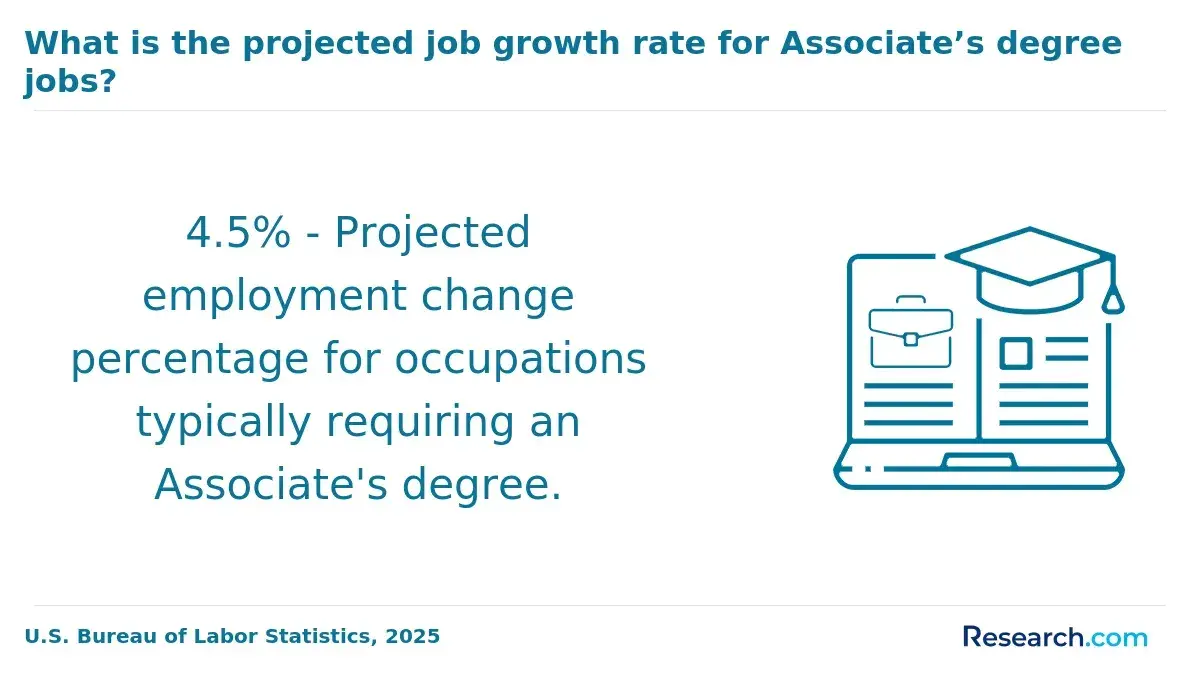
A bachelor's degree in aviation management commonly requires about 120 semester credits. First-time students often need four years of full-time study, while part-time adults may need five to six years depending on course load and term structure. Bachelor's-completion students with an associate degree or substantial transfer credit may finish faster, sometimes in two to three years if the remaining major courses are offered regularly online.
This table shows how pace affects completion time and workload. Use it to estimate whether your weekly schedule can support your preferred graduation target.
| Enrollment pace | Common course load | Estimated weekly workload | Typical fit |
| One course per term | 3 credits | 8 to 12 hours | Adults with demanding work, caregiving, or rotating shifts. |
| Two courses per term | 6 credits | 16 to 24 hours | Working adults with predictable evenings or weekends. |
| Full-time online | 12 or more credits | 30 to 40 hours | Students working part time or taking time away from full-time employment. |
| Accelerated terms | One or two compressed courses | Varies heavily by term length | Disciplined learners who can handle faster assignment cycles. |
Transfer credits can be the biggest timeline advantage for adults. Colleges may evaluate community college credits, previous university credits, CLEP or DSST exams, military transcripts, FAA certificates, professional training, and prior learning portfolios. The key question is not only how many credits the school accepts, but how many apply directly to your degree requirements.
Follow this sequence before enrolling so you understand your real graduation timeline.
- Request an unofficial transfer evaluation using all prior transcripts and training records.
- Ask which credits apply to general education, aviation major courses, business core courses, and free electives.
- Confirm the maximum number of transfer credits allowed toward the degree.
- Ask whether upper-division aviation courses must be completed at the university.
- Review the course rotation to make sure required classes are offered often enough for part-time students.
A red flag is a school that quotes a fast completion time before reviewing your transcripts. For adult learners, the most accurate timeline comes after a degree audit, not from a marketing page.
What Should You Look for When Comparing Accredited Online Aviation Management Degree Programs?
Comparing accredited online aviation management programs is less about finding one "best" school and more about matching program design to your career goal. A student aiming for airport operations may need different electives and internship access than a student targeting airline revenue management, aviation safety, logistics, or general business leadership.
The following checklist helps you compare programs beyond basic tuition and course names. It focuses on the factors most likely to affect adult learners' completion, cost, and career usefulness.
- Verify institutional accreditation and any aviation-specific or business-specific accreditation.
- Review the curriculum for airport operations, aviation law, safety management systems, aviation finance, air transportation, emergency planning, and leadership.
- Confirm whether courses are asynchronous, synchronous, self-paced, accelerated, or cohort-based.
- Ask how many transfer credits can apply to the degree and whether prior aviation credentials can be evaluated.
- Check whether required courses are offered every term or only once per year.
- Look for career services connected to airports, airlines, aviation authorities, logistics companies, or aerospace employers.
- Compare total cost after transfer credits, fees, books, and employer benefits.
- Ask whether internships or capstones can be completed near your home or current workplace.
It is also useful to compare how different online fields structure flexibility. For example, an online graphic design degree may emphasize portfolio deadlines and studio critique, while aviation management may emphasize regulatory analysis, operations planning, safety cases, and business projects. The right format depends on the kind of work you will be doing in the program, not only whether classes are online.
Common mistakes include choosing the cheapest program without checking transfer fit, assuming self-paced means unlimited time, ignoring proctored exam requirements, and enrolling in a program that does not align with your target aviation role. A better approach is to compare three to five accredited programs using the same criteria, then ask each admissions office for a written summary of transfer credits, remaining courses, estimated cost, and expected timeline.
What Career Opportunities and Salary Potential Can You Expect With a Aviation Management Degree?
An aviation management degree can support roles in airport administration, airline operations, aviation safety, logistics, ground operations, aviation customer experience, fleet planning support, emergency management, and aviation business analysis. It may also help current aviation workers move from front-line or technical roles into supervisory and administrative positions. It is not, by itself, a license for regulated roles such as pilot, aircraft mechanic, dispatcher, or air traffic controller.
BLS wage data can help you understand the broader salary landscape, but job titles in aviation management do not always map neatly to one occupation code. The May 2024 BLS Occupational Employment and Wage Statistics reported a median annual wage of $102,010 for transportation, storage, and distribution managers. That figure is useful as a management benchmark, not a promise of earnings for new graduates.
This table connects common aviation management career paths with the responsibilities and preparation typically associated with them. Use it to identify which program electives and experiences would be most relevant to your target role.
| Career direction | Common responsibilities | Helpful program focus | Additional considerations |
| Airport operations | Coordinate airfield activity, safety procedures, emergency response, and regulatory compliance. | Airport planning, aviation safety, aviation law, operations management. | Some roles prefer prior airport, military, or operations experience. |
| Airline operations support | Support scheduling, ground operations, customer operations, disruption response, or station management. | Air transportation systems, logistics, leadership, data analysis. | Shift work and relocation may be common in early career roles. |
| Aviation safety or compliance | Assist with safety management systems, audits, reporting, and policy implementation. | Safety systems, risk management, regulatory compliance, human factors. | Professional certifications may strengthen advancement opportunities. |
| Aviation logistics or cargo | Manage cargo movement, vendor coordination, warehouse processes, and transportation planning. | Supply chain, aviation finance, operations analytics, quality control. | Business and data skills can be as important as aviation coursework. |
| Aviation business administration | Work in budgeting, procurement, human resources, project coordination, or vendor management. | Accounting, management, organizational behavior, project management. | A business minor or graduate business degree may help for senior roles. |
Current trends affecting aviation management include increased use of operational data, automation in scheduling and logistics, stronger attention to safety management systems, and employer interest in workers who understand both aviation operations and business analytics. For working adults, this means a program with data literacy, communication, and project-based coursework may offer better long-term value than one focused only on general aviation history or survey courses.
How Can Working Adults Balance a Aviation Management Degree With Full-Time Work and Family Responsibilities?
Balancing an aviation management degree with full-time work requires a realistic weekly plan, not just motivation. Online aviation courses may include case studies, group projects, proctored exams, research papers, safety analyses, and operations simulations. If your job includes travel, rotating shifts, or overtime, asynchronous courses with predictable weekly deadlines are usually easier to manage than live evening classes.
The most practical way to decide on course load is to build a weekly time budget before you enroll. Use the steps below to test whether your intended pace fits your real life.
- List fixed commitments first, including work hours, commute time, caregiving, sleep, and recurring appointments.
- Block study periods in 60- to 120-minute segments instead of relying on vague weekend catch-up time.
- Start with one course if you have not studied recently or if your work schedule changes often.
- Increase to two courses only after you complete a term without late assignments or excessive stress.
- Tell your advisor early if overtime, deployment, illness, or family responsibilities may affect your course load.
- Use employer tuition assistance only after confirming grade requirements, reimbursement timing, and repayment rules if you leave your job.
Adults who succeed online often treat school like a second scheduled responsibility rather than an optional activity. That does not mean studying every night; it means creating reliable study windows before the term begins and protecting them as much as possible.
Red flags include enrolling full time because the monthly payment looks manageable, choosing accelerated terms while working mandatory overtime, or assuming online courses are lighter than campus courses. A better option is to choose a sustainable part-time pace and use summer terms, transfer credits, or prior learning assessment to shorten the timeline without overloading every semester.
What Student Support Services and Online Learning Resources Should You Expect From a Aviation Management Degree Program?
Student support can make the difference between enrolling and finishing, especially for adults who are returning to school after several years. A strong online aviation management program should offer more than recorded lectures. Look for accessible advising, aviation-informed career services, technical support, library access, tutoring, disability accommodations, writing support, and faculty who respond within clear time frames.
Support needs are similar across many adult-focused online programs, whether students are studying aviation, business, healthcare leadership, or Ed.D programs. The difference is that aviation management students should also look for industry-specific career help, such as airport employer connections, aviation resume guidance, safety or operations project feedback, and internship coordination.
Before applying, ask schools direct questions about the services you will actually use. These questions help reveal whether support is designed for working adults or mainly for traditional full-time students.
- Can I meet with advisors outside standard business hours?
- How quickly do faculty typically respond to online students?
- Is tutoring available for accounting, statistics, writing, and aviation-specific courses?
- Does career services have aviation employer relationships or only general resume support?
- Are library databases and research help available remotely?
- What happens if I need to pause for a term because of work, military duty, or family responsibilities?
- Is technical support available during evenings and weekends?
Also check whether online students have equal access to scholarships, student organizations, aviation events, mentoring, and alumni networks. Some programs are technically online but still center most networking around campus-based students, which may reduce value for remote learners.
Do Online Aviation Management Degree Programs Include Internships, Practicums, or Other Hands-On Learning Requirements?
Many online aviation management programs include applied learning, but the format varies. Some require internships, while others use capstones, case studies, simulations, consulting projects, safety plans, airport operations analyses, or research projects. For working adults, the key issue is whether hands-on requirements can be completed locally, remotely, or through your current employer.
Applied learning is valuable because aviation employers often care about judgment, communication, compliance awareness, and operational problem-solving. A well-designed online program should help you demonstrate those skills even if you cannot relocate for a traditional campus internship.
Ask these questions before enrolling if the program mentions internships, practicums, or experiential learning.
- Is the internship required or optional?
- Can I complete the requirement at my current aviation, logistics, military, or transportation workplace?
- Does the school help secure placements, or am I responsible for finding one?
- Can remote projects, simulations, or capstones satisfy the requirement?
- Are there minimum weekly site hours that could conflict with full-time employment?
- Does the internship require background checks, airport security badging, drug screening, or specific availability?
- Are there extra tuition charges or fees for internship credits?
Do not assume an online program has no in-person requirements. If you live far from major airports or cannot adjust your work schedule, choose a program that clearly explains remote or local alternatives for applied learning.
Other Things You Should Know About Aviation Management
No. Aviation management usually focuses on business, operations, leadership, safety, and regulation. Aeronautical science is more likely to emphasize flight operations, aerodynamics, aircraft systems, or pilot preparation, depending on the school.
Usually, diplomas from accredited universities do not specify online delivery, but policies vary by institution. Ask the registrar how the degree title and transcript will appear before enrolling.
It can be useful if you want to move into supervisory, operations, safety, compliance, or administrative roles. Its value depends on your experience, employer requirements, location, and whether the curriculum matches your advancement goals.
Most undergraduate programs do not require prior aviation experience. However, experience from airport work, military service, logistics, customer operations, or flight training can help you understand coursework and may strengthen internship or job applications.
References
- CAM Program Overview https://nbaa.org/professional-development/cam/program-overview/
- How to Advance Your Career in the Aviation Sector https://blog.portobelloinstitute.com/how-to-advance-your-career-in-the-aviation-sector
- Aviation Management Degree | 5 Top Career Paths & Salaries https://wayman.edu/what-can-you-do-with-an-aviation-management-degree/
- Aviation Management Degree - MSU Denver https://www.msudenver.edu/online/aviation-aerospace-management-bs/
- Aviation Schools and Universities https://www.faa.gov/education/students/resources/aviation-schools-and-universities
- 2025 Most Affordable Online Aviation Degrees https://www.onlineu.com/most-affordable-colleges/aviation-degrees
- Aviation Accreditation Board International - (AABI) https://www.chea.org/aviation-accreditation-board-international
- Upgrading Your Career in Aviation Management | Courses & Skills https://olc.aero/upgrading-your-career-in-aviation-management/