2027 Cheapest Accredited Online Aviation Management Degree Programs That Accept FAFSA

Co-Founder and Chief Data Scientist
Choosing an online aviation management degree is partly an academic decision and partly a financial one. The Federal Aviation Administration handled more than 16 million flights at U. S. airports in fiscal year 2024, keeping demand strong for people who understand airport operations, airline management, safety, logistics, and compliance. This guide is for students who want an accredited online aviation management degree but need FAFSA, grants, transfer credits, or low tuition to make it affordable. You will learn how to compare real cost, accreditation, aid eligibility, and career value before enrolling.
Key Things You Should Know
- The cheapest FAFSA-eligible online aviation management programs are usually public universities or degree-completion programs, but the lowest tuition is not always the lowest net cost after grants, fees, and transfer credit are applied.
- The maximum Federal Pell Grant has been $7,395 in recent federal award years, which can meaningfully reduce tuition for eligible undergraduates but does not automatically cover the full cost of an online aviation degree.
- For aviation management ROI, compare total borrowing with realistic career paths such as airport operations, airline operations, logistics, safety coordination, and aviation administration rather than assuming the degree leads to pilot-level earnings.
Which Are the Cheapest Accredited Online Aviation Management Degree Programs That Accept FAFSA?
| School | Online aviation-related degree | Institution type | Typical affordability profile | FAFSA participation | Best fit |
| Middle Georgia State University | B.S. in Aviation Science and Management | Public | Often among the lower-cost public options for Georgia and online students | Yes, if admitted to an aid-eligible degree program | Students seeking a public university pathway into aviation operations or management |
| Eastern New Mexico University | B.S. in Aviation Science or aviation-related online study options | Public | Known for relatively low undergraduate tuition compared with many private aviation schools | Yes, if enrolled in an eligible program | Cost-conscious students comparing broad aviation science and management routes |
| Utah Valley University | B.S. in Aviation Management | Public | Moderate public-university pricing; final cost depends heavily on residency, credits, and fees | Yes, if enrolled in an eligible degree program | Students who want a dedicated aviation management curriculum from a large public university |
| Southern Illinois University Carbondale | B.S. in Aviation Management or aviation-related completion pathway | Public | Can be cost-effective for transfer students who bring prior credits | Yes, for eligible students and programs | Associate degree holders, military learners, or students with technical aviation credits |
| Liberty University | B.S. in Aviation Management | Private nonprofit | May be affordable for students using military benefits, institutional discounts, or transfer credits | Yes, for eligible students and programs | Adult learners who need flexible online course schedules |
| Embry-Riddle Aeronautical University Worldwide | B.S. in Aviation Business Administration or aviation-related online programs | Private nonprofit | Usually not the lowest tuition, but aviation-specific brand recognition may matter for some students | Yes, for eligible students and programs | Students prioritizing aviation specialization, employer recognition, and a large aviation alumni network |
Aviation management overlaps with business, logistics, safety, and operations, so students comparing alternatives may also want to review affordable options for an online business degree. A business program may be cheaper or broader, while an aviation management degree is usually better for students who specifically want airport, airline, flight operations, aviation safety, or aerospace administration roles.
How Does FAFSA Eligibility Work for Online Aviation Management Degree Programs?
FAFSA eligibility means the school participates in federal student aid programs and the student is enrolled in an aid-eligible degree or certificate. It does not mean every student will receive a grant, and it does not mean the full online aviation management degree will be paid for.
- The institution must participate in Title IV federal student aid programs.
- The aviation management program must be an eligible degree program, not only a non-credit, continuing education, or professional training option.
- The student must be admitted as a regular degree-seeking student rather than taking standalone courses for personal interest.
- The student must meet federal eligibility rules, including citizenship or eligible noncitizen status, satisfactory academic progress, and loan default requirements.
- The student's enrollment level matters because full-time, half-time, and less-than-half-time status can affect grants, loans, and disbursement timing.
A common mistake is assuming that "online" and "FAFSA eligible" apply to every program offered by a university. Some schools have online degrees, professional certificates, flight training, and continuing education courses under the same brand, but only some of them qualify for federal aid.
Before paying an application deposit, complete this short verification process:
- Search the school's financial aid page for its federal school code and Title IV participation.
- Ask whether the exact aviation management degree, concentration, or completion pathway is eligible for federal aid.
- Request a written cost-of-attendance estimate for online students in your state.
- Confirm whether summer courses, accelerated terms, or part-time enrollment change your aid package.
- Ask how transfer credits affect aid eligibility, academic level, and annual loan limits.
How Much Does an Online Aviation Management Degree Cost After Financial Aid?
The cost after financial aid is the published cost of attendance minus grants, scholarships, tuition discounts, employer benefits, and other gift aid. Federal loans can help cover remaining costs, but they are not discounts because they must be repaid with interest.
The table below shows how different affordability scenarios can change the amount a student may need to cover. These examples are simplified illustrations, not promises of aid, because actual packages depend on FAFSA results, enrollment status, transfer credits, dependency status, state aid, and school policy.
| Cost scenario | Example tuition structure | Potential grant impact | What the student should watch |
| Low-tuition public online program | Lower per-credit tuition and standard university fees | A Pell-eligible student may reduce a large share of annual tuition if enrolled at an eligible level | Fees, residency rules, and whether upper-division aviation courses cost more |
| Moderate-cost public program with strong transfer acceptance | Higher per-credit rate but fewer credits left to complete | Grants may stretch further because the student is paying for fewer remaining courses | Whether aviation core courses must be retaken at the new school |
| Private nonprofit aviation-focused program | Higher per-credit tuition but more aviation-specific branding or flexibility | Federal grants may help, but institutional scholarships and discounts often determine net cost | Total borrowing and whether the aviation brand improves the student's target career path |
| Degree-completion program | Designed for students entering with an associate degree or technical credits | Aid applies only to remaining eligible coursework | Transfer evaluation, minimum residency credits, and major-specific credit limits |
The key calculation is not "What is the tuition?" but "What will I personally pay to finish?" Students should compare the total remaining cost across at least three schools after receiving transfer evaluations and financial aid estimates. If you are still exploring broader academic paths, comparing aviation management with other majors in college can help clarify whether the degree matches your long-term career and debt goals.
Students should also separate gift aid from borrowing. A $7,395 Pell Grant can lower the bill for eligible students in a recent award year, but a $7,500 federal loan increases future repayment obligations even if it makes enrollment possible today.
Which Affordable Online Aviation Management Degree Programs Offer the Best Value?
The best-value program is the one that combines low net cost, recognized accreditation, relevant aviation coursework, strong transfer policies, flexible scheduling, and career usefulness. The cheapest option may not be the best value if it delays graduation, rejects credits, lacks aviation-specific coursework, or requires fees that are not obvious upfront.
Use the following comparison points to identify value rather than simply ranking by tuition:
- Net price after aid: Compare the amount left after grants and scholarships, not just published tuition.
- Credits required after transfer: A higher-cost school that accepts 60 to 90 transfer credits may be cheaper than a low-tuition school that accepts very few.
- Aviation-specific curriculum: Look for courses in airport management, aviation safety, airline operations, aviation law, logistics, unmanned aircraft systems, and regulatory compliance.
- Schedule flexibility: Adult learners and working aviation employees may benefit from asynchronous courses, multiple start dates, and part-time pacing.
- Career services: Aviation employer connections, internship support, and alumni networks can improve practical value, even when tuition is not the lowest.
- Debt controls: Strong value programs help students map grant aid, scholarships, transfer credits, and borrowing before enrollment.
A more expensive aviation-focused program can make sense if it has strong employer recognition in your target aviation sector, accepts more transfer credit, or provides specialized coursework that a general management degree lacks. However, students planning to move into broader leadership roles later may also compare aviation management with a top MBA online pathway, especially if they already have aviation work experience and need management credentials rather than another bachelor's degree.
A red flag is a school that emphasizes financial aid availability but cannot clearly explain total program cost, credit transfer, accreditation, or expected time to completion. If the admissions office gives only a per-credit price, ask for a degree completion plan showing every required course and estimated cost.
Are the Cheapest Online Aviation Management Degree Programs Properly Accredited?
The cheapest online aviation management degree is only worth considering if the institution is properly accredited and eligible for federal aid. For U.S. students, the baseline requirement is institutional accreditation from an accreditor recognized by the U.S. Department of Education or the Council for Higher Education Accreditation.
Programmatic accreditation can also matter, but it depends on the degree and career goal. Aviation management degrees may be associated with aviation-focused quality review, while pilot training pathways may involve FAA-approved flight training rules. A student pursuing aviation administration does not always need the same approval structure as a student pursuing professional pilot training.
Before enrolling, verify accreditation through a practical checklist:
- Confirm the institution's current accreditation status in official accreditation records.
- Check whether the accreditor is recognized for federal student aid purposes.
- Ask whether the aviation management degree is covered under the institution's accreditation.
- Ask whether any flight, maintenance, dispatch, or unmanned aircraft component has separate approval requirements.
- Review whether the program has specialized aviation accreditation or industry alignment if your target employer values it.
Be cautious with schools that advertise "accredited" without naming the accreditor, avoid direct questions about Title IV status, or market aviation credentials that do not clearly connect to a degree. Accreditation does not guarantee employment, but lack of recognized accreditation can limit credit transfer, graduate school admission, employer acceptance, and federal aid eligibility.
What FAFSA Grants and Federal Aid Can Pay for an Online Aviation Management Degree?
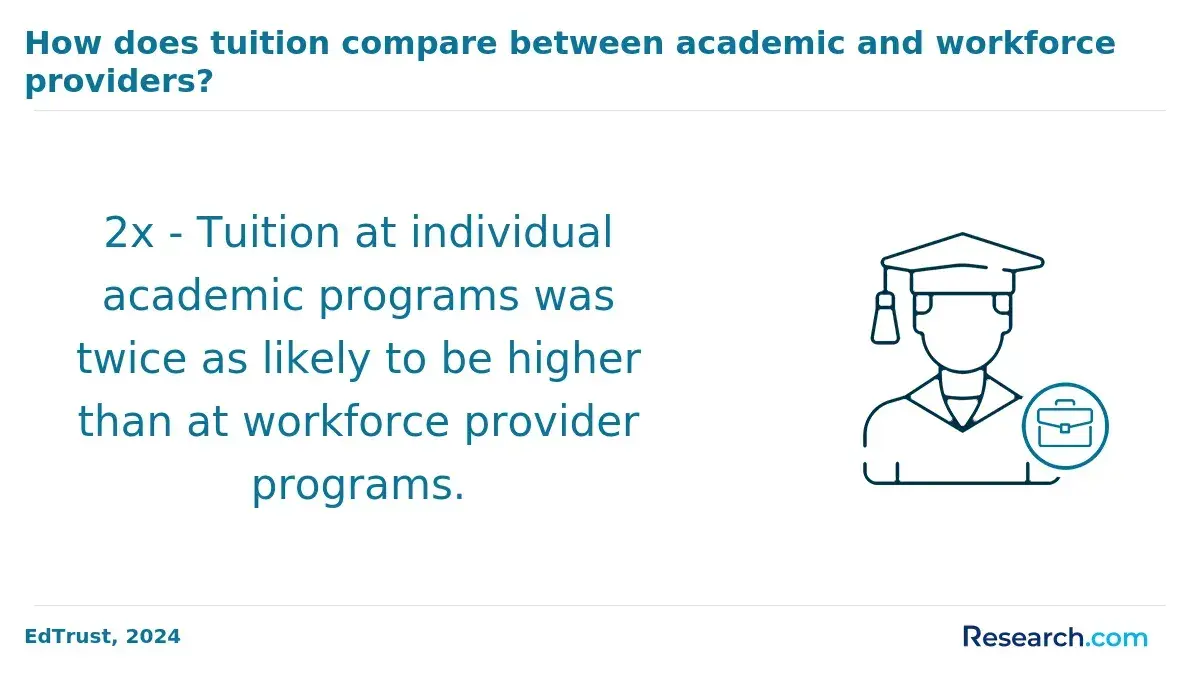
FAFSA is the application used to determine eligibility for federal grants, federal student loans, some state aid, and some institutional aid. For online aviation management students, the most valuable aid is usually gift aid because it lowers the bill without adding debt.
The main federal aid categories work differently, so students should understand what each one does before accepting an award package:
- Federal Pell Grant: Need-based grant aid for eligible undergraduates who have not already earned a bachelor's degree; the maximum award has been $7,395 in recent award years.
- Federal Supplemental Educational Opportunity Grant: Campus-based grant aid for students with exceptional financial need, available only at participating schools with limited funds.
- Direct Subsidized Loan: Need-based federal loan for eligible undergraduates, with the government paying interest during certain periods.
- Direct Unsubsidized Loan: Federal loan available to eligible students regardless of need, with interest generally accruing while enrolled.
- Parent PLUS Loan: Federal loan parents may use for dependent undergraduate students, subject to credit requirements.
- Work-study: Part-time employment aid that may be available through participating schools, though online students should ask whether remote or local placements are realistic.
Federal aid may cover tuition, required fees, books, supplies, and other approved education-related costs within the school's cost of attendance. However, students should not assume federal aid will cover optional flight hours, certifications, travel, equipment, or testing expenses unless the school includes them as required program costs.
Students should accept aid in the following order when possible: grants first, scholarships second, employer or military benefits third, subsidized loans fourth, and unsubsidized or PLUS loans only after reviewing repayment. Borrowing can be reasonable for a career-focused degree, but it should be tied to a clear graduation timeline and realistic job plan.
How Do Transfer Credits Lower the Cost of an Online Aviation Management Degree?
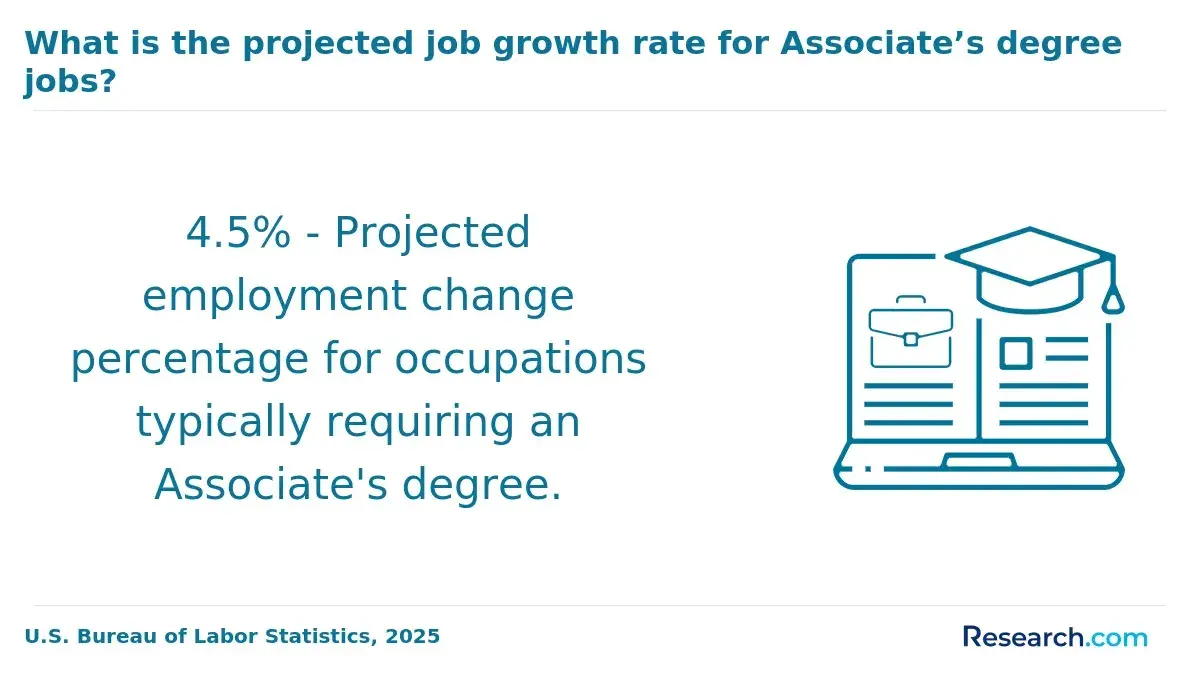
Transfer credits can be one of the biggest cost reducers for an online aviation management degree. Many students enter aviation management programs after earning an associate degree, completing military training, holding FAA credentials, or taking general education courses at a community college.
The financial impact is straightforward: every accepted credit can reduce the number of credits you must pay for at the four-year school. Transfer value is especially important because aviation management bachelor's degrees often require about 120 credits, and students who transfer 60 eligible credits may cut the remaining coursework roughly in half.
Ask for a formal transfer evaluation before choosing a school. The most important questions are:
- How many total transfer credits can be applied toward the bachelor's degree?
- How many credits apply directly to the aviation major, not just electives?
- Does the school award credit for FAA certificates, military aviation training, dispatch training, or prior technical coursework?
- What minimum grade is required for transfer credit?
- How many credits must be completed at the university to graduate?
- Will accepted transfer credits change class standing, aid eligibility, or loan limits?
A higher-tuition school may become cheaper if it accepts more prior credit. Conversely, a low-cost school may cost more in the end if it requires students to repeat general education, business, or aviation foundation courses. This same cost logic applies across online programs, whether a student is comparing aviation management, business, education leadership, or even affordable Ed.D programs later in their academic path.
Students should also be careful with "maximum transfer credit" claims. A school may allow up to 90 transfer credits in theory, but major requirements, upper-division requirements, and residency rules can reduce the number that actually counts toward graduation.
Which Students Benefit Most From a Low-Cost Online Aviation Management Degree With FAFSA?
A low-cost online aviation management degree with FAFSA is most useful for students who need flexibility, recognized credentials, and a pathway into aviation operations without relocating to a campus. It is especially attractive when the student can combine federal aid with transfer credits, employer support, military benefits, or part-time work.
The students most likely to benefit include:
- Community college transfer students: They may complete general education at a lower cost and finish upper-division aviation management courses online.
- Working aviation employees: Ramp agents, dispatch assistants, airport staff, and operations coordinators may use the degree to move toward supervisory or administrative roles.
- Military and veteran students: Prior aviation, logistics, maintenance, or operations experience may translate into transfer credit or career advantage.
- Students outside major aviation campuses: Online study can reduce relocation, commuting, and housing costs.
- Career changers: Students from business, logistics, customer service, or public safety backgrounds may use the degree to enter aviation administration.
This degree may not be the best low-cost choice for students who primarily want to become pilots and need extensive flight hours, because flight training costs can be separate from online tuition. It may also be less useful for students who want a broad management credential and are not specifically interested in airports, airlines, aerospace, safety, or aviation logistics.
Students should choose aviation management because the aviation context matters to their career goal. If the main goal is general management, finance, marketing, or entrepreneurship, a broader business program may offer more flexibility and a wider employer base.
How Does the Cost of an Online Aviation Management Degree Affect Career ROI?
Career ROI depends on total education cost, debt, completion time, current work experience, location, and the type of aviation role a student pursues. Aviation management can lead toward airport operations, airline administration, aviation safety coordination, logistics, scheduling, compliance, customer experience leadership, and supervisory roles, but outcomes vary by employer and prior experience.
BLS wage data for May 2024 places the median annual wage for transportation, storage, and distribution managers at about $102,000, which gives students a useful benchmark for management-oriented roles connected to transportation systems. This does not mean a new aviation management graduate will immediately earn that amount; it means students should compare degree cost against realistic advancement paths rather than entry-level expectations alone.
Use the following ROI questions before committing to a program:
- How much will I owe at graduation if I use only grants and subsidized loans when possible?
- How many credits do I still need, and how many semesters will that realistically take?
- Does the curriculum align with my target role, such as airport operations, airline management, logistics, safety, or compliance?
- Will I keep working while enrolled, and does the program schedule support that?
- Does the school provide aviation-specific internships, employer contacts, or career advising?
- Would a less specialized degree give me similar outcomes at a lower cost?
The cheapest program tends to produce the strongest ROI when it is accredited, lets the student finish quickly, keeps borrowing low, and connects to a specific aviation career path. A more expensive program can still be reasonable if it significantly improves flexibility, credit acceptance, employer recognition, or specialization, but students should be able to explain that added value in practical terms.
How Should Students Choose the Cheapest FAFSA-Eligible Online Aviation Management Degree?
Students should choose the cheapest FAFSA-eligible online aviation management degree by comparing net cost, accreditation, transfer credit, curriculum fit, flexibility, and career relevance in that order. FAFSA participation is important, but it is only one part of the affordability decision.
A practical selection process should look like this:
- Make a shortlist of accredited schools that offer online aviation management or closely related aviation administration degrees.
- Confirm that each school and the exact program participate in federal student aid.
- Submit transcripts and request a written transfer-credit evaluation before comparing final cost.
- Complete the FAFSA and review estimated grants, loans, and institutional aid from each school.
- Calculate total remaining cost through graduation, including fees and required materials.
- Compare curriculum against your target career path, not just the degree title.
- Ask about online course format, start dates, part-time options, and any campus or proctored requirements.
- Review career services, internship support, employer partnerships, and alumni outcomes where available.
- Choose the school with the best combination of low net cost, completion speed, recognized accreditation, and aviation relevance.
Students should avoid choosing based only on the lowest advertised tuition. The better question is whether the program creates the lowest realistic cost to graduate with a credential that fits the student's career target. That principle applies across online degree decisions, whether comparing aviation programs or a career-focused graphic design degree where portfolio, accreditation, and total cost also affect value.
Before enrolling, ask the financial aid office for a plain-language breakdown of grants, loans, renewal rules, and remaining out-of-pocket costs. If the school cannot clearly explain the final cost, transfer credits, accreditation, and program eligibility, keep comparing options.
Other Things You Should Know About Aviation Management
Usually, no. Aviation management programs often focus on airport operations, airline administration, safety, logistics, and business. Some programs may offer flight-related tracks, but a pilot license is not normally required for a management-focused degree.
A full bachelor's degree commonly takes about four years of full-time study, but transfer students may finish faster. Part-time students, working adults, and students who need prerequisite courses may take longer.
Most bachelor's programs require a high school diploma or equivalent, transcripts, an application, and sometimes minimum GPA requirements. Transfer and degree-completion programs may also require prior college credits or an associate degree.
Many aviation management courses can be completed online, but requirements vary. Students should confirm whether the program has internships, proctored exams, flight components, campus visits, or local experiential requirements before enrolling.
References
- Online studies in Aviation Management at Germany's largest university https://www.privathochschulen.net/en/courses/economics/tourism-and-event/15909
- Aviation Scholarships https://www.faa.gov/education/grants_and_scholarships/aviation
- Private Pilot License Cost in 2026: PPL to ATP Cost Reference https://flightschoolcost.com/aviation-degree-cost/
- Scholarship Program https://www.istat.org/scholarships
- Scholarships — Safety in Motion Flight Center https://www.safetyinmotion.aero/scholarships
- 2025 Most Affordable Online Aviation Degrees https://www.onlineu.com/most-affordable-colleges/aviation-degrees
- Scholarships for Aviation Students https://www.alpa.org/advancing-aviation/future-of-the-profession/become-a-pilot/aspiring-aviators/scholarships
- Flight School Scholarships and Grants: The 2026 Guide to Funding Your Aviation Career https://www.2flyairborne.com/articles/flight-school-scholarships-and-grants-the-2026-guide-to-funding-your-aviation-career/
- Best U.S. Aviation Schools: Quality, Affordability, and Overall Value https://www.road2college.com/best-aviation-schools/