2027 Online Aviation Management Degree Programs That Accept 60, 75, or 90 Transfer Credits

Co-Founder and Chief Data Scientist
Transferring into an online aviation management degree can save real time and money, but only if your credits apply to the degree-not just appear on your transcript. College Board reported average in-state public four-year tuition and fees of $11,610 for 2024-25, making wasted credits costly. This guide is for transfer and degree-completion students with 60, 75, or 90 credits who want to finish efficiently. You'll learn how transfer limits, residency rules, major requirements, evaluations, and tuition math affect your best online aviation management option.
Key Things You Should Know
- Most aviation management bachelor's degrees require about 120 credits, so transferring 60, 75, or 90 credits usually leaves about 60, 45, or 30 credits-but only after the school maps those credits to general education, electives, upper-division, and aviation major requirements.
- A school may "accept" up to 90 transfer credits while still requiring at least 30 credits in residence, specific upper-division aviation management courses, and a minimum number of credits from that institution before graduation.
- Before enrolling, request an official transfer credit evaluation, degree audit, and written estimate of remaining credits; the highest transfer-credit maximum is not always the fastest or cheapest path if many credits transfer only as electives.
How Many Transfer Credits Can You Apply Toward an Online Aviation Management Degree?
For most online aviation management bachelor's programs, the practical transfer question starts with the 120-credit degree model. Accepting 60, 75, or 90 transfer credits means the school is willing to bring that many credits into your record, but the more important issue is whether those credits satisfy required parts of the aviation management curriculum.
The table below shows the typical degree-completion picture for a 120-credit bachelor's degree. Use it as a planning estimate, not as a substitute for a school-issued degree audit.
| Transfer credit scenario | Typical credits remaining in a 120-credit degree | What it usually means | Main risk to check |
| 60 transfer credits | 60 credits remaining | Often fits students with an associate degree or two years of college coursework. | You may still need most upper-division aviation management courses. |
| 75 transfer credits | 45 credits remaining | Often fits students with an associate degree plus additional college, military, exam, or technical credit. | Some credits may apply as free electives rather than replacing major requirements. |
| 90 transfer credits | 30 credits remaining | Often represents the maximum transfer allowance when the university requires 30 institutional credits. | You may still need a fixed block of aviation, business, safety, airport operations, or capstone courses. |
Accepted credits are credits the university is willing to recognize. Applied credits are credits that fill specific boxes in your degree plan. A student with 90 accepted credits might still need more than 30 credits if the transferred coursework does not meet aviation management prerequisites, upper-division rules, or general education categories.
This distinction matters because aviation management is usually a hybrid business-and-operations degree. Courses may cover airport management, aviation safety, air transportation systems, airline operations, aviation law, logistics, finance, human resources, and management. A school may accept a history course as elective credit while refusing to let it replace an aviation safety or airport operations course.
Which Online Aviation Management Degree Programs Accept 60, 75, or 90 Transfer Credits?
Several U.S. universities offer online or distance-friendly aviation management, aviation business, aeronautics, or aviation operations bachelor's pathways that can work for students with substantial transfer credit. The examples below are not rankings; they are starting points for comparing transfer policies, residency requirements, and how well your prior coursework fits the major.
The table summarizes publicly advertised transfer-friendly structures commonly associated with these programs. Always confirm the current catalog because transfer rules can change by term, degree plan, accreditation status, and student classification.
| School | Online aviation-related bachelor's pathway | Transfer-credit posture to verify | Best fit |
| Embry-Riddle Aeronautical University Worldwide | Aviation business, aeronautics, or aviation-focused online degree options | Often structured around substantial transfer credit with a typical minimum institutional-credit expectation. | Students with aviation, military, FAA, technical, or prior college credit who want a specialized aviation university. |
| Liberty University | Online aviation management bachelor's pathway | Commonly advertises transfer of up to 75% of a bachelor's degree, which equals up to 90 credits in a 120-credit program. | Students seeking a high transfer ceiling and a broad online course schedule. |
| Florida Institute of Technology | Online aviation management or aviation business-related bachelor's pathway | Often markets degree-completion options that may accept substantial transfer credit, commonly up to the 90-credit range depending on evaluation. | Students who want an aviation-focused curriculum with business and management coursework. |
| Everglades University | Online aviation or aerospace-related bachelor's pathway | Evaluates prior college credit and may work for students bringing a large block of completed coursework. | Students comparing aviation, aerospace, and management-oriented online options. |
| Utah Valley University | Aviation management or aviation-focused bachelor's pathway with online coursework options | Transfer applicability depends heavily on lower-division equivalencies, aviation prerequisites, and institutional requirements. | Students who already have aviation training or lower-division college credit and need a public-university option to investigate. |
When comparing these programs, do not focus only on the advertised maximum. A student coming from an online business degree pathway may bring useful accounting, economics, statistics, and management credits, but aviation-specific courses may still be required if the new degree includes airport operations, aviation safety, or air transportation systems.
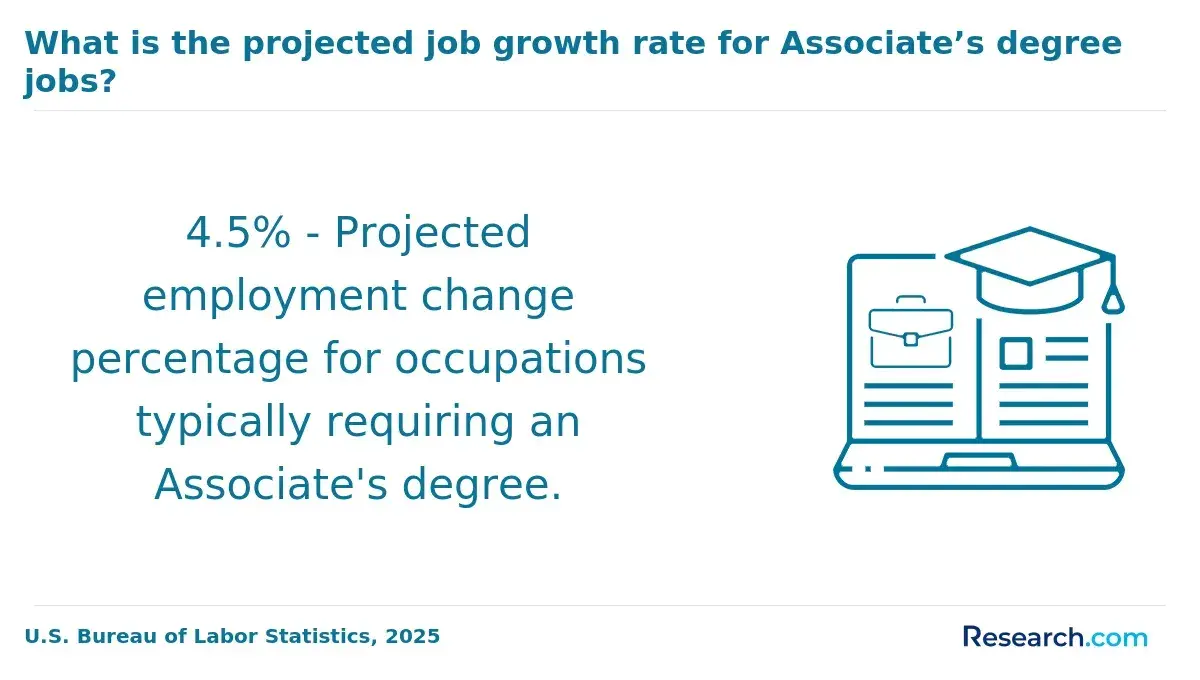
Programs that accept 60 credits are often good for associate-degree graduates. Programs that accept 75 credits can help students who have extra electives, military training, or prior learning credit. Programs that accept up to 90 credits are attractive for degree-completion students, but they are only efficient when most credits satisfy the degree plan rather than piling up as unused electives.
How Can You Tell Whether Transfer Credits Will Actually Apply Toward Your Aviation Management Degree?
The safest way to evaluate an online aviation management degree is to ask for a course-by-course transfer evaluation and a degree audit before committing. A verbal estimate from admissions can be useful early, but it is not the same as an official record showing exactly which requirements remain.
Use the following process to separate credits that are merely accepted from credits that actually move you toward graduation:
- Request the full aviation management degree plan, including general education, major, concentration, elective, upper-division, and capstone requirements.
- Send official transcripts from every college you attended, including community colleges, four-year schools, dual-enrollment programs, military transcripts, and exam records.
- Ask the school to identify which transfer credits satisfy named requirements and which credits count only as general electives.
- Confirm whether the program has minimum grades for transfer, such as requiring a C or higher in business, math, aviation, or technical courses.
- Ask whether your remaining courses can all be completed online and whether any required course has a limited rotation.
- Get the final remaining-credit total in writing before you enroll or pay a deposit.
One common mistake is assuming "90 credits accepted" means "30 credits left." If 12 of those credits do not match any degree requirement, your real remaining load may be closer to 42 credits. Another red flag is a school that gives only a total accepted-credit number without showing how credits apply to the aviation management major.
Students comparing aviation management with other majors in college should pay attention to curriculum fit. A generous transfer policy is most valuable when your past courses align with your new major, not just when the school accepts a large raw number of credits.
What Types of Previous College Credits Can Transfer Into an Online Aviation Management Degree?
Online aviation management programs may evaluate many kinds of previous learning, but each school decides what counts, how many credits can be used, and where those credits fit in the degree. The strongest transfer credits usually come from regionally accredited colleges and match specific lower-division or upper-division requirements.
The table below explains common credit sources and how they may apply in an aviation management bachelor's degree. It is designed to help you predict which credits are likely to reduce your remaining workload.
| Credit source | How it may apply | What to verify |
| Community college coursework | Often applies to general education, lower-division business, math, communication, science, or elective requirements. | Check transfer agreements, maximum lower-division credits, and whether an associate degree satisfies general education. |
| Four-year college coursework | May apply to upper-division business, management, statistics, logistics, or aviation-related requirements. | Confirm whether the school treats the course as upper-division after transfer. |
| Aviation technical coursework | May apply to aviation electives, safety, operations, maintenance-related electives, or professional credit. | Ask whether the course must come from an accredited institution or approved aviation training source. |
| Business and management coursework | May satisfy accounting, economics, finance, marketing, organizational behavior, or management requirements. | Confirm grade minimums and whether older business courses meet current curriculum standards. |
| General electives | May help reach the 120-credit total but may not reduce major requirements. | Ask how many elective slots remain in the aviation management degree plan. |
Credits from unrelated fields can still have value. For example, communication, writing, statistics, psychology, computer applications, and project management courses often support aviation management because airport and airline operations depend on documentation, scheduling, compliance, teamwork, and data-informed decision-making.
The least useful credits are usually excess electives after the degree's elective area is already full. If your prior transcript contains many electives, ask the advisor whether switching to a broader aviation business, aeronautics, or professional studies concentration would apply more credits than a narrowly defined aviation management major.
How Do Residency and Upper-Division Requirements Affect Aviation Management Transfer Students?
Residency and upper-division rules often determine whether a 90-credit transfer plan is realistic. Residency means the minimum number of credits you must complete through the degree-granting university. Upper-division requirements mean the degree must include a certain number of junior- and senior-level credits, often in the major.
The table below summarizes the rules that most often affect aviation management transfer students. These rules are important because they can override a school's advertised transfer maximum.
| Requirement | Typical policy pattern | Why it matters for 60, 75, or 90 transfer credits |
| Institutional residency | Many bachelor's programs require at least 30 credits from the graduating school. | This often creates a practical 90-credit transfer ceiling in a 120-credit degree. |
| Major residency | Some schools require a minimum number of aviation management major credits to be completed in-house. | You may need to take core aviation courses even if you have many prior aviation electives. |
| Upper-division credits | Bachelor's degrees often require a set amount of 300- or 400-level coursework. | Lower-division community college credits may not satisfy junior- and senior-level requirements. |
| Capstone requirement | Programs commonly require a final capstone, internship, project, or senior seminar through the school. | This requirement usually cannot be transferred and may affect your final-term schedule. |
| Concentration requirements | Airport management, aviation business, safety, or operations tracks may have fixed courses. | A high transfer total may not shorten the concentration if prerequisites are missing. |
A 60-credit transfer student often has enough room to complete all upper-division and major requirements without difficulty. A 75-credit student needs a careful plan because there may be fewer elective slots left. A 90-credit student must be especially careful because almost every remaining course needs to satisfy a required category.
The biggest red flag is a degree plan that shows a high transfer total but leaves required courses unavailable online or offered only once per year. Ask whether all remaining courses are online, whether any require proctored labs or in-person aviation activities, and whether the capstone has prerequisites that could delay graduation.
How Does the Transfer Credit Evaluation Process Work for an Online Aviation Management Degree?
The transfer credit evaluation process usually begins after you apply or submit transcripts, but serious transfer students should ask for preliminary guidance before making a final enrollment decision. The goal is to receive a degree audit that shows your remaining aviation management courses, not just a credit total.
Most schools follow a sequence like the one below. Understanding the order helps you avoid enrolling before you know the real cost and completion timeline.
- You submit official transcripts, military records, exam scores, and documentation for certifications or prior learning.
- The registrar or transfer office reviews institutional accreditation, course level, credit value, grades, and catalog descriptions.
- Academic departments decide whether aviation, business, math, statistics, safety, or technical courses are equivalent to required courses.
- The school posts accepted transfer credits to your record and produces a degree audit showing unmet requirements.
- An advisor helps you build a remaining-course sequence based on prerequisites, course rotation, financial aid load, and target graduation term.
Do not rely only on unofficial transcript review if you are choosing between programs. An unofficial review may estimate transferability, but the official evaluation determines which requirements you must still complete.
It can also help to ask whether the school uses transfer articulation databases, statewide transfer pathways, American Council on Education recommendations, or internal course equivalency guides. Adult-focused degree-completion programs in aviation, business, nursing, and even Ed.D programs increasingly emphasize transcript efficiency, but every credential still has its own residency and curriculum rules.
How Long Does It Take to Finish an Online Aviation Management Degree With 60, 75, or 90 Transfer Credits?
Completion time depends on remaining credits, course availability, term length, work schedule, and whether you study full time or part time. In an online aviation management degree, the most important scheduling issue is not only the number of credits left but whether remaining courses are offered frequently enough to keep you moving.
The table below estimates completion time under common enrollment loads. It assumes the transferred credits fully apply to a 120-credit bachelor's degree and that required courses are available when needed.
| Transfer credits applied | Credits remaining | Approximate time at 12 credits per term | Approximate time at 6 credits per term | Planning note |
| 60 credits | 60 credits | About 5 standard terms | About 10 standard terms | Often works well for associate-degree graduates who can take a balanced mix of major and upper-division courses. |
| 75 credits | 45 credits | About 4 standard terms | About 8 standard terms | Course sequencing becomes more important because fewer elective slots remain. |
| 90 credits | 30 credits | About 3 standard terms | About 5 standard terms | Fast completion is possible only if all remaining major, residency, and capstone courses are available online in sequence. |
Accelerated online terms can shorten the calendar, but they do not reduce the academic workload. Aviation management students who work in aviation, the military, logistics, public safety, or shift-based operations should be realistic about course load because upper-division classes may involve case studies, regulatory analysis, operations planning, group projects, and writing-heavy assignments.
A practical way to compare programs is to ask each school for a term-by-term plan. If one university accepts 90 credits but offers a required aviation law course only once per year, another school accepting 75 credits with better course availability may actually help you graduate sooner.
How Much Can Transfer Credits Reduce the Cost of an Online Aviation Management Degree?
Transfer credits can reduce tuition because they reduce the number of credits you must buy from the new university. However, the actual savings depend on per-credit tuition, fees, textbooks, technology charges, aviation-specific costs, and whether transferred credits satisfy required courses.
The table below uses simple tuition scenarios to show how remaining credits affect direct tuition. These are examples for comparison; replace the per-credit prices with the tuition rates from each school you are considering.
| Applied transfer credits | Credits remaining | Remaining tuition at $350 per credit | Remaining tuition at $500 per credit | Remaining tuition at $700 per credit |
| 60 credits | 60 credits | $21,000 | $30,000 | $42,000 |
| 75 credits | 45 credits | $15,750 | $22,500 | $31,500 |
| 90 credits | 30 credits | $10,500 | $15,000 | $21,000 |
College Board's 2024 pricing data shows why this calculation matters: published tuition and fees vary widely by sector, and online programs may price courses by credit rather than by traditional full-time semester tuition. For transfer students, the best comparison is total remaining program cost, not sticker price per year.
Also consider opportunity cost. Finishing faster may help you qualify sooner for roles in airport administration, airline operations, aviation safety coordination, logistics, or supervisory positions. The U.S. Bureau of Labor Statistics reported a May 2024 median annual wage of $102,010 for transportation, storage, and distribution managers, a broad category that can include related operations-management pathways; individual aviation roles vary by employer, location, experience, and credentials.
If you plan to pursue graduate business education later, controlling undergraduate cost may preserve financial flexibility. Some students compare aviation management bachelor's completion costs alongside future options such as a top MBA online, especially if they want to move into airline leadership, airport finance, or executive operations roles.
Can Prior Learning, Military Training, Exams, or Certifications Count Toward an Online Aviation Management Degree?
Many online aviation management programs serve adult learners, military students, pilots, aviation maintenance technicians, and professionals with FAA credentials. Because of that, some schools evaluate learning that did not come from a traditional college classroom.
The most common nontraditional credit sources include the following. Each source requires documentation, and each school sets its own credit limits.
- Military training documented through a Joint Services Transcript or Community College of the Air Force transcript.
- FAA certificates, ratings, or aviation credentials that the school has evaluated for credit.
- Aircraft maintenance training, including airframe and powerplant-related education where accepted.
- Standardized exams such as CLEP, DSST, Advanced Placement, or International Baccalaureate exams.
- ACE-recommended workplace training, corporate training, or professional development programs.
- Portfolio-based prior learning assessment that documents college-level learning from work experience.
Prior learning credit can be valuable, but it is not unlimited. Schools may cap exam credit, military credit, professional credit, or portfolio credit separately from traditional transfer credit. They may also restrict nontraditional credit from replacing upper-division aviation management major courses.
Ask whether prior learning credits are transcripted as electives or as direct course equivalents. Direct equivalents are usually more powerful because they can replace specific requirements. Elective credits still help reach the 120-credit total, but they may not shorten the major if required aviation management courses remain.
Do Older College Credits Expire When Transferring Into an Online Aviation Management Degree?
Older credits do not automatically expire, but their usefulness depends on the subject, course level, and school policy. General education courses such as English composition, public speaking, humanities, history, and many social science courses are often more durable than rapidly changing technical, regulatory, computer, accounting, or aviation systems courses.
Aviation management transfer students should be especially careful with older credits in areas where industry practice and regulation change. Aviation safety, airport security, unmanned aircraft systems, data analytics, cybersecurity, airline operations, and aviation law may be reviewed more closely than broad electives.
Use these questions when checking older coursework:
- Does the school have a formal expiration rule for business, technology, aviation, math, or science credits?
- Will older credits apply directly to requirements or only as electives?
- Can a department chair approve an older course if you provide a syllabus or work-history evidence?
- Would retaking a key prerequisite help you succeed in upper-division aviation management courses?
- Does the program require current knowledge in safety management systems, airport security, aviation analytics, or regulatory compliance?
Unrelated older credits may still help if elective space remains. For example, credits from a graphic design degree may not replace aviation operations courses, but they could count toward electives or communication-oriented requirements if the receiving school accepts them.
The best approach is to send syllabi for older courses that you hope will satisfy major requirements. A transcript title alone may not show enough detail for the evaluator to determine whether the course still matches the current aviation management curriculum.
Other Things You Should Know About Aviation Management
Usually no. Aviation management programs are generally designed for airport, airline, operations, safety, logistics, and business roles. Some programs may offer credit for pilot certificates, but a pilot license is not always an admission requirement.
Not exactly. Aviation management usually emphasizes business, airport operations, airline administration, safety, finance, and leadership. Aeronautics may be broader and can include flight, maintenance, aviation science, safety, or technical aviation coursework.
Possible pathways include airport operations coordinator, airline operations specialist, aviation safety coordinator, airport administration assistant, logistics supervisor, aviation project coordinator, and management-track roles. Job titles and requirements vary by employer, experience, location, and whether the role requires FAA credentials.
Choose aviation management if you specifically want to work in airports, airlines, aviation services, aerospace operations, or aviation logistics. Choose a general business degree if you want broader flexibility across industries and do not need aviation-specific coursework.
References
No references available.