2027 Sports Science Degree Concentration Trends: Which Specializations Are Growing the Fastest

Co-Founder and Chief Data Scientist
A career changer with a background in physical therapy, faces a critical decision: which sports science concentration will provide the most durable career opportunities amid shifting healthcare and athletic demands? The diversity of options-ranging from biomechanics to sports nutrition-comes with distinct implications for employability and sector growth. Recent 2024 labor data shows a 12% annual increase in demand for specialists in data-driven performance analytics, reflecting the industry's pivot toward technology integration and personalized athlete management.
This shift signals that some concentrations may outpace others in relevance and job availability. This article analyzes emerging sports science degree concentration trends to pinpoint the fastest-growing specializations and their alignment with evolving career prospects.
Key Things to Know About Sports Science Degree Concentration Trends and Fast-Growing Specializations
- Specializations in data analytics and wearable technology are expanding swiftly, reflecting an industry shift toward quantifiable performance metrics; however, students must weigh increased technical complexity against foundational sports knowledge.
- Employer demand favors graduates with integrated rehabilitation and performance optimization skills, emphasizing multidisciplinary expertise, which affects hiring preferences by prioritizing candidates adaptable to evolving clinical and athletic environments.
- Programs emphasizing emerging biomechanics applications require longer study durations and higher costs, potentially limiting access but offering long-term advantages in niche research and specialist roles amid workforce evolution.
- Key Things to Know About Sports Science Degree Concentration Trends and Fast-Growing Specializations Key Things to Know
- What Are the Most Popular Sports Science Degree Concentrations Today? Popular Degree Concentrations
- Which Sports Science Degree Specializations Are Growing the Fastest? Fastest Growing Specializations
- Why Are Certain Sports Science Degree Concentrations Experiencing Rapid Growth? Reasons for Rapid Growth
- Which Industries Are Driving Demand for Fast-Growing Sports Science Degree Specializations? Industries Driving Demand
- What Are the Highest-Paying Sports Science Degree Concentrations? Highest-Paying Concentrations
- How Are Technology and Innovation Influencing Sports Science Degree Specialization Trends? Tech and Innovation Impact
- What Career Opportunities Are Available in Fast-Growing Sports Science Degree Concentrations? Career Paths in Growth Areas
- Which Online Sports Science Degree Concentrations Are Seeing the Most Growth? Growing Degree Concentrations
- What Is the Future Outlook for Emerging Sports Science Degree Specializations? Future Outlook
- How Can You Choose the Right Sports Science Degree Concentration Based on Your Career Goals? Choosing Your Degree Concentration
What Are the Most Popular Sports Science Degree Concentrations Today?
The most popular sports science degree specializations today reflect evolving industry priorities focused on health management, commercial sports growth, and regulatory compliance. Concentrations such as exercise physiology and athletic training have surged due to increasing employer demand for professionals who can address chronic disease prevention and handle sports-related injuries under stringent standards.
Enrollment in clinically oriented exercise physiology programs increased by 12% as reported by the National Center for Education Statistics, signaling a direct link between student interest and expanding healthcare roles that emphasize preventative care and rehabilitation. Meanwhile, sports management's growth aligns with the expanding ecosystem of sports marketing, facility oversight, and event coordination, suggesting that students valuing versatility and corporate integration gravitate toward this concentration.
An employer survey highlighted that 68% of sports organizations plan to ramp up hiring in these areas, underscoring the strong workforce demand behind this popular track. Emerging fields like sports data analytics demonstrate that technical skills are becoming increasingly critical, but students must weigh these newer concentrations' modest current enrollment and more niche labor markets against broader, more established program outcomes when selecting from top sports science concentration trends in the United States. Those considering accelerated credentials may also explore 1 year masters programs to respond swiftly to these dynamic professional needs.
Which Sports Science Degree Specializations Are Growing the Fastest?
Growth in sports science degree specializations is being shaped by shifting employer demands that prioritize both clinical expertise and technological fluency. Specializations like exercise physiology benefit from expanding roles in healthcare and professional sports, driven by an aging population's focus on rehabilitation and wellness; the U.S. Bureau of Labor Statistics projects a 15% rise in related jobs through the next decade, underscoring sustained demand in clinical and performance settings.
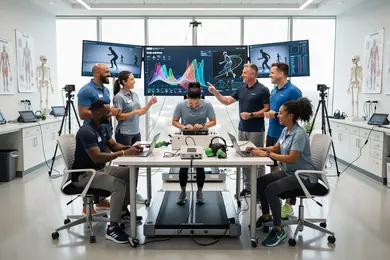
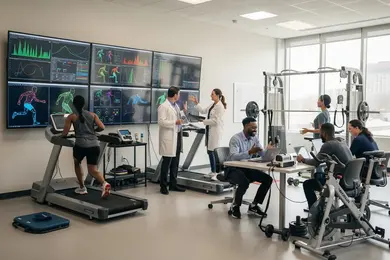
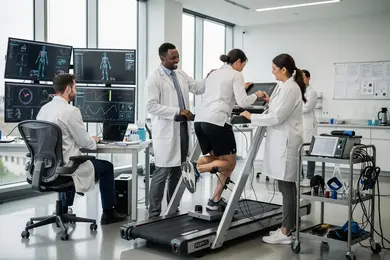
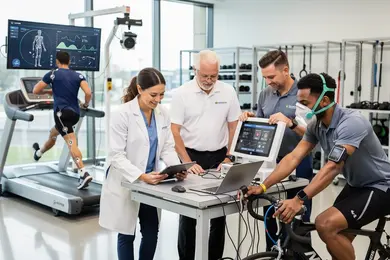
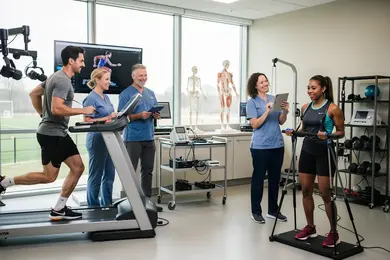
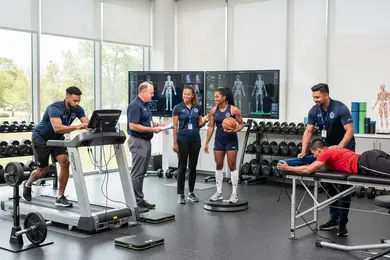
Conversely, concentrations in sports biomechanics and analytics cater to advancements in wearable tech, AI integration, and data-driven decision-making, appealing to organizations seeking nuanced insights into athlete performance and injury prevention. However, students should recognize the tradeoff between the more stable career paths offered by clinical-focused specializations and the rapidly evolving, yet potentially volatile, tech-centered areas that require ongoing skill adaptation to maintain relevance.
These trends have important implications for curriculum design and career planning within sports science programs, where balance is key. Programs emphasizing interdisciplinary training that combines physiological knowledge with data analysis tools align more closely with employer expectations, improving graduate flexibility across healthcare, sports franchises, and research institutions.
Not all growth equates to long-term stability; some tech-reliant niches fluctuate with innovation cycles and economic shifts. Therefore, careful evaluation of industry reports and enrollment data should guide students in choosing concentrations that not only reflect current market needs but also offer adaptable skill sets suitable for evolving regulatory environments and advancing technologies.
Why Are Certain Sports Science Degree Concentrations Experiencing Rapid Growth?
The fastest-growing sports science degree concentrations are primarily driven by employer demand for specialists who combine human physiology expertise with advanced technological skills. For instance, programs emphasizing sports analytics and health informatics have surged as teams and rehabilitation clinics increasingly employ wearable devices and data-driven performance monitoring to optimize athlete outcomes. According to the Bureau of Labor Statistics in 2024, careers requiring proficiency in these interdisciplinary skills are projected to grow 12% faster than traditional roles, underscoring the premium on graduates capable of bridging biology and technology.
This shift reflects a broader industry trend where compliance with evolving safety regulations and medical oversight necessitates ongoing certification, influencing curriculum design and graduate marketability. However, rapid growth in certain concentrations does not guarantee suitability for all students; practical tradeoffs must be weighed carefully. Specializations focused on emerging fields such as clinical exercise science or sports nutrition respond to workforce shortages and demographic aging but often require strong scientific foundations along with targeted certifications that may extend time to credentialing.
Meanwhile, programs centered on sport psychology or performance coaching appeal to those seeking applied, experiential learning aligned with current employer preferences for adaptability and interdisciplinary teamwork. Ultimately, recognizing that expanding program offerings mirror structural industry transformations-not transient trends-can help prospective students align their educational choices with real-world career pathways and long-term professional resilience.
Which Industries Are Driving Demand for Fast-Growing Sports Science Degree Specializations?
Industry demand, more than academic trends alone, is driving the fastest growing sports science degree specializations. Healthcare leads this shift due to an aging population and a growing emphasis on preventative care, which has increased the need for professionals trained in exercise physiology and rehabilitation science. The U.S. Bureau of Labor Statistics projects a 15% employment growth for exercise physiologists from 2022 to 2032, reflecting rising workforce shortages and employer demand in healthcare systems.
These dynamics highlight how selecting a specialization closely linked to healthcare can offer resilience amid evolving labor markets and regulatory requirements. Meanwhile, professional sports and fitness technology sectors are reshaping employer needs through advancements in data analytics, biomechanics, and digital health integration. Growth in these industries demands specialists who combine sports science expertise with technological acumen, especially in wearable devices and performance monitoring.
However, specialization choice entails tradeoffs; for example, those focusing exclusively on athlete management might face volatility tied to commercial sports cycles, whereas technology-driven roles could be more adaptive to broader market trends. Students weighing sports science specialization employer demand must also consider that navigating industry-specific standards and compliance, notably in sports medicine and rehabilitation, has become increasingly critical.
Prospective learners balancing multiple commitments should evaluate not only industry trajectories but also program outcomes linked to employability and completion rates. For those comparing pathways, program affordability and completion success are vital; exploring resources like the cheapest online psychology bachelor degree offerings can provide relevant context when weighing educational investments. Ultimately, prioritizing specializations aligned with healthcare, technological innovation, or applied performance science will better position graduates in fast-evolving employment landscapes.
What Are the Highest-Paying Sports Science Degree Concentrations?
The strongest earning potential within sports science degrees often aligns with concentrations embedded in clinical and applied health domains, where proximity to healthcare systems and rehabilitation creates sustained employer demand. Specializations like exercise physiology and sports biomechanics leverage both technical expertise and established reimbursement structures, making them financially advantageous compared to community- or wellness-oriented roles.
The 2024 analysis from the U.S. Bureau of Labor Statistics highlights this trend, showing that practitioners who combine scientific proficiency with healthcare delivery tend to command premium wages due to the scarcity of professionals adept at managing chronic conditions and injury recovery in insured medical environments. Leadership-focused sports science concentrations, including program administration and facility management, also present attractive financial outcomes by merging technical knowledge with business and supervisory skills.
Meanwhile, emerging areas such as sports analytics and wearable technology are gaining traction, reflecting a workforce shortage in these tech-intensive specializations reported by the 2024 Sports & Fitness Industry Association. However, these newer fields often require continual upskilling and may involve navigating evolving technologies and market demands, creating tradeoffs between immediate earning potential and long-term adaptability.
How Are Technology and Innovation Influencing Sports Science Degree Specialization Trends?
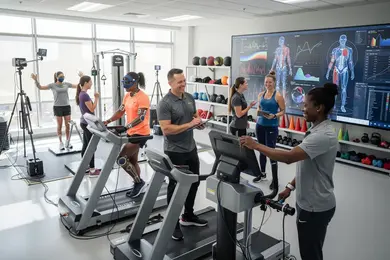
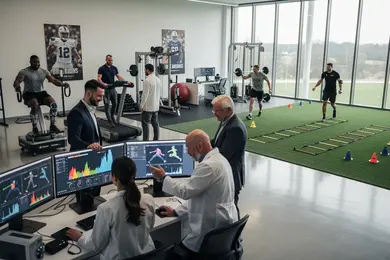
The rapid integration of technology advancements in sports science degree specializations is driving a decisive shift toward data-centric skill sets. Specializations that combine biomechanics, wearable sensor data interpretation, and AI-powered video analysis now outpace traditional exercise physiology in enrollment growth, reflecting employer demand for proficiency in complex digital tools.
Curricula increasingly incorporate programming and machine learning fundamentals to equip students for roles that blend analytical rigor with applied kinesiology, making long-term career agility dependent on continual technical upskilling rather than static knowledge. This technology-driven specialization growth influences student decisions, as programs focusing on innovation often require balancing a steep learning curve against the risk of narrower career paths demanding advanced digital fluency.
Conversely, more general sports science concentrations without a tech emphasis maintain broader applicability but may render graduates less competitive in markets prioritizing emerging computational methodologies. These real-world tradeoffs underscore the need to align specialization choices with evolving workforce expectations and personal capacity for ongoing skill development, which is crucial given how innovation impacts sports science career pathways. Prospective students evaluating online Sports Science master's programs should also consider how interdisciplinary trends such as sports informatics and personalized training redefine traditional boundaries of the field.
Incorporating such expanded focuses mirrors shifts seen in related areas like UI UX design degree specializations, where digital literacy is paramount; exploring these interconnected disciplines highlights the increasing importance of adaptability within educational trajectories and employability strategies in a dynamically changing sports sector. Students can find practical guidance on affordability and program options, for example, by reviewing resources such as UI UX design degree pathways that illustrate cross-disciplinary growth patterns.
What Career Opportunities Are Available in Fast-Growing Sports Science Degree Concentrations?
Specializations within sports science such as exercise physiology, sports analytics, rehabilitation science, and biomechanics vary considerably in how they position graduates in today's job market. Employment demand is particularly strong for exercise physiologists, with projections from the U.S. Bureau of Labor Statistics indicating an 11% growth through 2032, driven by an aging population's focus on preventive care and chronic disease management.
This concentration emphasizes applied health knowledge, making it suitable for those targeting clinical and wellness roles, but it typically requires hands-on experience in healthcare environments and may involve professional certification for advancement. In contrast, sports analytics has emerged alongside advances in wearable technology and data science, creating roles that blend sports performance with quantitative analysis.
While this pathway offers access to professional sports organizations and tech firms, it demands not only an understanding of biomechanics and physiology but also proficiency with sophisticated software tools and data interpretation, which can limit suitability to candidates with strong technical skills. Meanwhile, rehabilitation science and biomechanics tend to appeal to those prepared for graduate education or certifications in physical or occupational therapy, reflecting a growing integration with orthopedics and regenerative medicine.
These concentrations often entail longer training but align with healthcare employers' expanding needs for specialists who can address injury recovery and functional mobility in both clinical and athletic settings. Choosing a sports science concentration therefore affects career adaptability, skill acquisition, and long-term employment trajectory, emphasizing the importance of aligning specialization with realistic industry requirements and personal strengths.
Current labor trends underscore increasing employer preference for interdisciplinary expertise and evidence-based approaches, suggesting that concentrations blending health science with technology or advanced clinical skills may offer the most robust opportunities. Prospective students and career changers should weigh these factors carefully, considering how each specialization's distinct demands and growth prospects correspond to evolving workforce priorities and their own professional goals.
Which Online Sports Science Degree Concentrations Are Seeing the Most Growth?
Growth in online sports science degree concentrations is driven largely by shifting employer needs and technological advances rather than popularity alone. For example, concentrations emphasizing sports analytics and performance technology benefit from demands for professionals who can leverage wearable devices and biomechanical data to optimize athletic outcomes. This sector has seen enrollment increases exceeding 15% annually, reflecting a workforce shift toward data interpretation skills that many traditional sports science programs may underemphasize.
However, prospective students should weigh that such rapid growth can bring volatility in curriculum focus and job market saturation over time. Meanwhile, areas like clinical exercise physiology and sports rehabilitation show sustained growth tied to demographic trends and healthcare integration, with certifications rising by 12% year-over-year according to the National Strength and Conditioning Association. These fields often require additional licensure or specialized clinical training, affecting long-term career flexibility but offering stable demand aligned with expanding chronic disease management and telehealth services.
Choosing between these concentrations involves strategic tradeoffs: analytics paths emphasize emerging tech and sports industries while rehabilitation tracks anchor graduates in healthcare settings with different regulatory and practice demands. Students must consider how these growth trends translate to practical licensure, employer expectations, and sector-specific job stability as part of their educational planning. Ultimately, specializations growing the fastest reflect broader labor market shifts toward integrated data science, health informatics, and evidence-based therapeutic models.
Yet, identifying the best fit relies on a nuanced understanding of how these fields are shaped by industry regulations, technological adoption, and demographic pressures-not just enrollment numbers. An informed decision balances emerging employability with realistic assessments of credential requirements, career setting, and potential for future specialization or graduate study within sports science.
What Is the Future Outlook for Emerging Sports Science Degree Specializations?
The emerging sports science degree specialization career outlook is increasingly shaped by advancements in technology and shifting market demands, with data analytics and injury prevention standing out as growth areas. Employment for exercise physiologists and related roles is expected to rise by 11% over the next decade, according to the U.S. Bureau of Labor Statistics (2024), driven by an aging population's need for preventative health measures and chronic disease management.
This statistic highlights a broader trend of integrating evidence-based physical performance approaches into healthcare, but students must consider that program quality and employer recognition can vary significantly across specializations, affecting employability and long-term value. Specializations focusing on sports technology, such as wearable device analytics and AI-driven performance evaluation, respond directly to employer demands for interdisciplinary skills combining physiology with computational expertise. Meanwhile, sports nutrition science gains traction due to regulatory scrutiny and its holistic approach to athlete wellness, reflecting broader industry shifts toward comprehensive health strategies.
Choosing a concentration requires balancing the appeal of emerging fields with the reality that new specializations sometimes face uneven market validation, so prospective students should prioritize alignment with labor market needs and explore programs offering clinical or research partnerships. For individuals interested in flexibility and remote opportunities linked to sports science, reviewing work from home degrees that pay good money may provide additional practical considerations in selecting a specialization.
How Can You Choose the Right Sports Science Degree Concentration Based on Your Career Goals?
Selecting a sports science degree concentration requires aligning educational choices with realistic job market expectations and long-term professional roles. For instance, while exercise physiology shows a projected 10% job growth over the next decade according to the U.S. Bureau of Labor Statistics, prioritizing this path suits students targeting healthcare and chronic disease management roles rather than purely performance-based careers.
Conversely, concentrations like biomechanics or sports psychology cater to those aiming for performance enhancement but may demand supplementing education with emerging skills in data analytics or wearable technology to remain competitive in evolving team environments. Students must weigh how their concentration shapes career flexibility and advancement. Specializations involving hands-on certifications, such as strength and conditioning, often facilitate clearer professional development pathways.
Meanwhile, embracing data-driven approaches in sports science can open doors to expanding fields like personalized training programs but might require ongoing technical skill updates. Decisions should also factor in willingness to pursue graduate education or continuous certification, which are often prerequisites in clinical or specialized roles. Prospective learners seeking detailed program outcomes and industry alignment may find comparisons to other disciplines insightful, similar to assessing options like a geology degree online, where understanding sector demand directs educational focus.
Ultimately, matching a sports science concentration to precise career objectives and emerging employer demands reduces risks of skill mismatch and underemployment. Concentrations emphasizing health-related roles benefit from increasing demand across healthcare systems, while those focused on technical innovation provide relevance amid digital transformation in sports. Balancing these factors with individual expertise preferences produces a more robust and sustainable career trajectory within this diverse field.
References:
- The Current State of the Sport Science Field and Careers – Integration, Data, and Professional Pathways https://www.nsca.com/education/articles/nsca-coach/sport-science-field-and-careers/
- Sports Science Specializations in Europe: Which One Fits You? - StudyinEurope.eu https://www.studyineurope.eu/sports-science/compare-sports-science-specializations/
- Top 50 On-Campus Bachelor’s in Sports Science Degree Programs https://www.sports-management-degrees.com/best-sports-science-bachelors/
- Latest Trends and Technology Shaping Sports Science in South Africa - eta https://etacollege.com/latest-trends-and-technology-shaping-sports-science-in-south-africa/
- Science and Technology Courses, as Applied to Sport https://www.euncet.com/en/knowledge-areas/sport/
- What Can You Do with a Sports Science Degree? https://www.isst.co.in/2023/10/25/what-can-you-do-with-a-sports-science-degree/
- 17 Institutions offering Sports Science Online/Distance Courses In the UK https://www.hotcoursesabroad.com/study/training-degrees/uk/distance-online/sports-science-courses/loc/210/smode/3/cgory/b9-3/sin/ct/programs.html
- Online Exercise Science Degrees: Top School Review https://www.edumed.org/online-schools/exercise-science-degrees/
- Emerging Trends in Sports Science and Physical Fitness https://www.integratedpublications.in/publish-book-chapter/1740649794-Emerging-Trends-in-Sports-Science-and-Physical-Fitness
Other Things You Should Know About Sports Science
While fast-growing specializations like data analytics and rehabilitation attract attention, they often demand a heavier technical workload and advanced quantitative skills. Students must consider whether program curricula offer sufficient foundational knowledge alongside emerging content to build long-term versatility. Prioritizing programs that balance innovative topics with established sports science principles tends to support more sustainable career paths than solely chasing trendy areas.
Employers increasingly value interdisciplinary skills, combining biomechanics, technology, and health sciences, yet many workforce roles still prioritize proven competencies like exercise physiology or physical therapy. Emerging specializations might offer innovation appeal but could also require supplementary certifications or further training to meet industry standards. Considering employer demand for hybrid expertise can help students avoid narrowing their options prematurely.
Choosing a specialization based on immediate job market demand may lead to quicker entry-level opportunities but risk obsolescence as trends shift. Conversely, focusing on areas showing steady, long-term growth like wearable tech integration or sports psychology often requires patience but yields more durable career relevance. Candidates should prioritize projected longevity and adaptability over momentary popularity to maximize career resilience.
In 2027, factors such as technological advancements, increasing interest in data-driven performance analysis, and growing public awareness of mental health contribute to the rapid growth of specializations like sports analytics, biomechanics, and sports psychology. These areas align with current industry demands for innovative approaches in athlete management and health optimization.