2027 Sports Science Degree Program Availability Report: Which States and Schools Offer the Most Options

Co-Founder and Chief Data Scientist
Program availability in sports science reflects deeper patterns in educational investment and regional labor market demands. States with broader academic options often correspond to areas experiencing sustained growth in sports-related health and fitness occupations, which the U. S. Bureau of Labor Statistics projects at a faster pace than average through 2032. This expansion encourages institutions to diversify offerings to meet employer expectations for specialized knowledge across biomechanics, exercise physiology, and sports management.
Conversely, limited program availability in some regions may signal constrained industry infrastructure or fewer pathways for applied career development. This report analyzes which states and schools present the widest range of sports science degrees and explores the implications for accessibility, workforce alignment, and institutional focus.
Key Benefits of States and Schools That Offer the Most Sports Science Degree Program Options
- States with diverse sports science programs often require longer degree completion times due to specialized tracks, signaling a tradeoff between depth of expertise and accelerated graduation paths.
- Employers increasingly prefer candidates from states offering varied sports science curricula, reflecting workforce demand for adaptable skill sets tailored to evolving athletic performance technologies.
- Broader program availability correlates with regional access improvements, lowering geographic and financial barriers for students but potentially increasing overall program competition and resource allocation challenges.
- Key Benefits of States and Schools That Offer the Most Sports Science Degree Program Options Key Benefits
- Which States Offer the Most Sports Science Degree Programs? Top States
- Why Do Some States Have More Sports Science Programs Than Others? Program Availability
- Which Colleges Offer the Largest Number of Sports Science Degree Options? Top Schools
- How Do Online Programs Improve Access in States With Limited Options? Online Program Access
- How Much Does Sports Science Program Tuition Vary by State? Program Cost
- How Does Sports Science Program Demand Affect Admissions Decisions? Program Demand
- How Do Sports Science Specialization Options Vary by Region? Specialization Options
- How Does Regional Employer Demand Affect Career Outcomes? Employer Demand
- What Factors Matter Most When Comparing Sports Science Programs Across States? Key Comparison Factors
- Which Regions May See the Fastest Growth in Sports Science Education? Fastest Growing Region
Which States Offer the Most Sports Science Degree Programs?
The concentration of sports science degree programs across the United States is influenced heavily by factors such as population size, state-level higher education infrastructure, and regional labor market demands. Program availability tends to cluster in states with broad university networks and active sports or health industries, shaping where prospective students can access varied academic and practical experiences. This geographic distribution reflects not only educational ecosystems but also where employers seek graduates with specialized expertise and applied skills.
The top states for sports science degrees by number of programs highlight particular regional advantages:
- California: Boasting the largest population and one of the most expansive public and private university systems, California leads in sports science offerings. Its dense cluster of institutions delivers programs spanning foundational kinesiology to advanced exercise physiology and sports management. The state benefits from a vibrant professional sports industry and a dynamic fitness sector, which provide students with internships and employment tied directly to the curriculum's applied focus.
- Texas: Texas features a wide array of degree programs embedded within health sciences and athletic training departments, reflecting its focus on practical outcomes such as rehabilitation and performance evaluation. The state's sizable collegiate sports culture and growing medical services sector create sustained demand for graduates skilled in applied sports science disciplines. This alignment benefits students by linking academic pathways closely to regional workforce needs.
- Florida: Florida's favorable climate supports year-round experiential learning opportunities, which many programs leverage to marry theoretical knowledge with fieldwork. The rapid expansion of its health and wellness industries also drives the growth of specialized programs, particularly those that emphasize fitness technology and community health interventions. Aspiring professionals gain from the state's emphasis on practical training combined with diverse academic options.
Though not in the same volume, states like New York and Ohio also contribute meaningfully to program accessibility, offering interdisciplinary training and connections to sports franchises and rehabilitation centers. For those assessing which states have the most sports science degree programs, understanding these regional educational ecosystems and labor market dynamics is essential to selecting a state where program availability aligns with career objectives and practical considerations such as cost and local industry opportunities.
For students interested in flexible learning models or certification pathways linked to professions in behavior analysis, options like BCBA online programs provide important complements to traditional sports science studies in states with fewer on-site offerings.
Why Do Some States Have More Sports Science Programs Than Others?
The availability of sports science degree programs by state reflects underlying differences in higher education infrastructure and regional labor market demands for graduates with specialized skills. States with dense populations and a large network of universities typically offer a wider range of sports science academic options, responding to both student interest and employer needs. This uneven distribution stems from how institutions prioritize program development based on local ecosystem factors, including the presence of professional sports organizations and allied health industries that create practical opportunities for graduates.
Key drivers behind these geographic variations include the level of state funding allocated to higher education and the capacity of universities to support research and specialized faculty. Data from the National Center for Education Statistics shows that states investing more than 25% above the national average per student are significantly more likely to sustain diverse and advanced sports science programs. Additionally, states that host clusters of sports medicine clinics, fitness technology companies, and professional teams foster stronger employer demand, prompting academic programs to tailor curricula toward regional workforce needs. These factors combine with institutional mission differences, where research-intensive universities often integrate sports science within broader health and kinesiology studies, creating program concentrations influenced by both market and academic strategy.
Such disparities have broader implications for student access and workforce development, often limiting options in rural or underfunded states where specialized programs are harder to maintain. This gap encourages growth in alternative delivery modes, including online programs, though these may not fully substitute the practical training environments essential for sports science career readiness. Prospective students must carefully consider these regional structural and economic factors when evaluating program choices, balancing academic offerings with available professional pathways and local industry engagement. For those exploring interdisciplinary fields, pathways like an online cybersecurity degree may offer parallel insights into aligning program availability and labor market trends.
Which Colleges Offer the Largest Number of Sports Science Degree Options?
The scope of Sports Science degree options at colleges tends to reflect institutional scale and academic infrastructure more than geographic factors alone. Larger universities, particularly those with strong research profiles, commonly provide an array of specialized tracks, concentrations, and flexible formats such as combined undergraduate and graduate pathways. This expansion aligns with growing interdisciplinary demands, integrations with health sciences, and employer expectations for candidates with niche expertise.
- Large public research universities: These institutions often lead in the number of Sports Science degree options due to extensive faculty expertise and dedicated funding streams supporting specialized subfields like biomechanics, sports psychology, and exercise physiology. For example, flagship campuses in states like California or Texas leverage their partnerships with medical centers and athletic organizations to broaden curriculum offerings and experiential learning opportunities.
- Comprehensive state universities with health sciences colleges: Universities that combine kinesiology programs with allied health disciplines expand Sports Science offerings through interdisciplinary collaboration and clinical practicum access. These institutions systematically incorporate emerging fields like data analytics in sports performance, enabling students to choose from a variety of focused degree tracks aligned with industry trends.
- Ivy League and elite private research institutions: Though often smaller in undergraduate population, these schools invest heavily in research and facility development, supporting diversified, often innovative Sports Science pathways. Their close ties to cutting-edge sports medicine research and advanced technology labs facilitate unique academic options uncommon elsewhere.
- Technical institutes and polytechnic universities: By emphasizing applied sciences and technology integration, these institutions create degree programs in sport technology, rehabilitation engineering, and performance analytics that extend traditional sports science curricula. Their specialized focus attracts students interested in technology-driven career trajectories within athletic training and sports medicine.
According to 2024 data from national education surveys and institutional catalogs, the availability of multiple Sports Science degree options correlates strongly with funding for research and dedicated faculty size. Institutions with expanded program diversity typically maintain large clinical and lab facilities, enabling hands-on training that smaller colleges rarely can provide. This depth benefits students pursuing specialized roles in domains such as coaching science or rehabilitation but should be balanced against program quality and faculty credentials when evaluating educational fit.
How Do Online Programs Improve Access in States With Limited Options?
In states where traditional sports science programs are scarce or nonexistent, online degree options substantially broaden educational access by sidestepping geographic constraints that often limit enrollment. Students in rural or underserved areas can pursue interdisciplinary curricula encompassing physiology, biomechanics, and nutrition without relocating or facing limited course availability. This shift allows learners to target institutions nationwide that align with their academic and professional goals, regardless of their zip code. According to a 2024 report from the National Center for Education Statistics, enrollment in fully online undergraduate programs increased by 12% over two years, illustrating growing reliance on digital formats to fill gaps in local program offerings.
The systemic enablers of this expanded access include asynchronous course delivery models that accommodate diverse schedules, allowing students to juggle work, training, or family commitments alongside academics. These programs bypass the traditional dependence on proximate institutions, enabling scaling beyond physical campus capacities and fostering inter-institutional reach across states where in-person offerings fall short. Cross-state enrollment has become a critical mechanism for democratizing education access, as approximately 30% of online sports science enrollees reside in states ranked in the lowest quartile for on-campus program availability, according to research by the Education Advisory Board. This dynamic supports regional educational equity by redistributing access opportunities through virtual platforms.
Beyond individual enrollment improvements, the rise of online sports science degrees pressures regional institutions to adapt by expanding digital offerings or risk losing potential students to out-of-state providers. This realignment influences local workforce development by creating larger, more geographically dispersed talent pools, while altering competition among institutions that now operate with fewer geographic boundaries. Consequently, the digital shift reshapes state-level higher education landscapes, impacting program availability, student mobility, and long-term career pathways within sports science fields.
One graduate recalled navigating a rolling admissions cycle where initial application delays and uncertainty about available programs in their home state created mounting pressure. With limited in-person options, they hesitated before committing to an online program, balancing concerns about accreditation and curriculum quality against urgent timelines. Ultimately, the flexibility of asynchronous formats offered relief, allowing them to start coursework months earlier than waiting for local institutions to open new cohorts. Their experience underscored how online pathways can turn timing challenges and geographic isolation into manageable hurdles, particularly when conventional admissions processes feel protracted or opaque.
How Much Does Sports Science Program Tuition Vary by State?
Tuition for sports science programs reflects a complex interplay of state funding priorities, institutional types, and residency-based pricing mechanisms, which drives significant variation across the United States. States with well-funded public university systems generally offer lower in-state tuition, leveraging taxpayer support to keep costs manageable for residents. In contrast, out-of-state students face premium pricing that frequently doubles tuition, influencing student mobility and enrollment choices. Private institutions, less reliant on state funding, set tuition largely independent of residency but often at a higher baseline, reflecting operational costs and specialized resources that may enhance program offerings but increase financial burden.
Current tuition ranges illustrate these structural dynamics. Public universities in states like California, Texas, and Florida typically charge in-state students between $6,000 and $12,000 per academic year, while out-of-state fees escalate significantly. Conversely, states with smaller populations or lower higher education budgets may see in-state tuition exceed $15,000 annually for comparable sports science programs. Private institutions in states such as New York and Massachusetts commonly charge between $25,000 and $40,000 regardless of residency, underscoring the premium nature of private education in this field. These figures align with data from the U.S. Department of Education College Scorecard and National Center for Education Statistics, which detail how state-level higher education policies and regional economic factors shape these cost structures. This variation is a key consideration when evaluating sports science degree tuition differences by state.
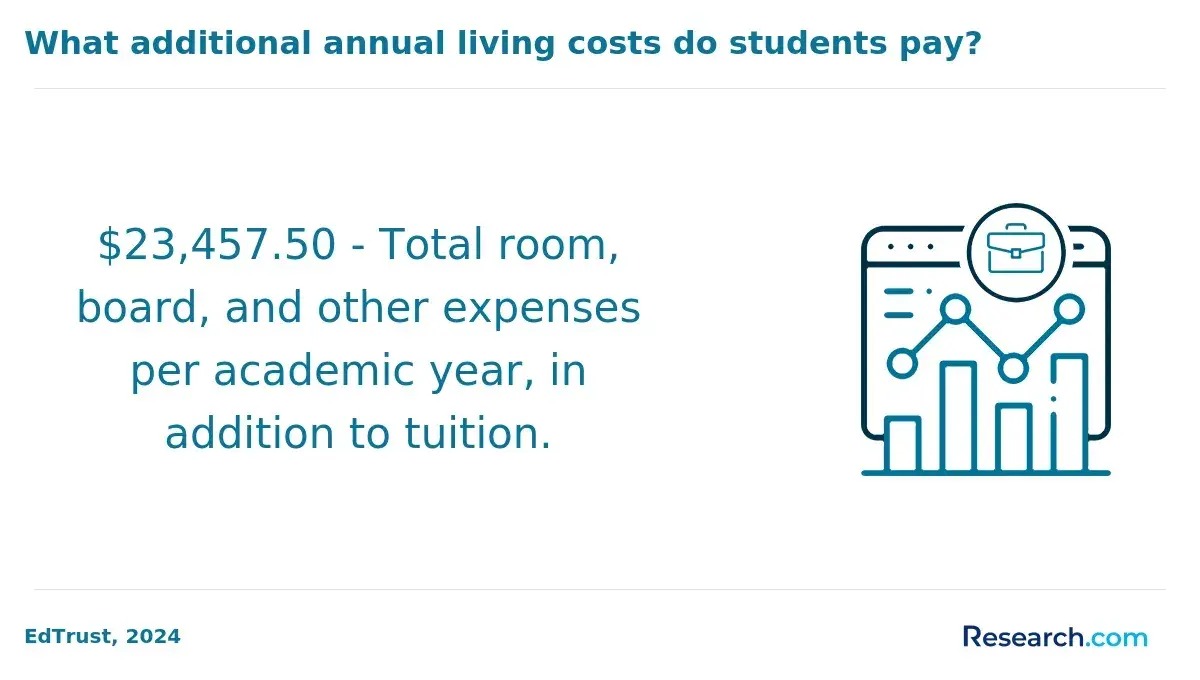
Affordability disparities caused by tuition variation affect long-term access and program selection, with many prospective students weighing the value of advanced resources against higher costs. Those considering relocation to benefit from lower in-state tuition must account for increased living expenses and the availability of financial aid, which differs significantly by state and institution. Given these complexities, understanding cost drivers alongside program outcomes and employment prospects-whether in sports therapy, coaching, or fitness consulting-is essential. Students looking for efficient pathways might also explore alternatives such as MFT online programs, which highlight how different academic fields adopt varied delivery models in response to regional educational funding disparities and workforce demands.
How Does Sports Science Program Demand Affect Admissions Decisions?
Growing demand for sports science programs often compels institutions to tighten admissions standards, resulting in more competitive acceptance rates. As applicant numbers increase, programs must refine criteria to select candidates whose academic backgrounds and career objectives align closely with limited available seats. This augmented selectivity helps balance enrollment with the program's capacity to provide quality instruction and access to essential resources, shifting admissions from largely open access toward a more strategic vetting process.
Key factors driving this dynamic include finite classroom space, faculty-to-student ratios, and accreditation mandates that restrict total enrollments to maintain educational quality. Additionally, programs respond to labor market signals, prioritizing candidates with skills aligned to employer demand in physical therapy, athletic training, and related fields. Thus, admissions decisions increasingly reflect an interplay between institutional constraints and workforce expectations, rather than simply academic qualifications alone.
The consequences of rising demand extend beyond initial selection, influencing how applicants prepare and navigate admissions cycles. Heightened competitiveness fosters earlier application submissions and greater emphasis on experiential credentials, while possibly restricting access for capable students who lack extensive practical exposure. Over time, schools cultivating reputations for rigorous entry and strong employer connections can further intensify demand, creating feedback loops that shape regional educational landscapes and long-term student accessibility.
One graduate recalled that during the rolling admissions cycle, pressure to submit a strong application early was palpable. The program's selective nature meant waiting too long to apply risked missing limited slots as decisions rolled out. This uncertainty forced careful timing and continuous updating of credentials, with moments of hesitation punctuated by relief once an acceptance offer arrived. Their experience highlighted how demand-driven admissions timelines require flexibility and strategic planning to successfully secure placement.
How Do Sports Science Specialization Options Vary by Region?
Sports Science specialization tracks are closely aligned with regional economic priorities and industry clusters, shaping the program diversity available to students. Coastal states like California, New York, and Florida, with strong professional sports ecosystems and advanced research centers, typically emphasize high-performance training, rehabilitation, and sports technology. In contrast, many programs in Midwestern and Southern states respond to robust collegiate sports cultures and local workforce needs by focusing on coaching, athletic training certifications, and sports management. These distinctions reflect not only institutional expertise but also local employer expectations for skill sets that directly support prevalent industries in each area.
Key drivers of variation include dominant regional industries, university research emphases, and partnerships with employers. For example, Northeastern programs often integrate data analytics and biomechanics into curricula, propelled by collaborations with healthcare providers and tech startups, addressing growing demand for evidence-based performance strategies. Meanwhile, states with less urban development typically offer more generalized Sports Science degrees aimed at community-level fitness or recreational roles. Employer demand for practical certifications such as Certified Strength and Conditioning Specialist (CSCS) further influences program focus, especially in regions with active intercollegiate athletic networks eager to recruit graduates who can deliver hands-on expertise.
These regional disparities carry significant implications for prospective students considering where to study. According to a 2024 American Kinesiology Association report, approximately 62% of programs in metropolitan states offer multiple specialization tracks, compared to only 28% in less populous areas. This gap affects access to niche fields and the ability to build specialized career pathways, often requiring students to relocate to urban centers for programs with advanced applied sciences and clinical training. Ultimately, understanding these regional labor market alignments is critical for students aiming to match their educational choices with realistic employment opportunities in the fragmented sports science landscape.
How Does Regional Employer Demand Affect Career Outcomes?
Regional employer demand in sports science careers significantly shapes the availability of jobs and early professional opportunities for graduates. Areas with dense healthcare, fitness, and sports medicine sectors tend to offer more immediate employment and specialized roles compared to regions lacking such infrastructure. For instance, larger metropolitan states like California, Texas, and Florida show higher concentrations of relevant positions, which translates into starting salaries often 10-15% above the national average. These localized labor market dynamics directly impact how quickly graduates can transition into meaningful roles and establish their professional footing.
The relationship between regional employer demand and career outcomes extends beyond sheer job numbers to include industry clustering and the strength of partnerships between employers and educational institutions. Regions that host robust sports franchises or well-developed rehabilitation centers create specialized hiring ecosystems, fostering ongoing demand for roles like exercise physiologists and athletic trainers. Wage competition in these areas tends to be more pronounced, reflecting both cost of living and skill scarcity. Such economic conditions incentivize employers to prioritize candidates with local experience or education, thereby reinforcing talent pools that align closely with regional needs. This interplay underlines the critical importance of understanding how career outcomes for sports science graduates by state diverge according to local employer networks and industry concentration.
Broader implications include the need for graduates to carefully weigh geographic mobility decisions against emerging trends like remote work and telehealth services, which may partially offset regional disparities but not for all specializations. Regional demand patterns also influence long-term career trajectories by shaping available mentorship, internship access, and networking opportunities. Prospective students should therefore consider these market nuances when selecting programs and employment locations, particularly when comparing the range of academic options across states to optimize both educational investment and practical workforce alignment. For those exploring parallel fields, reviewing resources on the best online masters in finance highlights how regional demand similarly affects career paths in other specialized disciplines.
What Factors Matter Most When Comparing Sports Science Programs Across States?
Comparing sports science programs across states requires a nuanced evaluation beyond mere program availability. Variations in tuition, specialization options, employer demand, and educational infrastructure can profoundly affect access, affordability, and the relevance of the credentials earned. These regional differences shape not only the academic experience but also graduates' prospects in competitive labor markets. Understanding how state-specific factors interact with program features is essential when assessing sports science degree program availability by state.
- Program Accreditation and Faculty Expertise: The quality and recognition of accreditation bodies vary by state and institution, influencing academic rigor and program credibility. States with more programs accredited by reputable organizations tend to yield graduates with higher employment rates, reflecting stronger alignment with employer expectations.
- Curriculum Breadth and Specialization: Regional variations in sports science program specialization affect the depth of training available. Some states offer a wider range of focused tracks, which better address evolving industry needs such as sports rehabilitation or performance analytics, critical for students targeting niche roles within the field.
- Graduate Outcomes and Local Labor Demand: State-level employment growth rates for sports science graduates can differ widely. Data from the Bureau of Labor Statistics in 2024 highlights that states with strong labor demands report average employment growth exceeding 8%, underscoring the value of aligning educational choices with local workforce trends.
- Cost and Financial Aid Availability: Tuition rates and the accessibility of financial support fluctuate between states, disproportionately impacting out-of-state students. Evaluating total cost of attendance against program strengths is vital for ensuring long-term return on investment.
- Practical Experience and Facilities: States offering programs with accredited internships or partnerships with sports organizations provide essential hands-on training. Facilities and technological resources also vary, directly affecting graduates' preparedness for real-world application.
These factors collectively determine how well a sports science program serves its students and meets workforce demands. For those also considering administration-oriented pathways, comparative insights from the best online masters in public administration offer a parallel perspective on how program availability and quality intersect in professional education sectors.
Which Regions May See the Fastest Growth in Sports Science Education?
Growth in sports science education is concentrated where employer demand, demographic shifts, and higher education investment converge, reflecting broader economic and workforce changes. Program expansion often aligns with regions experiencing population increases, health and fitness sector development, and institutional capacity growth. Understanding these structural factors clarifies why certain U.S. areas are positioned for faster growth in sports science education.
- Southeast: This region benefits from robust population growth and expanding healthcare and sports industries. States such as Florida have increased funding for university systems prioritizing health sciences, creating greater program availability and specialization in sports medicine and exercise physiology tailored to diverse student needs.
- Southwest: Rapid urbanization and rising investments in fitness and wellness sectors drive workforce demand here. Arizona and Texas universities are expanding curricula to include biomechanics and kinesiology, responding to employer expectations for graduates with applied skills supporting local sports franchises and rehabilitation services.
- Mountain West: With growing populations and increased professional sports presence, this region sees targeted investment in sports science programs linked to workforce development initiatives. Institutions here often offer practical internships aligned with regional labor market gaps, enhancing employability in athletic performance and wellness roles.
- Midwest: Growth is more constrained due to mature education markets and slower demographic change, though pockets of expansion correlate with regional healthcare facility upgrades emphasizing evidence-based athletic care. Program diversity remains limited compared to Sun Belt counterparts.
These patterns reveal how demographic, economic, and institutional factors interact, driving differential growth in sports science program availability and shaping student opportunities across the U.S.
References
- The Importance of Science in Sport https://www.learndirect.com/pillar/the-importance-of-science-in-sport
- Sports Science https://www.hw.ac.uk/study/subjects/sports-science
- Never miss an update from Papermashup https://ijisrt.com/comparative-analysis-of-sport-program-management-implementation-and-sports-performance-in-state-universities-and-colleges-in-the-cordillera-administrative-region
- Nav view search https://www.efsupit.ro/
- REAL-WORLD EVIDENCE IN SPORT - Gatorade Sports Science Institute https://www.gssiweb.org/sports-science-exchange/article/real-world-evidence-in-sport
- Comparative studies for what? https://iscpes.net/qn-01-july-2010-4-4-2-2-2-2-2/
- Top 50 On-Campus Bachelor’s in Sports Science Degree Programs https://www.sports-management-degrees.com/best-sports-science-bachelors/
- Home https://www.scienceforsport.com/
- Study Sports Science in Poland - Study in Poland https://studyinpoland.biz/programs/study-sports-science-in-poland/
- Sports science - Wikipedia https://en.wikipedia.org/wiki/Sports_science
Other Things You Should Know About Sports Science
In 2027, states with a plethora of sports science programs offer diverse specializations, impacting students' academic choices by allowing tailored career paths. Students can focus on areas like biomechanics or sports psychology, aligning their studies with career goals and increasing employability opportunities.
Schools in states with abundant sports science options vary widely in experiential learning opportunities like internships and research projects, which heavily influence employer perceptions. Graduates from programs that emphasize hands-on experience in clinical, coaching, or performance settings tend to be more competitive in the job market. Simply attending a school with many programs doesn't guarantee quality practical training; students should prioritize institutions that integrate applied learning components consistently within their curriculum to enhance workforce readiness.
A state with many sports science programs may include both well-established and newer, less-recognized schools, creating a tradeoff between prestige and availability. Students should not assume that more options mean better quality; some programs may lack rigorous accreditation or have weaker industry connections, impacting post-graduate outcomes. When possible, prioritizing program reputation and demonstrated employer networks is more advantageous than simply selecting schools based on quantity of offerings, especially when moving into competitive or specialized sports science careers.
Program diversity can introduce varying standards and curriculum quality, sometimes leading to inconsistent skill sets among graduates within the same state. Students must critically evaluate whether the differences in coursework and competencies align with professional standards in their target career area. When possible, choosing schools with aligned, competency-based curricula and clear learning outcomes ensures a consistent foundation, which is more valuable for mobility and credibility than enrolling in a program solely because it offers a novel specialization.