2027 Accredited Online Social Media Marketing Degree Programs for Working Adults: Flexible, Part-Time, and Self-Paced Options

Co-Founder and Chief Data Scientist
Choosing an online social media marketing degree while working full time means balancing accreditation, cost, deadlines, and career payoff. NCES reported in 2024 that more than half of U. S. postsecondary students took at least one distance education course, showing how central online study has become for adults who cannot pause work. This guide is for career changers, marketing assistants, entrepreneurs, and returning students who need flexible, part-time, or self-paced options. You will learn how to compare formats, verify accreditation, estimate tuition, use transfer credits, and choose a program that fits your schedule and goals.
Key Things You Should Know
- Accreditation is the first filter: choose a regionally accredited institution, confirm whether the business school or marketing department has additional accreditation, and avoid programs that make vague claims about being "approved" without naming a recognized accreditor.
- Working adults usually need 10 to 20 hours per week for one or two online courses; full-time study can shorten a bachelor's timeline to about four years, while part-time study often takes five to six years unless transfer credits reduce the remaining credits.
- Cost varies widely, but 2024 College Board data shows average published tuition and fees at public four-year colleges were $11,610 for in-state students and $30,780 for out-of-state students, so transfer-friendly public online programs can materially affect ROI.
What Is an Accredited Online Social Media Marketing Degree Program and Why Does Accreditation Matter?
An accredited online social media marketing degree is a college program delivered fully or mostly online by an institution reviewed by a recognized accrediting agency. The curriculum usually combines marketing strategy, consumer behavior, digital advertising, analytics, content creation, brand management, search marketing, influencer strategy, and campaign measurement. Some schools offer social media marketing as a standalone major, while others place it inside a bachelor's in marketing, digital marketing, integrated marketing communications, business administration, or communication.
Accreditation matters because it affects financial aid eligibility, transfer credit, graduate school admission, and employer confidence. For most working adults, the safest baseline is institutional accreditation from a U.S. Department of Education-recognized accreditor. Programmatic accreditation is less common for social media marketing specifically, but business-related programs may hold accreditation from organizations such as AACSB, ACBSP, or IACBE. These are not required for every marketing job, but they can signal stronger business-school review.
Use the table below to understand the main accreditation layers and what each one means for your decision. The key point is that accreditation is not just a label; it can shape whether your credits, aid, and degree are recognized later.
| Accreditation factor | What it means | Why it matters for working adults |
| Institutional accreditation | The entire college or university has been reviewed for academic quality and financial stability. | Usually required for federal financial aid, credit transfer, and graduate admission. |
| Programmatic business accreditation | A business school or department has been reviewed by a specialized accreditor. | May strengthen employer perception, especially for business, analytics, or management-focused roles. |
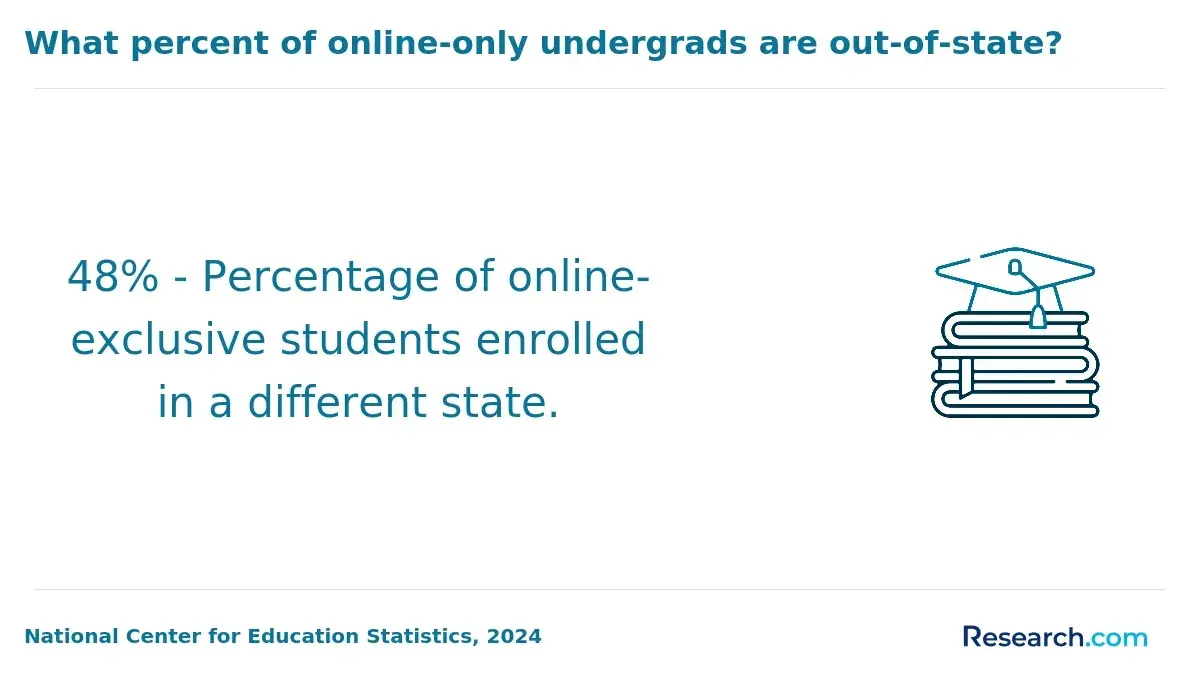
| State authorization | The school is allowed to serve online students in your state. | Important if you move, enroll across state lines, or need access to complaints and consumer protections. |
| Professional certification alignment | Courses may prepare students for platform or analytics certificates. | Useful for building job-ready proof of skill while earning the degree. |
A common mistake is assuming that "online" automatically means lower quality or, conversely, that every online program with a polished website is legitimate. A better approach is to verify the school's accreditation directly, review the curriculum, and ask how often courses are updated to reflect platform changes, privacy rules, and AI-assisted marketing tools. The same verification mindset applies across online professional degrees, including fields with more formal credentialing such as accredited BCBA programs online.
Which Flexible Social Media Marketing Degree Formats Are Best for Working Adults: Part-Time, Full-Time, or Self-Paced?
The best format depends on how predictable your work schedule is, how quickly you need the credential, and how much structure helps you stay on track. "Flexible" can mean many things: asynchronous weekly deadlines, evening live sessions, accelerated eight-week courses, self-paced competency-based terms, or a part-time course load that stretches the timeline but protects your schedule.
The table below compares the main online formats from the perspective of a working adult. Use it to identify the trade-off between speed, structure, flexibility, and weekly workload.
| Format | Typical fit | Likely workload pattern | Best when | Watch out for |
| Part-time asynchronous | Adults working full time or managing family responsibilities | Often one to two courses at a time with weekly deadlines | You need predictable flexibility and can study nights or weekends | Completion may take longer if you do not use transfer credits |
| Full-time online | Students with flexible jobs, reduced hours, or strong employer support | Multiple courses per term and heavier weekly reading, projects, and group work | You want to finish faster and can protect study time | Work-life strain can rise quickly during campaign projects or capstones |
| Self-paced or competency-based | Highly disciplined adults with prior college credit or marketing experience | Variable pace with progress based on assessments or completed competencies | You can move quickly through familiar material | Not all programs are truly open-ended; many have term limits or minimum progress rules |
| Synchronous online | Students who prefer live discussion and faculty interaction | Scheduled evening or weekend class meetings plus assignments | You learn best with real-time accountability | Live attendance may conflict with shift work, travel, or caregiving |
For most full-time employees, part-time asynchronous study is the most realistic starting point. Self-paced programs can be excellent for adults who already know marketing tools, analytics dashboards, or content strategy, but they require strong self-management. Full-time study can make sense if you are receiving employer tuition support, changing careers urgently, or can temporarily reduce work hours.
Before choosing a format, ask schools for precise scheduling rules rather than relying on marketing language. The following questions can prevent enrollment surprises:
- Are courses asynchronous, synchronous, or a mix of both?
- How many hours per week should a working adult expect for one three-credit course?
- Are exams proctored at fixed times, or can they be scheduled within a window?
- Do accelerated courses require more weekly time than standard 15-week courses?
- Does "self-paced" mean no weekly deadlines, or does the program still require milestone submissions?
- Can you pause enrollment without losing financial aid, catalog year, or tuition discounts?
Online delivery is now common even in fields that traditionally required studios or labs, as seen in options such as an online bachelor of architecture. The lesson for social media marketing students is that format quality depends less on being online and more on how well the school designs interaction, feedback, applied projects, and technology access.
What Are the Admission Requirements for Accredited Online Social Media Marketing Degree Programs?
Admission requirements vary by degree level and school selectivity, but online social media marketing programs are usually designed to be accessible to adult learners. Bachelor's programs commonly require a high school diploma or GED, transcripts from all prior colleges, an application, and sometimes a minimum GPA. Some programs are test-optional, especially for transfer or adult students.
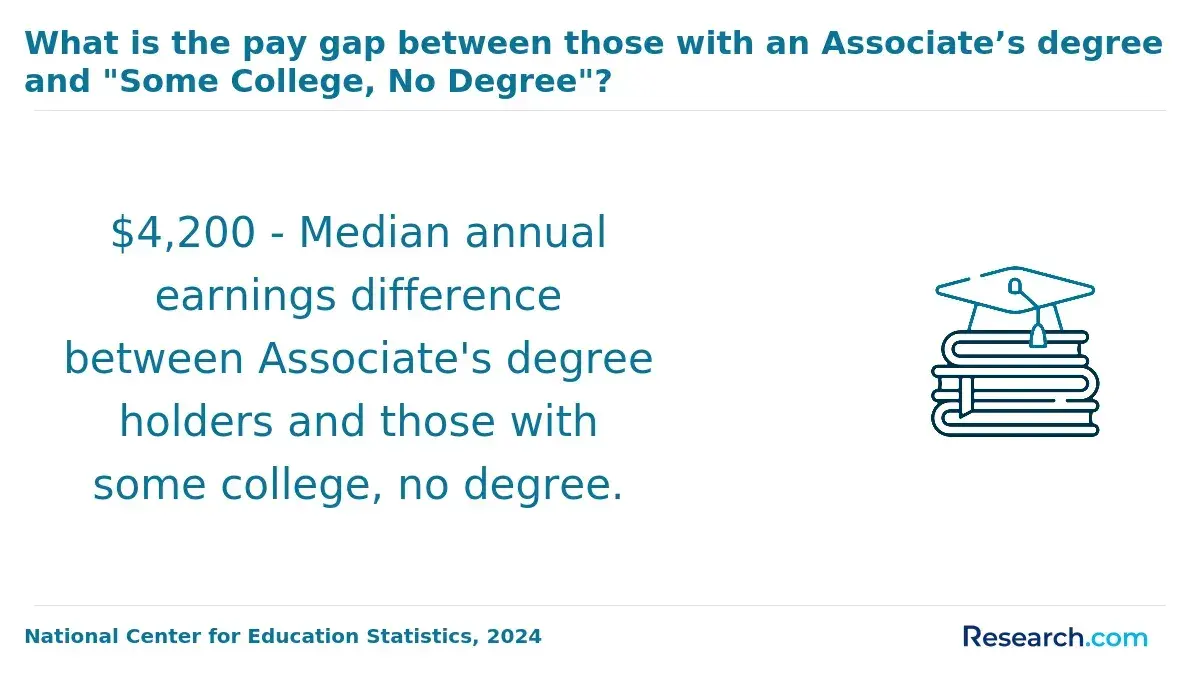
Associate and bachelor's pathways differ in cost, depth, and career positioning. If you are not ready to commit to a four-year degree, an associate degree in marketing, business, or communication can be a lower-risk entry point before transferring into a bachelor's program.
| Program level | Common admission requirements | Who it fits |
| Associate degree | High school diploma or GED, placement assessment, prior transcripts if applicable | Adults starting college, testing interest in marketing, or seeking a transfer pathway |
| Bachelor's degree, first-year entry | High school transcript, application, possible essay, optional test scores at many schools | Students with little or no prior college credit |
| Bachelor's degree completion | Prior college transcripts, minimum transferable credits, minimum GPA, sometimes prerequisites | Adults with previous college experience who want to finish faster |
| Graduate certificate or master's pathway | Bachelor's degree, resume, statement of purpose, sometimes professional experience | Professionals who already have a degree and want advanced digital marketing skills |
Admissions offices may also evaluate prior learning, military training, industry certifications, or professional portfolios, but policies vary. If you have completed Google Analytics, Meta, HubSpot, or similar training, ask whether the school awards credit or only treats the credential as helpful background.
Working adults should complete these admission checks before applying:
- Confirm the school accepts online students from your state.
- Request an unofficial transfer-credit review before paying an enrollment deposit.
- Ask whether marketing, statistics, accounting, or general education prerequisites can be completed online.
- Check whether part-time students receive equal access to advising, tutoring, and financial aid counseling.
- Review re-enrollment rules if you may need to stop out for work or family reasons.
If you are comparing starting points, guides on the easiest 2 year degree to get can help you think through workload and completion strategy, but "easy" should not be the only goal. For social media marketing, the stronger choice is usually the program that builds transferable skills in analytics, writing, creative testing, and campaign strategy.
How Much Does an Online Social Media Marketing Degree Cost, and What Financial Aid Options Are Available?
The cost of an online social media marketing degree depends on school type, residency rules, transfer credits, fees, course load, books, software, and how long you stay enrolled. College Board's 2024 pricing data reported average published tuition and fees of $11,610 at public four-year in-state institutions and $43,350 at private nonprofit four-year institutions. That gap matters because many online marketing degrees are offered by both public universities and private colleges with very different tuition models.
The table below summarizes the cost factors that most often change the final price for working adults. Focus on total program cost, not just per-credit tuition.
| Cost factor | How it affects price | What to ask |
| Per-credit tuition | The base cost multiplied by remaining credits | Is online tuition the same for in-state and out-of-state students? |
| Mandatory online fees | Technology, platform, assessment, or student service fees can add to each term | Are fees charged per credit, per course, or per semester? |
| Transfer credits | Accepted credits reduce the number of courses you must pay for | What is the maximum transfer-credit limit? |
| Course materials and software | Marketing classes may require analytics, design, or simulation tools | Are software subscriptions included in tuition? |
| Enrollment pace | Taking longer may increase fees, while accelerated study may affect work hours | What is the least expensive realistic pace for a full-time worker? |
Financial aid can make an accredited program more accessible, but eligibility depends on the school, degree level, enrollment intensity, and your personal financial situation. Federal Student Aid listed the maximum Pell Grant at $7,395 for the 2024-25 award year, but not every student qualifies and grants may not cover the full cost of attendance.
Review these funding options before deciding that a program is unaffordable:
- Federal grants and loans through the FAFSA for eligible accredited programs
- State grants or scholarships for residents attending in-state public institutions
- Employer tuition assistance, reimbursement, or workforce-development benefits
- Military and veteran education benefits, when applicable
- Institutional scholarships for transfer students, adult learners, or online students
- Payment plans that spread tuition across the term without requiring a large upfront payment
A common red flag is a school that emphasizes monthly payments but avoids showing the total cost to graduate. Compare affordability the way you would in other helping or professional fields, where total cost and accreditation both matter; resources on the most affordable online counseling degrees illustrate why the cheapest advertised tuition is not always the best financial decision.
How Long Does It Take to Complete an Online Social Media Marketing Degree, and Can Transfer Credits Help You Graduate Faster?
A bachelor's degree in social media marketing or digital marketing commonly requires about 120 credits. Full-time students often plan around four academic years, while adults taking one or two courses per term may need five to six years. Degree-completion students with substantial prior credits may finish much faster if the school accepts their general education, business, and elective credits.
The table below shows how time commitment changes by enrollment pace. These are planning ranges, not guarantees, because course length, prior credits, academic calendar, and personal availability all affect the timeline.
| Enrollment path | Typical course load | Common time pattern | Best fit |
| Full-time bachelor's path | Four to five courses per semester | About four years with no transfer credit | Students who can make school a primary responsibility |
| Part-time bachelor's path | One to two courses per term | Often five to six years without major transfer credit | Adults working full time or managing caregiving |
| Accelerated online terms | One or two shorter courses at a time | Can shorten calendar time if courses are taken continuously | Disciplined students who can handle compressed deadlines |
| Degree-completion pathway | Upper-division major courses after transfer | Often shorter when 60 or more credits transfer | Students returning with prior college credit |
| Self-paced or competency-based | Assessment-driven progress | Variable, depending on mastery and school limits | Experienced adults who can move quickly through familiar topics |
Transfer credits can be one of the strongest cost and time levers for working adults. However, not all credits transfer the same way. A course may be accepted as elective credit but not satisfy a major requirement, which means you still need to complete core marketing classes.
Use this transfer-credit process before you enroll:
- Collect official or unofficial transcripts from every college you attended.
- Ask for a written transfer evaluation showing which credits apply to general education, business core, major requirements, and electives.
- Confirm whether old credits expire, especially technology, statistics, or marketing courses.
- Ask whether professional certifications, military training, or portfolio work can earn prior learning credit.
- Compare the number of remaining credits across schools, not just the number of credits accepted.
If you expect to pursue graduate business study later, compare undergraduate choices with future affordability in mind. Some students eventually stack marketing experience with graduate management training, and guides to online MBA programs under 30k can help you think about long-term education costs before committing to an expensive bachelor's option.
What Should You Look for When Comparing Accredited Online Social Media Marketing Degree Programs?
The strongest online social media marketing degree is not necessarily the fastest or cheapest. It is the program that combines recognized accreditation, realistic scheduling, current curriculum, applied projects, transparent pricing, and support for adult learners. Because social platforms, ad tools, privacy practices, and AI-assisted content workflows change quickly, curriculum relevance is especially important.
The table below helps you compare programs across the factors that most affect quality and fit. Use it as a shortlisting tool before speaking with admissions.
| Comparison area | Strong sign | Red flag |
| Accreditation | The school clearly names its recognized institutional accreditor | The website uses vague phrases such as "fully approved" without documentation |
| Curriculum | Courses cover analytics, paid social, content strategy, SEO, branding, ethics, and campaign measurement | The program focuses only on posting content or platform basics |
| Flexibility | The school explains deadlines, live sessions, proctoring, and part-time options | "Flexible" is advertised but course schedules are unclear |
| Faculty and industry relevance | Faculty have marketing, analytics, communications, or business experience | No information is provided about instructors or course updates |
| Career preparation | Students complete portfolio projects, campaigns, analytics reports, or capstones | No samples, outcomes, or career support details are available |
| Student support | Online students receive advising, tutoring, library access, and career services | Support appears limited to campus students |
Common mistakes include choosing a school based only on tuition, assuming asynchronous means deadline-free, ignoring transfer policies, and enrolling before seeing the degree plan. A better strategy is to compare three to five accredited programs using the same criteria, then calculate time to completion and out-of-pocket cost for each.
Ask these questions when speaking with an admissions or academic advisor:
- How many credits remain after my transfer evaluation?
- Can I complete the entire degree online, including capstone and electives?
- Are any classes offered only once per year?
- How often are social media, analytics, and digital advertising courses updated?
- Will I graduate with portfolio pieces that show campaign planning, content strategy, and analytics interpretation?
- What happens if I need to reduce my course load for one term?
What Career Opportunities and Salary Potential Can You Expect With a Social Media Marketing Degree?
A social media marketing degree can support entry-level, mid-level, and advancement roles in marketing, communications, ecommerce, public relations, content strategy, and digital advertising. It is most valuable when paired with measurable skills: writing for specific audiences, interpreting analytics, managing paid campaigns, building content calendars, testing creative, and explaining ROI to non-marketing stakeholders.
Because "social media manager" is not always tracked as a single federal occupational category, salary data is best interpreted through related roles. The U.S. Bureau of Labor Statistics reported a May 2024 median annual wage of $76,950 for market research analysts, a role closely tied to consumer insights, campaign performance, and data interpretation. That figure is not a promise for social media graduates, but it shows why analytics skills can strengthen earning potential beyond content creation alone.
The table below connects common roles with typical responsibilities and the skills that online degree programs should help you build. Use it to decide whether the curriculum matches your target career path.
| Career path | Typical responsibilities | Degree-related skills to look for |
| Social media specialist | Create posts, manage calendars, monitor engagement, coordinate campaigns | Content strategy, platform fluency, brand voice, reporting |
| Digital marketing coordinator | Support email, paid social, SEO, analytics, and cross-channel campaigns | Campaign planning, marketing analytics, writing, project coordination |
| Content strategist | Plan content themes, audience journeys, editorial calendars, and performance reviews | Research, storytelling, audience segmentation, conversion goals |
| Paid social advertising associate | Build ad sets, test creative, monitor budgets, analyze campaign results | Digital advertising, metrics, A/B testing, data visualization |
| Marketing manager | Lead campaigns, supervise teams, manage budgets, align marketing with business goals | Leadership, strategy, analytics, budgeting, integrated marketing |
AI is changing the field, but it is not eliminating the need for marketing judgment. Employers increasingly expect marketers to use AI tools for drafting, research, ideation, and reporting while still applying human oversight to brand safety, accuracy, ethics, audience insight, and performance interpretation. Programs that teach prompt evaluation, content governance, analytics, and marketing ethics may be more useful than programs that treat social media as only a creative posting function.
This degree is a strong fit if you want a business-oriented marketing career, enjoy both creative and analytical work, and are willing to keep learning new tools. It may be a weaker fit if you want a purely artistic role, dislike data, or expect the degree alone to replace the need for a portfolio, internships, certifications, or practical campaign experience.
How Can Working Adults Balance a Social Media Marketing Degree With Full-Time Work and Family Responsibilities?
Balancing school with work and family starts with choosing a realistic course load. A three-credit online course can require several hours of reading, discussion, assignments, project work, and group communication each week. Marketing courses with campaign plans, analytics reports, or video content can take more time than lecture-heavy classes because they require iteration and feedback.
Instead of asking whether you can "fit school in," build a weekly study plan before enrollment. The goal is to protect consistent study blocks and reduce last-minute work during busy job or family periods.
- Start with one course in your first term if you have been out of school for several years.
- Block two or three recurring study sessions each week, including one longer weekend session if possible.
- Tell your advisor about predictable work peaks, travel seasons, or caregiving constraints before selecting classes.
- Choose asynchronous sections when your work schedule changes week to week.
- Use employer tuition benefits carefully by checking grade requirements and reimbursement timelines.
- Plan around major projects early because campaign assignments often require research, creative drafts, revisions, and analytics interpretation.
The most common mistake is over-enrolling to finish faster, then withdrawing and losing money or momentum. A slower but sustainable path often produces a better outcome for working adults than an aggressive schedule that causes burnout. If you want to accelerate, do it strategically: take easier general education courses alongside harder major courses, use summer terms only when your work schedule allows, and avoid stacking multiple project-heavy marketing classes in the same short session.
Practical rule: if your job regularly exceeds 45 to 50 hours per week, a part-time asynchronous schedule is usually safer than a full-time load unless you have strong support at home and at work.
What Student Support Services and Online Learning Resources Should You Expect From a Social Media Marketing Degree Program?
Student support can determine whether an online program is manageable for working adults. Good support is not limited to a help desk; it includes academic advising, transfer guidance, tutoring, library access, technology support, career coaching, and faculty feedback that works for students outside normal business hours.
The table below lists support services that are especially important in an online social media marketing program. These services matter because marketing assignments often require writing, data analysis, software use, and portfolio development.
| Support service | Why it matters | What strong online access looks like |
| Academic advising | Keeps you on track with prerequisites, course sequencing, and graduation requirements | Virtual appointments, degree maps, and proactive outreach |
| Writing support | Marketing students write briefs, reports, captions, proposals, and campaign plans | Online writing center appointments and feedback on drafts |
| Analytics and technology help | Courses may use dashboards, spreadsheets, design tools, or simulations | Extended-hour tech support and software access instructions |
| Library and research support | Campaign strategy requires credible market, audience, and competitor research | Remote database access and librarian chat or consultations |
| Career services | Students need resumes, portfolios, LinkedIn profiles, and interview preparation | Virtual coaching, employer events, and portfolio reviews |
| Accessibility services | Online learners may need accommodations for exams, media, or deadlines | Clear remote accommodation processes and accessible course materials |
Ask whether online students receive the same services as campus students. Some schools offer excellent online support, while others provide limited services outside daytime hours. For a working adult, evening availability, fast response times, and clear escalation paths are not extras; they are part of program quality.
You should also evaluate the learning platform before classes begin. A strong program should make it easy to find deadlines, submit multimedia assignments, join discussions, contact faculty, access grades, and collaborate on group projects. If the school offers an online orientation, take it seriously; it can prevent avoidable stress during your first term.
Do Online Social Media Marketing Degree Programs Include Internships, Practicums, or Other Hands-On Learning Requirements?
Many online social media marketing programs include hands-on learning, but the format varies. Some require internships, while others use capstones, simulations, client-based projects, portfolios, or campaign labs. For working adults, the most important question is whether hands-on requirements can be completed remotely, locally, or through your current employer.
The table below compares common experiential learning options. It can help you identify whether a program's applied requirements are realistic with your work schedule.
| Hands-on requirement | What it usually involves | Working-adult consideration |
| Internship | Supervised marketing work with an employer, agency, nonprofit, or campus partner | Ask whether evening, remote, part-time, or current-employer placements are allowed |
| Capstone project | A final campaign plan, analytics report, brand strategy, or integrated marketing project | Often easier to fit around work than a traditional internship |
| Portfolio requirement | Collection of campaign samples, content plans, ad mockups, reports, or case studies | Valuable for job searches because employers can see your work |
| Simulation or lab | Practice using marketing scenarios, dashboards, budgets, and campaign decisions | Useful when live client access is limited |
| Client-based course | Team project for a real or mock client, often with deadlines and presentations | Check whether group meetings are flexible for different time zones and work shifts |
Hands-on learning is especially important because social media marketing hiring is portfolio-driven. A degree can establish academic credibility, but employers often want proof that you can plan a campaign, write for an audience, interpret results, and adjust strategy. If a program has no portfolio, capstone, internship, or applied project, ask how it helps students demonstrate job-ready skills.
Before enrolling, clarify these practical details:
- Can internship hours be completed at your current workplace if the work is marketing-related?
- Are remote internships accepted, and who approves the placement?
- Is the capstone individual or team-based?
- Will you own or be allowed to show portfolio work after graduation?
- Are there additional background checks, platform subscriptions, or scheduling requirements?
For many working adults, a capstone-plus-portfolio model is more manageable than a traditional daytime internship. However, career changers with limited marketing experience may benefit from an internship or client-based course because it provides references, examples, and confidence.
Other Things You Should Know About Social Media Marketing
A degree is broader and usually better for long-term advancement because it covers marketing strategy, business, communication, analytics, and general education. A certificate is faster and can be useful for learning a specific platform or tool. Many working adults use both: a degree for credibility and certificates for current technical skills.
Employers are generally more concerned with accreditation, skills, experience, and portfolio quality than whether the program was online. An online degree from a properly accredited institution is typically viewed more favorably than a non-accredited credential, especially when paired with campaign examples and analytics work.
Yes. Design experience helps, but social media marketing also relies on writing, research, analytics, planning, audience insight, and project coordination. If you are not design-oriented, look for programs that teach basic visual communication while also building strengths in strategy and measurement.
Many programs discuss major platforms, but a strong degree should not depend only on today's tools. Look for courses that teach transferable principles such as audience behavior, content testing, paid media, analytics, ethics, and brand strategy, because platforms and algorithms change frequently.
References
- The 15 Best Online Marketing Degree Programs - Best Marketing Degrees https://www.bestmarketingdegrees.org/best-online-marketing-degree-programs/
- Want to have a career in social media? Study in Europe! https://ehef.id/post/want-have-career-social-media-study-europe/en
- Employer Tuition Assistance for Higher Education - Adult Students - Oklahoma State Regents for Higher Education https://okhighered.org/adult-students/tuition-assistance/
- Ultimate Time Management: How to Balance Work and Online Study Successfully https://www.straighterline.com/blog/ultimate-time-management-how-to-balance-work-and-online-study-successfully
- How Social Media Marketing Courses Can Boost Your Career https://www.turingcollege.com/blog/social-media-marketing-courses
- CourseCareers https://coursecareers.com/blog-posts/marketing-degree-vs-digital-marketing-bootcamp-vs-self-paced-program
- Digital Marketing Major https://www.kozminski.edu.pl/en/digital-marketing-major
- Digital Marketing Degree vs Bootcamp vs Certificate https://www.springboard.com/blog/business-and-marketing/marketing-degree-vs-bootcamp/
- Social Media Marketing | Springpod https://www.springpod.com/virtual-work-experience/social-media-marketing/WEXP-00051
- Programs - NCSEAA https://www.ncseaa.edu/programs-2/