2027 Entry-Level Hiring Trends for Sports Science Graduates: Where New Grads Have the Best Odds

Co-Founder and Chief Data Scientist
Many recent sports science graduates face the difficult choice of which job titles and industries to target, especially since entry-level roles often require prior experience. This mismatch pushes some into highly competitive or less relevant markets, overshadowing fields where demand is stronger but less visible.
In 2024, labor data shows that 40% of entry-level postings prefer candidates with internship experience in sports performance or rehabilitation, revealing a skills-based hiring trend that affects new grads without specialized practice.
Geographic hotspots in metropolitan areas offer concentrated opportunities, yet oversaturation there limits realistic odds. This article explores where entry-level sports science graduates find the best chances by analyzing roles, industries, regions, and skills.
Key Things to Know About Entry-Level Hiring for Sports Science Graduates
- Employers prioritize candidates with practical certifications alongside a degree, reflecting a 2024 survey where 62% valued applied skills over formal education alone, guiding graduates to integrate hands-on experience early.
- Entry-level roles cluster in rehabilitation and fitness centers, urging students to target these industries; competition intensifies for fewer specialist titles, demanding strategic job focus and networking.
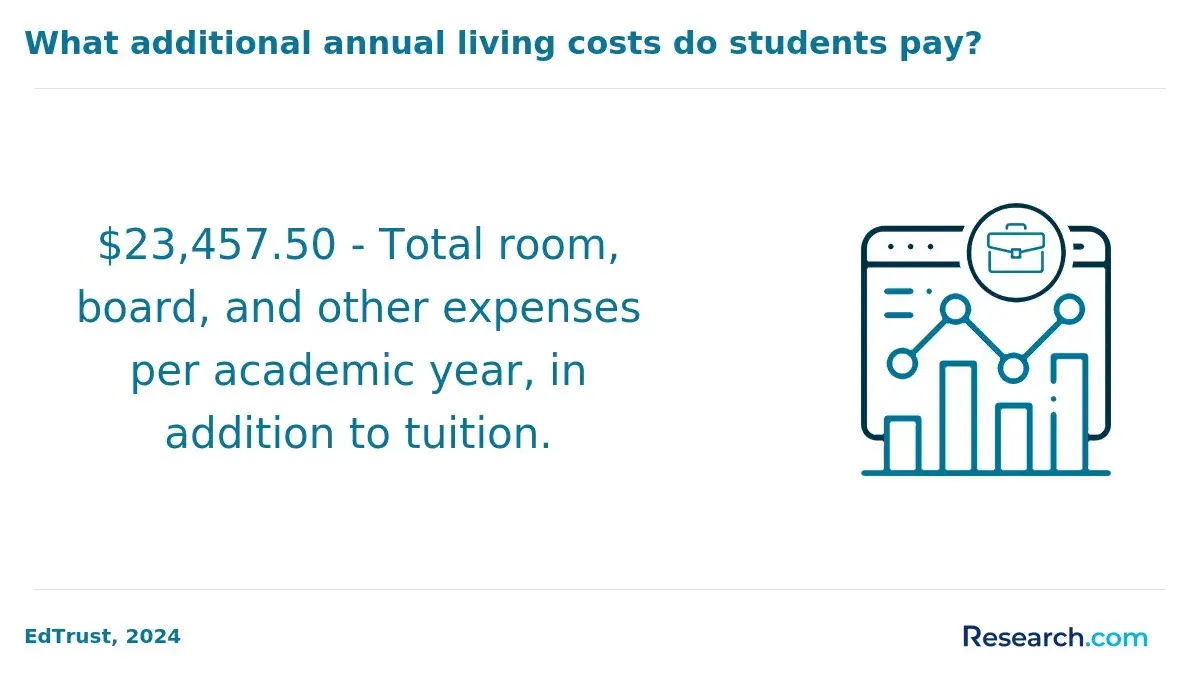
- Geographic hotspots like urban health districts offer stronger hiring chances but come with higher living costs, prompting a tradeoff between access to opportunity and financial planning for new graduates.
- Key Things to Know About Entry-Level Hiring for Sports Science Graduates Key Things to Know
- What Is the Entry-Level Hiring Outlook for Sports Science Graduates? Entry-Level Hiring Outlook
- What Are the Best Entry-Level Jobs for Sports Science Graduates? Best Entry-Level Jobs
- Which Industries Hire the Most Entry-Level Sports Science Graduates? Top Hiring Industries
- Where Do Sports Science Graduates Have the Best Hiring Odds? Best Entry-Level Markets
- What Starting Salaries Can Entry-Level Sports Science Graduates Expect? Entry-Level Salaries
- Which Skills and Certifications Help Sports Science Graduates Get Hired? Top Skills and Certifications
- How Much Experience Do Entry-Level Sports Science Jobs Require? Entry-Level Experience Requirements
- What Do Employers Look for in New Sports Science Graduates? Employer Requirements
- How is AI Affecting Entry-Level Hiring for Sports Science Graduates? AI and Hiring
- How Can Sports Science Graduates Improve Their Job Search Results? Job Search Strategies
What Is the Entry-Level Hiring Outlook for Sports Science Graduates?
The entry-level demand for sports science graduates is moderately positive but highly variable depending on industry niche and geography. Roles directly labeled as sports science often compete with broader health and fitness positions, which limits openings in some regions. Graduates targeting oversaturated urban centers with numerous sports franchises may face intense competition, particularly if they rely solely on their degree without supplementary certifications or internship experience.
According to the U.S. Bureau of Labor Statistics, employment for related health roles like exercise physiologists is expected to grow 11% through 2032, signaling stronger prospects in healthcare-adjacent fields compared to traditional sports teams or research institutions.
Regional hiring trends for sports science entry-level positions show concentrated opportunities in states such as California, Texas, and Florida, where university athletics and healthcare industries frequently drive recruitment. However, a growing emphasis on practical, technical skills such as biomechanical analysis and client management means recent graduates must often complement their academic credentials with certifications like CPR or sports therapy.
Employers also prioritize candidates with internship experience, with over half considering it a key screening factor, underscoring the need for proactive hands-on learning to improve job market competitiveness. For students considering further education pathways or accelerated credentials, exploring the fastest EdD program online options can be a strategic next step in career preparation.
What Are the Best Entry-Level Jobs for Sports Science Graduates?
Effective entry-level roles for sports science graduates are those that integrate core anatomical and physiological expertise with clear employer demand and pathways for skill development. Positions like exercise physiologist offer strong prospects due to sustained growth in healthcare and rehabilitation sectors, with the U.S. Bureau of Labor Statistics projecting a 12% increase over the next decade.
This role requires practical credentials and experience in cardiovascular and musculoskeletal health, making it a robust choice for graduates who invest in certifications alongside their degree. In contrast, strength and conditioning coach roles, while competitive and often requiring internships, align well with candidates focused on athletic performance and applied biomechanics, offering access to collegiate and professional sports environments with high value placed on experiential learning.
Roles such as physical therapy assistants provide a more predictable employment setting with licensure pathways often faster to complete than advanced clinical degrees. These positions leverage the graduates' strong foundation in kinesiology while fitting into healthcare facilities where demand is buoyed by aging populations and sports injury treatment.
Fitness trainer positions, though geographically widespread and flexible, come with tradeoffs including market saturation and less job security given gig economy influences and automation risks. For graduates, prioritizing jobs that balance certification requirements, relevant work experience, and employer demand is crucial to avoiding early-career stagnation or misalignment between academic preparation and real-world expectations.
One recent graduate faced a decisive choice between joining a rehabilitation clinic as an exercise physiologist assistant or starting as a fitness trainer at a commercial gym. Although the gym role offered immediate employment and flexible hours, the candidate hesitated due to concerns about limited advancement and job stability.
The clinic position, while initially requiring additional certification and a longer onboarding process, promised more direct application of their specialized knowledge and clearer potential for clinical career growth. This cautious approach highlighted the importance of aligning early roles with long-term career relevance, even when immediate convenience is tempting.
Which Industries Hire the Most Entry-Level Sports Science Graduates?
Entry-level hiring for sports science graduates is heavily concentrated in healthcare, fitness and wellness, and sports performance sectors, where workforce demand is driven by distinct structural factors. Healthcare employers, including hospitals and rehabilitation clinics, represent the largest volume of openings, propelled by an aging population increasing the need for physical therapy and preventative care.
Roles such as exercise physiologist in training or rehabilitation technician benefit from relatively stable job availability and clear certification pathways, yet competition often requires targeted credentials beyond a degree. According to the U.S. Bureau of Labor Statistics and recent 2024 analyses, healthcare accounts for a particularly dense hiring footprint in metropolitan regions with established medical networks, making these areas prime for candidates with relevant clinical experience.
By contrast, fitness and wellness organizations, from gyms to corporate programs, offer more accessible entry points but with less job stability and more variability in compensation. Positions like strength and conditioning coach or wellness coordinator often demand certifications such as CPR or personal training licenses, and success typically depends on building hands-on skills quickly.
Meanwhile, sports teams and performance centers, although attractive for applied athletic development roles, present competitive entry that favors internships and fieldwork, with seasonal contracts and geographic mobility creating additional challenges. Graduates aiming for education or community health roles encounter fewer openings but benefit from steadier funding and structured career progressions tied to public or nonprofit institutions.
Navigating these sectoral distinctions can improve application prioritization and align graduates' expectations with the realities of regional demand, workforce retirements, and evolving industry trends.
Where Do Sports Science Graduates Have the Best Hiring Odds?
Hiring odds for sports science graduates hinge less on geography alone and more on the density of relevant employers, industry sectors, and the volume of entry-level positions available. Metropolitan areas with concentrated sports medicine clinics, collegiate athletics programs, and rehabilitation facilities, such as Boston, Denver, and Seattle, offer significantly higher job-posting volumes, according to 2024 data from the U.S. Bureau of Labor Statistics and LinkedIn Workforce Insights.
While these markets present strong pipelines through established internships and credentialing avenues, graduates must navigate intense competition and higher living costs. For example, a graduate targeting entry-level roles in a major public university's sports performance department may find ample opportunity but face a crowded applicant pool demanding specific certifications like Certified Athletic Trainer credentials.
Conversely, regions dependent on smaller-scale high school athletic programs or local fitness centers often provide fewer openings but less applicant competition, which can accelerate initial hiring though may restrict long-term opportunity growth without relocation. Emerging employer interest in hybrid and remote roles in areas such as sports analytics and wellness consulting increases geographic flexibility but typically requires specialized skills beyond a general degree.
Prospective candidates should weigh job availability against local market competitiveness, specialization fit, access to professional networks, and living expenses. Those exploring alternative education pathways might consider the variety of practical learning options outside traditional routes, including specialized video game programs in related fields offering unique skill sets valuable to the evolving sports industry.
What Starting Salaries Can Entry-Level Sports Science Graduates Expect?
Starting salaries for entry-level sports science graduates are shaped by more than just academic credentials; they reflect the interplay of role specialization, employer type, geographic location, and the candidate's practical skills or certifications.
For instance, a recent graduate with a Certified Strength and Conditioning Specialist credential and an internship in a metropolitan rehabilitation clinic may receive a noticeably higher offer than a peer entering a community fitness center without specialized training. This variation underscores that compensation often compensates not only for expertise but for the local market demand, workplace benefits, and growth opportunities.
Key factors driving salary differences include the following:
- Industry Sector: Healthcare employers such as hospitals or rehab clinics typically offer higher starting pay than educational institutions or recreational facilities, reflecting the technical demands and funding structures within clinical settings.
- Geographic Location: Entry-level wages in high-cost areas like California or New York tend to be 10-20% above the national average due to local labor shortages and living expenses, whereas salaries in rural or lower-cost regions lag behind accordingly.
- Role Specialization: Graduates focusing on biomechanics or sports nutrition often command better initial compensation because these niches require distinct skills and are in growing demand within multidisciplinary teams.
- Experience and Certifications: Candidates with internships and credentials such as CSCS are favored with higher salary offers and faster early wage growth, as employers equate these with reduced training costs and readiness to perform.
- Employer Type: Private sector organizations, especially those involved in sports performance or research, generally provide larger signing bonuses and richer benefits compared to public sector roles, which may offer greater stability but lower starting pay.
- Remote vs. On-Site Roles: While telehealth and remote positions are expanding, practical hands-on roles requiring physical assessment usually remain tied to local markets, limiting geographic flexibility for higher pay.
A graduate recently shared that choosing between a higher-paying job in a metropolitan fitness chain and a lower-paying clinic position in her home state was a tough decision. Although the clinic role offered less salary, it included structured mentorship and clearer advancement pathways, factors she valued for long-term career development.
The regional cost differences also meant the lower salary went further locally than a higher nominal wage might in an expensive city. This scenario reflects the nuanced decision-making new sports science professionals face when weighing immediate compensation against experience and growth potential.
Which Skills and Certifications Help Sports Science Graduates Get Hired?
Employers hiring entry-level sports science graduates increasingly prioritize candidates who demonstrate applied skills, digital fluency, and clear job readiness in addition to academic credentials. The practical demands of the roles mean that theoretical knowledge alone no longer suffices.
For instance, a recent graduate targeting athletic training roles who can showcase hands-on experience with biomechanical analysis software and hold relevant certifications often surpasses others with similar degrees but less applied evidence. Hiring managers value tangible demonstrations such as internships, project portfolios, and real-world problem-solving over just coursework or generic certifications. This shifting focus reflects overarching labor market trends emphasizing adaptability and technical competence.
Below are the key skills and certifications that most improve entry-level sports science hiring prospects:
- Technical Proficiency: Mastery of tools like Dartfish or Kinovea is vital in performance analysis and injury prevention roles. Candidates should highlight experience with these platforms through internships or capstone projects rather than merely listing familiarity.
- Data Literacy: Fluency in interpreting and presenting data using SPSS, R, or similar software distinguishes applicants, especially in research-focused or rehabilitation settings. Practical application of statistics is preferred over purely academic exposure.
- Certifications Credibility: Credentials from NSCA or ACSM are commonly required in fitness and athletic training jobs. Supplemental microcredentials in sports nutrition or CPR offer competitive advantages but rarely guarantee placement without complementary experience.
- Communication Skills: Effective verbal and written communication is crucial across all entry-level roles, enabling the explanation of complex concepts to clients and collaboration within multidisciplinary teams. Evidence through internships enhances credibility.
- Transferable Abilities: Project management, adaptability, and knowledge of regulatory compliance such as HIPAA increase employability in health-related sports science fields, signaling readiness for workplace dynamics.
- AI and Emerging Skills: While artificial intelligence fluency is growing in relevance, it remains niche. Graduates should selectively upskill based on targeted career paths instead of pursuing broad AI certifications early on.
Graduates navigating the US job market should weigh these factors carefully. Assessing entry-level roles against these essential skills for sports science graduates in the US job market will better align efforts with employer expectations. For those considering further study, programs like the fastest masters degree options may provide accelerated pathways to deepen practical expertise and credentials.
Employer Confidence in Online vs. In-Person Degree Skills, Global 2024

How Much Experience Do Entry-Level Sports Science Jobs Require?
Entry-level sports science roles often set experience requirements that serve more as flexible screening criteria than rigid qualifications. While nearly 40% of job postings expect some form of prior experience, this typically includes academic internships, practicum hours, or project-based assignments rather than full-time work.
For example, a recent graduate applying to rehabilitation support or sports data analysis positions might qualify by showcasing completed certifications, a robust portfolio, or documented success in internship settings, even if lacking formal employment. Employers frequently prioritize demonstrable applied skills and familiarity with current tools over calendar time in the workforce, particularly in roles focused on strength conditioning or athlete monitoring.
The nature of experience demanded varies substantially by employer size, sector, and regional labor market conditions. Larger organizations and clinical environments tend to insist on verified practicum or volunteer hours, partly due to compliance and liability concerns. Conversely, smaller gyms or community programs may accept limited or unpaid experience.
In tight labor markets with high graduate supply, employers sometimes raise stated experience expectations, which may reflect preferences more than absolute barriers. Graduates benefit from critically assessing job descriptions to distinguish between mandatory experience and negotiable preferences, considering academic projects, capstones, or skills training as legitimate substitutes for traditional work history.
Positions requesting one to two years of experience often seek candidates who can quickly perform specialized tasks with minimal supervision, placing a premium on certifications and applied learning over time served. Sports science graduates should weigh their internship and volunteer experiences against these expectations before applying, recognizing that a degree alone rarely suffices.
Strategic emphasis on applied credentials and documented achievements in practicum settings can improve competitiveness, especially in roles where direct full-time work is scarce.
What Do Employers Look for in New Sports Science Graduates?
Employers assessing entry-level sports science graduates increasingly prioritize candidates who demonstrate practical job readiness over those relying solely on academic credentials. Recruiters weigh applied skills, relevant hands-on experience, clear communication abilities, technical proficiency, adaptability, and awareness of industry trends.
A realistic hiring scenario involves a graduate with a strong internship portfolio and proficiency with digital tools who outshines another candidate holding only coursework credentials but lacking applied project work. This shift reflects data from the National Association of Colleges and Employers' 2024 Job Outlook survey showing over 65% of employers emphasize internship and applied work as key qualifiers.
The following qualities consistently influence hiring decisions:
- Applied Experience: Employers seek candidates with internships or supervised projects that show real-world contribution, as these experiences signal readiness to perform with minimal onboarding.
- Technical Proficiency: Mastery of exercise physiology, biomechanics, and data analysis software like Excel or SPSS forms a baseline. Comfort with emerging digital monitoring and AI tools further differentiates applicants.
- Effective Communication: Being able to clearly explain complex concepts to clients or colleagues, often demonstrated through presentations or portfolio reports, is critical across rehabilitation, training, and health promotion roles.
- Certifications and Credentials: Industry-recognized certificates such as CSCS or CPR frequently serve as minimum requirements, reflecting regulatory norms and risk management priorities.
- Problem-Solving and Adaptability: Employers value demonstrated ability to navigate unexpected challenges during internships or capstone projects, indicating critical thinking and flexibility.
- Industry Awareness: Understanding sector-specific demands, such as the difference between large organizations favoring specialization and smaller employers valuing versatility, informs targeted application strategies.
How is AI Affecting Entry-Level Hiring for Sports Science Graduates?
The influence of AI-driven recruitment tools for sports science graduates is reshaping entry-level hiring by prioritizing hybrid skill sets that combine athletic knowledge with technological competency.
Employers increasingly use AI-powered applicant tracking systems (ATS) to screen resumes for keywords like data analysis and biomechanics software, which narrows candidate pools toward those demonstrating both foundational sports science expertise and digital fluency. For example, a graduate applying to a fitness technology startup may face stiff competition from peers who showcase experience with sensor technology and data visualization, not just traditional physical assessment skills.
Routine tasks such as fitness testing and data collection are progressively automated, shifting the nature of entry-level roles toward interpreting complex datasets and supporting AI-driven performance insights. This creates tradeoffs for graduates deciding between sectors: clinical or community-based roles may emphasize manual client interactions, while positions in sports analytics or wearable tech companies demand statistical and programming abilities.
Understanding these distinctions helps job seekers target roles aligned with their strengths and invest strategically in relevant skills, such as those highlighted by programs offering an online CS degree to supplement their sports science background.
The impact of artificial intelligence on entry-level sports science hiring also places a premium on internships and project portfolios that demonstrate applied AI skills, signaling readiness to collaborate with AI-enhanced workflows rather than requiring full automation replacement.
While automation reshapes job descriptions, it does not uniformly reduce opportunities but instead demands adaptable graduates who can integrate traditional sports science know-how with evolving digital tools, ensuring sustained demand as projected by labor market trends through 2030.
How Can Sports Science Graduates Improve Their Job Search Results?
Targeted job searches yield significantly better outcomes for sports science graduates compared to broad, unfocused applications. Employers use applicant tracking systems that prioritize resumes matching specific job titles like exercise physiologist, fitness coordinator, or sports performance analyst. Graduates who tailor their resumes and cover letters to these roles increase their chances of interview callbacks by up to 40%, according to the National Association of Colleges and Employers.
For example, a graduate focusing solely on generalized wellness coordinator roles across many regions may face intense competition and lower visibility, whereas one who narrows efforts to metropolitan areas with strong healthcare and collegiate sports programs can benefit from higher entry-level sports science positions with high employer demand.
Understanding where demand is greatest allows graduates to allocate their efforts more efficiently, emphasizing industries and geographic regions with known hiring needs and regulatory expectations. Alongside this, leveraging internships, certifications, and skill-based projects demonstrates practical readiness, which many employers prioritize over theoretical knowledge alone.
Networking remains crucial: approximately 60% of early-career hires in related health and fitness roles come from referrals or professional connections, underscoring the advantage of engaging alumni groups and professional organizations. Submitting applications timed to correspond with recruiting cycles-typically from late summer to early fall-further enhances interview success rates.
Graduates should also evaluate compensation expectations realistically. For those comparing entry-level roles, referencing informed sources like the child specialist salary data can provide benchmarks for negotiating or prioritizing opportunities. Taking a nuanced approach that integrates precise job targeting, strategic timing, relevant experience, and informed market research is essential to navigate the competitive landscape of effective job search strategies for sports science graduates.
References
- Sports Science Jobs 2026 | Sports Scientist Careers & Salary https://sportsprojobs.net/sports-science-jobs/
- Graduating from your Sports Science degree: Cliff edge or a bridge to cross? - Supporting Champions https://www.supportingchampions.co.uk/graduating-cliff-or-bridge/
- AI's Impact on Graduate Jobs: A 2025 Data Analysis | IntuitionLabs https://intuitionlabs.ai/articles/ai-impact-graduate-jobs-2025
- What Jobs Can You Do With Sports Science? | Oxford College https://www.oxfordcollege.ac/news/what-jobs-can-you-do-with-sports-science/
- AI is not just ending entry-level jobs. It's the end of the career ladder as we know it https://www.cnbc.com/2025/09/07/ai-entry-level-jobs-hiring-careers.html
- What Can You Do With A Sports Science Degree? https://www.origym.co.uk/blog/sports-science-degree/
Other Things You Should Know About Sports Science Entry-Level Hiring
Yes, programs embedding structured internships or practicum experiences significantly enhance employability for new sports science grads. Employers consistently prioritize candidates with demonstrated hands-on skills and exposure to real-world environments. Graduates from programs lacking these elements may face steeper hurdles despite strong academic records because practical experience often indicates readiness to perform in entry-level roles. Prioritizing programs with mandatory, supervised placements offers a measurable advantage in the competitive entry-level job market.
Focusing too narrowly on a single specialty can limit early-career flexibility, especially since many entry-level roles require versatile competencies. Conversely, overly broad programs might leave graduates underprepared for specialized roles that demand specific technical skills. Graduates should assess industry demand in their target sectors and consider curricula that balance core foundational knowledge with practical specialization to maximize initial hiring prospects and longer-term career adaptability.
Geographic flexibility often meaningfully improves hiring outcomes since many of the strongest job markets are clustered in specific urban or regional hubs. Graduates limiting their job search to local or rural areas may encounter fewer opportunities, even when qualifications are strong. Being open to relocation can expose candidates to better-funded organizations, more competitive salaries, and diverse roles, so weighing this willingness carefully is critical when planning post-graduation strategies.
The decision to pursue additional certifications versus seeking entry-level employment immediately depends on industry segment and employer expectations. In fields like rehabilitation or athlete performance, employers increasingly expect some advanced certifications which can translate into higher starting roles but delay income and practical experience. Graduates targeting fast entry should focus on gaining relevant internships and applied skills first, while those aiming for specialized roles might benefit from short-term certification programs that enhance credentials without excessively postponing workforce entry.