2027 Sports Science ROI by Institution Type: Public vs Private vs Nonprofit Online Programs

Co-Founder and Chief Data Scientist
When a prospective student examines online sports science programs, a public university charging modest tuition may seem equivalent to a pricier private institution. However, a 2024 National Postsecondary Education Cooperative (NPEC) report found that students at nonprofit colleges graduate at rates 15% higher than public peers, but often carry 25% more student debt, complicating assessments of financial value.
This divergence reflects tradeoffs in institutional support, program completion, and long-term debt burden, which influence career opportunities and earnings potential. Understanding these nuanced differences is crucial, as misjudging ROI can impose lasting financial strain and hinder professional advancement. This article analyzes the ROI of sports science programs by institution type, offering data-driven insights to guide enrollment decisions.
Key Things to Know About Sports Science ROI by Institution Type
- Public institutions generally offer lower total educational costs but may have longer completion times, impacting ROI by extending student debt exposure and delaying workforce entry for career changers.
- Private programs often have stronger employer recognition and alumni networks, enhancing career advancement potential, though these benefits come with higher tuition that risks diminishing net long-term value.
- Nonprofit online programs emphasize flexible schedules and learner support, crucial for working adults, but variable graduation rates signal a tradeoff between accessibility and timely degree completion.
- What Does ROI Mean for a Sports Science Program and How Is It Measured? Understanding Sports Science Program ROI
- How Do Public, Private, and Nonprofit Online Sports Science Programs Differ in Overall Value? Value by Institution Type
- How Do Tuition Costs Affect the ROI of a Sports Science Program Across Institution Types? Tuition Costs and ROI
- How Do Graduation Rates Influence Sports Science Program ROI? Graduation Rates Impact ROI
- What Role Do Career Outcomes Play in the ROI of a Sports Science Degree? Career Outcomes and ROI
- How Does Student Debt Impact the Long-Term ROI of a Sports Science Program? Debt vs. Long-Term ROI
- How Do Flexibility and Adult Learner Support Affect Sports Science Program Value? Flexibility and Program Value
- How Do Accreditation and Institutional Reputation Influence Sports Science ROI? How Do Accreditation and Institutional Reputation Influence Sports Science ROI?
- How Does Time-to-Degree Affect the ROI of Public, Private, and Nonprofit Sports Science Programs? How Does Time-to-Degree Affect the ROI of Public, Private, and Nonprofit Sports Science Programs?
- How Can You Choose the Best Sports Science Program Based on Your ROI Goals? Choosing Programs by ROI
What Does ROI Mean for a Sports Science Program and How Is It Measured?
Return on investment for a sports science program online involves assessing how the total costs of education-tuition, fees, and borrowed funds-align with the career and financial benefits obtained after graduation. For example, a student choosing a lower-cost public institution might encounter slower completion rates or less personalized career support, extending time-to-degree and increasing indirect costs.
Conversely, private nonprofit online programs with higher sticker prices often offer stronger learner services and higher graduation rates, which can accelerate entry into employment or advanced roles, potentially improving long-term ROI despite higher upfront expenses. This dynamic underscores the need to evaluate beyond sticker price to include factors like debt burden, institutional reputation, and opportunity costs of delayed employment.
Measuring educational ROI in sports science degrees requires a holistic view, including graduation rates and employer alignment with program curricula. Public online programs report average graduation rates around 45%, while certain private nonprofit schools exceed 60%, impacting the credential's market value and real-world employability.
Students with a goal of rapid workforce entry benefit from programs offering applied internships and research opportunities that correlate with better placement and salary growth. Those balancing work, family, and study must weigh these tradeoffs carefully, recognizing that a less costly option may extend completion time or limit career support.
For nuanced financial planning and decision-making, it may be useful to compare these factors alongside options such as an MBA online, which can provide complementary leadership skills beneficial in sports science career trajectories.
How Do Public, Private, and Nonprofit Online Sports Science Programs Differ in Overall Value?
Choosing between public, private, and nonprofit online sports science programs requires weighing complex tradeoffs beyond sticker tuition. Public institutions, often subsidized by states, generally provide lower upfront costs and stronger academic and career support, yet their graduation rates average only 45%-55% over six years, indicating potential challenges in degree completion.
Private nonprofits charge higher tuition but frequently deliver smaller class sizes and flexible asynchronous formats, resulting in roughly 60%-70% graduation success and better alignment with specialized career paths, though their higher cost can translate to heavier student debt burdens.
Nonprofits-public or private-tend to prioritize rigorous accreditation and hands-on training, which can enhance employer perception but may come with limited affordability or scalability, forcing students to carefully weigh immediate finances against long-term professional value.
Affordability often drives decisions for cost-conscious learners balancing work and study; public programs may help reduce debt but at the expense of slower completion and potentially fewer networking opportunities. Those seeking more personalized instruction and stronger career placement may prefer private nonprofits despite higher expenses, anticipating a higher ROI in specialized sports science roles over time.
These differences are critical: a 2024 National Center for Education Statistics report highlights how variable graduation rates and associated debt across institution types directly impact students' long-term workforce readiness and financial stability. Aligning program choice with one's financial situation, flexibility needs, and career objectives remains essential to optimizing outcomes in this field.
A prospective student spent months deliberating between a public university with affordable tuition and robust advising, a private nonprofit boasting strong industry connections, and a nonprofit program emphasizing research integration and accreditation. Concerned about accruing unsustainable debt but eager to finish on time, they struggled to justify paying a premium without clear evidence of superior career placement.
Ultimately, relief came from identifying a mid-tier private nonprofit program offering scholarships and flexible scheduling, which aligned financial aid, graduation prospects, and the quality of practical training-addressing both the immediate financial constraints and long-term value considerations shaping their path forward.
How Do Tuition Costs Affect the ROI of a Sports Science Program Across Institution Types?
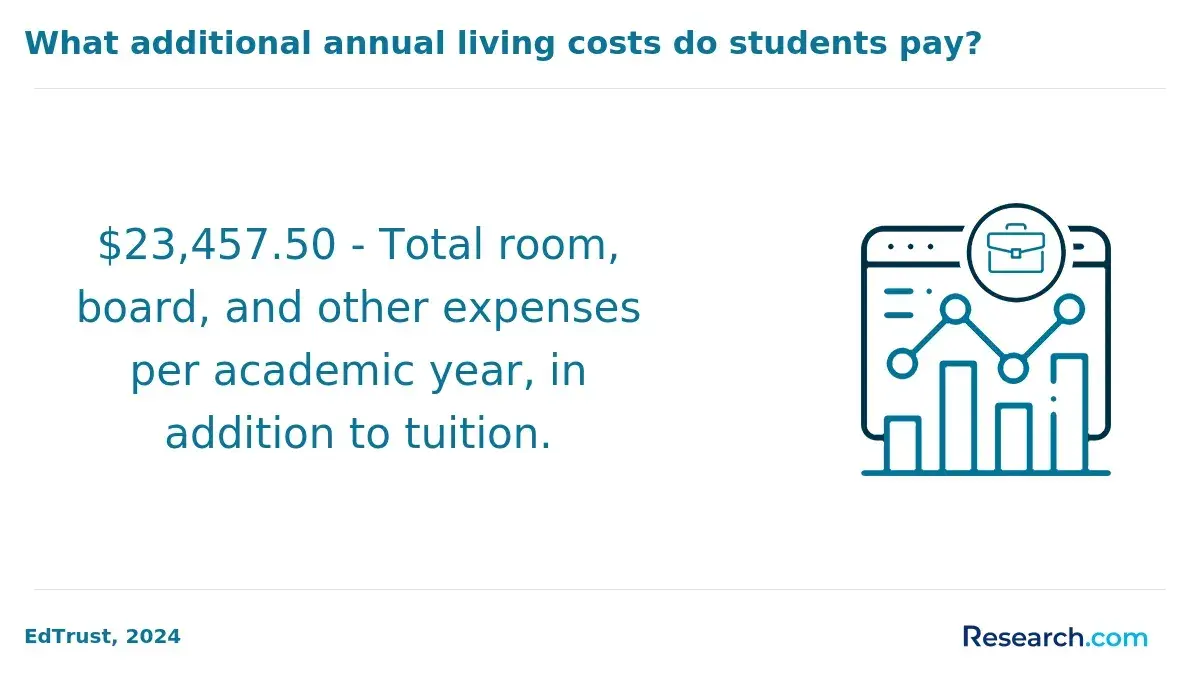
The relationship between tuition costs and ROI in sports science programs varies significantly across institution types, with public universities generally offering more budget-friendly options due to lower sticker and net prices after aid. For example, 2024 data from the National Center for Education Statistics shows public online bachelor's degree programs often range from $8,000 to $12,000 annually, substantially less than private nonprofit institutions, where net prices can exceed $20,000.
However, lower tuition does not automatically improve ROI; factors like graduation rates, student support, and program reputation heavily influence whether the investment pays off, especially for working adults balancing education with other responsibilities.
Private nonprofit programs may demand higher upfront costs, but their added value sometimes emerges through enhanced advising, stronger career networks, and improved completion rates, which can lead to higher starting salaries. However, these benefits often come with increased borrowing, amplifying debt burdens that diminish long-term financial gains if salary premiums do not sufficiently compensate.
Nonprofit programs typically occupy a middle ground, emphasizing flexibility and tailored support that can mitigate opportunity costs and improve timely degree completion.
Ultimately, students must weigh these tradeoffs relative to their personal circumstances: an adult learner focused on minimizing debt and quick workforce re-entry might find better net value at a public institution despite fewer bells and whistles, while another aiming for extensive professional connections might justify higher costs at private nonprofits.
How Do Graduation Rates Influence Sports Science Program ROI?
Graduation rates significantly influence the return on investment in online sports science programs. They affect time-to-degree and overall educational costs, which directly impact a student's net value from their credential.
Public institutions often report higher graduation rates for these programs compared to private and nonprofit counterparts, according to a 2024 report by the National Center for Education Statistics. This potentially creates a more favorable economic outcome for many students.
However, lower completion rates in some private and nonprofit programs may reflect a greater focus on serving nontraditional students, such as working adults or part-time enrollees, who face external challenges that extend time-to-degree without necessarily diminishing program quality or employer valuation.
Students evaluating the graduation rates impact on sports science program return on investment must weigh institutional support services, flexibility, and learner demographics alongside raw completion data. Programs that offer robust academic support and accommodate varied pacing tend to increase persistence but may also increase overall costs if extended enrollment leads to higher debt.
Many employers in sports science fields emphasize practical skills and work experience, which means graduation rates offer a partial but incomplete picture of ROI. For those seeking comprehensive context on degree pathways with varying entry criteria, exploring options like MSW programs online can provide insight into flexible program models that balance academic outcomes and learner realities.
What Role Do Career Outcomes Play in the ROI of a Sports Science Degree?
Career outcomes significantly shape the real-world return on investment for students choosing between public, private, and nonprofit online sports science programs. While private schools may charge higher tuition, their value often hinges on access to niche networking or specialized credentials rather than broadly recognized employment gains.
Public institutions generally report higher employment rates within six months of graduation, as noted by the National Center for Education Statistics in 2024, likely due to closer alignment with local labor markets and employer demands. This can translate into more immediate job placement and reduced debt risks, whereas nonprofit programs emphasize adaptable skills and graduate school readiness but see wider variation in career trajectories that complicate ROI predictions.
These employment trends interact critically with tuition costs, time to degree, and long-term career mobility. For example, a working professional aiming for upward movement within sports science-related fields may find public institutions provide steadier pathways given their stronger employer associations, while private programs might better support transitions into specialized subfields-albeit often at a higher financial and debt burden.
Nonprofit programs' broader curricular focus offers flexibility but requires students to weigh whether slower or less predictable job market returns justify the cost and effort. Ultimately, evaluating career outcomes alongside institutional cost structures enables learners to make more informed choices that balance financial commitments with realistic employment prospects and evolving professional goals.
A recent graduate who completed an online sports science degree through a public institution described weighing these tradeoffs before enrolling. Initially unsure if the degree would visibly advance their role in a competitive job market, they found that employer recognition of their credentials led to expanded responsibilities within six months post-graduation-validating the investment beyond mere salary gains.
The graduate noted frustration with measuring ROI solely through immediate earnings but felt cautious optimism as tangible professional opportunities emerged over time, reinforcing the importance of employer respect and practical job outcomes in assessing program value.
How Does Student Debt Impact the Long-Term ROI of a Sports Science Program?
Higher student debt disproportionately affects the long-term ROI of Sports Science programs, particularly in private online institutions where borrowing often exceeds 30% more than at public schools. This elevated debt load increases monthly repayment obligations that can restrict graduates' professional choices, such as accepting entry-level roles with lower salaries but greater growth potential.
Comparing programs requires weighing institutional costs against graduation efficiency, as extended enrollment periods at public schools may offset their lower tuition benefits, complicating debt management strategies for cost-conscious learners.
Evaluating how student loans affect career return on investment in Sports Science involves considering not only debt but also post-graduation employability and salary trends. Data shows higher delinquency rates among graduates from expensive private online programs despite similar placement rates, signaling that greater upfront costs do not necessarily translate into better financial outcomes.
Adult learners and career changers, who face additional financial pressures, must assess these nuances carefully while examining factors like networking opportunities and internship access that influence career mobility beyond simple price comparisons. For those exploring advanced credentials, resources on PsyD programs illustrate how debt and career outcomes intersect across disciplines, underscoring the importance of comprehensive financial planning.
How Do Flexibility and Adult Learner Support Affect Sports Science Program Value?
The structure of flexibility and adult learner support in online sports science programs directly impacts student persistence, time-to-degree, and ultimately return on investment. For instance, public institutions often provide asynchronous courses and part-time options that accommodate working professionals juggling job and family commitments, which helps reduce opportunity costs.
However, this ease of access may come at the expense of personalized academic advising and career services, potentially slowing degree completion or workforce entry for career changers who need targeted guidance. Conversely, private programs tend to invest heavily in faculty accessibility and specialized services like military support, enhancing learner satisfaction and career readiness, but their higher tuition can negate these benefits unless offset by substantial financial aid.
Nonprofit online programs frequently strike a balance by offering transfer-friendly policies and retention initiatives tailored to adult learners, which can strengthen graduation outcomes and reduce long-term debt burdens. Such comprehensive support often translates to better employability despite moderate tuition levels.
A 2024 analysis by the National Center for Education Statistics found that adult learners accessing flexible scheduling and robust advising have a 15% higher graduation rate, underlining how these factors materially affect ROI.
Ultimately, candidates must weigh these institutional differences against their personal circumstances, career goals, and financial constraints to determine whether the quicker path and lower costs of public programs, the enhanced services and higher price tag of private institutions, or the middle ground offered by nonprofits align best with their priorities in sports science education.
How Do Accreditation and Institutional Reputation Influence Sports Science ROI?
Return on investment in online Sports Science programs depends heavily on accreditation and institutional reputation. These factors directly influence credit transferability, financial aid access, and employer trust.
For instance, regionally accredited programs recognized by the U.S. Department of Education offer greater assurance to employers and graduate schools. Data from the National Center for Education Statistics shows a 12% higher employment rate within six months for graduates of these programs compared to nationally or non-accredited counterparts.
This distinction can materially affect a student's ability to leverage their degree toward meaningful career advancement or further education.
Employer familiarity with an institution's standing, particularly among well-known public universities, often corresponds with perceived program rigor and can open doors to stronger job prospects and higher starting salaries. However, prestige can come at a cost: higher tuition rates at private or highly ranked institutions may increase student debt, potentially eroding net ROI despite favorable reputation.
Conversely, regionally accredited public institutions known for affordability and comprehensive student support—such as advising and licensure pathways—can offer a more balanced financial and educational outcome. Students should critically assess how accreditation, reputation, cost, and support services collectively influence career outcomes and long-term value in their specific contexts.
How Does Time-to-Degree Affect the ROI of Public, Private, and Nonprofit Sports Science Programs?
Variations in time-to-degree among public, private, and nonprofit online sports science programs substantially affect both the financial outlay and labor market entry timing, shaping the comparative ROI of these educational paths. Students enrolled part-time at public institutions often face extended timelines-averaging 5.3 years-due to balancing work and study, leading to increased tuition and opportunity costs that delay earning potential.
Conversely, private nonprofit schools may offer accelerated or competency-based options enabling graduation in under four years, but these faster tracks risk compressing vital practical experiences like internships, which are crucial for employment in sports science fields. Transfer credit policies also play a pivotal role; public universities tend to be more flexible, allowing students to leverage prior learning and reduce completion time without compromising curriculum rigor.
The comparative ROI of public private nonprofit sports science degrees hinges on this interplay of time-to-degree, completion rates, and program design. While lower tuition at public institutions can initially appear cost-effective, their graduation rates around 47% suggest greater risk of extended enrollment or attrition, which can erode financial and career gains.
In contrast, private nonprofits typically maintain higher completion rates near 63% through structured cohorts and targeted supports, potentially justifying their higher fees. For adult learners navigating work and family, choosing programs with efficient pathways and reliable credit transfers can mean faster ROI realization and reduced debt burden.
Prospective students seeking cost-conscious options should consider this nuanced balance and explore vetted lists of online colleges to identify institutions aligning with their personal and financial circumstances.
How Can You Choose the Best Sports Science Program Based on Your ROI Goals?
Determining the best online sports science program for return on investment depends less on institution type and more on individual student priorities such as cost tolerance, time availability, and career objectives. Public programs generally offer the lowest tuition and better graduation rates-averaging 52% compared to 39% at private for-profit schools according to the National Center for Education Statistics-helping many learners minimize debt burdens.
However, private nonprofit schools may provide enhanced learner support services like career counseling and networking that can improve employment outcomes despite higher median debt levels, typically 20-30% greater than public institutions. These tradeoffs highlight how comparing ROI of public private nonprofit sports science degrees requires attention not just to sticker price, but also support infrastructure and long-term employability.
Flexibility and accreditation shape ROI differently depending on personal circumstances. Online options with accelerated or part-time formats can reduce time-to-degree, critical for working adults balancing family obligations and career transitions, although these choices may affect course rigor or availability.
Additionally, institutional accreditation and reputation influence employer perceptions-regional accreditation common in public universities often carries recognized standards, whereas some private or nonprofit providers might lack similar external validation, impacting credential value over a career span.
Cost-conscious prospective students who want to understand how much is criminal justice school may also find parallels in assessing financial commitments and outcomes across sports science and other degree paths.
References
- Sports sponsorship ROI: How to measure impact and maximise investment https://www.infront.sport/blog/sponsorship-roi-in-sport
- The Economics of Accreditation: Costs, Benefits, ROI - Course Accreditation https://course-accreditation.com/blog/the-economics-of-accreditation-costs-benefits-roi/
- ROI vs ROE: What are the differences for your training courses? https://www.didask.com/en/post/roi-ou-roe-pour-evaluer-vos-formations
- Measuring the ROI of Your Training Initiatives https://www.shrm.org/labs/resources/measuring-the-roi-of-your-training-initiatives
- Sports Science Degree Principles Explained - Study at eta College https://etacollege.com/understanding-the-core-principles-of-a-sports-science-degree/
- College is still worth it, even with student debt, but we can do better | Brookings https://www.brookings.edu/articles/college-is-still-worth-it-even-with-student-debt-but-we-can-do-better/
- Find your match: Sport Science or Exercise Science https://hfpa.co.za/news/latest/find-your-match-sport-science-or-exercise-science
- Nonprofit vs For-Profit Universities: What's the Difference? | CSU-Global https://csuglobal.edu/blog/nonprofit-vs-profit-universities-whats-difference
- STRETCHING AND FLEXIBILITY: A RANGE OF MOTION FOR GAMES AND SPORTS https://oapub.org/edu/index.php/ejep/article/view/3380
- View of Evaluating University Degree Programs Regarding the Effective Use of Public and Private Funding https://www.econjournals.com/index.php/irmm/article/view/3307/pdf
Other Things You Should Know About Sports Science
Public institutions often offer sports science programs with a stronger focus on research and theory, while private and nonprofit programs may emphasize hands-on application and smaller class sizes. This means private and nonprofit online programs can provide more personalized mentoring, which benefits skill acquisition crucial for roles requiring direct athlete interaction or rehabilitation.
For students prioritizing immediate workplace readiness, private or nonprofit formats might offer better aligned experiential learning opportunities, despite potentially higher costs.
Employer perception varies, with public university degrees often seen as more standardized due to state oversight and established reputations, which can aid graduates in competitive markets.
However, nonprofit programs may have niche partnerships with sports organizations that boost employment prospects in specialized areas. Private programs might carry brand cachet but sometimes face skepticism if perceived as less rigorous. Prospective students should investigate employer networks linked to each institution type to assess alignment with their career goals.
Yes. Public programs typically follow rigorous academic calendars with fixed semester deadlines, which can be challenging for working students needing flexibility.
Private and nonprofit programs often offer accelerated formats or more asynchronous learning options, enabling better balance but sometimes at the cost of increased weekly workload intensity. Those juggling full-time jobs should weigh the tradeoff between schedule flexibility and coursework pace carefully when selecting their program type.
Institution type can significantly affect networking potential. Public universities generally have larger alumni networks and broader access to institutional resources, which can open doors in various sports sectors.
Nonprofit programs may foster tight-knit networks beneficial for specialized career paths but with a narrower reach. Private programs might offer exclusive industry connections but risk smaller network breadth. Students should prioritize institution networks aligned with their intended career niches to maximize ROI from relationship-building.