2027 Sports Science Salary Trends Report: Are Wages Keeping Up With Tuition and Inflation?

Co-Founder and Chief Data Scientist
Consider a prospective sports science student weighing the decision to invest in higher education amid rising tuition costs and persistent inflation. Determining whether future earnings will justify these upfront expenses involves more than examining starting salaries.
As inflation erodes purchasing power and tuition increases outpace wage growth in many fields, students must evaluate how financial returns compare to investments made in their education. Understanding the interplay between salary trends, education costs, and inflation is essential for making an informed choice about committing to a sports science degree.
Salary growth, education expenses, and inflation rarely progress at the same rate, complicating assessments based solely on nominal wages. The long-term value of a sports science degree depends on sustained earning potential relative to the total cost of education and prevailing economic conditions.
This analysis explores salary trends, tuition costs, inflation, return on investment, and affordability, highlighting key factors that influence the financial viability of pursuing a sports science career path.
Key Things to Know About Sports Science Salary Trends
- Graduate wages in sports science have grown only 2% annually since 2022, lagging behind average tuition inflation of 5%, which erodes net return on investment and challenges debt management.
- Specialization in biomechanics or data analytics within sports science correlates with 15% higher salaries after five years, suggesting targeted skills improve long-term earning potential significantly.
- Industry shifts towards tech-integrated roles imply that graduates lacking certifications in digital health trends face stagnating incomes, underlining the need for continual professional development.
- What Is the Current Salary Outlook for Sports Science Graduates? Salary Outlook
- Are Sports Science Salaries Keeping Up With Inflation? Inflation Impact
- How Do Tuition Costs Compare With Sports Science Salary Growth? Tuition vs Salary
- Does a Sports Science Degree Deliver a Positive Return on Investment? Degree ROI
- Which Industries Offer the Highest Salaries for Sports Science Graduates? Which Industries Offer the Highest Salaries for Sports Science Graduates?
- Which States and Cities Offer the Highest Pay for Sports Science Professionals? Which States and Cities Offer the Highest Pay for Sports Science Professionals?
- How Do Sports Science Salaries Grow Throughout a Career? Career Growth
- How Do Sports Science Salaries Compare With Similar Degrees? Salary Comparison
- How Is Employer Demand Affecting Sports Science Salary Trends? Employer Demand
- How Can Students Maximize Their Lifetime Earnings With a Sports Science Degree? Maximizing Earnings
What Is the Current Salary Outlook for Sports Science Graduates?
The current salary outlook for sports science graduates in 2024 reveals a nuanced financial landscape influenced by specialization, experience, and industry demands. Entry-level positions linked directly to sports science, such as exercise physiologists and athletic trainers, generally offer salaries between $45,000 and $60,000, with median wages around $50,000 according to the U.S. Bureau of Labor Statistics.
However, graduates pursuing related areas like physical therapy assistance or fitness coaching might start closer to $40,000, though these roles often see faster salary growth as demand for wellness and rehabilitation expertise rises. This variation underscores how two graduates with identical degrees can experience different earning trajectories depending on their chosen career path and certifications.
Interpreting the sports science graduate wages compared to tuition and inflation is critical when evaluating the return on investment in this field. Tuition inflation, rising by about 5% annually for related programs, has outpaced general inflation and salary increases, meaning that starting pay often does not fully offset education costs upfront.
Yet, the long-term picture offers more encouragement: certifications like the Certified Strength and Conditioning Specialist or Board of Certification for athletic trainers can elevate income potential, while involvement in professional networks and hands-on internships further enhance prospects. Those weighing their options may also consider degrees you can get online that pay well as alternative or complementary routes to mitigate financial risk.
The key takeaway is that upfront salary figures only tell part of the story for sports science graduates. Job market projections indicate steady demand growth influenced by increased focus on preventative health and fitness, which can translate into progressive wage gains for those committed to ongoing education and skill diversification.
Therefore, assessing career prospects demands looking beyond entry-level compensation to include long-term advancement opportunities and the economic context shaping the field's viability. This approach allows prospective students and career changers to make informed decisions amid evolving financial conditions.
Are Sports Science Salaries Keeping Up With Inflation?
Sports Science salary growth versus inflation reveals a concerning gap where nominal wage increases do not necessarily enhance real earning power. Data from the U.S. Bureau of Labor Statistics shows average wages in sports science-related roles rising roughly 2.5% annually over the past three years, while inflation measured by the Consumer Price Index has climbed nearly 9% in the same period.
This mismatch means that despite modest raises, the effective purchasing power of these salaries is declining, squeezing the financial flexibility of recent graduates and early-career professionals alike.
Consider an entry-level athletic trainer earning $47,000 in 2021 who receives a typical raise to about $50,000 by 2024. While this appears positive at face value, it fails to offset inflation's impact on essential expenses such as housing, food, and transportation.
When adjusted for rising costs, this salary effectively buys less, highlighting why many who pursue a Sports Science degree must carefully weigh long-term financial viability against increasing tuition fees. For students exploring cost-effective education paths, factors like tuition inflation exceeding wage growth emphasize the importance of evaluating programs, including options such as an easiest associate degree, to mitigate debt burdens.
Are Sports Science wages keeping pace with rising costs often depends on geographic region and specialization within the field. Urban centers or niche sports performance positions might offer better salary growth, but these instances tend to be outliers rather than norms.
Overall, given that salaries in sports science typically lag behind other STEM fields, professionals face structural challenges in maintaining purchasing power amid inflationary pressures. This underscores the careful consideration prospective students and career changers must apply when assessing the return on investment of a Sports Science degree.
How Do Tuition Costs Compare With Sports Science Salary Growth?
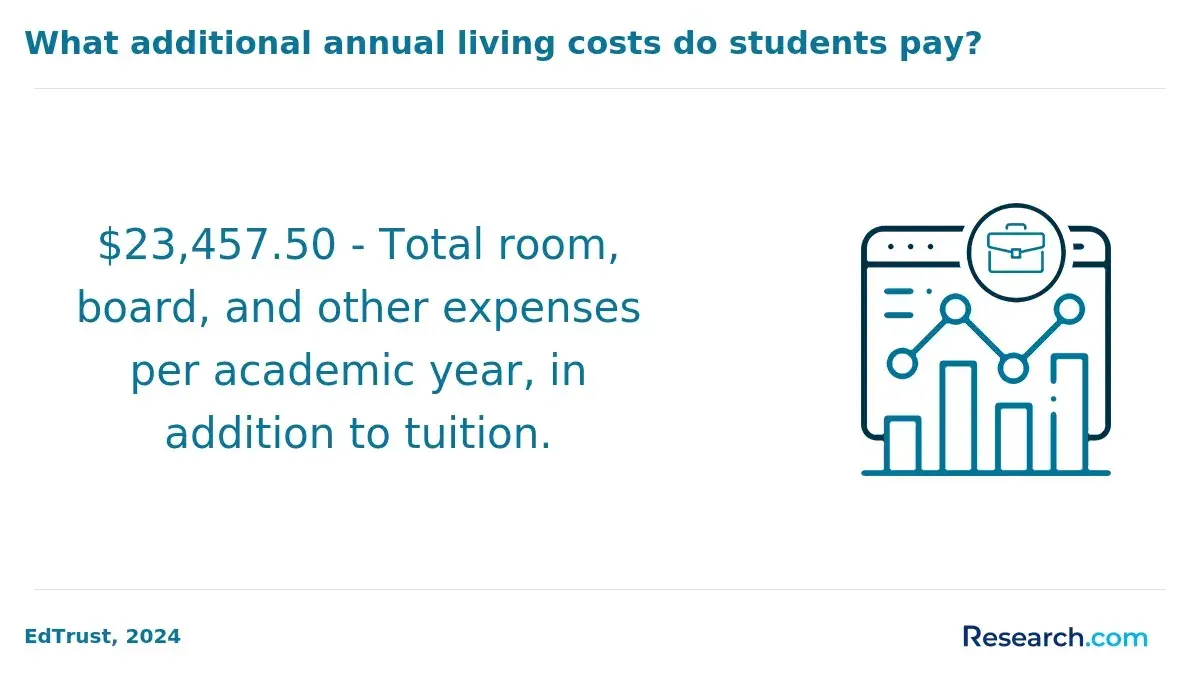
Examining tuition costs alongside salary growth for sports science graduates reveals a widening financial imbalance. Data from the National Center for Education Statistics and the U.S. Bureau of Labor Statistics in 2024 show that public university tuition for sports science programs has increased by about 4.5% annually over the past decade, outpacing general inflation.
In contrast, median early-career salaries in sports science have only grown around 2% each year, with starting salaries near $40,000 and mid-career earnings ranging from $55,000 to $60,000 depending on factors like location and specialization.
Comparing these trajectories offers a clearer picture of long-term return on investment than evaluating tuition or salaries in isolation, especially as rising education costs may significantly affect a student's ability to manage debt and build net worth after graduation.
Consider two students entering sports science programs: one attending a public institution where tuition rises steadily but local demand supports mid-career salaries closer to $60,000; the other enrolling in a private college with faster tuition growth but entering a region where salary ceilings remain near $50,000.
The first student may find the increasing upfront cost increasingly burdensome but balanced by stronger earning potential, while the second might face a tougher repayment outlook as wages lag further behind tuition inflation.
Variables such as geographic cost of living, specialization within sports science, and the competitiveness of local labor markets all influence how tuition trends align with salary progression, underscoring the importance of thorough financial planning rooted in realistic expectations.
One recent graduate reflected that deciding whether to pursue a sports science degree felt like a "balancing act between passion and pragmatism." Initially hesitant about taking on loans as tuition climbed, the graduate chose a state university partly because early career opportunities in athletic training were relatively stable nearby.
Over time, they found salary increases were modest, reinforcing the need to maintain a strict budget and seek supplemental certification to improve job prospects. This experience highlighted how tuition increases and modest salary growth forced a more strategic approach to education financing and career development than initially anticipated.
Does a Sports Science Degree Deliver a Positive Return on Investment?
Return on investment (ROI) in higher education extends beyond initial salaries to encompass the costs of tuition, the duration needed to recoup expenses, and long-term career prospects. For sports science graduates, median starting wages range from $50,000 to $65,000, which while competitive against non-degree holders, remain modest compared to many STEM fields.
Given that tuition for public university sports science programs has increased by about 5% annually over the past decade-outpacing general inflation-the upfront financial commitment is significant and can extend the period before graduates see net economic gains.
Consider a student paying an average four-year tuition that climbed substantially due to inflation, graduating with debt but pursuing additional certifications in strength and conditioning or rehabilitation therapy. These specialized qualifications can boost earnings by 15 to 20 percent, substantiated by 2024 data from the National Association of Colleges and Employers.
This scenario underscores how strategic skill-building can turn a degree with a middling starting salary into a viable financial investment over time, particularly if combined with complementary business or technology competencies as suggested by the Georgetown University Center on Education and the Workforce.
Ultimately, ROI for sports science degrees is not fixed; it is influenced by individual career choices, the ability to enhance skill sets, and economic conditions affecting both tuition inflation and salary growth.
While the direct financial return may initially lag behind costs, those who actively pursue additional certifications and interdisciplinary skills tend to improve their long-term earning potential. This context emphasizes the importance of deliberate planning and timely professional development rather than relying solely on base salary figures to assess the value of a sports science education.
Which Industries Offer the Highest Salaries for Sports Science Graduates?
Evaluating the industries with the highest paying roles for sports science graduates reveals important insights for those considering long-term financial and professional returns. Salary potential often aligns with sectors that integrate scientific research, technology, and clinical applications.
According to 2024 data from the U.S. Bureau of Labor Statistics, sports science-related occupations see the best compensation where advanced technical skills and interdisciplinary knowledge intersect. For example, a graduate working as a biomechanics specialist within a sports technology firm may outperform peers in less specialized environments due to the demand for cutting-edge expertise. Here are the industries most likely to offer strong salary growth:
- Professional Scientific Services:The top-paying sector, combining research and consulting roles such as sports performance analysts and exercise physiologists. These positions require strong analytical and technical competence, often using data-driven methods to optimize athletic outcomes, which justifies higher salaries.
- Healthcare and Social Assistance:This industry employs sports science graduates primarily as physical therapists, rehabilitation specialists, and occupational therapists. Growing public investment in preventive care and chronic disease management supports higher wages, especially for those with relevant certifications and clinical experience.
- Higher Education and Research:Academic institutions offer competitive salaries for graduates involved in teaching, research, and laboratory work in sports science disciplines. Success here depends on advanced degrees and published research, making it a viable path for those inclined toward scholarly impact and steady compensation.
- Professional Sports Organizations:Salary levels tend to vary but can be lucrative for sports scientists working directly with elite teams or leagues. Roles focused on conditioning, injury prevention, and recovery benefit from hands-on experience combined with sports performance expertise.
- Sports Technology Firms:Emerging rapidly, this sector focuses on developing innovative training tools and wearable devices. Sports science graduates with skills in biomechanics, data analytics, and software integration are in high demand and well-compensated.
- Corporate Wellness Programs:Companies are increasingly investing in workforce health, creating roles for sports science experts in program design and implementation. Salaries in this sector depend on a mix of health science knowledge and business acumen.
- Government and Public Health Agencies:While typically offering moderate salaries, these roles provide stable employment for sports science graduates involved in community health initiatives and policy development related to physical activity and wellness.
Understanding current sports science salary trends by industry is essential to making informed career choices. Individuals should weigh not only immediate pay but also long-term growth opportunities, required qualifications, and their personal interests. Those uncertain about postgraduate program options might explore quality online MFT programs that complement their career goals.
Which States and Cities Offer the Highest Pay for Sports Science Professionals?
Geographic location plays a crucial role in determining the earning potential for sports science professionals. Salary variations are often tied to regional industry strength, institutional presence, and cost of living, which all influence net financial outcomes. For instance, while some areas boast high wages due to concentrated sports medicine industries or research hubs, these come with elevated expenses that can dilute actual take-home value.
Understanding these dynamics helps students and career changers make informed decisions based on both income prospects and living costs. Below are key states and metropolitan regions where sports science salaries tend to rank highest, along with relevant considerations.
- California: Leading the nation with average wages near $82,000, California's sizable sports medicine sector and professional sports franchises drive demand. However, students should weigh this against some of the highest tuition fees and living costs, which can offset initial salary gains.
- Massachusetts: Boasting average salaries over $75,000, Massachusetts benefits from a dense cluster of universities and research hospitals focused on sports science innovation, especially in the Boston area. This concentration supports robust career opportunities but comes with steep housing and education expenses.
- New York: New York State, particularly New York City, offers high pay exceeding $75,000, fueled by elite sports organizations and extensive healthcare systems. The high cost of living and competitive job market necessitate careful financial planning.
- Boston: Earning potential in Boston averages about $85,000, reflecting its role as an academic and medical research powerhouse. Still, aspiring professionals must consider whether the salary adequately compensates for local tuition rates and living costs.
- San Francisco: Known for its tech-infused health sector, San Francisco offers attractive salaries for sports science roles. The tradeoff involves facing some of the highest regional expenses, making budget management critical.
- Denver: With salaries closer to $70,000, Denver presents a more balanced wage-to-cost scenario, pairing competitive pay with moderate living expenses. This environment may provide better net income for early-career individuals.
- Seattle: Similar to Denver, Seattle supports salaries near $70,000 and lower relative living costs than coastal hubs, offering a practical option for those prioritizing affordability alongside steady earnings.
How Do Sports Science Salaries Grow Throughout a Career?
Sports science salaries generally begin in the $40,000 to $50,000 range for entry-level roles such as exercise physiology or fitness training, based on 2024 data from the U.S. Bureau of Labor Statistics and the National Association of Colleges and Employers. Income growth tends to accelerate within the first decade, especially when professionals pursue certifications or advanced study, often reaching median salaries between $60,000 and $80,000.
From there, trajectories diverge: those who transition into leadership, clinical, or research roles can see salaries climb beyond $90,000, while others may experience stagnation, particularly in regions with limited demand. These variations underscore that salary advancement is less a uniform climb and more contingent on specialization, geographic factors, and ongoing professional development.
Consider two sports science graduates who started at similar salaries. One pursued additional credentials and took on managerial roles in a metropolitan hospital, enabling steady salary increases aligned with the Sports Medicine & Exercise Science Industry Report.
The other remained in entry-level fitness consulting in a smaller market with fewer advancement opportunities, resulting in slower income growth despite equal educational background. This illustrates how long-term earning power is closely tied to strategic career decisions and market conditions rather than degree alone. Graduates who invest in niche skills and leverage emerging industry trends typically experience more substantial financial rewards over their careers.
One graduate recalls feeling uncertain when offered a leadership position that required further certification, fearing the short-term costs might outweigh immediate salary gains. Over time, this decision proved pivotal; the extra qualifications not only justified the pay raise but also opened doors to consulting roles supplementing income significantly.
Watching peers who declined to pursue this path struggle with stagnant wages reinforced their belief that patience and targeted skill acquisition are crucial for meaningful salary growth in sports science.
How Do Sports Science Salaries Compare With Similar Degrees?
When evaluating sports science salary comparison with related degrees, it is important to recognize that sports science graduates often earn less than peers in closely aligned health and exercise fields. Data from the U.S. Bureau of Labor Statistics and the National Association of Colleges and Employers show the median starting salary for sports science graduates to be about $45,000 annually.
This figure contrasts sharply with median starting salaries between $52,000 and $60,000 for degrees with clearer clinical licensure pathways. These financial trends are especially significant for students weighing the long-term value of their education against rising tuition and inflation. Below is a comparison of average earnings for sports science graduates versus other majors to illustrate the practical differences.
- Kinesiology: Typically offering higher starting salaries, kinesiology graduates often enter careers in rehabilitation, fitness training, or wellness programs. These roles benefit from recognized certifications and clinical prerequisites that support increased earning potential compared to sports science positions lacking standardized licensure.
- Physical Therapy: Physical therapy graduates command starting salaries closer to $60,000 due to strong clinical demand and licensure requirements. Their specialized skill set and regulatory oversight facilitate faster salary growth and more stable employment options within healthcare systems.
- Exercise Physiology: Professionals in this field enjoy salaries that generally exceed sports science graduates, particularly in clinical or research settings. Their advanced credentials often allow engagement with medical teams, further boosting earning potential relative to general sports science roles.
- Sports Management: Salaries in sports-related business roles can rival or surpass some health science careers, particularly in areas like marketing, event coordination, or athletic administration. However, these opportunities are influenced heavily by market conditions and individual business acumen.
For those considering an allied path, pursuing a master's in human services may represent a strategic option, combining relevant expertise with favorable salary trajectories. Ultimately, this comparison underscores how clinical licensure, certification standards, and career pathways critically shape the earning dynamics between sports science and similar degree programs.
How Is Employer Demand Affecting Sports Science Salary Trends?
Employer demand significantly shapes salary trends in sports science by driving competition for qualified candidates and influencing hiring activity. For example, clinical exercise physiologists often see higher starting salaries due to specialized skills that are in high demand within healthcare and rehabilitation sectors.
The U.S. Bureau of Labor Statistics (2024) projects a 10% employment growth for exercise physiologists and related occupations over the next decade, highlighting rising demand tied to public interest in health, fitness, and preventative care. This growth can incentivize organizations to offer more competitive compensation to attract and retain talent, although wage increases also depend on experience levels, specialization, and budget constraints.
However, while strong employer demand typically supports faster wage growth, salary gains in sports science have been modest, with annual increases averaging 2-3%, as reported by the National Association of Colleges and Employers (2024). This wage trend may not be sufficient to offset rising tuition costs and inflation above 5% in many regions, complicating the return on investment for new graduates.
Understanding these sports science job market trends and wages is crucial for prospective students assessing long-term earning potential, especially when entry-level roles like fitness coaching may show slower wage growth compared to specialized clinical roles.
Students considering a degree in sports science should also explore related fields and credentials, such as a master's in library science, which might offer alternative career pathways or supplemental expertise. Ultimately, employer demand is shaped by factors including healthcare expansion, corporate wellness trends, and sports performance analytics, all of which influence how salaries evolve amid broader economic conditions and organizational priorities.
How Can Students Maximize Their Lifetime Earnings With a Sports Science Degree?
Maximizing lifetime earnings with a sports science degree requires deliberate choices beyond simply obtaining a diploma. Data from the U.S. Bureau of Labor Statistics (2024) and the National Athletic Trainers' Association highlight that combining education with specialized credentials and experience creates the strongest income trajectories.
For instance, a graduate who expands into a master's or doctoral program in kinesiology or physical therapy usually outpaces peers holding only a bachelor's degree. Below are essential strategies to consider for meaningful earnings growth.
- Advanced Education: Pursue graduate degrees to access roles with higher responsibility and pay, such as clinical specialists or researchers. These programs deepen expertise and open doors to leadership positions that demand specialized knowledge.
- Targeted Specialization: Focus on high-demand fields like biomechanics or sports nutrition where industry growth supports premium salaries. This strategic choice positions graduates in competitive sectors ripe for advancement and financial reward.
- Professional Certification: Obtain credentials such as Certified Strength and Conditioning Specialist (CSCS) or Registered Dietitian Nutritionist (RDN). Certifications validate skills, enhance credibility, and often correlate with salary premiums in healthcare and sports organizations.
- Practical Experience: Engage in internships with professional sports teams or rehabilitation centers to gain relevant, hands-on knowledge. Early exposure builds networks and transitions candidates into lucrative roles faster than classroom learning alone.
- Interdisciplinary Skills: Develop business acumen and data analysis capabilities. As noted in the 2024 Deloitte Sports Industry Outlook, top earners often combine sports science expertise with leadership and analytics to stand out and command higher salaries.
References
- Why is the cost of college rising so fast? https://ssti.org/blog/why-cost-college-rising-so-fast
- Sports Science Degree Careers and Salary in Europe - StudyinEurope.eu https://www.studyineurope.eu/sports-science/sports-science-degree-careers-salary-europe/
- Salary Trends in Sports Management – United States Sports University https://restore-ussa-edu.mystagingwebsite.com/news/salary-trends-in-sports-management/
- Sports Science Jobs 2026 | Sports Scientist Careers & Salary https://sportsprojobs.net/sports-science-jobs/
- Is College Worth it? | Return on Investment Analysis of College Degree https://educationdata.org/college-degree-roi
- The price of college is rising faster than wages for people with degrees | USAFacts https://usafacts.org/articles/is-college-worth-it-the-price-of-college-is-rising-faster-than-wages-for-people-with-degrees/
- Does College Pay Off? A Comprehensive Return On Investment Analysis - FREOPP https://freopp.org/whitepapers/does-college-pay-off-a-comprehensive-return-on-investment-analysis/
- What Can You Do With A Sports Science Degree? https://www.origym.co.uk/blog/sports-science-degree/
Other Things You Should Know About Sports Science
While advanced degrees in sports science can open doors to higher-level roles, wage growth has not consistently matched educational investment. Prioritizing programs with strong internships or hands-on training may better position graduates for competitive entry-level salaries and faster wage progression, since employers increasingly value proven skills over solely academic credentials.
The tradeoff involves potentially longer time in school but with programs that better align learning outcomes to marketable abilities.
Longer degree programs and specialized tracks can increase student debt without guaranteeing proportional salary increases, especially in sectors of sports science with slower wage inflation. Graduates from shorter, more flexible programs often enter the workforce sooner, accumulating real-world experience that can accelerate salary growth.
Prospective students should assess whether specialization aligns with employer demand or simply adds credential weight without delivering meaningful compensation premiums.
Many roles in sports science come with fluctuating workloads tied to seasonal demands, research cycles, or client availability, which can strain work-life balance without corresponding pay increases. Salary figures might not fully reflect the intensity or unpredictability of job responsibilities, leading to lower overall satisfaction despite steady nominal wages. Candidates should factor in employer culture and workload expectations, as compensation alone may not capture total job value.
Geographic mobility can be a critical lever for improving earnings, since some regions offer more competitive wages but often at a higher cost of living. For early-career sports science professionals, relocating to these markets may accelerate salary gains that eventually offset tuition costs, but it's essential to weigh relocation costs and lifestyle impact.
Graduates unable or unwilling to move should consider specialized roles or certifications locally that command wage premiums to mitigate stagnant regional pay scales.