2027 How Employers Are Changing Hiring Criteria for Sports Science Graduates in the AI Era

Co-Founder and Chief Data Scientist
A prospective sports science graduate today may quickly realize that earning a degree alone no longer guarantees a competitive edge in the job market. According to a 2024 report by the World Economic Forum, over 50% of all employees worldwide will need significant re- and upskilling by 2027 due to rapid AI-driven automation. Employers increasingly seek candidates who combine domain knowledge with digital fluency and adaptability, reflecting a shift in what constitutes valuable talent in a landscape shaped by artificial intelligence.
This shift challenges traditional hiring models and demands a broader skill set beyond academic credentials. Sports science graduates must now demonstrate AI literacy and transferable skills, including data analysis, problem-solving, and interdisciplinary collaboration. This article examines how employer hiring criteria are evolving in response to AI's influence, highlighting the growing importance of these capabilities and outlining strategies students can adopt to remain competitive in the AI era.
Key Things to Know About the Changing Hiring Criteria for Sports Science Graduates in the AI Era
- AI integration demands sports science graduates interpret complex biomechanical data; proficiency in AI tools shifts from optional to essential, reshaping employer criteria toward hybrid analytical-technical expertise.
- With 68% of sports organizations adopting AI-driven performance analytics by 2024, graduates lacking AI literacy risk diminished employability, signaling a need for curricula emphasizing coding and data interpretation.
- Employers prioritize adaptive skills such as critical problem-solving and digital communication, expecting graduates to complement AI systems with human judgment, elevating the value of interdisciplinary skillsets in recruitment.
- Key Things to Know About the Changing Hiring Criteria for Sports Science Graduates in the AI Era Key Things to Know About the Changing Hiring Criteria for Sports Science Graduates in the AI Era
- How Is AI Changing What Employers Look for in Sports Science Graduates? How Is AI Changing What Employers Look for in Sports Science Graduates?
- Which AI Skills Are Employers Expecting Sports Science Graduates to Have? AI Skills
- Which Human Skills Are Employers Looking for in Sports Science Graduates? Human Skills
- How Are AI Tools Changing Daily Work in Sports Science Careers? AI Workplace Tools
- How Are Employers Evaluating Sports Science Candidates Beyond Academic Credentials? Hiring Criteria
- How Are Sports Science Degree Programs Adapting to AI? AI Curriculum
- Which Industries Are Changing Hiring Expectations Most for Sports Science Graduates? AI and Industry Expectations
- How Is AI Changing Career Growth for Sports Science Professionals? AI and Career Growth
- How Should Sports Science Students Prepare for AI-Driven Hiring? Career Preparation
- How Should Students Choose a Sports Science Program for the AI Era? How Should Students Choose a Sports Science Program for the AI Era?
How Is AI Changing What Employers Look for in Sports Science Graduates?
Employers in the health and sports sectors have shifted their expectations for sports science graduates to prioritize the ability to work effectively alongside AI technologies rather than merely performing routine technical tasks. A 2024 World Economic Forum report indicates that over 65% of companies now integrate AI-driven tools in employee evaluation, reflecting a growing need for candidates who can interpret complex datasets from wearables and AI-powered monitors.
This shift requires sports science professionals to combine physiological expertise with data literacy and fluency in programming languages such as Python or R to translate raw data into actionable insights for athlete performance and injury prevention. The evolving hiring priorities illustrate the increasing value placed on interdisciplinary skills blending human and AI competencies in sports science.
A survey by the International Society of Sports Nutrition found that 72% of hiring managers now regard proficiency with AI-related software as a significant advantage, compared to just 38% four years ago, showing a marked trend towards technology-enhanced decision-making. Nonetheless, human judgment remains indispensable; candidates must display adaptability and the ability to leverage AI tools for strategic outcomes rather than passively relying on them.
Universities incorporating AI modules in their curricula are responding to this demand, cultivating graduates who embrace a lifelong learning mindset that aligns with emerging workforce needs. For prospective students, developing these competencies is essential to compete in this shifting landscape.
Real-world scenarios, such as a sports scientist using machine learning algorithms to personalize training regimens based on injury prediction models, highlight the practical integration of AI and traditional expertise. Students exploring opportunities like a BCBA degree online illustrate how accessible education pathways can support the necessary blend of human and AI skills valued in sports science hiring today.
Which AI Skills Are Employers Expecting Sports Science Graduates to Have?
The rise of artificial intelligence as a tool in sports science is reshaping employer expectations for new graduates. Hiring managers increasingly view proficiency with AI not as optional but as essential for roles that require turning complex physiological and performance data into actionable strategies. Traditional knowledge in exercise physiology and biomechanics remains vital, but employers now demand practical skills to leverage AI-driven insights in real-world scenarios such as injury prevention or athlete performance optimization.
This shift reflects broader labor market trends noted by the National Association of Colleges and Employers, which found rising wages for professionals who combine domain expertise with AI literacy. Below are five key AI skills sports science graduates should cultivate to meet these evolving demands.
- Machine Learning Fundamentals: Understanding machine learning algorithms allows graduates to interpret physiological and performance data more effectively. Employers expect candidates to not only know theoretical concepts but to apply models that predict injury risks or recovery times. Building this competency often involves coursework or projects utilizing Python libraries like scikit-learn or TensorFlow tailored to sports datasets.
- Data Visualization Proficiency: Translating AI outputs into clear, actionable visual formats is critical in clinical and performance lab settings where interdisciplinary teams make decisions. Graduates who can fluently use tools such as Tableau or Power BI to present trends help bridge the gap between data science and sports practitioners. Online CS degree internships focused on delivering stakeholder-ready reports can solidify this skill.
- Programming with Python and R: Proficiency in these languages is no longer optional as employers seek candidates who can customize AI applications. Beyond running models, graduates are expected to manipulate raw data from wearable sensors and develop tailored analytics pipelines. Practical experience through coding bootcamps or interdisciplinary courses strengthens this capability.
- Wearable Technology Integration: Consolidating data from devices like accelerometers and heart rate monitors into AI frameworks is increasingly standard. Employers look for graduates who can handle sensor data preprocessing, quality checks, and integration for predictive modeling. Hands-on lab work with common sport sciences devices equips students to meet these technical expectations.
- Critical AI Evaluation: Beyond technical usage, employers value the ability to critically assess AI model outputs and recognize biases or ethical concerns. Graduates must balance domain expertise with AI literacy to ensure valid, responsible application to athlete management. This skill benefits from interdisciplinary training in ethics and data governance alongside sports science.
Which Human Skills Are Employers Looking for in Sports Science Graduates?
As AI automates repetitive and data-intensive tasks in sports science, employers increasingly seek graduates who excel at distinctly human skills that augment technology rather than compete with it. AI can analyze vast datasets quickly but lacks the nuanced judgment and interpersonal finesse essential for ethical decision-making and individualized athlete care.
This shift means that graduates who balance technical expertise with emotional and creative competencies are positioned to thrive in roles where machines serve as tools, not replacements. The following five human skills are proving critical in navigating this evolving professional landscape.
- Critical Thinking: AI furnishes extensive information, yet interpreting that data within the complex context of athlete performance and health demands sharp critical thinking. Sports science professionals must evaluate AI-generated insights thoughtfully to craft personalized training or rehabilitation plans. Developing this skill involves engaging deeply with case studies and real-world scenarios that challenge assumptions beyond algorithmic outputs.
- Emotional Intelligence: Building rapport with athletes and colleagues remains vital, especially in coaching and recovery settings where motivation and trust impact outcomes. Emotional intelligence allows practitioners to read subtle cues and adapt communication in ways AI cannot replicate. Strengthening empathy through collaborative group work and reflective practice helps prepare students for these relational demands.
- Adaptability and Creativity: As software and analytical tools evolve rapidly, flexibility in learning and experimentation become essential. Employers value graduates who can pivot approaches and creatively solve unforeseen problems, whether adjusting protocols in response to new AI findings or innovating intervention strategies. Cultivating this skill requires embracing continuous learning and exposure to interdisciplinary methods.
- Communication Skills: Translating complex scientific data into clear, actionable advice for diverse audiences is a cornerstone of effective sports science practice. Graduates must hone both verbal and written communication to ensure AI-enhanced analyses lead to meaningful interventions. Practicing presentation skills and writing reports for non-expert readers supports this competency.
- Ethical Judgment: AI recommendations do not inherently consider ethical implications, making human oversight critical in safeguarding athlete welfare and privacy. Professionals need sound ethical frameworks to navigate dilemmas arising from data use and intervention risks. Coursework in ethics and real-world mentorship deepen understanding of these responsibilities.
One recent graduate recalled a pivotal internship moment where an AI system flagged an athlete for potential overtraining based on biometric patterns. However, by engaging directly with the athlete and his coach, the graduate recognized personal stressors and motivation issues that AI data alone missed. This insight led to a modified, holistic training plan that improved performance and wellbeing. The experience underscored how human skills-especially emotional intelligence and critical thinking-provide indispensable context and adaptability in applying AI tools effectively in sports science environments.
How Are AI Tools Changing Daily Work in Sports Science Careers?
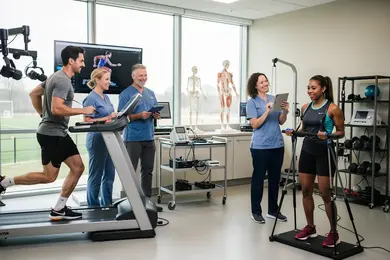
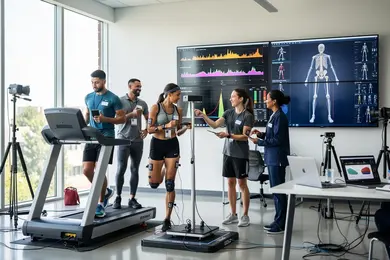
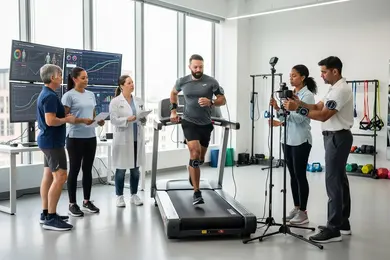
Artificial intelligence is reshaping daily workflows within sports science careers by automating routine data collection and streamlining complex performance analyses. For instance, wearable devices equipped with AI algorithms now collect and process athletes' biometrics in real time, allowing practitioners to swiftly interpret feedback and adjust training plans without manual data crunching. This shift reduces time spent on repetitive tasks and accelerates decision-making, enabling sports science professionals to focus more on nuanced interpretation and individualized athlete care.
According to 2024 data from the Bureau of Labor Statistics, over 60% of roles in this field have integrated AI technologies into their core functions, underscoring the growing reliance on these tools for efficiency and precision. As AI handles more technical data processing, sports science professionals are increasingly expected to develop higher-order skills like critical evaluation of AI outputs, ethical oversight, and collaborative problem-solving with interdisciplinary teams.
The role now often involves verifying AI-generated insights, applying professional judgment to ensure interventions are appropriate, and communicating findings effectively to coaches and medical staff. In fact, a 2024 survey from the National Association of Sports Scientists found that 75% of hiring managers prioritize candidates with demonstrated experience using AI platforms, reinforcing the need for a hybrid skill set that blends traditional sports science fundamentals with tech fluency.
How Are Employers Evaluating Sports Science Candidates Beyond Academic Credentials?
Employers assessing sports science candidates in the AI era are shifting their focus beyond traditional academic achievements to prioritize hands-on experience and demonstrable skills. Practical internships, research projects that integrate AI applications, and curated portfolios have become vital signals of job readiness. For example, a candidate who has used machine learning to analyze wearable sensor data for injury prevention can stand out more than one with only strong grades.
According to recent data from the National Association of Colleges and Employers and the U.S. Bureau of Labor Statistics, over 70% of sports science employers now rate experiential learning and AI literacy as key hiring criteria, underscoring the importance of adaptable problem-solving abilities and teamwork in real-world environments. This rise in employer expectations for sports science graduates in the AI era reflects a broader trend toward holistic evaluation.
Communication skills, emotional intelligence, and ethical awareness related to AI usage are becoming just as critical as technical expertise. Recruiters want candidates who not only understand predictive modeling but can also clearly translate insights to coaches and athletes while respecting data privacy and athlete well-being. Continuous learning through certifications or workshops further enhances candidacy, especially in niche areas like data visualization and AI-driven sports analytics, positioning graduates more competitively than those relying solely on their academic record.
Success in this evolving landscape requires sports science students and early professionals to integrate multidisciplinary skills, including technological fluency and interpersonal competencies. Those seeking to accelerate their qualifications might consider targeted educational pathways, such as a fast-track mental health counseling program, which can complement sports science expertise with broader insights into athlete well-being. Ultimately, demonstrating real-world capabilities with cutting-edge tools and collaborative experience is essential to meet the nuanced demands employers now expect beyond the classroom.
How Are Sports Science Degree Programs Adapting to AI?
Sports science degree programs are increasingly embedding artificial intelligence (AI) competencies to meet evolving employer demands that prioritize data literacy alongside traditional expertise. A 2024 report from the U.S. Department of Education's National Center for Education Statistics reveals that over 65% of health-related higher education programs, including sports science, now incorporate AI-focused coursework.
This reflects a strategic shift where graduates must navigate both biomechanical principles and AI-driven analytics, such as predictive modeling and wearable technology data interpretation, to support evidence-based decision-making in fields like coaching and rehabilitation. Curricula are expanding to integrate programming languages like Python and R, as well as data visualization and AI algorithm applications tailored to optimizing human performance.
However, institutions are balancing these advances by retaining core courses in anatomy, exercise physiology, and motor control to ensure graduates possess a robust foundational knowledge. For example, athletic trainers who rely solely on AI insights without deep physiological understanding may struggle to develop holistic training programs or effectively communicate across multidisciplinary teams, illustrating the importance of maintaining discipline-specific expertise alongside technological fluency.
Beyond classroom instruction, many programs are fostering interdisciplinary collaboration and experiential learning through partnerships with sports organizations and technology companies, facilitating hands-on experience with AI tools under real-world conditions. There is an emerging emphasis on ethical AI use and the cultivation of lifelong learning skills, recognizing that rapid technological change requires ongoing professional development. This hybrid approach equips students not only to interpret complex data but also to apply insights thoughtfully.
Which Industries Are Changing Hiring Expectations Most for Sports Science Graduates?
The rate at which artificial intelligence integrates into various industries significantly influences hiring expectations for sports science graduates. Some sectors embrace AI-driven innovation faster, reshaping not only job roles but also the skills required for employment. This uneven pace means graduates must carefully assess which industries align best with their technical competencies and career goals.
For example, a recent graduate weighing opportunities in healthcare versus professional sports might find that healthcare demands stronger proficiency in AI for patient data analysis, while sports organizations prioritize real-time athlete monitoring expertise. Recognizing these sector-specific demands helps graduates tailor their skill development more strategically.
Here are five industries where hiring criteria are shifting most rapidly due to AI advances.
- Healthcare: The healthcare sector has accelerated adoption of AI tools for predictive analytics and remote patient monitoring. Recent labor statistics reveal a 30% increase in positions requiring familiarity with AI-enabled diagnostic software. Sports science graduates transitioning into rehabilitation or clinical exercise roles must now demonstrate data interpretation and AI system navigation to stay competitive.
- Professional Sports: Teams and leagues are leveraging machine learning models for injury prevention and performance analytics. Employers increasingly seek candidates who combine knowledge of biomechanics with data analytics skills, particularly those comfortable with AI platforms that assess athlete workload and recovery metrics in real time.
- Wellness Technology: This expanding field includes fitness apps and wearable health devices that rely heavily on AI for personalization. Companies prefer graduates capable of interdisciplinary collaboration with AI engineers to enhance product adaptability and user experience, making traditional sports science knowledge a foundation rather than a standalone asset.
- Research Institutions: Academic and private research centers focus on developing AI-driven tools for sports performance and health monitoring. Graduates must show proficiency in experimental design involving AI technologies and statistical analysis software, reflecting a shift toward data-centric research methodologies.
- Corporate Fitness Programs: Increasingly, corporations integrate AI in employee wellness platforms to customize fitness plans and monitor progress. Hiring expectations emphasize understanding AI-powered behavioral analytics and digital health trends alongside expertise in exercise science.
One sports science graduate recounted the challenge of choosing between a healthcare startup and a professional sports franchise after graduation. The startup prioritized knowledge of AI algorithms used in patient rehabilitation analytics, requiring rapid upskilling in data visualization tools.
In contrast, the sports franchise valued hands-on experience with AI-assisted athlete tracking but placed less emphasis on technical data manipulation. The graduate ultimately felt relieved to pursue the role within professional sports, appreciating the opportunity to apply biomechanics expertise directly, while continuing to develop AI competencies gradually on the job rather than mastering complex AI systems immediately.
How Is AI Changing Career Growth for Sports Science Professionals?
The speed at which artificial intelligence (AI) is integrated varies widely among industries, influencing how Sports Science employers adjust their hiring expectations. Fields with heavy reliance on data analytics and personalized athlete care adopt AI tools faster, raising the bar for required technical skills. Meanwhile, sectors with slower digital transformation maintain more traditional competencies while gradually incorporating AI literacy.
Recognizing where shifts in technology impact career growth opportunities for sports science professionals in the AI era helps students and early-career individuals prioritize skill development. Below are five industries rapidly changing their hiring standards in response to AI advancements.
- Professional Sports Teams: These organizations increasingly seek sports science professionals who can operate AI-powered biomechanical and performance analytics software to optimize athlete training and injury prevention. The integration of real-time diagnostics demands familiarity with machine learning basics and advanced data interpretation, making coding and data visualization skills highly valuable.
- Healthcare and Rehabilitation: AI-driven wearable technology and digital health tools enable precise injury risk assessment and personalized rehabilitation plans. Consequently, employers expect graduates to understand AI ethics, remote monitoring systems, and how to interpret complex health data to enhance patient outcomes.
- Fitness Technology: Companies developing AI-enabled fitness apps and smart equipment look for candidates who combine physiology expertise with technical knowledge of AI systems. Sports science graduates must demonstrate competency in AI applications for health monitoring to remain competitive in this fast-evolving marketplace.
- Research Institutions: Research roles demand proficiency in AI analytic tools to process large datasets related to sports performance and health trends. Familiarity with AI-enhanced experimental design and data modeling is becoming a prerequisite, underscoring the need for continuous learning through specialized certifications.
- Education and Training Providers: As universities integrate AI-focused modules into their sports science curriculums, employers in academic and training settings seek professionals who can both use and teach AI applications. Understanding how AI reshapes curricula and training methodologies is crucial for graduates aspiring to influence sports science education.
These evolving industry requirements highlight the tangible impact of AI on sports science career development. For individuals exploring these fields, combining traditional expertise with digital competency is vital. Early-career professionals can enhance their prospects by pursuing certifications centered on AI tools and applications, complementing their foundational knowledge. Prospective students should also consider diverse pathways, including earning a bachelor in human services that incorporates interdisciplinary approaches to health and technology integration.
How Should Sports Science Students Prepare for AI-Driven Hiring?
Preparing for AI-driven hiring demands more than just earning a sports science degree; it requires integrating technical prowess with AI-related knowledge and strong human-centered skills. According to a 2024 World Economic Forum report, over 60% of employers prioritize candidates with hybrid expertise in both domain knowledge and technology. For sports science students, this means enhancing traditional competencies with data analytics and programming skills to remain competitive.
Employability now hinges on the ability to interpret AI-generated insights and apply them in real-world athletic or clinical settings. Below are practical strategies to align preparation with evolving employer expectations.
- Develop Data Analytics Expertise: Mastering tools and languages like Python and R used in sports performance analysis strengthens data-driven decision making in sports science careers. Early exposure to sports-specific datasets helps students demonstrate analytical capabilities valued in AI-augmented roles.
- Gain AI Application Experience: Engaging in internships or projects involving AI tools for injury prediction or training optimization provides hands-on experience. Practical application bridges theoretical knowledge with real-world sports science challenges employers face.
- Enhance Digital Literacy: Understanding how to interpret AI outputs and collaborate with AI systems elevates a candidate's ability to translate complex data into actionable coaching strategies. This pairing of technical and communication skills addresses employer demands for versatile professionals.
- Build Soft Skills for Adaptability: Critical thinking, adaptability, and effective communication remain essential despite technological advances. These human-centered skills enable professionals to navigate dynamic environments where AI tools inform but do not replace expert judgment.
- Explore Advanced Education Pathways: Considering additional qualifications-such as an online doctorate data science-can deepen understanding of AI methodologies and open doors to research or leadership roles within sports science domains.
How Should Students Choose a Sports Science Program for the AI Era?
Choosing a sports science program today demands more than weighing traditional criteria like reputation or cost. Programs must also demonstrate how effectively they prepare students for an AI-driven workforce where skills in data interpretation and technology integration are critical. According to a 2024 report by the National Center for Education Statistics, graduates proficient in AI-enhanced analytics and machine learning applications are more attractive to employers across sports performance and health sectors.
Prospective students must critically assess how programs embed these competencies within their curriculum. Below are key factors to consider when selecting a sports science program for the AI era.
- Interdisciplinary Curriculum: A strong sports science program integrates core biomechanics and physiology with computer science and data analytics. This approach equips students to handle AI-powered performance tools and creates a versatile skill set adaptable to emerging technologies.
- AI and Data Analytics Training: Look for programs offering coursework in programming languages like Python or R, alongside training in AI software applications used in athlete monitoring. These technical skills enable graduates to design predictive models and personalized training regimens.
- Experiential Learning Opportunities: Hands-on projects and internships involving real-world datasets enhance the ability to apply theory in practice. Collaborative AI-focused research experiences cultivate problem-solving and adaptability valued by employers.
- Faculty Expertise and Industry Connections: Faculty actively engaged in AI research or industry partnerships can provide mentorship and access to cutting-edge resources, ensuring students remain current with technological advances.
- Future-Proof Skill Development: Programs that emphasize continuous learning and adaptability foster resilience against rapid technology shifts in sports science. This includes exposure to emerging AI trends and ethical considerations related to data use.
References
- AI hiring for sports clubs, leagues, and federations | Mokka https://www.gomokka.com/solutions/sports/
- Best College for Sports Management in India | Symbiosis SSSS https://www.ssss.edu.in/blog/how-ai-is-changing-sports-science-and-athlete-performance
- Sports Science AI's Blog https://sportscienceai.com/posts
- Outdoor gear industry jobs: what top brands look for https://sportyjob.com/blog/how-ai-is-changing-talent-acquisition-in-the-sports-sector/
- Sports Science Jobs 2026 | Sports Scientist Careers & Salary https://sportsprojobs.net/sports-science-jobs/
- Athletica, is hiring! - HiitScience https://hiitscience.com/athletica-is-hiring/
- What is the Impact of AI in the Sports Industry? - Use Cases & Future https://www.concettolabs.com/blog/ai-in-the-sports-industry/
- AI and graduate jobs: what students need to know https://www.bcu.ac.uk/student-info/university-courses-research/ai-and-graduate-jobs
- AI in sports science and nutrition https://www.mysportscienceacademy.com/course/ai-in-sports-science-and-nutrition
- What Qualifications Do You Need for Jobs in Sport and Sports Science Careers? - eta https://etacollege.com/what-qualifications-do-you-need-for-jobs-in-sport-and-sports-science-careers/
Other Things You Should Know About Sports Science
Employers in sports science increasingly expect familiarity with AI tools but often prioritize graduates who demonstrate strong applied experience over narrow technical expertise. Those who focus too heavily on coding or data science without grounding in practical sports science applications risk being perceived as less versatile. Graduates should prioritize programs or internships where AI skills are integrated into real-world contexts, ensuring their abilities support holistic decision-making in sports performance or rehabilitation settings rather than stand-alone technical skills.
The adoption of AI tools shifts some routine data analysis and monitoring tasks away from entry-level employees, but it can also raise expectations for interpreting complex outputs and contributing to AI-driven strategy development. This tradeoff means early-career professionals may face expanded cognitive demands, requiring both domain expertise and critical thinking to validate or override AI recommendations. Candidates should seek experiences that build these analytical judgment skills instead of relying solely on technical task performance.
While interdisciplinary degrees can broaden perspectives and offer skills in areas like psychology, nutrition, or data analytics, employers often show a preference for candidates who can concretely apply AI within sports science itself. Thus, integrating AI-focused coursework or certifications directly relevant to sports biomechanics, physiology, or conditioning tends to yield better outcomes than a broad but superficial interdisciplinary approach. Students should weigh the tradeoff between breadth and depth carefully, prioritizing depth when targeting specialized roles.
Traditional academic credentials remain foundational but are increasingly considered baseline qualifications. Employers now look for demonstrable ongoing learning, such as certifications, workshops, or portfolio projects using current AI technologies. This shift underscores the need for graduates to adopt a mindset of lifelong learning and to proactively update skills beyond initial degree completion. Prioritizing structured upskilling aligned with industry trends can differentiate candidates more strongly than academic achievements alone.