2027 Best Degrees to Get: Popular Majors That Guarantee High Salary

Co-Founder and Chief Data Scientist
Choosing a college major is partly about what you enjoy and partly about what the labor market will reward. A high-paying degree can reduce financial pressure after graduation, but salary should not be the only factor. Program cost, accreditation, licensure rules, internship access, geographic demand, and your tolerance for technical or clinical work all affect whether a degree is a smart investment.
This guide explains which degree fields often lead to stronger earnings, how to compare bachelor’s, graduate, online, and certificate pathways, and what questions to ask before committing to a program. It is written for students comparing majors, working adults considering a career change, and families trying to understand the real value of a college degree in a high-cost education market.
Quick Answer: What Are the Best Degrees to Get for Pay and Career Security?
The best degrees to get are usually those that combine strong employer demand, specialized skills, clear career pathways, and reasonable education costs. Computer science, information technology, nursing, engineering, finance, accounting, economics, healthcare administration, and selected business fields are among the strongest options because they can lead to roles with above-average pay and broad employment opportunities.
However, no degree guarantees a high salary. Outcomes depend on your school, location, internships, certifications, work experience, industry, and whether the program meets accreditation or licensure requirements. A practical major is strongest when it also fits your abilities and long-term interests.
| Degree area | Why students choose it | Best fit for | Important caution |
| Computer science and IT | Strong demand in software, cybersecurity, data, AI, and cloud roles | Students who enjoy problem-solving, systems, and continuous technical learning | Portfolios, internships, and current technical skills matter as much as the credential |
| Nursing and healthcare | Clear career pathways and direct connection to patient care | Students prepared for clinical work, licensing requirements, and demanding schedules | Accreditation and state licensure eligibility are essential |
| Engineering and STEM | Specialized quantitative skills and strong earning potential in technical industries | Students with strengths in math, science, design, and applied problem-solving | Programs can be rigorous, and some roles require specific engineering disciplines |
| Business, finance, accounting, and economics | Versatile skills for corporate, consulting, financial, and management roles | Students interested in markets, organizations, analytics, and leadership | Career outcomes vary widely by school reputation, experience, and specialization |
Affordable Quick Online Degree Programs With High Acceptance Rates for 2027
Online degree programs appeal to students who need flexibility, want to keep working, or prefer a lower-disruption path to a credential. The most useful online degrees are not simply fast or affordable; they are accredited, career-aligned, and connected to skills employers can verify through projects, clinical placements, portfolios, internships, or certifications.
The following degree areas are popular because they can support multiple career routes and help students build marketable skills. Before enrolling, confirm accreditation, transfer credit rules, graduation requirements, and whether online students receive the same career support as campus-based students.
1. Business Administration
Business administration is a broad degree path that can prepare students for roles in operations, management, sales, entrepreneurship, logistics, and corporate support functions. BBA and MBA programs commonly include financial management, strategy, organizational behavior, and marketing, with options to focus on areas such as supply chain management, entrepreneurship, or international business. This route is best for students who want flexible career options rather than a single narrowly defined profession.
2. Computer Science
Computer science programs, including BS and MS options, typically emphasize programming, algorithms, data structures, software design, and systems thinking. Graduates often pursue work as software engineers, data scientists, IT consultants, project managers, or technical analysts. Because technology changes quickly, students should look for programs with current coursework, hands-on projects, employer connections, and opportunities to build a portfolio before graduation.
3. Psychology
Psychology degrees introduce students to human behavior, cognition, research methods, abnormal psychology, and neuroscience. BA and MA programs can lead to careers in human resources, research, counseling support, organizational development, and social services. Students interested in becoming licensed psychologists or clinical practitioners should understand that additional graduate education, supervised experience, and state licensure are usually required.
4. Accounting
Accounting degrees build skills in financial reporting, taxation, auditing, managerial accounting, ethics, and compliance. BS and MAcc programs can support careers in public accounting, corporate accounting, tax preparation, auditing, financial analysis, and internal control. Students planning to pursue CPA-related roles should verify that the program’s coursework meets the educational requirements in the state where they intend to practice.
5. Nursing
Nursing programs such as the BSN and MSN combine classroom learning with clinical preparation in anatomy, physiology, pharmacology, patient care, and evidence-based practice. Graduates may become registered nurses, and advanced nursing pathways can lead to work as nurse practitioners, nurse educators, or nurse leaders. Online nursing programs require careful review because clinical placements, accreditation, and state board approval determine whether the degree supports licensure or advancement.
6. Economics
Economics degrees train students to analyze markets, incentives, policy, data, and decision-making. BA and MA programs commonly include microeconomics, macroeconomics, econometrics, and economic theory, with possible study in behavioral economics, environmental economics, or game theory. Graduates may work in finance, public policy, consulting, research, analytics, or government roles where quantitative reasoning and evidence-based analysis are valued.
7. Social Work
Social work programs such as the BSW and MSW focus on human behavior, social welfare policy, practice methods, advocacy, field education, and support for individuals and communities. Graduates may work in schools, healthcare organizations, community agencies, and social service settings. Students who want clinical social work roles should check state licensure rules, supervised practice requirements, and whether the program is properly accredited.
8. Finance
Finance programs prepare students to evaluate investments, manage risk, interpret financial statements, and support strategic financial decisions. BS and MS programs may include financial modeling, international finance, derivatives, portfolio management, and case-based projects. Graduates often pursue roles as financial analysts, investment bankers, financial managers, risk analysts, or corporate finance specialists.
9. Marketing
Marketing degrees help students understand consumer behavior, branding, digital campaigns, market research, analytics, and product strategy. BS and MBA pathways may support careers in digital marketing, brand management, product marketing, market research, and customer strategy. Students should prioritize programs that include analytics tools, portfolio projects, campaign experience, and current digital marketing practices.
10. Healthcare Administration
Healthcare administration degrees combine business training with healthcare systems knowledge. BS and MHA programs often cover healthcare finance, management, policy, organizational behavior, quality improvement, and leadership. Graduates may pursue roles in hospitals, clinics, long-term care organizations, consulting firms, and policy environments. Advanced degrees can help students specialize in healthcare data management, healthcare policy analysis, or healthcare leadership.
- Highest-paying computer science specializations
- Growth outlook for IT careers
- Highest-paying medical and healthcare specialties
- Why medical salaries vary
- Best-paying business degree jobs
- Starting salaries for finance graduates
- In-demand STEM careers
- Highest-paying engineering majors
- How to choose a major wisely
- How to strengthen college applications
- Whether certifications can improve career prospects
- Soft skills for high-paying careers
- How to evaluate degree ROI
- Why practical experience matters
- Whether an affordable online doctorate is worth considering
- Whether an associate degree can speed up career advancement
- How affordable accredited online colleges can support flexibility
- Options for students seeking military friendly colleges
- How specialized graduate degrees can accelerate advancement
- Whether graduate education can raise salary potential
- How interdisciplinary education supports career success
- How industry certifications can strengthen a degree
When students compare good degrees to get, they usually balance three questions: Will I enjoy the field enough to stay with it? Will employers value the credential? Will the expected income justify the cost? Data from the U.S. Bureau of Labor Statistics shows that people with bachelor’s degrees tend to earn more per week than those without one.
For example, baccalaureate graduates earn an average of $1,432 each week, compared with $853 for workers whose highest credential is a high school diploma. The unemployment rate is also lower for individuals with a bachelor’s degree or higher (2.3%) than for high school graduates with no college (4.5%).
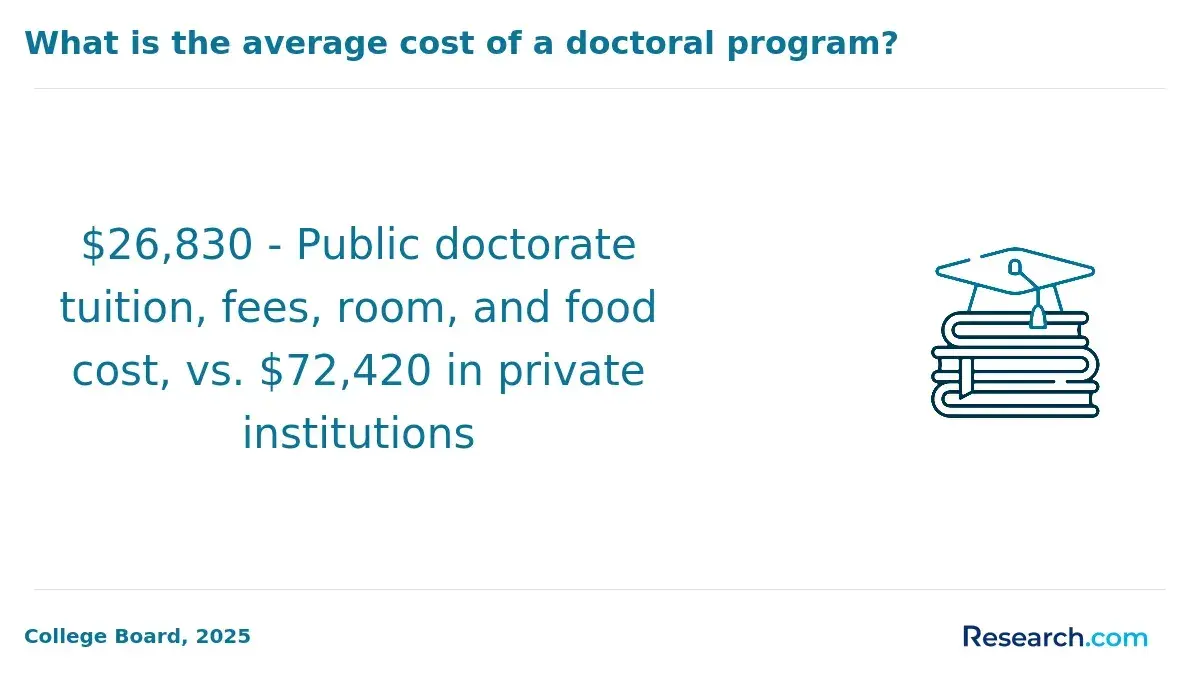
Cost matters because college prices continue to shape student decisions. According to recent data (College Board, 2024), published tuition and fees rose 2.9% for in-state students at public four-year colleges in 2025-26, outpacing general inflation for the first time in years. Student debt remains a major concern for many borrowers, and while free college education is often discussed as a long-term policy solution, students still need to choose programs that can realistically support employment and repayment after graduation.
To help readers compare options, this guide draws on income and job outlook information from the U.S. Bureau of Labor Statistics, Payscale, Glassdoor, and Salary.com. These sources can help you evaluate likely outcomes, but salary data should be treated as a planning tool rather than a promise.
Computer Science and Information Technology Degrees
Which computer science specializations lead to the highest salaries?
Computer science specializations tied to artificial intelligence, machine learning, cybersecurity, cloud systems, data, and software development are among the strongest options for students seeking high-paying technical careers. The World Economic Forum has identified artificial intelligence and machine learning as major areas of labor market change, and 75% of global companies plan to integrate AI, big data, and cloud computing into their systems within the next five years.
Cybersecurity and information security also stand out among the highest paying degrees out of college because organizations need to protect data, infrastructure, and digital operations. Information security analysts make $119,860, while software developers earn $132,930 yearly. Students pursuing these tracks should expect to keep learning after graduation because tools, frameworks, and security risks evolve continuously.
Computer science and IT programs teach computation, algorithms, data structures, computer systems, software applications, operating systems, networking, and troubleshooting. The strongest programs give students repeated opportunities to write code, solve real problems, work in teams, and build projects they can show employers.
What are the growth prospects for IT careers in the coming years?
IT careers are growing because nearly every industry now depends on digital systems. Employers need professionals who can build software, secure networks, manage data, support cloud platforms, improve user experiences, and apply emerging tools responsibly.
Based on the BLS data considered for this guide, the top five positions with the strongest job outlook by 2032 are:
- Information/cybersecurity analysts (32%)
- Software developers (26%)
- Computer and information research scientists (23%)
- Web developers and digital designers (16%)
- Computer systems analysts or database architects (10%)
Related roles include data scientists, AI ethics specialists, blockchain developers, computer support specialists, and digital interface designers. Graduates may work in technology, finance, e-commerce, cybersecurity, legal services, healthcare, government, or consulting. The best candidates usually combine a degree with internships, certifications, open-source work, technical portfolios, or job-relevant projects.
| IT path | What employers look for | Best preparation strategy |
| Software development | Programming ability, debugging, collaboration, and product thinking | Build a portfolio with working applications and documented code |
| Cybersecurity | Risk assessment, monitoring, incident response, and security fundamentals | Combine coursework with labs, certifications, and hands-on security practice |
| Data and AI | Statistics, data pipelines, machine learning concepts, and ethical judgment | Complete applied analytics projects using real or realistic datasets |
| Systems and cloud | Infrastructure, networking, automation, and reliability | Learn cloud platforms, scripting, and system administration fundamentals |
Medical Degrees
What are the highest-paying medical and healthcare specialties?
Medical careers can offer some of the highest salaries, but they also require long training timelines, competitive admissions, licensing exams, residency or fellowship preparation, and significant personal commitment. Among the top-paying specialty positions in the medical field are:
- Neurosurgeons ($439,194)
- Plastic surgeons ($434,310)
- Cardiologists ($421,330)
- Orthopedic surgeons ($371,400)
- Pediatric surgeons ($362,970)
All other surgeons, radiologists, dermatologists, emergency medicine physicians, and anesthesiologists earn within the $300,000 range.
Other medical professionals can also command strong pay because of their advanced training and specialized responsibilities. OB-GYNs, ophthalmologists, neurologists, physicians, psychiatrists, and pediatricians all have high compensations between $200,000 to $280,000. These roles often require extensive education, residencies, and sometimes fellowships, which helps explain their earning potential.
Healthcare roles outside physician specialties can also pay well. Pharmacists ($129,410), medical dosimetrists ($129,080), physician assistants ($125,270), physical therapists ($97,960), and genetic counselors ($93,120) are examples. Veterinarians, whose profession will grow by 20% by 2030, also earn relatively comfortably ($129,110).
What factors influence salary differences among medical professionals?
Medical salaries vary because healthcare roles differ in training length, risk, specialization, procedure complexity, patient demand, geography, and reimbursement structure. Highly specialized surgical fields often pay more than primary care because of the technical difficulty, liability, and years of post-graduate training required.
Advanced practice registered nurses, including nurse practitioners, midwives, and anesthetists, have a 38% job outlook by 2032, but their salaries vary and are typically lower than physician incomes. Home health and personal care aides earn $30,930 but are highly in demand, with a 22% job outlook. This shows an important lesson: high demand does not always mean high pay, especially when a role has lower barriers to entry or different reimbursement patterns.
Location also matters. Urban regions may offer higher compensation than rural or underserved areas, although cost of living can reduce the practical value of a higher salary. Experience, reputation, patient volume, employer type, leadership responsibility, academic work, research, and entrepreneurship can also affect earnings.
| Healthcare decision factor | Why it matters | Question to ask before choosing |
| Licensure | Many healthcare careers require state approval to practice | Does this program meet licensure requirements where I plan to work? |
| Clinical placements | Hands-on experience is required in many nursing and health programs | Who arranges placements, and where do students complete them? |
| Accreditation | Accreditation can affect licensure, transfer, and employer acceptance | Is the program accredited by the correct body for this profession? |
| Training length | Higher-paying medical careers may require many years of preparation | Am I prepared for the full education and residency pathway? |
Business and Finance Degrees
What are the best-paying jobs for graduates with business degrees?
Business administration, management, finance, and economic degree programs can lead to high-paying roles, especially when students build analytical, financial, leadership, and communication skills. Among the better-paying jobs in this field, with earnings anywhere from $100,000 to $130,000 yearly, are:
- Personal financial advisors
- Financial risk specialists
- Financial and investment analysts
- Entrepreneurs
- Management analysts
- Project management specialists
Business degrees are flexible because they apply across industries, but that flexibility also means students need a clear plan. A general business major without internships, technical skills, or a concentration may be less competitive than a student who can show applied experience in analytics, finance, accounting, operations, marketing, or project management.
- Students interested in applied economics and management can learn to design managerial and financial strategies for corporations or public organizations.
- Political economy can help students understand how policy, institutions, and markets influence each other.
- Business analysis programs can build skills in process modeling, data analytics, stakeholder communication, and strategic problem-solving.
These pathways can support careers as business analysts, market researchers, management analysts, consultants, political scientists, and postsecondary business, politics, or economics professors. These roles can offer compensation ranging from $70,000 to $100,000 and more.
What are the typical starting salaries for finance graduates?
Based on the industry sources considered here, entry-level income for finance graduates can start anywhere from $50,000 to $80,000. New hires in accounting can earn around $57,396, while project management specialists can take home $77,649. Marketing specialists generate $78,276 annually, and human resource specialists earn $56,585. For the economics degree salary, graduates earn as much as $79,000.
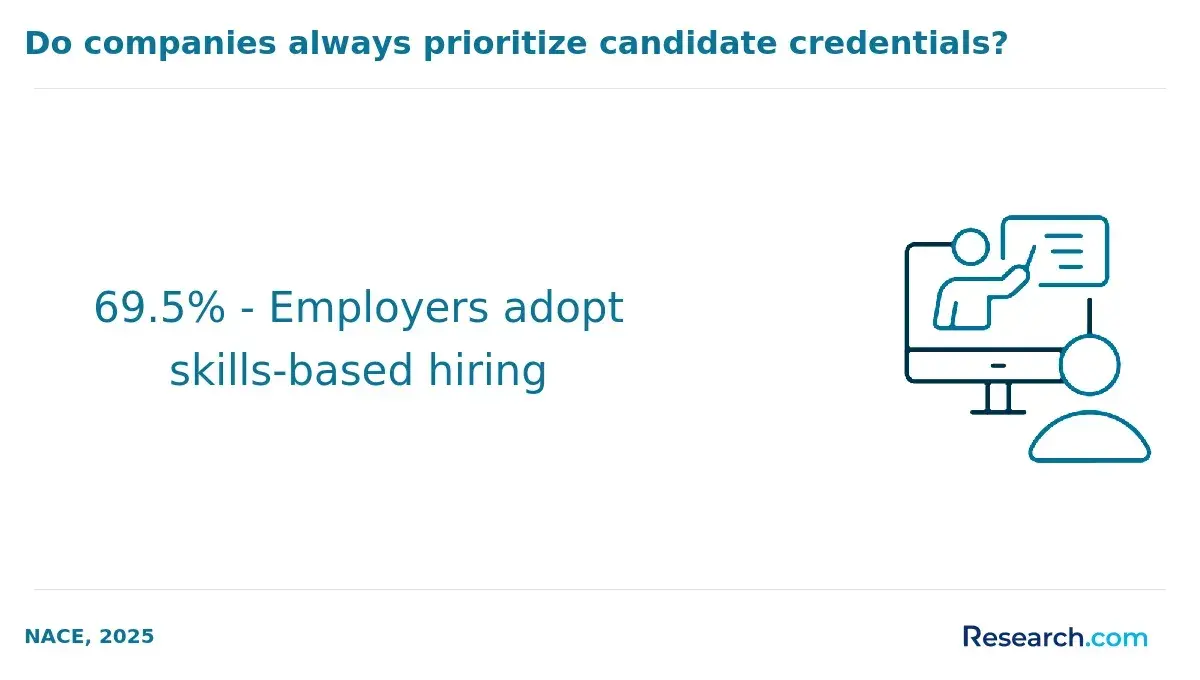
Graduate study can improve access to management and specialized roles, but it should be evaluated carefully against tuition, opportunity cost, and career goals. The starting salary of those with MBAs in the U.S. is around $135,000 (Graduate Management Admission Council, 2025). An MBA or field-specific master’s degree may be worthwhile when it expands your network, improves promotion prospects, or helps you enter a higher-paying specialization.
STEM Degrees
Are there specific STEM careers that are in high demand?
Beyond computer science, several STEM careers show strong employment growth from 2024 to 2034: mathematicians and statisticians (8%), actuaries and operations research analysts (23%), industrial engineers (12%), and mechanical engineers (10%). Demand is connected to technological change, data-driven decision-making, advanced manufacturing, infrastructure needs, and emerging industries.
Similar to a finance degree salary, actuaries often earn competitive pay ($127,580) because they specialize in assessing and managing financial risk for insurance companies, pensions, and related organizations. Operations research analysts use mathematical modeling, statistical analysis, and algorithms to improve systems such as supply chains, logistics, and resource allocation. They earn as much as $95,820 each year.
Some STEM roles have stable or lower growth but still offer high salary potential. Jobs in life, physical, and natural sciences, including physicists, geoscientists, hydrologists, chemists, environmental scientists, and microbiologists, can pay around $80,000 to $120,000 each year.
What are the highest-paying engineering majors?
Engineering remains one of the most direct academic routes to technical careers with strong pay. Electrical and electronics engineers earn $114,050 and $118,460 respectively. An electrical engineering degree focuses on electricity, electronics, electromagnetism, power systems, motors, sensors, and related applications. Electronics programs often emphasize circuits, analog and digital devices, and system design.
Aeronautics and astronautics engineering can also lead to strong earnings. Graduates of this degree earn $127,090. Students in aeronautics, astronautics, and related aerospace engineering programs study the principles used to design, develop, and operate aircraft and spacecraft.
Petroleum engineering is another high-paying engineering route, with earnings as much as $142,800. Students study geology, reservoir engineering, drilling methods, production processes, fluid dynamics, rock mechanics, and well design. This field requires strong analytical thinking because professionals evaluate reservoirs and optimize extraction methods.
For more data on average engineering salaries in the U.S., the chart below presents average annual wages for different types of engineers.
How to Choose a High-Paying Major that Suits You
What factors should I consider when selecting a major?
A major is a career investment, but it is also a learning environment you will live with for years. The right choice should connect your strengths, interests, finances, and realistic employment options. Before choosing, compare these factors:
- Skills and strengths. Identify subjects and work styles that come naturally to you. A high-paying field may not be sustainable if it depends on abilities you dislike using every day.
- Interests and motivation. Look for areas that hold your attention long enough to support deep learning. Genuine curiosity can help you persist through difficult coursework and early-career challenges.
- Academic environment. Review faculty expertise, class formats, advising, internship access, labs, career services, and employer partnerships. The same major can produce different outcomes at different schools.
- Practical costs. Compare tuition, fees, living expenses, scholarship options, transportation, technology requirements, and lost work time. The least expensive program is not always the best value, but cost should never be ignored.
- Personal circumstances. Consider family responsibilities, schedule flexibility, location, health, preferred lifestyle, and long-term goals. A major should support the life you are building, not just a salary target.
| If your priority is... | Consider these degree areas | Be careful about... |
| Fast entry into a stable role | Nursing, accounting, IT support, applied business programs | Licensure rules, certification expectations, and local employer demand |
| High long-term salary ceiling | Engineering, computer science, finance, selected medical pathways | Program rigor, competition, graduate training, and geographic salary variation |
| Career flexibility | Business administration, economics, data analytics, marketing | Being too general without internships or technical skills |
| Mission-driven work | Social work, healthcare, public policy, psychology | Graduate education requirements and differences between demand and pay |
How can I stand out in my college applications?
A total of 19.4 million students enrolled in U.S. colleges and universities in fall 2025 (National Student Clearinghouse Research Center, 2025). Competitive applicants show academic readiness, direction, and evidence that they will contribute to the campus community. To strengthen your application, focus on quality rather than simply adding more activities.
- Academic performance. Take challenging courses when appropriate and maintain strong grades. Colleges use your transcript as a key signal of readiness.
- Meaningful extracurriculars. Choose activities that show leadership, consistency, curiosity, or service. Depth is often more persuasive than a long list of unrelated clubs.
- Community engagement. Volunteer work, local projects, or civic involvement can show responsibility and a willingness to contribute beyond yourself.
- Distinctive experiences. Highlight research, creative work, entrepreneurship, employment, family responsibilities, or personal challenges that shaped your goals.
- Strong recommendations. Ask teachers, mentors, or supervisors who can give specific examples of your character, growth, and ability.
- Authentic essays. Use essays to explain who you are, what you value, and how your experiences connect to your academic direction.
- Early planning. Research schools, application deadlines, testing policies, financial aid requirements, and scholarship opportunities before the final months of senior year.
Can supplementary certifications boost your career prospects?
Certifications can improve your career prospects when they validate skills that employers actively need. They are especially useful in fields such as IT, cybersecurity, project management, analytics, accounting, healthcare administration, and digital marketing. A certification should not be treated as a substitute for every degree, but it can make a degree more practical by proving applied competence. Students comparing credentials can review easy certifications to get online as one starting point for identifying focused skill-building options.
What are the most valuable soft skills for success in high-paying careers?
Technical knowledge gets you considered for many high-paying roles, but soft skills often determine whether you advance. Employers need people who can explain ideas, work across teams, manage ambiguity, and solve problems without constant direction.
- Communication. Clear writing, concise speaking, and audience-aware presentations help professionals influence decisions and reduce misunderstandings.
- Problem-solving. Strong candidates can define a problem, evaluate evidence, test solutions, and explain trade-offs.
- Leadership. You do not need a management title to lead. Taking initiative, organizing work, mentoring peers, and improving processes all signal leadership potential.
- Adaptability. High-paying fields change quickly. Professionals who learn new tools, respond to feedback, and adjust to market shifts are more resilient.
- Teamwork. Complex work usually requires collaboration. Employers value people who can contribute, listen, resolve conflict, and help teams perform better.
How Do You Evaluate the Return on Investment of Your College Degree?
Degree ROI is the relationship between what you pay for education and the career value you receive afterward. To evaluate ROI, compare tuition, fees, living costs, borrowing, lost income, completion time, expected starting pay, long-term salary growth, and the probability of actually entering your target field.
Students should avoid judging ROI by tuition alone. A low-cost program with poor completion support may be less valuable than a moderately priced program with strong advising, internships, licensure pass support, and employer connections. At the same time, an expensive degree in a low-paying field may create repayment pressure unless scholarships, grants, employer support, or family resources reduce the net cost. Students interested in faster or lower-cost options can compare pathways such as highest paying online degrees.
| ROI factor | What to check | Why it affects the decision |
| Total net cost | Tuition, fees, books, technology, housing, commuting, and aid | The amount you actually pay matters more than the published sticker price |
| Completion likelihood | Advising, course availability, transfer policies, and student support | A degree has limited ROI if you cannot complete it efficiently |
| Career alignment | Required major, licenses, certifications, internships, and employer expectations | Some careers require very specific credentials |
| Salary range | Entry-level pay, advancement potential, location, and industry | Average salary data may not reflect your first job or local market |
What is the importance of gaining practical experience while pursuing a degree?
Practical experience helps turn coursework into employable skills. Internships, clinicals, co-ops, research projects, freelance work, simulations, and capstone projects give students evidence that they can perform outside the classroom.
- It strengthens skills. Students learn how academic concepts work in real settings, where deadlines, clients, patients, budgets, and team dynamics matter.
- It improves employability. Employers often favor candidates who have already applied their knowledge through internships, part-time roles, or relevant projects.
- It builds networks. Supervisors, mentors, faculty, and peers can become references, job leads, or collaborators.
- It increases confidence. Real experience helps students test career assumptions and learn how to handle workplace problems.
- It can support earning potential. Students with relevant experience may be better prepared to compete for stronger entry-level roles.
Experience can also reveal whether a field truly fits your interests before you invest in more education. Students considering graduate study may also explore easy masters degrees while evaluating whether advanced credentials match their career plans.
Should I Consider an Affordable Online Doctorate for Advanced Career Opportunities?
An affordable online doctorate may be worth considering for professionals who need advanced research training, leadership credibility, or academic qualifications while continuing to work. This path can be relevant for careers in higher education, policy, research, consulting, or senior management, depending on the discipline.
Before enrolling, compare accreditation, faculty expertise, dissertation or capstone expectations, residency requirements, completion support, and total cost. Doctoral study is demanding even when delivered online, so the best candidates usually have a clear professional reason for the credential. Resources such as the cheapest PhD programs can help students begin comparing options, but affordability should be weighed alongside academic quality and career fit.
Does an Associate Degree Offer a Viable Shortcut to Career Advancement?
An associate degree can be a practical route for students who want job-ready skills, a lower-cost credential, or a transfer pathway into a bachelor’s program. It can be especially useful in healthcare, IT, business administration, skilled technical fields, and applied programs that align closely with local employer demand.
The main advantage is speed and cost control. The main limitation is that some careers require a bachelor’s degree or higher for advancement. Students should ask whether credits transfer, whether the program includes industry certifications, and whether graduates are hired into roles they actually want. Programs such as the easiest associate degree to get may appeal to students looking for a manageable starting point, but ease should not outweigh accreditation, career value, or transferability.
How can degrees from cheap accredited online colleges enhance career flexibility?
Degrees from cheap accredited online colleges can support career flexibility when they allow students to study without leaving work, relocating, or taking on unnecessary debt. The keyword is accredited: affordability only helps if employers, graduate schools, and licensing bodies recognize the credential.
- Work while studying. Online formats can help students maintain income and gain experience while completing a degree.
- Flexible scheduling. Asynchronous or hybrid formats may work better for students with jobs, caregiving responsibilities, or unpredictable hours.
- Broader program access. Students who cannot relocate may still find programs that match their academic and career goals.
- Career transitions. Online degrees can help working adults move into new fields without completely stepping away from employment.
- Lower-cost continuing education. Affordable online options can make upskilling more realistic for professionals already managing financial obligations.
- Remote-work readiness. Online students often build habits in digital collaboration, independent time management, and virtual communication.
- Earn while learning. Flexible programs may make it easier to combine coursework with internships, freelance work, or employer-sponsored projects.
What Options are Available for Students who Want to Attend Military Friendly Colleges?
Military personnel, veterans, and family members should look for colleges that understand military benefits, deployment schedules, transfer credits, and career transitions. Military friendly colleges online can offer flexible scheduling, dedicated advising, tuition support options, and services designed for students connected to the armed forces.
Before enrolling, students should ask how the school handles military transcripts, credit for prior learning, benefit certification, interruptions due to service obligations, and career support after separation from service. A military friendly label is useful only when it is backed by clear policies and responsive support.
How can a specialized graduate degree accelerate career progression?
A specialized graduate degree can help professionals move beyond general knowledge into advanced technical, analytical, clinical, or leadership expertise. It is most valuable when the credential matches a specific promotion path, industry requirement, or career pivot.
Shorter options, including a 12 month master's degree online, may appeal to working adults who want focused training in a compressed format. Students should still review workload, accreditation, employer recognition, faculty quality, and whether the program includes projects or networking opportunities connected to their target field.
Can a Graduate Degree Significantly Boost Your Salary Prospects?
A graduate degree can increase salary potential when it qualifies you for higher-level roles, specialized occupations, leadership positions, or fields where advanced credentials are expected. It can also improve credibility and bargaining power in competitive markets.
However, graduate school is not automatically profitable. The decision should be based on expected career outcomes, total cost, employer tuition support, opportunity cost, and whether the degree is required for your goal. For additional context, students can review data-focused guidance on the highest paying masters programs.
What is the role of interdisciplinary education in career success?
Interdisciplinary education helps students combine skills from multiple fields, which can be valuable when careers do not fit neatly into one academic category. For example, business plus data analytics can support data-informed management roles, while healthcare plus technology can prepare students for health informatics or digital health work.
Combinations such as environmental science with policy, communication with technology, or economics with analytics can broaden a student’s professional toolkit. Online programs may make this kind of customization easier for students who need schedule flexibility or cannot relocate. Students comparing flexible options can explore the most respected online degree pathways while checking accreditation, curriculum depth, and employer relevance.
The strongest interdisciplinary programs do more than offer unrelated electives. They help students solve complex problems, communicate across professional groups, and apply knowledge in practical projects.
How can industry certifications complement your college degree?
Industry certifications can make a college degree more marketable by proving current, job-specific skills. They are most helpful when selected strategically: choose certifications that match job postings in your target field, are recognized by employers, and fill a clear skill gap in your resume.
Certifications are especially useful in fast-changing areas such as cybersecurity, cloud computing, project management, data analytics, digital marketing, and certain business operations. Students can compare certifications for jobs that pay well to identify credentials that may strengthen their degree and support career mobility.
Common Mistakes to Avoid When Choosing a High-Paying Degree
- Choosing by salary alone. A high median salary does not help if you dislike the work, struggle with the coursework, or cannot complete the required training.
- Ignoring accreditation. Accreditation can affect licensure, transfer credits, graduate admission, and employer acceptance.
- Assuming online programs are automatically equivalent. Some online programs are excellent, but students must verify clinical requirements, lab access, proctoring, networking, and career services.
- Looking only at tuition. Fees, books, technology, transportation, housing, lost wages, and time to completion all affect cost.
- Skipping internships or applied projects. Many employers want evidence of practical ability, not just completed courses.
- Relying only on rankings. Rankings can be useful, but program fit, affordability, support, outcomes, and accreditation matter more.
- Assuming salary outcomes are guaranteed. Pay varies by location, industry, employer, experience, school reputation, and economic conditions.
Questions to Ask Before You Enroll
| Question | Why it matters |
| Is the institution regionally or properly nationally accredited? | Accreditation affects credibility, transfer, financial aid, and graduate school options. |
| Does the program meet licensure or certification requirements in my state? | This is critical for nursing, teaching, counseling, social work, accounting, and many healthcare careers. |
| What are the total costs after grants and scholarships? | Net price is more useful than advertised tuition. |
| What career services are available to online and campus students? | Internship support, employer connections, and advising can influence job outcomes. |
| Can I transfer prior credits or receive credit for experience? | Transfer policies can reduce time and cost. |
| What do graduates actually do after completing the program? | Career outcomes help you judge whether the degree leads to your target roles. |
| Are there required labs, clinicals, internships, or residencies? | These requirements can affect scheduling, location, and completion feasibility. |
Key Insights
- The best degree is not simply the one with the highest salary; it is the one that balances pay, demand, cost, completion likelihood, accreditation, and personal fit.
- Computer science, IT, engineering, nursing, finance, accounting, economics, and healthcare administration remain strong options because they build specialized skills employers can use.
- Healthcare and licensed professions require extra caution because accreditation, clinical placement, and state approval can determine whether you are eligible to work.
- Business and finance degrees are versatile, but students should add internships, analytics skills, certifications, or concentrations to avoid being too general.
- Online degrees can be valuable when they are accredited, affordable, well-supported, and aligned with real career requirements.
- Certifications, projects, internships, portfolios, and practical experience can significantly strengthen a degree’s career value.
- Always calculate ROI using total net cost, expected salary range, time to completion, borrowing, and realistic job prospects—not just advertised earnings.
References:
- CollegeData. (2025). Transition to College: 13 things students say about it. https://www.collegedata.com/resources/transition-to-college/transition-to-college-survey-results
- Education Dynamics. (2025). Engaging the Modern Learner: Preferences & Behaviors Shaping Higher Ed. https://insights.educationdynamics.com/modern-learner-report-2025.html
- Gatta, M., Kahn, J., Koncz, A. J., Galbraith, A., Patil, S., & Longenberger, A. (2025, November). 2026 Job Outlook. National Association of Colleges and Employers. https://www.naceweb.org/research/reports/job-outlook/2026
- Ma, J., Pender, M., & Hu, X. (2025). Trends in College Pricing and Student Aid 2025. College Board. https://research.collegeboard.org/media/pdf/Trends-in-College-Pricing-and-Student-Aid-2025-final_1.pdf
- U.S. Bureau of Labor Statistics. (2025, August 28). Fastest Growing Occupations. Occupational Outlook Handbook. https://www.bls.gov/ooh/fastest-growing.htm
Other Things You Should Know About Choosing a Major
In 2027, some of the best-paying majors include computer science, engineering (particularly software and petroleum engineering), and finance. Careers in these fields offer substantial starting salaries and growth opportunities, often benefiting from advancements in technology and persistent demand for specialized skills.
Yes. Fields such as engineering, nursing, accounting, and architecture often require state licensure or certification after graduation. For example, engineers may need a PE license, nurses must pass the NCLEX-RN, and accountants often complete CPA requirements set by state boards.
In 2027, entry-level roles such as data scientist, software developer, financial analyst, and mechanical engineer require a relevant degree and offer high salaries. These positions often require a bachelor's degree in fields like computer science, finance, engineering, or mathematics.