2027 Best Business Law Degrees for Working Adults

Co-Founder and Chief Data Scientist
Choosing a business law degree as a working adult is not just a question of which school looks best. The real decision is whether a program can fit around your job, strengthen your business judgment, and produce a credential that employers, graduate schools, and financial aid providers recognize. For adults already managing work and family obligations, flexibility matters as much as curriculum quality.
Nearly 60% of adult learners report time management as their biggest obstacle when enrolling in legal studies. That challenge can lead to delayed graduation or dropping out if the program is poorly matched to a student’s schedule. This guide explains how to compare business law degrees for working adults by format, accreditation, admissions expectations, coursework, cost, financial aid, support services, career outcomes, and salary potential.
Key Things to Know About Business Law Degrees for Working Adults
- Many programs offer flexible scheduling with online or hybrid formats, enabling working adults to balance studies and employment effectively.
- Accelerated pacing options help professionals complete degrees faster while maintaining job responsibilities.
- Support services like career counseling and employer partnerships enhance practical skills and improve job placement rates in business law fields.
What Are the Best Business Law Degrees for Working Adults?
The best business law degree for a working adult is usually the one that combines recognized accreditation, flexible delivery, practical legal coursework, and a clear connection to the student’s career goals. For most employed learners, the strongest options are online, hybrid, evening, weekend, or part-time programs that allow steady progress without requiring a career break.
Working adults should first clarify whether they need legal knowledge for business roles or whether they are pursuing a path that may eventually involve practicing law. A business law concentration in a business degree, for example, is different from a law degree that prepares graduates for attorney licensure. The right choice depends on the role you want, the credential employers expect, and how much time and money you can realistically commit.
Strong business law degree options for working professionals
- Business Law with a Compliance Specialization: This is a strong fit for professionals in heavily regulated industries who need to understand corporate governance, risk controls, reporting obligations, and regulatory frameworks. It is especially useful for employees in finance, healthcare administration, insurance, human resources, and operations.
- Contract Law Concentration: This pathway focuses on drafting, reviewing, negotiating, and managing agreements. It is practical for professionals in procurement, sales operations, vendor management, consulting, real estate, and business development.
- Corporate Law Degree: A corporate law-focused program covers topics such as business entities, mergers, acquisitions, securities law, governance, and shareholder obligations. It can support advancement in corporate legal departments, compliance units, and executive-facing business roles.
- Intellectual Property Law for Business: This specialization is useful for adults working in technology, media, product development, life sciences, branding, or entrepreneurship. It helps professionals understand how patents, trademarks, copyrights, trade secrets, and licensing affect business strategy.
- General Business Law Degrees with Practical Focus: A broad business law curriculum can work well for adults who want legal fluency across contracts, employment law, compliance, business ethics, and corporate governance. These programs are often most useful when they include case studies, simulations, writing assignments, or projects tied to workplace scenarios.
If you are not ready to specialize immediately, a broader business program can help you build management, finance, and operations knowledge before moving deeper into legal coursework. Students comparing flexible foundations may also consider an online degree in business before choosing a business law concentration.
When comparing programs, look beyond the name of the degree. Review course schedules, faculty qualifications, internship or practicum options, transfer policies, total program cost, and whether the credential aligns with your target job. For comparison across flexible professional programs, an online slp program shows how accredited online formats can be structured for adults who need to keep working while studying.
What Are the Admission Requirements for Working Adults in Business Law Degree Programs?
Admission requirements vary by school, degree level, and program type, but working adults are often evaluated on more than recent academic performance. Nearly 40% of graduate students in the U.S. enroll part-time, and many business law programs recognize that adult applicants may bring valuable work experience, leadership history, and industry knowledge even if they have been away from school for several years.
Applicants should confirm whether the program is undergraduate, graduate, certificate-based, or law-school based. Requirements can differ significantly. A business law concentration in a business program may not require the same testing or prerequisites as a Juris Doctor or other law-focused credential.
Common admission factors
- Prior Work Experience: Many programs value professional experience in business, management, compliance, contracts, finance, human resources, or legal support. Work history can strengthen an application by showing readiness to apply legal concepts in practical settings.
- GPA Expectations: Schools may publish minimum GPA expectations, but some review applicants holistically. A strong resume, professional certifications, relevant experience, or a well-written statement of purpose may help offset an older or uneven academic record.
- Standardized Test Waivers: Some schools waive GRE or LSAT requirements for experienced professionals. Applicants should ask whether waivers are automatic, based on GPA, based on work experience, or decided case by case.
- Professional Recommendations: Letters from supervisors, clients, faculty, or senior colleagues can help demonstrate judgment, writing ability, reliability, leadership, and the applicant’s potential for success in a demanding program.
- Statement of Purpose: Many programs ask applicants to explain why business law matters to their career plan. A strong statement should connect the degree to a specific goal, such as compliance leadership, contract management, corporate operations, entrepreneurship, or legal risk management.
- Flexible Scheduling Fit: Admissions is only one part of readiness. Working adults should also confirm whether required courses are available online, in the evening, on weekends, or in predictable rotations. Similar to an engineering online degree, schedule design can determine whether a student can realistically persist part time.
A common mistake is applying only to the most recognizable school without checking course availability. For working adults, a program that offers the right required courses at the right times may be more valuable than a program with limited flexibility.

What Coursework Is Required in Business Law Degree Programs for Working Adults?
Business law coursework for working adults usually emphasizes legal reasoning, risk management, compliance, contracts, governance, and ethical decision-making. Many programs use asynchronous, hybrid, or part-time formats so students can complete readings, case analysis, writing assignments, and projects around work obligations. Recent trends show that over 45% of students in business law programs are adults managing both work and study commitments.
The strongest curricula do more than introduce legal terms. They teach students how to identify legal risk, communicate with attorneys and executives, evaluate documents, support compliant business decisions, and apply legal principles to workplace problems.
Typical required courses
- Contract Law: Students study contract formation, interpretation, breach, remedies, negotiation, and enforcement. This course is especially useful for professionals who review vendor agreements, employment agreements, leases, service contracts, or client terms.
- Corporate Law: This course covers business entities, corporate governance, fiduciary duties, shareholder rights, mergers, acquisitions, and regulatory obligations. It supports students aiming for management, compliance, or corporate operations roles.
- Employment Law: Students examine workplace regulations, employee rights, discrimination, wage and hour rules, hiring practices, termination, and employer responsibilities. It is valuable for human resources, management, and operations professionals.
- Intellectual Property Law: This course introduces patents, trademarks, copyrights, licensing, trade secrets, and brand protection. It is relevant for adults working with products, software, content, research, branding, or innovation.
- Business Ethics and Regulatory Compliance: Students learn how legal obligations, organizational policies, ethical standards, and risk controls affect business decisions. This area is especially important for leadership and oversight roles.
Skills working adults should expect to build
- Reading and interpreting legal documents with greater confidence
- Writing clear business and legal analysis for nonlawyer audiences
- Recognizing when a business issue requires legal escalation
- Evaluating compliance obligations and operational risk
- Using case studies to connect legal principles to real workplace decisions
Students comparing flexible graduate study across fields may notice similar scheduling accommodations in programs such as the mlis, where online and part-time structures are designed for adults balancing professional responsibilities.
How Long Does It Take to Complete a Business Law Degree While Working?
For adults working full-time, completing a business law degree often takes longer than it does for traditional full-time students. On average, it takes about four to six years for those working full-time to finish their degree, compared to two to four years for traditional full-time students.
The timeline depends less on motivation and more on structure: how many credits are required, how many courses the student can take each term, whether prior credits transfer, and whether the program offers courses when working adults can actually take them.
Factors that affect completion time
- Program format: Part-time and online programs can make enrollment possible for employed students, but they may extend the calendar time to graduation because courses are spread across more terms.
- Course load: Taking fewer classes each semester protects work-life balance but usually increases the number of semesters needed. Students should choose a pace they can sustain rather than overload early and stop out later.
- Prior credits: Transfer credits from previous college work may reduce the number of required courses. Adults with earlier coursework should request an official transfer review before estimating cost or timeline.
- Work schedule: Rotating shifts, seasonal workloads, travel, overtime, and caregiving responsibilities can limit study time. Programs with recorded lectures and asynchronous assignments may be easier to manage.
- Accelerated options: Some programs offer summer sessions or intensive classes. These can shorten the timeline, but they require concentrated study time and may not be ideal during demanding work periods.
A working professional who completed a business law degree online described the experience this way: "Balancing late-night study sessions and weekend assignments with a full-time job required strict discipline and occasional sacrifices in social life." The flexible format helped because recorded lectures and adjustable study blocks made it possible to keep moving forward even during busy weeks.
Before enrolling, ask the program for a part-time degree plan. A realistic plan should show when each required course is offered and how long graduation will take if you enroll in one, two, or more courses per term.
How Much Does a Business Law Degree Cost for Working Adults?
Cost is one of the most important considerations for working adults because tuition competes with rent or mortgage payments, childcare, transportation, retirement savings, and other obligations. Recent data shows that nearly 40% of adult learners in business-related fields opt for part-time enrollment to better manage costs and time commitments.
The total price of a business law degree is not limited to tuition. Students should calculate the full cost of attendance, including fees, books, technology needs, travel, and the opportunity cost of time away from paid work or family responsibilities.
Main cost factors
- Tuition per credit: Tuition depends on the institution, program level, residency status, delivery format, and the number of credits required. Compare total program cost rather than only the per-credit rate.
- Program length: Accelerated programs may shorten the time to completion but can create higher short-term payment pressure. Part-time programs may be easier to afford term by term but can extend total time in school.
- Additional fees: Registration fees, technology fees, student services fees, graduation fees, textbooks, legal databases, software, and digital materials can meaningfully increase the total cost.
- Study format: Online programs may reduce commuting, parking, relocation, and housing costs. However, online tuition is not automatically cheaper, so students should compare the full bill carefully.
- Cost reduction opportunities: Employer tuition assistance, scholarships, grants, military or veteran benefits, transfer credits, and payment plans can reduce out-of-pocket costs or improve cash flow.
Questions to ask before committing
- What is the total estimated cost from enrollment to graduation?
- Are tuition rates locked, or can they increase during the program?
- How many credits can transfer into the degree?
- Are online students charged different fees than campus students?
- Does the program qualify for federal financial aid or employer reimbursement?
A lower advertised tuition rate is not always the better deal if the program has limited course availability, poor advising, or a long path to completion. For working adults, affordability should be judged by total cost, schedule fit, and the likelihood of finishing.
What Financial Aid Options Are Available for Working Adults in Business Law Degree Programs?
Financial aid can make a business law degree more manageable, but working adults should use it carefully. The goal is not simply to find enough funding to enroll; it is to avoid taking on debt that is out of proportion to the career benefit you expect from the degree.
- Federal Financial Aid: Eligible students can complete the FAFSA to be considered for federal loans, grants, and work-study. Pell Grants and other federal grants do not have to be repaid, which makes them especially valuable when available.
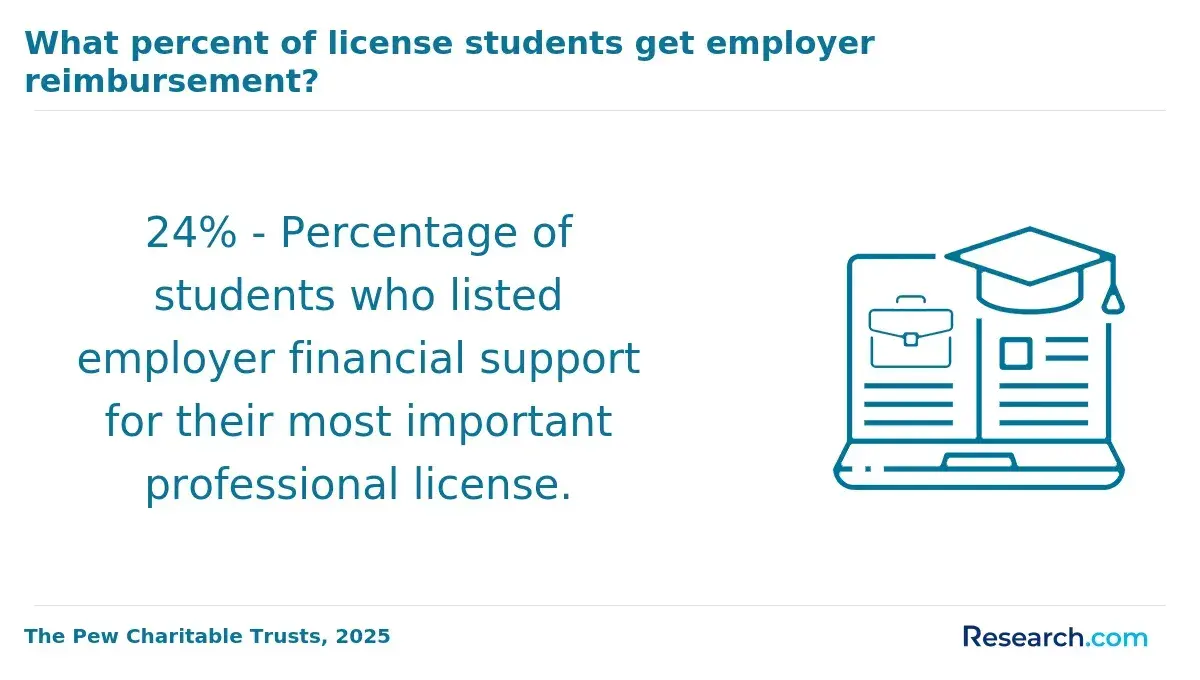
- Employer Tuition Assistance: Many employers offer tuition reimbursement or education benefits when coursework relates to the employee’s current role or future advancement. Students should confirm annual limits, grade requirements, repayment obligations if they leave the company, and whether the school must be approved in advance.
- Scholarships for Adult Learners: Some scholarships are designed for adults returning to school, part-time students, working professionals, career changers, or students in business-related programs. These awards can reduce tuition without adding repayment obligations.
- Grants: State, institutional, and private grants may support adult learners or students in career-focused programs such as business law. Grant availability varies, so students should ask both the school’s financial aid office and outside organizations.
- Payment Plans: Installment plans allow students to spread tuition across a term. They can reduce reliance on loans, but students should check setup fees, late fees, and payment due dates.
One professional who completed a business law degree while working full-time said the process required persistence: "Navigating FAFSA and scholarship applications was overwhelming at first, but breaking down the process and focusing on one piece at a time helped me stay on track." She also credited employer tuition reimbursement with helping her continue through long workweeks and family responsibilities.
The best approach is often to combine multiple sources: employer support, scholarships, grants, personal savings, and limited borrowing if necessary. Before accepting loans, compare expected monthly payments with realistic salary outcomes in your target role.
What Support Services Help Working Adults Succeed in a Business Law Program?
Support services can determine whether a working adult finishes a business law program on schedule or struggles alone. Adults need more than access to courses; they need advising, technology support, career guidance, and policies designed for students with jobs and family responsibilities.
- Flexible Scheduling: Evening, weekend, online, asynchronous, and hybrid course options help students build a schedule around work obligations. The most adult-friendly programs also offer clear course rotations so students can plan several terms ahead.
- Academic Advising: Advisors should help students map required courses, evaluate transfer credits, choose a manageable course load, and avoid taking classes in the wrong order. Strong advising is especially important for part-time students.
- Online Learning Support: Technical help, digital library access, virtual tutoring, writing assistance, and recorded learning resources can keep online students from falling behind when they cannot visit campus.
- Career Services: Resume reviews, interview preparation, employer panels, networking events, internship guidance, and alumni connections can help students connect business law coursework to specific roles in compliance, contracts, governance, risk, or management.
- Mental Health Resources: Counseling, stress management tools, wellness workshops, and crisis support can help students manage the pressure of work, coursework, and personal responsibilities.
Signs a program understands working adults
- Advisors respond outside standard business hours or offer virtual appointments.
- Required courses are available in formats suitable for part-time students.
- Faculty clearly state assignment deadlines and workload expectations.
- Students can access library, tutoring, and career services remotely.
- The school has policies for temporary stop-outs, leave, or re-entry if life circumstances change.
Before enrolling, ask to speak with current part-time or online students. Their experience can reveal whether the support services advertised by the school are easy to use in practice.
Are Business Law Degrees for Working Adults Accredited?
Business law degrees for working adults may be accredited, but students should verify accreditation before applying. Accreditation means an external accrediting body has reviewed the institution or program against established academic standards. For adult learners, this matters because accreditation can affect financial aid eligibility, employer tuition reimbursement, transfer credit, graduate admission, and the long-term credibility of the credential.
Notably, about 40% of graduate students are age 30 or older, which makes flexible, accredited options especially important for adults who cannot pause their careers to study full time. Accreditation helps ensure that flexibility does not come at the expense of educational quality.
What to verify
- Institutional accreditation: Confirm that the college or university is accredited by a recognized accrediting agency. This is often essential for federal financial aid and transferability.
- Program relevance: Check whether the business law curriculum fits your goal. A business law concentration, legal studies program, compliance-focused degree, and law degree can lead to different outcomes.
- Licensure implications: If your goal is to become an attorney, do not assume a business law degree qualifies you for bar admission. Requirements vary, and students should verify licensure rules directly with the relevant jurisdiction and school.
- Employer recognition: Some employers require degrees from accredited institutions for reimbursement, promotion, or salary consideration. Ask your human resources department before enrolling.
- Transfer and graduate pathways: Accreditation can make it easier to transfer credits or pursue further education, though transfer decisions are always made by the receiving institution.
Avoid programs that use vague language about being “approved,” “recognized,” or “career-ready” without clearly identifying their accreditation status. If the school cannot explain its accreditation in plain terms, treat that as a warning sign.
Does a Business Law Degree Increase Salary for Working Adults?
A business law degree can increase salary for some working adults, but the outcome is not automatic. Salary growth depends on the employee’s industry, current experience, employer policies, specialization, and whether the degree leads to a higher-responsibility role. Salaries for related roles may range from $50,000 to over $100,000 annually, but individual results vary.
The degree is most likely to improve earning potential when it helps a professional move into work that requires legal, regulatory, contract, compliance, or governance expertise. It may have less immediate salary impact if the student remains in the same role and the employer does not reward additional education.
Factors that influence salary impact
- Industry Demand: Fields with complex regulations, frequent transactions, or high legal exposure may place greater value on business law knowledge. Finance, healthcare, corporate governance, insurance, technology, and regulated operations are common examples.
- Role Advancement: A degree can support movement into roles such as compliance officer, contract manager, risk analyst, regulatory affairs specialist, or corporate operations leader. Salary gains are usually tied to a role change or expanded responsibility.
- Employer Policies: Some employers offer raises, promotions, or tuition reimbursement after degree completion. Others may not adjust compensation unless the employee changes positions.
- Years of Experience: Business law education often has the greatest impact when paired with substantial work experience. The credential can help experienced professionals formalize skills they already use and qualify for leadership tracks.
- Specialization: Focused knowledge in areas such as intellectual property, corporate compliance, contracts, employment law, or regulatory affairs may improve marketability for specialized roles.
Working adults should evaluate salary potential by reviewing job postings in their target region and industry. Look for roles that specifically mention business law, contracts, compliance, corporate governance, regulatory affairs, or risk management. Flexible advanced education in related fields can also support leadership growth; for example, a doctorate in organizational leadership online may complement legal and business expertise for professionals pursuing senior management roles.
The clearest return on investment comes when the degree is connected to a specific career move rather than a general hope of earning more.
What Jobs Can Working adults Get With a Business Law Degree?
Working adults with a business law degree may qualify for roles that combine legal awareness with business operations, compliance, contracts, governance, and risk management. The degree is especially useful for professionals who already have industry experience and want to move into more specialized or higher-responsibility positions.
It is important to distinguish business law careers from attorney roles. A business law degree may strengthen legal and regulatory knowledge, but becoming a practicing lawyer typically requires meeting separate legal education, bar admission, and jurisdiction-specific licensing requirements.
Common career paths
- Corporate Counsel: Corporate counsel roles involve advising companies on contracts, compliance, risk, governance, and business decisions. This role generally requires attorney qualifications, so students interested in this path should verify the legal education and licensure requirements in their jurisdiction.
- Compliance Manager: Compliance managers develop, monitor, and enforce policies that help organizations follow laws, regulations, and internal standards. Business law coursework can be valuable for understanding regulatory obligations and governance risks.
- Contract Manager: Contract managers oversee drafting workflows, negotiation support, contract review, renewal tracking, vendor terms, and risk controls. A business law background helps professionals understand obligations, remedies, and negotiation points.
- Risk Manager: Risk managers identify legal, operational, financial, and compliance risks that could affect an organization. Business law training supports better issue spotting and clearer communication with executives and legal teams.
- Regulatory Affairs Specialist: Regulatory affairs specialists help organizations understand and follow industry-specific rules. This role is common in regulated sectors where documentation, reporting, and compliance are central to operations.
Other roles that may value business law knowledge
- Human resources manager
- Procurement specialist
- Business operations manager
- Policy analyst
- Entrepreneur or small business owner
- Legal operations specialist
For some adults, a shorter or lower-cost credential can be a practical step before committing to a longer degree. Flexible options such as an associates degree may help students build academic momentum while they clarify their long-term business law goals.
The best job target depends on your existing experience. A human resources professional may benefit most from employment law, while a procurement professional may gain more from contract law. Choose coursework that matches the problems you want to solve at work.
What Graduates Say About Their Business Law Degrees for Working Adults
- Benny: "Choosing to enroll in an online business law degree program while maintaining my full-time job was a challenging yet rewarding decision. The cost, typically around $20,000 to $30,000, was a significant investment but manageable given the flexibility and quality of education. Completing the program allowed me to negotiate contracts more confidently and advance into a managerial role faster than I expected."
- Greyson: "Reflecting on my journey, pursuing a part-time business law degree alongside work was vital to balancing my career growth and financial stability. Though the tuition hovered near $25,000, the gradual payment plan eased the burden. Gaining specialized knowledge helped me transition smoothly into legal consulting, which was a long-term goal I never thought I'd achieve this soon."
- Cooper: "As a working professional, committing to a business law degree part-time was strategic given the average cost of attendance near $22,000. The practical skills I acquired dramatically improved my ability to navigate complex legal issues at work, ultimately earning me respect and new responsibilities within the firm. This investment unquestionably enhanced my professional trajectory."
Other Things You Should Know About Business Law Degrees
Yes, many business law degree programs allow working adults to transfer credits from previous college coursework or relevant professional certifications. This option can reduce the time and cost required to complete the degree. It is important to confirm transfer policies with the specific institution, as acceptance of credits varies by school and program.
In 2027, universities like Purdue Global and University of Maryland Global Campus offer flexible scheduling options for business law degrees, accommodating working adults through asynchronous online classes and evening sessions. These programs cater to those balancing professional responsibilities with academic aspirations.
Online business law degrees offer flexibility, allowing working adults to balance education with personal and professional responsibilities. They provide access to diverse resources and networking opportunities while typically being more cost-effective than traditional degrees.
References
- Main navigation https://careersportal.ie/sectors/courses3.php
- Your Practical Guide to Studying Business Law | StudyNext Australia https://studynext.com/au/resources/guide-to-studying-business-law
- A non-law student’s guide to a career in law https://www.lawcareers.net/Explore/Features/18112025-A-non-law-students-guide-to-a-career-in-law
- 5 Types of Law Degrees https://www.coursera.org/articles/law-degrees
- MBA or JD: Which Is the Better Career Path? https://teach.com/online-ed/business-degrees/online-masters-business-administration/mba-vs-jd/
- Business Law - Course LAW/531T | University of Phoenix https://www.phoenix.edu/online-courses/law531t.html
- Start your career in business or law https://www.wlv.ac.uk/courses/start-your-career-in-business-or-law/
- What to do after a Masters in Business Law https://www.ipag.edu/en/blog/what-do-after-masters-business-law
- Law in Business (first cycle) https://gdansk.vistula.edu.pl/en/law-business-first-cycle
- Typical Law School Requirements/Prerequisites |ONU https://law.onu.edu/news/law-school-admissions-101-typical-law-school-requirements-prerequisites