2027 Top Industries Hiring Nursing Informatics Graduates: Demand, Pay, and Growth Trends

Co-Founder and Chief Data Scientist
A prospective nursing informatics student or recent graduate often faces a complex question: which industries provide the most robust career opportunities after completing their education? Understanding where nursing informatics graduates are typically hired can significantly influence decisions about specialization and skill development. Different sectors vary in demand, salary scales, and growth trajectories, making it critical to analyze these factors before committing to a particular career path.
Analyzing how salaries differ across industries and identifying sectors experiencing rapid expansion can help graduates prioritize their job search effectively. Employer expectations are also shifting, emphasizing new competencies that align with emerging healthcare technologies. This article examines the top industries hiring nursing informatics graduates, highlighting where demand, pay, and growth trends intersect, and offering insights on how students can strategically align their skills with the most promising career opportunities.
Key Things to Know About the Top Industries Hiring Nursing Informatics Graduates
- Hospital systems employ over 60% of nursing informatics graduates, emphasizing clinical integration roles; this concentration means candidates must navigate complex healthcare workflows to secure impactful positions.
- Pharmaceutical and health IT sectors offer 15% higher median salaries, reflecting advanced data analytics demands, suggesting strategic moves here can accelerate income growth and technical skill development.
- Recent 2024 reports indicate accelerating employer demand in telehealth companies, signaling expanding career paths but requiring adaptability to evolving digital care models.
- Key Things to Know About the Top Industries Hiring Nursing Informatics Graduates Key Things to Know About the Top Industries Hiring Nursing Informatics Graduates
- Which Industries Hire the Most Nursing Informatics Graduates? Top Industries
- Which Industries Offer the Highest Salaries for Nursing Informatics Graduates? Highest Salaries
- Which Industries Have the Fastest Growth for Nursing Informatics Careers? Growth Trends
- Which Employers Commonly Recruit Nursing Informatics Graduates? Top Employers
- Which Skills Are Most In Demand Across Nursing Informatics Industries? In-Demand Skills
- How Do Career Paths Differ Across Industries for Nursing Informatics Graduates? Career Paths
- How Do Industry Trends Affect Future Opportunities for Nursing Informatics Graduates? Industry Trends
- How Can Students Prepare for High-Demand Nursing Informatics Industries? Career Preparation
- How Do Different Nursing Informatics Degree Programs Prepare Students for Industry Careers? How Do Different Nursing Informatics Degree Programs Prepare Students for Industry Careers?
- Which Industry Is the Best Fit for Your Nursing Informatics Career Goals? Which Industry Is the Best Fit for Your Nursing Informatics Career Goals?
Which Industries Hire the Most Nursing Informatics Graduates?
- Healthcare Systems: Hospitals and integrated health systems lead hiring because they continuously upgrade clinical IT infrastructures like EHRs and telehealth platforms. Nursing informatics graduates support clinical workflow optimization, data-driven quality improvement, and patient safety initiatives. The large scale and complexity of these organizations provide steady demand, especially in urban centers with advanced health networks.
- Healthcare IT Companies: Firms that develop healthcare software, supply EHR solutions, and provide consulting services employ nursing informatics specialists to bridge clinical knowledge with technology development. These roles often involve system design, user training, and analytics, making this sector attractive for those seeking a tech-centric nursing career with the potential for innovation.
- Pharmaceutical and Biotech Firms: Companies in this arena hire nursing informatics talent to manage clinical research data, oversee drug safety surveillance, and ensure regulatory compliance. The convergence of nursing insight and data management helps to streamline clinical trials and product development, offering strong opportunities where healthcare meets research.
- Government and Public Health Agencies: These employers rely on nursing informatics professionals to manage population health data, support public health policy implementation, and lead informatics initiatives. Positions here tend to offer stable employment and are well-suited for those interested in public sector work and large-scale health programs.
Career prospects in nursing informatics can also be shaped by location and sector trends. For example, a graduate working in a metropolitan hospital system might focus on real-time clinical decision support tools, while a government analyst may prioritize data reporting to inform policy. Those exploring educational pathways may benefit from reviewing affordable online nursing programs that blend informatics and clinical training to meet this demand. Understanding these nuanced industry dynamics can help graduates target roles that align with both their expertise and desired work environments.
Which Industries Offer the Highest Salaries for Nursing Informatics Graduates?
- Healthcare technology firms: These companies focus heavily on developing and integrating advanced electronic health records, decision support systems, and interoperability frameworks. Nursing informatics professionals here often engage in roles requiring deep technical acumen in data analytics and software optimization, justifying median salaries above $110,000 according to recent U.S. Bureau of Labor Statistics data. The rapid innovation pace and competitive markets in health tech drive strong financial rewards.
- Pharmaceutical industry: Leveraging clinical data for drug development and regulatory compliance has created substantial demand for nursing informatics expertise. Roles frequently encompass managing complex datasets and supporting clinical trials, with median wages similarly exceeding $110,000. The industry's reliance on precision data and analytics supports sustained, top paying nursing informatics careers in healthcare sectors.
- Healthcare provider systems: Large hospital networks and integrated care organizations employ the majority of nursing informatics graduates. Typical median salaries range between $95,000 and $105,000 reflecting operational budget constraints but offset by roles that directly impact patient care quality and safety. Experience with electronic health record systems and clinical decision support tools significantly influences individual earnings within this sector.
- Telehealth and health insurance companies: These growing fields use nursing informatics to enhance remote patient monitoring and improve utilization management. Average salaries usually fall around $90,000 to $100,000 but offer steady opportunities as these industries expand. The more moderate pay scale reflects the emerging nature of these sectors and their evolving technical requirements.
For prospective students evaluating these industries, considering technical proficiency demands alongside salary data is crucial. Pursuing nursing informatics degrees through programs such as nursing programs that don't require TEAS test can be a strategic entry point, supporting access to top-paying nursing informatics careers in healthcare sectors with diverse demands and growth trajectories.
Which Industries Have the Fastest Growth for Nursing Informatics Careers?
Industry growth directly influences long-term career stability and opportunities for nursing informatics graduates. Rapid expansion areas tend to offer higher demand, better compensation, and greater chances to develop specialized skills. However, growth rates differ by location, healthcare policies, and employer investment in technology. Understanding where nursing informatics expertise will be most needed helps prospective professionals align their education and job search with sectors that offer sustainable trajectories.
Key industries currently leading in growth for nursing informatics roles include:
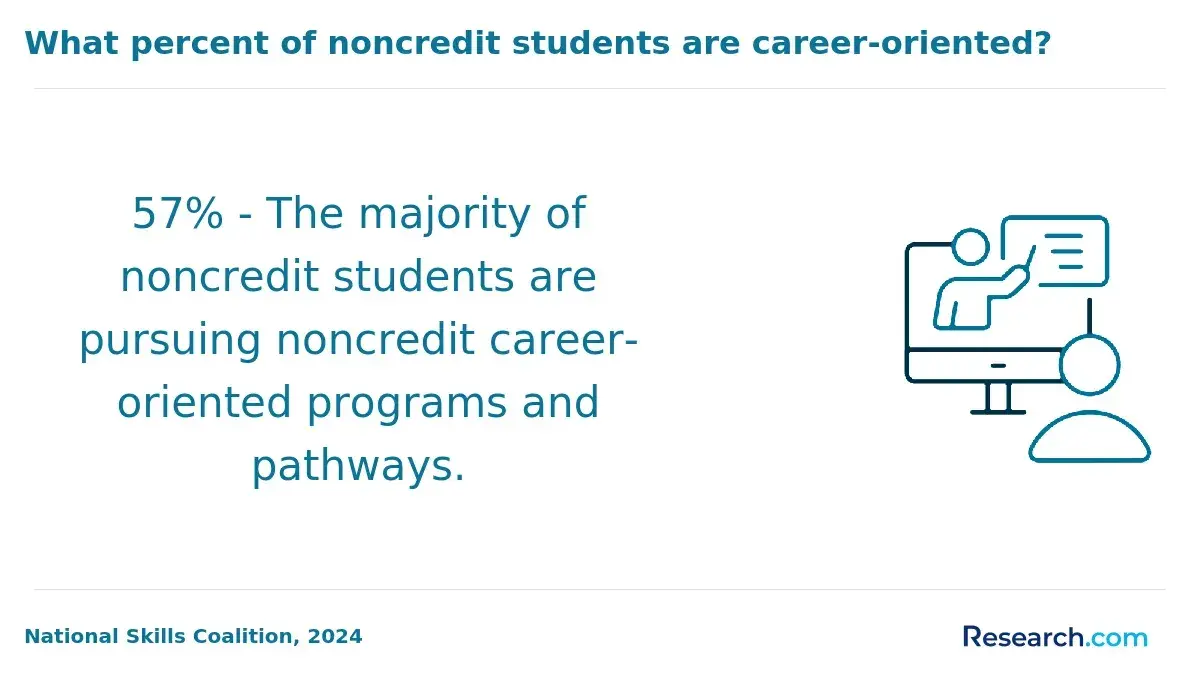
- Healthcare Provider Organizations: Large hospital systems and outpatient centers remain dominant employers due to ongoing efforts to implement and refine electronic health records (EHR) systems. Nursing informatics experts are critical to meeting regulatory mandates and improving patient outcomes through data-driven care coordination. The U.S. Bureau of Labor Statistics projects employment growth of 15-20% in this sector over the next decade, reflecting steady demand irrespective of geographic variation.
- Telehealth Services: The surge in remote healthcare utilization driven by patient preferences and policy support fuels rapid expansion in telehealth. Nursing informatics professionals within this industry help design intuitive platforms, ensure data integrity, and streamline virtual patient workflows. Forecasted growth of up to 25% through 2030 highlights the technology-driven disruption reshaping care delivery models.
- Insurance and Government Health Programs: MediCare, MediCaid, and private insurers increasingly hire nursing informatics specialists to analyze health data for cost control and outcome improvement. As these organizations emphasize population health management and personalized care planning, demand grows near 18%, influenced by complex analytics requirements and shifting regulatory landscapes.
One nursing informatics graduate recounted weighing job offers between a large hospital system and a government agency. Initially hesitant due to the perceived bureaucratic complexity of public programs, they accepted a role within a MediCare data analytics team after recognizing the sector's rapid growth and strategic influence on healthcare policy. This experience underscored how industry dynamics and personal career values intertwine, highlighting the importance of looking beyond raw growth figures to the nature of day-to-day work and impact in each field.
Which Employers Commonly Recruit Nursing Informatics Graduates?
Recognizing which employer types commonly recruit nursing informatics graduates allows students to tailor their education, internship experiences, and job search toward sectors with sustained demand. Hiring trends differ notably based on geographic region, specialty focus within nursing informatics, and shifting healthcare priorities. For example, graduates targeting clinical data analysis might find stronger opportunities in health systems versus those aiming for roles in software vendor companies. By understanding where these professionals are most frequently employed, students can make informed decisions that align with market realities and emerging industry needs.
The following outlines key employer groups actively recruiting nursing informatics graduates based on recent labor data and industry reports from 2024.
- Hospitals and Health Systems: Representing the largest employment share, hospitals and integrated health systems seek nursing informatics specialists to optimize electronic health records, improve clinical workflows, and support decision-making through data analytics. These organizations often offer varied roles ranging from clinical informatics analysts to project coordinators, leveraging nursing expertise alongside IT skills. Approximately 45% of nursing informatics-related jobs in recent surveys are concentrated in this sector.
- Outpatient and Ambulatory Care Centers: With a growing emphasis on care coordination and telehealth, outpatient clinics increasingly rely on nursing informatics professionals. These settings focus on streamlining patient data across multiple platforms and ensuring quality metrics are consistently met, making them prime employers for graduates interested in bridging clinical care and technology outside hospital walls.
- Health Insurance Companies: These employers use nursing informatics talent to analyze claims data, monitor population health trends, and enhance care quality evaluation. Roles here often demand proficiency in data analytics combined with clinical insights, supporting insurer goals around cost containment and outcome improvement. Graduates with strong analytical capabilities find this sector appealing despite less direct patient interaction.
- Pharmaceutical and Health IT Vendors: Companies in these industries recruit nursing informatics graduates to aid clinical trial data management, regulatory compliance, and development of software tools that improve nurse workflows. This sector offers opportunities for those interested in product design and innovation influencing frontline nursing practice.
- Academic and Research Institutions: These organizations provide pathways for nursing informatics professionals focused on advancing healthcare innovation through applied research. Positions often integrate data science with clinical expertise to develop evidence-based solutions and inform policy direction, appealing to graduates aiming for roles beyond traditional employment settings.
Which Skills Are Most In Demand Across Nursing Informatics Industries?
Core skills in nursing informatics tend to maintain high demand across healthcare, technology, and research sectors because they address fundamental challenges of managing clinical data and improving patient care. While specific technologies and regulations may evolve, the ability to bridge clinical expertise with data-driven decision-making remains crucial. This enduring value reflects employers' preference for versatile graduates who can adapt to diverse environments such as hospitals, outpatient clinics, health tech startups, and federal agencies. Aligning technical expertise with strong communication and project skills ensures graduates meet complex, interdisciplinary challenges effectively. Below are key skills that consistently enhance employability across the most active nursing informatics industries.
- Electronic Health Record (EHR) Proficiency: Mastery of leading platforms like Epic and Cerner is a baseline expectation. Training on these systems within nursing informatics programs, combined with practical internships, equips graduates to handle core clinical documentation and interoperability challenges. Versatility with EHR software supports career agility across acute care, outpatient services, and telehealth sectors.
- Health Data Standards Knowledge: Familiarity with interoperability frameworks such as HL7 and FHIR underpins seamless data exchange among varying health IT infrastructures. Developing this skill through coursework and certifications allows graduates to facilitate cross-organizational information flow, a clear priority for employers seeking to improve healthcare analytics and patient outcomes.
- Analytical and Programming Skills: Competence in data visualization tools like Tableau or Power BI, coupled with foundational programming in SQL or Python, enables nursing informatics professionals to transform raw data into actionable insights. These analytical abilities foster evidence-based improvements and are transferable across sectors grappling with complex datasets.
- Regulatory and Clinical Workflow Insight: Understanding HIPAA compliance and clinical workflow intricacies ensures that health IT solutions safeguard patient privacy while enhancing operational efficiency. Nursing informatics students gain this through integrated legal and process-oriented curricula, preparing them to navigate dynamic regulatory environments.
- Project Management and Quality Improvement: Skills in managing IT initiatives and applying quality methodologies assure effective implementation of technology solutions. Practical experience in these areas helps graduates facilitate continuous healthcare enhancements, valued by employers focused on measurable outcomes.
- Communication and Collaboration: Acting as bridges among clinicians, IT teams, and administrators requires nuanced interpersonal skills. Strong communication fosters stakeholder alignment and problem-solving, and it is widely cited in workforce surveys as one of the top employer demanded nursing informatics competencies.
- Adaptability and Lifelong Learning: The rapidly evolving nature of healthcare technology demands agility and a commitment to ongoing education. Graduates prepared to learn continuously can pivot across emerging roles and technologies, sustaining long-term career relevance.
The U.S. Bureau of Labor Statistics reports sustained employer demand for these overlapping technical and transferable skills in nursing informatics-related occupations, underscoring their importance. For those starting out, even a concise program-such as a 4-week medical assistant program online-can introduce foundational skills that complement nursing informatics competencies, enhancing early workforce readiness.
How Do Career Paths Differ Across Industries for Nursing Informatics Graduates?
Choosing an industry after earning a nursing informatics degree shapes career growth as much as the education itself. Different sectors value distinct skills, experiences, and objectives, which influences daily tasks, progression speed, and leadership opportunities. For example, a graduate focused on clinical workflow improvements might thrive in hospital systems, while another interested in data analytics could find better prospects in health IT firms. Understanding these variations can help align professional development strategies with realistic expectations. Below are key differences that characterize nursing informatics career paths across industries.
- Career Trajectory Focus: Healthcare delivery systems often emphasize clinical expertise and operational roles, progressing from analyst to specialist and eventually leadership with a clinical lens. In contrast, technology sectors reward technical upskilling and offer pathways into product management or data science, requiring continuous adaptation to evolving tools.
- Work Environment and Stability: Government and academic sectors provide slower yet steady advancement with strong job security and benefits, appealing to those who prioritize stability. Conversely, private health IT companies may offer faster promotion cycles but with higher job turnover and mobility.
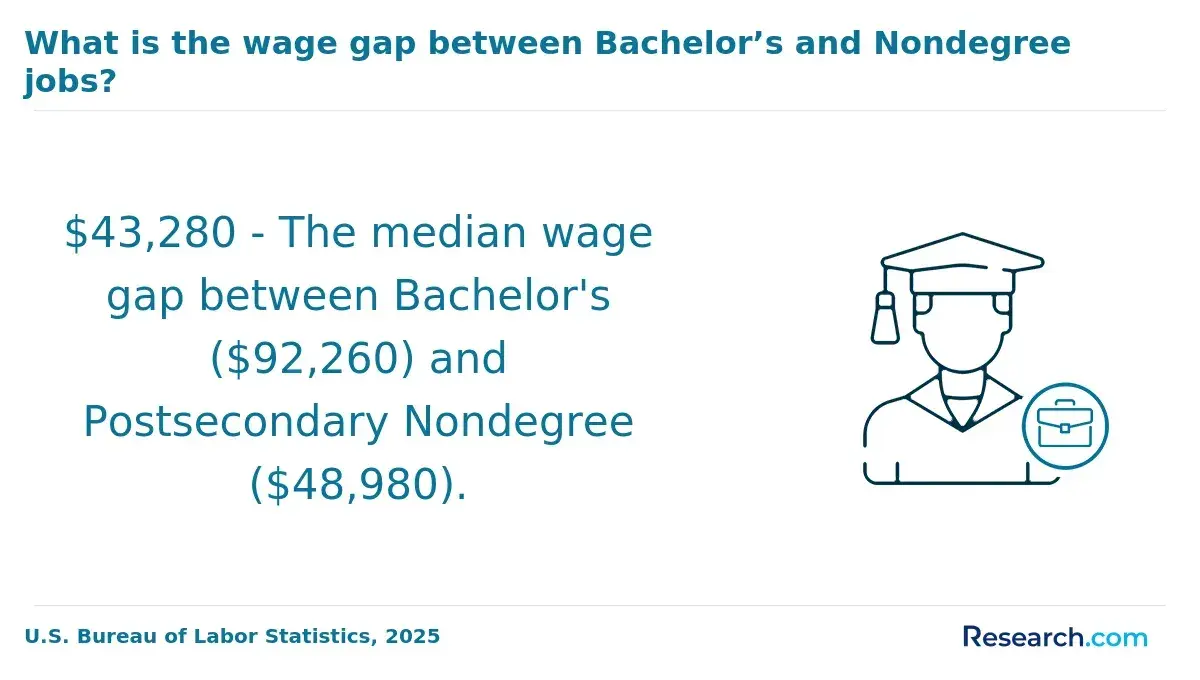
- Salary Potential: Technology-based roles generally provide higher earning ceilings reflecting market demand and innovation pace. Healthcare facilities offer competitive wages tied closely to clinical roles, while public sector salaries may lag but offset this with pensions and long-term security.
- Skill Development Emphasis: Clinical settings reward deep domain knowledge, EHR optimization, and patient-focused interoperability, whereas tech industries prioritize programming, project coordination, and cross-functional communication skills.
- Impact and Scope of Work: Nursing informatics professionals in hospitals directly affect patient care workflows daily, fostering tangible clinical impact. Meanwhile, those in academic or public health settings contribute to policy, research, and education, often with broader but less immediate effects.
- Occupational Mobility: According to the 2024 HIMSS Industry Forecast, the health IT sector shows a 22% growth rate with frequent lateral moves and role switching, contrasting with the 7% growth in government roles where career paths tend to be more linear but slower.
- Leadership Opportunities: Leadership in healthcare delivery often centers on clinical integration and administration, while technology sectors open doors for executive roles that blend informatics with business strategy and innovation management.
How Do Industry Trends Affect Future Opportunities for Nursing Informatics Graduates?
Industry trends shape the employment landscape for nursing informatics graduates by altering demand patterns and redefining required competencies. As healthcare systems evolve, the relevance of this specialized field hinges on emerging technologies and regulatory developments that affect how patient data is managed and utilized. Graduates must therefore anticipate shifting priorities across clinical, administrative, and technological domains to maintain career resilience. Below are key trends poised to influence future opportunities for professionals in nursing informatics.
- Digital Transformation Acceleration: Hospitals and clinics continue adopting electronic health records and integrated data platforms to boost efficiency and care quality. This shift propels demand for nursing informatics experts adept at optimizing workflows and improving clinical decision support systems. Students focusing on interoperability standards and user training will align well with employer needs in both inpatient and outpatient settings.
- Telehealth and Remote Monitoring: The expansion of telemedicine services and wearable health technology, fueled by pandemic-driven changes, creates new roles beyond traditional care sites. Nursing informatics professionals who can manage remote data streams and ensure secure, actionable information flow position themselves as vital to this trending care model.
- Pharmaceutical and Research Integration: Employers in drug development and clinical trials increasingly require nursing informatics graduates skilled in analyzing large datasets and supporting personalized medicine initiatives. Familiarity with clinical trial informatics and regulatory compliance enhances employability in these sectors where data accuracy and security are paramount.
- Artificial Intelligence and Machine Learning: The integration of AI tools in healthcare analytics and decision-making demands nursing informatics specialists who can interpret complex algorithms and translate outputs into clinical insights. Continuous education in these technologies will become a differentiator as healthcare organizations invest in predictive and precision health capabilities.
According to the U.S. Bureau of Labor Statistics in 2024, employment in healthcare information technology, including nursing informatics roles, is projected to grow significantly faster than the national average for all occupations over the next decade, underscoring robust industry demand.
One nursing informatics graduate described initially feeling uncertain when their hospital announced a major system upgrade incorporating AI-driven analytics. Instead of viewing this as a threat, they enrolled in targeted professional development courses to grasp the new technology's implications. This proactive approach soon positioned them as a key liaison between IT staff and clinical teams, expanding their responsibilities and securing a promotion. Their experience highlights how adapting to evolving industry trends can transform potential disruption into a career advantage.
How Can Students Prepare for High-Demand Nursing Informatics Industries?
Students preparing for high-demand nursing informatics industries must integrate specialized knowledge and practical experience to stand out in an evolving job market. Success involves more than academic performance; it requires targeted skill-building aligned with industry needs. According to the U.S. Bureau of Labor Statistics and leading health informatics research, over 60% of employers prioritize candidates who have completed relevant internships or practicum placements before graduation. Developing a coherent strategy focused on both technical and interpersonal capabilities can significantly enhance employability in settings like hospitals, outpatient care centers, and public health organizations. Below are key strategies for effective nursing informatics career preparation:
- Targeted Internships: Engaging in internships or practicums within hospitals or healthcare IT firms allows students to apply theoretical knowledge to real-world challenges, significantly improving job readiness and networking opportunities with industry professionals.
- Certification Attainment: Pursuing credentials such as the ANCC Informatics Nursing Certification validates expertise and dedication, often leading to higher salaries and leadership roles in nursing informatics positions.
- Technical Proficiency: Mastery of electronic health record systems, data analytics, and cybersecurity fundamentals is critical. Students should seek hands-on training to meet the increasing demand for technology-savvy nursing informatics specialists.
- Communication Skills Development: Strong communication and project management skills enhance the ability to bridge the gap between clinical and IT teams, which is essential for effective collaboration and career advancement.
- Professional Networking: Active participation in organizations like HIMSS provides access to mentorship, industry insights, and job openings, accelerating employment prospects in competitive nursing informatics fields.
- Continuous Learning: Staying updated on emerging technologies such as artificial intelligence and telehealth through ongoing education ensures adaptability and long-term career sustainability.
- Program Selection: Choosing rigorous and practical programs, for instance, those comparable to a 12-month FNP program online, can offer concentrated, career-focused training that fits intensive learning preferences and time constraints.
How Do Different Nursing Informatics Degree Programs Prepare Students for Industry Careers?
Nursing informatics degree programs vary significantly in how they prepare graduates for diverse industry careers, reflecting differences in curriculum design, experiential learning, and industry engagement. Some emphasize technical skills and electronic health records (EHR) proficiency, while others prioritize leadership development or data analytics. The 2024 Healthcare Information and Management Systems Society (HIMSS) report highlights that programs integrating hands-on work with EHR systems and data tools show stronger alignment with employer expectations, particularly across healthcare, pharmaceutical, and consulting sectors. Students must therefore weigh specific program elements carefully. Below are key factors to consider when evaluating how nursing informatics degree programs ready students for industry roles.
- Clinical-Technical Integration:Programs differ in balancing clinical nursing content with informatics. Those offering robust clinical foundations alongside technology training better prepare graduates to bridge care delivery and IT systems, a critical skill for hospital and health system roles.
- Experiential Learning Opportunities:Internships, simulations, and projects involving real-world data and EHR platforms enhance practical readiness. Evidence shows students with such experiences achieve higher starting salaries and more rapid job placement in biomedical and telehealth sectors.
- Industry Certification Alignment:Programs that embed certifications relevant to health IT and data analytics boost employability by validating competencies valued by insurance providers, pharmaceutical companies, and public health agencies.
- Interdisciplinary Curriculum:The inclusion of policy analysis, data management, and health IT prepares students for expanding fields like telehealth and biomedical research, positioning graduates for versatile career paths.
- Partnerships with Technology Firms:Strong ties to healthcare technology companies provide insights into corporate and consulting roles, enabling students to develop cutting-edge skills aligned with market demands.
- Career Pathway Clarity:Some programs offer tailored tracks or electives targeting specific industries. Prospective students should assess how well these options match their intended career goals and their readiness to engage in supplementary learning experiences.
- Faculty Expertise and Industry Networks:The depth of faculty's real-world experience and connections can influence mentorship quality and job placement opportunities, affecting long-term career progression.
Prospective nursing informatics students who want to explore career transitions or further specialization might also compare programs like forensic psychology master's programs online to understand how professional education integrates theoretical and applied skills across health-related fields.
Which Industry Is the Best Fit for Your Nursing Informatics Career Goals?
The "best" industry for nursing informatics graduates is inherently subjective, shaped by individual priorities rather than a one-size-fits-all ranking. Factors such as preferred work environment, specialization interests, earning expectations, and lifestyle considerations heavily influence this choice. For example, one graduate aiming for rapid salary growth and cutting-edge innovation may thrive in health information technology companies focused on AI-driven analytics, while another prioritizing work-life balance and societal impact might choose a government agency or research institution. This diversity of paths illustrates how identical degrees can lead to different, yet equally valid, professional trajectories based on personal goals.
Students can make informed decisions by researching employer expectations, industry growth projections, desired skills, available internships, and career advancement opportunities specific to nursing informatics. Data from the U.S. Bureau of Labor Statistics (2024) and the Health IT Workforce Program (2024) underscore that demand varies across healthcare delivery, technology, and public sectors. Reflecting on one's strengths alongside this evidence helps align career goals with viable industry options. The most successful outcomes emerge not from chasing the highest pay alone, but from strategically matching personal aspirations with sector-specific opportunities in an evolving job market.
References
- Nursing Informatics Degrees and Requirements | All Nursing Schools https://www.allnursingschools.com/nursing-informatics/degrees/
- What Are the Opportunities in Nursing Informatics? | NursingEducation https://nursingeducation.org/insights/nursing-informatics/
- Online RN to MSN in Nursing Informatics | South University https://www.southuniversity.edu/online/degrees-programs/nursing/nursing-informatics-rn-to-msn
- How to Become an Informatics Nurse Specialist https://nursinglicensemap.com/nursing-specialties/registered-nurse/informatics-nurse/
- Health Informatics Careers and Jobs https://www.publichealthdegrees.org/careers/health-informatics/
- Jobs Home https://jobs.ania.org/
- Growing Roots: Evolution of a Career Path in Nursing Informatics https://library.ania.org/p/s/growing-roots-evolution-of-a-career-path-in-nursing-informatics-10727
- Nursing Informatics Specialist: Job Duties and Salary https://www.usfhealthonline.com/resources/health-informatics/nursing-informatics-specialist-job-description-salary/
- Nursing Informatics & Nurse Informaticists Career Guide: How to Become One - Nurseslabs https://nurseslabs.com/nursing-informatics-nurse-informaticists/
- Nursing Informatics | Ultimate Guide to Career Paths & Salaries | Maryville Nursing https://nursing.maryville.edu/blog/nursing-informatics
Other Things You Should Know About Nursing Informatics
Workload in nursing informatics can vary dramatically by industry, with healthcare providers often requiring 24/7 system support and rapid response to clinical issues, while consulting firms may have project-based, deadline-driven spikes. Choosing an industry requires realistic expectations about pace and intensity; healthcare settings might demand constant availability and multitasking under pressure, whereas tech-focused companies might offer more predictable cycles but require specialized technical output. Prioritizing industries that align with your tolerance for fluctuating workloads and your work-life balance preferences will better sustain long-term job satisfaction.
Industries investing heavily in cutting-edge informatics platforms often expect strong technical skills and familiarity with complex systems, which may necessitate additional training or certifications beyond a general nursing informatics degree. While this can mean a steeper learning curve and potential entry barriers, aligning with such industries positions graduates for faster professional growth and higher earning potential as digital health technology advances. If your goal is to stay at the forefront of technology and career progression, prioritizing these sectors usually outweighs the challenge of initial qualification hurdles.
While core nursing informatics competencies are broadly applicable, many employers strongly prefer candidates with experience or knowledge of their specific context-be it hospital systems, insurance companies, or public health organizations. Building industry-specific expertise often accelerates hiring and advancement but can limit lateral mobility if you switch sectors later. Balancing early-career experience to develop both universal and niche skills offers strategic flexibility, allowing you to pivot between industries with greater ease while staying competitive.
Large organizations tend to offer structured career paths, formal mentorship, and resources for continuous skill development but may also involve more rigid role definitions that limit cross-functional exposure. Smaller organizations can provide broader responsibility and faster decision-making authority, offering diverse learning opportunities but often with fewer training resources and less job security. Graduates should assess whether they prefer stability and specialization in big entities or versatility and agility in smaller settings, as this choice impacts early career trajectory and skill acquisition.