2027 Accelerated vs. Traditional Technical Communication Degrees: Pros & Cons

Co-Founder and Chief Data Scientist
Choosing between accelerated and traditional technical communication degrees involves weighing speed against depth. Accelerated programs, favored by working adults and career changers, offer quicker completion-often within one to two years-allowing faster entry into the workforce. Traditional degrees, however, provide a more flexible pace and richer academic engagement, catering to those valuing comprehensive study and extracurricular involvement.
Recent data shows enrollment in accelerated learning formats has increased by over 25% nationally, reflecting a shift toward faster education pathways. This article will compare time commitments, learning experiences, career outcomes, and essential considerations to help students make informed decisions about their technical communication education paths.
Key Points About Accelerated vs. Traditional Technical Communication Degrees
- Accelerated programs offer flexibility and faster completion, ideal for motivated learners eager to enter the workforce quickly and save on tuition costs, with some students finishing in half the usual time.
- Traditional degrees foster deeper academic engagement and collaborative peer relationships, supporting learners who value comprehensive skill mastery through paced, immersive coursework and team projects.
- Students seeking balanced workloads and extended networking opportunities often prefer traditional formats, which can enhance long-term career growth through structured learning and stronger professional connections.
What Are the Differences Between Accelerated vs. Traditional Technical Communication Programs?
Accelerated and traditional technical communication degree formats differ notably in pacing, scheduling, and learning intensity. Accelerated programs emphasize quick progression and flexible timing, while traditional programs generally follow a steadier, campus-based rhythm with set semesters. This section highlights several key structural differences between these two program types.
Understanding the accelerated Technical Communication degree program structure helps clarify how students might experience each path differently. The main distinctions include:
- Course Scheduling and Format: Accelerated programs usually employ short, intensive terms, such as 8-week sessions, delivered asynchronously online to accommodate working professionals or those balancing other responsibilities. Traditional programs often operate on semester-based schedules, with in-person classes and more synchronous interaction, fostering a routine academic environment.
- Student Cohort and Networking: Accelerated programs attract career-focused students prioritizing skill-building and advancement, creating cohorts centered on professional development. In contrast, traditional programs provide broader campus engagement opportunities, enabling richer peer interaction and extracurricular involvement that can build diverse networks.
- Experiential Learning and Practicum: Accelerated options may require internships or capstone projects designed for remote or flexible completion and often conclude with portfolio assessments for immediate job readiness. Traditional programs typically offer more on-campus internships, faculty mentorship, and research projects, allowing deeper academic and industry community involvement.
- Curriculum Design: Accelerated programs frequently update courses based on employer feedback and emerging trends like digital literacies and generative AI, emphasizing applied skills. Traditional programs tend to focus more on foundational theory and feature a wider range of electives supporting academic exploration and long-term growth.
Applicants considering a technical communication degree should weigh these aspects of traditional Technical Communication degree duration and requirements to select the format best matching their learning style and career goals. For those interested in online and flexible pathways, exploring accelerated bachelors degrees can offer valuable options.
How Fast Can You Finish an Accelerated vs. Traditional Technical Communication Program?
Program length varies significantly between accelerated and traditional technical communication degrees. Accelerated formats condense coursework into shorter terms using methods like summer sessions and course overloads, while traditional paths follow a standard academic pace of four years. Understanding these differences helps students plan their education according to their goals and time availability.
Here is a comparison of the typical completion timelines for both formats and key factors that influence how quickly students can finish their degrees.
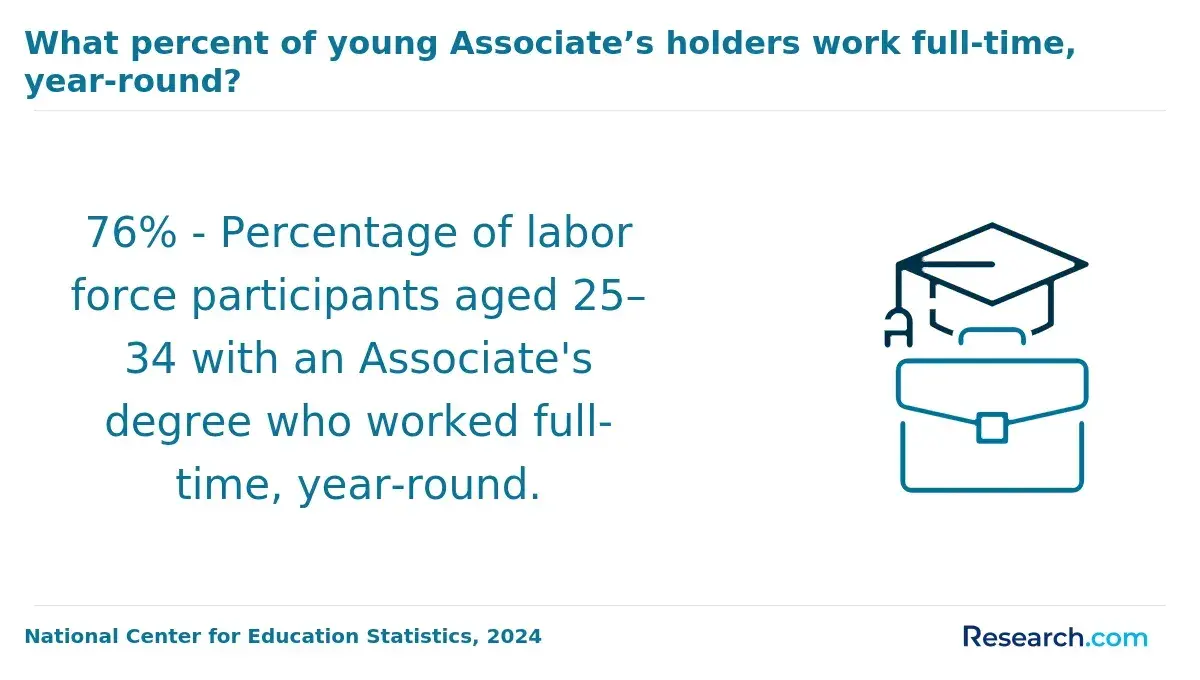
- Transfer Credits: Students who enter with prior coursework or an associate degree can reduce their timeline significantly. In some accelerated programs, it is possible to finish in as little as one year through degree-completion tracks, while traditional programs usually require accepting fewer transfer credits.
- Full-Time vs. Part-Time Enrollment: Full-time enrollment, especially in accelerated programs, allows for heavier course loads of 15-18 credits per term compared to the traditional 12 credits, speeding graduation. Part-time students will typically take longer in either format.
- Course Intensity and Scheduling: Accelerated programs often use 5-10 week terms, summer classes, or competency-based learning modules, which allow students to complete requirements more quickly than the standard two-semesters-per-year model of traditional technical communication degree length.
- Program Structure: Some institutions offer combined bachelor's and master's pathways or alternative curricula with experiential learning, further compressing degree timelines, with options to finish in about five years instead of six or more.
- Student Motivation and Time Commitment: Success in accelerated tracks requires strong self-direction and the ability to manage heavier workloads each term, making these programs best suited for highly motivated students ready to commit to a demanding pace.
Those interested in finding the easiest masters or fastest ways to advance their education may find accelerated options appealing due to their shorter overall degree completion time compared to a traditional technical communication degree length.
What Are the Admission Requirements for Accelerated vs. Traditional Technical Communication Programs?
Admission requirements for accelerated and traditional technical communication programs often share common standards, such as GPA, test scores, and prerequisite coursework. However, these programs can differ significantly in how they evaluate academic readiness and professional experience. Understanding these distinctions helps applicants determine which format best aligns with their background and career goals.
Below are key differences in admissions expectations for these two program types:
- Academic Background: Both accelerated technical communication program admission requirements and traditional programs typically require a bachelor's degree from an accredited institution, often regardless of major due to the field's interdisciplinary nature. Accelerated programs tend to be more flexible about undergraduate majors to attract working professionals seeking faster advancement.
- GPA Requirements: Traditional technical communication degree application process usually involves a minimum GPA threshold, commonly around 3.0 for the last 60 credits. Accelerated programs may place less emphasis on GPA, instead valuing professional skills and relevant experience that demonstrate applicant readiness.
- Work Experience: Accelerated programs often require or prefer candidates with substantial work experience in technical communication or related fields. Traditional programs are more open to admitting students directly from undergraduate studies and are less likely to mandate prior employment.
- Supporting Materials: Both program formats may request letters of recommendation and writing samples. However, accelerated programs weigh resumes and professional portfolios more heavily, while traditional programs emphasize academic references and scholarly writing samples.
- Application Evaluation: Accelerated programs prioritize applicants capable of managing intensive, fast-paced coursework, focusing on motivation and time management. In contrast, traditional programs emphasize foundational academic preparedness and coursework.
For those interested in exploring educational options, an accelerated associate's degree online can be an excellent stepping stone. This pathway is especially relevant when considering how admission routes vary between fast-track and traditional formats.
Accelerated technical communication degree programs condense the same curriculum and academic standards into a shorter timeframe, offering a faster route to graduation. These programs differ significantly from traditional degrees in pacing, workload intensity, and delivery style, providing alternatives tailored to diverse student needs. Below is a breakdown of the main distinctions between accelerated and traditional course formats.
- Course Length: Accelerated courses run in compact sessions lasting 5 to 10 weeks, compared to the standard 15 to 16 weeks of traditional terms. This format suits self-driven students or working professionals aiming to finish degrees quicker.
- Weekly Workload: Students in accelerated programs face heavier weekly demands, often juggling multiple intensive courses simultaneously. Traditional learners benefit from a steadier pace with more time for deep learning and regular breaks.
- Instruction Style: Accelerated degrees often utilize online, asynchronous delivery for flexibility but less direct interaction. Traditional programs typically emphasize in-person classes and campus engagement for more face-to-face communication.
Both program types uphold consistent curriculum standards, learning outcomes, and accreditation requirements, ensuring graduates gain comparable skills and knowledge for technical communication careers.
Tuition and overall costs for accelerated and traditional technical communication programs can vary mainly due to differences in program length. While the cost per credit hour is often similar, accelerated programs typically enable students to complete their degrees faster, reducing cumulative expenses.
The following list highlights key cost-related factors comparing these two formats:
- Tuition rate per credit: Accelerated and traditional programs usually charge comparable tuition amounts per credit at the same institution. For example, at some universities, in-state accelerated students pay roughly the same tuition annually as those in traditional tracks.
- Program duration and total cost: Accelerated degrees often finish in two to three years, whereas traditional programs usually take four years. This shorter timeline decreases overall spending on tuition, fees, and living costs.
- Credit load requirements: Accelerated students generally take more courses each term or attend summer sessions to meet graduation requirements sooner, but the total credits needed remain close to those of traditional programs.
- Financial aid options: Both program types provide access to federal and institutional financial aid; however, compressed schedules in accelerated programs might require careful management to maintain eligibility.
- Opportunity cost and earning potential: Graduates of accelerated programs can enter the workforce earlier, gaining additional income sooner and improving their long-term financial outcomes compared to traditional students.
Both accelerated and traditional technical communication degree students in the U.S. can qualify for financial aid, though eligibility and funding schedules may vary depending on program length and enrollment status. The timelines for receiving aid can differ when completing a condensed versus a semester-based program, impacting disbursement and renewal.
Here's how financial aid typically applies to each program type:
- Federal Aid Eligibility: Both program formats qualify for federal loans like Direct Subsidized and Unsubsidized Loans if students maintain at least half-time enrollment. However, accelerated programs often have shorter terms, so aid may be prorated or disbursed differently.
- Scholarship Timelines: Traditional students might access merit-based scholarships tied to semester calendars, while accelerated students should check for awards that accommodate nontraditional schedules.
- Employer Tuition Assistance: Employer funding can support either degree path, but some employers require programs to meet minimum length or accreditation standards, which students should confirm ahead of time.
- Aid Disbursement: Accelerated pacing can lead to split or reduced disbursements since aid is generally designed for academic-year intervals, necessitating careful planning to avoid financial gaps.
A professional who pursued an accelerated technical communication degree shared that navigating financial aid required extra attention. "Applying was straightforward, but I had to stay on top of the shorter semester deadlines," he explained. He appreciated that loans were available but found some scholarships didn't fit the accelerated timeline. His employer's tuition assistance was crucial, though he had to ensure the program's accreditation qualified under company policy. Reflecting on the process, he noted, "It was a balancing act, but the faster pace combined with aid made completing my degree possible without a long break from work." This experience highlights how accelerated students benefit from financial aid but must carefully manage timing and program requirements.
Student support significantly influences academic success, with noticeable differences between accelerated and traditional technical communication programs in how services are offered and accessed. These variations affect the timing, availability, and personalization of support. The following points highlight key distinctions in common student support areas across both program formats.
- Academic Advising: Accelerated programs emphasize tailored advising to help students meet fast-paced degree requirements and navigate prerequisite courses efficiently. Traditional programs offer scheduled advising sessions that follow a more routine and broader timeline.
- Tutoring: Flexible, online tutoring is a hallmark of accelerated programs, catering to learners balancing professional and academic commitments. Conversely, traditional programs usually provide on-campus tutoring centers with fixed hours and group study opportunities.
- Career Services: Accelerated programs commonly provide virtual career counseling focused on rapid workforce entry and practical resume support. Traditional formats tend to provide wider career resources, including in-person workshops and extensive networking events over a longer period.
- Peer Interaction: Accelerated cohorts often rely on online discussion forums and virtual collaboration to connect students quickly. Traditional programs encourage face-to-face peer engagement through campus activities and study groups spanning the academic term.
Employment outcomes often play a crucial role when deciding between accelerated and traditional technical communication programs. Both paths offer solid career prospects, yet several factors may impact how swiftly graduates enter the job market. Considering these dynamics, here is a comparison of job placement trends and key influences for graduates from both types of programs.
- Employer Perception: Some employers still favor traditional degrees, associating them with a deeper academic foundation. However, many appreciate accelerated graduates for their adaptability and comfort with technology, traits increasingly valued in fast-paced workplaces.
- Career Readiness: Accelerated programs tend to focus on practical skills, including AI tools and digital communication, aligning with current market demands. This hands-on approach can enhance readiness and potentially shorten job search duration.
- Industry Demand: As communication technology evolves, employers prioritize candidates who demonstrate proficiency with new tools. Graduates who showcase these competencies, often cultivated in online or accelerated formats, may benefit from quicker hiring prospects.
A professional who was hired shortly after earning her traditional technical communication degree shared that networking and internships during her studies were pivotal. She emphasized, "While the degree gave me credibility, the relationships I built and hands-on projects truly opened doors." Her job search involved persistence and leveraging faculty connections, reflecting how traditional programs can combine theory with valuable career support to accelerate employment.
Accreditation ensures academic quality and legitimacy for both accelerated and traditional technical communication programs, regardless of the pacing or delivery format. It affects critical factors such as eligibility for federal financial aid, credit transferability between institutions, and employer recognition of the degree. Both program types must meet established educational standards to maintain credibility and demonstrate that students achieve defined learning outcomes.
This means that whether a program is completed on a traditional semester basis or through an accelerated path, its accreditation confirms that it adheres to rigorous academic benchmarks. Prospective students should understand that accreditation is vital for protecting their investment and ensuring their qualifications are respected in the job market.
The accreditation standards for accelerated technical communication degrees typically mirror those applied to traditional programs, overseen by regional or programmatic bodies such as the Higher Learning Commission or the Accrediting Council on Education in Journalism and Mass Communications. While institutions may adjust course design or delivery methods to suit accelerated timelines, they must still satisfy consistent evaluation criteria, including faculty credentials and curriculum quality.
Distance education accreditation for technical communication programs ensures that online or hybrid formats receive equal scrutiny. It is essential for students to verify their institution's accreditation status before enrollment to guarantee that their degree is recognized nationally.
To find quality options, interested learners can explore resources like accredited online universities with no application fee.
Choosing between an accelerated and a traditional technical communication degree depends largely on your career goals, schedule flexibility, and preferred learning pace. Both options offer distinct advantages, tailored to different personal circumstances and professional timelines. To better understand which path suits you, consider the following key factors when choosing the best accelerated technical communication degree programs or traditional routes.
Key factors to consider include:
- Time Commitment: Accelerated degrees condense coursework into 2-3 years with shorter class terms and heavier weekly workloads, ideal for students wanting to enter the workforce quickly. Traditional programs spread studies over four years, offering a steadier pace that can be easier to balance.
- Flexibility: Many accelerated programs are offered online or as degree-completion formats, making them well suited for working adults managing jobs and family, as seen among the cheapest online schools for working students. Traditional degrees often require more on-campus presence and fixed scheduling.
- Learning Style: Self-motivated learners who adapt well to fast-paced, independent study may thrive in accelerated options, while students who benefit from prolonged mentorship and immersive discussion generally prefer traditional formats.
- Career Goals: If rapid workforce entry or career pivoting is a priority, accelerated programs clearly suit those needs. Conversely, traditional degrees can provide enhanced networking and campus involvement that benefit career development over time.
Both degree types hold value if earned from an accredited institution, so verifying accreditation is essential. Evaluating these factors will help you choose the most fitting technical communication degree option aligned with your lifestyle and ambitions.
What Students of Accelerated vs. Traditional Technical Communication Programs Say About Their Degree
- Aryn: "The traditional technical communication program offered a solid foundation with a well-paced curriculum that allowed me to balance work and study effectively. While the cost was on the higher side, around $30,000 per year, the comprehensive learning experience and access to experienced faculty made it worthwhile. This degree has truly enhanced my career prospects in documentation and user experience, giving me confidence in my professional growth. "
- Ivy: "Pursuing a traditional technical communication degree was a reflective journey for me. The steady pace gave me time to absorb complex concepts, though it extended the overall time and cost of attendance, which was roughly $25,000 annually. Despite the expense, the degree has opened doors in corporate communication, making it a meaningful investment in my future. "
- Jacob: "The accelerated technical communication program was intense but incredibly efficient-compressing what would traditionally take four years into just under two. This faster pace was challenging but saved me a significant amount on tuition, about 40% less than traditional paths, which helped with my budget constraints. I feel prepared and motivated to enter the workforce sooner, making the sacrifice in speed worth it."
Other Things You Should Know About Traditional vs. Accelerated Technical Communication Degrees
In 2027, employer respect for accelerated technical communication degrees largely depends on the institution's reputation and the candidate's skills. While some employers value the speed and adaptability of accelerated programs, others prefer the in-depth, traditional approach.
Most accelerated technical communication programs require a minimum 2.5 to 3.0 GPA, plus official transcripts and proof of a bachelor’s degree for graduate-level entry. Some schools also ask for writing samples, and transfer-credit limits often cap acceptance at 60 to 90 semester credits.
In 2027, both accelerated and traditional technical communication degrees cover similar core subjects. However, accelerated programs may condense curriculum content to fit shorter timelines, often focusing on practical skills to quickly prepare students for the workforce, whereas traditional programs may offer more in-depth theoretical coursework.
- Communication Degrees for Busy Adults https://www.walsh.edu/communication.html
- Communications Accelerated Dual-Degree Bachelor’s/Master’s (3+1) https://www.qu.edu/schools/communications/programs/accelerated-dual-degree/accelerated-dual-degree-ba-or-bfa-ma-or-ms-program/
- EIU Master of Arts in Communication Studies https://www.eiu.edu/commstudiesgrad/accelerated.php
- Online Communication Degree https://www.snhu.edu/online-degrees/bachelors/ba-in-communication
- Innovative Accreditation: Accelerated Degrees and Competency-Based Education https://changinghighered.com/innovative-accreditation-accelerated-degrees-and-competency-based-education/
- BA (Hons) Communication and Media | Bournemouth University https://www.bournemouth.ac.uk/study/courses/ba-hons-communication-media-2
- Technical Communication https://catalog.mst.edu/graduate/graduatedegreeprograms/technicalcommunication/
- We apologize for the inconvenience... https://iopscience.iop.org/article/10.1088/3050-2454/adb84e
- Technology, jobs, and the future of work https://www.mckinsey.com/featured-insights/employment-and-growth/technology-jobs-and-the-future-of-work
- Three-year degree programs (Accelerated or Fast Track Degree Programs) - Finance Option | Learn & Work Ecosystem Library https://learnworkecosystemlibrary.com/topics/three-year-degree-programs-accelerated-or-fast-track-degree-programs-finance-option/