2027 Is an Online BS in Business Administration the Right Next Step for Customer Service Representatives?
Audited and Verified:
Our Editorial and Data Verification Process
Research.com uses government datasets, official education statistics and primary institutional information to support its career and degree guides. Our review process checks factual accuracy, occupational definitions, source dates and the requirements associated with the credentials discussed.
How This Article Was Fact-Checked
Our editorial team verifies salary estimates, employment projections, education requirements and program information against original data providers and official organizations. Salary figures are checked against the relevant occupational definitions and reporting periods. Information about licensure, accreditation and required in-person training is reviewed separately.
Fact-checked and verified on:

Co-Founder and Chief Data Scientist
Customer service work builds skills employers value, but it does not always provide a clear route into operations, HR, marketing, or supervisory work. An online BS in Business Administration can fill knowledge gaps and meet a bachelor's-degree requirement while you keep working. It also demands time and money that may be better spent on targeted training if your next role does not require a degree. This guide helps customer service representatives connect their experience to realistic career paths, evaluate online programs, and decide whether a bachelor's degree is the right next step.
Key Things You Should Know
- An online BS in Business Administration is most useful when your target role calls for a bachelor's degree and broader business skills - not simply a promotion you could pursue through experience and employer training.
- Customer service experience can support a move into service operations, sales support, training, or other adjacent roles, but a degree alone does not qualify you to manage people or enter a specialized function.
- The U.S. Bureau of Labor Statistics reports a May 2025 median annual wage of $75,940 for human resources specialists. That occupation-wide figure is not an expected starting salary for a customer service representative changing careers.
What Is an Online BS in Business Administration for Customer Service Representatives?
An online BS in Business Administration is an undergraduate degree covering how organizations manage money, people, customers, and operations. "Online" describes delivery, not a separate credential. A BS may emphasize quantitative coursework, but the actual curriculum matters more than the letters on the diploma: schools also offer BBAs and other business bachelor's degrees with different requirements.
For a customer service representative, the value is learning to connect frontline observations to business decisions. Repeated complaints, for example, may point to a training problem, a product issue, or a broken process. Courses in accounting, operations, marketing, and data analysis can help you investigate those possibilities rather than only resolve individual contacts.
If your goal is specifically to lead service teams, compare the general business curriculum with leadership bachelor's degrees with accelerated pacing. Check the required courses and remaining credits before treating either degree title - or an advertised fast track - as the better fit.
Can Customer Service Representatives Advance Their Careers With a Business Administration Degree?
Yes, particularly when a bachelor's degree removes a hiring barrier and you can demonstrate responsibilities beyond handling customer contacts. Your experience with escalations, service metrics, product explanations, and cross-team communication is a starting asset. The degree can add budgeting, analysis, and organizational context; it cannot replace evidence that you can perform the next job's tasks.
The best route depends on how far the target role is from your current work. These examples distinguish a plausible adjacent move from one that usually needs additional experience.
| Target role | Relevant service experience | Evidence to build |
| Service operations coordinator | Tracking recurring issues and handoffs | A process map or approved analysis of service trends |
| Training coordinator | Helping new representatives and explaining procedures | Training materials and evidence of instructional work |
| HR assistant or specialist | Confidential communication and policy explanation | HR coursework plus relevant administrative or recruiting experience |
| Customer service manager | Escalation handling and informal coaching | Documented supervision, staffing, performance, or budget responsibility |
If HR is your goal, compare a general business degree with options to finish an HR bachelor's using previous college credits. An HR-focused program may be more direct; the deciding factors are its curriculum, your applicable credits, and the jobs you intend to pursue.
What Jobs Can You Get With an Online Business Administration Degree?
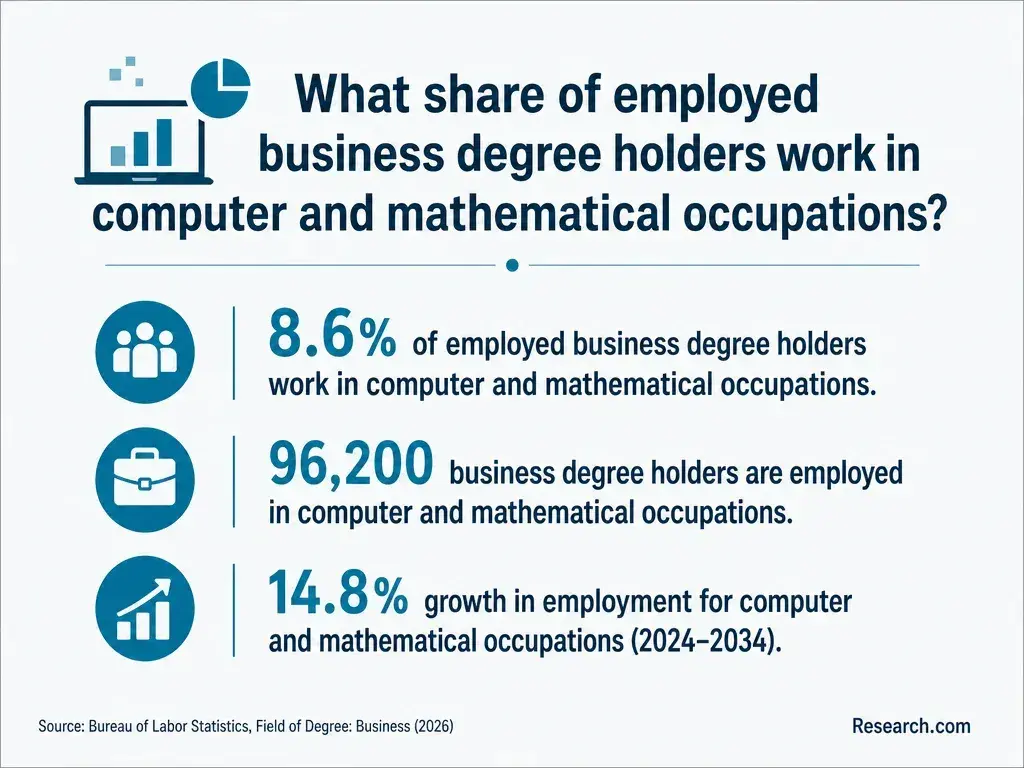
Customer service representatives may be competitive for service operations, sales support, account coordination, training coordination, or administrative roles when their work history matches the duties. Marketing coordinator, HR specialist, project coordinator, and procurement roles may also be possible, but employers can expect function-specific coursework, tools, or experience. A management title generally requires demonstrated leadership responsibility, not just graduation.
Read postings for tasks and required qualifications rather than titles alone. A project coordinator opening might call for scheduling, status reports, and spreadsheet tracking - skills you could develop through an approved work project. A project manager opening may require a record of delivering projects. If project work is your clear goal, compare the business degree's project courses with project management programs with lower total costs before committing to a broader curriculum.
A realistic first move can also be internal: seek responsibility for reporting, onboarding, quality review, or process documentation while studying. That creates job-relevant evidence and lets you test whether you enjoy the function before paying for specialized education.
Online study may be a better fit if customer service shifts, commuting, or location make regular campus attendance difficult. It is not automatically self-paced. Courses can still have weekly deadlines, live meetings, group presentations, proctored exams, or required in-person activities. Campus study may be preferable if you learn better in scheduled classes or need easier access to local recruiting and face-to-face support.
Before enrolling, request sample course schedules for the classes you would actually take. Ask whether live sessions conflict with your shifts, when group work happens, how exams are administered, and whether required courses run often enough for part-time students. If you need to earn a business administration degree while keeping your job, those details matter more than a general claim of flexibility.
Requirements vary, but a general business degree commonly combines accounting, economics, finance, marketing, management, operations, statistics, business law, and communication with general education courses. For customer service representatives, the strongest connection is between customer-facing experience and coursework that explains what the organization can change.
Marketing and customer research can help you interpret customer needs; operations can help you examine handoffs and delays; accounting and finance can clarify the cost of proposed changes; and statistics or spreadsheets can help you evaluate service measures. Look for assignments that produce usable evidence, such as a process analysis or presentation. If using workplace information, obtain permission and protect customer and company data.
Choose electives or a formal concentration according to your intended role. A marketing course is not a marketing concentration, and an introductory project course does not confer a professional credential. If supply chain interests you because you regularly handle delivery problems, examine the prerequisites and course sequence in faster-paced online supply chain college study rather than assuming a shorter advertised timeline will fit your schedule.
Requirements depend on the institution and whether you apply as a first-year or transfer student. Schools may request a high school credential, previous college transcripts, and evidence that you meet their academic standards. Entry into the university and entry into the business major can have different requirements, including specified introductory or quantitative courses.
If you have prior college work, ask for an official evaluation showing which credits satisfy general education, business core, electives, and any residency requirement. Credits accepted by a school do not necessarily satisfy the courses you need to graduate. Customer service experience may strengthen an application, but it does not automatically award academic credit.
If you are comparing a business degree with a project-focused path, review transfer admission options for project management undergraduates as well. Send both programs the same transcripts and compare their official degree audits, not just their stated transfer-credit limits.
Your timeline depends on applicable transfer credits, enrollment pace, prerequisites, and when required courses are offered. Working customer service representatives may find part-time study more sustainable, particularly when shifts change. An accelerated calendar can shorten elapsed time while increasing the work due each week.
Ask an adviser to map every remaining requirement by term, including courses offered infrequently. Then compare that plan with your work schedule and the school's leave or course-withdrawal policies. US fast-track undergraduate business degree options can help identify programs to investigate, but only your approved credit evaluation and course plan can support a personal completion estimate.
There is no reliable single price for every online business degree. What matters is your total remaining cost: tuition for courses you must complete, mandatory fees, books and software, any travel or proctoring expenses, and the financing costs of borrowing. A lower advertised tuition rate may not be the cheaper route if more of your previous coursework counts only as electives.
This comparison separates charges that appear on a tuition page from costs that can change your decision.
| Cost factor | What to confirm |
| Tuition and fees | How charges are assessed and whether online, technology, or assessment fees apply |
| Remaining coursework | Required credits after the official transfer evaluation, including prerequisites and residency |
| Learning expenses | Books, software, equipment, proctoring, and any required travel |
| Funding and cash flow | Financial-aid eligibility, employer reimbursement conditions, and when payment is due |
Request a written estimate for your own course plan and ask your employer whether tuition assistance covers the program, whether it pays upfront or reimburses later, and whether grades or continued employment affect eligibility. Compare business administration degrees compared by cost duration and outlook using the same assumptions about transfer credits and enrollment pace. Do not count a possible promotion as a guaranteed return.
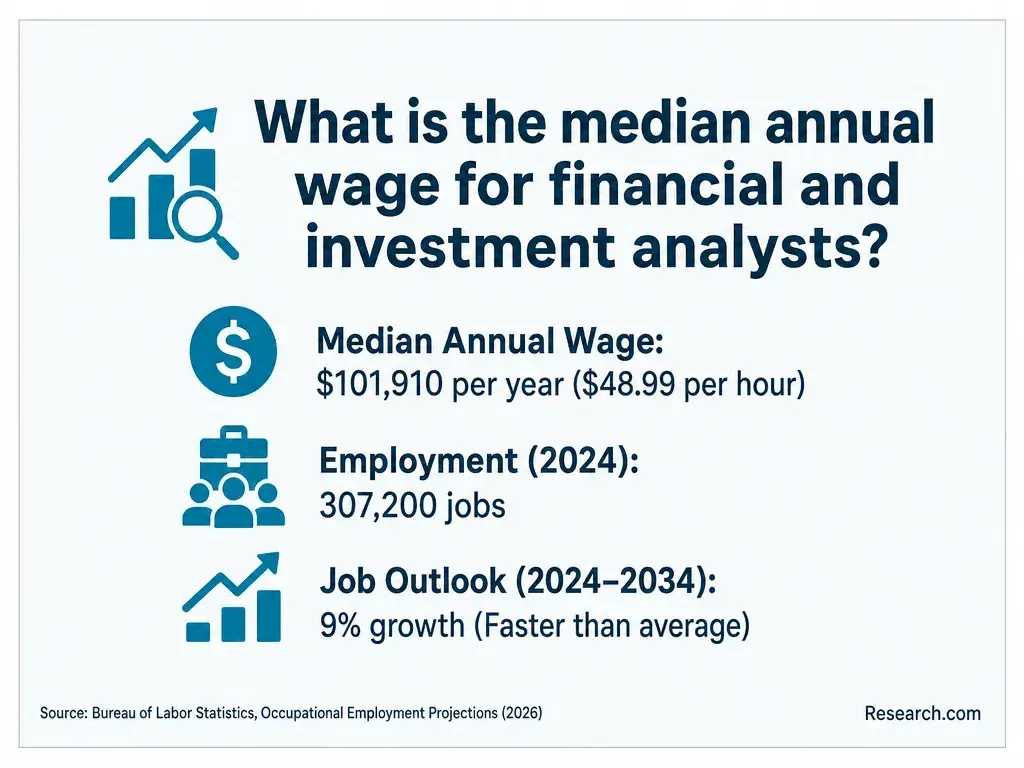
A BS in Business Administration does not have one salary. Pay depends on the occupation, location, employer, and experience you bring to it. For example, the U.S. Bureau of Labor Statistics reports a May 2025 median annual wage of $75,940 for human resources specialists. That median covers workers across the occupation; it is not an entry-level offer or a forecast of what a customer service representative will earn after graduation.
For a useful personal comparison, look at local postings for a specific next role and note their pay ranges and required experience. Compare those opportunities with your current pay, the degree's remaining cost, and whether you could enter the role through internal experience or targeted training instead. If logistics-related customer issues have drawn your interest, affordable supply chain programs and salary outlook offer another role-specific comparison; do not assume supply chain wages apply to general business graduates.
How Do You Choose an Accredited Online Business Administration Program?
First, confirm the institution holds recognized institutional accreditation and that the online BS is offered by that institution. If a school advertises AACSB, ACBSP, or IACBE accreditation, check what business school or programs it covers; programmatic accreditation and institutional accreditation are distinct. Neither establishes that graduates receive promotions.
Then judge the program against your intended move out of customer service: relevant courses, access to approved projects or internships, career support for online students, workable scheduling, and an official degree audit. A nationwide comparison of online business programs can create a shortlist, but verify each finalist's current curriculum, policies, costs, and accreditation status directly with the institution.
The degree is a strong candidate if it closes a documented qualification gap, lets you build evidence for a specific role, and has a manageable completion plan. If your target opening accepts experience and asks mainly for one skill - such as reporting, coaching, or a particular software tool - try employer training or a focused course before committing to a full bachelor's program.
Other Things You Should Know About Business Administration
Possibly. Ask the instructor what the assignment permits and your employer what information you may use. Remove customer details and confidential records unless you have explicit approval to use them.
Employers will look at what you actually did. Document any formal coaching, scheduling, performance review, or decision-making responsibility rather than relying on the title alone.
It can preserve room to explore functions, but test your interests first through internal assignments, informational conversations, or an introductory course. A clear specialist goal may justify a more focused program.
Employer education benefits can include repayment conditions if you leave within a specified period. Read the written policy before enrolling or accepting reimbursement.
- Accreditation in the U.S. | ed.gov http://www.ed.gov/laws-and-policy/higher-education-laws-and-policy/college-accreditation/accreditation-in-the-us
- Alternative Work Schedules | U.S. Office of Personnel Management https://www.opm.gov/policy-data-oversight/pay-leave/reference-materials/handbooks/alternative-work-schedules/
- Online Business Administration Degrees: A Guide to Your Options and How to Choose | University of Arkansas Grantham https://www.uagrantham.edu/blog/business-admin-degree-online/
- College Credit for Work and Life Experience | Purdue Global https://www.purdueglobal.edu/transfer-students/work-life-experience/
- Prior Learning Experience | APU Global https://www.apuglobal.edu/admissions/prior-learning-experience
- Careers with an Online BS in Business Administration | Touro University Worldwide https://www.tuw.edu/business/online-bs-in-business-administration-careers/
- How to Finish Your Degree Online | University of North Carolina Wilmington https://flex-online.uncw.edu/blog/online-degree-completion/
- Bachelor of Science in Business Administration Online | SDSU Global Campus https://globalcampus.sdsu.edu/program/business/bachelor-science-business-administration-online-degree-completion-program/
- Can You Work Full-Time and Go to School? A Practical Guide | Whitworth Online https://online.whitworth.edu/news-articles/can-i-go-to-school-and-work-full-time/
- How to Choose an Accredited Online MBA Program | University of Fairfax https://ufairfax.edu/how-to-choose-an-accredited-online-mba/