
2027 Is Health Information Management a Hard Major? What Students Should Know

Co-Founder and Chief Data Scientist
Choosing health information management (HIM) is not the same as choosing a clinical healthcare major. You will not spend the program preparing to diagnose patients or perform bedside care. Instead, you will learn how patient data is created, protected, coded, analyzed, shared, and used inside healthcare organizations. That makes HIM a hybrid major: part healthcare, part information systems, part compliance, and part business operations.
For many students, the major feels challenging because it requires accuracy across several subjects rather than deep mastery of one science-heavy area. You may study medical terminology, reimbursement, health data standards, privacy rules, analytics, management, and electronic health record systems in the same program. Students who are organized, comfortable with technology, and willing to learn healthcare language usually find the workload manageable. Students who dislike detail-oriented work or procrastinate on technical assignments may find it harder.
This guide explains how hard a health information management major is, where it tends to rank compared with other majors, what makes the coursework demanding, who is most likely to succeed, and how online, accelerated, and work-study options affect difficulty. It also looks at admissions, career paths, and salary expectations so you can decide whether HIM fits your strengths and goals. With over 40,000 professionals in the U.S. workforce, the field remains a practical option for students who want to work in healthcare without pursuing a direct patient-care role.
Key Benefits of Health Information Management as a Major
- Health information management equips career changers with in-demand skills like data analytics and compliance knowledge, easing the transition into a thriving healthcare sector.
- It offers flexible learning formats for full-time workers returning to school, balancing professional, academic, and personal responsibilities effectively.
- Traditional undergraduates gain practical experience through specialized coursework, enhancing critical thinking and boosting confidence in managing complex health data challenges.
Where Does Health Information Management Rank Among the Hardest College Majors?
Health information management is usually considered a moderately difficult major. It is not typically viewed as hard as nursing, engineering, biochemical sciences, or other programs with heavier lab loads, advanced mathematics, or intensive clinical requirements. At the same time, it is often more demanding than broad business or general education majors because students must learn specialized healthcare systems, data practices, compliance rules, and coding concepts.
One survey covering nearly 3 million student evaluations ranked health and medical administrative services, the category that includes health information management, at #105 out of 118 majors in terms of difficulty. That placement suggests HIM is not among the most difficult majors overall, but it still requires consistent effort, especially in courses involving medical coding, health informatics, privacy, reimbursement, and data quality.
The workload can also rise because many HIM programs include practicum or internship experiences, sometimes exceeding 200 hours. These requirements add real-world responsibilities to the academic schedule. Students may need to coordinate with healthcare sites, complete professional documentation, and apply classroom knowledge in settings where accuracy matters.
The better way to think about HIM difficulty is not “easy or hard,” but “broad and detail-heavy.” Students who enjoy structured systems, rules, data, and healthcare operations often adjust well. Students looking for a major with minimal technical work or little memorization may underestimate the demands.
- Usually harder than: general business, some liberal arts majors, and less technical administrative programs.
- Usually easier than: nursing, engineering, biochemical sciences, and majors with extensive laboratory or clinical science requirements.
- Most difficult for: students who struggle with technology, organization, medical terminology, or rule-based assignments.
- Most manageable for: students who are detail-oriented, self-directed, and interested in healthcare data and operations.
What Factors Make Health Information Management a Hard Major?
Health information management becomes challenging because students must connect several knowledge areas at once. A typical assignment may require healthcare vocabulary, legal awareness, database or software use, reimbursement knowledge, and careful written communication. The difficulty is less about advanced theory and more about precision, consistency, and applying rules correctly.
The main factors that make HIM demanding include the following:
- Interdisciplinary coursework: HIM students study healthcare systems, information technology, data analytics, business processes, legal compliance, and management. Switching between these subjects can be difficult for students who prefer one narrow academic focus.
- Heavy detail requirements: Medical records, coding, privacy practices, and documentation standards leave little room for careless errors. A small mistake can affect billing, reporting, compliance, or patient information quality.
- Time commitment: Programs can be credit-intensive. For example, Temple University's program requires 61 credits of professional HIM courses within two years, plus prerequisite classes. That kind of structure can make scheduling difficult, especially for students who work or have family responsibilities.
- Technical learning curve: Students may work with electronic health record systems, databases, coding standards such as ICD-10 and CPT, and healthcare data tools. You do not need to be a software engineer, but you do need to become comfortable learning unfamiliar systems.
- Analytical expectations: HIM is not only clerical recordkeeping. Students may interpret healthcare data, assess data quality, support reporting, and understand how information affects operations and patient care.
- Compliance and privacy pressure: Healthcare information is highly regulated. Students must learn how confidentiality, access, release of information, and data security affect everyday decisions.
- Credential preparation: Some students prepare for certification exams such as the Registered Health Information Administrator (RHIA). Studying for a national credential can add pressure beyond regular coursework.
- Frequent change in the field: Healthcare regulations, payer rules, documentation practices, and technology continue to evolve. HIM students must be willing to keep learning after graduation.
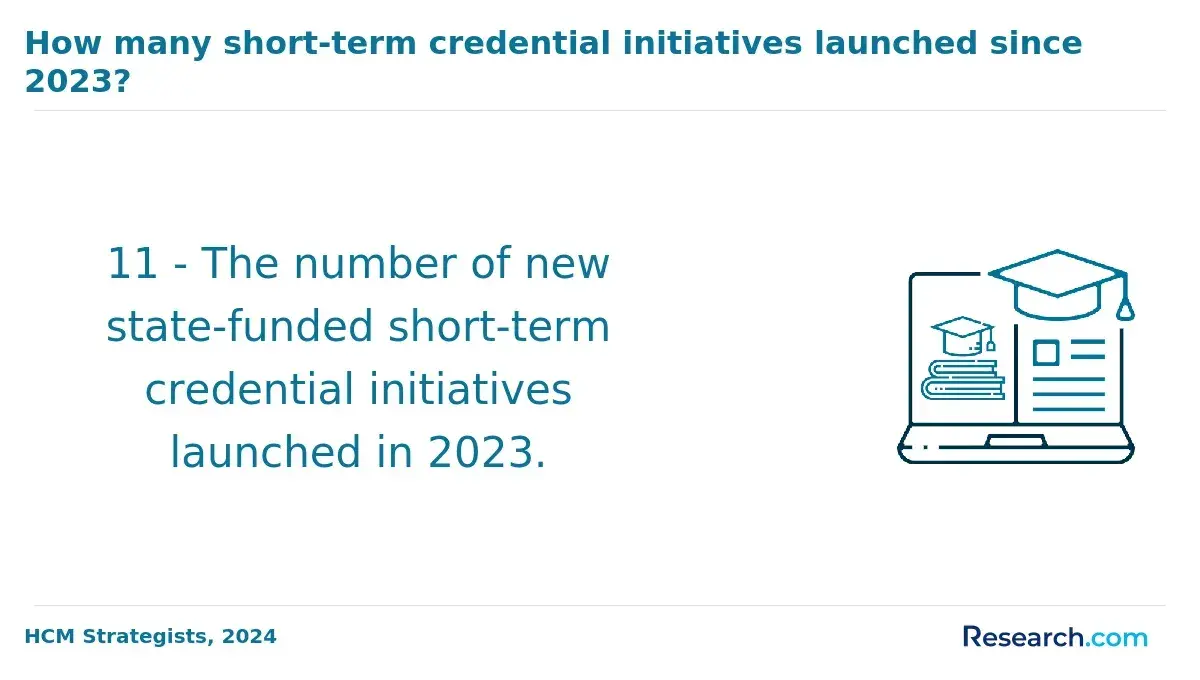
Students who want a shorter training path before committing to a full healthcare degree may also compare HIM with certificate-based options. For example, Research.com explains which 6-month course is good for getting a high salary job, though short programs usually lead to different roles than a full HIM degree.
Who Is a Good Fit for a Health Information Management Major?
A good fit for health information management is someone who wants to work in healthcare but is more interested in information, systems, compliance, and operations than direct patient care. HIM students often serve as the link between clinical teams, administrators, technology staff, insurers, and patients. That role requires both technical comfort and professional judgment.
You are more likely to succeed in HIM if you have or are willing to build these strengths:
- Attention to detail: HIM work depends on accurate documentation, correct coding, clean data, and careful handling of patient information. Students who naturally check their work have an advantage.
- Interest in healthcare without a bedside role: HIM is a strong fit for students who care about healthcare outcomes but do not want to become nurses, physicians, or direct-care clinicians.
- Comfort with technology: Digital literacy matters because students may use electronic health records, databases, spreadsheets, reporting tools, and other health information systems.
- Critical thinking: HIM students must interpret rules, identify inconsistencies, solve documentation problems, and understand how data affects reimbursement, compliance, and quality improvement.
- Strong organization: The major includes readings, technical assignments, projects, practicum requirements, and deadlines. Students who plan ahead usually experience less stress.
- Clear communication: HIM professionals often explain documentation or data issues to clinicians, administrators, IT teams, and patients. The ability to translate technical information into plain language is valuable.
- Adaptability: Because healthcare technology and regulations change, students need a mindset of continuous learning rather than expecting one set of rules to stay fixed forever.
This major may be a poor fit if you want mostly hands-on clinical work, dislike administrative systems, avoid technology, or become frustrated by rules and documentation. It may be a strong fit if you like structured problem-solving, privacy issues, data accuracy, and the business side of healthcare.
Students who want to strengthen their employment options outside or alongside a degree can also explore certifications that pay well without a degree. Certifications can complement HIM skills, but they should be chosen based on the specific job path you want.
How Can You Make a Health Information Management Major Easier?
You can make a health information management major easier by treating it as a cumulative, skills-based program rather than a set of unrelated classes. Medical terminology helps with coding. Coding supports reimbursement. Reimbursement connects to documentation. Documentation connects to compliance and data quality. The sooner you see those links, the easier the major becomes.
- Start medical terminology early: Many HIM topics become less intimidating when you can recognize common clinical terms, abbreviations, body systems, and procedure language.
- Review coding and informatics every week: Technical subjects are harder to cram. Short, repeated practice sessions usually work better than waiting until an exam or project deadline.
- Build a personal glossary: HIM includes terms from healthcare, law, billing, IT, and management. Keeping one organized reference list can reduce confusion across courses.
- Use a calendar for practicum and project deadlines: HIM programs often combine coursework with site requirements, group work, and documentation tasks. A weekly schedule helps prevent conflicts.
- Ask questions before small errors become habits: If you misunderstand a coding rule, privacy concept, or data definition, later assignments can become much harder. Use office hours, tutoring, and discussion boards early.
- Practice with real-world scenarios: Case studies, sample records, and applied projects make abstract rules easier to remember because you can see how they affect actual healthcare workflows.
- Form a study group with clear goals: A good group can help with terminology review, exam preparation, and difficult concepts. Avoid groups that turn into unfocused social sessions.
- Connect coursework to career roles: If you know whether you are leaning toward coding, compliance, analytics, management, or documentation improvement, it becomes easier to prioritize skills.
One graduate who majored in health information management said the early challenge was not one impossible course, but the feeling of learning several professional languages at once. Medical terminology, compliance rules, coding language, and software systems all arrived quickly. She said the turning point came when she stopped studying only before exams and created a weekly review plan.
She also found that a study group and internship experience made the major more manageable. “At first, I tried to tackle everything alone, which just added to my anxiety,” she recalled. Later, hands-on work helped her connect classroom lessons to real tasks. “Looking back, consistent preparation and practical exposure turned a tough major into one I could manage and enjoy,” she explained.
Are Admissions to Health Information Management Programs Competitive?
Admissions to health information management programs in the US are generally not highly competitive compared with selective clinical programs. Many programs focus less on rejecting large numbers of applicants and more on confirming that students have completed prerequisites, met GPA requirements, and are ready for upper-division professional coursework.
That does not mean admission is automatic. Selectivity varies by school, location, program reputation, available practicum placements, and whether the program is offered at the bachelor's or graduate level. Programs in large urban healthcare markets or at well-known institutions may receive more applications and have fewer available seats.
Common admissions factors include:
- Minimum GPA: Some programs commonly require at least a 2.5 on a 4.0 scale.
- Prerequisite courses: Applicants may need prior coursework in math, statistics, healthcare, or related foundational subjects.
- Academic readiness: Schools may look for evidence that students can handle professional coursework in healthcare data, management, and technology.
- Healthcare exposure: Paid or volunteer experience can help, although it is not always mandatory.
- Program capacity: Even when standards are accessible, limited seats or practicum site availability can make admission more selective.
The most common mistake is waiting too long to check prerequisites. A student may be academically capable but delayed because one statistics, math, or introductory healthcare course is missing. Prospective students should compare admissions checklists early, confirm transfer-credit policies, and ask whether the program has separate admission after general university acceptance.
One health information management professional described his application process as straightforward rather than intimidating. “I felt prepared once I had my prerequisites done and met the GPA requirements,” he said. For him, the harder part was balancing work and school, not competing for admission. His experience reflects a common pattern: HIM admissions are usually accessible for prepared students, but planning matters.
Is an Online Health Information Management Major Harder Than an On-Campus Program?
An online health information management major is not automatically harder than an on-campus program. The academic expectations are usually similar. The difference is how students experience the workload. Online learners often get more scheduling flexibility, but they also need stronger self-discipline, technology readiness, and communication habits.
For many students, the online format is easier because it reduces commuting and allows them to study around work or family responsibilities. For others, it is harder because technical subjects such as coding, health informatics, and data analysis can be more difficult without immediate in-person feedback.
- Academic expectations: Online and on-campus programs generally cover similar HIM content, including healthcare data, privacy, coding, reimbursement, management, and information systems.
- Workload: The online health information management degree workload can match the in-person workload, even if lectures, discussions, and assignments are delivered differently.
- Flexibility: Online programs can be better for working adults and students with family obligations, but flexible deadlines still require consistent weekly effort.
- Support access: On-campus students may find it easier to ask questions before or after class. Online students need to use email, discussion boards, virtual office hours, and tutoring proactively.
- Learning environment: On-campus classes may offer more structured discussions and immediate peer interaction. Online classes require students to create their own study structure.
- Distraction control: Online learners must manage home, work, and digital distractions. This is one of the biggest reasons an otherwise manageable program can feel harder.
Students considering online HIM programs should ask practical questions before enrolling: Are courses synchronous or asynchronous? How are labs, coding practice, and practicum experiences handled? What software is required? How quickly do instructors respond? What academic support is available for online students?
Cost also matters. Students comparing flexible programs may find Research.com's guide to the cheapest master degree online useful when thinking about affordability, although program quality, accreditation, support, and career fit should matter as much as price.
Are Accelerated Health Information Management Programs Harder Than Traditional Formats?
Accelerated health information management programs are generally harder than traditional formats because they compress the same type of professional learning into a shorter timeline. The material is not necessarily more advanced, but the pace gives students less time to absorb terminology, practice technical skills, recover from difficult weeks, or manage outside responsibilities.
Accelerated tracks can be a smart choice for students who already have healthcare experience, transfer credits, strong study habits, and a clear reason to finish quickly. They can be risky for students who are new to healthcare, working long hours, managing heavy family obligations, or still developing time-management skills.
- Course pacing and content density: Accelerated tracks may condense the curriculum into 18-24 months, often matching the credit load of a traditional four-year program in about half the time. This can mean heavier reading, tighter deadlines, and more frequent exams.
- Workload management: Students with prior healthcare experience and strong organization may thrive. Students who need more repetition and reflection may struggle with retention and stress.
- Academic expectations: Accelerated and traditional programs should still maintain the same academic standards. The difference is how quickly students must demonstrate competency.
- Practice time: Accelerated students may have fewer opportunities to pause, review, explore electives, or build confidence before moving into the next topic.
- Stress and burnout risk: Traditional formats usually offer more breaks and scheduling flexibility. Accelerated formats often use more rigid cohort schedules with limited downtime.
- Internship and practicum planning: In a compressed program, practical requirements can arrive quickly. Students should know when these experiences occur and whether they can fit with work schedules.
Data on the difficulty of traditional vs accelerated health information management formats indicates that accelerated programs often have lower retention rates and higher stress levels. That does not make them a bad option, but it does mean students should be honest about their bandwidth before enrolling.
If flexibility and financial-aid eligibility are priorities, students may also want to review fafsa approved online colleges as part of a broader search. The right format is the one you can finish successfully, not simply the one with the fastest completion timeline.
Can You Manage a Part-Time Job While Majoring in Health Information Management?
Yes, many students can manage a part-time job while majoring in health information management, but the number of work hours should match the program format, course difficulty, and practicum schedule. HIM is often more compatible with part-time work than highly intensive clinical majors, but it still includes technical assignments, group projects, readings, and applied learning requirements.
Students may need 10 to 20 hours of study outside class each week, depending on the course load and the difficulty of current classes. Coding labs, health data analysis, reimbursement, and practicum periods can raise the workload. A schedule that works during a lighter term may become unrealistic during a more technical term.
Students who successfully combine work and HIM coursework usually do the following:
- Limit work hours during demanding terms: If possible, reduce hours when taking coding, data analytics, practicum, or capstone courses.
- Choose flexible employment: Jobs with predictable shifts, weekend options, or remote administrative tasks are often easier to manage than jobs with changing schedules.
- Look for healthcare-related work: Administrative, records, billing, patient access, or clinic support roles can reinforce HIM concepts while building experience.
- Avoid overloading credits: Taking too many courses while working can lead to rushed assignments and weaker retention.
- Plan around practicum hours early: Practicum schedules may not fit neatly around a job. Students should ask programs when these hours occur and how placements are arranged.
- Use support services before falling behind: Tutoring, instructor office hours, writing support, and online resources can prevent one difficult topic from affecting multiple courses.
A practical rule is to reassess your work schedule each term rather than assuming one plan will work until graduation. HIM coursework changes in intensity. Students who adjust early usually have an easier time protecting both grades and income.
What Jobs Do Health Information Management Majors Get, and Are They as Hard as the Degree Itself?
Health information management graduates can move into roles involving medical records, coding, compliance, documentation, data analysis, privacy, and department management. Some jobs feel easier than the degree because they focus on a narrower set of tasks. Others become more demanding than school because they involve deadlines, audits, staff supervision, regulatory risk, or large data systems.
- Health Information Manager: Oversees patient information systems, staff workflows, privacy practices, data quality, and compliance. This role can be as demanding as the major because it combines leadership, technical knowledge, and regulatory responsibility.
- Medical Coder: Assigns standardized codes to diagnoses and procedures for billing, reporting, and insurance purposes. It is usually narrower than the full HIM degree, but it requires accuracy, concentration, and ongoing learning as coding standards evolve.
- Clinical Documentation Specialist: Works with clinicians to improve the accuracy and completeness of medical documentation. This role can be challenging because it requires medical terminology, communication skills, and the ability to identify gaps in clinical records.
- Data Analyst: Interprets healthcare data for reporting, quality improvement, compliance, and operational planning. Advanced data roles can be more technically demanding than the degree, especially in large healthcare organizations.
- Patient Information Coordinator: Manages requests, releases, and exchanges of medical records among patients, providers, and insurers. The role may be less technical than analytics or management, but it requires accuracy, confidentiality, and strong communication in high-volume settings.
The degree gives students a broad foundation, while jobs usually require deeper skill in one area. For example, a coder may use less management theory but much more coding precision. A data analyst may use more technical tools than were required in introductory coursework. A manager may rely heavily on communication, supervision, and policy interpretation.
The major itself is considered moderately challenging. Data from the National Center for Education Statistics shows the average GPA for health professions majors is around 3.3, which suggests a significant but manageable academic workload. Working in health information management can be hard when the role involves compliance risk, production targets, complex data, or leadership duties. Other positions may be more routine but still require careful judgment and accuracy.
Do Health Information Management Graduates Earn Higher Salaries Because the Major Is Harder?
Health information management graduates do not earn higher salaries simply because the major is harder. Employers pay for job responsibilities, technical skills, credentials, experience, location, and the value of the work to the organization. A demanding degree can help students build useful skills, but salary is tied more directly to what graduates can do in the workplace.
HIM skills can support solid earning potential because healthcare organizations need accurate records, secure data, regulatory compliance, reimbursement support, and better use of health information. Graduates who can combine healthcare knowledge with data management, privacy, coding, analytics, or leadership may qualify for stronger opportunities than those with only general administrative skills.
Several factors affect salary outcomes:
- Role type: Managers and data privacy officers often earn over $90,000, while entry-level positions may start near $50,000.
- Experience: New graduates usually earn less than professionals who have managed teams, completed audits, led system projects, or specialized in high-demand areas.
- Credentials: Certifications such as RHIA or RHIT can improve competitiveness when they match the role's requirements.
- Technical specialization: Skills in analytics, compliance, data governance, and privacy may support higher-paying positions.
- Location: Salaries in cities such as San Francisco or Portola Valley, CA, commonly exceed national averages.
- Employer type: Hospitals, health systems, insurers, consulting firms, technology vendors, and government-related healthcare organizations may pay differently for similar skills.
The average US salary reached $80,888 in 2025, and top earners surpassed $125,000. Those figures should not be interpreted as guaranteed outcomes for every graduate. A student who completes the degree but does not build experience, credentials, or specialized skills may earn less. A graduate who pairs the degree with strong technical ability, leadership experience, and relevant certification may have better long-term earning potential.
What Graduates Say About Health Information Management as Their Major
- : "Health information management was definitely challenging, especially when it came to mastering the technical aspects and regulatory requirements. However, the learning experience was incredibly rewarding, and I found that understanding data management opened many doors for my career. Considering the average cost of attendance hovered around $25,000 per year, I felt it was a worthwhile investment for the future. Leandro"
- : "Reflecting on my time studying health information management, I would say it's a demanding major but manageable with dedication. The major's complexity taught me invaluable skills that directly impacted my career advancement in healthcare administration. While the tuition costs were significant, nearly $20,000 annually, the return on investment in terms of job opportunities has been very positive. Carter"
- : "Pursuing health information management was tough at times, but the hands-on learning approach made a big difference. It's a field that really shapes how we handle patient data and improve healthcare outcomes, which I find personally fulfilling. Although expenses around $22,000 yearly felt steep, the career benefits and personal growth made every dollar worth it. Chelsea"
Other Things You Should Know About Health Information Management Degrees
Core courses in a Health Information Management program typically include Anatomy and Physiology, Medical Coding, Healthcare Statistics, Data Management, and Health Law. These courses provide foundational knowledge required for managing health information systems effectively in 2027.
A Health Information Management degree typically takes four years to complete in 2027, assuming a full-time study schedule. This includes general education and major-specific courses, with a focus on health data management, coding, and informatics.
References
- Is Health Information Management a Stressful Job https://www.cambridgehealth.edu/health-information/him-jobs/is-health-information-management-a-stressful-job/
- 5 Key Skills You Need For a Career in Health Information Management https://www.herzing.edu/skills/health-information-management
- 5 Powerful Reasons to Launch Your Health Information Management Career https://www.andersoncollege.com/5-powerful-reasons-to-launch-your-health-information-management-career/
- Masters in Health Informatics in USA – 2025 Rankings https://www.successcribe.com/masters-in-health-informatics-in-usa/
- Study Tips for Visual Learners in Health Informatics https://www.usfhealthonline.com/resources/health-informatics/study-tips-visual-learners-health-informatics/
- 7 Jobs You Can Get With a Health Information Management Degree https://www.rasmussen.edu/degrees/health-sciences/blog/jobs-with-health-information-management-degree/
- 10 Best Career Paths for Health Information Management https://potomac.edu/best-careers-health-information-management/
- What Are The Highest-Paying Jobs In Health Informatics? - NurseJournal.org https://nursejournal.org/careers/jobs-in-health-informatics/
- Apply to Health Information Management | Health Information Management at PCC https://www.pcc.edu/programs/health-info-management/apply/
- How To Choose Between Online Vs. Traditional Education Programs | PLNU https://www.pointloma.edu/resources/accelerated-undergraduate/how-choose-between-online-vs-traditional-education-programs


