2027 Are Too Many Students Choosing Health Informatics? Oversaturation, Competition, and Hiring Reality

Co-Founder and Chief Data Scientist
With over 40% growth in health informatics degree enrollments over the past five years, new graduates face a crowded job market. A recent graduate aiming for a clinical data analyst position discovered that dozens of candidates compete for each opening, complicating efforts to stand out.
This increased competition arises amid shifting employer expectations, economic fluctuations, and geographic disparities in healthcare hiring. Roles in health informatics, such as health data specialists or system analysts, demand not only technical skills but significant practical experience, intensifying the challenge.
This article examines the extent of oversaturation, the competitive landscape, and realistic hiring outcomes in health informatics to guide informed decisions.
Key Things to Know About the Oversaturation, Competition, and Hiring Reality in the Health Informatics Field
- The surge of health informatics graduates has led to job market saturation, with over 15% more applicants than available positions in some regions.
- Increased competition raises hiring standards, requiring candidates to differentiate through specialized skills and certifications beyond a basic degree.
- Understanding industry growth and regional demand helps set realistic career goals, emphasizing networking and continuous education to improve hiring prospects.
Is the Health Informatics Field Oversaturated With Graduates?
Oversaturation in the health informatics field occurs when the number of graduates entering the workforce exceeds the available job openings. Recent studies highlight that, for example, in 2022 there were about 20% more health informatics graduates than the annual job openings reported.
This imbalance means that more qualified candidates are competing for a limited number of positions, especially at the entry level. Such a situation reflects a growing supply that is outpacing demand in certain regions.
When oversaturation happens, employers tend to raise their expectations, often favoring candidates with specialized certifications or advanced experience. This shift leads to more selective hiring processes where practical skills and demonstrated impact gain greater importance.
As a result, the competition among applicants intensifies, with employers looking beyond academic credentials to differentiate candidates in a crowded market.
What Makes Health Informatics an Attractive Degree Choice?
Enrollment in health informatics programs has surged by over 40% in the last five years, reflecting growing student interest in this dynamic field. This increasing popularity stems from the degree's broad appeal and relevance in today's healthcare and technology-driven landscape.
Several key factors explain why health informatics remains a compelling degree choice. These highlights illustrate the field's versatility and alignment with evolving student priorities:
- Interdisciplinary Curriculum: Health informatics integrates healthcare, information technology, and data management, offering students a comprehensive education across multiple domains. This interdisciplinary approach cultivates flexible problem-solving skills applicable in various environments.
- Broad Applicability: Graduates can apply their expertise in hospitals, government agencies, research institutions, and private companies. Such versatility attracts students seeking adaptable career paths within the healthcare ecosystem.
- Foundational Knowledge: Programs emphasize critical thinking, healthcare systems understanding, and data analysis, equipping students with a strong base for continuous learning and professional growth.
- Student Interest Alignment: The degree appeals to those passionate about leveraging technology to improve patient care, combining innovation with humanitarian goals. Many students are naturally drawn to this blend of science and service.
For prospective students curious about entry opportunities, resources such as direct admit nursing programs by state can provide helpful guidance.
Considering the advantages of studying health informatics in the US, this degree's interdisciplinary and flexible nature continues to attract a diverse student body interested in impactful healthcare solutions and data-driven approaches.
What Are the Job Prospects for Health Informatics Graduates?
The job market for health informatics graduates shows steady growth but varies widely depending on the role and location. Demand is fueled by greater reliance on electronic health records and healthcare data analytics.
Employment of health information specialists is expected to increase by about 13% from 2022 to 2032, reflecting stronger-than-average growth compared to other fields.
Several key positions highlight the range of opportunities for graduates in this field:
- Health Informatics Specialist: These professionals handle health data management and analysis to boost patient care and organizational efficiency. Opportunities are most abundant in hospitals and larger healthcare entities, with entry-level roles often requiring some prior healthcare or IT background alongside formal education.
- Clinical Data Analyst: Focused on interpreting healthcare data for clinical decision support, these analysts find demand particularly in research centers and provider organizations. Graduates typically enter the field through internships or junior analyst roles.
- Health Information Manager: Responsible for maintaining patient record integrity and security, this role is vital for regulatory compliance. Positions tend to be more available in extensive medical facilities where digital record systems are heavily used.
- EHR Implementation Specialist: Specialists assist with the deployment and fine-tuning of electronic health record systems. The job requires technical know-how, and competition varies but is moderate due to required expertise.
A health informatics degree graduate shared that despite the positive employment outlook, the job search was not straightforward. He explained that "applying to multiple positions across different states was necessary because some regions had limited openings."
He also noted challenges in demonstrating relevant experience, stating, "Even with a degree, many employers valued internship or real-world project involvement, which meant I had to be persistent and patient while building my portfolio."
This reflects that while opportunities exist, competition and location heavily influence hiring success.
Employment opportunities for health informatics majors remain strong but differ by specific job roles and sectors. The U.S. Bureau of Labor Statistics projects a 28% increase in medical and health services manager positions between 2021 and 2031, signaling well above-average growth influenced by rising data complexity and digital recordkeeping needs.
However, hiring landscapes vary, especially between public institutions and private firms. Below are some key health informatics job roles and their outlooks:
- Clinical Data Analyst: Demand persists but increasing competition among graduates is common, particularly in hospital settings where many entry-level positions exist.
- Health Information Manager: Strong growth driven by regulatory compliance and expanding electronic health records, with steady opportunities in both public and private sectors.
- Health IT Specialist: Reliable demand focused on system integration and cybersecurity, often more stable within government and larger healthcare organizations.
- Health Policy Analyst: Moderate growth as health data governance gains emphasis, especially in government agencies and policy-driven institutions.
- Clinical Informatics Specialist: Growing demand linked to healthcare systems adapting new technologies and improving clinical workflows.
Prospective students should consider these dynamics in relation to health informatics job growth and demand in the US to navigate career opportunities for health informatics graduates effectively. For those exploring advanced roles, options like online nurse practitioner programs may offer additional pathways.
The job market in health informatics shows varying degrees of competition influenced by the rising number of graduates entering the field annually. While growing program availability has expanded the pool of qualified candidates, job openings have not always grown at the same rate, resulting in stiff contest especially for entry-level roles.
These positions often attract many applicants since employers prefer candidates with both formal education and practical experience. According to a 2023 report, the average applicant-to-job ratio in health informatics stands at about 5:1, indicating a moderately competitive atmosphere.
Competition intensity also shifts depending on the sector and role specialization. Larger healthcare systems tend to have more vacancies but expect applicants to possess a broad skill set and adaptability to new technologies.
Smaller organizations or niche fields like telehealth might offer fewer roles, yet their specialized nature draws highly skilled candidates, raising selectivity.
Additionally, roles requiring advanced certifications or graduate degrees tend to face less competition due to a narrower candidate pool.
When I asked a professional with a Health Informatics degree about her experience, she shared that the initial job search felt daunting, with many applicants vying for the same entry-level openings. She recalled how the process involved navigating multiple interviews and emphasizing her hands-on projects to stand out.
"It wasn't just about having the degree; demonstrating real-world skills made a big difference," she noted. Despite challenges, she views the competition as motivating, pushing her to continuously improve and find a fitting role within the diverse health informatics landscape.
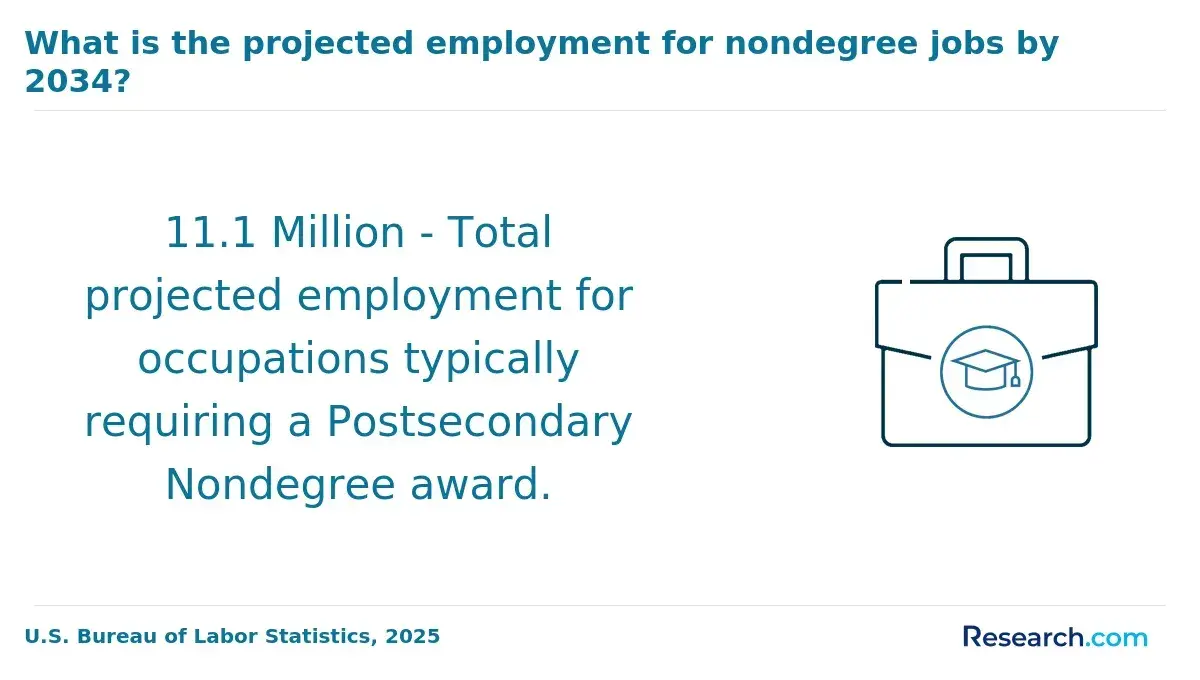
Variations in demand, specialized skill requirements, and geographic factors contribute to differing levels of competition across health informatics careers. Certain positions remain less competitive due to ongoing shortages and wider pathways for entry, making them more accessible to a broader range of candidates.
For instance, some health information technician roles show vacancy rates about 25% higher than other informer positions, reflecting persistent workforce gaps.
Below are examples of health informatics jobs that tend to see less applicant competition:
- Health Information Technicians: They often have well-established training requirements, making them attainable for many candidates. Their steady need in medical coding and records management helps maintain consistent demand despite an influx of applicants.
- Clinical Informatics Specialists in Underserved Areas: They work mainly in rural or regional healthcare settings where local supply falls short of demand. Geographic factors limit competition as fewer professionals relocate to these locations.
- Data Quality Analysts: They focus on ensuring accurate health data across large databases-a highly technical niche with fewer qualified candidates, which decreases competition.
- Health IT Support Staff: Those who assist in implementing and troubleshooting electronic health record systems remain in demand as healthcare providers adopt and upgrade these technologies, resulting in a balanced applicant pool.
These roles benefit from either specialized skills that narrow the candidate pool or locations with workforce shortages, easing applicant pressure. As digital health evolves, these less crowded segments reflect ongoing opportunities in health informatics beyond oversaturated categories.
Salary levels significantly influence job market saturation within health informatics fields. Higher-paying roles tend to attract a larger number of candidates due to their financial rewards and perceived opportunities for career advancement.
For instance, senior health informatics analysts and specialized data scientists often earn between $90,000 and $130,000 annually, making these positions highly competitive.
In contrast, lower-compensated roles like technician or entry-level analyst positions frequently experience fewer applicants and longer vacancy periods despite ongoing demand.
This salary disparity creates uneven competition across health informatics careers, concentrating oversaturation in higher-paying jobs while leaving less lucrative roles understaffed.
Candidates usually gravitate toward the more lucrative paths, intensifying the pool of qualified applicants in those areas. Meanwhile, essential but lower-paid positions struggle to attract enough talent to meet workforce needs, which can impede organizational effectiveness and innovation within the field.
Graduates who develop a strong blend of foundational knowledge and applied technical skills in health informatics improve their chances of entering the workforce swiftly amid high competition.
In fact, about 65% of employers in this sector report faster hiring for candidates showcasing expertise in key areas like data analytics and systems interoperability. These skills are critical in a job market where demand is high but competition remains intense.
Key skills that contribute to faster employment include the following:
- Data Analytics: The ability to analyze large datasets and identify meaningful patterns supports evidence-based decision-making in healthcare. Employers value candidates who can turn complex data into actionable insights that enhance patient care and operational efficiency.
- Health Information Systems: Proficiency with electronic health records (EHR) and health IT platforms accelerates onboarding. Familiarity with optimizing workflows and data exchange within these systems helps graduates integrate quickly into healthcare teams.
- Regulatory Compliance: Knowing HIPAA and other privacy regulations reduces organizational risks and improves data security. This skill reassures employers that graduates can uphold critical legal standards, which increases hiring preferences.
- Communication Skills: The capacity to explain technical concepts clearly to non-technical stakeholders supports collaboration. Strong communicators help multidisciplinary teams function more effectively, making them attractive hires.
- Interoperability Standards: Understanding health data exchange protocols enables seamless information sharing between disparate systems. This competency is increasingly important in integrated care settings and can speed up hiring outcomes.
- Programming Knowledge: Skills in languages like SQL, Python, or R allow candidates to customize solutions and automate processes. Such technical versatility signals immediate value to employers in need of adaptable staff.
Building these top in demand health informatics skills in the US job market helps graduates stand out despite oversaturation challenges. For those seeking flexible educational pathways, options such as attending an online college no application fee may provide an accessible route to acquire these capabilities.
Graduates in health informatics often find opportunities beyond traditional roles due to their versatile skill set. Their expertise in data management, system analysis, and healthcare processes allows them to explore diverse career paths. These alternatives leverage their ability to translate complex information into practical solutions.
Below are some alternative career options where health informatics knowledge can be highly valuable:
- Healthcare Consulting: Professionals advise healthcare organizations on operational improvements, technology adoption, and regulatory compliance. Their dual understanding of clinical workflows and IT systems helps bridge communication between providers and technology vendors.
- Health Data Analytics: This involves mining and interpreting large datasets to guide public health policies, resource management, and patient care optimization. The ability to analyze intricate health information systems is crucial for delivering actionable insights.
- Health Technology Development: Informatics specialists collaborate with software engineers and designers to create digital tools, apps, and medical devices. Their clinical domain knowledge ensures products meet healthcare needs and integrate effectively with existing infrastructures.
- Healthcare Project Management: Graduates oversee implementation projects by coordinating teams, managing timelines, and controlling budgets. They apply their understanding of healthcare environments and informatics to ensure successful project delivery.
- Regulatory Affairs and Policy: This path leverages informatics expertise to analyze the impact of technology on healthcare delivery, support compliance with standards, and assist in shaping digital health policies.
Given concerns about health informatics job opportunities beyond traditional roles, exploring these alternative career paths can be crucial. Additionally, those interested in related healthcare fields might consider options such as dietetics masters programs for further specialization and professional growth.
The value of a health informatics degree in the current job market depends largely on career focus, specialization, and ongoing industry demand.
Employment for medical and health services managers, including many health informatics graduates, is expected to grow by approximately 32% from 2021 to 2031, according to the U.S. Bureau of Labor Statistics.
This strong demand highlights opportunities but also signals increased competition as more students enter the field. Choosing relevant specializations can enhance job prospects for health informatics graduates 2024 and beyond.
Flexibility and skill development remain crucial for maximizing a degree's worth in a rapidly changing workforce. The discipline's interdisciplinary nature fosters expertise in problem-solving, IT, and healthcare operations, aligning well with current industry needs.
However, market saturation in certain regions and sectors requires strategic focus and lifelong learning to stay competitive. Exploring related educational pathways, like ADN to NP programs online, can further broaden career options for health informatics professionals.
What Graduates Say About the Oversaturation, Competition, and Hiring Reality in the Health Informatics Field
- Anthony: "Graduating with a health informatics degree truly opened my eyes to the reality of the job market. While there are many eager applicants, I learned that standing out requires more than just a diploma; it's about continuously building specialized skills and gaining hands-on experience. This realization pushed me to explore niche roles within the field, and now I feel confident in my career trajectory."
- Haruki: "Looking back after completing my health informatics program, I can say the competition is fierce and the field is somewhat oversaturated with new graduates. However, this challenge encouraged me to rethink my approach-either by seeking less crowded specialties or considering alternative careers related to data analysis and healthcare IT. My degree laid a solid foundation, but adaptability turned out to be just as important."
- Janina: "The impact of my health informatics degree on my professional life has been profound, even if the hiring landscape isn't as easy as I initially expected. I quickly realized that new graduates often face a tough market and must be strategic in how they differentiate themselves, whether through certifications or networking. Embracing this competitive reality helped me focus on long-term growth and continuous learning."
Other Things You Should Know About Health Informatics Degrees
Before enrolling in a health informatics program, students should have a background in computer science, biology, or health sciences. Prerequisites often include courses in statistics, medical terminology, and programming, ensuring readiness for the interdisciplinary nature of the field in 2027.
Yes. CAHIIM accreditation is the main program standard employers and certifying bodies recognize in health informatics. Graduates from CAHIIM-accredited programs are usually eligible for HIMSS certifications such as the CPHIMS exam, which requires education plus practice experience for full credentialing.
Employers increasingly demand proficiency in data analytics, electronic health records (EHR) systems, and interoperability standards. Candidates proficient in programming languages like SQL or Python often have an advantage. The evolving technology landscape means continuous skill updating is essential for remaining competitive within the health informatics hiring pool.
- Healthcare Informatics Market Size, Competitors & Forecast https://www.researchandmarkets.com/report/health-informatics
- In a rough labor market, hiring in healthcare is a consistent bright spot https://finance.yahoo.com/news/in-a-rough-labor-market-hiring-in-healthcare-is-a-consistent-bright-spot-163058328.html
- 50+ Free Personality Tests — Big Five, MBTI, DISC, Enneagram | JobCannon https://jobcannon.io/skills-for/health-informatics-specialists
- Learnsic https://learnsic.com/blog/health-informatics-salary-2025-guide
- What is the Employment Outlook for Jobs in Healthcare Informatics? https://www.mba-healthcare-management.com/faq/what-is-the-employment-outlook-for-jobs-in-healthcare-informatics/
- Health Informatics Careers and Jobs https://www.publichealthdegrees.org/careers/health-informatics/
- How is the Job Outlook for Health Informatics? - Healthcare Management Degree Guide https://www.healthcare-management-degree.net/faq/how-is-the-job-outlook-for-health-informatics/
- What are the Job Prospects for Someone with a Health Informatics Degree? https://www.healthinformaticsdegrees.org/faq/what-are-the-job-prospects-for-someone-with-a-health-informatics-degree/
- What Is the Average Health Informatics Specialist Salary? https://www.nec.edu/news/what-is-the-average-health-informatics-specialist-salary
- Top 5 Health Informatics Jobs on the Rise https://online.une.edu/blog/health-informatics-good-career-choice/