
2027 Hardest and Easiest Courses in a TESOL & Multilingual Learners Degree Program

Co-Founder and Chief Data Scientist
Many students pursuing a tesol & multilingual learners degree struggle to balance demanding courses with practical teaching internships. Difficulty in the curriculum often undermines confidence and delays graduation. Recent data shows that 42% of tesol program students cite course workload as their primary challenge. This pressure can affect job placement rates, which currently stand at 68% within six months of graduation.
Understanding which courses pose the greatest challenges and which are more manageable helps students allocate study time effectively. This article examines the hardest and easiest courses in tesol & multilingual learners programs, providing insights to optimize academic success and career preparation.
Key Things to Know About the Hardest and Easiest Courses in a TESOL & Multilingual Learners Degree Program
- Courses on second language acquisition theory are often the hardest due to complex linguistic content and heavy research assignments requiring critical analysis of language development.
- Introductory pedagogy courses tend to be easier, featuring practical lesson planning with lighter reading loads and interactive, discussion-based assessments.
- Students' backgrounds influence difficulty; those with multilingual experiences adapt faster, while fully online formats may challenge those needing more direct instructor interaction.
What Are the Hardest Core Courses in a TESOL & Multilingual Learners Degree Program?
Some core courses in tesol & multilingual learners degree programs are notably difficult due to their technical complexity, heavy workload, and stringent accreditation standards. These demanding courses require students to balance theory, practical application, and extensive assessments. Below are five of the hardest core courses commonly found in these programs.
- Second Language Acquisition: This course involves deep theoretical knowledge about linguistic, cognitive, and social factors that influence language learning. Students must master complex models and apply them meaningfully across various educational settings.
- Applied Linguistics: Covering advanced analysis of language structure and usage, this course challenges students with linguistic data evaluation, requiring strong critical thinking and familiarity with phonetics, syntax, and semantics.
- Assessment and Testing in TESOL: Focused on language test design and evaluation, this course is rich in quantitative methods and psychometric principles, demanding both conceptual understanding and practical skills.
- Curriculum Design for Multilingual Learners: This course requires creating effective lesson plans and curricula tailored to diverse student needs, with an emphasis on practical application and strict alignment with educational standards.
- Practicum or Clinical Teaching Experience: Combining real-world teaching hours with reflective evaluations, this course demands managing live classroom settings while meeting academic and professional expectations.
Recognizing these most challenging multilingual learners classes helps prospective and current students allocate study time strategically and develop strong time management. For those considering a broader range of options, exploring online MSW programs affordable might provide alternative avenues in education-related careers.
What Are the Easiest Required Courses in a TESOL & Multilingual Learners Degree Program?
In TESOL & multilingual learners degree programs, the "easiest" courses are those students commonly perceive as more manageable due to their applied content, assessment style, or alignment with prior experience. This perception does not reduce the academic value but highlights how course design affects student workload and success.
For example, a 2022 survey found that nearly 68% of TESOL students reported higher pass rates and greater satisfaction with courses incorporating practical teaching methods rather than theoretical linguistics. These trends help identify TESOL required courses with low workload that many students appreciate. Some of the most manageable courses include the following:
- Introduction to Language Teaching: Focuses on practical classroom strategies and uses project-based assessments instead of heavy theoretical exams, making it more accessible and engaging.
- Second Language Acquisition Basics: Covers fundamental concepts with straightforward language and fewer technical terms, easing comprehension especially for those new to the field.
- Curriculum Design for TESOL: Emphasizes hands-on lesson planning and creativity, which reduces technical complexity while preparing students for real-world teaching challenges.
- Assessing Multilingual Learners: Often involves portfolio work and reflective journals that align well with experiential learning, supporting students through personalized evaluation methods.
Prospective students balancing rigorous coursework or exploring affordable options for an engineering online degree can benefit from understanding how course difficulty varies in TESOL programs to better plan and optimize their academic pathways.
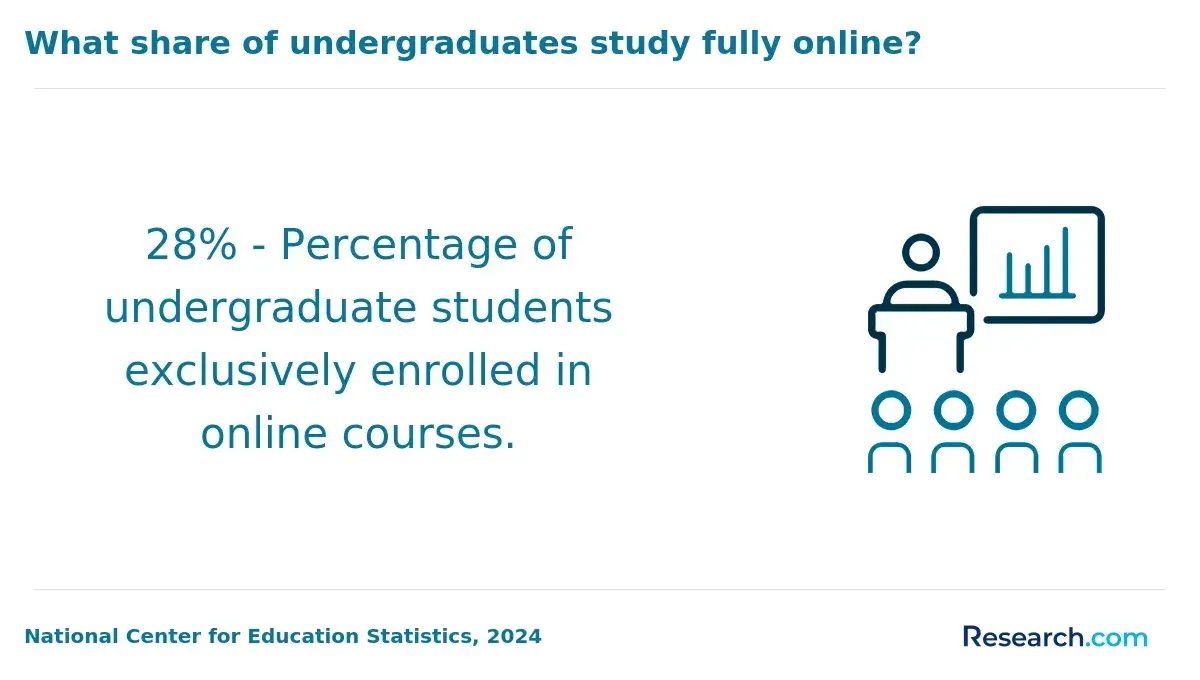
What Are the Hardest Elective Courses in a TESOL & Multilingual Learners Degree?
"Hardest" electives in tesol & multilingual learners degree programs are those commonly viewed as demanding due to advanced subject matter, heavy assignments, or cumulative evaluations requiring strong critical thinking and time management. The following electives are frequently identified as especially challenging.
- Second language acquisition theories: This course involves complex linguistic and psychological frameworks, requiring students to engage in thorough independent research and critically assess diverse language learning models.
- Assessment and evaluation in TESOL: Students encounter rigorous projects focused on designing and interpreting language assessments, often incorporating statistical methods and linking theoretical concepts with practical application.
- Language policy and planning: Integrating sociopolitical perspectives with linguistic theory, this course challenges students to synthesize interdisciplinary knowledge and develop comprehensive policy proposals.
- Advanced grammar for TESOL: Mastery of detailed grammar structures and the skill to clearly explain them to learners with varied backgrounds make this course demanding, with extensive readings and complex assignments.
- Curriculum design for multilingual classrooms: Students must create flexible lesson plans that accommodate different language proficiency levels and cultural contexts, which requires both creativity and in-depth pedagogical understanding.
Each of these electives combines technical depth with research intensity and practical skill application, contributing to their reputation as some of the toughest courses in tesol & multilingual learners programs.
In the context of TESOL & multilingual learners degree programs, "easiest" electives typically refer to those perceived as having lighter workloads, more applicable content, or assessments that allow flexibility. These courses often emphasize practical skills or familiar topics, making them less demanding for many students.
Below are some electives frequently regarded as more approachable by students:
- Introduction to Language Acquisition: This course offers foundational ideas about language learning, with assignments typically centered on simple readings and reflective writing instead of intensive exams.
- Teaching Listening and Speaking Skills: Emphasizing hands-on classroom methods, this class involves collaborative projects and lesson design, reducing reliance on dense theoretical material.
- Cultural Competency in Education: Focused on developing cultural awareness, it uses discussions and case study analyses, often graded through active participation and applied tasks.
- Technology in Language Teaching: With an emphasis on digital tools, students engage in practical projects and tutorials, which appeals to those comfortable with basic technology rather than written exams.
- Assessment and Evaluation Basics: Covering the essentials of testing in language learning, this course usually avoids complex statistics, instead highlighting straightforward applications.
A graduate of a TESOL & multilingual learners degree shared that some electives, while easier in workload, still required consistent engagement. He recalled feeling relieved with courses where assignments related directly to classroom experiences or real-world application.
However, navigating group projects could sometimes be challenging due to coordinating schedules and expectations. He emphasized that, despite lighter grading methods, active involvement and time management remained key to succeeding comfortably in these electives.
Some tesol & multilingual learners classes require higher technical proficiency because they integrate data analysis, applied linguistics methods, and educational technology tools integral to today's language education. Approximately 40% of students in these programs report needing to use advanced software for language assessment and research, reflecting the technical skill demands common across multiple courses.
Several key classes demonstrate these heightened technical requirements, including the following:
- Applied Linguistics and Language Research Methods: This course requires students to design studies, collect language acquisition data, and analyze it using statistical software, which demands quantitative skills and research proficiency.
- Language Assessment and Testing: Learners engage with specialized digital platforms to develop, administer, and evaluate language proficiency tests, necessitating familiarity with technological tools for test administration and data handling.
- Instructional Technology for Language Teaching: This class focuses on the integration of multimedia, language learning apps, and online teaching platforms to create interactive lessons, so students must develop competence in educational technologies and troubleshooting software.
These tesol courses with advanced technical requirements blend theory with practical applications, posing challenges for students less experienced in digital environments. Prospective learners interested in navigating these technical demands may also explore related graduate options such as an online masters degree psychology, which often incorporates research technology training.
Addressing multilingual learner programs technical skill demands early can improve academic success and readiness for technology-intensive language education contexts.
Writing-intensive courses in TESOL & multilingual learners degree programs often influence students' perceptions of course difficulty due to the combined challenge of mastering both content and academic writing skills. A 2022 survey found that about 68% of TESOL students reported writing assignments require significantly more time and effort than exams or presentations.
Several factors contribute to why writing-intensive TESOL & multilingual learners courses may be considered harder or easier. These include:
- Time Management: Balancing extensive research, drafting, and revising papers demands diligent scheduling. Poor time management can result in increased stress and workload, especially in hardest writing intensive TESOL courses.
- Research Requirements: Writing tasks often require integrating technical TESOL concepts with academic sources, which can be challenging for students unfamiliar with specialized terminology or research methods.
- Assessment Style: These courses emphasize critical thinking and clear communication of complex ideas rather than rote memorization, requiring students to develop analytical skills and practical application of theory.
- Prior Experience: Students with solid writing backgrounds or hands-on experience, such as preparing lesson plans or academic reports, may find easiest TESOL multilingual learners writing classes more manageable due to clearer expectations and structured tasks.
- Workload Perception: The dual focus on content mastery and academic writing can amplify perceived workload, influencing how students plan and prioritize their studies within TESOL degree programs.
Prospective students interested in exploring educational paths with tangible outcomes might also consider the highest paying bachelor degrees for additional context on career opportunities after completing challenging programs like TESOL.
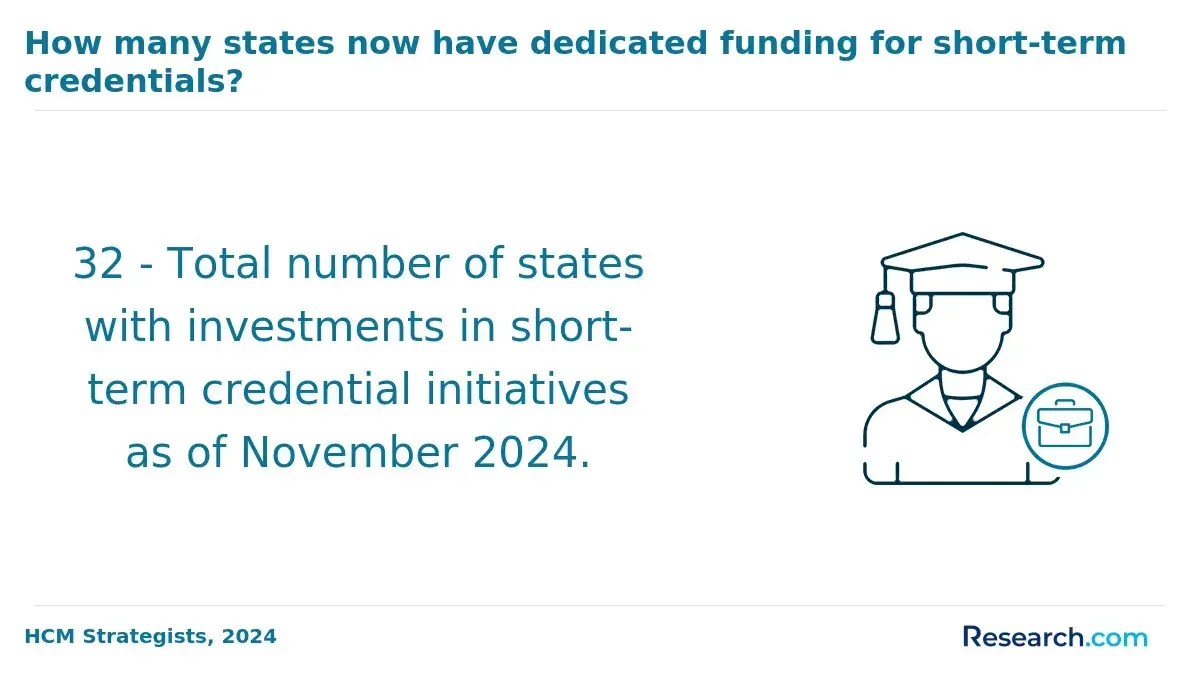
Course format plays a significant role in how students perceive the difficulty of tesol & multilingual learners programs. Studies indicate that online courses typically have completion rates between 40% and 60%, suggesting that many students encounter unique challenges compared to traditional classroom settings. Several factors influence these varying experiences.
- Self-discipline demands: Online learners must independently organize study time, which can be tough without the structure of scheduled classes and in-person accountability.
- Instructor interaction: Immediate feedback and lively class discussions are more accessible in face-to-face settings, whereas online formats may limit spontaneous guidance, making it harder to clarify doubts quickly.
- Resource availability: Digital materials are common in both formats, but on-campus students benefit from easy access to physical libraries, tutoring centers, and study groups that enhance understanding.
- Scheduling flexibility: Online courses allow learners to progress at their own pace, potentially reducing stress but also opening opportunities to delay work and fall behind.
- Assessment style: Online assignments and exams often emphasize solo work, which can increase pressure without peer collaboration that is more naturally present in classrooms.
When I asked a graduate of an online tesol & multilingual learners degree about her experience, she shared that managing deadlines without a fixed routine required significant adjustment. "I struggled initially with procrastination," she recalled, "but developed new habits to keep myself accountable." She found the lack of immediate instructor feedback challenging, especially during complex topics, yet appreciated the ability to revisit recorded lectures.
Balancing work, family, and study was demanding, but the flexible pacing allowed her to fit coursework around other responsibilities. Her reflection highlighted that perseverance and creating a personalized study plan were key to her success, illustrating that while online study may feel harder in some respects, it also offers unique advantages for motivated students.
Planning study time effectively is essential for success in TESOL & multilingual learners programs, where students commonly devote around 3 to 4 hours per credit hour each week. For example, a typical 3-credit course can demand between 9 and 12 hours of focused effort, balancing lectures, assignments, and exam preparation. Various elements influence how much time students need to allocate weekly.
Several key factors shape the weekly hours spent on TESOL & multilingual learners coursework:
- Course Level: Higher-level classes tend to require additional hours due to more complex materials and critical thinking tasks, increasing study demands.
- Technical Intensity: Courses involving detailed linguistic theories or the use of language teaching technologies often require considerable extra reading and practice.
- Writing Requirements: Assignments like research essays and lesson planning typically add significant time commitments beyond regular study.
- Learning Format: Online and hybrid courses often demand stronger self-discipline and effective time management, which can increase total study time compared to in-person classes.
- Student Background: Learners with prior experience in linguistics or language instruction might need less time to master content, while beginners generally invest more hours to build foundational knowledge.
Course difficulty and GPA are closely linked concerns for students in tesol & multilingual learners programs, as more demanding coursework often results in average GPAs 0.3 to 0.5 points lower than those in foundational classes. This trend highlights the significant impact of difficult TESOL courses on GPA and academic standing for many students.
Several key factors explain how harder tesol & multilingual learners courses influence GPA outcomes:
- Grading Rigor: Advanced courses use more stringent grading rubrics to evaluate complex skills such as discourse analysis and language pedagogy, which typically leads to lower grades compared to introductory classes.
- Assessment Structure: Frequent high-stakes assessments like research projects, oral presentations, and cumulative exams increase performance pressure, often affecting student scores negatively.
- Course Sequencing: Prerequisite knowledge is crucial, and students lacking strong foundations in basic language acquisition theories may find advanced content challenging, resulting in lower grades.
- Student Preparation: Success in difficult TESOL classes depends heavily on time management and prior exposure to second-language theories, influencing overall academic performance.
- GPA Weighting Policies: Some programs apply differential weighting to advanced coursework, which can magnify the impact of grades earned in these classes on a student's overall GPA.
Understanding these dynamics can help students better navigate the challenges in tesol & multilingual learners degrees, especially those exploring online college programs as flexible options for managing workload and academic pressures.
Many students believe that more challenging tesol & multilingual learners courses improve their chances of landing desirable jobs, as these courses are seen to demonstrate advanced expertise and commitment. A 2023 survey reported that 62% of hiring managers in language education favor candidates who have mastered complex, research-driven tesol topics. This trend reflects the view that rigorous study better equips graduates for practical teaching roles.
Several reasons help explain how tougher tesol & multilingual learners courses can positively impact employment prospects:
- Skill development: Advanced courses often cover detailed aspects of grammar, phonetics, and second language acquisition, enhancing a graduate's practical teaching abilities and classroom strategies.
- Employer perception: Completing demanding coursework signals resilience and problem-solving skills, traits that employers look for when selecting new educators.
- Internships and projects: More challenging classes usually include hands-on teaching experiences or research projects, which increase readiness for actual educational environments.
- Specialization signaling: Difficult courses allow students to concentrate on specific areas like multilingual assessment or curriculum design, making them more competitive for specialized roles.
- Career advancement: Rigorous academic preparation provides a solid platform for pursuing additional certifications and leadership positions in the education sector.
What Graduates Say About the Hardest and Easiest Courses in a TESOL & Multilingual Learners Degree Program
- Micah: "The online tesol & multilingual learners program was a perfect blend of challenging and simpler courses, which kept me engaged while balancing work and study. The cost was moderate, especially considering how much the degree boosted my credentials in a competitive job market. This program has truly elevated my professional path, enabling me to work confidently with diverse language learners. "
- Aldo: "Reflecting on my time in the tesol & multilingual learners program, I found the easier courses helped me build foundational knowledge without overwhelming stress, allowing me to focus more energy on the demanding subjects. The affordability of these courses made pursuing further education feasible without burdening my finances. The credential has been instrumental in advancing my teaching career internationally, which I deeply appreciate. "
- Apollo: "Balancing the challenging and more straightforward courses in my tesol & multilingual learners degree was a rewarding experience that taught me time management and prioritization. While some courses demanded extra effort, the overall cost was reasonable compared to the career benefits I gained. Since graduating, I've noticed a significant improvement in my professional opportunities and confidence in the classroom. "
Other Things You Should Know About TESOL & Multilingual Learners Degrees
In 2027, course difficulty in a TESOL & Multilingual Learners degree can be influenced by various factors including the complexity of linguistic theories covered, technological requirements for multimedia integration, the extent of research projects required, and the level of proficiency needed in multiple languages for effective classroom application.
Yes, certain TESOL & multilingual learners courses require foundational knowledge in linguistics or language acquisition, which can make them harder for students without a strong background in those areas. Prerequisites such as introductory linguistics or educational psychology prepare students for advanced courses, so lacking these may increase workload and difficulty. Taking prerequisite courses seriously helps ease the transition into more complex topics.
Yes. Most TESOL and multilingual learners programs require a criminal background check and fingerprinting before student teaching or practicum placements in K–12 schools. Many districts also require proof of immunizations and a negative TB test before the placement begins.
- Top Five Hardest Languages To Learn | ITTT https://www.tesolonline.com/tefl-tesol-info/top-five-hardest-languages-to-learn/
- Is getting a TESOL hard? | TESOL FAQs https://www.tesolcourse.com/tesol-faqs/tefl-tesol/is-getting-a-tesol-hard/
- TESOL https://www.msmc.edu/programs/tesol/
- Everything You Need to Know About TESOL Programs https://gsep.pepperdine.edu/blog/posts/everything-you-need-to-know-about-tesol-programs.htm
- TESOL Certificate: Is it really beneficial? https://ili.edu/news/is-it-really-beneficial-getting-a-tesol-certificate/
- 7 Essential Types of TESOL Certifications Explained https://www.ebcteflcourse.com/types-of-tesol-certifications/
- Avoiding & reducing stress on the Trinity Cert TESOL Course https://hongkongtesol.com/blog/avoiding-reducing-stress-trinity-cert-tesol-course
- The Impact of Online Learning on the Female MA TESOL Students’ Academic Performance during the COVID-19 Pandemic https://www.scirp.org/journal/paperinformation
- 8 Reasons a Business English Specialization Boosts Your Career https://bridge.edu/tefl/blog/reasons-specializing-in-business-english-can-boost-your-elt-career/
- Choosing a Master's Program | TESOL | International Association https://www.tesol.org/careers/career-tools/advancing-your-career/choosing-a-masters-program/


