
2027 Admission Requirements for TESOL & Multilingual Learners Degree Programs

Co-Founder and Chief Data Scientist
Admission to tesol & multilingual learners degree programs is becoming increasingly competitive as the demand for qualified language educators grows nationwide. Recent data shows that acceptance rates for education-related graduate programs have declined by nearly 10% over the past five years, underscoring the need for prospective students to thoroughly understand the evolving admission landscape. Navigating these challenges requires clear insight into the essential admission requirements, which vary by institution and program focus. This article offers a comprehensive guide to the key standards applicants must meet to strengthen their candidacy and successfully gain entry into tesol & multilingual learners degree programs.
Key Benefits of TESOL & Multilingual Learners Degree Programs
- Understanding admission requirements enables applicants to tailor their academic and extracurricular profiles to meet competitive standards, improving their chances in a field where enrollment has grown by over 20% in the past five years.
- Familiarity with prerequisites such as language proficiency tests and relevant teaching experience aligns candidates with evolving accreditation criteria, which increasingly emphasize practical skill sets in TESOL & multilingual learners education.
- Knowing specific admissions criteria helps prospective students efficiently allocate resources and time during application cycles, reducing the average application review time that U.S. admissions offices now report due to higher volumes in educator preparation programs.
What GPA Do You Need to Get Into a TESOL & Multilingual Learners Program?
GPA remains one of the most important factors in college admissions because it provides an objective measure of an applicant's academic performance and consistency over time. However, the specific GPA needed for multilingual learner degree admission can vary depending on the institution, program level, and the competitiveness of tesol & multilingual learners programs. Below is a summary outlining typical GPA expectations and factors influencing admissions decisions for these fields.
Key insights into GPA requirements for tesol & multilingual learners programs include:
- Minimum GPA Requirements: Most graduate programs in this area require a minimum GPA of 3.0 on a 4.0 scale to ensure applicants have a strong academic foundation. Undergraduate minors or certificate programs might accept lower GPAs, sometimes around a 2.0 cumulative GPA, making them more accessible for early-stage learners.
- Competitive GPA Range: For highly selective or nationally ranked programs, applicants often need GPAs in the 3.3 to 3.7 range to be competitive, especially if they are seeking scholarships or assistantships. Even programs without strict minimums tend to favor candidates whose GPAs exceed 3.0, reflecting a higher academic standard.
- Holistic Review and Exceptions: Some graduate programs consider candidates with GPAs below 3.0 if they demonstrate significant professional experience, strong recommendations, or evidence of academic improvement. Applicants in this category should use their personal statement strategically to explain any academic challenges and emphasize their readiness for graduate studies.
- Online vs. On-Campus Programs: GPA requirements are generally consistent regardless of whether the program is online or on-campus, maintaining the same academic standards. However, some online or certificate programs may offer increased flexibility to accommodate working professionals pursuing fast track degrees online.
- Strengthening GPA Aspects: To bolster their applications, candidates should excel in key coursework such as linguistics or education classes, obtain relevant certifications, and submit strong recommendations and statements that highlight their commitment to multilingual education. These strengths can enhance an application beyond the minimum GPA requirement for tesol programs.
What Prior Education Is Required for a TESOL & Multilingual Learners Program?
Prior education plays a crucial role in determining eligibility for tesol & multilingual learners degree programs, with specific requirements varying considerably depending on whether the program is undergraduate, graduate, or professional. Understanding these differences helps prospective students prepare and meet the educational standards expected by admissions committees.
Below is a summary of common educational prerequisites for admission into tesol & multilingual learners programs:
- Undergraduate Prerequisites: Most undergraduate tesol certificate programs require applicants to have attained at least junior standing, which generally means completion of two years of college coursework, along with a minimum GPA often around 2.5 or higher. Some institutions may also admit post-baccalaureate or non-degree students who satisfy university admission standards, and a few programs welcome nontraditional students with a strong interest in tesol.
- Graduate-Level Expectations: A bachelor's degree from an accredited institution is almost universally required for master's or graduate certificate programs in tesol. Competitive programs typically expect a minimum undergraduate GPA of 3.0 on a 4.0 scale. While degrees in education, English, linguistics, or related fields are often preferred, applicants with backgrounds in other disciplines may be considered if they demonstrate relevant coursework or experience, highlighting the importance of understanding bachelor's degree requirements for tesol programs.
- Language Proficiency for Non-Native Speakers: Applicants whose first language is not English must usually provide proof of English proficiency through standardized exams like TOEFL or IELTS. For graduate-level study, many programs mandate a TOEFL iBT score of 100 or above or an IELTS band score of at least 7.0 to ensure the necessary language skills for success.
- Bridge or Foundational Coursework Options: Some institutions offer conditional admission or bridge courses for applicants who do not meet all prerequisites. These typically include foundational linguistics or language teaching classes and supplemental English proficiency courses, which do not count toward the degree but must be completed before full admission is granted.
- Additional Subject Requirements: Certain programs may require or strongly recommend prior study in a foreign language or evidence of proficiency in another modern language, reflecting the multilingual emphasis in the field of multilingual learners degree programs. Such requirements enhance applicants' readiness for teaching diverse populations.
For students seeking flexible and accessible pathways to these programs, exploring options like easy associate degrees online can be a practical step toward fulfilling foundational academic prerequisites.
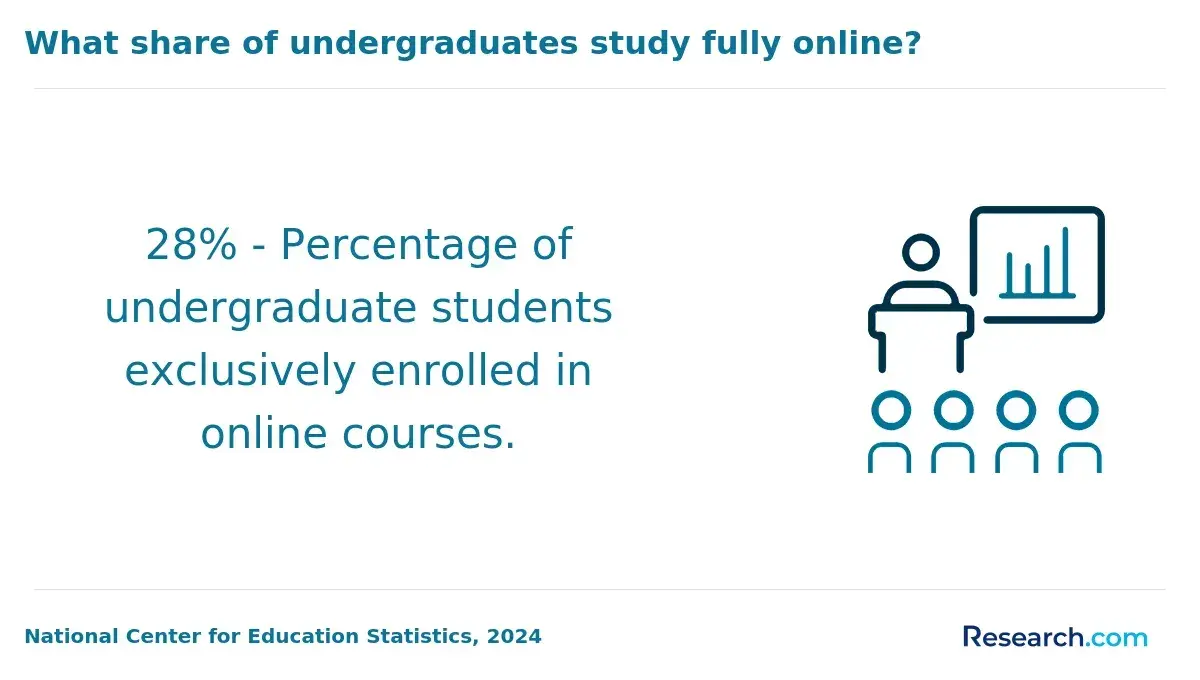
Do TESOL & Multilingual Learners Programs Require GRE, GMAT, or Other Standardized Tests?
Standardized tests such as the GRE and GMAT have traditionally played a key role in graduate admissions, serving as objective measures of academic readiness. However, growing concerns about access, equity, and the evolving goals of graduate education are prompting many institutions to reconsider their reliance on these exams. This shift is especially notable in TESOL & multilingual learners programs, which often emphasize practical skills and diverse applicant backgrounds.
Below are current testing expectations for TESOL & multilingual learners programs in the U.S.:
- GRE/GMAT requirements are declining: Many TESOL & multilingual learners graduate programs no longer require GRE or GMAT scores for admission. Some schools, like Louisiana State University and Rhode Island College, explicitly state that they do not require these tests, reflecting a broader effort to remove barriers for working professionals and diverse students.
- Selective programs still require GRE: Despite the trend of waiving standardized tests, certain traditional on-campus TESOL programs-especially those connected with state certification such as those at the University at Albany-continue to require GRE scores. Nonetheless, ongoing program reviews could change this policy in the future.
- Waivers and conditional policies: Institutions like Florida State University offer GRE waivers to qualified applicants who meet criteria like high undergraduate GPAs or relevant professional experience. This approach allows programs to balance rigor with accessibility and flexibility.
- Alternative assessments for international applicants: Even as GRE and GMAT requirements decline for domestic students, international applicants often must demonstrate English proficiency through tests like TOEFL or IELTS. Some programs take a holistic view when evaluating borderline scores to fairly assess an applicant's overall potential.
Talking with a graduate of a TESOL & multilingual learners degree program, he reflected on his experience navigating these changing requirements. "At first, I was anxious about the GRE because I had heard many stories about how it could be a barrier," he explained. "But when I applied, my program didn't require it, which was a huge relief and allowed me to focus on strengthening other parts of my application, like my teaching experience and statement of purpose."
He recounted the challenges some of his peers faced who still had to submit GRE scores, describing the pressure and additional preparation involved. "It really felt like a test that didn't always represent what we could bring to the field of multilingual education." This graduate appreciated the flexibility and accessibility policies, noting that they encourage more diverse applicants to pursue careers in TESOL without being sidelined by traditional standardized testing hurdles.
College and graduate admissions for TESOL & multilingual learners degree programs typically require submitting multiple documents that demonstrate an applicant's academic readiness, relevant experience, and fit for the field. These requirements can vary widely depending on the institution, the level of the program, and whether the course is delivered online or on campus.
Below is a summary of the most common application materials you may need to prepare.
- Official Transcripts: Most programs ask for transcripts from all post-secondary institutions attended to verify academic preparation. Schools often require a minimum GPA, typically around 3.0, though some may allow lower GPAs or offer provisional admission. Online applicants usually have the option to submit transcripts electronically.
- Letters of Recommendation: Usually two or three letters are required, preferably from professors or supervisors who can speak to your academic abilities, teaching potential, or professional experience. Academic references are commonly preferred, but professional recommendations may be accepted, especially if you have relevant work experience.
- Personal Statement or Statement of Purpose: This essay is your chance to explain your motivations for entering TESOL & multilingual learners studies, your career goals, and your commitment to working with diverse populations. Admissions committees look for clear, focused writing that shows understanding of the field.
- Résumé or Curriculum Vitae (CV): A current résumé or CV should highlight your teaching experience, language skills, relevant coursework, and professional achievements. It is particularly important for applicants seeking advanced standing or admission to programs with practicum requirements.
- English Language Proficiency Scores: Non-native English speakers must submit test scores from exams like TOEFL, IELTS, Duolingo, or PTE Academic. Accepted score thresholds vary but often include a minimum of 80 on internet-based TOEFL or 6.5 on IELTS.
- Writing Sample or Supplemental Materials: Some programs request a writing sample to assess academic writing and language proficiency. Advanced programs or specific concentrations may also require a speaking sample or departmental interview.
International students aspiring to enroll in tesol & multilingual learners degree programs in the United States encounter a range of additional admission requirements beyond their academic qualifications. These requirements-such as demonstrating English language proficiency and verifying foreign credentials-ensure that applicants are prepared for U.S.-based academic environments and meet institutional and federal regulations. Successfully navigating these standards is vital for both academic success and legal enrollment.
Below is a summary of the key admission requirements international applicants should prepare for:
- English Proficiency Proof: Most programs require non-native English speakers to submit standardized test results like TOEFL, IELTS, or the Duolingo English Test. On-campus programs often demand higher scores or additional speaking assessments, especially for those aiming for teaching assistantships, while online programs may accept slightly lower scores. Applicants should verify specific score minimums and ensure they can fully engage in graduate-level English coursework.
- Credential Evaluation: International students must provide official transcripts along with a third-party evaluation of foreign degrees to confirm equivalency with U.S. bachelor's degrees. Services such as WES or ECE are commonly recommended, and early preparation is crucial due to the time involved in processing evaluations.
- Financial Documentation: Proof of sufficient funds to cover tuition, fees, and living expenses is required to obtain student visas. Accepted documents include bank statements, affidavits of support, or sponsorship letters. This financial evidence aligns with U.S. legal requirements to ensure students can support themselves during their studies.
- Visa-Related Forms: After admission and financial verification, students must obtain essential visa documents like the I-20 for F-1 visas or DS-2019 for J-1 exchange visitor visas. Understanding visa timelines and preparing these forms early helps avoid delays in scheduling interviews and entering the U.S.
- Statement of Purpose and Recommendations: Applicants submit a statement of purpose and letters of recommendation, highlighting cross-cultural experiences and readiness for study in U.S. academic settings, which complement standard application components.
When I spoke with an international student currently enrolled in a tesol & multilingual learners degree program, she reflected on her application journey with a mix of challenge and achievement. She emphasized how gathering rigorous proof of English proficiency and securing a credential evaluation required careful planning but ultimately deepened her appreciation for the academic standards in the U.S. "The process pushed me to not only meet the formal criteria but also helped me gain confidence in my language skills before even starting classes," she noted. She also shared how assembling financial documents and navigating visa paperwork taught her organizational skills vital to succeeding abroad. Looking back, she described the admission experience as a transformative step: "It laid the foundation for my career as an ESL educator by preparing me for both the classroom and the administrative realities of international study."
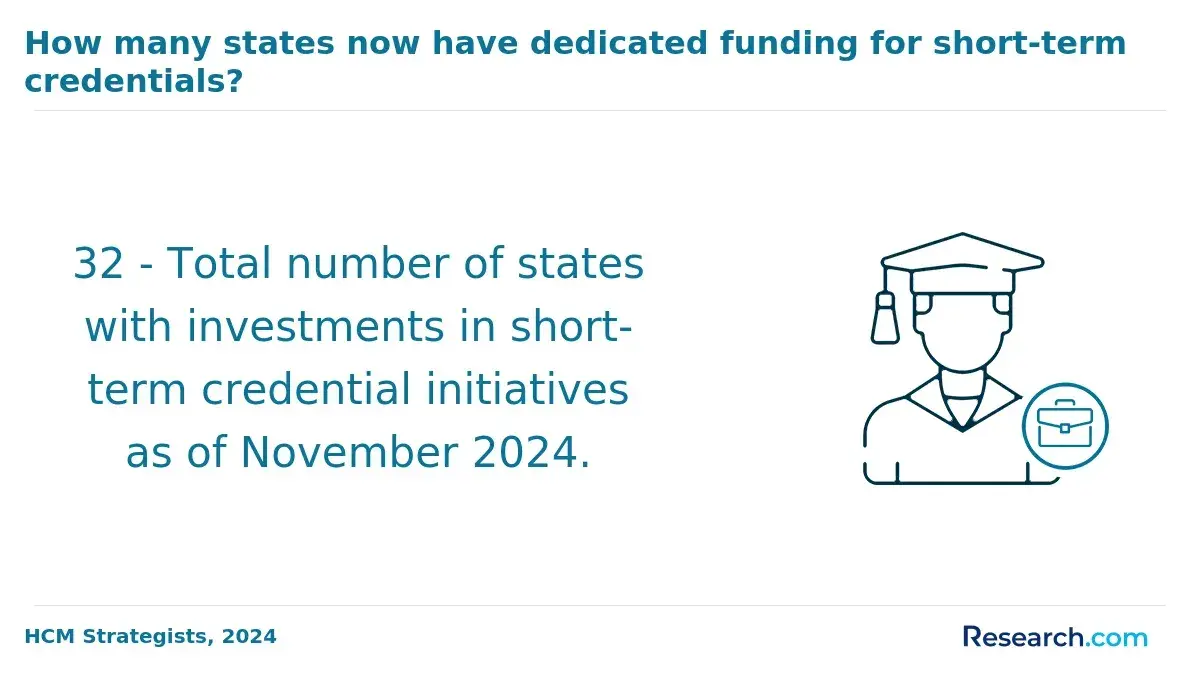
Professional experience can play a significant role in admission decisions for tesol & multilingual learners programs, especially at the graduate level. Many schools value applicants who bring relevant backgrounds and practical skills in teaching or language support. While some programs list work experience as recommended, others treat it as a core admission criterion that reflects readiness for the field.
Below are key ways professional experience influences admission decisions for both online and on-campus tesol & multilingual learners programs:
- Minimum experience requirements: Some graduate programs explicitly require prior teaching or educational experience as a condition for admission, particularly master's or advanced certificate programs where classroom work or language instruction is essential.
- Experience as a competitive edge: Even when not formally required, relevant work experience in teaching, tutoring, or language support can distinguish applicants. Practical skills, cultural competency, and classroom understanding gained through experience are highly valued.
- Integration in application materials: Programs often expect candidates to highlight relevant professional experience in personal statements, resumes, and letters of recommendation. Demonstrating how work with multilingual learners has shaped one's interest can strengthen an application.
- Varied expectations by program type: Online programs may offer more flexibility, sometimes waiving experience requirements for applicants with strong academic credentials, while on-campus or competitive programs generally prioritize candidates with direct experience.
- Pathways for career changers: Applicants without formal teaching backgrounds might gain conditional admission or access to preparatory coursework and practicum options designed to build relevant skills during the program.
Many universities tailor their admission standards based on a program's concentration or specialization area within TESOL & multilingual learners degrees. While core requirements such as GPA and language proficiency remain consistent, research-heavy or technical concentrations often require additional coursework, professional experience, or other prerequisites to ensure student readiness.
Admission expectations can vary significantly depending on the focus of the program. Below are key ways requirements can differ by concentration within TESOL and multilingual learners degree concentration requirements:
- Certification or Licensure Tracks: These concentrations, designed for students seeking state teaching certification, often require applicants to have completed foundational coursework in areas like special education and literacy. Some may also require GRE scores, especially for certification tracks, while non-certification pathways often waive this.
- Research or Academic Tracks: Programs focusing on academic preparation or research emphasize prior scholarly work, including writing samples and statements of purpose. Language fluency demonstrated through written and spoken samples is often required, particularly in specific language concentrations.
- Dual or Interdisciplinary Concentrations: Applicants pursuing multiple specializations may need to submit oral and written proficiency samples for each area and complete a greater number of credit hours, reflecting the broader scope of study and assessments.
- Online vs. On-Campus Programs: Online TESOL programs tend to emphasize self-directed learning skills and familiarity with virtual platforms. Some online tracks might be more flexible with professional experience requirements to accommodate working professionals without prior certification.
- Professional Experience Requirements: Leadership or management concentrations often expect applicants to have teaching or administrative experience and may require professional letters of recommendation or a detailed resume showcasing relevant work background.
Prospective students exploring these programs should consider how specific admission standards for their chosen concentration could affect their preparation and application. For those interested in flexible learning options, some institutions offer pathways that complement a fastest online associates degree, which can serve as a stepping stone to graduate studies.
Most universities seek to maintain academic consistency by aligning admission standards for both online and on-campus TESOL & multilingual learners programs. This ensures that students across learning formats meet comparable academic benchmarks. However, some variations occur due to differences in student demographics, program delivery, or requirements for experiential learning components.
Below is a summary of the main similarities and differences in admission requirements between these two formats to clarify the online vs on-campus TESOL admission requirements:
- Core Academic Standards: Both online and on-campus programs generally require applicants to hold a bachelor's degree from an accredited institution with a minimum cumulative GPA, typically around 3.0. This standard ensures a consistent baseline of academic readiness among all candidates.
- Application Components: Most programs in either format ask for official transcripts, a statement of purpose, letters of recommendation, a resume or CV, and proof of English proficiency for non-native speakers. These elements are essential to evaluate academic background and motivation equally across modalities.
- Professional Experience Expectations: While both on-campus and online programs may value prior teaching or related experience, online programs often emphasize work history more strongly, catering to working professionals. Doctoral-level programs especially review résumés closely, sometimes requiring a minimum number of years in the field.
- Standardized Test Requirements: Requirements for exams such as the GRE are becoming less common, especially in online programs, which may waive them to increase access for adult learners or international students. On-campus programs tend to maintain these requirements more frequently, depending on institutional policy and selectivity.
- Experiential or Practicum Components: Both formats often require practicum or fieldwork; however, online programs usually offer flexible arrangements such as local placements or virtual options. Conversely, on-campus programs may expect in-person participation for practicum activities, particularly those involving classroom teaching.
For prospective students looking for flexible options, it is helpful to explore the top accredited colleges online with no application fee by visiting top accredited colleges online with no application fee. Understanding these differences in TESOL program requirements by modality can assist applicants in making informed decisions about their educational paths.
Most financial aid applications, including the FAFSA, can be completed before you are officially accepted into a tesol & multilingual learners program. Applying early in the financial aid application process for tesol degree programs is beneficial because federal, state, and institutional deadlines often occur well before final admission decisions are announced. Submitting the FAFSA promptly helps applicants gain clarity about potential funding options, estimate out-of-pocket expenses, and prepare for upcoming tuition payment deadlines. Early submission increases the likelihood of receiving the maximum available aid, especially for programs like work-study or campus-based grants that have limited funds allocated on a first-come, first-served basis. This proactive approach allows students planning to pursue a cheap online bachelor's degree to better align their finances with their academic goals.
That said, some types of financial aid, such as scholarships or grants that are directly tied to program admission, require formal acceptance before eligibility can be confirmed. Final award offers and disbursement of funds depend on enrollment verification and acceptance status, which can delay actual receipt of aid. It is practical to list multiple schools on your FAFSA to keep your financial aid options open while waiting for admissions decisions. Applicants should also synchronize their financial aid application timeline closely with each school's deadlines to avoid missing priority funding windows, as missed deadlines may reduce eligibility for important federal programs like Pell Grants and low-interest loans. Navigating the financial aid application process for tesol degree programs carefully ensures timely access to resources that support your educational journey.
Timing is one of the most important factors in the tesol & multilingual learners application process because many programs enforce strict deadlines. Starting early not only improves your chances of acceptance but also increases eligibility for financial aid and scholarships, which are often awarded on a first-come, first-served basis. In fact, nearly 40% of graduate programs now offer priority deadlines for scholarships and aid, highlighting the importance of early preparation.
When planning to apply to both online and on-campus tesol & multilingual learners programs, understanding the ideal timeline is essential. Most institutions open applications as early as August for admission in the following academic year. Priority deadlines usually fall between December and March for fall admission, and from October to December for spring admission. To stay on track, students should begin researching programs at least six to nine months before the earliest deadline. This allows sufficient time to evaluate admission requirements and program fit.
Preparing key materials is another critical milestone. Applicants should gather transcripts demonstrating a minimum GPA-typically between 2.75 and 3.0-request recommendation letters, and craft personal statements well in advance, as these components can take time to complete and refine. It is also important to submit financial aid and scholarship applications by priority deadlines, since many schools link scholarship consideration directly to application submission dates.
Starting the application process early provides students with greater flexibility to address any unforeseen challenges and reduces stress, allowing for more thorough and competitive applications to tesol & multilingual learners programs.
Here's What Graduates of TESOL & Multilingual Learners Programs Have to Say About Their Degree
- Wendy: "Completing my TESOL & multilingual learners degree was a turning point that opened doors I had only dreamed of. The program's focus on practical teaching strategies and cultural sensitivity prepared me to work confidently with diverse classrooms. It's incredibly fulfilling to see my students thrive while I continue growing professionally. This degree truly combines passion with purpose, allowing me to make a meaningful impact every day. "
- Carla: "The TESOL & multilingual learners program gave me the specialized skills necessary to advance quickly in my educational career. Since graduating, I have been promoted twice and now lead workshops for fellow educators on language acquisition and inclusion. Reflecting on my journey, this degree not only enhanced my teaching but strengthened my connection to the communities I serve. It's empowering to be part of a field that fosters both personal and professional growth simultaneously. "
- Adrian: "What sets a TESOL & multilingual learners degree apart is the unique opportunity it provides to shape the future of young learners worldwide. Through my studies, I gained a deep understanding of multilingual education and the challenges faced by immigrant families. This awareness has fueled my dedication to create safe, supportive environments where every student feels valued. Being able to advocate for linguistic diversity in schools has been one of the most rewarding aspects of my career. "
Other Things You Should Know About TESOL & Multilingual Learners Degree Programs
Applicants typically need a bachelor’s degree from an accredited institution for 2027 TESOL & Multilingual Learners degree programs. Specific coursework in education, linguistics, or related fields may be preferred. Some programs might also require a minimum GPA.
Many programs require proof of English proficiency for applicants whose prior degree was not taught in English, usually through TOEFL iBT, IELTS Academic, or Duolingo English Test scores. Common minimums are TOEFL iBT 80–100, IELTS 6.5–7.0, or an equivalent score set by the admissions office.
A background in education is beneficial but not mandatory for TESOL & Multilingual Learners degree programs in 2027. Many programs welcome applicants from various academic fields, provided they demonstrate strong communication skills and an interest in language teaching.
- Teaching English to Speakers of Other Languages (TESOL), MST https://catalog.pace.edu/graduate/schools/school-education/graduate-degree-programs/master-science-teachers-mst/teaching-english-speakers-languages-tesol-mst/
- Teaching English to Speakers of Other Languages (TESOL), M.S.Ed. https://catalog.usm.maine.edu/preview_program.php
- Where can I get financial aid for a TESOL course? | ✔️ ✔️ ✔️ ITTT TESOL & TESOL https://www.tesolcourse.com/ai/where-can-i-get-financial-aid-for-a-tesol-course/
- EdM in TESOL Multilingual Learner Education https://www.bu.edu/wheelock/degree-program/teaching-english-to-speakers-of-other-languages-tesol/edm-in-tesol-multilingual-learner-education/
- University of Warsaw https://study.gov.pl/university-warsaw-22
- Academic Catalog https://catalog.bridgew.edu/preview_program.php
- Requirements for TESOL Master's Degree https://und.edu/programs/teaching-english-speakers-of-other-languages-med/requirements.html
- Bilingual Multicultural Education/TESOL, M.S. (Hybrid) https://www.southernct.edu/academics/programs/bilingual-multicultural-education-tesol-ms
- Teaching English as a Second Language/Teaching English as a Foreign Language https://www.grad-college.iastate.edu/programs/teaching_english
- Student Funding https://www.uta.edu/academics/schools-colleges/liberal-arts/departments/linguistics/current-students/advising/funding


