2027 Cheapest and Shortest Online Educational Policy Degree Programs That Pay Well: Cost, Duration, and Salary Outlook
Audited and Verified:
Our Editorial and Data Verification Process
Research.com uses government datasets, official education statistics and primary institutional information to support its career and degree guides. Our review process checks factual accuracy, occupational definitions, source dates and the requirements associated with the credentials discussed.
How This Article Was Fact-Checked
Our editorial team verifies salary estimates, employment projections, education requirements and program information against original data providers and official organizations. Salary figures are checked against the relevant occupational definitions and reporting periods. Information about licensure, accreditation and required in-person training is reviewed separately.
Fact-checked and verified on:

Co-Founder and Chief Data Scientist

Reviewed by Karolina Broda
Fact-Checker and Data Verification
Many potential students confront the difficulty of balancing career growth with limited time and money. Degrees in educational policy can create pathways to leadership positions, but traditional programs frequently demand years and considerable cost. Notably, online enrollment in education-related master's programs has increased by more than 30% in recent years, indicating a move toward more accessible learning formats.
This article examines a few of the most affordable and quickest online educational policy degree programs that also provide strong salary prospects. Readers will find fast-track choices intended to reduce cost and time while boosting career opportunities in educational leadership and policy development.
Key Benefits of the Cheapest and Shortest Online Educational Policy Degree Programs That Pay Well
- Online educational policy programs reduce tuition costs by up to 40% compared to traditional on-campus options, making advanced degrees more financially accessible for working professionals.
- Accelerated programs allow completion in as little as 12 months, enabling faster entry or advancement in the job market without sacrificing educational quality.
- Graduates often see median salaries exceeding $75,000, delivering a strong return on investment amid growing demand for policy experts in education reform and administration.
How Much Does an Affordable Online Educational Policy Degree Typically Cost?
Cost stays a key factor for students pursuing affordable online educational policy degree tuition, particularly working adults and career changers seeking accelerated programs. Online tuition rates for graduate education programs usually fall between $400 and $800 per credit, offering a more economical choice than traditional on-campus programs.
Here is a summary of typical costs tied to online accelerated educational policy programs:
- Tuition Range: Total tuition for affordable online educational policy degrees typically ranges from $15,000 to $40,000. This wide range mirrors differences in institution types and program length.
- Cost Per Credit: Most programs charge from $400 to $800 per credit hour, which affects the overall tuition total and helps students estimate expenses according to their required credits.
- Comparison to On-Campus Costs: Online tuition is frequently lower than comparable on-campus programs, which can raise expenses by 20% to 30% because of campus facility fees and other charges.
- Additional Fees: Students ought to consider extra costs like technology fees, course materials, and occasional proctored exam fees, which can add several hundred dollars across the program duration.
- Program Duration and Outcomes: Accelerated programs generally take 18 to 24 months to finish, enabling faster workforce entry or advancement. Graduates often earn median salaries between $60,000 and $85,000 in policy analysis or educational consulting roles, underscoring strong earning potential.
For more specialized options tied to fast and affordable degrees, students may explore offerings in other fields, including AI degree programs, which likewise emphasize cost and time efficiency.
Can You Get Financial Aid in the Cheapest Online Educational Policy Programs?
Financial aid is essential for making the cheapest online educational policy degree programs available to cost-conscious students, especially working adults and career changers. As reported by the National Center for Education Statistics, almost 85% of online undergraduate and graduate students obtain some kind of financial assistance, showing its value in affordable education pathways.
- Federal Grants: Pell Grants and other federal grants are need-based and do not need to be repaid. These grants greatly lower costs for eligible students seeking fast, affordable online educational policy degrees.
- Scholarships: Numerous universities, private organizations, and professional associations provide scholarships aimed at students in educational policy programs. Qualifying for scholarships in cheapest educational policy programs can help decrease tuition expenses considerably.
- Student Loans: Federal and private loans offer flexible repayment options but must be repaid with interest. They can fill funding gaps, particularly when paired with grants and scholarships.
- Employer Tuition Assistance: Working students might gain from employer-sponsored tuition assistance programs, which help cover coursework costs while they remain employed.
Eligibility for these financial aid options generally hinges on factors like enrollment status, financial need, and academic progress. Online tuition for educational policy programs usually ranges from $300 to $600 per credit. Financial support can therefore help students cut expenses and speed entry into roles such as policy analysts, where starting salaries often begin near $60,000 annually.
Cost-conscious learners should also look into aid opportunities like those for an engineering degree online to compare strategies across related fields.
What Are the Shortest Online Educational Policy Degree Programs?
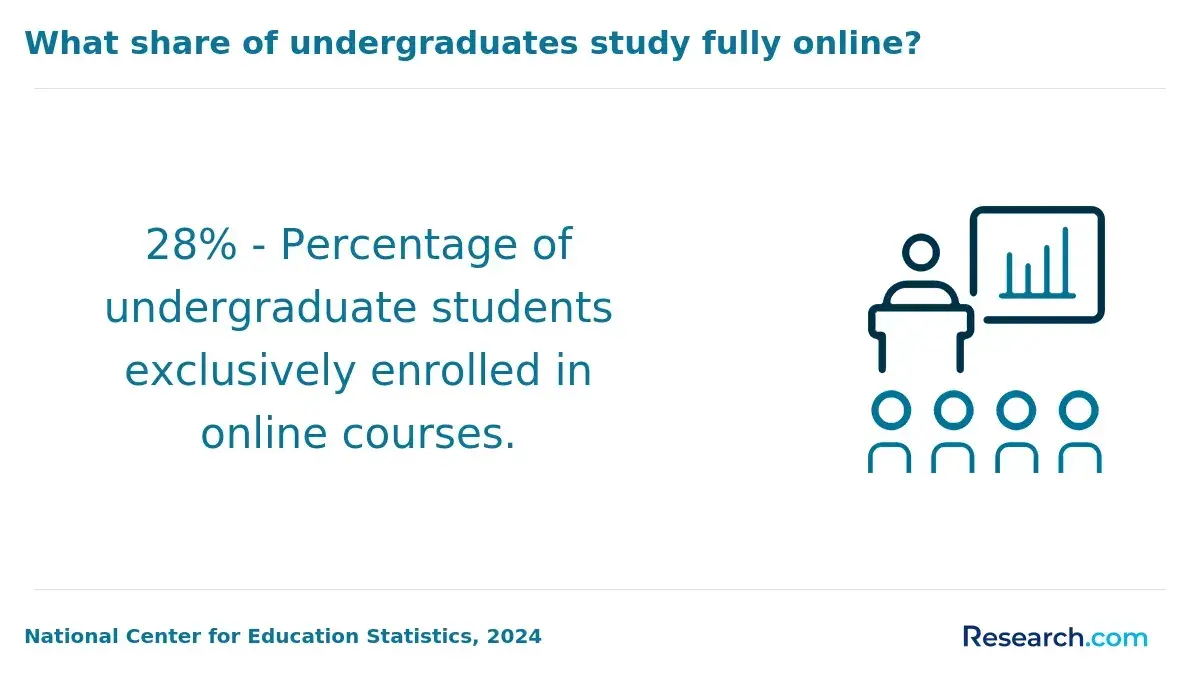
Accelerated online educational policy degree programs draw students who want flexibility and fast completion, particularly those balancing work and personal duties. Enrollment in these fast-track options has increased by 40% in recent years, as many learners seek to finish their studies in under two years.
These shortest accelerated online educational policy degrees appeal to people aiming for quick entry or advancement in policy analysis, education administration, or advocacy.
- Program Types: Most accelerated programs are master's degrees built to be completed within 12 to 18 months. Some institutions also provide fast-track affordable educational policy degree programs at the bachelor's and graduate certificate levels, which can take as little as six to twelve months.
- Modular and Year-Round Formats: Programs frequently use modular courses centered on intensive study over shorter periods. Paired with year-round term schedules that remove long summer breaks, these formats greatly accelerate student progress through the curriculum.
- Competency-Based Education: Some accelerated options let students advance by showing mastery rather than time spent in class. This personalized pacing helps learners complete their degrees more efficiently.
Tuition for these programs generally ranges from $10,000 to $25,000, with per-credit-hour costs between $300 and $600. Graduates can expect median salaries from $60,000 to $85,000 in education policy-related roles within two years of finishing their degree, supporting a strong return on investment.
Cost-conscious students may also consider related fields; for instance, exploring an online PhD organizational leadership could provide complementary career opportunities.
Accelerated online educational policy programs rely on a fast-paced, modular format to help students finish quickly. Many programs swap traditional semester schedules for shorter terms, mirroring the growing trend in which 60% of such degrees combine flexible learning formats.
- Term Length: Programs arrange courses into condensed sessions lasting five to eight weeks, much shorter than standard 15-week semesters. This design lets learners focus on fewer subjects at once and move quickly through their curriculum.
- Course Delivery: Instruction is mostly asynchronous to fit busy schedules, yet many programs include live webinars or group activities. This blend supports both independent study and interactive learning with peers and instructors.
- Weekly Time Commitment: Students usually invest 12 to 15 hours per week, balancing coursework with professional and personal obligations while keeping steady progress.
- Interaction and Support: Communication channels often include discussion boards, video calls, and email, giving students continuous access to faculty and encouraging collaboration.
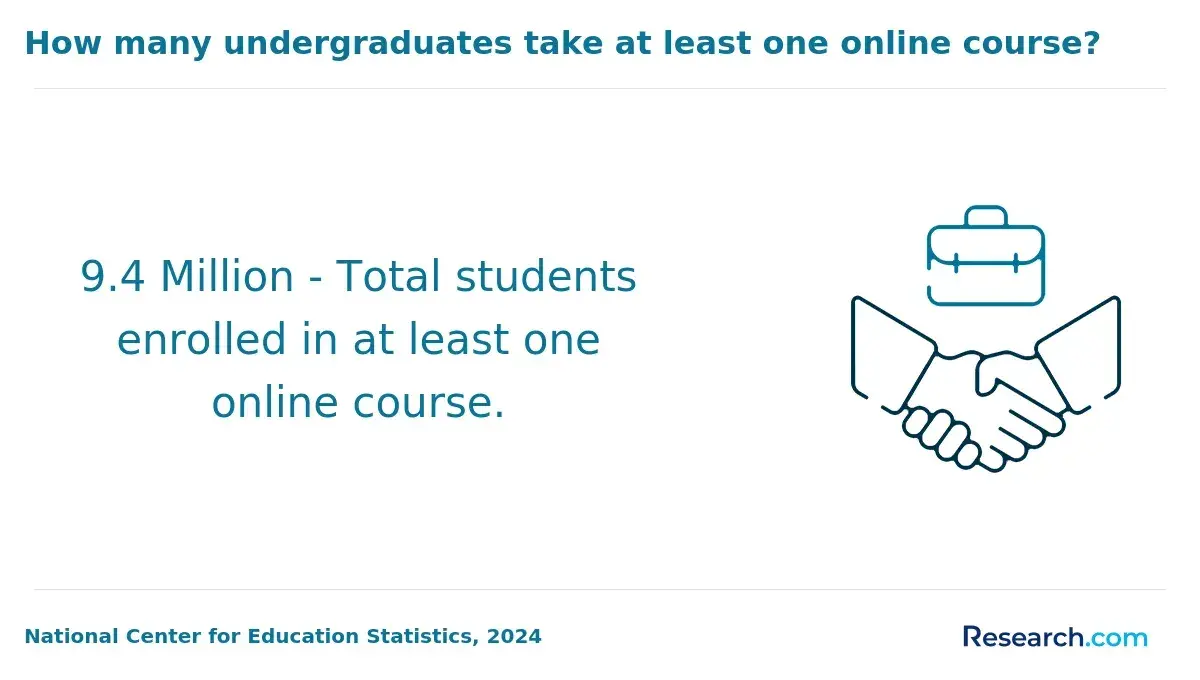
Accelerated online educational policy degrees provide a flexible learning format that balances independent study with live interaction. Research shows that more than 40% of graduate students in education fields now take online courses, underscoring growing confidence in this mode of learning.
- Asynchronous Learning: Students reach lectures, readings, and assignments on their own schedules. This format helps working adults by letting study times fit around professional and personal commitments.
- Synchronous Sessions: Live classes usually meet weekly or biweekly through video calls. These meetings allow direct engagement with instructors and classmates, encouraging real-time discussion and feedback.
- Condensed Weekly Schedule: Classes are often arranged into 7- or 8-week terms instead of traditional 15-week semesters. This increases the course pace, requiring focused and consistent effort to keep up with condensed material.
- Regular Assignments: Weekly submissions and active participation in online discussions sustain momentum. Structured deadlines help keep students moving steadily toward timely program completion.
- Time Efficiency: Mixing flexible pacing with frequent interaction helps serve diverse learning styles and busy schedules. This structure supports on-track progress while allowing students to balance their responsibilities effectively.
Accelerated online educational policy programs give students practical skills meant to meet workforce demands quickly, often completing degrees in one to two years. Research indicates that such programs emphasize developing both analytical and technical abilities vital for policy roles, adding to a job growth projection of about 7% through 2031 in education policy and administration.
- Critical thinking: Students learn to assess educational policies with data-driven methods and apply evidence-based solutions to real-world challenges.
- Communication: Programs stress building strong oral and written communication skills to advocate effectively, write policy documents, and engage stakeholders.
- Technical competencies: Coursework includes training with statistical software, policy simulation tools, and research methods to support rigorous policy analysis.
- Problem-solving: Graduates build strategies to identify and creatively resolve systemic issues within educational institutions and frameworks.
- Professional and time-management skills: The accelerated pace cultivates efficiency in juggling multiple projects and meeting tight deadlines, which is essential for successful careers in policy.
Many students wonder whether online educational policy degree programs that are both affordable and accelerated can really provide a credible education. Concerns often arise from the notion that lower costs and shorter completion times might weaken quality or proper accreditation.
To better judge legitimacy, consider these key factors:
- Accreditation: Check whether the program holds regional or national accreditation, which confirms it meets established academic standards recognized by employers and other institutions.
- Faculty Credentials: Seek instructors with relevant academic backgrounds and professional experience to ensure informed and current instruction.
- Curriculum Quality: A legitimate program should provide a comprehensive curriculum that addresses contemporary challenges in educational policy and prepares students for practical application.
- Licensing and Certification Eligibility: If your career goals call for professional licensure or certification, verify that the program meets these criteria to avoid obstacles after graduation.
- Industry Recognition and Outcomes: Positive feedback from employers, along with strong graduate employment rates, signals the program's effectiveness and value in the job market.
Graduates with educational policy degrees can seek several high-paying careers, frequently holding leadership, administrative, and research roles within education systems. These careers usually require advanced skills and experience, which add to their strong earning potential.
Listed below are some of the highest-paying jobs for educational policy graduates that provide rewarding opportunities in shaping and managing educational programs.
- Education Program Manager: Responsible for developing, implementing, and evaluating educational initiatives, program managers play a vital role in improving educational outcomes. According to the U.S. Bureau of Labor Statistics (BLS), education administrators at higher education institutions earn median salaries above $96,000 annually, with senior roles exceeding $120,000 depending on experience and location.
- Education Policy Analyst: These analysts carry out research and data analysis to influence public education policies. They often work for government agencies, nonprofit organizations, or think tanks. Glassdoor reports typical salaries for educational policy analysts range from $65,000 to over $90,000, with advanced degrees and experience raising pay.
- Senior Educational Consultant or Advisor: Senior consultants guide education systems in adopting effective reforms and policies to improve student success. Salary.com notes that senior consultants earn between $85,000 and $110,000 per year, with compensation varying based on expertise and project scope.
Other factors raising salaries in these top online educational policy degree careers include geographic location, organizational budget size, and specialized qualifications. Many working adults and career changers find that fast, affordable online educational policy degree programs, which typically take one to two years and charge between $300 and $600 per credit, offer a substantial return on investment.
Prospective students can explore options such as fully funded EdD programs online to reduce costs while aiming for these lucrative roles.
Employment outcomes for online educational policy graduates are generally positive, with job placement rates often surpassing 85% within six months of graduation according to the National Center for Education Statistics (NCES). These outcomes indicate a competitive but expanding job market for people with strong policy analysis and implementation skills.
- Industry demand: Growing attention to education reform and policy generates steady demand for professionals skilled in educational policy, leading to favorable job placement rates for graduates familiar with current challenges and solutions.
- Program reputation: Graduates from accredited and well-regarded online programs tend to enjoy better employment outcomes for online educational policy degrees. Strong faculty expertise and robust alumni networks improve credibility and job market access.
- Internships and practicum experience: Practical experiences like internships with school districts or government agencies play a key role in improving employability. Hands-on learning connects academic knowledge with real-world applications, making candidates more competitive.
- Alumni networks: Active alumni communities assist recent graduates by offering job referrals, mentorship, and career advice. These connections often lead to higher placement rates and smoother transitions into educational policy roles.
Programs typically offering completion timelines between 12 and 18 months with tuition costs ranging from $300 to $600 per credit hour can provide cost-effective options for those seeking strong job prospects. Median salaries in educational policy roles start between $60,000 and $80,000 annually, with ample opportunity for growth in government positions or consulting.
Students prioritizing cost and career potential may explore affordable online master's programs that match their goals and timelines.
Locating an affordable online educational policy degree program demands careful thought to ensure quality and future career opportunities. Cost alone should not guide the decision; factors such as accreditation, curriculum, and support services also matter. Below are key points to assess before choosing a program.
- Accreditation: Confirm the program holds regional accreditation or is recognized by the Council for Higher Education Accreditation (CHEA). Accredited programs meet established academic standards, influence eligibility for federal aid, and boost employer acceptance.
- Curriculum Quality: The coursework should cover vital topics like education law, policy analysis, leadership, and research methods. Updated and relevant classes ensure your training matches current educational challenges.
- Program Length: Many programs range from 12 to 24 months, which fits busy professionals and career changers aiming to finish their degree promptly. Shorter programs help you reenter the workforce faster without compromising learning.
- Student Support: Adequate services such as academic advising, career counseling, and access to internships can greatly improve completion rates and employment outcomes. Examine schools' graduation rates and average time to degree as indicators of support quality.
- Career Outcomes: Median salaries for educational policy graduates typically fall between $70,000 and $90,000, with experienced professionals earning over $120,000 annually. Programs connected to strong alumni networks and employers may strengthen your job prospects.
What Graduates Say About Their Cheapest and Shortest Online Educational Policy Degree
- Vance: "I was first attracted to the affordable and fast online educational policy degree program because I needed a flexible option that suited my busy schedule as a working professional. With the cost being much lower than traditional programs, around $10,000 for full completion, it made advancing my career possible without taking on debt. Since graduating, I've been able to move into leadership roles and influence policy decisions at my school district with much more confidence."
- Quinsey: "Selecting an online educational policy degree that was both affordable and brief truly changed my view of continuing education. Spending less than $12,000 and finishing the program in under two years gave me the motivation to invest in my future without hesitation. Looking back, this experience sharpened my strategic thinking and helped me earn a promotion in educational administration."
- Parker: "My choice to enroll in a quick and cost-effective course for educational policy was purely practical; I wanted a program that respected my time and money. At about $9,500 total, it was remarkably affordable compared to brick-and-mortar alternatives. Professionally, this degree has improved my understanding of policy frameworks, making me a valued consultant in educational reform projects."
Other Things You Should Know About Educational Policy Degrees
Many master's programs require a capstone rather than a thesis, often during the final 3 to 6 credits. Some accelerated online degrees waive the thesis entirely and use an applied policy practicum or portfolio. Doctoral programs generally still require a dissertation or major research project approved by the institution.
Most 2027 programs require a bachelor's degree in education or a related field for admission. Some may also expect applicants to possess professional experience in education policy or administration. Check each program's requirements for specific criteria.
- Picture an Online Degree at Your Own Pace https://www.snhu.edu/about-us/newsroom/education/picture-an-online-degree-at-your-own-pace
- Reduce the cost of online programmes? | Geneva Business School https://gbsge.com/newsroom/should-online-programs-be-cheaper-than-their-on-campus-equivalent/
- How To Choose Between Online Vs. Traditional Education Programs | PLNU https://www.pointloma.edu/resources/accelerated-undergraduate/how-choose-between-online-vs-traditional-education-programs
- Financial Aid For Online Colleges https://www.affordablecollegesonline.org/financial-aid/financial-aid-for-online-colleges/
- Ogólnopolski system monitorowania Ekonomicznych Losów Absolwentów szkół wyższych https://ela.nauka.gov.pl/en/labor-market
- Global survey reveals growing interest in shorter programmes and lifelong learning https://monitor.icef.com/2019/10/global-survey-reveals-growing-interest-in-shorter-programmes-and-lifelong-learning/
- Unlocking Affordable Learning: Online Education Financial Aid Tips https://lakewood.edu/online-education-financial-aid-tips-2/
- Highest paying jobs with a teaching degree - FutureLearn https://www.futurelearn.com/info/blog/top-jobs-with-teaching-degree
- Do Online Degrees Lead to Jobs as Reliably as Traditional Ones? - EdSurge News https://www.edsurge.com/news/2022-10-19-do-online-degrees-lead-to-jobs-as-reliably-as-traditional-ones
- After Everything: Projections of Jobs, Education, and Training Requirements through 2031 - CEW Georgetown https://cew.georgetown.edu/cew-reports/projections2031/