2027 What Prerequisites Do You Need for an Educational Policy Degree? Entry Requirements, Credits & Eligibility Rules
Audited and Verified:
Our Editorial and Data Verification Process
Research.com uses government datasets, official education statistics and primary institutional information to support its career and degree guides. Our review process checks factual accuracy, occupational definitions, source dates and the requirements associated with the credentials discussed.
How This Article Was Fact-Checked
Our editorial team verifies salary estimates, employment projections, education requirements and program information against original data providers and official organizations. Salary figures are checked against the relevant occupational definitions and reporting periods. Information about licensure, accreditation and required in-person training is reviewed separately.
Fact-checked and verified on:

Co-Founder and Chief Data Scientist
A lot of prospective students are unsure about the differing prerequisite requirements for an educational policy degree. Based on recent data, almost 40% of applicants to educational policy programs say they are confused about credit transfers and eligibility rules, which may postpone their admission process. Grasping these prerequisites is key for a seamless application and successful enrollment.
This article, written by career planning experts, tries to clarify typical entry requirements, credit expectations, and eligibility criteria for an educational policy degree. By describing what universities usually expect, students and working professionals can prepare more effectively, save time, and boost their odds of acceptance into these competitive programs.
Key Things to Know About the Prerequisites for a Educational Policy Degree
- Applicants typically must have completed foundational coursework in education, political science, or sociology, ensuring a strong base for understanding policy contexts.
- A minimum GPA of 3.0 is often required, reflecting academic readiness and competency in critical analytical skills.
- Programs usually require around 120 credits, with specific emphasis on research methods, policy analysis, and quantitative skills relevant to educational policy.
Do Educational Policy Programs Require Specific High School Prerequisites?
Educational policy programs usually do not impose rigid high school prerequisites, though particular requirements can vary by institution and program type. Many programs stress a well-rounded foundation, urging prospective students to complete courses that develop critical thinking and analytical skills tied to educational policy. Those researching the high school requirements for an educational policy degree should note that solid preparation often strengthens admissions prospects.
These high school subjects are commonly recommended for students pursuing educational policy program prerequisites for high school graduates:
- Government or Civics: Delivers a basic understanding of political systems and public administration, which is essential for interpreting education policies and administrative frameworks.
- History: Builds awareness of historical contexts behind educational reforms and policy development, connecting social changes to educational outcomes.
- English or Advanced Writing Courses: Strengthens skills in critical reading, essay writing, and constructing arguments, all important for research reports and policy analysis.
- Mathematics and Statistics: Provides quantitative reasoning abilities required for analyzing educational data and assessing policy impacts with statistical evidence.
- Economics: Introduces ideas related to resource allocation and budgeting, which are key for understanding funding and program development in education.
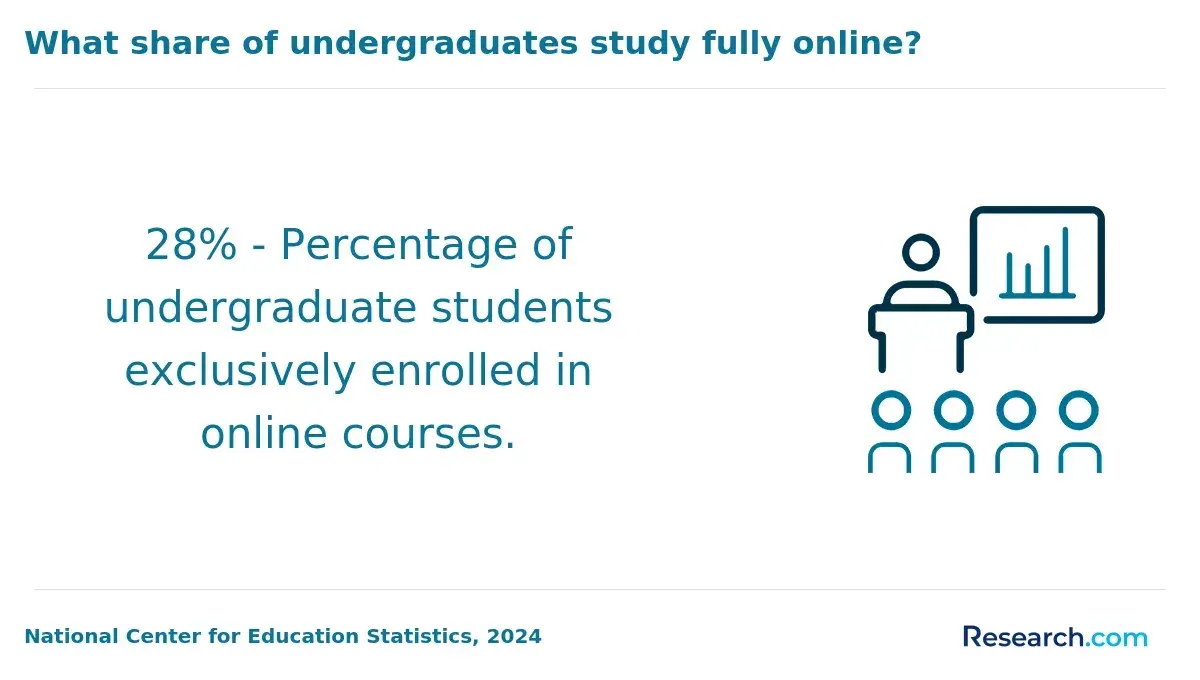
As reported by the National Center for Education Statistics (NCES), enrollment in educational policy-related undergraduate programs has increased by about 12% from 2016 to 2021, signaling rising interest and demand among candidates prepared with relevant high school coursework.
Although specific high school courses may not be required, finishing these recommended subjects boosts eligibility and readiness. After admission, many programs permit flexibility through general education credits, assisting students who may pursue an online associate degree in 6 months or other accelerated options.
What College-Level Prerequisites Are Required Before Starting a Educational Policy Degree?
Understanding the college prerequisites for an educational policy degree in 2026 helps students ensure academic readiness and smooth progress through the program's interdisciplinary demands. These prerequisites develop essential skills that support comprehension of complex policy issues and research methods.
Listed below are common foundational courses usually required before beginning an educational policy degree.
- Introductory Social Sciences: Courses such as sociology or political science acquaint students with societal structures and political systems, which are vital for analyzing education policies effectively.
- Statistics: Grasping quantitative data analysis is key for evaluating policy outcomes and conducting rigorous research, making statistics a frequently required course.
- Academic Writing or Composition: Strong communication skills are essential to articulate complex policy issues clearly, so these courses ready students for effective written expression in the field.
- Economics or Public Administration: Basic knowledge in these areas aids comprehension of budgeting and management within education systems, often complementing policy studies.
- Lab Sciences: Though less common, lab sciences may be required in programs that emphasize experimental research methods tied to educational data analysis.
These courses match standard educational policy degree entry requirements, supplying critical thinking, data interpretation, and research skills. According to the National Center for Education Statistics, over 70% of programs stress these prerequisites as essential. For students considering options, reviewing the easiest doctoral programs can provide insights into various requirements and pathways in this field.
How Many Credits Can You Transfer Into a Educational Policy Degree?
Students transferring credits into an educational policy degree usually can apply between 30% and 60% of the total credits required, though these limits vary based on the institution, program design, and accreditation standards.
For instance, many bachelor's programs limit transfer credits to around 60 credit hours, while graduate degrees often allow fewer, commonly between 12 and 18 credit hours. Variations in residency rules and program criteria also affect how many credits will be accepted toward degree completion.
Several key factors influence credit transfer eligibility. Credits generally must come from college-level coursework aligned with the educational policy curriculum, and most schools expect a minimum grade of C or better. Residency requirements often require completing a portion of the program's credits through the enrolling institution to uphold academic quality. Credits from non-accredited schools, those earned by examination, or from remedial courses are frequently excluded.
Most educational policy degree programs no longer mandate SAT or ACT scores for admission, and many have adopted test-optional or test-free policies. This change reflects attempts to encourage diversity and lower barriers for applicants. Even with this trend, some competitive programs, public university systems, or merit-based scholarship applicants may still need to submit standardized test scores.
Flagship state universities often keep testing criteria to better handle large applicant pools and settle admission decisions. According to the National Association for College Admission Counseling, over half of four-year colleges had test-optional policies by 2023, indicating a broader shift away from standardized testing in social science fields such as educational policy.
Rather than relying on SAT or ACT results, admissions committees prioritize holistic evaluations based on factors like GPA, relevant coursework in education, political science, or sociology, and personal essays. Letters of recommendation and portfolios showing experience in education or research may also be reviewed.
This approach lets schools assess applicants' academic potential and motivation more fully. By valuing varied qualifications, institutions better match candidate selection with the interdisciplinary and policy-focused nature of educational policy programs.
Succeeding in an educational policy degree calls for mastering several key skills before enrollment. These abilities aid comprehension of complex materials and effective analysis of education systems, which are central to this field.
Below are the most important skills prospective students should build:
- Foundational academic abilities: Strong reading, writing, and research skills are necessary to evaluate policy papers and academic sources critically and craft clear, persuasive arguments.
- Technical proficiency: Familiarity with data analysis tools such as SPSS, Stata, or Excel is useful for interpreting statistical information that guides policy evaluation.
- Analytical and problem-solving skills: These allow students to break down complex policy challenges and create actionable solutions.
- Effective communication: Being able to present policy recommendations clearly and accessibly to diverse audiences such as policymakers is vital.
- Field-specific knowledge: Understanding how education systems work and how policies are shaped prepares students for meaningful engagement in coursework and practice.
Professional experience requirements for admission into educational policy degree programs differ widely based on the institution, program level, and area of focus. Undergraduate degrees usually do not require work experience, emphasizing academic achievements instead.
For master's and doctoral levels, experience may be optional, recommended, or required depending on the school's priorities. Programs highlighting leadership or policy analysis often prefer applicants with 1 to 3 years of relevant work in education, public policy, or administration, which can strengthen an application but is not always strictly necessary.
Many programs value professional experience because it indicates practical knowledge and readiness for complex coursework. Admissions committees may see roles in schools, government, or nonprofits as proof of commitment and insight into education systems.
Still, programs with strong theoretical foundations or cohort-based learning often admit candidates without prior experience, particularly those with strong academic records and clear objectives. More competitive programs that include experiential learning usually prioritize applicants with professional backgrounds to encourage collaboration and applied research.
Online educational policy programs set specific technology standards so students can effectively take part in coursework, collaborate with peers, and access materials without interruption. Meeting these tech prerequisites supports a smooth learning experience essential for the critical thinking and research required in this field.
- Hardware specifications: Students should use a computer with at least a dual-core processor, 8GB RAM, and a recent operating system such as Windows 10 or macOS Catalina or later. Sufficient hardware ensures software compatibility and dependable performance during video lectures and data analysis.
- Reliable internet connection: At least 5 Mbps download speed is usually required to support streaming, live discussions, and timely submission of assignments. A stable connection reduces interruptions critical for active online participation in educational policy degree technology requirements 2026.
- Software and learning platforms: Access to tools such as Microsoft Office or Google Workspace and learning management systems like Blackboard, Canvas, or Moodle is essential. These platforms host course content and enable communication, vital for managing coursework efficiently.
- Digital literacy skills: Basic proficiency in navigating online portals, using video conferencing software, managing digital files, and conducting online research is expected. These skills let students fully engage with the curriculum and collaborative policy simulations remotely.
These tech standards mirror the broader trend of tech prerequisites for online educational policy programs and their role in supporting students' academic success. For individuals seeking flexible advanced learning paths, options like a doctorate degree no dissertation may also use similar technological requirements to ensure accessibility and rigor.
International students who apply to educational policy programs frequently encounter extra prerequisites that domestic applicants do not. Such requirements guarantee that candidates satisfy academic standards and hold the language proficiency needed to thrive.
The following is a brief summary of the prerequisites most commonly needed for admission to these programs.
- Academic Credentials: Candidates need to submit official transcripts or degree certificates comparable to a U.S. bachelor's degree. A number of programs require proven coursework in social sciences or education-related areas to confirm preparedness.
- English Language Proficiency: Because most programs are delivered in English, international students generally must submit TOEFL or IELTS scores that meet minimum thresholds. This guarantees active engagement in coursework and research work.
- Standardized Tests: Certain institutions ask for GRE scores as part of the application. Such exams evaluate verbal reasoning, quantitative skills, and analytical writing, showing readiness for graduate-level study.
- Letters of Recommendation: Solid recommendations from academic or professional sources offer insight into an applicant's abilities and potential to succeed in the field of educational policy.
- Statement of Purpose: This essay describes the applicant's academic interests, career goals, and reasons for selecting educational policy, showing alignment with program objectives.
Past the basic entry requirements, eligibility rules and credit transfers for international students frequently need careful review to guarantee compliance with U.S. educational standards. Prospective students can find detailed guidance on these rules and enrollment trends at top accredited online universities, which offer updated data relevant to program searches in fields tied to education and policy.
Planning academic timelines and ensuring eligibility for educational policy programs needs clear insight into how general university admission requirements differ from program-specific prerequisites. These distinctions have a significant impact on preparation strategies and student readiness.
General University Entry Requirements for Educational Policy
- Minimum GPA: Most universities ask for a GPA around 3.0 on a 4.0 scale as a baseline for admission.
- English language proficiency: Proof through tests such as TOEFL or IELTS is commonly required to show adequate communication skills.
- General education coursework: Completion of foundational classes in humanities or sciences is usually necessary for broad academic preparedness.
Educational Policy Degree Program Prerequisites
- Disciplinary coursework: Programs often expect prior classes in social sciences, economics, or statistics to support policy analysis capabilities.
- Technical and quantitative skills: Demonstrated ability in data interpretation or analytics through coursework or experience may be required.
- Portfolio submissions and experience: Approximately 40% of master's level programs require research portfolios or advocacy documentation related to education, stressing practical engagement beyond transcripts.
Such specialized requirements can lengthen preparation timelines, especially for those transitioning from unrelated fields. Students lacking sufficient quantitative background might need extra coursework before full admission, showing how program prerequisites often exceed standard admission criteria. Another consideration is credit transferability; general credits in humanities might not meet the specific demands of educational policy programs, potentially delaying progress toward the degree.
Prospective students should closely review these layers of admission criteria to coordinate their academic planning effectively. For current information on nationally accredited universities offering relevant educational paths, consulting nationally accredited universities can provide helpful guidance for selecting appropriate institutions.
Yes, students usually must pay tuition and fees for prerequisite courses before applying to an educational policy program if they have not completed them before. These courses are often taken at the institution where the student intends to enroll, meaning paying that school's standard tuition rates. As an alternative, many students select community colleges, which generally offer lower costs than four-year universities.
Online and accredited distance education options can also offer more budget-friendly choices, though prices vary widely. For instance, community college tuition averages about $3,440 annually, while public four-year universities charge around $10,560, making community colleges a cost-effective option for fulfilling prerequisites.
To handle these expenses, students use various tactics such as applying for financial aid, including Pell Grants, and seeking scholarships aimed at developmental or transfer credits. Another common approach is transferring previously earned credits to avoid repeating courses.
Some choose to enroll part-time to spread costs across more semesters. Working professionals might also look into employer tuition reimbursement programs to offset fees. These strategies can greatly reduce the financial burden tied to prerequisite coursework while maintaining eligibility for admission.
What Graduates Say About the Prerequisites for Their Educational Policy Degree
- Vance: "Entering the educational policy degree program was easy once I finished the required prerequisite courses, which provided a solid foundation. Although the average cost was around $30,000, I considered the investment worthwhile because of the professional doors it opened. Since graduating, I've been able to shape education reform in meaningful ways within my district."
- Marvin: "I entered the educational policy program with some hesitation because of concerns about the program's cost, which averaged about $28,000. Still, completing the prerequisite requirements truly helped prepare me academically and gave me confidence. Looking back on my career growth, I appreciate how this degree has strengthened my ability to critically analyze policies and advocate for equitable education."
- Parker: "Finishing the prerequisites was a necessary step that made sure I was ready for the rigorous coursework in educational policy. Given the average cost of roughly $29,000, I was initially cautious, but the career advancements I've had after the degree have justified this expense. Professionally, this program sharpened my analytical skills and widened my opportunities significantly."
Other Things You Should Know About Educational Policy Degrees
Admissions committees frequently value extracurricular activities tied to education because they show commitment and practical experience. Taking part in relevant volunteer work or educational initiatives can strengthen a candidate's application, highlighting their interest and potential contribution to the field of educational policy.
Yes, students usually must meet foundational coursework requirements, though flexibility may exist depending on individual programs. Speaking with academic advisors and obtaining departmental approval can help ensure a smooth transition.
A lot of educational policy master's programs do not ask for the GRE in 2027. If a school does require it, admissions pages usually list a minimum near 150 verbal and 145 quantitative, with official scores submitted via ETS. Certain universities waive the test for applicants holding a 3.0 GPA or above.
- ACT/SAT Optional List for Fall 2025 - Fairtest https://fairtest.org/test-optional-list/
- General Education Program | UIC Committee on Policy | University of Illinois Chicago https://policies.uic.edu/educational-policy/general-education-program/
- Education Policy and Leadership, PhD | Penn State College of Education https://ed.psu.edu/academics/departments/department-education-policy-studies/education-policy-and-leadership
- Admissions & Requirements, MEd Policy & Leadership | School of Education | American University, Washington, DC https://www.american.edu/soe/graduate/med/requirements.cfm
- Credit Transfer Policy | Eton University https://www.eton-university.us/credit-transfer-policy
- Careers In Education Policy With Your Degree - Noodle.com https://resources.noodle.com/articles/education-policy-jobs/
- Technology Requirements for Online/Hybrid Courses https://www.gvsu.edu/online/technology-requirements-for-onlinehybrid-courses-8.htm
- How to Become an Educational Policy Analyst - Graduate Programs for Educators https://www.graduateprogram.org/blog/how-to-become-an-educational-policy-analyst/