2027 Are Online Educational Policy Degrees Respected by Employers?
Audited and Verified:
Our Editorial and Data Verification Process
Research.com uses government datasets, official education statistics and primary institutional information to support its career and degree guides. Our review process checks factual accuracy, occupational definitions, source dates and the requirements associated with the credentials discussed.
How This Article Was Fact-Checked
Our editorial team verifies salary estimates, employment projections, education requirements and program information against original data providers and official organizations. Salary figures are checked against the relevant occupational definitions and reporting periods. Information about licensure, accreditation and required in-person training is reviewed separately.
Fact-checked and verified on:

Co-Founder and Chief Data Scientist
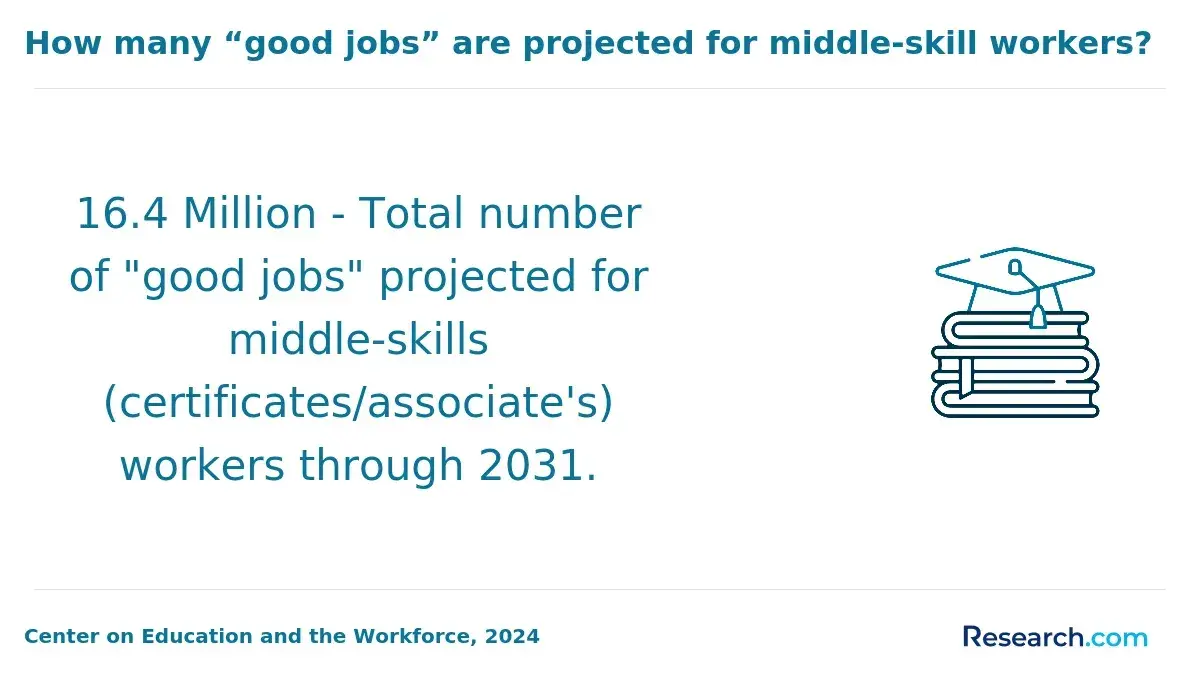
Online educational policy degrees have drawn considerable interest among students looking for flexible academic choices. Recent research indicates that more than 40% of higher education students now take at least one online course, which mirrors this change.
As online credentials grow more prevalent, assessing employer perceptions of these degrees is crucial. This article intends to explain how employers presently view online educational policy degrees and pinpoint the elements that shape their acceptance.
Grasping these dynamics will assist prospective students in making well-informed choices about pursuing advanced education via online programs, matching academic goals with career expectations.
Key Benefits of Online Educational Policy Degrees Respected by Employers
- Employers increasingly value online educational policy degrees, with recent surveys showing over 70% of hiring managers consider them equivalent to traditional degrees from accredited institutions.
- Graduates gain critical skills in data analysis, policy formulation, and leadership, which are cited by 65% of employers as essential for advancing in education-related roles.
- Completing an online educational policy program significantly improves career prospects, with alumni reporting a 30% higher likelihood of promotion within three years compared to non-degree holders.
Which Accrediting Bodies Make an Online Educational Policy Degree Legitimate?
Accreditation is essential for guaranteeing the quality, legitimacy, and employer recognition of online educational policy degrees. It ensures that programs satisfy strict academic standards, which matters for transferring credits, qualifying for financial aid, and finding work in the education sector.
Knowing the pertinent online education policy accreditation bodies can assist prospective students in selecting programs that improve their career prospects.
Important accreditation types to think about include:
Regional Accreditation
This is the most widely honored accreditation in the United States, provided by agencies such as the Higher Learning Commission (HLC), Middle States Commission on Higher Education (MSCHE), and Southern Association of Colleges and Schools Commission on Colleges (SACSCOC).
Regional accreditation verifies high academic standards, eases credit transfers between institutions, and is frequently required for graduate school admission and financial aid. Graduates from regionally accredited programs often enjoy stronger employment opportunities and advancement within educational institutions and public agencies.
National Accreditation
Usually granted to career, technical, or vocational schools by agencies like the Distance Education Accrediting Commission (DEAC). Although nationally accredited degrees can be worthwhile, they often have restricted acceptance for credit transfer and may be less recognized by employers in K-12 or higher education policy roles that require advanced regional accreditation.
Programmatic Accreditation
This accreditation centers on the quality of particular programs rather than the whole institution. Agencies such as the Council for the Accreditation of Educator Preparation (CAEP), National Council for Accreditation of Teacher Education (NCATE), and Network of Schools of Public Policy, Affairs, and Administration (NASPAA) offer this type.
It indicates that the educational policy curriculum meets specialized standards for professional roles in education policy, administration, and evaluation, improving career outcomes in leadership and policy-making positions.
Selecting an online educational policy degree with recognized regional and/or programmatic accreditation guarantees maximum credibility and career mobility. For those comparing options, exploring best paying 6 month online certifications may provide additional pathways to skill development and employment.
Does University Reputation Affect Employer Views of Online Educational Policy Degrees?
University reputation has a key role in shaping employer perceptions of online degrees, particularly in specialized fields such as educational policy. Employers usually regard credentials from institutions with strong prestige as more credible and dependable, which positively affects hiring decisions.
This pattern is clear when looking at university reputation and online educational policy degrees, where degrees from well-regarded schools often carry greater weight.
Several factors strengthen this perception, including accreditation status, alumni success, and industry partnerships. Regionally accredited programs are generally favored by employers because of their strict quality standards compared with nationally accredited ones.
Moreover, the demonstrated success of alumni in relevant careers boosts a program's credibility, indicating that graduates have practical knowledge and skills valued in the workforce.
Employers also value institutions that sustain active partnerships with educational organizations and policy groups, since these connections frequently give students experiential learning and networking opportunities.
Despite the benefits provided by attending highly ranked institutions, employer perception of top-ranked online educational policy programs is just one part of the employment equation.
Skills, practical experience, and demonstrated professional competence stay critical when obtaining jobs and advancing careers in educational policy. Although a reputable university may open doors, a strong professional track record is often what keeps them open.
For those investigating career paths, it is useful to consider programs that balance institutional prestige with chances to build relevant skills. In addition, exploring easy certifications to get online that pay well can complement a degree and improve employability in this competitive field.
Do Employers Treat Online and On-Campus Educational Policy Degrees Equally?
Employer perceptions of online educational policy degrees have risen considerably over the years. While online education was once met with skepticism, many employers now view online degrees as comparable to traditional, on-campus credentials.
This shift comes mainly from the growing acceptance of online learning, with a sizable share of higher education students taking at least one online course. In addition, degrees from accredited and reputable institutions carry more weight, which helps lessen the stigma that formerly surrounded online programs.
When evaluating online and traditional educational policy degrees, hiring managers often weigh factors such as accreditation, university reputation, and practical experience.
Degrees earned online from well-established and respected universities tend to be viewed positively, since these programs are seen as maintaining academic rigor and adequately preparing students for professional roles.
Still, some employers remain wary of online degrees from for-profit or less recognized institutions, at times questioning the hands-on experience these programs offer.
Graduates of online educational policy programs can boost their credibility by emphasizing their self-discipline, time management abilities, and the quality of their institution.
Highlighting these attributes can help candidates show that their online degree gives them skills and knowledge equivalent to those of traditional graduates, enhancing their competitiveness in the job market.
AI-powered virtual classrooms greatly improve the quality and credibility of online educational policy programs by incorporating adaptive learning systems, virtual simulations, and AI tutors. Adaptive learning systems customize coursework dynamically to each student's strengths and weaknesses, ensuring a more personalized and effective learning experience.
Virtual simulations place students in realistic policy analysis and decision-making scenarios, providing valuable hands-on practice that mirrors the complexities they will encounter in the field. AI tutors give immediate feedback, helping students master advanced concepts and research skills essential for careers in educational policy.
These advances not only increase student engagement but also maintain academic rigor, which is vital for earning trust from both learners and potential employers.
Employer attitudes toward online educational policy degrees have changed along with these technological improvements. Surveys show that 71% of employers have hired graduates with online degrees in the past year, while 61% of HR professionals view online learning as equal or superior in quality to traditional methods.
Many employers now place the reputation and accreditation of the awarding institution above the mode of delivery. Despite this progress, some skepticism remains, especially about degrees from for-profit schools or programs without a physical campus presence.
Questions persist about graduates' ability to collaborate effectively and gain hands-on experience online. Nevertheless, as AI-powered tools continue to strengthen educational rigor and skill development, acceptance of online degrees in educational policy is likely to increase, particularly among organizations that value technological proficiency and self-management.
Graduates who obtain their degree in online educational policy build a strong mix of professional and durable skills that greatly boost their competitiveness in today's education job market.
This blend of hard technical skills and essential soft skills ensures that these graduates satisfy the changing demands of employers in education and related fields.
Knowing which employers value skills in online educational policy can help students direct their efforts effectively.
Listed below are the most sought-after skills online educational policy graduates usually develop, showing how these programs build competencies employers seek:
- Adaptability: Online learning asks students to manage time independently, adapt to new technologies, and navigate digital platforms, mirroring the dynamic environments found in modern workplaces.
- Collaboration: Virtual group projects and discussion boards teach effective communication and teamwork with geographically diverse peers. Employers seek strong collaboration skills to ensure policy initiatives are inclusive and carried out smoothly across different stakeholder groups.
- Communication: Programs stress clear writing and virtual presentations, helping graduates explain complex policy ideas to various audiences. This ability addresses a common skill gap noted by employers and strongly affects employability in educational policy roles.
- Critical Thinking: Analyzing research and debating policy sharpen graduates' ability to assess evidence and make informed decisions. Critical thinking is vital for employers who depend on problem solvers to drive innovation in education systems.
- Digital Literacy: Working with learning management systems, data tools, and collaboration software strengthens technical skills for online educational policy graduates, meeting employer expectations in a digitally-driven job market.
- Leadership: Leadership development often happens through managing projects and peer feedback in online courses, preparing graduates to lead teams and policy projects. Leadership remains a key asset for career advancement in education-focused organizations.
- Personal Responsibility: Success in online programs depends on self-motivation and accountability, qualities that employers greatly value as indicators of professionalism and long-term potential.
Prospective students interested in these skills might also weigh cost factors, since understanding how much does it cost to get an associate's degree can help plan their educational journey effectively.
Obtaining professional certifications can greatly improve the credibility of an online educational policy degree by demonstrating mastery in specialized areas and a commitment to industry standards.
These certifications show employers that graduates have practical competencies alongside academic knowledge, ensuring readiness for leadership and policy roles.
The following describes key ways that professional certifications strengthen the value of online educational policy degrees in employers' eyes:
- Education Policy Graduate Certificate: Certifications such as those from the University of Missouri offer specialized analytical and conceptual tools essential for real-world policy work. Earning these credentials highlights expertise in evaluating policy issues and addressing challenges.
- School Leadership Certificates: Holding a leadership certificate shows ethical decision-making, a commitment to diversity, and an ability to improve educational outcomes-qualities that employers in school administration highly value.
- Public Policy Certification: Graduate certificates provided by institutions like USC deliver advanced training in policy analysis, formulation, and implementation. These credentials appeal to educational organizations and government agencies seeking candidates with rigorous policy expertise beyond degree programs.
- Post-Master's Certificates in Educational Policy: Certificates such as Walden University's post-master's program reflect continued professional development and a thorough grasp of educational leadership and management principles. This ongoing education builds greater employer trust in the depth of online credentials.
- Demonstrated Industry Competencies: Certifications validate critical skills in program evaluation, financial analysis, and governance that are vital for leadership roles. As noted by the Online Learning Consortium, career certifications improve professionals' ability to design and deliver impactful learning experiences.
To show these benefits, I recently spoke with a professional who completed an online educational policy program and chose to pursue a post-master's certificate in educational leadership. At first, he faced skepticism from some hiring managers concerned about the rigor of online degrees.
However, earning a recognized certificate helped him not only deepen his knowledge but also strengthen his practical skills in policy implementation and ethical leadership. He described the certification process as challenging but rewarding, noting, "It pushed me to apply theoretical concepts in real scenarios and built my confidence to lead effectively."
In the end, the certification was pivotal in gaining interviews and securing a leadership role, confirming that professional certifications do indeed bolster the credibility and employment prospects of online educational policy graduates.
According to national data, there is typically little meaningful pay gap between graduates of online educational policy programs and those who complete their degrees on campus, particularly when those degrees are awarded by reputable, nonprofit institutions.
Studies indicate that typical earnings for online versus traditional educational policy graduates depend mostly on the caliber and accreditation of the school, not on the mode of delivery itself.
A number of important factors determine whether online educational policy graduates reach the same salary levels as their on-campus counterparts; these are described below.
- Type and Reputation of Institution: Those who graduate from nonprofit or highly ranked universities usually enjoy earning potential similar to that of on-campus alumni. A growing number of employers consider online degrees from well-regarded institutions to be equivalent, whereas credentials from less reputable or for-profit schools can result in lower salary offers.
- Accreditation Status: Regional or specialized accreditation tells employers that a program is high quality. Online educational policy programs that hold accreditation guarantee the degree satisfies industry standards, which helps keep pay on par with traditional programs.
- Field Demand and Labor Market: Educational policy is a niche area in which pay hinges on demand from school districts and government agencies. Nothing suggests that online graduates face a disadvantage when their programs are properly accredited and recognized.
- Employer Perception: Recruiters are more and more willing to accept online degrees, placing greater weight on an institution's reputation and a candidate's experience than on the delivery format. That change has helped even out salary results for online graduates.
- Networking and Student Background: Although students on campus may enjoy more conventional networking options, plenty of online programs now provide robust virtual networking and career opportunities, which helps online graduates compete successfully in the job market.
Students considering an online educational policy degree will discover that choosing among online colleges that take financial aid can help them meet their academic and financial goals while keeping strong salary prospects.
Completing an online educational policy degree can greatly strengthen long-term career progress and expand promotion prospects in education, government, nonprofit, and private sectors.
Such programs equip graduates with specialized expertise and leadership abilities that employers prize, creating access to a broad array of positions and leadership roles.
With that foundation in mind, the points below outline the main ways online educational policy degrees foster professional growth and career advancement.
- Broadened Career Pathways: Graduates are prepared for varied roles, including policy analysts, program directors, advocacy leaders, and consultants across sectors, which improves employability and opens paths to advancement beyond conventional education jobs.
- Leadership and Decision-Making Skills: Coursework centers on organizational leadership, ethical decision-making, and change management, all vital for advancing into supervisory and executive roles, allowing graduates to shape policy and guide teams effectively.
- Flexibility for Working Professionals: The online format lets students juggle full-time jobs and coursework, limiting career interruptions and allowing them to apply new skills right away, which speeds up professional development.
- Enhanced Professional Networks: Contact with faculty, classmates, and alumni in online programs encourages mentorship and career openings via useful connections and referrals, which aids career advancement.
- Specialized Expertise Leading to Promotions: Advanced instruction in policy analysis and educational reform prepares graduates to obtain leadership and policymaking positions, especially in K-12 and higher education environments.
- Positive Employer Perception: Employers' growing acceptance of online degrees from accredited institutions, along with their emphasis on skills and relevant experience, bolsters graduates' competitive standing in the job market.
In a recent chat with a professional who earned an online educational policy degree, she looked back on her experience juggling work, family, and study obligations.
Though some colleagues initially doubted the credibility of an online degree, she stayed the course and discovered that the program's demanding curriculum and practical relevance won her respect and fresh responsibilities within her organization.
She remarked, "The collaborative projects and leadership modules changed everything for me; they gave me the confidence to lead initiatives spanning multiple departments."
Two years after finishing the degree, she moved up to a senior administrative position, crediting the strategic thinking and policy expertise she honed during her studies.
Her story illustrates how an online educational policy degree can act as a turning point for career growth and leadership openings in education and elsewhere.
Employers across many industries are more open to hiring candidates with online educational policy degrees, acknowledging the strong foundation in research, analysis, and policy development these programs offer.
This trend mirrors a growing acceptance of remote and flexible educational pathways in professional hiring criteria. As opportunities for remote education policy jobs in the United States keep expanding, graduates find themselves well-positioned to enter diverse sectors.
Here are some examples of industries and companies that actively hire graduates from online educational policy programs:
- Government Agencies: These organizations usually hire graduates for roles such as policy analysts, education program managers, and administrative specialists. Their capacity to navigate complex policy environments and contribute to evidence-based decision-making makes them valuable assets.
- Non-Profit Organizations: Education-focused non-profits recruit graduates to take part in policy research, advocacy, and program development. Strong analytical skills and stakeholder engagement capabilities developed through online educational policy programs help these professionals advance initiatives.
- Education Technology Companies: EdTech firms gain from hiring graduates who can blend an understanding of educational frameworks with a strategic approach to curriculum design and policy compliance. These roles often involve consulting, product development, and market analysis.
- Research Institutions: Universities and think tanks often employ educational policy graduates as data analysts, researchers, and academic staff. Their ability to conduct rigorous research and produce detailed policy briefs supports ongoing studies and informs public discourse on education reform.
For those interested in exploring potential career paths after completing an online educational policy degree, reviewing the best trade jobs can provide valuable insights into industries embracing remote and flexible work opportunities.
Technology, accreditation requirements, and employer views keep changing, greatly influencing how online educational policy degrees are perceived in the job market. Such shifts reflect growing trust in and acceptance of online credentials among employers and learners alike.
Consequently, a number of emerging trends are set to further boost the legitimacy and recognition of online educational policy programs, reinforcing their value and influence.
The main trends likely to shape the future credibility of these degrees are:
- AI-Driven Learning Validation: AI is now employed to evaluate student learning outcomes, offering tailored feedback and thorough data on skill mastery. That openness reassures employers and accreditors about academic rigor by supplying evidence-based proof of what graduates can do.
- Global Accreditation Collaboration: Accreditation bodies around the globe are working together to align standards for online programs. Such international cooperation helps raise consistency and confidence in online educational policy degrees, making credentials more portable and dependable from country to country.
- Increased Employer Partnerships: Universities are teaming up directly with employers to jointly design online curricula that match today's workforce needs. These partnerships weave in real policy challenges and job placement chances, which strengthens employer confidence in how well graduates are prepared.
- Skill-Based Hiring: Employers increasingly look at demonstrable skills instead of relying only on traditional credentials. Online educational policy programs, which stress hands-on projects and flexible study, give students the competencies employers want, broadening career prospects and the value of the degree.
Here's What Graduates of Respected Online Educational Policy Programs Have to Say About Their Degree
- Aaliyah: "Finishing my online educational policy degree opened doors I had never imagined, particularly when it came to job stability and career growth. The flexibility of online learning let me balance work and study while acquiring cutting-edge knowledge that employers hold in high regard. After graduating, I landed a role as a policy analyst at a state education board, where I help shape initiatives that directly affect student success in communities. This degree truly enabled me to turn my passion for equitable education into a concrete career path with long-term prospects."
- Christian: "Looking back on my journey, earning an online educational policy degree transformed me both professionally and personally. It provided the tools to grasp systemic issues and push for change, which aligns closely with my dedication to social justice. The program's practical applications helped me secure a leadership role at a nonprofit focused on education reform, where I work with schools to put inclusive policies in place. Studying for this degree online also gave me confidence to keep pursuing professional development despite a busy schedule."
- Isabella: "My online educational policy degree proved essential for advancing my career in the public school system. What I learned helped me handle complex administrative roles and make meaningful contributions to policy discussions and strategic planning. I value the program for its accessibility and for the way it built connections with experts across the country, which greatly expanded my professional network. This degree has both strengthened my expertise and deepened my passion for improving educational outcomes for every student."
Other Things You Should Know About Respectable Online Educational Policy Degree Programs
Yes, provided the degree is from a regionally accredited institution and includes a capstone or practicum. Plenty of policy analyst job postings accept a master's degree in education policy, public policy, or a related field, along with solid research and data-analysis coursework.
Employer preference may hinge on how rigorous the delivery method is perceived to be, the school's reputation, and how relevant the curriculum is. Although traditional degrees might still be favored for networking opportunities, many employers in 2027 recognize that online degrees can provide equivalent education, especially when accredited.
In 2027, employers mostly view online Educational Policy degrees as equal in quality to traditional degrees, provided they come from accredited institutions. Technological advances and better virtual learning environments have eased employers' concerns about educational rigor and graduate preparedness. Now, here are four relevant questions and answers: 1. **Question** Are online Educational Policy degrees viewed the same way as traditional degrees in 2027? **Answer** In 2027, many employers see online Educational Policy degrees similarly to traditional degrees, especially when they are from accredited programs. The rise in remote work and digital skills has made employers more open to varied educational paths. 2. **Question** What factors shape employer perception of online Educational Policy degrees in 2027? **Answer** In 2027, factors such as accreditation, the reputation of the institution, and the curriculum's relevance to current industry needs strongly influence employers' perception of online Educational Policy degrees. Demonstrated skills and real-world applications on the candidate's resume also matter. 3. **Question** Does the mode of delivery influence the value of Educational Policy degrees in 2027? **Answer** By 2026, the mode of delivery (online vs. in-person) has less impact on the degree's value as long as the program is accredited. Employers focus more on the skills acquired and their applicability to job roles. 4. **Question** How has the growing prevalence of online learning affected job prospects for Educational Policy graduates in 2027? **Answer** In 2027, the widespread acceptance of online learning has expanded job prospects for Educational Policy graduates. Online programs have become robust, and graduates benefit from greater flexibility and diverse skill sets that align well with modern workforce demands.
- Accreditation Body | Education Accreditation | IEAC https://www.ieac.org.uk/
- The Rise of Skill-Based Education: Moving Beyond Traditional Degrees - Acacia https://acacia.edu/blog/the-rise-of-skill-based-education-moving-beyond-traditional-degrees/
- The Future Of Online Education In The Next 5 Years https://hallford.education/future-of-online-education-next-5-years/
- List of Online Colleges with National Accreditation https://www.onlineu.com/resources/accreditation/national-accreditation
- List of Accreditation Agencies for Distance Learning Universities - Asher University https://asheruniversity.com/list-of-accreditation-agencies-for-distance-learning-universities/
- Education Policy (Certificate) - Trinity Washington University | Washington, DC https://www2.trinitydc.edu/academic_program/certificate-in-education-policy-and-leadership/
- Online Accreditation - Institutional Services | European Association for Higher Education Advancement https://www.eahea.org/services/eahea-online-accreditation-2.html
- Accreditation for Online Learning Platforms https://www.accredit.org/blog/education/accreditation-for-online-learning-platforms/
- Full article: Online higher education: current landscape and future trends https://www.tandfonline.com/doi/full/10.1080/0309877X.2023.2200136
- How Employers View Online Degrees: Interviews with Nine Hiring Executives https://www.onlineeducation.com/features/how-employers-view-online-degrees