2027 Weekly Start Online Degrees vs Self-Paced Accelerated Educational Policy Degree Programs
Audited and Verified:
Our Editorial and Data Verification Process
Research.com uses government datasets, official education statistics and primary institutional information to support its career and degree guides. Our review process checks factual accuracy, occupational definitions, source dates and the requirements associated with the credentials discussed.
How This Article Was Fact-Checked
Our editorial team verifies salary estimates, employment projections, education requirements and program information against original data providers and official organizations. Salary figures are checked against the relevant occupational definitions and reporting periods. Information about licensure, accreditation and required in-person training is reviewed separately.
Fact-checked and verified on:

Co-Founder and Chief Data Scientist
Deciding between weekly start online degrees and self-paced accelerated educational policy programs can be difficult for busy professionals who want to advance promptly. Recent data indicates enrollment in fully online educational policy degrees rose by 35% from 2019 to 2023, underscoring rising demand for flexible learning options. However, program structures differ widely, influencing completion speed and work-life balance.
This article, written by career planning experts, evaluates both formats, reviewing their benefits, pacing, and support systems. It seeks to help students choose a program that matches career goals and personal schedules, supporting informed decisions within the growing online education market for educational policy degrees.
Key Benefits of Weekly Start Online Degrees vs Self-Paced Accelerated Educational Policy Degree Programs
- Weekly start online degrees enhance flexibility by allowing students to begin courses at multiple points annually, supporting continuous enrollment and accommodating diverse schedules.
- Self-paced accelerated educational policy programs reduce overall tuition costs by shortening program duration, enabling students to enter the workforce sooner and minimize living expenses.
- Both formats improve student success rates; flexible starts increase retention, while accelerated pacing maintains engagement, with over 70% of such students completing degrees within projected timelines.
How Are Weekly Start Online Degrees and Self-Paced Accelerated Educational Policy Programs Structured?
Deciding between weekly start online degree programs and self-paced accelerated educational policy degree formats requires grasping their structural differences, which strongly shape study habits and scheduling. Such distinctions can influence how students organize time and sustain progress during their studies.
The following is a thorough comparison of the main structural features of each program type to help prospective students make informed choices.
Weekly Start Online Degrees
- Course Pacing: Courses start weekly, enabling continuous enrollment without waiting for a semester to begin.
- Term Length: Academic terms are divided into brief modules, typically lasting 5 to 8 weeks for focused study periods.
- Assignment Schedules: Weekly assignments, quizzes, and discussion posts establish consistent deadlines, helping students maintain steady progress.
- Time Commitment: Students generally devote 10 to 15 hours each week, fostering discipline alongside professional or personal duties.
Self-Paced Accelerated Degrees
- Flexibility: Programs let students move at their own pace without fixed weekly deadlines.
- Completion Window: Students usually have six months to a year to complete courses, providing adaptable study scheduling.
- Assessment Methods: Evaluations frequently take place at major milestones or after module completion rather than through weekly assessments.
- Time Commitment: Estimated weekly hours range from 12 to 20 when finishing degrees in under two years, suiting varied study intensities.
These structural distinctions mirror broader trends in online education: structured weekly pacing tends to promote higher completion rates, while self-paced programs attract highly motivated learners seeking maximum flexibility. For those examining options to balance speed, cost, and flexibility, reviewing the cheapest online MBA programs may also offer insight into program affordability and design.
Are Weekly Start Online Educational Policy Programs Easier to Get Into vs Self-Paced Accelerated Programs?
Ease of admission is a key factor for prospective students deciding between weekly start online educational policy programs and self-paced accelerated formats. The acceptance rate often indicates the degree of competition and flexibility, with some rolling admissions programs reporting rates close to 70%, underscoring a more accessible entry path.
The following are important differences to weigh between these two program types:
- GPA Expectations: Weekly start programs usually accept lower GPAs, occasionally as low as 2.5, whereas self-paced accelerated degrees often require a minimum GPA of 3.0, rendering them more selective.
- Prerequisite Coursework: Self-paced accelerated tracks impose stricter prerequisites, frequently requiring prior coursework in education or policy studies, unlike weekly start programs, which may offer more flexible requirements.
- Standardized Testing: GRE scores and comparable tests are more often waived in weekly start programs because of holistic admissions centered on experience and motivation.
- Additional Admissions Factors: Accelerated programs often ask for detailed interviews and writing samples to evaluate candidate readiness, highlighting their competitive nature.
Deciding according to ease of acceptance for self-paced accelerated educational policy degrees versus weekly start options may also rely on personal circumstances and academic background. For students seeking affordable pathways in related fields, exploring the cheapest online counseling degree programs could offer further insights.
How Long Does a Weekly Start Online Degree Take to Complete vs Self-Paced Accelerated Educational Policy Degree?
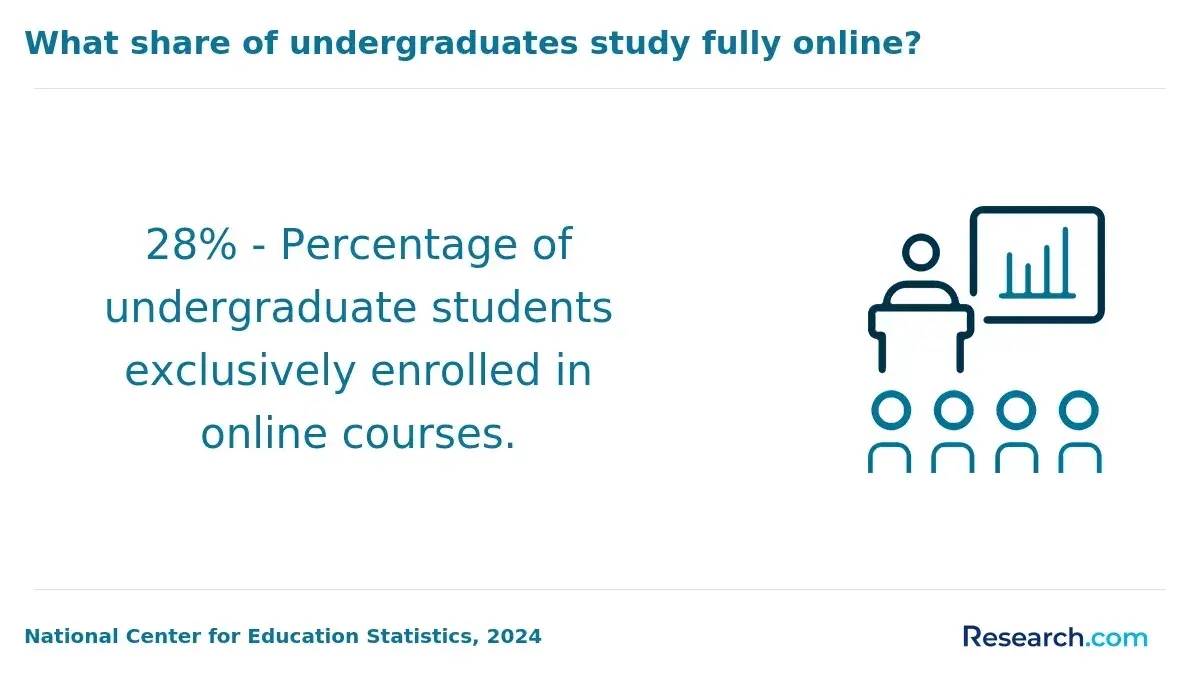
Completion time significantly impacts students' financial planning, career goals, and personal schedules. Many online learners seek quicker degree options, with recent data showing nearly 40% prefer accelerated paths to finish sooner. Comparing weekly start online degrees to self-paced accelerated educational policy programs highlights different completion timelines and student experiences.
- Term length: Weekly start degrees generally use fixed, short terms lasting 6 to 8 weeks that repeat regularly, establishing a structured pace. By contrast, self-paced accelerated programs let students move through materials within a flexible timeframe that matches their availability.
- Pacing control: Students in weekly start programs need to follow predetermined deadlines, keeping all learners on the same schedule. Conversely, self-paced students set their own deadlines and can raise or lower course intensity to finish sooner or take breaks when needed.
- Credit load: Self-paced programs often allow students to carry heavier credit loads at the same time if they can handle it, enabling faster completion. Weekly start degrees typically cap credits per term to preserve consistency and cohort support.
- Transfer credits: Both formats generally accept transfer credits, which can shorten the total time required by bypassing previously completed coursework.
- Enrollment flexibility: Weekly start online degrees offer multiple enrollment dates across the year, providing more entry points than traditional semesters but less flexibility than fully self-paced models.
Flexibility is essential for students juggling work, family, and other responsibilities, as it helps manage stress and improves the likelihood of finishing a degree. Weekly start online degree programs let students begin coursework regularly, often every week or few weeks, with structured pacing and fixed deadlines. In contrast, self-paced accelerated educational policy programs let learners move through material at their own speed without specific start dates or strict deadlines.
Here is a comparison of their flexibility features.
- Scheduling control: Weekly start programs require students to keep a set weekly schedule with assigned tasks, whereas self-paced programs provide 24/7 access, letting students study whenever it suits them.
- Pacing speed: Weekly start learners move steadily through terms lasting 8 to 16 weeks, while self-paced students can finish courses faster or extend their studies as needed.
- Start dates: Weekly start programs offer frequent enrollment opportunities across the year; self-paced formats permit enrollment at any time without waiting for specific start periods.
- Assignment deadlines: Weekly start programs enforce strict deadlines to keep learners on track, while self-paced programs allow flexible or no deadlines, giving students more time for each assignment.
- Instructor interaction: Weekly start students generally get regular feedback and interaction with instructors, whereas self-paced learners may receive limited or asynchronous support.
- Ability to pause or accelerate: Self-paced programs give greater freedom to pause studies or speed up progress, unlike the fixed weekly schedules of the weekly start format.
How difficult a program feels plays a significant role for students deciding between self-paced accelerated and weekly start online educational policy degrees. This perceived challenge affects motivation, performance, and overall satisfaction. Comparing key elements of each format helps clarify their relative demands.
- Workload intensity: Accelerated programs squeeze more material into shorter periods, often requiring students to absorb and apply concepts rapidly. Weekly start programs distribute content more evenly, allowing incremental learning and less daily pressure.
- Pacing expectations: Self-paced learners control their study schedules, which provides flexibility but also risks procrastination or uneven progress. Weekly programs impose deadlines that establish a steady rhythm, helping students stay on track though potentially feeling restrictive.
- Self-discipline required: The autonomy of self-paced accelerated formats calls for strong time management and personal accountability. Weekly start courses provide external structure, offering more guidance and support to sustain consistent effort.
- Assessment structure: Accelerated programs may include fewer exams but expect more comprehensive knowledge demonstrations, raising exam intensity. Weekly programs typically use regular, smaller assessments to measure ongoing understanding with less pressure per test.
- Instructor interaction: Weekly start formats often provide ongoing access to instructors and peers, enhancing support and engagement. Self-paced accelerated students might have limited interaction, which can lessen opportunities for feedback and collaborative learning.
Grading approaches significantly influence how students manage workload, handle academic stress, and track their progress in educational policy programs. These factors are essential when choosing between weekly start online degrees and self-paced accelerated formats.
Below is a comparison of key grading differences between these two approaches.
- Assessment frequency: Weekly start programs use scheduled, recurring evaluations tied to each cohort's timeline, ensuring frequent and predictable submissions. By contrast, self-paced accelerated programs have varied assessment schedules, often clustered around major milestones, offering less regular testing opportunities.
- Mastery requirements: In weekly start formats, students need to meet consistent deadlines that support steady progress through the curriculum. Self-paced programs offer more flexible deadlines, giving learners control over when to complete assignments but requiring greater self-discipline.
- Feedback timing: Weekly start courses provide timely, regular feedback to help students stay aligned with cohort progress and adjust quickly. Feedback in self-paced accelerated courses may be delayed or irregular because of individualized pacing, potentially making real-time performance harder to monitor.
- Grading flexibility: The structure of weekly start classes restricts grading adaptability since all students follow the same schedule. Meanwhile, self-paced accelerated formats offer greater grading flexibility to accommodate diverse learner schedules but require students to manage assessment pacing responsibly.
Tuition structures play a key role in how students plan financially when pursuing online educational policy degrees. Understanding these models helps learners choose programs that best fit their budgets and course timelines.
- Pricing Structure: Weekly start programs charge tuition by credit hour with fixed schedules, allowing straightforward calculation of costs per term. Self-paced accelerated programs often use a flat fee for course access within a subscription period.
- Time-to-Completion: Self-paced formats encourage quicker degree completion, which can lower overall expenses. Weekly start programs follow a regular calendar that may lengthen time to graduate compared with accelerated options.
- Cost Predictability: Fixed schedules in weekly start models provide consistent tuition payments across terms, making budgeting easier. Accelerated self-paced students encounter less predictable costs because of subscription timing and course load variability.
- Course Intensity: Weekly start degree plans typically spread courses evenly across terms, whereas self-paced formats encourage taking more courses at once to finish early, affecting workload intensity.
- Additional Fees: Weekly start learners may face per-term institutional fees, while self-paced students might pay more for materials or exam proctoring.
- Transfer Credits and Prior Learning: Both formats accept transfer credits to reduce tuition, but self-paced students often gain from greater scheduling flexibility to accelerate completion with these credits.
Instructor support and academic guidance significantly influence student engagement and comprehension in online educational policy degree programs. These factors are especially important in online settings where students may feel isolated or struggle with managing their own study schedules. Effective instructor accessibility helps maintain motivation and ensures timely academic feedback.
The following points outline key distinctions between weekly start online educational policy programs instructor support and self-paced accelerated educational policy degree student assistance formats.
- Instructor availability: Weekly start programs typically offer frequent live interactions, including webinars or scheduled office hours, keeping instructors accessible. By contrast, self-paced formats provide less frequent direct contact, relying more on asynchronous communication such as emails and discussion boards.
- Response times: Students in weekly start programs can expect faster responses, often within 24 to 48 hours, which supports paced assignment submissions. Self-paced students might encounter longer wait times, usually 48 to 72 hours or more, because of scheduling flexibility.
- Structured interaction: Cohort-based weekly start formats create synchronized deadlines and collaborative opportunities, fostering peer and instructor engagement. Self-paced programs emphasize individual progress, which can diminish structured peer and instructor interaction.
- Live communication opportunities: Regular live sessions are central to weekly start formats, enabling real-time questions and discussions. These are uncommon in self-paced programs, which focus more on flexible learning schedules.
- Academic advising touchpoints: Weekly start programs often arrange recurring advising sessions to track progress and provide ongoing support. Self-paced learners usually manage their learning paths independently with fewer formal advising checkpoints.
- Student independence expectations: Self-paced accelerated educational policy degree student assistance demands greater self-motivation and time management skills. Weekly start programs support students more actively, potentially helping those who need greater structure.
For students considering advanced degrees, weighing the style of instructor support is essential. Those drawn to cohort-based learning with consistent guidance might favor weekly start programs, while self-directed learners might choose accelerated self-paced formats. Also, prospective students can examine options such as the online doctorate in organizational leadership for extended academic pathways.
Employer perception of online educational policy degree programs significantly influences career outcomes by shaping hiring decisions and professional advancement opportunities. Understanding how employers view different degree formats helps prospective students choose programs that align with workforce expectations.
When considering employer preferences for weekly start online educational policy degrees versus self-paced accelerated formats, several factors come into play:
- Perceived Rigor: Weekly start online programs often imply structured and consistent engagement, reinforcing the impression of academic rigor. Self-paced accelerated programs may be viewed with some skepticism regarding sustained effort, though they can demonstrate determination when backed by strong accomplishments.
- Completion Timelines: Self-paced accelerated educational policy degrees career prospects gain from the ability to finish quickly, which can show adaptability and drive. Meanwhile, weekly start schedules offer a steady pace that may appeal more to employers who value predictable progress.
- Time Management and Discipline: A weekly start requires regular deadlines, emphasizing reliable time management skills. The self-paced approach calls for high self-motivation, which can also impress employers if documented by verifiable results.
- Collaboration Experience: Weekly start formats usually include group projects, providing evidence of teamwork and communication abilities relevant to many educational policy roles. Accelerated programs may lack this component, potentially limiting the display of collaborative skills.
- Alignment with Workforce Needs: Structured weekly programs resemble traditional academic terms, making graduates appear well-prepared for conventional workplace environments. The flexibility of accelerated programs can appeal to employers who prioritize skill mastery over formal scheduling.
For students considering options in this field, resources listing top-ranked programs such as one year online masters programs can help identify reputable choices aligned with these employer considerations.
Salary outcomes are a key consideration for students weighing weekly start online degrees versus self-paced accelerated educational policy programs. Studies show that wage differences are subtle but influenced by how employers view the structure and rigor of each format. For example, 65% of employers surveyed rated traditional-paced programs slightly higher in demonstrated skills, which can affect initial salary offers.
Factors influencing salary differences between these educational policy formats include:
- Employer Perception: Employers often view weekly start online programs as more rigorous because of structured schedules and cohort progression. This can create a preference in hiring or salary offers, though the gap is usually modest.
- Time-to-Completion: Weekly start programs offer steady pacing for on-time graduation, enabling faster workforce re-entry. Self-paced accelerated degrees permit speed but require strong discipline, which can influence when salary increases begin.
- Skills and Competencies: Cohort-based weekly start students may gain from collaborative learning, strengthening skills employers value. Self-paced learners must demonstrate equivalent mastery independently, affecting salary negotiation leverage.
- Career Advancement Potential: Graduates who complete degrees efficiently without delays often advance more quickly. The structured nature of weekly start programs can help sustain momentum for promotions and raises.
- Return on Investment: Balancing education cost, time investment, and lost income matters. Students may compare options, including exploring cheapest online colleges that accept FAFSA to optimize financial outcomes.
In summary, salary comparison weekly start vs self paced educational policy degrees relies on multiple factors beyond program duration alone. Weighing these elements supports informed decisions aligned with career outcomes accelerated vs weekly start online educational policy programs.
What Graduates Say About Their Weekly Start Online Degrees vs Self-Paced Accelerated Educational Policy Degrees
- Vince: "Selecting the weekly start online educational policy program let me begin coursework without waiting for semester schedules, which was vital because I needed flexibility for my unpredictable work hours. I planned my budget carefully and applied for scholarships, which made the average cost of attendance manageable. This degree has advanced my role in education administration, opening doors to policy development projects I wouldn't have qualified for previously."
- Marvz: "I chose the self-paced accelerated educational policy degree because I wanted to finish my studies quickly while balancing family commitments. The ability to control my learning pace helped me avoid accumulating more expenses than necessary, since the overall investment was comparable to traditional timelines. Since graduating, I've been promoted to a senior analyst position, where my expanded policy knowledge directly guides our strategies."
- Percy: "The weekly start online educational policy program attracted me because of its structured yet flexible approach, enabling me to align coursework with a full-time job. I managed costs by using employer tuition assistance and federal aid, making the average attendance fees easier to handle. Now, I confidently contribute to education reform initiatives, attributing much of my professional growth to this degree pathway."
Other Things You Should Know About Educational Policy Degrees
Usually, students can move between these programs, though it depends on university policies and course compatibility. It's important to consult academic advisors to ensure credit transferability and program requirements align.
In 2027, weekly start online degrees follow a structured schedule, resulting in a more predictable completion timeline. By contrast, self-paced accelerated educational policy programs let students advance at their own speed, potentially allowing faster completion but demanding greater self-motivation and discipline.
Most programs require official transcripts and grant transfer credit only for courses completed with a grade of C or better. Regionally accredited schools often accept up to 60 credits toward a bachelor's degree and 15 to 18 credits toward a master's degree, subject to departmental review.
- Cohort-Based Courses vs Self-Paced Learning: The Best Learning Approach for You https://inspirelondoncollege.co.uk/cohort-based-courses-vs-self-paced-learning-the-best-learning-approach-for-you/
- Choosing the Right Path: Comparing Online vs. In-Person Educator Preparation Programs - Moreland University https://moreland.edu/resources/blog-insights/choosing-the-right-path-comparing-online-vs-in-person-educator-preparation-programs
- 5 Reasons Why You Should Earn Your Bachelor’s Degree Online https://www.pointloma.edu/resources/accelerated-undergraduate/5-reasons-why-you-should-earn-your-bachelors-degree-online
- Student Handbook and Policies | Online Education https://accelerate.academy/policies-and-handbook/
- 10 Steps to Accelerate Your Course - Faculty eCommons https://faculty.risepoint.com/10-steps-to-accelerate-your-course/
- Guide To Self-Paced Online Colleges And Courses https://www.affordablecollegesonline.org/college-resource-center/self-paced-online-college/
- Self-Paced Learning: Insider Advice Students Need to Succeed https://www.rasmussen.edu/student-experience/college-life/self-paced-learning-advice/
- Course Schedule and Course Pacing: Does it Affect Student Success in Online Asynchronous Courses? - OJDLA https://ojdla.com/articles/course-schedule-and-course-pacing-does-it-affect-student-success-in-online-asynchronous-courses