2027 Is an Educational Policy Online Degree Worth It?
Audited and Verified:
Our Editorial and Data Verification Process
Research.com uses government datasets, official education statistics and primary institutional information to support its career and degree guides. Our review process checks factual accuracy, occupational definitions, source dates and the requirements associated with the credentials discussed.
How This Article Was Fact-Checked
Our editorial team verifies salary estimates, employment projections, education requirements and program information against original data providers and official organizations. Salary figures are checked against the relevant occupational definitions and reporting periods. Information about licensure, accreditation and required in-person training is reviewed separately.
Fact-checked and verified on:

Co-Founder and Chief Data Scientist
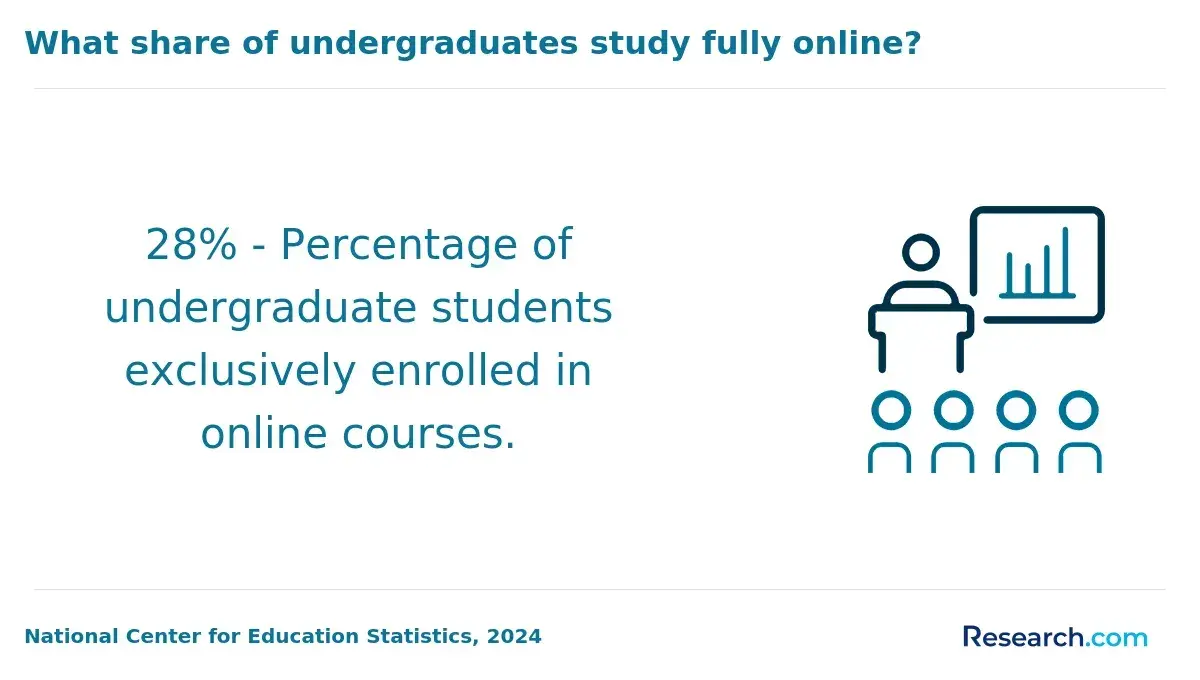
Online education has grown quickly, with enrollment in distance learning programs rising by more than 20% in recent years. Many learners are now weighing an online educational policy degree because of its accessibility and the rising demand for skilled professionals who can shape education systems. This expansion mirrors wider trends in how education is provided and consumed today.
This article will assist prospective students in assessing whether an online educational policy degree is worth pursuing by reviewing key factors including cost, flexibility, accreditation, job market demand, and employer perceptions of this credential. Grasping these elements is essential for making a well-informed decision about this specialized field.
Key Benefits of Online Educational Policy Degree
- Online educational policy programs offer flexible scheduling, allowing working professionals to balance studies with careers and family commitments without sacrificing program quality.
- Graduates gain skills in data analysis and policy evaluation, aligning with growing demand for evidence-based decision-makers in education sectors across the US.
- Long-term outcomes include opportunities in administration, advocacy, and research, with median salaries for policy analysts reaching over $75,000 annually according to recent labor data.
Who Should Choose an Online Educational Policy Degree Program?
Online learning provides a flexible route for students juggling work, family, and other obligations, making it a more and more practical option for advancing education careers. This adaptability serves individuals with varied personal and professional duties who want to strengthen their impact within the education sector. The following groups are especially well-suited to pursuing an online educational policy degree:
- Working educators and administrators: Teachers, principals, and counselors who wish to move into policy-making or leadership positions can keep their current jobs while studying, because of the flexible schedule online programs offer.
- Rural and remote education professionals: Those situated far from campus-based programs can reach quality online courses that would otherwise be out of reach due to geographic limitations.
- Mid-career career changers: Professionals from government, nonprofit, or research fields seeking to shift into educational policy can build new expertise through online coursework without interrupting their careers.
- Aspiring policy advocates and researchers: Individuals motivated to influence educational systems at various levels can gain from theory and practice-oriented online programs often taught by active education policy experts.
What Are the Pros and Cons of an Online Educational Policy Degree?
Online educational policy degree programs have grown in popularity as they offer flexible options for students and professionals aiming to advance their careers without compromising other commitments. These programs provide valuable expertise in education systems, policy analysis, and leadership while accommodating busy schedules.
Advantages of an Online Educational Policy Degree
- Flexibility: Online programs let students finish coursework at their own pace, which suits working professionals balancing jobs and family. Many provide asynchronous classes, making it possible to study in the evenings or on weekends.
- Accessibility: Students can enroll in top-tier institutions no matter where they live, expanding access to specialized courses and expert faculty. For instance, people in remote areas can earn degrees from universities recognized for strong policy research centers.
- Cost-effectiveness: Usually, online degrees carry lower tuition fees and remove commuting costs. As reported by Graduate Program.org, online graduate programs can save students thousands each year, making them a wise financial choice for many.
- Networking opportunities: Virtual platforms allow connections with peers and faculty across the country, providing varied perspectives on policy issues and building professional relationships that matter for career growth.
Drawbacks of an Online Educational Policy Degree
- Limited face-to-face interaction: Online learning may lessen spontaneous discussions and informal networking compared with in-person programs. Forming strong relationships with classmates and professors takes extra effort and deliberate engagement.
- Self-discipline challenges: Success relies on solid time management and motivation, since the absence of a physical classroom setting can result in procrastination and missed deadlines.
- Technology requirements: Dependable internet access and digital literacy are essential. Technical problems during live sessions or exams can interrupt learning and create stress.
- Program quality variability: Not all online education policy program benefits are alike; prospective students need to check accreditation and reputation to ensure their degree holds value in the job market.
For those weighing accelerated degree options, looking into accelerated programs college offerings can offer extra pathways to career advancement.
How Do AI-Enhanced Virtual Classrooms Work in Online Educational Policy Programs?
AI technologies have become essential to modern online education, greatly enhancing the learning experience for students in educational policy programs. By incorporating artificial intelligence in online education classrooms, these platforms deliver personalized, efficient, and interactive learning suited to individual needs. Below are key features that show how AI-powered virtual classrooms improve instruction and support for educational policy learners.
- Adaptive Learning Tools: AI-powered adaptive learning platforms in Educational Policy programs examine each student's progress and interactions, automatically modifying content to match their pace and learning style. This personalization helps close knowledge gaps and sustain engagement by providing tailored resources and feedback.
- Collaborative AI Matching: AI algorithms support group work and discussion forums by pairing students according to shared interests or strengths. This encourages meaningful peer interaction and richer dialogue, which are vital for mastering complex policy concepts.
- Instant Assessment and Analytics: AI systems offer real-time evaluation of assignments, quizzes, and participation, allowing instructors to track trends and step in early when students struggle. This results in more responsive and effective teaching strategies.
- 24/7 AI Support: Virtual assistants and chatbots provide continuous academic support, answering questions and guiding students through difficult topics. This ensures timely help outside traditional classroom hours.
For those exploring flexible options, many quality educational policy programs are available as open enrollment programs, making advanced education more accessible.
Having the right technology setup is vital for success in modern online educational policy programs, since all coursework, communication, and collaboration take place in digital environments. Reliable devices and software are more than conveniences; they are crucial for accessing materials, joining discussions, and completing assignments on time. Below is an overview of the essential technology requirements for online educational policy programs that students should prepare before enrolling.
- Reliable Computer (Laptop or Desktop): A modern computer with a fast processor, at least 8GB of RAM, and an updated operating system is critical. This device supports video conferencing, document editing, and use of learning management systems. For instance, students may attend live seminars via Zoom or review policy documents on platforms such as Google Docs.
- High-Speed Internet Connection: A stable broadband connection with speeds over 25 Mbps ensures smooth streaming of lectures, fast downloads, and uninterrupted virtual classroom participation. Dropped connections can lead to missed deadlines and disrupt learning.
- Webcam and Microphone: Built-in or external webcams and microphones are needed for synchronous sessions, interviews, and virtual presentations. Many programs require students to take oral exams or present research findings online.
- Learning Management System Access: Familiarity with platforms like Canvas, Blackboard, or Moodle is essential, since these hubs host assignments, readings, and collaborative discussions. Students regularly submit policy briefs and engage with peers in forums.
- Office Suite Software: Programs such as Microsoft Office or Google Workspace let students write papers, create presentations, and analyze policy data. For example, Excel is often used for quantitative analysis, and PowerPoint for building policy proposal slides.
- Security Tools: Antivirus software and strong passwords safeguard sensitive educational data and private information, which is especially important when handling confidential policy materials.
- Cloud Storage and Backup: Services like Google Drive or Dropbox offer safe storage and easy sharing options for assignments, research files, and group projects.
Students investing in the best devices for virtual educational policy degree students will better manage workloads, collaborate effectively, and maintain academic success. For those exploring career prospects, understanding the technology setup also aligns with identifying highest paying college majors related to their field of study.
Program length is a key consideration for prospective students because it affects career planning and balancing personal commitments. Timelines for finishing online educational policy degrees differ considerably based on program design and individual pacing. Below is an overview of common duration ranges for these programs.
- Full-Time Online Track: Usually completed within one to two years, this option fits students who can maintain a steady course load. Programs may offer multiple start dates and asynchronous coursework that support consistent progress without on-campus attendance.
- Accelerated Programs: Some universities offer intensive pathways that permit completion in about 12 months by delivering courses in shorter, focused terms such as seven weeks. This quicker format requires a rigorous schedule but can rapidly advance career goals.
- Part-Time Enrollment: Created for working professionals, part-time students often take three to four academic terms or longer to finish. Flexible pacing, evening classes, and the option to spread out credits accommodate varied schedules and responsibilities.
- Transfer and Credit-Acceleration Options: Students with prior graduate credits or qualifying coursework may shorten their time to degree through transfer policies or accelerated pathways provided by certain programs.
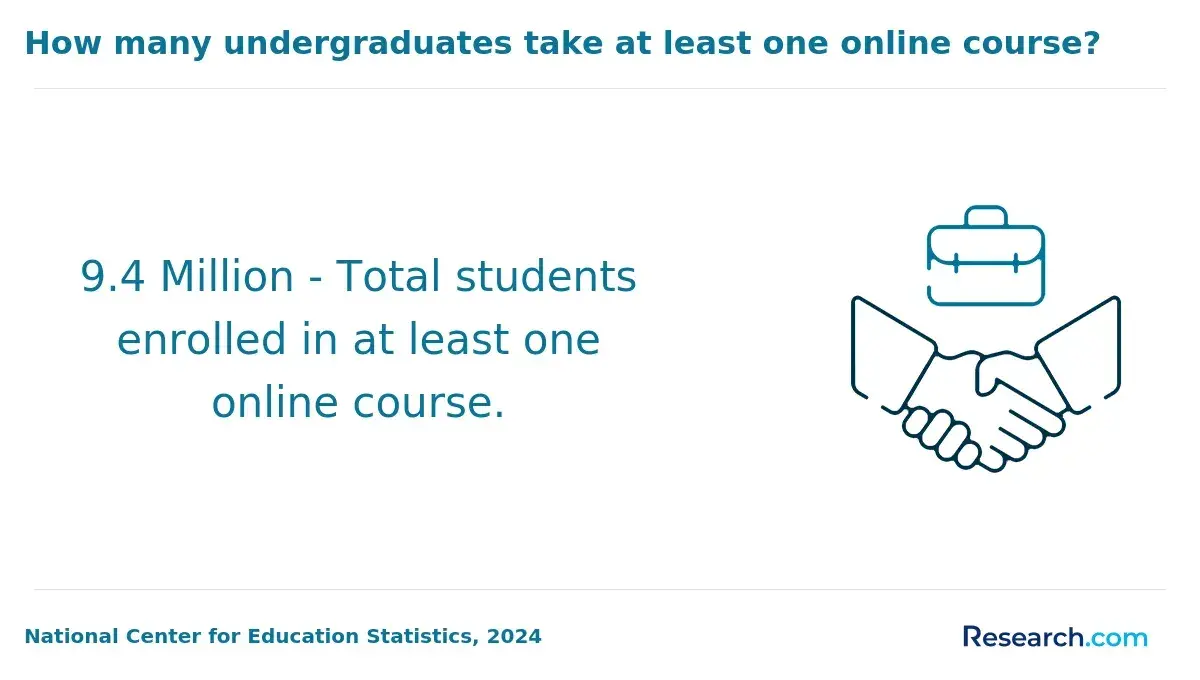
Balancing full-time work with online study is a frequent concern for many people considering an educational policy degree. Handling professional duties alongside academic demands can feel overwhelming. Several factors affect how well someone can maintain both roles.
Key considerations for working full-time while enrolled in an online educational policy program include:
- Flexible Scheduling: Programs that offer asynchronous courses let students complete work on their own time, which helps accommodate unpredictable work hours. By contrast, synchronous classes require fixed attendance, potentially conflicting with job responsibilities.
- Program Pacing: Some degrees are designed for completion in about three years, often with part-time study options extending that timeline. Choosing a program with a pace that suits your lifestyle is essential.
- Workload Expectations: Coursework often requires 10 to 20 hours weekly. Realistic planning and employer support, such as flexible hours or study leave, can lower stress and improve success.
- Time Management Skills: Prioritizing assignments, scheduling dedicated study periods, and using university resources like advising help maintain balance and progress.
When asked about managing full-time work alongside her online educational policy studies, one graduate shared that it was challenging but manageable. She recalled, "Balancing late-night assignments with early mornings at work pushed me to my limits."
By setting firm study routines and seeking support from supervisors, she maintained steady progress. "It was not easy, but staying organized and remembering why I began kept me motivated." Her experience highlights that, with discipline and planning, working full-time while earning this degree is achievable.
Internships are essential for gaining real-world experience and building a career in educational policy. They connect academic knowledge with practical skills necessary for success in this field. Online educational policy programs use several strategies to help students secure and thrive in internships:
- Structured Placement Partnerships: Programs partner with education agencies, nonprofit organizations, and policy groups to build reliable internship pipelines, ensuring students can access quality, vetted opportunities.
- Dedicated Faculty Mentorship: Advisors work closely with students to match internship placements with individual interests and career goals, offering personalized guidance throughout the experience.
- Integrated Coursework: Internships are built in as formal course components lasting typical lengths of 16 weeks, letting students gain hands-on experience without pausing their studies.
- Online Support Platforms: Digital tools and portals monitor internship progress, enable communication, and help students create proposals that link theory to practice in real-time.
- Remote Internship Adaptations: Hybrid and fully remote internship options feature structured supervision and regular check-ins, ensuring engagement and professional growth despite distance.
Understanding the tuition costs of an online educational policy degree is crucial for students planning their budgets and evaluating the program's value. Knowing how fees differ helps make informed choices about which schools and payment strategies best suit one's financial situation. Below are key points outlining common tuition-related factors to consider.
- Average Tuition Per Year: At low-cost public universities, annual tuition usually ranges from about $3,861 to $11,286, based on recent 2025 figures. These rates represent some of the most affordable options for master's-level education.
- Cost Per Credit Hour: Public institutions often charge between $500 and $1,000 per credit, while private colleges may go higher, with rates up to $1,458 per credit for master's courses. This variation greatly affects total expenses depending on program length and credits required.
- In-state vs. Out-of-state Tuition: Residency status strongly influences price; for example, the University of California's online Master of Public Policy costs roughly $29,028 annually for residents and $41,273 for non-residents, reflecting a notable difference in tuition burden.
- Private and For-profit Institution Charges: These schools often report higher fees, with total degree costs ranging between $44,000 and $62,000, often reflecting specialized resources or smaller cohort sizes.
- Additional Fees: Beyond tuition, many programs include technology, course materials, and administrative fees, which can add several thousand dollars annually to the overall expense.
When I spoke with a current online educational policy student about managing these costs, he described balancing financial aid applications, employer tuition assistance, and personal budgeting as demanding yet rewarding. "I needed to carefully compare schools and account for all hidden fees before committing," he said. The process involved many discussions with admissions counselors and financial advisors to clarify total expenses beyond just tuition.
Despite the complexity, he found value in pursuing online studies that fit his schedule and financial reality. "Grasping these details upfront made the whole journey less stressful and more empowering," he reflected, emphasizing how transparency about costs helped him stay focused on his academic and career goals.
Knowing the potential earnings of a career in educational policy is essential when assessing an online educational policy degree program. Understanding salary benchmarks can help prospective students measure the return on investment and plan their career paths accordingly. Below are key salary insights reflecting current trends across various roles and regions.
- Average Entry-Level Salary: Entry-level professionals in education policy typically start near $55,500 annually, according to ZipRecruiter. This reflects initial roles such as policy analysts or research assistants, where on-the-job experience strongly influences growth potential.
- Mid-Career and Experienced Salaries: The average annual salary for an education policy analyst nationwide is about $65,126, with seasoned specialists or those in leadership positions earning upwards of $85,000. Those who advance into superintendent roles can expect salaries averaging $153,044, often requiring additional certification and administrative skills.
- Salary by Industry and Role: Graduates moving into administrative or leadership roles often see a substantial rise in earnings. School principals earn a median wage of $104,070, while postsecondary education administrators earn around $103,960. Instructional coordinators, who combine policy and curriculum responsibilities, bring in a median salary near $74,720.
- Regional and Organizational Variation: Salaries differ by location and type of employer. Major metropolitan areas and states that invest heavily in education tend to offer higher wages. Government agencies and large nonprofit organizations often provide better compensation packages and benefits compared with smaller entities.
- Remote Work Opportunities: For those exploring educational policy jobs salary remote options, flexible work arrangements are increasingly common. Online programs prepare graduates for roles that offer both remote positions and competitive salaries, aligning with current labor market trends.
Additionally, median earnings for graduates from affordable online education master's programs, such as Morningside University, stand at $60,776, which surpasses the national average for education master's graduates. For those interested in advancing further, exploring the shortest online doctoral programs can offer pathways to higher qualifications and salary potential in the field.
An online educational policy degree gives graduates versatile career options across multiple professional fields by equipping them with critical thinking, data analysis, and systems reform skills. This versatility lets graduates pursue roles in diverse sectors where education quality and organizational learning are priorities. Below is an overview of key industries hiring graduates with this degree.
- Government and Policy Organizations: This sector is the primary employer of educational policy graduates, offering roles such as policy analyst, legislative advisor, and program director within education agencies and think tanks. These positions, which influence education systems at local, state, and federal levels, typically provide salaries ranging from $75,000 to $125,000 annually. Graduates interested in education policy analyst remote jobs can find growing opportunities in government settings adapting to flexible work arrangements.
- Educational Technology and EdTech Companies: Firms like Khan Academy, IXL Learning, and Savvas actively seek educational policy professionals for curriculum development, educational consulting, and learning specialist roles. The policy perspective is highly valued here to help design compliant products and advocate for educational standards that meet diverse learner needs.
- Corporate and Nonprofit Sectors: Corporations such as Apple and Amazon employ educational policy graduates as instructional designers and learning specialists, with average salaries near $71,005. Additionally, nonprofits focused on education reform and student advocacy offer roles in program management and policy-driven advocacy. These sectors provide dynamic career paths beyond traditional education settings, including in education policy careers in school districts and think tanks.
For those exploring educational policy programs, the most popular school for trade skills online offers resources that may help in finding suitable programs and career pathways.
What Graduates of Online Educational Policy Programs Say About Their Degree
- Parker: "The online format of the educational policy degree let me learn at my own pace, which was essential given my busy schedule. The curriculum's relevance and the program's accessibility justified the moderate cost, providing clear returns in my career progression and confidence in shaping educational practices. I strongly recommend this route for those seeking a flexible yet impactful learning experience."
- Marvin: "Enrolling in an online educational policy program gave me the opportunity to reflect on my career goals while engaging with diverse perspectives in a virtual classroom. Although the degree demanded self-discipline, the relatively affordable tuition reduced financial stress, allowing me to focus more on mastering the content rather than worrying about expenses. It was a practical choice that reshaped my thinking and opened new professional doors."
- Vance: "Pursuing an online educational policy degree completely changed my approach to education reform. The flexible pace allowed me to balance my job while deepening my understanding of policy impact, all without the hefty price tag typically linked to traditional programs. The experience was not only enriching but also cost-effective, making it a truly worthwhile investment."
Other Things You Should Know About Educational Policy Degrees
It should come from a regionally accredited institution, and the education school or program should also hold CAEP or a comparable professional accreditation when available. For policy jobs in public agencies and universities, regional accreditation is the primary benchmark used for tuition aid, transfer credit, and hiring review.
In 2027, online educational policy degrees are frequently more cost-effective than traditional on-campus programs. This stems from lower tuition, the removal of commuting costs, and the flexibility to work while studying. However, students should weigh accreditation and potential financial aid when evaluating options.
- Technology Requirements for Online/Hybrid Courses https://www.gvsu.edu/online/technology-requirements-for-onlinehybrid-courses-8.htm
- Pros & Cons of Online Degree Courses in 2025 https://amityonline.com/blog/pros-and-cons-of-online-degree-courses
- Is an online degree right for you? Pros and cons to consider https://arden.ac.uk/knowledge-base/learning-styles/distance-learning/online-learning-pros-cons
- Artificial intelligence in education: A systematic literature review - ScienceDirect https://www.sciencedirect.com/science/article/pii/S0957417424010339
- Firsthand Advice for Taking Online Classes While Working Full Time https://www.umassglobal.edu/blog-news/advice-for-taking-online-classes-while-working-full-time
- A comprehensive AI policy education framework for university teaching and learning - International Journal of Educational Technology in Higher Education https://educationaltechnologyjournal.springeropen.com/articles/10.1186/s41239-023-00408-3
- Generative artificial intelligence (AI) in education https://www.gov.uk/government/publications/generative-artificial-intelligence-in-education/generative-artificial-intelligence-ai-in-education
- Online College Pros & Cons: Is Online College Worth It? | B&SC https://www.bryantstratton.edu/blog/degree-insights/online-college-pros-cons/
- The Pros and Cons of Studying Online https://an.edu/the-pros-and-cons-of-studying-online/