2027 Questions to Ask About Online Educational Policy Degree Programs Before You Enroll
Audited and Verified:
Our Editorial and Data Verification Process
Research.com uses government datasets, official education statistics and primary institutional information to support its career and degree guides. Our review process checks factual accuracy, occupational definitions, source dates and the requirements associated with the credentials discussed.
How This Article Was Fact-Checked
Our editorial team verifies salary estimates, employment projections, education requirements and program information against original data providers and official organizations. Salary figures are checked against the relevant occupational definitions and reporting periods. Information about licensure, accreditation and required in-person training is reviewed separately.
Fact-checked and verified on:

Co-Founder and Chief Data Scientist
Many prospective students look at online educational policy degree programs without completely grasping how they affect career prospects or licensure eligibility. As reported by the National Center for Education Statistics, enrollment in education-related online graduate programs rose by 35% from 2018 to 2023, reflecting rising demand but also stronger competition for quality programs. This increase highlights the value of carefully assessing program outcomes and alignment with professional goals. This article presents key questions to ask about accreditation, faculty expertise, curriculum rigor, licensure preparation, and costs, helping students make informed decisions that support successful careers in educational policy.
Key Benefits of Enrolling in Online Educational Policy Degree Programs
- Online educational policy programs offer flexible schedules, allowing students to balance coursework with professional and personal responsibilities effectively.
- These programs often reduce costs by eliminating commuting expenses and providing access to affordable digital resources.
- Studies show online learning can improve work-life balance, with 63% of students reporting less stress compared to traditional classes.
Is the Online Educational Policy Degree Program Accredited?
Accreditation is essential for confirming that an online educational policy degree program satisfies established quality standards, which directly shapes how the degree is viewed by employers, other institutions, and certification boards. Such recognition is vital for licensure eligibility and for advancing career opportunities in education policy and administration. Almost 90% of students in licensed professions need an accredited degree to qualify for certification or licensure, underscoring the importance of selecting accredited online educational policy programs.
Regional accrediting bodies, including the Higher Learning Commission (HLC) and the Middle States Commission on Higher Education (MSCHE), usually offer the most widely accepted credentials, while specialized accreditations such as those from the Council for the Accreditation of Educator Preparation (CAEP) also strengthen program credibility. Before enrolling, prospective students should carefully confirm a program's accreditation status by checking the U.S. Department of Education's Database of Accredited Postsecondary Institutions and Programs or the accrediting agency's official website. Accreditation influences eligibility for federal financial aid, credit transferability, and long-term professional recognition.
Those considering additional advanced degrees or career pathways may also want to explore online doctorate of education programs to build upon their foundational degree. Verifying a program's accreditation is one of the most important steps for students when researching online educational policy degree accreditation and accredited online educational policy programs.
What Are the Admission Requirements for Online Educational Policy Programs?
Satisfying admission requirements is crucial for prospective students assessing online educational policy programs so they can confirm eligibility and readiness for academic rigor. Such criteria are vital in helping programs choose candidates with the right background and skills to succeed.
The following outlines the main requirements for enrolling in online educational policy programs:
- Bachelor's degree: Applicants need to possess a bachelor's degree from an accredited institution, which supplies a necessary academic foundation. This confirms that candidates have finished undergraduate studies relevant to advanced education policy coursework.
- GPA minimum: Many programs establish a minimum undergraduate GPA to gauge academic readiness and the capacity to handle graduate-level demands. This measure helps preserve program quality by admitting prepared students.
- Letters of recommendation: Typically two or three letters from academic or professional sources offer insight into an applicant's competencies and potential. They assist admissions committees in evaluating qualities not apparent in transcripts alone.
- Statement of purpose: A written explanation of the applicant's goals and interest in educational policy shows focus and commitment. This document makes clear how the program fits into their career trajectory.
- Resume or CV: Candidates should list relevant experience tied to education, research, or policy settings to demonstrate preparedness and background.
- Standardized tests: Some programs require GRE scores, although many have recently waived this requirement to improve accessibility.
For students investigating admission criteria for online educational policy degrees, grasping these components helps target applications to program expectations. Prospective students comparing programs may also want to weigh costs and career outcomes, which can be examined alongside options such as an online business degree as part of a broader educational plan.
What Classes Do You Take in an Online Educational Policy Program?
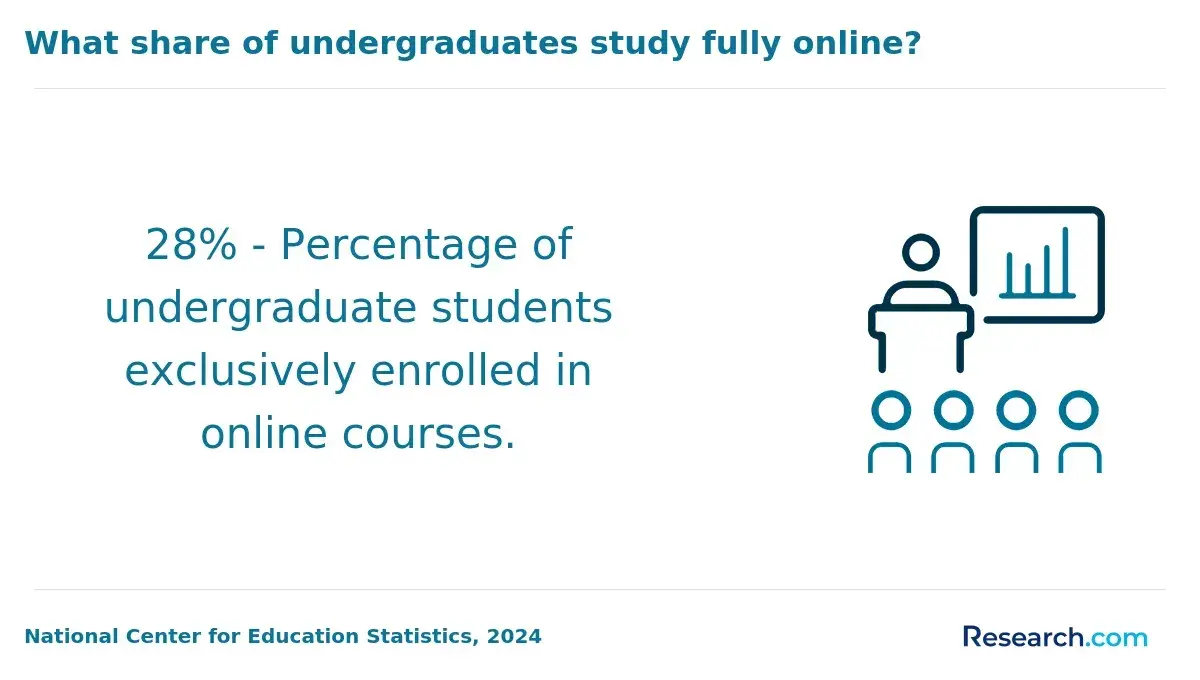
Understanding the curriculum is vital for prospective students comparing online educational policy programs, since it clarifies how each course supports their future career success. Enrollment in online graduate education programs has climbed by over 20% annually, making it crucial to select courses that align closely with professional goals.
Online educational policy degrees typically provide three categories of classes that serve as the program's backbone:
- Core courses: These classes present foundational concepts in policy evaluation, education governance, and legal frameworks. They develop analytical skills needed to evaluate how policies affect various educational settings and populations.
- Electives: Intended to deepen knowledge in specialized areas, electives may cover equity in education, leadership development, or using data for policy decisions. These classes let students tailor their learning to specific career aspirations.
- Research seminars: These center on refining critical thinking, communication, and data interpretation abilities while addressing current policy issues, thereby preparing students for roles in research and policy-making environments.
Understanding how long an online educational policy degree takes helps students manage time and finances effectively while planning their career path. Clear expectations about program duration also help align education with professional goals. Below are typical timelines for completing an online educational policy degree:
- Full-time study: Most full-time master's programs take between 1 and 2 years. This route suits students who can devote substantial time each week to courses, allowing faster graduation and earlier entry into the workforce.
- Part-time study: Part-time options stretch the program length to about 3 years or more. This flexible approach lets students balance work, family, and study commitments but calls for longer-term planning.
- Accelerated programs: Some degrees provide fast-track options finished within 12 to 18 months. These demand intense, focused study and suit students able to fully commit to a condensed schedule.
- Programs with practical components: Including internships or clinical hours may extend completion time. The added experiential learning supports career readiness but requires extra scheduling and time investment.
Most online educational policy programs feature an internship or practicum component, though requirements vary widely. These experiences are intended to give students supervised, practical exposure where they can apply policy concepts in actual education environments, helping build key skills such as program evaluation and stakeholder collaboration. Some programs require mandatory hours at approved locations, while others offer flexible options like waivers or alternative projects for those already working in the field.
Hands-on learning is increasingly viewed as essential for career readiness, especially for roles in government, nonprofits, or school districts. Notably, about 65% of students in educational policy master's programs complete a formal practicum or internship, underscoring its growing prominence in training.
Graduates of online educational policy degree programs may pursue professional licensure, but availability depends on the specific career path within the field. Unlike teacher certification, which often requires state-approved programs and supervised clinical experiences, many educational policy roles do not demand a formal license. However, positions such as school administrators or counselors generally need state licensure or certification, and reputable online programs often design their curricula to align with these requirements. Typical licensure prerequisites include finishing an accredited program, passing state exams, and completing supervised practice hours.
Many online educational policy programs support licensure eligibility by providing practicum placements or partnerships with local schools, helping students satisfy these critical requirements. Licensure is a key factor for prospective students evaluating online educational policy degree licensure requirements because it directly affects eligibility for various jobs and shapes salary potential. Almost 70% of education administration roles require state certification, underscoring the importance of licensure-focused preparation for certain careers in educational policy. When selecting an online degree, students should confirm that the program's accreditation and curriculum meet their state's licensure criteria.
It is also important to consider how licensure affects employment opportunities and to check whether programs prepare students for state-specific licensure exams and offer supervised field experiences. For those exploring further options in graduate education, reviewing cheap psychology masters programs can offer insight into affordable pathways that complement educational career goals.
Prospective students assessing online educational policy programs must carefully weigh the full costs to budget effectively and judge the program's value. Recent data show tuition for these programs varies widely, significantly affecting total expenses. Understanding these components helps guide decisions about pursuing a degree in this field.
Common expenses linked to online educational policy programs include the following:
- Tuition per Credit: Tuition rates usually range from $400 to $1,200 per credit hour. Because most programs require between 30 and 36 credit hours, total tuition alone can range from $12,000 to $43,200 depending on the institution and program structure.
- Mandatory Fees: Additional charges often cover registration, technology support, and graduation applications. These fees typically add several hundred dollars to the overall cost and vary between schools.
- Course Materials: Students might need to buy textbooks, specialized software, or other materials not included in tuition. While some institutions are expanding support for affordable digital resources, material costs may still be a significant factor.
- Technology Requirements: Hardware, dependable internet bandwidth, and software required for virtual classrooms and video conferencing can increase expenses. These costs depend on a student's current equipment and the program's technological demands.
Since tuition fees for online educational policy programs vary widely, it is important to ask schools for detailed cost breakdowns before enrolling. For those weighing career prospects, students might also review information about high paying degrees related to their field to maximize return on investment.
Understanding financial aid options is vital for prospective students considering online educational policy programs because it can greatly lower the overall expense of earning the degree. Almost 60% of graduate students use some form of financial aid, underscoring its crucial role in higher education affordability. Students seeking financial aid options for online educational policy degrees have several opportunities to explore.
These options differ in eligibility and can strongly affect the total cost of their studies:
- Federal student loans: Available to most students after submitting the Free Application for Federal Student Aid (FAFSA), these loans usually carry fixed interest rates and provide repayment plans that adjust to income changes. While they do reduce upfront costs, these loans must be repaid with interest, so long-term financial planning matters.
- Grants and scholarships: Typically awarded based on merit or financial need, grants and scholarships do not require repayment. Eligibility may depend on academic performance, demographics, or relevant professional experience, making them a crucial component of scholarships and grants for online educational policy students.
- Employer tuition assistance: Many working adults take advantage of tuition reimbursement or assistance programs offered by their employers. This aid can cover partial or full tuition costs if the coursework aligns with their job responsibilities or career advancement in educational policy.
- State aid programs: Some states offer dedicated grants or scholarships for residents enrolled in graduate-level online programs. These programs often require proof of residency and enrollment status and can reduce the financial burden for eligible students.
Thorough research and timely applications for these financial aid sources can make advanced study in educational policy truly affordable. Those comparing programs might also consider exploring the top online degrees, which include some educational policy tracks known for favorable career outcomes and manageable costs.
Understanding the career paths available with an online educational policy degree is vital for students to align their education with professional goals. The Bureau of Labor Statistics projects a 6% growth in education administration jobs over the next decade, signaling steady demand. Below are common roles graduates can pursue.
- Education Policy Analyst: These professionals study and assess education systems, advising policymakers on reforms. The degree provides students with skills in data analysis and policy development, opening doors to government agencies or think tanks.
- School Administrator: Graduates may become principals or district administrators, managing school operations and implementing educational programs. This role often leads to higher leadership opportunities in education management.
- Program Coordinator: Coordinators oversee education initiatives, grant programs, or community outreach efforts. An educational policy degree offers a foundation in planning and assessment, crucial for driving program success.
- Advocacy Specialist: These specialists advance education equity and reform through lobbying and public engagement. The degree's emphasis on policy and ethics prepares graduates to influence legislation and support underserved populations.
- Researcher in Education Organizations: Researchers carry out studies that inform best practices and policy changes. With strong analytic and writing skills gained in the program, graduates contribute valuable insights to academic or nonprofit institutions.
Understanding the potential earnings after completing an online educational policy program helps prospective students assess the value of their investment. Recent data indicates that average salaries in this field range from $60,000 to $90,000 annually, with expected wage growth of about 7% over the next ten years.
Below are key factors that influence salary outcomes for graduates pursuing careers in educational policy.
- Level of education: Holding advanced degrees such as a master's or doctorate often results in higher pay because these credentials open doors to leadership and specialized roles. Employers typically reward greater expertise and qualifications with increased compensation.
- Specialization: Salary differences emerge depending on focus areas within educational policy. Fields such as policy analysis, educational leadership, or equity and access work each have varying demand levels and complexity, which affect earning potential.
- Experience: Career longevity matters, since professionals with more years in the sector usually earn better salaries. Accumulated skills and a record of success contribute to higher pay grades.
- Geographic location: Salaries vary across regions, with urban centers and states that devote substantial budgets to education typically offering more competitive wages. Cost of living also affects pay scales in different areas.
- Work setting: Employment type plays a major role; government positions, non-profits, and private organizations each have distinct pay structures. Some sectors offer higher salaries based on funding sources and organizational priorities.
What Graduates Say About Enrolling in an Online Educational Policy Degree
- Briar: "Selecting the online educational policy degree was a wise financial decision for me because the average cost was much lower than traditional programs. The flexibility of the courses let me balance work and study efficiently, and now I'm confidently leading projects that shape school district policies. The investment truly paid off in advancing my career."
- Vance: "When I first looked into the cost of an online educational policy program, I valued the transparency and reasonable tuition compared with on-campus options. The experience challenged my perspectives and honed my analytical skills while fitting into my busy schedule. This degree opened doors for my promotion into a strategic role within my organization."
- Marlo: "Paying for the online educational policy degree was a major decision, but the competitive pricing and positive reviews persuaded me to enroll. The virtual learning environment was engaging, and faculty support helped me thrive academically. Since graduating, I've seen a significant boost in my professional opportunities and influence in education reform."
Other Things You Should Know About Educational Policy Degrees
Ask if the program requires a laptop with at least 8 GB of RAM, a current webcam, a microphone, and dependable broadband internet. Also verify support for Zoom, Canvas, or Blackboard, plus any required proctoring software. Some programs require students to use a VPN for secure document access.
To assess faculty quality in 2027, students should examine faculty qualifications, research publications, and professional experiences. Contacting alumni for feedback and reviewing faculty involvement in cutting-edge policy projects can also offer valuable insights.
Strong programs provide virtual events, webinars, and discussion groups that link students with alumni, faculty, and education policy professionals. Some schools also enable access to conferences, internships, or partnerships with education agencies. Checking whether the program has an active online community and career services can help students build relationships that support their careers after graduation.
- Educational Policy Graduate Certificate https://www.online.drexel.edu/online-degrees/education-degrees/cert-edpo/index.aspx
- Choosing An Online Degree Program: 9 Do's And Don'ts https://www.saintleo.edu/about/stories/blog/choosing-an-online-degree-program-9-dos-and-donts
- Education Policy Jobs - Careers & Salaries - School of Education https://drexel.edu/soe/resources/career-path/education-policy/
- How Online Education Financial Aid Can Empower Your Career https://lakewood.edu/online-education-financial-aid-6/
- MAT vs. MEd: Comparing Degrees and Leadership Styles | School of Education | American University, Washington, DC https://www.american.edu/soe/graduate/articles/mat-vs-med-comparing-degrees-and-leadership-styles.cfm
- Benefits of Earning a Master of Education Degree https://www.mountunion.edu/academics/graduate-degrees/med-program/benefits-of-earning-an-med
- Educational Policy Online Graduate Certificate https://www.umassd.edu/programs/educational-policy-graduate-cert-online/
- What Is An Online Ed.D. In Education Policy? - Noodle.com https://resources.noodle.com/articles/edd-education-policy-online/
- 293/493 Internships and 590 Practicum/Internships https://www.boisestate.edu/policy/academic-affairs-student/practicum-and-internship/
- Career Opportunities - IHEP https://www.ihep.org/about-ihep-new/working-at-ihep/career-opportunities/