2027 Educational Policy Degree Programs for Career Changers
Audited and Verified:
Our Editorial and Data Verification Process
Research.com uses government datasets, official education statistics and primary institutional information to support its career and degree guides. Our review process checks factual accuracy, occupational definitions, source dates and the requirements associated with the credentials discussed.
How This Article Was Fact-Checked
Our editorial team verifies salary estimates, employment projections, education requirements and program information against original data providers and official organizations. Salary figures are checked against the relevant occupational definitions and reporting periods. Information about licensure, accreditation and required in-person training is reviewed separately.
Fact-checked and verified on:

Co-Founder and Chief Data Scientist
A lot of working adults encounter stagnant career advancement and want positions that shape education systems, yet they lack focused qualifications. Moving into educational policy may open leadership chances in school districts, government agencies, or nonprofits, although the route frequently appears uncertain. Studies indicate that almost 50% of adult learners who enroll in educational policy programs are career changers, underscoring a rising trend in midlife upskilling to satisfy workforce needs.
This piece will examine how educational policy degree programs serve experienced professionals in particular, providing practical routes and tactics to support a confident and successful career shift into this essential and changing field.
Key Things to Know About Educational Policy Degree Programs for Career Changers
- Many educational policy degree programs offer flexible scheduling and online or hybrid formats, enabling working adults to balance studies with current job responsibilities effectively.
- Programs increasingly emphasize employer-relevant skills, with curricula shaped by workforce demands, enhancing career changers' marketability in education sectors.
- Support services such as academic advising and accelerated pacing help working adults complete degrees faster, with some programs reporting up to 30% shorter completion times compared to traditional tracks.
What Educational Policy Programs Accept Career Changers?
A number of educational policy programs are built to accommodate working adults and professionals pursuing career changes through flexible prerequisites and curricula that draw on varied backgrounds. Almost 40% of graduate students in education fields are adult learners or career changers, underscoring the growth of educational policy programs for nontraditional students.
- Master of Education (M.Ed.) in Educational Policy: This program often has flexible admission requirements and focuses on policy analysis together with leadership abilities that career changers can bring from earlier fields.
- Master of Arts (M.A.) in Education Policy Studies: Recognized for its welcoming admission standards, this degree centers on research and advocacy, making it well suited for people moving their skills toward policy development challenges.
- Educational Leadership and Policy Programs: Designed for mid-career professionals, these programs combine theoretical knowledge with hands-on application, helping career changers influence education systems effectively.
- Doctor of Philosophy (Ph.D.) in Educational Policy and Administration: With flexible entry and part-time study choices, this doctoral route allows deep expertise development while staying employed, suited to graduate educational policy degrees that welcome career changers.
These programs stress practical skills and adaptability, which can help professionals from diverse backgrounds make a smooth transition. Adult learners who want to advance their careers might also investigate related fields through reputable online BCBA programs that match broader policy and leadership aims.
What Educational Policy Specializations Are Best for Career Changers?
Choosing the correct educational policy specialization is crucial for career changers seeking efficient transitions and broader job prospects. Demand for education specialists with policy expertise is expected to increase by 8% through 2030, reflecting robust labor market trends. Selecting a specialization that fits your skills can open new pathways.
Below are four leading educational policy specializations for career changers, each fostering practical leadership and policy analysis skills designed for nontraditional students moving into education roles:
- Education Leadership and Administration: Draws on management and organizational skills, ideal for professionals with leadership experience who want roles in school districts or educational agencies. This track suits those seeking to apply their prior leadership expertise within education systems.
- Education Equity and Social Justice: Centers on advocacy and reform, with an emphasis on policy development to address disparities. It is open to newcomers who are passionate about social impact and dedicated to driving systemic change in education.
- Education Data and Assessment Policy: Attracts individuals with analytical backgrounds, focusing on data-driven decision-making and evaluation in educational settings. This specialization assists those skilled in quantitative analysis and research.
- Higher Education Policy: Helps career changers who aim to influence postsecondary education through a mix of policy analysis, knowledge of student services, and institutional governance. It eases professional transitions into higher education leadership roles and administration.
People interested in broader professional transitions might also consider exploring CACREP online counseling programs to supplement their policy expertise and widen career options within education-related fields.
What Are the Admission Requirements for Career Changers Applying to a Educational Policy Program?
Career changers need to carefully handle admission requirements, which frequently differ from traditional applicant routes. Almost 38% of U.S. graduate students are nontraditional or adult learners, underscoring the value of accommodating varied professional backgrounds. Awareness of these factors helps applicants match their experience with academic expectations.
The following are typical admission criteria for career changers applying to an educational policy program.
- Bachelor's Degree: Most programs require a bachelor's degree from an accredited institution, though extensive professional experience may replace formal academic credentials in some cases.
- Academic Records: Submitting transcripts is typical, and some programs require standardized test scores such as the GRE; however, many waive these for experienced professionals.
- Letters of Recommendation: Strong endorsements that emphasize leadership, analytical skills, or relevant professional achievements are essential for showing potential in educational policy.
- Personal Statement: A clear essay explaining the motivation for the career switch and how earlier experiences support success in educational policy is often required.
- Resume or CV: Documentation of transferable skills such as project management, research, communication, or policy analysis strengthens the application.
Programs that serve working adults stress format flexibility, including part-time, evening, or online options, and recognize varied career histories. Alternative qualification pathways, such as professional certifications or demonstrated sector impact, can greatly strengthen applications.
Prospective students considering their options may also look into related online marriage and family therapy programs that provide similar flexibility and support. Knowing educational policy program prerequisites for nontraditional applicants helps career changers identify the best fit for their goals.
For professionals changing careers, understanding the coursework structure in an educational policy degree is essential to align learning with their particular schedules and goals. This awareness ensures the program can be effectively fit into busy lives while delivering relevant knowledge for the transition. Core coursework areas usually include the following:
- Policy Analysis: Examines how educational policies are created and what they mean for different groups, combining theory with real-world contexts to suit those new to the field.
- Research Methods: Covers designing and interpreting studies that are essential for shaping sound policies, emphasizing practical research skills that can be applied immediately in professional settings.
- Education Law: Reviews the legal structures within which schools must operate, preparing students to handle regulatory challenges confidently as they change careers.
- Program Evaluation: Introduces tools and methods to measure the success and impact of education initiatives, supporting informed decision-making in various work settings.
- Flexible Delivery: Many programs offer online or part-time formats with support systems such as mentoring and cohort participation, helping adult learners balance responsibilities while applying knowledge in real time.
When talking about these aspects with a professional who completed an online educational policy degree to prepare for a career change, he said that managing coursework alongside a full-time job was overwhelming at first. "I wasn't sure if I could keep up with assignments and discussions while working," he remembered. Still, the program's flexible structure and approachable faculty support made a major difference.
He added, "Studying in the evenings and on weekends, along with practical projects, helped me feel confident that I was gaining relevant experience. It wasn't just theory; I could immediately apply what I learned, which kept me motivated throughout." This firsthand insight shows how coursework designed with career changers in mind can ease the transition and encourage meaningful engagement.
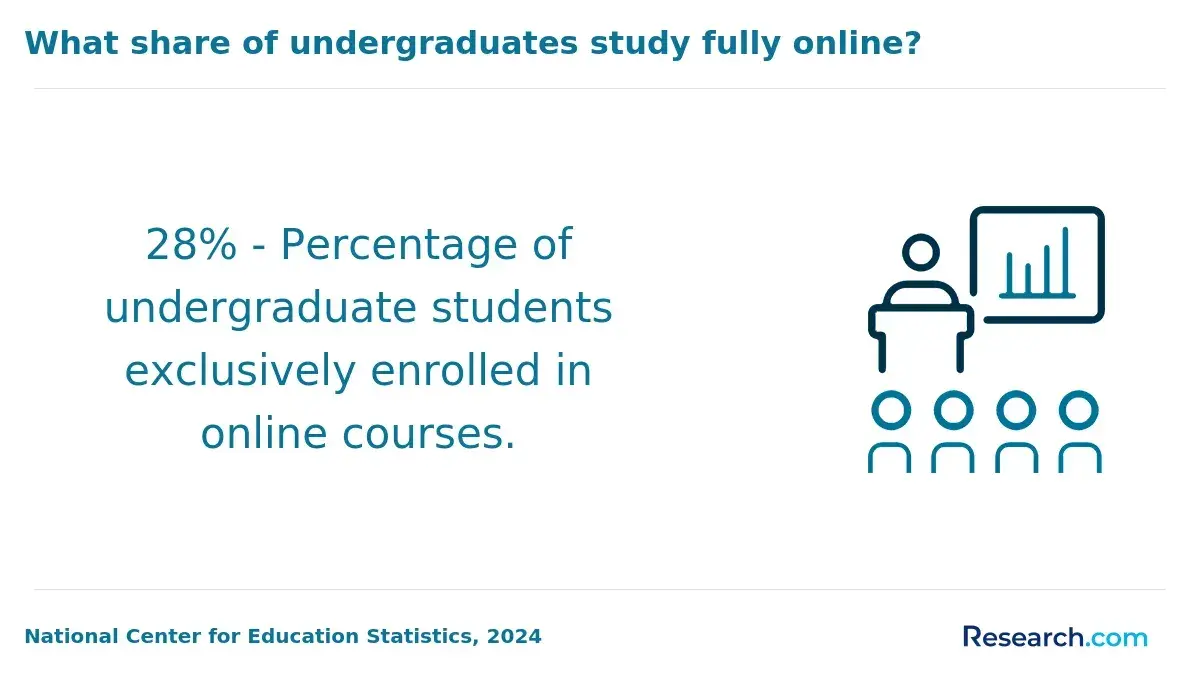
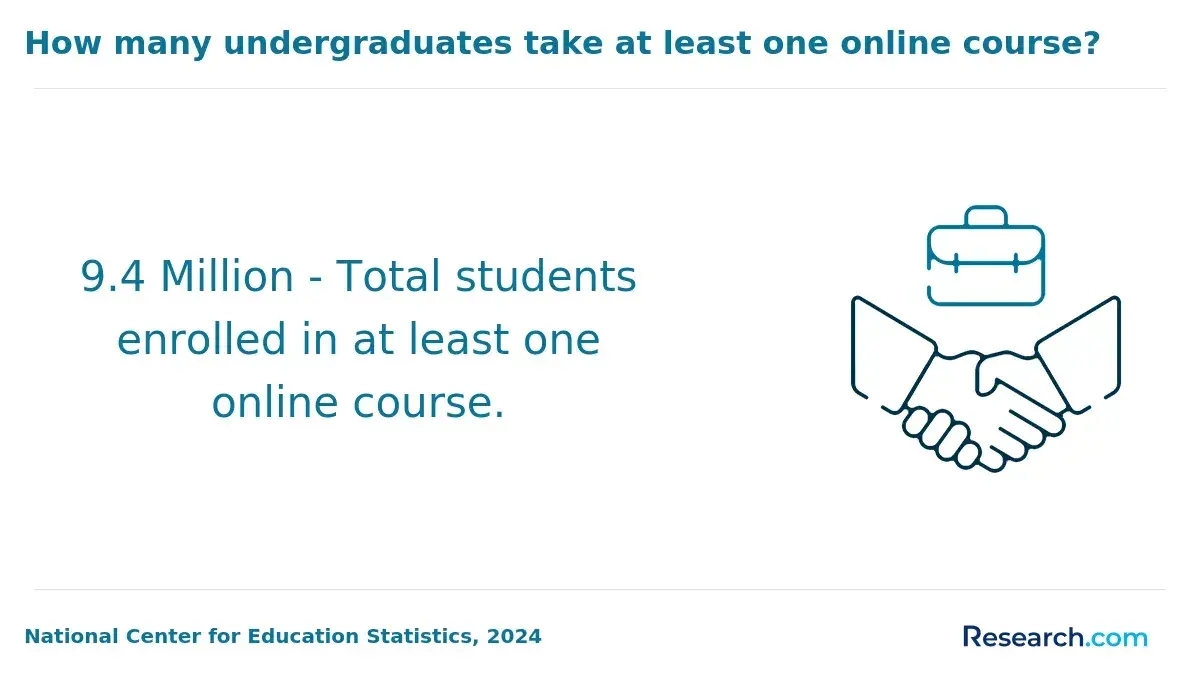
Career changers should carefully weigh program formats that help balance education with professional and personal responsibilities. Almost 41% of U.S. postsecondary learners participate in at least one distance education course, reflecting a move toward more adaptable learning models.
The following are several key options suited to those changing careers.
- Online Programs: Coursework is delivered entirely online, giving learners the freedom to study from any location and at any time. This format is ideal for professionals managing busy schedules and family responsibilities.
- Evening and Weekend Classes: Traditional in-person sessions take place outside regular working hours, making it easier for employed students to attend without interrupting their day jobs.
- Part-time Enrollment: Students take fewer courses each term, lengthening the duration of study to reduce time pressures and financial strain while keeping steady progress.
- Hybrid Formats: These combine the advantages of online learning with some in-person meetings, encouraging direct interaction while preserving considerable flexibility.
Selecting a program format that matches work-life demands can improve completion rates and overall satisfaction for career changers pursuing an educational policy degree.
For professionals changing careers, gaining new skills is essential to help them navigate unfamiliar industries with confidence. Research from the Strada Education Network shows that 72% of adults are willing to return to school to gain the skills needed for a different career path.
The following key skills are often built in an educational policy program, improving one's ability to adapt and succeed.
- Policy Analysis: This skill lets students critically examine and shape educational policies, enabling them to take part in reform efforts and influence decision-making within schools or governmental bodies.
- Research and Data Interpretation: Career changers learn to use both qualitative and quantitative research methods to assess educational trends and outcomes, supporting sound, evidence-based policy development.
- Leadership and Management: Building leadership capabilities prepares learners to oversee teams and initiatives effectively, a crucial ability for those aiming to take on administrative or organizational roles.
- Communication: Mastery of clear, persuasive communication, both written and oral, is essential for conveying complex policy ideas to varied audiences and fostering collaboration among stakeholders.
- Equity and Inclusion Awareness: Understanding social justice principles helps graduates advocate for policies that reduce disparities and promote fairness within education systems.
When I talked with a career changer who completed an educational policy degree, she described her journey as both difficult and transformative. Coming from a corporate background, she at first struggled with the specialized vocabulary and academic research expectations. Still, through persistence, she gained new confidence in analyzing policies and advocating for underserved communities.
She noted, "The program helped me find my voice in a field I previously knew little about. It required me to learn quickly but also gave me tools to make a real impact." Her experience shows how gaining skills in educational policy programs can empower adult learners to embrace new professional identities with purpose and clarity.
Career changers often balance existing financial obligations while investing in advanced education, making it crucial to understand the total cost of a graduate degree. Recent data indicates that the average debt for master's degree holders exceeds $66,000, underscoring the need to carefully assess expenses before enrolling.
The main costs involved usually fall into several key categories.
- Tuition and Fees: Tuition varies widely depending on whether the program is offered by a public or private institution and whether it is online or on-campus. Costs usually range from $15,000 to $50,000 for the entire educational policy degree program. Additional fees can add several thousand dollars to the total cost.
- Textbooks and Materials: Required books, software, and course materials add to expenses and may cost hundreds to a few thousand dollars depending on the curriculum. Using digital resources or secondhand materials can lower these costs.
- Technology Fees: Many programs charge technology or online access fees to support digital learning platforms. These fees are usually smaller than tuition but remain an important budget consideration for those pursuing affordable educational policy programs for working professionals.
- Travel Expenses: Some programs require in-person attendance for certain courses or residencies, creating costs for transportation, lodging, and meals. Choosing programs with flexible or hybrid formats can help reduce these expenses, especially for those balancing work and study.
- Payment Options and Employer Support: Many institutions offer flexible payment plans, part-time options, or accelerated courses to spread out costs and shorten program duration. Employer tuition assistance or reimbursement programs can also greatly offset expenses, making it crucial to explore such benefits early in the decision process.
- Cost-Saving Pathways: Online formats and competency-based education models are growing in popularity as affordable ways to complete a degree without compromising quality. For instance, candidates might consider an online doctorate in organizational leadership as a cost-effective, flexible alternative that aligns with career advancement goals.
Curriculum design is particularly important for career changers in the educational policy field, since it connects existing expertise with new knowledge needed for success. This careful structuring lets adult learners engage effectively while balancing other professional and personal responsibilities. The following are key ways this curriculum supports smooth career transitions.
- Applied Learning Opportunities: The curriculum combines theory with real-world educational challenges, strengthening practical problem-solving abilities essential for policy roles.
- Transferable Skill Development: Programs focus on critical thinking, data analysis, and communication, giving students versatile skills valuable across various careers.
- Flexible Pacing Options: Acknowledging the demands on working professionals, courses offer adaptable schedules that fit individual progress and commitments.
- Real-World Projects: Including case studies and hands-on projects sharpens decision-making and policy evaluation competencies needed in the education sector.
- Interdisciplinary Content: Connecting educational policy with social, economic, and political contexts prepares students for complex challenges in diverse professional environments.
Career changers gain key skills from educational policy programs that improve their ability to analyze and influence education systems effectively. Exploring online certifications can also supplement these degrees and improve employability in related areas.
For career changers, understanding potential job outcomes helps match skills with market demand, improving the chances of a smooth transition. According to the U.S. Bureau of Labor Statistics, education-related fields are projected to grow by 7% from 2022 to 2032, reflecting steady opportunities for those skilled in educational policy.
Below are five common career paths suited to those with a background in educational policy.
- Education Consultant: Advises organizations on effectively implementing and improving educational policies. Transferable skills such as analysis and communication help professionals guide institutional improvements.
- Program Evaluator: Measures the success of educational projects and initiatives to support data-driven decisions. Experience in research and evaluation helps career changers assess policy impact and improve programs.
- Policy Analyst: Investigates legislation and reform proposals, crafting recommendations that shape education systems. Analytical abilities and knowledge of policy frameworks make this role accessible to those changing careers.
- Curriculum Coordinator: Develops instructional materials that meet policy standards and learner requirements. Project management and curriculum design skills transfer well for professionals moving into this position.
- Advocacy Specialist: Engages stakeholders to promote fair and inclusive education policies. Strong communication and leadership skills improve effectiveness in advancing educational equity.
Salary expectations play a key role for career changers pursuing an educational policy degree, helping them balance the financial and time commitments against future earnings. Studies indicate that reskilled professionals see a median salary growth of about 15% within three years after completing their education. The following are common salary ranges and factors affecting compensation in this field.
- Entry-Level Salaries: Graduates usually start with annual salaries ranging between $50,000 and $65,000, though this varies based on prior experience and geographic location.
- Mid-Level Positions: Professionals with several years of experience often earn from $70,000 to $90,000, reflecting greater responsibility and expertise.
- Senior Roles: Leadership roles or senior policy analysts frequently command $90,000 to $120,000 per year, influenced by the organizational setting and region.
- Prior Experience Impact: Backgrounds in administration, research, or related sectors can greatly boost starting pay and career advancement opportunities.
- Industry Variations: Compensation often differs among government agencies, private consultancies, and nonprofit organizations, shaping overall pay structures accordingly.
What Graduates Say About Their Educational Policy Degrees for Career Changers
- Vance: "Deciding to shift from finance to education policy was a huge step, especially considering the average cost of attendance around $30,000. Despite the price, earning my Educational Policy degree proved invaluable, opening doors in government roles focused on equity in schooling. The investment absolutely accelerated my career transition and gave me confidence in my new path. "
- Camille: "After years in corporate marketing, I took a reflective pause and pursued an educational policy degree, mindful of the $25,000 to $35,000 tuition range for career changers like me. The program deepened my understanding of systemic challenges, and although it was a significant cost, the skills I gained enabled me to influence local education reforms. This degree was a pivotal chapter, reshaping my professional identity."
- Bonnie: "I came from a healthcare background and chose to pursue a degree in educational policy to impact child health education. The tuition around $30,000 felt steep initially, but completing the program was a game-changer, equipping me with the expertise necessary to advocate for better policy in schools. This degree has profoundly enhanced my professional scope and fulfillment. "
Other Things You Should Know About Educational Policy Degrees
The majority of educational policy degrees do not call for a licensure exam, since policy positions are not teacher-licensure programs. When a degree features a principal or administrator track, the necessary test is determined by the state education agency, for example the Praxis School Leaders Licensure Assessment in certain states.
Yes, many institutions provide financial aid and scholarships aimed at graduate students in educational policy programs. Career changers may be eligible for merit-based awards, need-based aid, or scholarships intended for professionals moving into education leadership. It is important to check with individual schools and external funding sources for eligibility criteria and application deadlines.
In 2027, admission requirements for educational policy programs usually consider both work experience and prior education. However, specific requirements can vary by institution. Many programs value varied professional backgrounds, particularly for career changers, and may offer flexible criteria to accommodate different experiences.
- How to Become an Educational Policy Analyst - Graduate Programs for Educators https://www.graduateprogram.org/blog/how-to-become-an-educational-policy-analyst/
- A Career in Policy: 4 Transferable Skills Gained While Leading a Classroom | Teach For America https://www.teachforamerica.org/stories/a-career-in-policy-4-transferable-skills-gained-while-leading-a-classroom
- Policy master's: Cost and funding (Part 4) - Emerging Technology Policy Careers https://emergingtechpolicy.org/pathways/graduate-school/policy-masters/4-cost-and-funding/
- Education and Career Mobility Fellowship https://www.aspeninstitute.org/programs/education-and-career-mobility-fellowship/
- Alternative Education for High-Quality Careers | National Fund for Workforce Solutions https://nationalfund.org/alternative-education-for-high-quality-careers/
- Online Education Undergraduate Tutors Spires | What Jobs Can I Get With A Degree In Education? https://spires.co/online-education-tutors/undergraduate/what-jobs-can-i-get-with-a-degree-in-education
- Flexible Graduate Education Programs for Career Changers and Returners https://www.belmont.edu/stories/articles/2024/graduate-education-programs.html
- The Best Degrees for Career Changers in 2025 (No Starting from Scratch) https://www.nexford.edu/insights/the-best-degrees-for-career-changers-in-2025-no-starting-from-scratch
- Teaching and Learning, Policy and Leadership - Education Policy and Leadership Specialization, M.A. | UMD College of Education https://education.umd.edu/academics/programs/masters/teaching-and-learning-policy-and-leadership-education-policy-and
- The Best Online Degrees for Career Change After 30 | National University https://www.nu.edu/blog/best-online-degrees-for-career-change/