2027 Do Online Educational Policy Programs Offer Weekly Start Dates? Enrollment Calendar & Start Options
Audited and Verified:
Our Editorial and Data Verification Process
Research.com uses government datasets, official education statistics and primary institutional information to support its career and degree guides. Our review process checks factual accuracy, occupational definitions, source dates and the requirements associated with the credentials discussed.
How This Article Was Fact-Checked
Our editorial team verifies salary estimates, employment projections, education requirements and program information against original data providers and official organizations. Salary figures are checked against the relevant occupational definitions and reporting periods. Information about licensure, accreditation and required in-person training is reviewed separately.
Fact-checked and verified on:

Co-Founder and Chief Data Scientist
Picture a working professional considering the decision between weekly and monthly start dates for an online educational policy program. Flexible enrollment might be the key to balancing work, family, and study commitments. Recent data reveals a 25% yearly rise in demand for programs that provide more frequent start options, underscoring growing learner preference for customized schedules in educational policy fields.
For adult learners and career changers, these flexible calendars can mean faster access to courses and quicker career advancement. Educational policy students particularly benefit from weekly starts since they often balance complex responsibilities, so knowing how institutions handle enrollment cycles is essential for making informed decisions.
Key Things to Know About Online Educational Policy Program Enrollment
- Many online educational policy programs use rolling enrollment with weekly or biweekly start dates, enabling greater flexibility compared to traditional semester schedules.
- These flexible calendars support working adults and career changers by allowing them to begin coursework without waiting months for a new term to start.
- According to recent trends, online enrollments in educational policy fields have increased by over 25% annually, driven by demand for adaptable scheduling options.
Do Online Educational Policy Programs Offer Weekly Start Dates?
Online educational policy programs now commonly provide weekly start dates and rolling enrollment choices to fit the schedules of working adults, career changers, and adult learners. Unlike conventional semester-based schedules that usually start two or three times each year, these flexible enrollment calendars let students begin courses nearly right after finishing application and enrollment requirements.
Institutions like Southern New Hampshire University and the University of Florida offer rolling or monthly start dates in their educational policy or related programs, allowing greater scheduling flexibility.
This method aligns better with the needs of students balancing work, family, and education by letting them control their pace and progress without waiting for fixed semester start dates. The growth of weekly start dates for online educational policy programs reflects a move toward continuous enrollment models that improve accessibility and suit diverse student timelines.
Data from the Online Learning Consortium indicates that about 40% of fully online graduate programs have embraced frequent or rolling start dates, a trend particularly notable in fields aimed at mid-career professionals such as educational policy.
Enrollment figures from the National Center for Education Statistics point to a 25% rise in adult learners selecting programs with rolling start dates since 2018, indicating growing demand for flexible academic calendars.
For prospective students looking for flexible timing, these enrollment calendar options for educational policy degrees provide timely, career-friendly routes. For learners considering affordable options with flexible starts, reviewing the cheapest online msw programs may also offer useful comparisons in related social policy fields.
What Does the Enrollment Calendar Look Like for Online Educational Policy Programs?
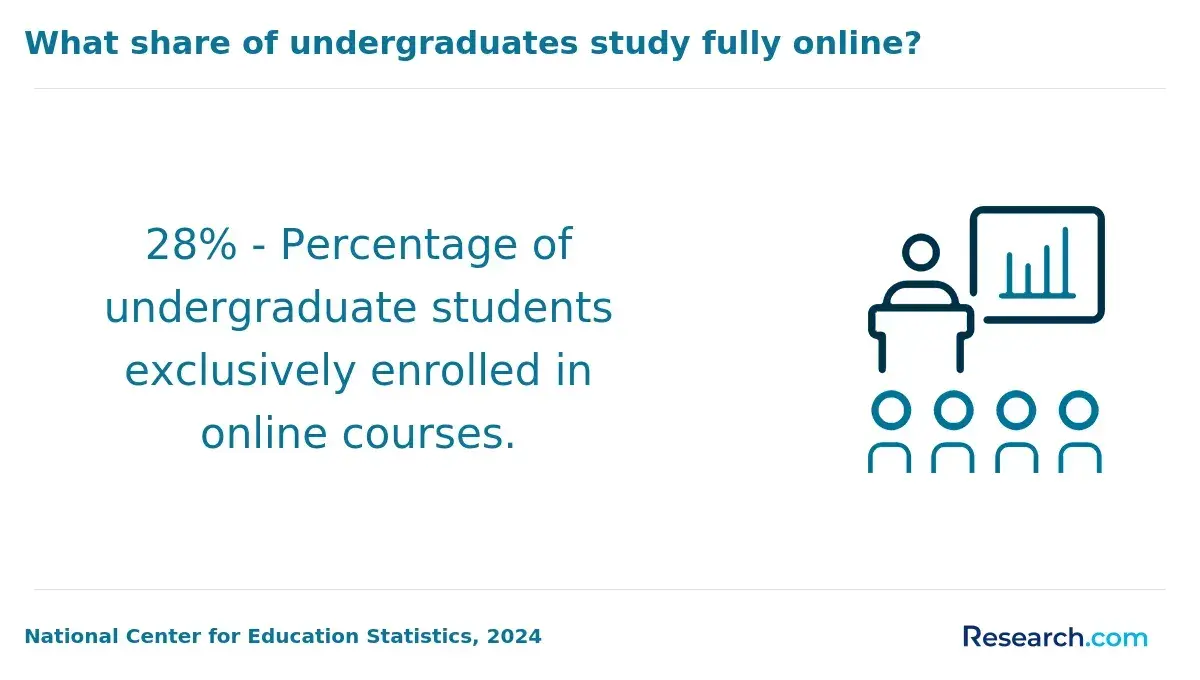
Online educational policy programs often include flexible enrollment calendars to meet varied student needs. Recent data from the National Center for Education Statistics (NCES, 2023) points to an annual enrollment increase of over 7% in online programs, partly driven by the growth of flexible scheduling like weekly start dates for online educational policy programs.
- Flexible start dates: Numerous institutions provide weekly, monthly, or term-based enrollment choices. This setup reduces wait times and lets students start their studies on a schedule that fits their personal and professional lives.
- Modular course designs: Courses are often arranged into smaller, self-contained modules. This lets learners advance at their own pace and backs rolling enrollment options in online educational policy degrees, enabling students to begin coursework nearly any week.
- Year-round access: Programs keep continuous enrollment periods to serve working adults, career changers, and part-time learners. This ongoing availability supports balanced progress without making students pause their careers.
Students investigating flexible pathways might also look at other options such as online counseling degrees that offer similarly flexible enrollment calendars.
Do Admission Requirements Delay Start Dates for Online Educational Policy Programs?
Admissions processes frequently affect how soon students can start online educational policy programs, with verification and documentation steps shaping start dates. A 2023 NCES report discovered that 38% of such programs provide rolling admissions to boost enrollment flexibility, yet many still face delays tied to administrative procedures.
- Transcript verification: Institutions need to verify prior coursework and degree completion before completing enrollment. This step can take one to four weeks based on how responsive previous schools are, possibly postponing the earliest possible start date.
- Prerequisite completion: Some programs require foundational courses or relevant professional experience to be completed and assessed before admission. Students lacking these may encounter delays while submitting or meeting these requirements.
- Transfer credit evaluation: Transfer credits frequently require thorough review and approval, adding more time to the admission timeline. This factor can lengthen waits beyond standard enrollment periods, particularly for career changers.
- Standardized test requirements: Though less common in many online programs now, some require test scores that meet minimum benchmarks. Waiting for late results can cause further delays.
- Implications for weekly and rolling start dates: Programs with weekly starts usually simplify admissions by pre-verifying documents or permitting conditional enrollment. However, administrative delays in verifying transcripts or prerequisites can still postpone start dates despite flexible calendars.
Enrollment timing for transfer students in online educational policy programs differs widely, with immediate starts possible but not assured. Flexibility has grown with rolling admissions and multiple start dates, yet several key steps affect when transfer students can start courses. Here is a summary of the main factors impacting immediate enrollment:
- Transfer credit evaluation: This vital process examines previous coursework to determine equivalencies and prerequisite completion. Since it can take weeks, delays in credit assessment frequently postpone course start dates for transfer students.
- Application and program review: Institutions review applications carefully, at times requiring completion of core prerequisites before enrollment. This evaluation period affects how soon a transfer student can start.
- Prerequisite fulfillment: Some programs require particular foundational courses before moving to higher-level classes. Transfer students might need to meet these requirements first, restricting immediate start options.
- Institutional policies: Flexibility with start dates differs by school, since some have embraced weekly or rolling enrollment to serve working adults, while others stay tied to fixed academic terms.
- Rolling and multiple start calendars: Expanding trends in online offerings let transfer students match their start dates more easily with personal schedules, cutting wait times compared to conventional semester systems.
When talking with a graduate who transferred into an online educational policy program, she looked back on the process with cautious optimism. She called the credit evaluation thorough but time-consuming, demanding patience particularly while waiting for official equivalency decisions.
Though eager to start, she discovered that meeting certain prerequisite requirements was needed before fully enrolling. The rolling admissions system helped, letting her begin shortly after finishing transfer protocols instead of waiting months for a new term.
In her words, "It wasn't instantaneous, but the system felt built to move transfer students forward efficiently once paperwork cleared." Her experience highlights that immediate enrollment is possible but depends on careful, sometimes stepwise procedures in most programs.
Financial aid processing schedules can greatly affect enrollment dates for online educational policy programs. Students relying on grants, loans, or scholarships frequently face delays that impact when they can start their studies. Verification of aid applications usually lasts between two to four weeks, which may delay course start times.
- Grants, Loans, and Scholarships Processing: Approval for financial aid requires submitting and reviewing several documents. Delays at any stage of this process can postpone enrollment, particularly when funds are needed upfront for tuition.
- Verification Delays: Federal aid verification often takes 10 to 30 days, lengthening the time before students get confirmation of their funding. This step frequently causes the longest delay in starting an online program.
- Rolling and Weekly Start Calendars: Numerous online programs provide flexible start dates that let students start once aid is approved instead of waiting for conventional semester periods. This flexibility is vital for working adults balancing financial aid timing with other commitments.
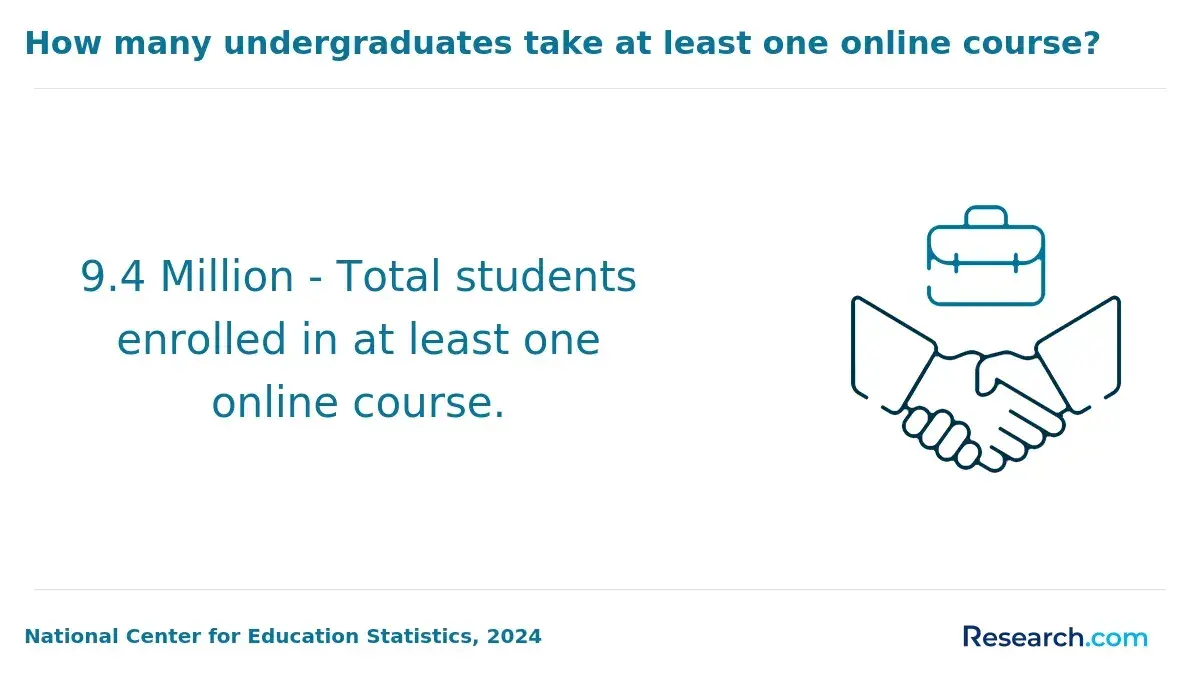
International students frequently face different start date options for online educational policy programs than domestic students, shaped by several unique factors. A 2023 study by the Online Learning Consortium discovered that 42% of online graduate programs in educational fields now provide rolling or weekly start dates, reflecting efforts to serve global learners.
- Visa and Regulatory Requirements: International students have to handle visa rules and document verification, which can postpone enrollment despite online program access. Early submission of transcripts, language proficiency proofs, and other paperwork is often required, affecting when students can officially start.
- Time Zone Challenges: Although many courses are asynchronous, some orientation sessions or live activities follow local time zones, restricting flexible start options. Institutions at times provide multiple start dates and staggered orientations to help address these timing issues.
- Document Review Process: The assessment of international credentials frequently takes longer than for domestic students, requiring earlier application deadlines. This longer review period can reduce the range of feasible start dates for foreign applicants.
- Rolling and Weekly Starts: Programs using rolling admissions or weekly starts better serve international learners by permitting varied enrollment times. These models help students balance complex application procedures and scheduling constraints across countries.
When talking with an international student in an educational policy master's program, he called his experience starting the program "a careful balancing act." He remembered, "Submitting my documents months ahead was stressful because any delay meant pushing my start date back."
He also noted adjusting to receiving orientation materials timed for a different time zone, which at times meant attending sessions late at night. Despite these challenges, the availability of multiple start dates "gave me hope and flexibility to plan my move and studies effectively," he said, highlighting the value of flexible calendars for international enrollees.
Policies for late registration in online educational policy programs vary greatly among institutions. Many schools offer opportunities for late enrollment, particularly those with rolling admissions or frequent start dates, intended to serve working adults and career changers. These flexible calendars let some students join classes shortly after the official start date without major penalties.
Late registration can pose challenges, but institutions often provide resources such as recorded lectures and asynchronous assignments to help students catch up. Below are key considerations about late enrollment in these programs:
- Institutional Policies: Schools differ in how they manage late registration; some programs strictly adhere to semester schedules, while others permit ongoing enrollment through rolling admissions or weekly start dates to meet varied learner needs.
- Coursework and Participation: Students who register late may struggle to keep up with lectures, projects, or group discussions that have already started, possibly affecting engagement and performance.
- Flexible Start Dates: Programs with multiple start times throughout the year offer greater flexibility for adult learners, letting them start studies at convenient points and balance education with job or family responsibilities.
- Limitations and Restrictions: Late enrollees should know about possible restrictions, including limited access to financial aid after deadlines, requirements for advisor approval, and challenges joining collaborative activities already underway.
Flexible weekly start dates can give students more control over pacing but do not automatically shorten the time required to complete an educational policy degree. Programs that combine accelerated sequencing or self-paced modules often demonstrate better on-time completion rates, with some studies noting up to a 20% improvement in graduation rates from these elements. However, the presence of prerequisites and fieldwork usually limits how much weekly or rolling enrollment options cut overall degree length.
- Accelerated Course Sequencing: Some programs provide condensed courses or stacked short modules that let students advance faster when scheduling permits. However, these accelerated pathways are not always available and frequently depend on program design rather than start date flexibility alone.
- Modular and Self-Paced Formats: Modular coursework or self-paced options let students adjust their learning speed freely. Despite this flexibility, they are typically limited by required credit hours and learning outcomes, meaning unlimited acceleration is uncommon even with weekly start dates for online educational policy programs.
- Continuous Enrollment: Weekly or rolling enrollment cuts downtime between courses by allowing students to start classes at multiple points throughout the year. This continuous enrollment system reduces waiting periods built into traditional semester-based scheduling, which can slightly shorten total program duration.
- Prerequisites and Practicum Limitations: Required course sequences and mandatory practicum experiences frequently determine the minimum timeline for degree completion. These structured elements create boundaries that flexible start dates alone cannot overcome, preventing major reductions in time to degree with rolling enrollment educational policy options.
Prospective students looking for flexible schedules may also consider degrees with similar flexibility, such as a masters in library science online, which frequently share modular designs and rolling admissions to serve nontraditional learners.
Strong preparation for the first week of online educational policy classes is essential for student success. This phase helps students, especially adult learners balancing multiple commitments, become at ease with course requirements and technology, establishing a foundation for engagement and academic achievement. Schools use several targeted strategies to ensure a smooth transition into their programs.
Core elements of preparing students for online educational policy classes include the following:
- Orientation Modules: Institutions usually provide thorough orientation materials during the week before classes start. These sessions familiarize students with course platforms, explain academic expectations, and offer guidance on handling workload.
- Technology Setup: Students get instructions and support for setting up key tools such as learning management systems (LMS), video conferencing software, and communication apps. Proper setup lowers technical barriers and boosts confidence entering the course.
- Academic Advising: Advising during the first week helps students plan their course load well and foresee challenges. Advisors might discuss time management and offer resources suited to adult learners' needs, improving their readiness.
- Learning Platform Navigation: Early training introduces students to main features of the LMS, including submitting assignments, accessing readings, and joining discussions. This lowers confusion and speeds up engagement.
- Faculty Communication: Numerous instructors reach out with welcome messages and syllabus summaries before courses begin. This communication builds rapport and clarifies course goals, promoting early participation.
- Student Engagement Strategies: Schools include icebreaker activities in discussion boards, virtual study groups, and early formative assessments. These approaches build a sense of community and identify students who might need extra support during the crucial first weeks.
Research on online educational policy first week support indicates that structured onboarding boosts retention and success rates. For students looking for flexible weekly start dates, particularly working adults and career changers, these measures are essential. Many programs with accelerated online degrees emphasize such preparation to fit varied schedules. Prospective learners can check options at accelerated online degrees to find programs built with these best practices in mind.
Weekly start dates have grown more common in online education, reflecting rising demand for flexible enrollment options. According to a 2023 report by the Online Learning Consortium, over 70% of online graduate programs in education now provide such flexibility, responding to adult learners' needs. This trend supports the field of educational policy, where online graduate enrollments have risen by 11% since 2020, showing the impact of weekly enrollment options on time to degree in educational policy programs.
Pros
- Increased Flexibility: Weekly start dates let students start courses nearly immediately, removing long waits for traditional semester beginnings. This flexibility is particularly helpful for working adults and career changers balancing multiple commitments.
- Continuous Progression: With rolling enrollment, learners can keep steady academic momentum and cut delays in program completion, which can speed up time to degree.
- Improved Access: Flexible scheduling options broaden access to education for adult learners in different regions, including those in remote areas or with limited availability during standard academic periods.
Cons
- Limited Cohort Interaction: Since students start at different times, building strong peer networks and collaborative learning experiences that deepen understanding can be difficult.
- Advising Complexity: Academic advisors encounter greater challenges in supporting students who enroll on different schedules, needing more flexible advising systems.
- Uneven Course Availability: Not every course may be offered each week, which can limit scheduling choices and possibly delay program completion for some students.
These pros and cons of weekly start dates for online Educational Policy programs underscore important considerations for prospective students looking for adaptable study options. To complement program flexibility, learners might also explore online certifications that pay well and strengthen professional credentials.
What Graduates Say About Their Online Educational Policy Program Enrollment Calendar & Start Options
- Parker: "The choice to pursue an online educational policy degree with weekly start dates came from my desire for flexibility and timely enrollment. The cost, about $16,500, was manageable, particularly compared with the professional growth it sparked. This degree boosted my credibility and opened doors to consulting opportunities in education policy, truly a career milestone."
- Marvin: "Looking back on my journey, enrolling in an online educational policy program that offered weekly starts was a game-changer for my schedule, fitting perfectly alongside my full-time job. The tuition, roughly $18,000, felt worth every dollar because of the career advancement it enabled. Now, I'm more confident guiding educational reforms within my district, equipped with contemporary policy insights."
- Vance: "I selected an online educational policy degree with weekly start dates because it gave me the flexibility to jump in whenever I was ready. The cost was surprisingly affordable, around $15,000 for the entire program, which made it a smart investment. Since graduating, I've been able to land a leadership role in a nonprofit, applying the policy knowledge I gained to create real change in education."
Other Things You Should Know About Educational Policy Degrees
Most programs ask for an online application, official transcripts, a résumé, a statement of purpose, and one to three recommendation letters. Some schools also request GRE or GMAT scores, although many waive test scores for applicants with graduate experience or strong academic records.
In 2027, start date options for online educational policy programs are frequently shaped by their format. For instance, self-paced programs may provide more frequent start dates, while cohort-based models might restrict start dates to specific terms.
Enrollment deadlines form a framework that decides when students can start their programs. While some online educational policy programs provide rolling admissions with flexible start dates, meeting particular deadlines is essential to secure these options, since late applicants may face limited start date choices.
- Joining Kolbe Online at Mid-year https://help.kolbe.org/kb/article/77-late-and-mid-year-enrollment-at-kolbe-academy-online/
- Course Schedule and Course Pacing: Does it Affect Student Success in Online Asynchronous Courses? - OJDLA https://ojdla.com/articles/course-schedule-and-course-pacing-does-it-affect-student-success-in-online-asynchronous-courses
- Admissions Process — DO | Des Moines University https://www.dmu.edu/do/admissions-process/
- MEd Instructional Leadership – Policy Studies https://education.uic.edu/academics/masters-programs/educational-policy-studies/
- Online Degree vs. Traditional | University of Arkansas Grantham https://www.uagrantham.edu/blog/pros-cons-online-degree-vs-traditional-university/
- Ready, Set, Go – Your First Week Online – Thriving Online: A Guide for Busy Educators https://ecampusontario.pressbooks.pub/aguideforbusyeducators/chapter/ready-set-go-your-first-week-online/
- Master of Education in Educational Leadership & Policy - Lynch School of Education and Human Development https://www.bc.edu/bc-web/schools/lynch-school/academics/departments/elhe/educational-leadership-med.html
- How To Create An Online School In 5 Easy Steps [2025 Guide] https://www.educate-me.co/blog/how-to-create-an-online-school
- EdD in Education Policy and Leadership | School of Education | American University, Washington, DC https://www.american.edu/soe/graduate/edd/
- Frequently asked questions on public school open enrollment - Reason Foundation https://reason.org/faq/frequently-asked-questions-on-public-school-open-enrollment/