2027 Are There Any One-Year Online Educational Policy Degree Programs Worth Considering?
Audited and Verified:
Our Editorial and Data Verification Process
Research.com uses government datasets, official education statistics and primary institutional information to support its career and degree guides. Our review process checks factual accuracy, occupational definitions, source dates and the requirements associated with the credentials discussed.
How This Article Was Fact-Checked
Our editorial team verifies salary estimates, employment projections, education requirements and program information against original data providers and official organizations. Salary figures are checked against the relevant occupational definitions and reporting periods. Information about licensure, accreditation and required in-person training is reviewed separately.
Fact-checked and verified on:

Co-Founder and Chief Data Scientist
If your goal is to shift from classroom teaching, school administration, nonprofit work, or government service into education policy, the central question is not whether online study can work. It is whether a one-year timeline is practical for the credential you seek.
Within educational policy, the phrase "one-year online degree" can refer to quite different things. A graduate certificate may fit easily within 12 months. A full master's degree is more difficult to finish that fast because it often covers research methods, policy analysis, data coursework, electives, and a practicum or capstone. A few accelerated options do exist, but they generally demand full-time enrollment, careful scheduling, and limited flexibility for working professionals.
This guide covers what one-year online educational policy programs can and cannot provide, how to evaluate accelerated options, what admissions committees usually look for, how costs and financial aid function, and what trade-offs to weigh before selecting a fast-track route.
Key Points About One-Year Online Educational Policy Degree Programs
- One-year online Educational Policy degrees offer accelerated curricula compared to traditional two-year programs, focusing intensively on current policy analysis and reform strategies.
- These programs typically attract mid-career professionals seeking swift advancement, with flexible formats accommodating an estimated 40% increase in online enrollments since 2020 in this field.
- Students should expect rigorous coursework emphasizing data-driven decision-making, often requiring prior educational experience due to the program's condensed and specialized nature.
Is It Feasible to Finish a Educational Policy Degree in One Year?
Completing an educational policy credential within one year is possible in some situations, but the answer hinges on whether you mean a graduate certificate or a full master's degree. Graduate certificate programs are the most practical one-year option since they typically require 12-15 credits and concentrate on a narrower set of policy, leadership, or research topics.
A master's degree is harder to finish in 12 months. Many programs require 30 or more credits, and the timeline may stretch because of research projects, capstones, practicums, internships, or cohort course sequencing. Even if a school promotes an accelerated format, students might need to take summer courses, enroll full time, and handle several demanding requirements simultaneously.
Working professionals should be particularly careful. A one-year timeline may be achievable for students who can put school first, have solid academic preparation, and begin with transferable credits or relevant experience. It is less realistic for students juggling full-time employment, family obligations, fieldwork, and intensive writing or data-analysis assignments.
Before you apply, ask every program three straightforward questions: whether one-year completion is officially supported, how many credits must be taken each term, and whether required courses are offered online in the sequence needed to graduate within 12 months.
Are There Available One-year Online Educational Policy Degree Programs?
Very few accredited one-year online educational policy degree programs exist in the United States. Most master's programs in educational policy, educational leadership, or policy studies are built around a longer timeline, especially for online students who keep working while enrolled. Students looking for a one year master's in educational policy should expect a narrow market and should confirm each program's format, credit load, and graduation timeline directly with the institution.
One prominent option is Vanderbilt University's Peabody College, which offers an accelerated online Master of Public Policy (M.P.P.) in Education Policy that can be finished in one year by taking summer and online courses. The program requires 36 credit hours and includes core policy study, research methods, data analysis, electives, and a practicum. This is a rigorous schedule, not a lighter version of the degree.
- Vanderbilt University: Provides an accelerated online M.P.P. in Education Policy that can be completed in one year with summer and online coursework. Concentrations include K-12 Policy, Higher Education Policy, and Quantitative Methods.
- Howard University: Provides a 100% online M.Ed. in Educational Leadership & Policy Studies that usually takes two years. The format blends synchronous and asynchronous learning and fits working professionals interested in K-12 policy and leadership tracks.
- University of Michigan Marsal School of Education: Provides an MA in Educational Leadership and Policy that can be completed in about one year full-time but requires in-person classes. Part-time students generally take longer because of course scheduling.
If your primary goal is quick career mobility rather than a full policy master's degree, it may also help to compare shorter credentials and skills-based options, including the best 6 month course with high salary.
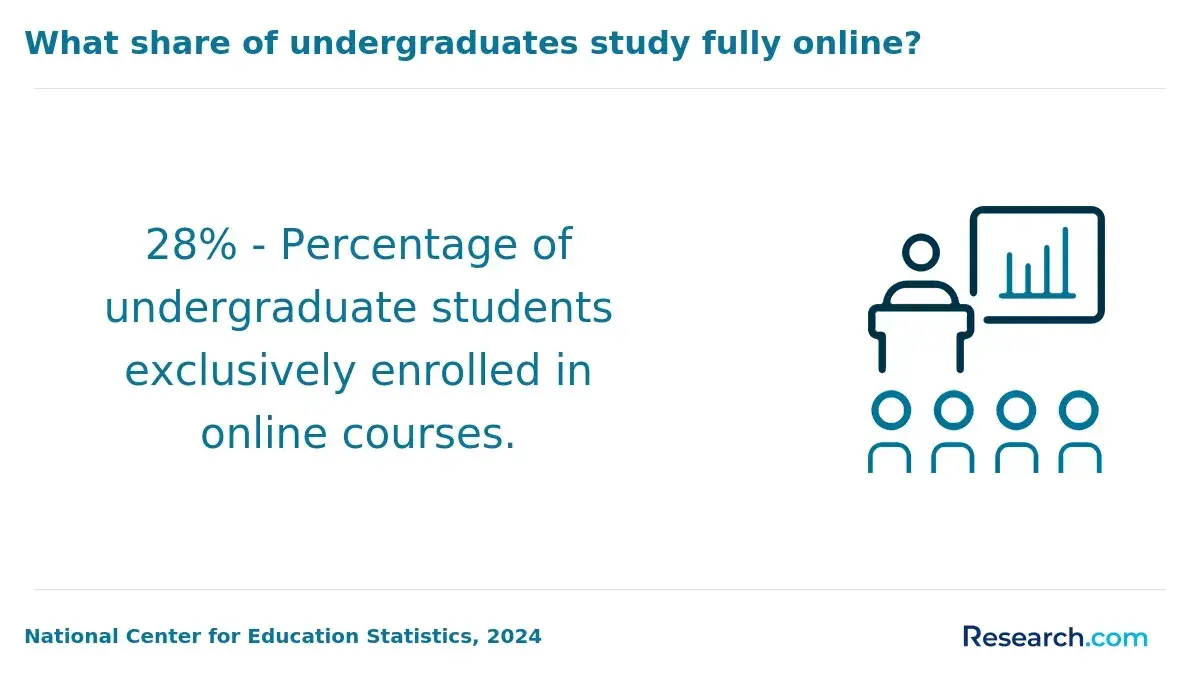
Why Consider Taking Up One-year Online Educational Policy Programs?
A one-year online educational policy program can be worthwhile if you need a quicker route into policy analysis, advocacy, administrative leadership, or education reform work. The strongest candidates for these programs are typically professionals who already grasp education systems and want to add formal training in policy, research, data interpretation, equity, governance, or institutional change.
The main attraction is time. Accelerated online educational policy programs condense coursework into a shorter sequence, which may help students earn a credential without leaving employment for several years. Still, a full master's degree in educational policy within one year while working full time remains extremely challenging; for instance, the University of Michigan's Educational Leadership and Policy program clearly states that full-time working professionals cannot finish the program in one year.
- Career advancement with minimal disruption: These programs can help educators, administrators, nonprofit staff, and public-sector professionals earn policy credentials while remaining connected to their current roles.
- Policy-relevant curriculum: Students usually study educational policy analysis, reform strategies, governance, research methods, equity, and social justice issues that shape local, national, and global education decisions.
- Efficient but intensive schedule: Accelerated programs often require full-time enrollment, concentrated assignments, and evening coursework. Some schedules may hold classes from 5-8 PM, which can suit some professionals but become difficult during busy work periods.
- Potential time and cost advantages: A shorter format may cut total time in school and help students move toward policy-focused roles sooner, though savings depend on tuition, fees, credit requirements, and whether the student can keep working.
- Clearer specialization: A condensed program can help students focus quickly on K-12 policy, higher education policy, quantitative methods, or leadership instead of taking a broad general education sequence.
The best reason to pick a one-year option is not just speed. It is fit. If the curriculum, faculty expertise, practicum structure, and career outcomes align with your goals, an accelerated format can be valuable. If the program makes you sacrifice learning quality, networking, or practical experience, a slower format may be the better investment.
Students who are still weighing education pathways may also want to review alternatives such as the easiest online bachelor's degree programs, especially if they are early in their academic planning.
The main downside of a one-year online educational policy program is its condensed workload. Educational policy demands heavy reading and writing, and rigorous programs also call for data analysis, research design, case evaluation, policy memos, group work, and applied projects. Squeezing that work into a single year can cut down the time students have to digest complex material and develop relationships with faculty and peers.
Before committing to an accelerated format, prospective students should consider the following risks:
- Heavy course load: Shortened terms can produce ongoing pressure, particularly when several policy papers, research assignments, and data projects overlap.
- Burnout risk: Students employed full time may find it hard to keep up their performance both at work and in school, especially during practicum, capstone, or final project periods.
- Less in-person networking: Online programs can offer solid virtual communities, yet they may provide fewer casual connections than campus-based programs, which can count in policy, advocacy, and leadership careers.
- Reduced room for internships or fieldwork: A full schedule may leave scant time for fellowships, policy internships, conference participation, or extra applied experience.
- Technology and access challenges: Internet outages, learning platform glitches, or scarce access to quiet study space can interfere with participation in live sessions and group projects.
- Limited program choice: Since genuine one-year online educational policy degrees are rare, students may have fewer choices regarding concentration, tuition level, faculty match, or geographic network.
To lessen these drawbacks, look over a sample course sequence before applying, talk with current students or alumni, verify weekly time expectations, and ask how the program handles online networking, advising, writing, and career planning. A fast program should still deliver the same academic quality and professional preparation you would expect from a longer format.
Admission requirements for one-year online Educational Policy degree programs differ by institution and credential type. Graduate certificates typically have less demanding admissions criteria, whereas master's programs may assess academic preparation, professional experience, writing ability, leadership potential, and fit with the program's policy focus.
Applicants comparing one year education policy degree admission criteria should note carefully whether the program is built for licensed educators, school leaders, policy professionals, or career changers. Certain programs welcome applicants from outside K-12 education, while leadership or administrative tracks may look for prior school-based experience.
- Bachelor's Degree: Most programs expect a bachelor's degree from a regionally accredited institution, usually with a minimum GPA near 3.0, though a few admit applicants provisionally with lower GPAs.
- Professional Experience: Certain leadership or administrative tracks favor or require experience in education along with valid certification, whereas many graduate certificates do not require prior school-based work.
- Application Materials: Typical requirements include a resume or CV, letters of recommendation, and a statement of purpose that explains the applicant's academic background, professional goals, and interest in education policy.
- Recommendations: Tracks centered on leadership may prefer letters from school administrators or supervisors able to speak to the applicant's work in education settings.
- Prerequisites and Testing: Coursework prerequisites are rare but beneficial; standardized tests such as the GRE are frequently optional for certificates and some master's programs.
- Additional Checks: Background checks might be needed for programs that involve fieldwork or certification, though interviews are uncommon.
Students weighing online education policy program requirements should also think about program intensity. Graduate certificates generally involve 9-12 credits, while master's degrees call for 30 or more. Master's programs may additionally expect students to finish research methods, foundational education coursework, or an applied policy project.
Always verify admissions requirements on the official program page before you apply. If you are still weighing a broader education or career path, reviewing best paying bachelor degrees can help you compare long-term academic options.
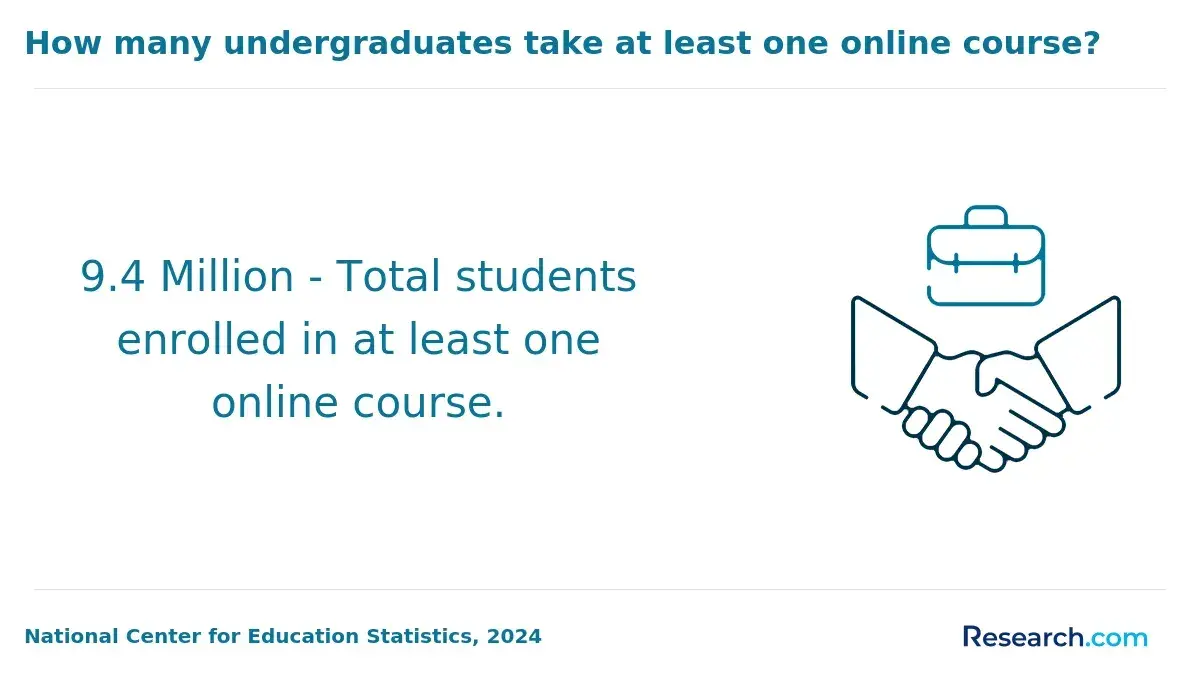
Since genuine one-year online educational policy degrees are scarce, program quality counts more than speed. A short timeline is only worth it if the credential is recognized, the curriculum is demanding, and the program links clearly to the roles you want after graduation. Begin by prioritizing accredited online education policy programs from reputable institutions.
- Accreditation: Pick a regionally accredited institution so your credential is more likely to be accepted by employers, other universities, and financial aid providers. Accreditation can also influence federal financial aid eligibility and credit transfer.
- Curriculum fit: Seek a solid policy core, research methods, data analysis, and electives tied to K-12, higher education, leadership, equity, governance, or quantitative policy analysis.
- Applied learning: Practicums, capstones, policy labs, simulations, and real-world projects can help you gain practical experience instead of just academic knowledge.
- Faculty expertise: Check whether faculty members publish or work in education policy, public policy, school leadership, higher education, equity, data analysis, or similar fields.
- Course delivery format: Determine whether synchronous live classes, asynchronous coursework, or a hybrid model suits your schedule. Live sessions can boost interaction, whereas asynchronous courses may provide greater flexibility.
- One-year course sequence: Do not presume the advertised format fits your needs. Ask whether required courses are offered frequently enough to finish in one year and whether summer enrollment is mandatory.
- Credit transfer policies: If you already have graduate coursework, verify whether credits can transfer and whether transferred credits lower both cost and time to completion.
- Tuition and fees: Compare the total program cost, not only per-credit tuition. Factor in technology fees, student services fees, graduation expenses, books, and any residency or practicum costs.
- Student support: Online students ought to have access to academic advising, library resources, writing support, technical help, disability services, and career counseling.
- Career outcomes: Ask where graduates are employed, which roles they pursue, and whether the program has ties to schools, districts, nonprofits, advocacy organizations, higher education institutions, or public agencies.
If you need a focused credential instead of a full master's degree, a one year graduate certificate education policy may be a practical choice. Students comparing fast credentials across fields may also find it helpful to review the fastest degree to get that pays well.
One-year online Educational Policy degree programs in the US typically cost between $8,000 and $25,000 for the whole program. The final figure depends on the institution, tuition model, residency status, credit requirements, fees, and whether the credential is a certificate or master's degree.
Public universities may charge less for in-state students, whereas private institutions and out-of-state tuition models can raise the total price. Credit load is a key factor since many programs require between 30 and 36 credits. Students should also plan for technology fees, student services fees, books, graduation fees, and any practicum-related expenses. These charges can add a few hundred dollars to the overall price.
Online study may cut relocation and commuting costs, and a one-year format can lower opportunity cost if students can keep working while enrolled. However, accelerated enrollment can also make working full time harder, which may affect income during the program. For that reason, compare affordability using total cost, expected workload, and your realistic ability to stay employed.
Before you enroll, request a complete cost breakdown from the program. Ask whether tuition is billed per credit or per term, whether online students pay separate fees, and whether financial aid demands a minimum number of credits each semester.
Students enrolled in one-year online educational policy programs should anticipate a demanding academic schedule. These programs generally blend policy theory, research methods, data analysis, leadership, governance, and applied projects. The pace is often far faster than a traditional part-time online program, so students need solid time management and comfort with graduate-level reading, writing, and analysis.
Finishing a one-year online degree in Educational Policy is seldom feasible at nationally recognized programs, since most accredited options require two to four years even for working professionals. The University of Michigan's Educational Leadership and Policy program specifically notes that full-time workers cannot complete it within one year, which reflects the intensity of these curricula.
Coursework may span policy analysis, leadership theory, organizational culture, education reform, equity, public systems, and the political forces that shape pre-K-12 education. Students may produce policy memos, research papers, data assignments, group projects, and presentations. Some programs mix synchronous and asynchronous learning, while others lean more heavily on live evening sessions.
Howard University, for instance, mandates 9 credits per semester across two years. Squeezing a comparable workload into one year would demand a significant time commitment. Students weighing an accelerated Educational Policy degree online should be realistic about weekly study hours, live attendance expectations, and when major assignments are due.
Graduates can expect to develop stronger skills in policy interpretation, evidence-based decision-making, education systems analysis, and communication for policy audiences. However, the value of the credential rests heavily on institutional quality, accreditation, faculty expertise, and how well the program matches the student's career goals. Learners should consider programs at a nationally accredited university or another suitably accredited institution to support recognition and transferability.
Yes. Students in one-year online Educational Policy degree programs may qualify for many of the same financial aid options that on-campus students receive, provided the institution and program meet eligibility rules. The exact aid package hinges on enrollment status, accreditation, citizenship or residency requirements, financial need, academic record, and employer benefits.
- Federal and State Aid: Eligible students can apply for federal assistance through FAFSA and may qualify for Pell Grants or federal loans. Applicants must satisfy requirements such as U.S. citizenship, enrollment in an accredited program, and demonstrated financial need. Some states also provide grants or scholarships for residents attending approved online programs.
- Scholarships: Universities, professional associations, foundations, and private organizations may provide scholarships for graduate students in Educational Policy. Awards may rest on academic merit, leadership, public service, or commitment to education policy careers.
- Employer Tuition Assistance: Some employers, particularly schools, districts, universities, nonprofits, and government agencies, may offer tuition reimbursement or partial funding. These benefits may require continued employment, minimum grades, or a pledge to stay with the organization after graduation.
- Private Grants and Foundation Awards: Certain awards target specific professional groups, demographic groups, policy interests, or public service goals. These opportunities can be competitive and may carry separate deadlines and application requirements.
Since accelerated programs move quickly, students should reach out to the financial aid office before the first term starts. Ask whether the program's credit load qualifies for aid, whether summer courses are covered, how disbursement works on an accelerated calendar, and whether falling below a required enrollment level could affect eligibility.
What Educational Policy Graduates Say About Their Online Degree
- : "Finishing the one-year online Educational Policy degree was a game-changer for my career. The accelerated format let me dive deep into critical policy issues while balancing my work schedule, and the competitive tuition made it affordable. I now feel fully prepared to contribute to meaningful education reforms., Vance"
- : "The program's competency-based approach suited my learning style perfectly. Working at my own pace helped me master complex policy concepts thoroughly without needless delays. Looking back on my journey, I appreciate how efficiently the curriculum combined theory and practice in just one year., Marvin"
- : "What stood out most to me was the program's emphasis on real-world impact and actionable outcomes. The online format offered flexibility, yet the rigorous coursework ensured I grew professionally and personally. Earning the degree so quickly gave me a competitive edge in my current educational leadership role., Parker"
Other Things You Should Know About Pursuing One-Yeas Educational Policy Degrees
Many one-year online educational policy programs call for a capstone rather than a thesis. Typical requirements include 30 to 36 semester credits and a final applied project approved by the program director. Thesis tracks are rarer in accelerated formats and often add extra research time.
A one-year online Educational Policy degree program may provide fewer networking opportunities and less time for in-depth exploration of topics than traditional programs. In addition, the accelerated pace can be difficult for those juggling work and personal commitments.
Some one-year online Educational Policy programs include practicum or internship components, but not all do. When included, these experiences offer practical exposure to real-world policy settings, often completed locally or through virtual arrangements. Prospective students should confirm this element when selecting a program.
- What Are The Advantages And Disadvantages Of Studying Online? https://www.nec.ac.uk/insight/advantages-and-disadvantages-of-studying-online/
- Educational Policy Graduate Certificate https://www.online.drexel.edu/online-degrees/education-degrees/cert-edpo/index.aspx
- Master of Education (M.Ed.) in Educational Administration and Policy (Tier 1 School Leadership Track) | UGA Online | Online Degrees, Certificates and Courses https://online.uga.edu/degrees-certificates/master-education-educational-administration-policy-tier-1-school-leadership-track/
- 2025 Most Affordable Online Doctorates in Education https://www.onlineu.com/most-affordable-colleges/education-doctoral-degrees
- Pros & Cons of Online Degree Courses in 2025 https://amityonline.com/blog/pros-and-cons-of-online-degree-courses
- The 10 Best Online Masters in Education Policy https://www.early-childhood-education-degrees.com/top/online-masters-educational-policy/
- Best Online Doctor of Education Programs for 2025 https://www.princetonreview.com/education-school-rankings
- Education Policy Studies - Not Sure? | Penn State College of Education https://ed.psu.edu/academics/departments/department-education-policy-studies/education-policy-studies-not-sure
- Swiss Education Education | Swiss International University in Zurich - Bishkek - Dubai - Luzern - London - Riga and online https://www.swissuniversity.com/education
- Top 10 Reasons to Choose Online Degree Programs in 2025 https://onlinemodyuniversity.ac.in/top-10-reasons-to-choose-online-degree-programs-in-2025/