2027 Can You Get Licensed With an Online Educational Policy Degree? Requirements, Rules, and What to Know
Audited and Verified:
Our Editorial and Data Verification Process
Research.com uses government datasets, official education statistics and primary institutional information to support its career and degree guides. Our review process checks factual accuracy, occupational definitions, source dates and the requirements associated with the credentials discussed.
How This Article Was Fact-Checked
Our editorial team verifies salary estimates, employment projections, education requirements and program information against original data providers and official organizations. Salary figures are checked against the relevant occupational definitions and reporting periods. Information about licensure, accreditation and required in-person training is reviewed separately.
Fact-checked and verified on:

Co-Founder and Chief Data Scientist
Many prospective students ask whether an online educational policy degree makes them eligible for professional licensure, a key step for careers in education administration and policy analysis. Based on recent data, almost 40% of educational leadership positions demand state-specific licensure or certification, highlighting the need to understand regulatory requirements. Also, 75% of educational policy graduates work in fields where licensure improves job prospects and chances for advancement. This article explains the licensure requirements associated with online educational policy degrees, examines differences among states and institutions, and helps readers navigate the credentialing process effectively to reach their career goals in education policy.
Key Benefits of Getting Licensed with an Online Educational Policy Degree
- Licensure with an online educational policy degree validates professional credibility, enabling eligibility for leadership roles in education administration and influencing policy development at various levels.
- It opens expanded employment opportunities across public, private, and nonprofit sectors, facilitating greater job mobility within education systems and policy organizations.
- Licensed graduates often experience higher long-term earning potential and accelerated career advancement, reflecting increased demand for policy experts in evolving educational landscapes.
Can You Get Licensed With an Online Educational Policy Degree?
Licensure with an online educational policy degree can be obtained when the program meets particular accredited coursework and practical experience requirements. Such programs frequently provide thorough training in research methods, educational law, and policy implementation, equipping graduates well for licensing exams and professional positions.
Confirming that the program matches state certification standards is essential for fulfilling licensure eligibility, particularly when evaluating online educational policy degree licensure requirements. Hands-on elements like internships or supervised fieldwork done locally usually supplement the online curriculum to satisfy regulatory agencies.
Earning a license through an online educational policy program provides multiple benefits, such as entry to regulated career paths like education administration, policy advising, and compliance roles. Licensed professionals often become eligible for jobs with more responsibility and have greater salary potential than their non-licensed counterparts.
The flexibility of online study also lets candidates take on work or internships in their local area while building their credentials. For those who want to expand their credentials beyond educational policy, looking into options such as online MBA programs can offer extra career pathways, making licensure with an online educational policy degree a practical and adaptable choice.
Do Licensing Requirements for Educational Policy Vary by State?
Licensing rules for educational policy professionals are in place to ensure that individuals satisfy standards of professional competence and ethical practice. Requirements may vary greatly by state, with more than 40% of states having separate exams and supervised experience mandates for licensure. These differences create important factors for those planning careers in this field.
State licensing requirements for educational policy degree holders usually differ in key areas, such as:
- Examination requirements: Certain states require passing a comprehensive exam specific to educational policy, whereas others might not have testing prerequisites. This influences how and when candidates can qualify for licensure and may shape preparation strategies.
- Supervised experience: Many states require documented hours of supervised practice or internships, which can differ in length and scope. This affects the practical training phase and can postpone entry into professional roles if not planned for in advance.
- Continuing education and professional development: Requirements for ongoing credits vary, with some states requiring annual or biennial completion of professional development courses to keep licensure, while others have more flexible rules or none at all. This directly affects long-term career planning and workload.
- License renewal policies: How often licenses must be renewed and what documentation is needed differs by state, affecting how professionals keep their credentials and remain compliant with regulations.
Prospective students should closely review educational policy licensure rules by state to ensure their educational path and work experience match local standards. Those thinking about online options might look into the fastest online psychology degree programs, which can provide flexible pathways for meeting licensure prerequisites and continuing education obligations.
Are Online Educational Policy Programs Different From Campus Programs for Licensure?
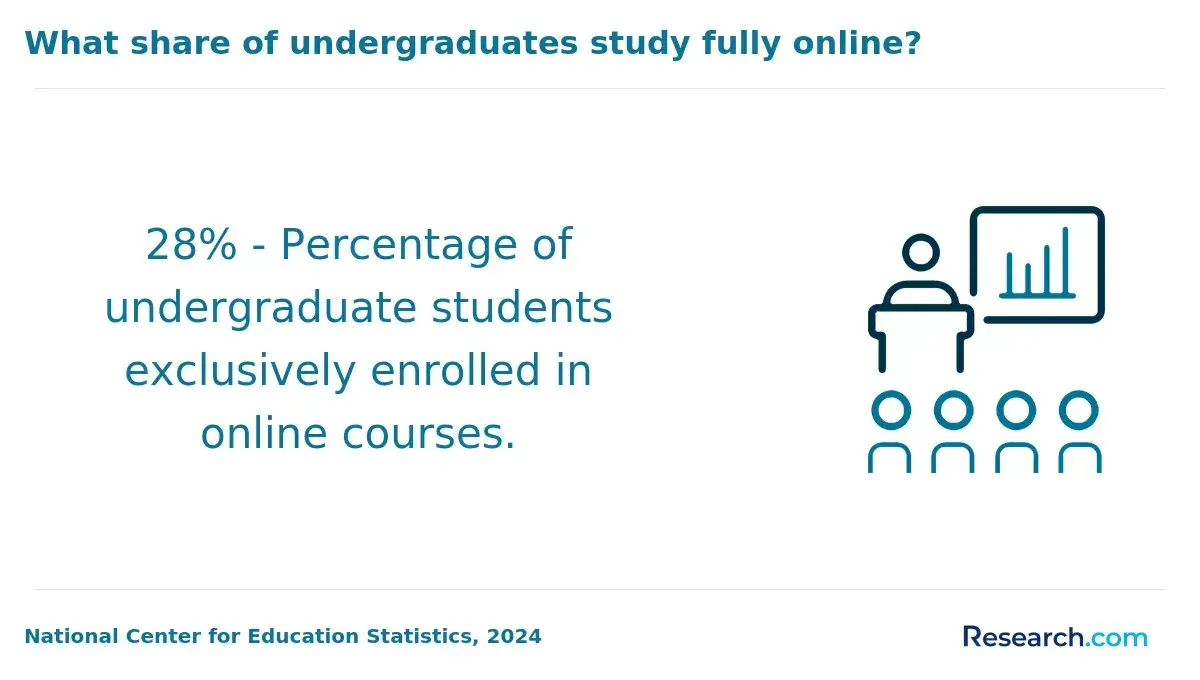
Online and on-campus educational policy programs are basically equivalent regarding eligibility for professional licensure. Licensing authorities value program quality and outcomes more than whether coursework is delivered virtually or in person. Indeed, more than 70% of state education departments now formally accept online graduate programs for licensure eligibility, highlighting growing confidence in remote learning.
- Curriculum and Standards: Both online and campus programs must include thorough content aligned with relevant state and national educational standards. This guarantees graduates have the foundational knowledge needed for licensure.
- Practical Experience: Hands-on elements such as internships or clinical practice are required no matter the delivery mode. Online students usually arrange these experiences locally to fulfill licensure prerequisites.
- Skill Development and Assessment: Competency evaluations, including exams, projects, and presentations, are used in both formats to confirm that candidates have mastered essential skills for professional practice.
- Accreditation: Keeping accreditation is essential, since licensing boards depend on this assurance to verify program quality regardless of whether the program is online or on campus.
- Flexibility vs. Format: Online programs frequently provide more flexible scheduling and diverse instructional methods, yet these differences seldom affect licensure decisions because boards focus on demonstrated competencies and experience.
A licensed professional who earned an online educational policy degree shared that at first, he was concerned about the legitimacy of virtual electives but found the ability to customize course selections useful. He recalled, "The challenge was ensuring my local internships matched licensure requirements, which required some extra coordination." Even though he sometimes felt isolated, he valued the convenience and varied perspectives gained through online interactions. "Selecting electives related to current education policies gave me confidence in my practical knowledge," he noted, emphasizing how well-rounded course choices supported his licensure goals.
Clinical or practicum hours are essential for preparing students for professional practice and licensure by offering supervised hands-on experience. These practical hours build key skills, permit the application of theory, and satisfy licensing board requirements in many education-related fields.
Most online educational policy degree programs do not require clinical hour requirements for online educational policy degrees, since these programs emphasize theory, research, and administration more than direct clinical practice. Nevertheless, if a student's career path includes licensure or certification linked to specific practice areas, practicum experience might be necessary.
- Typical Hour Range: Clinical or practicum hours differ greatly, often ranging from 100 to over 1,000 hours depending on the profession and state regulations. These hours show competency and readiness for licensed roles.
- Placement Settings: Hours are usually completed in schools, clinics, or educational agencies that offer real-world settings for skill development related to educational policy or practice.
- Supervision Requirements: Licensed professionals oversee these hours to ensure students satisfy professional standards and gain necessary competencies for their future roles.
- Skills Developed: Practical experience allows students to practice assessment, intervention, management, or policy implementation relevant to their licensure track and career goals.
- Online Program Adaptations: Many online educational policy programs that require a practicum arrange local placements near students' homes, enabling supervised in-person experience without sacrificing the online format.
Prospective students should confirm clinical hour requirements and practicum experience needed for educational policy licensure to make sure their chosen program matches career and state-specific regulations. Those interested in affordable online degrees can also consider options like the cheapest MLIS degree online as a possible pathway in related fields.
Licensing exams are essential for confirming that candidates possess the expertise to lead and manage educational organizations successfully. Passing these exams is frequently required to qualify for advanced administrative roles or certifications in many states. Recent data shows that around 75% of test-takers pass the Educational Leadership exam on their first attempt, highlighting the value of careful study and preparation. The list below summarizes key details about this licensing exam for graduates.
- Exam Name: The Praxis® Educational Leadership: Administration and Supervision test, also called Praxis® II, acts as a standard evaluation for prospective educational leaders.
- Content Areas: Candidates are assessed on leadership theory, school management, community engagement, instructional support, and legal frameworks relevant to education.
- Exam Format: This is usually a timed, multiple-choice exam intended to assess a wide range of leadership and supervisory knowledge.
- Preparation Strategies: Using study guides, finishing practice exams, and joining review sessions are advised to build confidence and mastery before testing.
- Retake Policy: Most states allow multiple attempts with mandatory waiting periods between tests, letting candidates improve their scores if needed.
- Online Degree Relevance: The exam assesses required competencies no matter whether the degree was earned online or on-campus, putting online graduates on equal footing for licensure.
When I talked with a licensed professional who earned her educational policy degree online, she stressed the blend of anticipation and challenge she felt preparing for the Praxis® II. She explained, "Balancing study time with work and family was difficult, but having access to online practice materials made a big difference." The flexibility of preparing remotely complemented her online degree experience, helping her feel ready to pass the exam. Her advice to others was to approach preparation systematically, noting that overcoming self-doubt and staying consistent were key factors in her success. Reflecting on her journey, she described the exam not merely as a hurdle, but as a valuable step that strengthened her confidence to lead in educational settings."
Yes, supervised work experience is usually required after finishing an online educational policy degree. This practice phase helps graduates develop essential professional skills and ensures they are ready to work independently in their roles. More than 70% of states that regulate educational policy careers require this step before full licensure. The following are key factors that define supervised work experience in this field.
- Duration: The period usually lasts six months to two years, depending on state regulations and certification criteria.
- Work Settings: Experience generally takes place in educational institutions, government agencies, or policy research centers where candidates participate in actual policy development and evaluation.
- Mentorship: Supervisors offer ongoing guidance and constructive feedback, encouraging growth in professional judgment and decision-making skills.
- Skill Development: This phase emphasizes practical competencies like policy analysis, stakeholder communication, ethical considerations, and data interpretation.
- Career Impact: Finishing supervised work is often needed to qualify for licensure exams and ensures readiness to handle job responsibilities effectively.
Licensure reciprocity lets a licensed professional in one state get licensure in another state without repeating every standard requirement. This process is vital for professionals who want to practice in multiple states, allowing smoother career mobility and cutting bureaucratic delays. Several factors affect how licensure reciprocity applies to online educational policy graduates, as described below.
- Eligibility Criteria: Every state has separate licensure requirements that graduates must satisfy. For those with an online educational policy degree, it's important to confirm that their program matches the specific standards of the new state to qualify for reciprocity.
- Program Accreditation and Curriculum: The online program must satisfy accrediting standards recognized by the receiving state. The curriculum should thoroughly cover core competencies required for licensure, which differ among states.
- Interstate Agreements: Certain states take part in compacts or reciprocal agreements that make licensure transfer easier. Yet these agreements might not cover all specialties or degree types, so graduates need to verify their degree's eligibility.
- Application Process: Applying for reciprocity often means submitting transcripts, proof of program accreditation, and sometimes passing state-specific exams. These requirements can add extra steps compared with initial licensure.
- Potential Limitations: Variations in educational standards or practical experience requirements can restrict eligibility for licensure reciprocity. Graduates should closely evaluate state licensure transfer rules for education policy degrees to understand any restrictions.
Prospective graduates should study these factors carefully to navigate licensure reciprocity effectively and keep flexibility in their careers. Understanding these restrictions and opportunities can be crucial when considering what job makes the most money in education policy or related fields. For a complete guide on career options tied to education degrees, visit what job makes the most money.
Online educational policy programs have grown rapidly in popularity, with enrollment increasing over 30% recently. Prospective students often consider licensure outcomes carefully when choosing programs, seeking to balance convenience with professional credibility.
The following are key advantages and drawbacks linked to online formats for students seeking licensure.
Pros
- Flexible scheduling: Lets students balance work, study, and personal commitments more easily, supporting steady progress toward licensure.
- Wide accessibility: Allows learners across the country to enroll without moving, expanding opportunities for diverse candidates.
- Enhanced digital resources: Offers access to online forums and materials that strengthen theoretical understanding essential for exams and policy knowledge.
Cons
- Limited hands-on experience: Few practical training options might hinder meeting certain licensure requirements that depend on supervised practice.
- Reduced direct mentorship: Less in-person guidance can affect skill development important for professional readiness.
- Variable employer perceptions: Some credentialing bodies or employers might still doubt the rigor of online degrees despite growing acceptance.
- Fewer networking chances: Less face-to-face interaction can restrict relationship-building critical to career advancement.
Getting licensure with an online educational policy degree has a major effect on earning potential. Licensed professionals usually earn about 15% more than their non-licensed peers, showing the salary benefits of licensed educational policy professionals. This gap reflects the greater trust and recognition that come with formal certification. The points below outline the main ways licensure influences salary and career progression.
- Access to Higher-Paying Positions: Many advanced jobs in educational policy require professional licensure, enabling licensed individuals to qualify for better-paying roles that are often unavailable to those without certification.
- Eligibility for Leadership Roles: Licensure frequently opens the door to promotions into administrative or supervisory positions where decision-making authority and higher pay are common, improving long-term career paths.
- Specialized Responsibilities: Licensed professionals become eligible to handle specialized tasks such as policy analysis, program evaluation, and regulatory compliance, areas usually reserved for credentialed experts and tied to higher compensation.
- Improved Job Security: Formal recognition through licensure boosts job stability by validating expertise and qualifications, making licensed candidates more attractive to employers during staffing decisions.
Graduates from online educational policy programs who obtain licensure confirm their knowledge and skills, leading to better job opportunities and salary growth. Those considering quick online degrees may find that earning licensure in educational policy is a strategic step toward competitive compensation and professional advancement. For more information about degrees with strong salary prospects, see quick online degrees.
Licensure greatly affects the types of positions available to graduates with an online educational policy degree. While some careers require official certification to satisfy state regulations, others let professionals advance without licenses. Data indicates that roughly 60% of educational policy degree holders in public education hold a teaching or administrative license, while 40% work in sectors where licensure isn't required.
The following is an overview of common career options based on licensing status.
Jobs With a License
- School administrators: These licensed professionals manage daily operations and compliance at educational institutions, playing a key role in shaping school policies and taking on greater leadership responsibilities.
- Certified teachers: Licensed educators teach curriculum and manage classrooms, with their credentials offering access to stable employment and potential salary increases.
- District education officers: With certification, these individuals carry out policy across school districts, coordinate with state agencies, and influence district-wide educational outcomes.
Jobs Without a License
- Education researchers: Focused on examining educational programs and policies, these professionals analyze data and suggest improvements without requiring formal licensure.
- Policy analysts: These experts assess legislation and education reforms, advising stakeholders and guiding advocacy efforts through specialized knowledge rather than certified status.
- Nonprofit program directors: Leading education-focused initiatives at nonprofit organizations, they oversee grants and outreach activities, using their expertise outside traditional licensing requirements.
What Graduates Say About Getting Licensed with an Online Educational Policy Degree
- Coughney: "The online educational policy degree program was unexpectedly affordable, costing far less than I first expected, which made earning my license a realistic goal. The flexibility of online classes let me balance work and study effectively, making the learning experience very convenient. Since finishing the program, I've seen a significant boost in my confidence and leadership skills within my educational career."
- Arek: "I found the cost of the online educational policy degree program reasonable, particularly considering the depth of knowledge gained. The coursework challenged me intellectually, but the online format gave me the freedom to engage with materials at my own pace. Earning my license has opened doors to new opportunities that I couldn't have pursued otherwise."
- Darren: "The investment required for the online educational policy degree was fair given the thorough curriculum and licensure support it offered. My experience was very positive; the program was well-structured and the online platform was easy to use, allowing me to focus on mastering complex policy concepts. Professionally, this degree has been instrumental in advancing my career, positioning me as a knowledgeable leader in education reform."
Other Things You Should Know About Educational Policy Degrees
Yes, accreditation from a recognized professional organization can affect your ability to get licensed. Confirming that your online educational policy degree is accredited by a reputable organization is crucial because it shows that your program meets industry standards and is often a licensing requirement.
Background checks are often required whether you earn your educational policy degree online or on campus. Licensing authorities typically require fingerprinting and criminal history checks to ensure candidates meet ethical and legal standards before granting licensure.
Correct. The majority of state education agencies mandate a supervised internship, practicum, or no fewer than 300 to 600 hours of field experience prior to granting a license or endorsement. Programs are required to document the placement, the qualifications of the supervisor, and the hours completed, which are typically submitted alongside the application to the state licensing board.
- Pros And Cons Of Having An Online Degree Instead Of An Offline One https://elearningindustry.com/pros-cons-online-degree-offline-one
- State-Specific Education Requirements (PE and CE) https://mortgage.nationwidelicensingsystem.org/knowledge/products/nmls/pubs/testingHbk/education/mlo_testing/state_specificReqs/mlo_testing_hbk_stateSpecific-1.html
- EdD in Education Policy and Leadership | School of Education | American University, Washington, DC https://www.american.edu/soe/graduate/edd/
- Benefits of Earning a Master of Education Degree https://www.mountunion.edu/academics/graduate-degrees/med-program/benefits-of-earning-an-med
- Distance Education Policy Guidance for Institutions Serving International Students https://www.nysed.gov/college-university-evaluation/news/distance-education-policy-guidance-institutions-serving
- Educational Leadership and Supervision https://www.canisius.edu/academics/programs/graduate/educational-leadership-supervision
- Education Policy, BA/BS Adult Degree https://www.belmont.edu/academics/majors-programs/ad-education-policy/
- School of Education Professional Experience Policy - University of New England (UNE) https://www.une.edu.au/about-une/faculty-of-humanities-arts-social-sciences-and-education/school-of-education/office-for-professional-learning/professional-experience-policy
- Educational Leadership Degrees for Online Learning Administrators https://www.educationalleadershipdegree.com/educational-leadership-jobs/online-learning-administrators/
- What are the benefits of pursuing online diplomas through e-learning? https://www.umu.com/ask/q11122301573854322362