2027 Weekly Start Online Degrees vs Self-Paced Accelerated TESOL & Multilingual Learners Degree Programs

Co-Founder and Chief Data Scientist
Many prospective educators struggle to choose between weekly start online degrees and self-paced accelerated programs for tesol & multilingual learners. A 2023 national survey found that 62% of online tesol graduates preferred structured schedules to maintain motivation and timely course completion. However, 38% valued flexibility due to work and personal commitments.
This article, prepared by career planning experts, examines the distinct benefits and challenges of weekly start versus self-paced accelerated tesol & multilingual learners degree formats. It will provide clear, data-driven comparisons to help readers identify which program type best aligns with their learning style, career goals, and life circumstances.
Key Benefits of Weekly Start Online Degrees vs Self-Paced Accelerated TESOL & Multilingual Learners Degree Programs
- Weekly start online degrees offer continuous enrollment opportunities, enhancing flexibility by allowing students to begin programs without waiting for traditional semester dates.
- Self-paced accelerated TESOL & multilingual learners programs reduce overall tuition costs and living expenses by shortening program duration significantly.
- Both formats improve student success rates by accommodating diverse schedules and learning paces, with data showing up to 25% higher completion in flexible TESOL programs.
How Are Weekly Start Online Degrees and Self-Paced Accelerated TESOL & Multilingual Learners Programs Structured?
Choosing the right online degree format is crucial for students aiming to balance education with personal and professional commitments. Understanding how weekly start online degree structure compares to self-paced accelerated TESOL & multilingual learners program format helps learners select the best fit for their learning style and schedule. Below is a detailed comparison highlighting key structural differences.
Weekly Start Online Degrees
- Course Pacing: Students follow a fixed weekly schedule with assignments and assessments due each week, providing consistent rhythm similar to traditional classes.
- Term Length: Courses run within structured terms typically lasting 8 to 12 weeks, fostering steady progress toward degree completion.
- Assessment Methods: Includes scheduled quizzes, projects, and exams aligned with weekly deadlines to maintain accountability.
- Time Commitment: Students dedicate about 10 to 15 hours per week, guided by instructors who set pacing expectations.
Self-Paced Accelerated Degrees
- Course Pacing: Learners progress through modules independently without fixed deadlines, suitable for those needing maximum flexibility.
- Term Length: No strict timeline; students may finish courses faster depending on their availability and dedication.
- Assessment Methods: Focuses on competency-based evaluations, such as portfolio submissions or milestone exams, with flexible timing.
- Time Commitment: Often requires more than 15 hours weekly if students choose accelerated completion, demanding strong self-motivation.
According to data from the Online Learning Consortium, approximately 60% of online programs utilize structured term designs like the weekly start format, while self-paced accelerated options remain popular for professional areas including tesol & multilingual learners programs.
For students exploring advanced education paths, including online speech pathology programs, knowing these distinctions can guide informed decisions that align with career goals and lifestyle needs.
Are Weekly Start Online TESOL & Multilingual Learners Programs Easier to Get Into vs Self-Paced Accelerated Programs?
Admissions ease is a key factor for students choosing between weekly start online TESOL & multilingual learners programs and self-paced accelerated degrees. Programs with more accessible admissions processes can help candidates begin their studies sooner and with less delay. According to a 2023 report by the Online Learning Consortium, acceptance rates for online education degrees range from 65% to 80%, with weekly start programs generally having higher rates due to rolling admissions.
Here are important admissions considerations that differentiate these formats:
- GPA Expectations: Weekly start online TESOL program admissions usually require a GPA around 3.0 or higher, while self-paced accelerated programs may expect stronger academic records due to the intensive pace.
- Prerequisite Coursework: Both formats often require foundational courses in linguistics or education, but accelerated programs tend to enforce these prerequisites more strictly.
- Standardized Testing: While rarely mandated, some self-paced accelerated programs may request standardized test scores depending on institutional policies.
- Admissions Process: Weekly start programs emphasize open enrollment for easier access, whereas self-paced accelerated degrees prioritize a holistic review assessing readiness and relevant teaching experience.
For students interested in comparable intensive formats outside TESOL, resources such as MSW accelerated programs online may offer an additional perspective on selective accelerated programs.
How Long Does a Weekly Start Online Degree Take to Complete vs Self-Paced Accelerated TESOL & Multilingual Learners Degree?
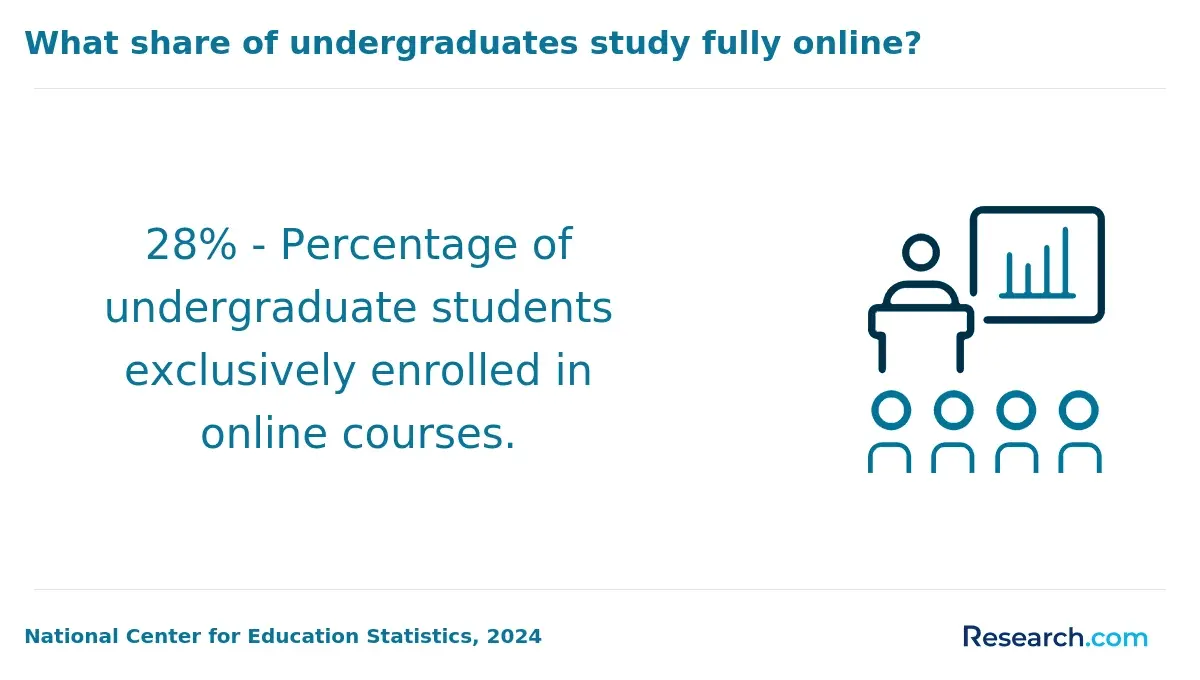
Completion time directly influences a student's educational expenses, financial aid options, and career progression. Data from the National Center for Education Statistics reveals that only 57% of online bachelor's degree students finish within six years, highlighting a clear need for streamlined, flexible pathways. Comparing weekly start online degrees and self-paced accelerated tesol & multilingual learners programs offers insight into how pacing affects overall program length.
- Term length: Weekly start degrees follow fixed term schedules, usually spanning 8 to 16 weeks, which structures the learning but limits acceleration. In contrast, self-paced accelerated tesol & multilingual learners programs remove rigid terms, permitting students to move through material at their own speed.
- Pacing control: Weekly start students progress with their cohort, maintaining a steady pace regardless of personal availability. Meanwhile, self-paced learners can intensify their efforts, often completing courses much faster by dedicating more hours weekly.
- Credit load: Traditional weekly start programs typically restrict the number of credits per term to balance workload, potentially extending overall duration. Self-paced formats often allow increased credit loads, enabling faster accumulation of required credits.
- Transfer credits: Both formats accept transfer credits, which can shorten time to degree, but the self-paced model may apply these credits more flexibly throughout the program.
- Enrollment flexibility: Weekly start degrees require enrollment at specific times during the year, limiting start opportunities. Self-paced programs offer continuous enrollment, letting students begin whenever ready and advance without waiting.
Flexibility is crucial for students managing work, family, and education, as it helps reduce stress and supports academic success. Weekly start online degree programs have set beginning dates every week and a structured pace, while self-paced accelerated TESOL & multilingual learners programs offer more control over timing and speed.
Below is a comparison of these two formats focusing on their flexibility aspects.
- Scheduling control: Weekly start programs enforce a fixed weekly schedule that all students follow, whereas self-paced programs enable learners to determine their own study tempo.
- Pacing speed: Self-paced accelerated options let students progress as quickly as they can, often finishing ahead of traditional timelines; weekly starts maintain a consistent rhythm for all participants.
- Start dates: Weekly start formats provide multiple enrollment opportunities throughout the year; self-paced programs allow students to begin at any time without restriction.
- Assignment deadlines: Weekly start courses have strict deadlines aligned with the cohort schedule; self-paced programs offer more flexibility with extended or adjustable due dates.
- Instructor interaction: Regular, scheduled interactions occur in weekly start cohorts, promoting engagement; self-paced learners may experience less synchronous instructor contact due to varied study times.
- Ability to pause: Pausing study is generally limited in weekly start programs given the fixed timeline, while self-paced programs usually permit temporary breaks or acceleration depending on the student's needs.
The perceived difficulty of a program can greatly influence a student's motivation and success, making it a crucial consideration when choosing between self-paced accelerated and weekly start online formats. This perception shapes how students plan their time and manage the demands of coursework.
Below is a comparison of key factors affecting the relative challenge of these two approaches.
- Workload intensity: Self-paced accelerated programs compact a semester's content into a shorter time frame, requiring students to dedicate more focused hours daily. Conversely, weekly start programs distribute assignments steadily across several weeks, allowing for more manageable daily workloads.
- Pacing expectations: Weekly start programs provide consistent, week-by-week deadlines, which can help students maintain regular study habits. In contrast, self-paced courses demand that students set and adhere to their own timelines without fixed checkpoints, increasing the need for personal discipline.
- Self-discipline required: Accelerated, self-paced learners must motivate themselves strongly to avoid falling behind, as there is less external structure. Weekly start students benefit from scheduled milestones that help keep momentum going.
- Assessment structure: Weekly start courses often incorporate frequent quizzes, discussions, and smaller assignments, supporting continual engagement. Accelerated courses might rely on fewer, larger assessments, which can be more intense and require concentrated preparation.
- Instructor interaction: Weekly start formats tend to offer regular live sessions or office hours, fostering connection and immediate feedback. Self-paced formats usually involve fewer synchronous opportunities, which may limit real-time support.
Grading methods significantly influence students' workload, stress levels, and clarity in monitoring their academic progress. These factors are crucial when choosing between weekly start online programs and self-paced accelerated tesol & multilingual learners programs. Comparing how assessments and feedback differ in these formats helps students anticipate their academic experience.
- Assessment frequency: Weekly start programs require students to complete numerous smaller assessments, such as quizzes and discussion posts, on a consistent weekly schedule. In contrast, self-paced accelerated programs group evaluations into fewer but larger tasks, offering less frequent grading checkpoints.
- Mastery requirements: Self-paced accelerated formats often demand a high level of mastery for each module due to their fast-paced nature, with successful completion directly impacting progression. Weekly start programs typically provide a more gradual learning curve with achievable milestones set on a weekly basis.
- Feedback timing: Students in weekly start courses usually receive timely feedback within about a week, which supports ongoing adjustments and steady improvement. Self-paced programs can have more variable feedback schedules, sometimes extending the wait for results because of flexible submission deadlines.
- Grading flexibility: Self-paced programs give learners more control over when to submit assessments, accommodating individual schedules and study preferences. Weekly start programs enforce fixed deadlines tied to the cohort calendar, which can increase pressure but also encourage consistent pacing.
Tuition models play a crucial role in shaping students' financial planning and access to online degree programs. Understanding these models helps students make informed decisions about affordability and timing for their education.
- Pricing structure: Weekly start online degrees often charge tuition based on credit hours per term, which can lead to variable costs depending on course load. Self-paced accelerated programs commonly use flat-rate tuition per course or program segment, simplifying budgeting for students.
- Time-to-completion: Weekly start programs follow a regular schedule with multiple terms annually, potentially extending completion time. Accelerated formats allow faster progress, enabling students to finish their degrees in shorter periods.
- Cost predictability: The structured nature of weekly start degrees provides more predictable expenses each term. In contrast, self-paced courses may vary in intensity and duration, making total costs less uniform but often lower overall.
- Course intensity: Weekly start programs distribute workload evenly across terms, suiting students who prefer steady pacing. Accelerated programs demand higher intensity, appealing to self-motivated learners willing to dedicate more time upfront.
- Additional fees: Both formats may include extra costs such as technology, materials, or exam proctoring fees, which can impact the final price. These fees vary by institution and program requirements.
- Transfer credits and prior learning: Acceptance of transfer credits or recognition of prior experience can significantly reduce tuition by lowering the number of required credits in either format.
Instructor support and academic guidance significantly influence student success in online degree programs. These elements help learners effectively manage coursework, maintain motivation, and develop essential skills for their careers. Choosing the right program format often depends on how these supports are structured and delivered.
Below is a comparison of instructor support in weekly start online tesol & multilingual learners degree programs versus self-paced accelerated options.
- Instructor Availability: Weekly start online tesol instructor support typically involves regular, scheduled interactions with instructors who are consistently accessible through discussion boards, email, and virtual office hours. In self-paced accelerated programs, instructor availability is more limited and generally less predictable.
- Response Times: Weekly start formats offer faster response times, often within 24 to 48 hours, allowing students to receive timely feedback and clarifications. Self-paced learners may experience longer delays, sometimes waiting up to a week for replies.
- Structured Interaction: Weekly programs feature scheduled class sessions and deadlines, fostering a more organized learning environment. Self-paced courses emphasize learner autonomy and flexible timing, resulting in less structured instructor contact.
- Live Communication Opportunities: Students in weekly start formats usually have access to live or synchronous sessions, promoting direct engagement. These opportunities are limited or optional in self-paced accelerated programs.
- Academic Advising Touchpoints: More frequent and consistent academic advising is common in weekly formats, offering proactive support. In self-paced programs, advising is often less frequent and requires students to seek guidance independently.
- Student Independence: Self-paced accelerated TESOL learner assistance emphasizes autonomy, expecting students to manage their learning pace and seek help as needed, while weekly start programs provide more guided support throughout.
Research on online education trends shows that structured weekly formats improve student retention by up to 15% due to stronger instructor support and community interaction, although students valuing flexibility may prefer self-paced options. For prospective students interested in related fields, exploring options like an online psychology masters can provide further insight into diverse online learning experiences.
Employer perception of online TESOL & multilingual learners degree programs plays a crucial role in graduates' career outcomes. Employers evaluate not just the credential but also how the program's format reflects a candidate's skills and work habits. These perceptions can influence hiring decisions and professional advancement.
- Perceived Rigor: Weekly start online TESOL degrees typically feature scheduled coursework and cohort participation, signaling a rigorous and structured learning experience. This can enhance employer confidence in the program's academic quality. In contrast, self-paced accelerated programs may be viewed by some employers as less demanding due to flexible deadlines and limited peer interaction.
- Completion Timelines: Accelerated self-paced TESOL degree programs enable students to finish their studies more quickly, demonstrating motivation and efficiency. However, weekly start formats emphasize steady progression and time management over longer periods, which some employers favor for signaling consistency.
- Time Management and Discipline: Weekly start programs showcase regular progression within a cohort, highlighting skills in managing schedules and collaborating with peers. Self-paced learners show adaptability and strong independent discipline, which are valuable in dynamic or fast-paced work environments.
- Collaboration Experience: Employers often look for evidence of teamwork and communication skills; weekly start programs' cohort interactions better mirror workplace collaboration. Self-paced programs may lack this element but can still display problem-solving and self-reliance relevant to TESOL roles.
- Alignment with Workforce Needs: Studies from the Online Learning Consortium suggest that employers recognize accredited online degrees more when paired with documented skills. Programs balancing flexible pacing with structured engagement align more closely with employer expectations for TESOL professionals.
Considering employer preference for weekly start TESOL degrees alongside self-paced accelerated TESOL degree employer recognition highlights that both formats offer strengths valued in educational and multilingual settings. Prospective students should weigh these factors according to their career goals. For those interested in affordable options across education fields, resources like the cheapest online EdD programs may provide additional pathways.
Studies show that graduates of TESOL and multilingual learners online degrees experience varying salary outcomes depending on whether their program features weekly starts or self-paced accelerated formats. Understanding these salary differences for weekly start vs self-paced TESOL degrees is important since overall earnings and career trajectories can be influenced by program structure and completion speed.
- Employer Perception: Weekly start programs often align with traditional academic calendars, reflecting structured deadlines and collaborative learning. This can signal disciplined time management and teamwork skills to employers. In contrast, self-paced accelerated formats emphasize flexibility and swift completion, appealing to employers valuing initiative and rapid upskilling.
- Time-to-Completion: Accelerated programs typically allow faster entry into the workforce, potentially increasing lifetime earnings by reducing periods without employment. This speed can offset early salary gaps compared to weekly start graduates, who may take longer to finish.
- Skills and Competencies Gained: While both formats aim to develop key teaching effectiveness and cultural competence necessary for TESOL and multilingual learners roles, weekly start models often incorporate more interactive components, enhancing practical experience and collaboration skills.
- Career Advancement Opportunities: Return on investment depends heavily on individual goals; some data suggest that structured weekly start graduates have a slight advantage in roles requiring ongoing teamwork and complex collaboration. However, self-paced graduates may benefit more in careers valuing adaptability and independent learning.
- Salary Outcomes: One study noted TESOL graduates from structured online programs earned approximately 3-5% more within three years post-graduation than self-paced peers. Still, accelerated graduates often report faster job placement, bridging initial salary differences.
For those exploring further, there are several online certificate programs that pay well worth considering, complementing decisions about TESOL and multilingual learners degree programs.
What Graduates Say About Their Weekly Start Online Degrees vs Self-Paced Accelerated TESOL & Multilingual Learners Degrees
- Amara: "Choosing the weekly start online TESOL & multilingual learners degree program was a game changer for me. The structured schedule helped me stay motivated and the average cost of attendance was manageable with a part-time job, plus some financial aid. Since graduating, I've confidently transitioned into teaching English abroad, feeling well-prepared and supported every step of the way."
- Gail: "I opted for the self-paced accelerated TESOL & multilingual learners program because I needed the flexibility to balance work and study. Although the cost was a bit steep, I managed by using a payment plan which made it much easier to afford. This program drastically improved my credentials and opened doors to leadership roles in educational settings."
- Micah: "The weekly start online TESOL & multilingual learners degree fit perfectly into my busy life, and the consistent timeline helped me keep on track financially and academically. The average tuition was worth every penny, especially now that I've advanced my career and am mentoring new teachers in my district. It's been a very rewarding professional journey. "
Other Things You Should Know About TESOL & Multilingual Learners Degrees
Yes. Many TESOL and multilingual learners degree programs require a supervised practicum or student-teaching component, often 50 to 100 hours, before completion. Programs may require a K–12 classroom placement, a background check, and approval from a district or university supervisor.
Accreditation standards do not inherently differ based on the program format but depend on the institution offering the degree. Both weekly start online and self-paced accelerated TESOL programs must meet national or regional accreditation requirements for higher education. Prospective students should verify that the program's accreditation aligns with professional and licensure standards in TESOL and multilingual education.
Weekly start online degrees usually foster more frequent interaction among students and instructors through scheduled discussions, group work, and real-time feedback. This can benefit TESOL & multilingual learners students who value collaborative learning and peer engagement. Self-paced accelerated programs tend to have less peer interaction due to the individual learning pace, which may reduce opportunities for immediate support and networking.
- Early Childhood Education, BS/TESOL, MSEd https://www.pace.edu/program/early-childhood-education-bstesol-msed
- Cost Comparison: Online vs On-Campus TESOL Programs | ITTT https://www.tesolcourse.com/pillars/tesol-master-s-degree-guide/online-vs-on-campus-tesol-masters-programs/cost-comparison-online-vs-on-campus-tesol-programs/
- Teaching on Flexible Timelines with Self-paced Plans https://itslearning.com/blog/self-paced-plans
- Teaching English to Speakers of Other Languages (TESOL) https://www.canisius.edu/academics/programs/graduate/teaching-english-to-speakers-other-languages-tesol
- The problems with accelerated learning of ESL (opinion) https://www.insidehighered.com/views/2018/12/19/problems-accelerated-learning-esl-opinion
- Teaching English to Speakers of Other Languages (TESOL) MA https://www.westminster.ac.uk/english-and-creative-writing-courses/2026-27/september/open-distance-learning-part-time/teaching-english-to-speakers-of-other-languages-tesol-ma
- Online ESL Schools https://www.affordablecollegesonline.org/degrees/best-online-bachelors-in-english-language-learning-programs/
- Teach English Online: The Best Companies https://teast.co/teach-english-online