2027 Logistics Degree Completion Rates by Format: Online, Hybrid, and Campus Programs Compared

Co-Founder and Chief Data Scientist
A prospective student weighing options to complete a logistics degree often faces a complex decision. Choosing between online, hybrid, or traditional campus programs involves considering not just convenience but also the likelihood of program completion. Each format presents unique demands on time management, access to resources, and engagement with faculty and peers, all of which impact persistence and graduation rates.
Completion rates vary notably across formats due to these factors, influencing long-term career outcomes and employer perceptions. Understanding the tradeoffs between flexibility, support structures, and learning environments is essential for realistic expectations. This article compares online, hybrid, and campus logistics degree completion rates, examines key influences on student success, and offers insights to help prospective students select the format best aligned with their goals.
Key Things to Know About Logistics Degree Completion Rates by Format
- Completion rates for logistics degrees online often lag behind campus programs by approximately 15%, reflecting challenges in sustained engagement and limited hands-on interaction needed for practical skills.
- Hybrid formats show a 10% higher completion rate than fully online due to intermittent in-person sessions, enhancing experiential learning critical for complex supply chain problem-solving.
- Data from a 2024 NCES study indicates campus-based logistics programs maintain the highest completion stability, underscoring the impact of structured environments on long-term program persistence.
- Key Things to Know About Logistics Degree Completion Rates by Format Key Things to Know About Logistics Degree Completion Rates by Format
- How Do Completion Rates Compare Across Online, Hybrid, and Campus Logistics Programs? Completion Rate Comparison
- What Factors Have the Greatest Impact on Logistics Degree Completion? Degree Completion Factors
- Which Logistics Degree Format Is Hardest to Complete? Completion Difficulty
- How Does Each Logistics Learning Format Affect Student Success? How Does Each Logistics Learning Format Affect Student Success?
- How Does Enrollment Status Affect Logistics Completion Rates? How Does Enrollment Status Affect Logistics Completion Rates?
- Can Transfer Credits Improve Logistics Degree Completion? Transfer Credits
- What Student Support Services Improve Logistics Completion Rates? Student Support Services
- How Do Logistics Completion Rates Affect Career Outcomes? Impact on Career Outcomes
- How Should Students Choose the Best Logistics Learning Format? Choosing the Best Format
- What Are the Long-Term Pros and Cons of Each Logistics Learning Format? Learning Format Pros & Cons
How Do Completion Rates Compare Across Online, Hybrid, and Campus Logistics Programs?
Completion rates in logistics degree programs often reflect the varied circumstances of students rather than pure measures of program quality. These rates serve as indicators of how well different learning environments accommodate diverse learner profiles. For instance, students balancing employment or family obligations may gravitate toward formats offering more flexibility, impacting overall completion outcomes. Interpreting logistics degree completion rates by format requires recognizing that student commitments and resources significantly shape persistence and graduation probabilities.
Differences in online hybrid campus logistics program graduation rates largely stem from distinct challenges and supports each format provides. Traditional campus programs benefit from structured schedules, immediate faculty interaction, and peer engagement, which typically promote higher completion. Hybrid formats, blending remote learning with occasional on-site requirements, often appeal to students seeking both flexibility and connection. Fully online programs, while unmatched in accessibility, may see lower completion linked to limited real-time support and greater demands on self-motivation. However, the success of any student depends equally on their individual discipline, external responsibilities, and available academic support.
Prospective logistics students should consider completion rates alongside personal learning preferences, career objectives, and lifestyle constraints. For example, a working professional with limited weekday availability might prefer a hybrid or online path that balances convenience with necessary interaction. In this context, exploring options like the easiest doctorate to get illustrates how alternative formats can facilitate degree attainment without sacrificing rigor. Ultimately, no single format guarantees completion; matching program structure to one's unique situation is key to navigating completion challenges effectively.
What Factors Have the Greatest Impact on Logistics Degree Completion?
Degree completion in logistics programs hinges on a complex combination of personal circumstances, academic preparedness, and the structure of the program itself. Motivation alone rarely suffices when practical pressures like financial stress or inadequate skills interfere. Instead, students succeed when multiple factors align to support persistence and steady progress. The following points highlight the primary influences shaping completion outcomes across delivery formats.
- Academic Preparedness and Quantitative Skills: Students who enter logistics programs with strong foundations in math and analytical reasoning consistently show higher completion rates. This readiness enables them to grasp complex supply chain concepts and problem-solving demands more readily. Those lacking these skills may consider preparatory courses or tutoring to strengthen their academic readiness early on.
- Financial Stability and Resource Access: Economic pressures, including tuition costs and living expenses, significantly impact persistence. Data from the U.S. Department of Education shows that reduced financial stress correlates with markedly better graduation odds. Students balancing part-time jobs or family care should seek financial aid, employer tuition support, or flexible scheduling to alleviate burdens.
- Engagement with Program Structure: The format-online, hybrid, or campus-shapes interaction levels. Campus programs offer stronger peer and faculty connections that bolster persistence, while online students risk isolation which can hinder motivation. Hybrid models blending these elements often see moderate improvements in completion. Active participation and consistent communication with instructors can improve outcomes regardless of format.
- Career Clarity and Relevance: Strong alignment between coursework and clear job outcomes fosters commitment. Students who understand how learned skills translate to logistics roles exhibit better retention. Career advising and transparent curriculum design can help clarify these connections, motivating students through visible payoff to employability.
- Time Management and Self-Directed Learning Skills: Logistics curricula demand disciplined study habits, especially in formats offering flexibility. Students who develop and maintain structured routines adapt better to course demands and deadlines. Workshops or coaching on time management can substantially reduce dropout risk.
- Support Networks and Advising: Access to academic advisors, mentors, and peer support plays a crucial role in navigating program challenges. Students with well-established support systems adapt to setbacks more effectively and stay engaged. Proactive advising that addresses real-world logistics workforce demands improves persistence and career alignment.
For example, a working parent enrolled in a hybrid logistics program benefits from scheduling flexibility but must rigorously manage time and seek financial aid to offset living costs. Their success will depend not only on personal motivation but also on academic preparedness and the availability of advising that connects coursework to tangible career paths. Recognizing these intertwined factors is essential to improving degree completion chances within any logistics learning format.
Prospective students should also consider how the online cyber security degree experience reflects similar dynamics around engagement and financial supports, reinforcing that completion outcomes often extend beyond mere course delivery mode.
Which Logistics Degree Format Is Hardest to Complete?
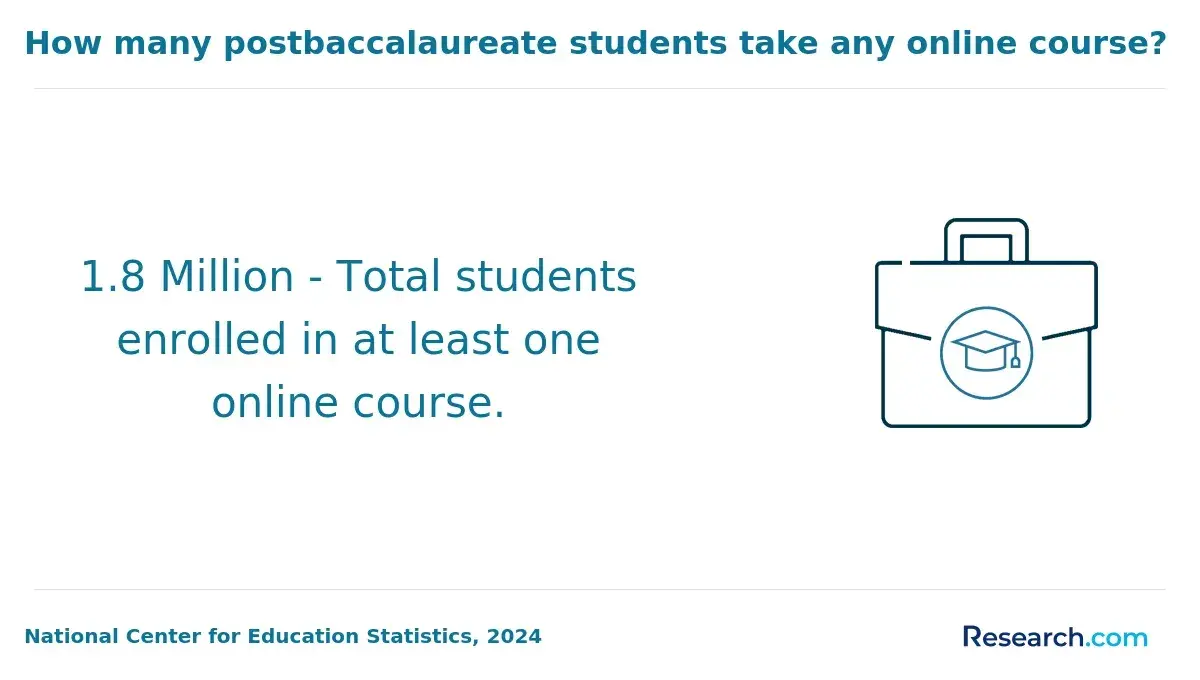
Completion rates for logistics degree programs vary notably among campus, online, and hybrid formats, according to 2024 data from the National Center for Education Statistics. Campus-based programs often report higher persistence, typically between 65% and 75%, benefiting from structured schedules and face-to-face engagement that enhances accountability. Conversely, students in fully online formats face completion rates around 40% to 55%, challenged by the self-discipline demands and limited social interaction inherent to remote learning. Hybrid models offer a compromise, with completion rates usually ranging from 55% to 65%, providing partial in-person benefits while accommodating flexibility.
The decision between these formats should consider these completion dynamics alongside individual circumstances. For example, a working parent juggling childcare might find hybrid programs more manageable, yet still must navigate scheduling complexities that can hinder consistent progress. Likewise, a student living far from campus might appreciate online access but should prepare for the heightened need for self-motivation and technology management. These variations mean no format guarantees easier completion; instead, success hinges on a candidate's ability to leverage the structural supports and address the demands unique to each learning environment.
A recent graduate recalled choosing a hybrid logistics degree after hesitation long delayed enrollment. Balancing part-time work and family commitments made the fully campus-based option impractical, but she quickly realized hybrid coursework demanded meticulous weekly planning to avoid falling behind. The online components, much like those offered in MBA online programs, while flexible, required extra effort to maintain focus without real-time peer interaction.
Reflecting back, she noted, "The hardest part wasn't the material itself, but managing my time and staying connected enough to stay motivated." Her experience highlights that the greatest hurdle often lies in adapting personal routines to the chosen format's specific challenges.
How Does Each Logistics Learning Format Affect Student Success?
Student success in logistics degree programs depends heavily on the alignment between the chosen learning format and each student's personal situation, learning preferences, and time commitments. No single format guarantees better outcomes universally; rather, how well a program fits with a student's lifestyle and support needs drives persistence and completion. For example, a working adult balancing family obligations might thrive in a hybrid program that blends flexibility with some in-person interaction, while a recent high school graduate might find a campus environment better suited to their motivation and resources. The following points detail key ways learning formats influence student success.
- Access to Academic Support Services: Campus programs typically offer immediate, face-to-face access to tutoring, advising, and hands-on labs, which enhances problem-solving and persistence. Online students may face delays or limited availability, making it tougher to overcome obstacles swiftly, though well-designed programs mitigate this through virtual support.
- Student Engagement and Interaction: Higher engagement is often reported in campus settings due to direct peer and instructor contact, which bolsters motivation. Hybrid models offer some social interaction, striking a balance, whereas fully online learners risk isolation, which can reduce accountability and increase dropout risk.
- Flexibility Versus Structure: Online formats provide unmatched scheduling flexibility, vital for professionals managing work or family but require strong self-discipline. Campus environments have more rigid schedules, supporting those who benefit from routine and external structure. Hybrid formats offer varied degrees of both advantages.
- Technology and Learning Design Quality: Successful online and hybrid programs leverage interactive platforms and active learning strategies to combat common pitfalls like disengagement. Programs lacking these elements tend to see lower completion rates, especially among students new to remote learning.
- Completion Rate Trends: Evidence from the National Center for Education Statistics and the National Student Clearinghouse Research Center (2024) shows campus logistics programs generally achieve the highest completion rates. Hybrid programs follow closely, often outperforming online-only options due to their combined support and flexibility features.
- Individual Circumstances and Support Networks: Students with strong personal motivation and external support (family, employer) tend to succeed across all formats. Those lacking these supports may find campus or hybrid formats better suited to maintain persistence through institutional resources and peer connections.
How Does Enrollment Status Affect Logistics Completion Rates?
Enrollment status is one of the most significant factors influencing logistics degree completion rates. Its impact goes beyond the sheer number of courses taken each term and instead hinges on a student's personal circumstances, such as work commitments, family responsibilities, and financial pressures. The difference in outcomes between full-time and part-time students reflects these underlying conditions more than simply enrollment intensity. Understanding these nuances can help prospective students choose the right enrollment path. Here are the primary ways enrollment status affects logistics degree completion:
- Study Load Consistency: Full-time students benefit from a steady study routine, which supports better knowledge retention and progression, especially in campus and hybrid formats. Part-time students may struggle with uneven study patterns, leading to longer time to degree.
- Time Management Challenges: Part-time students often juggle work and family, requiring advanced time management skills. Without strong discipline-especially in fully online formats-completion rates decline, as self-guided learning can be isolating and difficult.
- Support Systems Availability: Campus and hybrid students generally access more immediate academic and peer support, which improves persistence. Full-time campus enrollees often see higher engagement levels, while part-time and online students may have limited interaction, increasing attrition risk.
- Financial Pressures and Work-Life Balance: Part-time enrollment allows steady income but slows academic progress, potentially delaying credentialing necessary for logistics career growth. Full-time students may face short-term financial strain but complete degrees faster, facilitating earlier workforce advancement.
- Program Format Compatibility: Hybrid programs offer a middle path, providing flexibility for part-time learners while incorporating in-person elements that boost motivation and connection, improving completion outcomes for this group.
- Statistical Completion Differences: According to recent data from the National Center for Education Statistics, full-time students complete logistics degrees at rates over 30% higher and usually within shorter timeframes compared to part-time students, underscoring the completion gap linked to enrollment status.
- Individualized Enrollment Decisions: Choosing full-time versus part-time should consider life circumstances and career timelines. For example, a working parent may prioritize part-time enrollment in a hybrid or online format, balancing progress with responsibilities. For others, full-time study may be feasible and advantageous.
Given the varying impact of enrollment status on logistics degree outcomes, prospective students must weigh their personal situations carefully. Those seeking affordability with flexibility may explore options like a cheap project management degree online as part of their educational planning.
Can Transfer Credits Improve Logistics Degree Completion?
Transfer credits can meaningfully shorten the timeline for completing a logistics degree by reducing redundant coursework, but the extent of this advantage varies widely. Students who bring credits from previous college studies, military training, or professional certifications may bypass foundational classes, allowing them to focus sooner on specialized logistics topics. For example, a working adult with prior business or supply chain credits might cut their degree duration by a quarter, easing the strain of balancing education with employment and family.
However, transfer credits do not guarantee accelerated completion for everyone. Their impact depends heavily on how well the transferred credits align with the new program's curriculum and the institution's acceptance policies. A logistics program with rigid course equivalencies or a high proportion of unique, specialized courses might limit the applicability of previously earned credits, sometimes resulting in credit loss or extended study time. This can particularly affect students entering programs that emphasize hands-on or technology-specific logistics training not covered in their past coursework.
Recent data from the National Center for Education Statistics confirms that students leveraging transfer credits can reduce their time-to-degree by approximately 25%, a significant factor for non-traditional learners who juggle external responsibilities. Online logistics programs tend to be more flexible in accepting transfer credits, often boosting graduation rates by about 15% compared to students without transfers. Hybrid formats offer moderation in flexibility and credit acceptance, making outcomes more variable depending on the specific institution.
Prospective students should critically evaluate the potential benefits by obtaining an official credit evaluation before enrollment. Comparing the number of remaining required credits to their target completion pace can help clarify whether transfer credits will genuinely accelerate their degree path. Since transfer credit acceptance is one of several variables influencing graduation success, students must weigh institutional policies, their educational background, and program structure collectively to make informed decisions.
What Student Support Services Improve Logistics Completion Rates?
The quality and accessibility of student support services directly influence the likelihood of completing a logistics degree, especially when comparing online, hybrid, and campus programs. Academic advising, mental health counseling, and career guidance all shape student persistence, but the impact varies by delivery format and individual circumstances. The National Center for Education Statistics reports that consistent interaction with academic advisors increases on-time degree completion by 15%, highlighting targeted support's tangible benefits. Key support services linked to improved outcomes include:
- Personalized Academic Advising: Tailored guidance helps students navigate course selection, manage workload, and address academic challenges effectively. This service is critical for online learners who lack immediate access to campus resources but benefit equally from proactive, scheduled check-ins that prevent disengagement.
- Accessible Mental Health Counseling: Counseling reduces the stress and isolation that logistic students often encounter, especially in remote formats. Hybrid and online students report higher retention when institutions provide timely virtual counseling options alongside campus-based services.
- Career Services with Labor Market Alignment: Career counseling focused on logistics industry demands strengthens motivation by linking coursework with practical job prospects. Hybrid students particularly benefit from combined in-person internships and virtual career workshops that reinforce real-world skills.
- Interactive Tutoring and Peer Collaboration: Campus programs excel here, offering hands-on help and study groups that clarify complex logistical concepts. However, well-structured online synchronous sessions can replicate these benefits, mitigating the traditional drawbacks of distance learning.
- Flexible Scheduling and Support Access: Hybrid formats often provide the best balance between structured learning and adaptability, supporting working professionals who require both real-time engagement and self-paced study options.
- Experiential Learning Opportunities: Programs that integrate hands-on projects, simulations, or internships help solidify theoretical knowledge through practical application, boosting persistence and confidence, especially in hybrid and campus settings.
One online logistics graduate recalls feeling overwhelmed when juggling work, family, and coursework during her first semester. She hesitated to reach out, fearing it would show weakness. After finally connecting regularly with her academic advisor during virtual office hours, she gained clarity on managing her course load and accessed mental health counseling that helped alleviate mounting stress. Through career services, she identified part-time internship opportunities that applied her learning and kept her motivated. These layered supports, experienced distinctly through the online format, were essential in turning her initial uncertainty into steady progress toward degree completion.
How Do Logistics Completion Rates Affect Career Outcomes?
Completion rates for logistics degrees strongly impact career trajectories, as earning a bachelor's degree remains a pivotal factor in employment stability and earnings potential. Workforce data from 2024 reveal that students who complete logistics programs, whether online, hybrid, or campus-based, experience better job prospects in supply chain management and operations compared to those who do not finish. However, completion rates vary notably across delivery formats, influencing these outcomes. Understanding the real-world implications of finishing a logistics degree helps prospective students make informed decisions. Key career impacts linked to degree completion include the following:
- Greater access to competitive employment opportunities with higher earning potential: Completing a logistics degree signals to employers preparedness and commitment, which is especially critical in sectors emphasizing supply chain efficiency and project management. According to the U.S. Bureau of Labor Statistics, bachelor's degree holders have unemployment rates nearly half those without degrees, translating into more entry-level job offers for graduates of logistics programs.
- Improved eligibility for promotions and career advancement pathways: Employers often require a completed degree for advancement within logistics and operations roles. Persistence through graduation opens doors to management training and leadership tracks, benefiting students who aim to move beyond technical roles and into strategic positions.
- Enhanced access to internships, networking, and practical experiences that boost job readiness: Campus and hybrid formats tend to improve completion rates by combining flexibility with face-to-face support, increasing opportunities for internships and mentorship. This advantage reflects directly in stronger labor market positioning for graduates.
- Eligibility for graduate education and specialized certifications that broaden career options: Completing a bachelor's degree in logistics is often a prerequisite for pursuing graduate degrees that are worth it for further specialization, which can lead to roles in consultancy, advanced analytics, or executive supply chain management.
For example, a working adult juggling family and employment may struggle to finish a fully online logistics program, risking delayed career entry or limited advancement. Opting for a hybrid program could improve persistence through structured engagement, highlighting the need to balance convenience with completion risks when assessing logistics degree completion rates and career success.
How Should Students Choose the Best Logistics Learning Format?
Choosing the best logistics degree format depends heavily on balancing personal circumstances with clear academic and professional goals. National Center for Education Statistics and Online Learning Consortium data from 2024 highlight that completion rates differ notably based on student work commitments, learning preferences, and available support systems. To navigate these tradeoffs, students should evaluate key factors that influence their likelihood of success and program completion. Below are crucial considerations for selecting the best logistics degree formats for student success.
- Time Management and Self-Discipline: Online programs demand strong time management skills and self-motivation as students must independently organize coursework without immediate campus oversight. Assess your ability to stay on track amid distractions, since inconsistent pacing often leads to dropouts in fully online formats.
- Need for In-Person Interaction: Campus-based programs offer face-to-face engagement, fostering peer connections and immediate academic support, which benefits students who thrive on direct communication and structured schedules. Consider if you learn best in social environments or require on-site resources.
- Work and Family Commitments: Flexible online formats accommodate working adults and families better by eliminating commuting and offering asynchronous classes. The tradeoff is less immediacy in instructor feedback, so weigh your external responsibilities against your capacity for self-guided learning.
- Access to Reliable Technology: Online learning hinges on dependable internet and devices; lacking this can hinder progress and cause frustration. Verify your technological readiness before choosing a fully digital option.
- Accountability Through Hybrid Models: Hybrid programs blend online coursework with periodic campus sessions, often enhancing student accountability and retention by providing scheduled check-ins. This may suit those seeking flexibility yet needing some direct instructor interaction.
- Geographic and Time Zone Constraints: Campus formats require physical presence, which may be impractical for some students. Online and hybrid models reduce geographic barriers but introduce challenges if course timings do not align with personal time zones.
- Long-Term Career Alignment: Selecting a format should also consider how well it prepares you for logistics workforce demands, including skills relevant for roles such as AI trainers who require both technical knowledge and adaptability gained through varied learning environments.
Ultimately, understanding how to choose logistics program delivery method involves matching learning formats to individual motivation, time availability, and interaction needs. Data shows students with stable work commitments and strong self-direction lean toward online success, while those needing structured environments benefit from campus or hybrid options. Thoughtful alignment between personal realities and logistics degree formats is critical for reaching completion and successful workforce integration.
What Are the Long-Term Pros and Cons of Each Logistics Learning Format?
Completion rates differ significantly among logistics degree formats, influencing long-term academic and career success. Data from the National Center for Education Statistics and the Association for Supply Chain Management in 2024 reveal distinct advantages and challenges with online, hybrid, and campus learning. These insights help students choose paths aligned with their schedules, learning styles, and professional ambitions. Key considerations include:
- Completion Rate Impact: Campus programs show higher graduation rates due to structured settings and immediate faculty access, benefiting students who thrive with routine and direct support. Hybrid formats improve completion over fully online options by mixing flexibility with occasional in-person mentorship, aiding learners needing balance. Fully online learners may face lower completion rates but gain unmatched schedule freedom, fitting self-disciplined individuals managing other responsibilities.
- Career Networking Opportunities: Campus students access robust on-site career resources and network-building events essential for supply chain roles, while hybrid learners get periodic face-to-face engagement. Online formats rely heavily on virtual networking tools, which may require proactive outreach to match campus-level connections.
- Practical Skills Application: Hands-on labs and real-time problem solving in campus and hybrid setups deepen knowledge retention critical in logistics. Online formats compensate via experiential virtual projects, but may lack immediate instructor feedback, demanding greater learner independence.
- Long-Term Employability: Graduates from all formats report similar employability if programs include collaborative elements; however, campus alumni often gain advantage from stronger institutional reputations and localized industry ties.
- Self-Motivation Requirements: Online students must maintain higher self-discipline without physical classroom cues. Hybrid and campus learners benefit from scheduled checkpoints reinforcing progress, reducing dropout risk.
References
- Online UG/PG/IT Courses | MBA TopUp , DBA | OTHM | SQA Authorized https://www.edubex.com/blog/the-benefits-of-pursuing-a-career-in-logistics-and-supply-chain-management-in-the-uk
- The Pros and Cons of a Shared Logistics Network https://www.its4logistics.com/blog/the-pros-and-cons-of-a-shared-logistics-network
- How to Pick the Right Logistics Training - Hubtek: https://gohubtek.com/2023/08/03/how-to-pick-the-right-logistics-training/
- Guide To Online Logistics Degree Programs, Salary & Careers https://logisticsdegree.net/
- Management: Logistics and Supply Chain Management https://apply.wseiz.pl/en_GB/courses/course/67-ba-management-logistics-and-supply-chain-management
- Comprehensive Guide to Pursuing a Degree in Logistics https://www.searates.com/blog/post/comprehensive-guide-to-pursuing-a-degree-in-logistics
- Hybrid vs Fully Online MBA Programs - Key Differences https://www.onlinecu.in/blog/cu/differences-between-hybrid-and-fully-online-mba-programs.php
- Our Visitor https://kimteducation.com/msc-in-logistics-and-supply-chain-management-top-up/
- NIBM - BSc(Hons) Global Logistics (Part-Time) https://nibm.ac.lk/course/bsc-hons-global-logistics-part-time
- How to Select the Best Logistics Course for Your Career Objectives - Capital Institute Of Technical Studies https://capitalits.in/how-to-select-the-best-logistics-course-for-your-career-objectives/
Other Things You Should Know About Logistics
Online logistics programs often condense coursework into shorter, more intense periods, demanding strong time management to prevent burnout. Campus programs typically spread workload more evenly throughout semesters, which can aid sustained focus but requires consistent attendance and participation. Students struggling with self-discipline may find campus formats easier to maintain momentum, while those seeking accelerated pacing must be prepared for a heavier short-term load online, impacting their completion prospects significantly.
Employers in logistics commonly recognize campus degrees as indicators of traditional, immersive training, potentially motivating on-campus students to complete programs with higher engagement. However, well-structured hybrid programs that blend practical experiences can align closely with industry demands, often boosting student motivation through perceived real-world readiness. Online-only formats might face skepticism around hands-on skill development, which can affect student commitment if career advancement depends heavily on employer perceptions, making hybrid formats a practical middle ground.
Flexibility in online programs offers crucial benefits for working adults but can reduce accountability, often lowering completion unless supplemented by proactive support. Peer interaction in campus or hybrid formats fosters collaboration and networking vital for logistics careers, reinforcing persistence through social motivation. For students balancing jobs, prioritizing manageable flexibility with scheduled interactive sessions, as in hybrid models, typically yields better completion rates by balancing autonomy with engagement.
Campus-based logistics programs usually integrate hands-on labs and local internships essential for mastering physical supply chain tasks, directly supporting timely completion through structured experience. Online programs must work harder to simulate or coordinate such experiences remotely, which can delay progress if these elements are optional or unassisted. Hybrid programs effectively combine both, providing in-person practical training alongside online theory, making them preferable for students seeking thorough skill application critical to finishing on time.