2027 Logistics Degree Oversupply or Undersupply? Student Volume vs Employer Demand

Co-Founder and Chief Data Scientist
A recent graduate with a logistics degree in the Midwest faces dozens of local job postings but struggles with fierce competition and employer demands for specialized skills beyond a general education. Despite a 12% increase in logistics program completions nationwide since 2022, several regions report stagnant or declining openings, leading to underemployment risks for new entrants. Companies increasingly seek candidates with expertise in supply chain analytics and automation, creating credential mismatches for many degree holders. Variations in regional hiring rates and evolving industry expectations raise crucial questions about whether logistics graduate supply aligns with sustainable workforce needs or generates growing competition among job seekers.
This article compares student volume with employer demand, job growth, industry requirements, regional conditions, and skill gaps to evaluate logistics career prospects and market balance.
Key Things to Know About Logistics Graduate Supply and Employer Demand
- Rapid growth in logistics program completions-up 15% since 2022-creates regional oversupply where local industries stagnate, forcing graduates to compete out-of-area or pivot specialization to maintain employability.
- Employer surveys reveal strong demand for advanced tech skills over generalist logistics degrees, signaling a critical mismatch that pressures educators and students to prioritize specialized, evolving competencies.
- Delayed job market absorption extends entry-level competition periods, increasing opportunity costs and challenging students' cost-benefit calculus when pursuing logistics pathways without clear regional or niche employer alignment.
- Key Things to Know About Logistics Graduate Supply and Employer Demand Key Things to Know About Logistics Graduate Supply and Employer Demand
- Is There an Oversupply or Undersupply of Logistics Graduates? Graduate Oversupply or Shortage
- How is Logistics Degree Enrollment Changing? Degree Enrollment Trends
- How Many Logistics Graduates Enter the Workforce Each Year? Annual Graduate Workforce Entry
- Does Job Growth Support the Rising Supply of Logistics Graduates? Job Growth Versus Supply
- How Competitive is the Entry-Level Market for Logistics Graduates? Entry-Level Market Competition
- Which Industries Have the Greatest Demand for Logistics Graduates? Top Hiring Industries
- Where are Logistics Graduates Most in Demand? Top Geographic Demand
- Which Logistics Specializations and Degree Levels Face the Strongest Demand? Which Logistics Specializations and Degree Levels Face the Strongest Demand?
- Are Employer Skill Gaps Affecting Demand for Logistics Graduates? Are Employer Skill Gaps Affecting Demand for Logistics Graduates?
- What is the Future Supply-and-Demand Outlook for Logistics Graduates? Future Supply-Demand Outlook
Is There an Oversupply or Undersupply of Logistics Graduates?
The supply of logistics graduates nationally aligns with expanding employer demand, though this balance conceals important regional and specialization-based disparities. While degree completions have increased steadily, the Bureau of Labor Statistics projects job growth for logisticians at about 11% through 2032, indicating broader market absorption of new entrants. However, areas with concentrated industrial activity or transportation hubs often experience genuine workforce shortages for graduates with tailored expertise, contrasting with urban centers where popular generalist bachelor's programs face entry-level saturation and elevated competition due to high graduate volume. This dynamic shows how aggregate numbers mask local imbalances and sector-specific skill mismatches that require careful navigation by candidates and educators alike.
Understanding regional logistics degree workforce shortages and surpluses is crucial for strategic decision-making because many employers prioritize specialized skills, relevant certifications, and practical experience over sheer degree credentials. Graduates with general bachelor's degrees frequently encounter a crowded applicant pool, especially without internships or niche qualifications, amplifying the challenge of distinguishing themselves in key logistics roles. Conversely, those investing in advanced degrees or certifications in areas like supply chain resilience or logistics IT often benefit from more favorable employer demand and reduced competition. Prospective and current students must therefore assess how evolving hiring criteria, geographic preferences, and credential types align against the backdrop of employer needs and the realities of workforce supply fluctuations.
Degree seekers aiming to optimize outcomes can benefit from reviewing lists of good degrees to get that balance labor-market demand and specialization relevance. Enrollment growth and credential mismatches can distort simple graduate-to-job comparisons, meaning that volume alone is an insufficient predictor of employability. Employers increasingly expect a combination of soft skills, adaptability to new logistics technologies, and contextual experience, which reshape hiring dynamics beyond purely numerical supply-and-demand models. Consequently, logistics graduates should interpret workforce data with nuance, focusing not just on national trends but also on specific employer expectations and localized labor markets to navigate long-term career prospects effectively.
How is Logistics Degree Enrollment Changing?
Growth in logistics degree enrollment is uneven, with bachelor's programs expanding moderately while associate-level and certificate credentials experience stagnation or decline, reflecting a student shift toward four-year degrees and more specialized training. This redistribution, combined with a surge in online learning driven by post-pandemic demand, broadens access for working adults and nontraditional students but also diversifies skill levels and expectations employers face. According to recent data from the National Center for Education Statistics, this creates a complex graduate supply landscape where increased volumes do not automatically alleviate regional shortages or reduce competition for entry-level roles, especially in markets saturated with logistics graduates lacking hands-on experience.
The demographic shift toward greater inclusion of underrepresented groups in logistics programs is gradual, posing a potential long-term benefit for workforce diversity but also necessitating targeted retention efforts to translate enrollment gains into sustainable talent pipelines. Regional variations in program capacity and economic conditions further complicate the alignment between graduate outputs and employer demand, making national enrollment data a blunt tool for forecasting local job market realities. Employers increasingly seek candidates who combine technical knowledge with practical skills, highlighting a persistent tradeoff between credential attainment and employment readiness that students and planners must navigate carefully.
A student currently enrolled in an expanding bachelor's logistics program describes the experience of their cohort doubling in size over two years, which initially sparked optimism about growing job opportunities but also raised concerns about increased competition for internships and entry positions. They noted the convenience of enhanced online course offerings but questioned whether the broader mix of student backgrounds produced consistent skill levels among graduates. This student's perspective underscores the challenge of interpreting enrollment growth-not simply as a sign of stronger demand but as a factor that may intensify rivalry in an evolving and unevenly balanced labor market.
How Many Logistics Graduates Enter the Workforce Each Year?
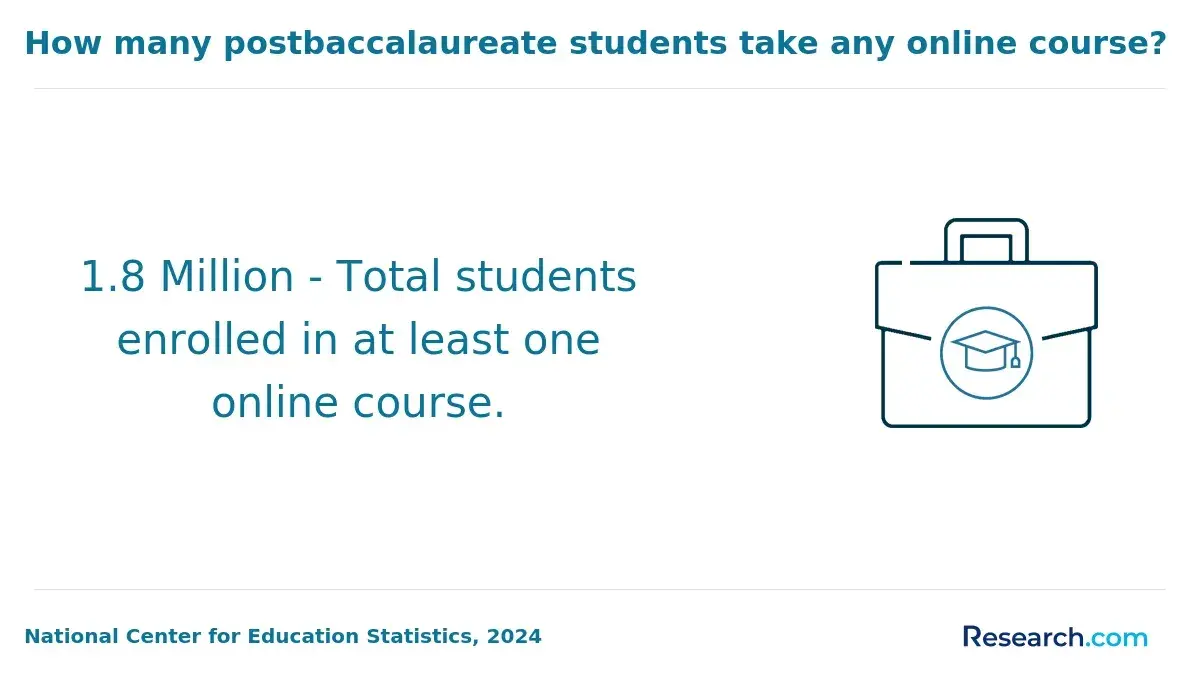
Annual graduate counts for logistics-related degrees do not directly translate into workforce oversupply or undersupply because not all completers enter logistics roles immediately or target the same job categories. Data from the National Center for Education Statistics and IPEDS track approximately 15,000 to 18,000 degree completions in fields such as supply chain management and transportation management yearly. However, labor market studies indicate that only around 60% to 75% of these graduates pursue employment within logistics functions within a year, with others shifting into adjacent sectors, continuing education, or facing geographic and timing barriers to entry. Treating graduate volume as a sole measure risks overlooking how degree-level distinctions, specialization, and alternative career pathways impact the talent pool available for typical logistics vacancies.
Employer demand, as reported by the U.S. Bureau of Labor Statistics, projects roughly a 5% annual growth for logistics and supply chain management roles, generating a need for approximately 10,000 new hires per year. Despite seemingly exceeding immediate openings in some regions and entry-level segments, graduates frequently fill roles across diverse industries beyond logistics firms, which softens direct competition but can create localized surpluses or shortages. Furthermore, hiring preferences emphasize candidates with internships, certifications, and practical problem-solving skills; hence, fresh graduates without relevant experience may struggle even when supply appears sufficient. Misinterpreting these nuanced dynamics may lead to misguided academic or career decisions if the interplay between graduate output, job market timing, and employer expectations is not carefully assessed.
Does Job Growth Support the Rising Supply of Logistics Graduates?
Projected job growth in the logistics sector does not uniformly accommodate the rising number of graduates entering the workforce. While employment in transportation, storage, and distribution is expected to grow around 5% over the next decade, this rate is only average compared to other fields and often cannot fully absorb the increasing annual completions of logistics-related degrees. Many graduates face intensified competition for entry-level positions, especially in urban areas where supply frequently outpaces demand, leading to underemployment or the need to pursue roles requiring additional experience or technical certifications beyond a general logistics degree.
Replacement hires due to retirements and turnover remain a significant component of job openings, so slower growth sectors may still offer viable opportunities, particularly in regions with persistent labor shortages. Prospective students considering logistics degrees should recognize that job supply versus demand varies widely by specialization, geographic location, and employer expectations for skills like data analytics or IT system proficiency. Without targeted skill development or relevant internships, graduates risk limited access to positions despite positive industry trends. Those seeking cost-effective graduate programs might explore options such as a low cost masters degree online to balance investment with market realities while sharpening their employability amidst these competitive dynamics.
How Competitive is the Entry-Level Market for Logistics Graduates?
The entry-level job market for logistics graduates in 2024 is characterized by significant competition rather than a simple surplus of candidates or a dearth of roles. Employer demand is growing, particularly in supply chain management and transportation, but the rise in job openings is matched-or at times outpaced-by equally rapid growth in qualified applicants, many possessing practical experience beyond their degrees. This dynamic makes the labor market highly selective, with hands-on skills often outweighing academic credentials alone. Graduates face a landscape where underemployment and transitional positions are common as they seek roles better aligned with their training amid regional and sector-specific variability. Key elements shaping competition include:
- Applicant Volume:The number of candidates per job remains elevated, often between 10 and 20, indicating high competition. Graduates should anticipate substantial applicant pools and strategically differentiate themselves.
- Experience Requirements:About two-thirds of openings favor candidates with internships or related roles, demonstrating that practical exposure is almost as vital as degree completion for employability.
- Industry Demand Growth:Positions linked to supply chain adjustments and e-commerce are expanding but unevenly, affecting opportunities depending on sector focus and employer size.
- Geographic Concentration:Urban centers offer more vacancies but also host larger, more intense applicant pools, leading to regional disparities in hiring chances.
- Skill Adaptation:The integration of automation and digital tools requires graduates to continually update technical competencies beyond traditional logistics knowledge.
- Specialization Impact:Those choosing niche areas like transportation coordination versus broader supply chain management encounter differing levels of competition and demand.
- Workforce Realities:Underemployment persists as many graduates temporarily accept unrelated roles, reflecting a mismatch in timing more than a fundamental oversupply.
A recent graduate described navigating the 2024 market as a balancing act: despite earning a relevant degree with internship experience, they faced rejection in several metropolitan applications due to high competition and preference for candidates with more specific software skills. Pivoting to smaller regional companies with less saturated applicant pools eventually yielded interviews but required acceptance of a role with narrower responsibilities. This experience underscored how geography, skill set alignment, and practical exposure shape early-career outcomes more than sheer graduate numbers alone.
Which Industries Have the Greatest Demand for Logistics Graduates?
Employer demand for logistics graduates concentrates in industries where supply chain complexity intersects with volume and high stakes, rather than reflecting uniform labor market needs. Graduates evaluating job opportunities must balance sheer job-posting volume against competition intensity, skill specialization, and advancement pathways. For instance, the retail sector offers abundant roles driven by e-commerce growth but demands sophisticated data analytics and fulfillment expertise due to fierce competition. Conversely, energy may have fewer openings but seeks logistics professionals with operational planning and regulatory compliance strengths, potentially yielding more stable placements. Regional and employer-size variations also shape hiring prospects, underscoring the importance of aligning foundational logistics knowledge with sector-specific competencies. Industries with the highest logistics graduate demand illustrate this dynamic:
- Transportation and Warehousing: High volume hiring reflects ongoing needs to manage goods flow, route optimization, and inventory coordination. Entry-level roles typically involve operational logistics and dispatching, while advanced positions emphasize network design and tech integration. Analytical skills and familiarity with fleet management software are prized.
- Manufacturing: Driven by reshoring and automation, logistics roles here focus on just-in-time delivery and supplier network synchronization in automotive, aerospace, and consumer goods sectors. Graduates benefit from experience in ERP systems and lean manufacturing principles, with advancement often linked to cross-functional expertise.
- Retail and E-commerce: Expanding fast due to consumer demand for rapid delivery, this sector requires expertise in last-mile logistics and fulfillment center operations. Job volume is high, but so is competition, pushing candidates to develop skills in supply chain analytics and software proficiency to differentiate themselves.
- Healthcare Logistics: Though smaller, this sector steadily grows, driven by complex medical supply chains and cold-chain requirements. Employers value graduates adept in compliance and sensitive to high-value, time-critical materials, offering niche roles with potential for specialized career tracks.
- Energy Sector: Including oil, gas, and renewables, this sector demands logistics professionals able to navigate challenging environments and regulatory frameworks. Operational planning experience and familiarity with international logistics protocols often distinguish successful candidates.
These patterns illustrate how demand clusters in sectors combining operational complexity with economic scale, where logistics graduates can leverage foundational skills but must adapt to rigorous, evolving employer expectations. This nuanced scenario cautions against viewing supply and employer demand as uniform across regions or industries. For broader context on aligning graduate volume with market realities, prospective students might also consider exploring related domains such as best online MSW programs.
Where are Logistics Graduates Most in Demand?
National demand metrics for logistics graduates often mask substantial regional variation driven by localized economic dynamics and industrial clusters. States with major transportation infrastructures, like California and Texas, anchor strong employer networks in freight, warehousing, and manufacturing, which sustain job openings that outpace many other areas. However, these same regions can face intense applicant competition due to higher numbers of local graduates and elevated living costs, meaning a recent graduate in Los Angeles weighing job prospects must consider the tradeoff between abundant opportunities and saturated applicant pools plus expensive housing.
Metropolitan centers focused on ports, distribution hubs, or intermodal freight corridors typically offer more roles but also require skills aligned with cutting-edge supply chain technologies and operational analytics to stand out. Conversely, smaller or rural markets may have fewer openings but often experience less competition and lower living expenses, which can improve employment prospects for graduates willing to relocate or specialize. While some states produce more logistics degree holders than local demand can absorb, others see growing employer shortages where niche specialization or sector mobility could be decisive in securing roles.
Ultimately, evaluating logistics job markets needs more than headline job counts; cost of living, employer density, industry concentration, and graduate supply all shape true employability. The 2024 U.S. Bureau of Labor Statistics data highlights how workforce shortages in distribution and e-commerce fulfillment regions coexist with localized oversupply, emphasizing that graduates must weigh where their credentials and skills meet genuine labor market gaps. This nuanced reality encourages informed choices beyond surface-level figures, helping students and current degree holders target regions where their career investments maximize practical returns rather than face oversaturated or stagnating markets.
Which Logistics Specializations and Degree Levels Face the Strongest Demand?
Labor market demand for logistics professionals is unevenly distributed across specializations and degree levels. Positions emphasizing supply chain analytics, technology adoption, and strategic decision-making currently face the strongest employer interest, reflecting the sector's rapid digital transformation and complexity growth. In contrast, entry-level roles filled by associate degree holders or certificate recipients experience higher competition due to larger graduate volumes, despite steady overall demand. For example, a bachelor's degree graduate specializing in transportation coordination typically encounters less saturated, higher-responsibility positions compared to an associate degree graduate focused on warehouse operations, where openings are more numerous but applicants exceed supply. The U.S. Bureau of Labor Statistics and Lightcast projections confirm persistent hiring gaps in mid-to-advanced logistical functions, with supply chain analysts and strategic logistics managers among the most sought-after.
Key areas of strongest demand include:
- Supply Chain Analytics: Employers seek candidates adept in data interpretation and optimization software, driving demand in industries requiring inventory and demand forecasting expertise, often requiring bachelor's or higher credentials.
- Technology-Focused Logistics: Roles involving automation, systems integration, and digital platforms necessitate specialized technical skills, favoring those with bachelor's degrees and familiarity with advanced logistics software.
- Bachelor's-Level Midmanagement: Graduates with a bachelor's in logistics or supply chain management fill hard-to-staff positions involving coordination, negotiation, and complex problem-solving in transportation and distribution networks.
- Entry-Level Associate Roles: Fields like dispatch coordination and warehouse technician positions maintain steady openings, but competition intensifies given the greater number of associate degree holders and certificate completers.
- Advanced Degree Leadership: Master's degree holders in global logistics or strategic supply chain management are in demand for executive and high-level planning roles within multinational corporations.
- Procurement Management: This specialization reflects moderate hiring needs, often requiring relevant experience combined with a bachelor's degree to address supply variability and cost containment challenges.
Are Employer Skill Gaps Affecting Demand for Logistics Graduates?
The current market reveals not a pure shortage of logistics graduates but a distinct shortage of candidates who meet employer expectations in technical and professional competencies. Many employers face hiring delays because graduates lack applied experience in areas such as digital supply chain management, AI-driven forecasting tools, or relevant certifications. For example, regional hiring managers often reject otherwise qualified candidates when they cannot demonstrate proficiency with specific industry software or fail to show adaptability in problem-solving scenarios, underscoring the importance of experiential learning alongside academic credentials. This mismatch creates a paradox where open positions remain unfilled despite a seemingly adequate volume of logistics graduates.
These employer skill gaps affecting demand for logistics graduates distort hiring competition, often varying by region and industry sector. Positions demanding advanced data analysis or cross-functional communication see higher turnover or prolonged vacancies, fueling perceptions of oversupply among graduates who lack targeted training or internships. The National Association of Colleges and Employers (NACE) data confirms that gaps in digital skills and soft skills heavily influence candidate suitability, intensifying competition for the limited pool of appropriately skilled applicants. Such disparities also complicate workforce planning since academic programs frequently lag behind evolving employer standards.
Consequently, prospective logistics students and current degree holders should prioritize degree programs and experiential opportunities that emphasize specialized digital competencies and practical applications in logistics environments. Capstone projects, internships, and certifications aligned with industry expectations markedly improve hiring outcomes by bridging the evident skill mismatch. Those evaluating alternatives might also consider resources like MLIS programs for comparative insights into aligning educational pathways with workforce needs. Recognizing this dynamic clarifies whether logistics graduate skill mismatches impact employer hiring more significantly than raw graduate supply alone.
What is the Future Supply-and-Demand Outlook for Logistics Graduates?
Targeted job searches typically outperform high-volume, unfocused applications because graduates who align their efforts with precise entry-level job titles and industries exhibiting stronger demand improve their chances of interview conversion. For example, a logistics graduate focusing exclusively on positions in states with known talent shortages and tailoring resumes with language from employer job postings will generally see better results than one who applies broadly to all available roles. Neglecting market research and applying to roles that poorly match a candidate's qualifications often leads to prolonged job searches and missed opportunities to demonstrate relevant skills through projects or prior experience.
Strategically allocating effort toward roles where logistics graduates meet specific employer requirements, including tech fluency and hybrid skills in data analytics or supply chain technologies, strengthens candidacy in a competitive market. Prospective logistics professionals should consider regional job market dynamics and prioritize applications with employers known to value those qualifications. A growing share of programs emphasize these competencies, yet many graduates still face competition where supply exceeds demand, particularly for entry-level logistics professionals in oversaturated areas. Integrating focused application timing, employer-specific tailoring, and evidence of readiness can significantly enhance outcomes amid the future supply and demand for logistics graduates in the United States.
Those assessing their educational pathways might also explore complementary credentials such as a project management bachelor degree to differentiate themselves further, combining knowledge that aligns closely with employer expectations. Employment growth projections for entry-level logistics professionals underscore that success increasingly depends on nuanced understanding of practical realities rather than simply accumulating applications.
References:
- Everything You Need to Know About Logistics: A Sector Under the Microscope - Axell Group EN https://axell-group.com/en/news/everything-you-need-to-know-about-logistics-a-sector-under-the-microscope/
- How to Attract and Retain Talent in the Logistics & Supply Chain Industry https://www.adeccogroup.com/our-thinking/articles-and-editorials/how-to-attract-and-retain-talent-in-the-logistics-and-supply-chain-industry
- 21 Best Online Logistics Bachelor's Degrees of 2025 https://www.supplychainguide.org/degrees/online-bachelors-in-logistics/
- The logistics industry has a talent problem. Here’s how to fix it. https://smc3blog.com/the-logistics-industry-has-a-talent-problem-heres-how-to-fix-it/
- best logistics jobs for 2026 https://www.randstadusa.com/job-seeker/best-jobs/best-logistics-jobs-2026/
- Career in Supply Chain Management & Logistics: What to study? https://www.study.eu/article/career-in-supply-chain-management-logistics-what-to-study
- Logistics Graduate Career Profile, Logistics Careers | GRB https://www.grb.uk.com/industry-profiles/logistics/
- Five megatrends in tomorrow’s logistics https://magazine.dachser.com/five-megatrends-in-tomorrows-logistics/
- Supply Chain Education: Keep the Change - Inbound Logistics https://www.inboundlogistics.com/articles/supply-chain-education-keep-the-change/
- People in supply chain: skills, tech and the workforce gap https://flox.is/blog/logistics-workforce-future
Other Things You Should Know About Logistics
The depth and focus of courses within logistics degree programs significantly affect graduate readiness. Programs emphasizing practical skills-such as supply chain software proficiency, project management, and data analytics-better align with employer expectations, especially in tech-driven firms. Graduates from programs heavily skewed toward theory without hands-on experience often face steeper challenges securing jobs, as employers prioritize candidates who can immediately contribute to operational efficiency and problem-solving.
Students targeting specialized logistics roles should choose degree paths that focus deeply on transport planning, inventory management, and procurement to meet specific employer demand. However, those uncertain about long-term specialization often benefit from broader business curricula that incorporate logistics fundamentals alongside finance and marketing. This approach increases adaptability but may weaken technical logistics expertise, potentially limiting competitiveness for niche logistics positions that require advanced domain knowledge.
Internships and project-based learning are critical differentiators in the logistics job market. They provide exposure to real supply chain challenges and develop professional networks, which are often more influential than GPA alone. Graduates lacking such experience usually need extended ramp-up periods on the job, making entry harder and sometimes leading to entry-level positions with lower responsibility and pay. Therefore, programs integrating these practical components tend to enhance immediate employability and salary outcomes.
While highly reputed programs offer brand recognition that can open doors nationally or internationally, they sometimes have larger class sizes that dilute personalized mentoring and hands-on opportunities. Conversely, smaller or less known institutions with robust local or regional industry partnerships often provide intensive internships, customized projects, and direct employer engagement. For students prioritizing swift workforce entry and practical exposure, the latter can outweigh prestige, especially in logistics markets where demonstrable skills and relationships are key.