2027 Logistics Degree Outlook Through 2030: Enrollment, Salary, and Hiring Projections

Co-Founder and Chief Data Scientist
Deciding whether to pursue or continue a logistics degree requires balancing multiple projections that often conflict. For example, a 7% hiring growth forecast masks regional variations where urban centers show stronger demand than rural areas. Meanwhile, enrollment increased by 12% nationwide in 2024, signaling rising graduate competition that may saturate entry-level roles. Salary trends demonstrate gains in specialized logistics technology but stagnation in traditional supply chain roles, complicating outcome expectations. Credential requirements are also evolving rapidly, requiring ongoing education beyond the degree itself. This article examines logistics enrollment, salary patterns, hiring projections, industry demand, geographic opportunity, and emerging workforce changes through 2030 to support better-informed decisions.
Key Things to Know About the Logistics Degree Outlook Through 2030
- Enrollment in logistics degree programs grew 8% from 2022 to 2024 amid supply chain disruptions, reflecting increased interest but risking graduate oversupply in key urban centers with concentrated provider networks.
- Employers prioritize candidates with AI-augmented logistics skills, as 72% of firms surveyed in 2024 prefer graduates trained in automation tools, signaling that traditional competencies alone may limit workforce advancement.
- Rising tuition and extended program durations create access barriers, delaying workforce entry; this timing cost particularly affects lower-income students, influencing diversity and geographical talent distribution through 2030.
- Key Things to Know About the Logistics Degree Outlook Through 2030 Key Things to Know About the Logistics Degree Outlook Through 2030
- How is Logistics Degree Enrollment Expected to Change Through 2030? Enrollment Trends Through 2030
- How Many Logistics Graduates Will Enter the Workforce by 2030? Graduate Workforce Entry Projections
- What Are the Hiring Projections for Logistics Graduates Through 2030? Hiring Projections Through 2030
- Which Logistics Careers Will Experience the Most Job Growth? Fastest-Growing Career Paths
- What Is the Salary Outlook for Logistics Graduates Through 2030? Salary Outlook Through 2030
- Which Industries Will Hire the Most Logistics Graduates by 2030? Top Hiring Industries
- Where Will Demand for Logistics Graduates Be Strongest? Strongest Geographic Demand
- Which Logistics Specializations Will Be Most in Demand by 2030? Which Logistics Specializations Will Be Most in Demand by 2030?
- How Will AI and Technology Affect Logistics Careers Through 2030? How Will AI and Technology Affect Logistics Careers Through 2030?
- Is a Logistics Degree Worth Pursuing Based on 2030 Projections? Degree Value Through 2030
How is Logistics Degree Enrollment Expected to Change Through 2030?
Projected changes in logistics program enrollment by region will be increasingly shaped by divergent economic conditions and institutional adaptability, rather than uniform growth across all areas. Programs in regions with strong industry clusters and international trade hubs are more likely to see sustained or accelerated enrollment increases, reflecting employer demand for graduates skilled in complex supply chain management and digital logistics platforms. Conversely, institutions in areas with fewer direct industry ties or limited capacity to integrate emerging technologies may face stagnant or declining applicant pools, impacting specialization options and possibly leading to consolidation or program closures.
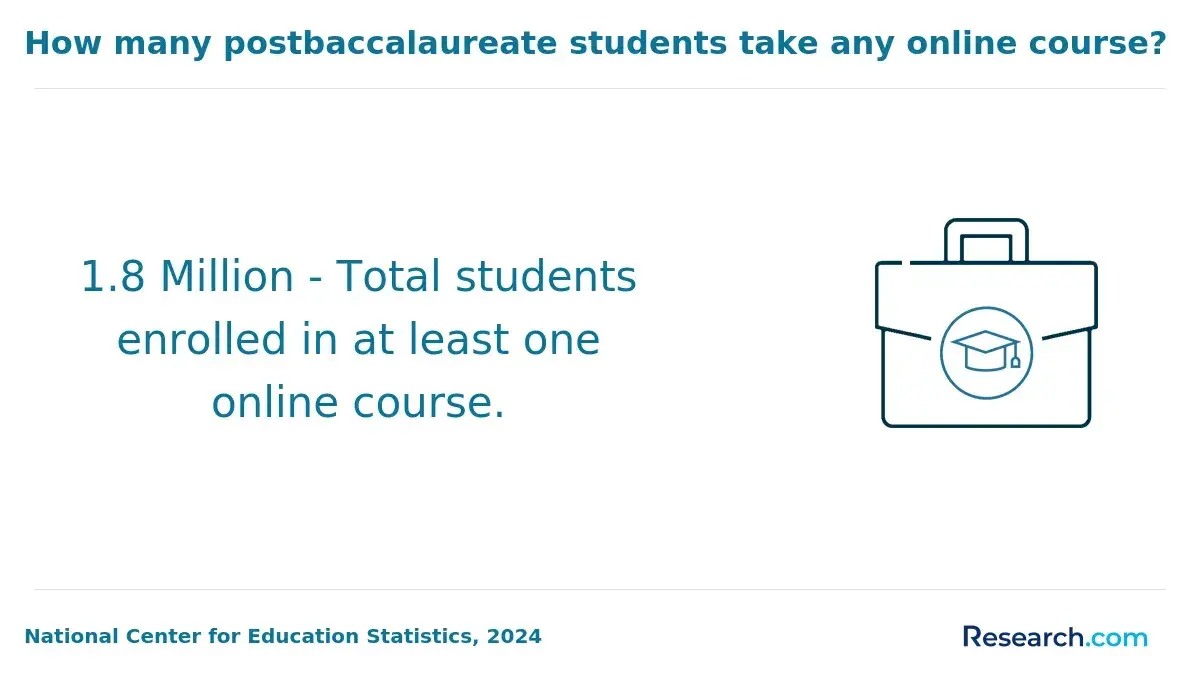
Logistics degree enrollment trends in the United States through 2030 are influenced heavily by demographic shifts, particularly the rise in adult learners and career changers seeking practical, outcome-focused education. This broader student base drives demand for flexible delivery methods like online programs, which can mitigate tuition pressures and geographical constraints but also intensify competition in national admission pools. Prospective students should weigh the growing supply of graduates against regional employment markets carefully, as oversaturation in some areas risks wage stagnation and hiring bottlenecks, while shortages persist where programs struggle to scale. For those interested in related shorter credentials, exploring affordable pathways such as the cheapest medical coding certification online can offer alternative entry points into the broader logistics and healthcare supply fields.
How Many Logistics Graduates Will Enter the Workforce by 2030?
Graduate volume alone does not guarantee corresponding workforce opportunities in logistics, as hiring outcomes reflect a balance between degree conferrals, actual employment demand, and competitive dynamics. While recent data from the National Center for Education Statistics points to a steady rise in logistics-related degree completions-around 3% annually over the past five years-this growth will not translate directly into new hires. Factors such as additional certifications sought by employers, program capacity limits, and graduates opting for advanced studies or related industries mean the inflow of qualified candidates into supply chain roles will be more nuanced than raw graduation numbers suggest.
Projected increases of roughly 8% in logistics degree completions by 2030 highlight expanding interest but also greater competition within the field. Many logisticians entering the labor market will contend with candidates who have relevant work experience or specialized skills beyond the degree. Moreover, geographic demand and sector-specific trends will fragment the labor pool, so not all graduates will simultaneously seek or succeed in the same roles or locations. Understanding these tradeoffs is critical for students planning education paths and employers fine-tuning recruitment strategies, as real-world hiring reflects more complex supply-and-demand interactions than enrollment trends alone reveal.
A recent logistics graduate shared that despite finishing with solid academic credentials in mid-2024, securing a role required navigating a crowded applicant field where many candidates held supplementary certifications or industry internships. The graduate noted a cautious optimism shaped by observing peers delay entering the workforce to pursue specialized training or internships, recognizing that simply holding a degree was insufficient for immediate placement. This experience underscores how anticipated growth in logistics graduates does not automatically ease job market entry but instead intensifies the need for strategic career planning and skill diversification as projected workforce increases near 2030.
What Are the Hiring Projections for Logistics Graduates Through 2030?
Employer demand for logistics graduates through 2030 is projected to remain steady with moderate growth, but this outlook masks significant variation by specialization and geography. While roles like warehousing and distribution management are expanding faster due to heightened e-commerce activity and last-mile delivery pressures, traditional transportation logistics show slower increases. A graduate focusing solely on basic operational skills may face stiff competition, especially outside major urban hubs where hiring concentrations and salary growth are more favorable. For instance, a recent graduate in a smaller region could find far fewer openings than national data suggests, underscoring the importance of market-specific research over reliance on broad projections.
According to 2024 data from the U.S. Bureau of Labor Statistics, logistics-related roles will grow at approximately 4% annually, outpacing the average for all occupations and generating about 40,000 openings per year when accounting for replacement needs. However, these numbers reflect aggregate conditions and do not guarantee accessible entry-level jobs or rapid salary increases without the proper technical skill set. Employers increasingly prefer candidates who complement logistics knowledge with competencies in supply chain technologies, data analytics, and automation tools. Graduates without such hybrid skills may find initial salaries modest and career progression slower, particularly as AI and blockchain reshape supply chain management.
Which Logistics Careers Will Experience the Most Job Growth?
Projected growth in logistics careers through 2030 is concentrated in roles with strong ties to technological integration and supply chain complexity, notably transportation, storage, and distribution managers who oversee goods flow amid evolving consumer demand. Although logisticians exhibit faster-than-average growth rates due to increased reliance on data analytics and resource optimization, their total workforce numbers are smaller compared to frontline managerial positions. Students evaluating a logistics degree should weigh that while roles like supply chain analysts require advanced education and technical proficiency, they offer greater long-term resilience and salary premiums, contrasting with more accessible but potentially lower-growth warehouse and freight positions.
Employers increasingly seek candidates blending technical problem-solving with hands-on experience, reflecting in a preference for programs that incorporate practical exposure to supply chain software and real-world scenarios. This dynamic particularly affects logistics career growth projections in the United States, where the expansion of e-commerce fulfillment centers and international trade intensifies demand for supervisors and inventory specialists. Regional variation and industry specialization remain crucial considerations, as high growth percentages in niche roles do not always translate to widespread opportunities or guaranteed entry-level positions. For example, prospective professionals should consider the tradeoff between moderate-training occupations and fields requiring specialized credentials, especially when anticipating the highest demand logistics jobs and salary outlook.
Choosing a career path aligned with these trends requires pragmatic assessment of workforce realities, including the cost-benefit of advanced degrees and the evolving skill sets employers prioritize. Individuals interested in data-intensive roles might benefit from ongoing education supported by reputable sources, as reflected in the increasing emphasis on salary data like medical coding pay studies for insight on related credentialing benefits. Ultimately, strategic decisions rooted in market intelligence and operational knowledge offer better long-term outcomes than generalized enrollment drives or surface-level projections.
What Is the Salary Outlook for Logistics Graduates Through 2030?
Salary projections for logistics graduates through 2030 must be weighed against inflation, shifting labor market demands, evolving credential requirements, and technological changes reshaping supply chains. A nominal increase in wages does not automatically translate to improved real earnings without considering these factors. The anticipated rise in compensation, particularly in supply chain management roles, hinges on industry growth driven by globalization and automation, but outcomes vary widely based on specialization, location, and experience. Understanding these dynamics helps clarify how graduates can strategically position themselves in a competitive field. Key salary drivers include the following considerations.
- Technology Integration: Logistics roles incorporating automation, AI, and advanced data analytics see stronger wage growth as companies seek efficiency gains. Professionals skilled in tech tools, predictive modeling, or supply chain software often earn premiums, especially in sectors like warehousing and distribution.
- Experience and Career Stage: Entry-level salaries generally start between $55,000 and $65,000, but mid-career professionals with data-driven and procurement expertise can exceed $100,000. Responsibility for strategic decision-making correlates with higher pay.
- Geographic Variation: Compensation varies notably by region; graduates near major transportation hubs or urban centers typically command better salaries, reflecting local economic activity and living costs.
- Certification and Education: Advanced degrees and credentials such as supply chain certifications enhance bargaining power, moving earnings above base bachelor's degree levels in competitive markets.
- Industry Sector Differences: Logistics roles in manufacturing and pharmaceuticals usually offer higher wages compared to retail or service sectors, due to complexity and compliance demands.
- Economic Conditions: Broader economic shifts, such as inflation rates and trade policy changes, impact hiring budgets and wage growth potential in logistics functions.
- Global Supply Chain Trends: Increasing globalization and just-in-time manufacturing heighten demand for skilled logistics managers, supporting upward salary pressure but also requiring adaptability to international regulations and crises.
A recent graduate entering the logistics workforce faced a starting offer of $58,000 in a mid-sized metro area, reflecting local market norms. Though initially uncertain, the graduate strategically declined a higher salary offer located in a high-cost urban market due to anticipated living expenses and commute time. Instead, they prioritized gaining experience with a regional logistics firm aligned with growth industries. Negotiations focused more on professional development opportunities than salary alone, acknowledging that long-term earning potential would depend heavily on skill acquisition and industry positioning rather than immediate compensation.
Which Industries Will Hire the Most Logistics Graduates by 2030?
The employment outlook by industry 2030 for logistics graduates is shaped by shifts in global trade, automation, regulatory complexity, and evolving consumer expectations. Workforce replacement needs and technology adoption will determine not just where volume hiring occurs but the kinds of roles available. For example, there is heightened demand for adaptability in roles integrating data analytics and supply chain digitalization alongside traditional functions. Understanding these nuances is critical for students targeting growth sectors and realistic career pathways. Below are the top industries hiring logistics graduates in the US through 2030.
- Transportation and Warehousing: Sustained growth is driven by automation in freight handling and last-mile delivery. Entry-level roles often focus on inventory and fleet management, while advancement favors expertise in transport network optimization and process automation software.
- Manufacturing Sectors: Complex production schedules and supplier coordination require logistics professionals who understand just-in-time inventory and materials flow, particularly in high-tech and automotive domains. Skills integrating procurement and production planning enhance employability.
- Retail and E-Commerce: Surge in online sales pressures retail supply chains for speed and reliability. Logistics graduates skilled in warehouse management systems, fulfillment optimization, and customer-focused delivery solutions find expanding opportunities here.
- Healthcare and Pharmaceuticals: Specialized logistics for temperature-sensitive and regulated products expand rapidly. Compliance knowledge and traceability systems proficiency are increasingly essential for logistics roles supporting this sector's strict delivery protocols.
- Pharmaceutical Logistics: Emerging as a distinct growth area due to regulatory demands and complex distribution challenges. Candidates familiar with cold chain management and industry-specific certifications gain competitive advantages; some may consider advanced degrees like the online PharmD for crossover roles.
- Third-Party Logistics Providers (3PL): Rising demand for outsourcing logistics functions fuels growth in 3PL firms. Graduates with skills in multi-client network coordination, contract negotiation, and IT systems integration are favored.
- Renewable Energy Supply Chains: A growing but specialized sector requiring logistics coordinators adept in handling large, complex equipment and adaptive scheduling under evolving regulatory standards.
Where Will Demand for Logistics Graduates Be Strongest?
Demand for logistics graduates will concentrate heavily in regions where transportation infrastructure intersects with manufacturing capacity, yet these hotspots vary substantially in their long-term appeal. For example, Texas and Florida benefit from booming populations paired with expanding industrial investments, which sustain numerous entry-level roles, but prospective graduates must weigh these against rising living costs and growing applicant pools that intensify competition. Meanwhile, Midwest manufacturing centers like Ohio offer steadier but potentially narrower paths, where lower local wages might restrict salary growth despite stable employment, especially for those lacking specialized skills tailored to evolving supply chain technologies.
Major port cities such as Los Angeles and Seattle stand out for their strategic importance in international trade but also present unique challenges, including higher credential expectations and significant workplace competition driven by dense labor markets. Employers in emerging e-commerce segments increasingly seek logistics professionals capable of optimizing last-mile delivery and integrating sustainability practices; candidates focusing on these niches might gain an edge but should recognize such specialization often demands continual upskilling. The tradeoff between metropolitan opportunity and regional affordability remains central, as graduates in smaller or less saturated markets might encounter fewer advancement prospects despite experiencing less pressure from cost of living or oversupply of qualified applicants.
Consequently, relying solely on national averages obscures critical regional and sectoral nuances that influence both job availability and career trajectory through 2030. Public investment in transportation hubs and green supply chain initiatives will shape where demand accelerates, creating pockets of concentrated hiring that reward targeted credentials and practical experience. Evaluating logistics education pathways with attention to local market dynamics, employer density, and industry specialization provides a sharper basis for planning than generalized growth forecasts, helping stakeholders anticipate which environments best align with their career ambitions and financial realities.
Which Logistics Specializations Will Be Most in Demand by 2030?
Projected growth in logistics-related roles through 2030 will largely favor specializations that align with evolving technological demands and regulatory environments. Students weighing options should consider not only the size of employer demand but also the depth of technical skills required and the adaptability of those skills across industries. For example, a candidate choosing between supply chain analytics and transportation management must assess whether they prefer quantitative, data-intensive work with strong tech integration or operational roles centered on innovation in shipping and delivery. Data from Lightcast 2024 shows an accelerated demand for analytics proficiency among logistics professionals, underscoring the premium employers place on digital fluency. The following specializations represent the strongest hiring prospects, combining robust demand with meaningful career resilience.
- Supply Chain Analytics: Demand driven by the need to optimize inventory and forecast demand using advanced data tools. Requires quantitative acumen and familiarity with analytics platforms. Growth spans manufacturing, retail, and healthcare logistics.
- Sustainability and Green Logistics: Rising due to regulatory pressures and corporate environmental commitments. Professionals with expertise in reducing carbon footprints and implementing sustainable practices will be increasingly sought, especially in regions with stringent environmental policies.
- Global Trade Compliance: Focuses on navigating tariffs, customs, and international regulations. Requires knowledge of legal frameworks and cross-border logistics, vital for companies engaged in import/export operations.
- Logistics Technology Management: Encompasses robotics, automation, and warehouse management systems. Candidates must combine operational knowledge with technical skills to manage increasingly automated supply chains.
- Transportation Management: Centers on last-mile delivery and logistics innovation, essential for e-commerce sectors adapting to consumer expectations for speed and reliability.
- Inventory and Warehouse Optimization: Involves streamlining stock control processes and warehouse layouts using technology. This specialization supports efficiency goals in distribution centers.
While these specializations offer strong future prospects, graduates should be prepared for continuous skill updating due to the fast pace of logistics technology and evolving regulatory landscapes. Employers favor candidates demonstrating both specialized expertise and flexibility to adapt as industry standards shift.
How Will AI and Technology Affect Logistics Careers Through 2030?
Artificial intelligence and automation technologies are primarily set to augment and partly redefine logistics responsibilities rather than fully automate them by 2030. Routine manual roles in warehouses and transportation will increasingly be handled by robotics and AI, but these changes elevate the importance of skills such as data analysis, cross-functional coordination, and technology management. For example, logistics professionals who can integrate predictive analytics and AI system oversight will be better positioned to guide strategic decisions, while those relying solely on traditional manual capabilities risk obsolescence. This shift creates a practical challenge for current and prospective workers to evaluate programs emphasizing both technical competencies and applied business judgement.
The evolving hiring landscape reflects these changes, with demand rising for logistics analysts, automation specialists, and supply chain strategists who balance digital fluency with domain expertise. While entry-level jobs focused on routine tasks may contract, roles requiring judgment, creativity, ethical oversight, and communication skills will continue growing, especially in sectors embracing advanced supply chain technologies. Salary premiums further reinforce this trend, rewarding those who combine logistics knowledge with technology skills. Students and professionals should therefore scrutinize coursework, certifications, and hands-on projects that align with technology-driven supply chains to sustain employability within this dynamic US market. These interpretations align with broader research on technology and automation trends in logistics jobs in the US through 2030.
Such strategic skill development holds practical implications for workforce planning and education providers. Graduates and degree holders lacking digital competencies risk falling short of employer expectations amid this transformation. The emphasis on digital literacy and analytic capabilities also suggests that interdisciplinary programs, including those similar in rigor to an online exercise science degree in their applied, technical focus, may serve as a model for preparing students for complex, technology-integrated logistics roles. Understanding these nuances is critical for aligning logistics degree enrollment trends with realistic career outcomes in an environment shaped by artificial intelligence, automation, and emerging technologies through 2030.
Is a Logistics Degree Worth Pursuing Based on 2030 Projections?
Projected employment growth for logistics-related roles through 2030 exceeds average job market expansion, but this does not automatically translate into straightforward career paths for degree holders. The logistics degree career outlook in the United States through 2030 shows variation depending on specialization, industry, and geographic location, with higher demand in warehousing, procurement, and supply chain analytics. Graduates should consider the competitive job market where employers increasingly prioritize candidates with practical experience, technical certifications, and capabilities in data analytics or software systems over academics alone. For many, deciding between a logistics degree and alternatives, such as the easiest degree in counseling, involves weighing factors like tuition costs, program length, and career flexibility against these evolving workforce demands.
Future salary and job growth projections for logistics graduates indicate median starting salaries near $60,000 in 2024 with potential to reach six figures at senior levels, but these outcomes depend heavily on gaining relevant experience and supplemental credentials. This degree offers reasonable returns if students actively pursue internships and certifications aligned with employer expectations; otherwise, some risk underemployment or stagnation exists due to rising graduate supply and automation impacts. Individuals should critically assess whether their educational investment aligns with their target career segment and adaptability to shifting supply chain technologies, rather than assuming consistent opportunity across all logistics roles.
References
- IMMEDIATE INCOME INCREASE IN THE LOGISTICS INDUSTRY https://www.mwslit.com/news/857-immediate-income-increase-in-the-logistics-industry
- Roadmap to 2030: Charting the Future of Supply Chains | Inbound Logistics https://www.inboundlogistics.com/articles/roadmap-to-2030/
- Are logistics jobs in demand? | Red Stag Fulfillment https://redstagfulfillment.com/are-logistics-jobs-in-demand/
- Logistics Graduate Career Profile, Logistics Careers | GRB https://www.grb.uk.com/industry-profiles/logistics/
- Transportation and Logistics Hiring Trends: 2026 Employer Insights https://scmtalent.com/transportation-logistics-hiring-trends/
- 16——20302050 https://note.com/moatbasket/n/nc37bcede731a
- Exploring Supply Chain Careers: A Comprehensive Look at the Industry's Bright Outlook - Mangrum Solutions https://mangrumcareersolutions.com/blog/exploring-supply-chain-careers-a-comprehensive-look-at-the-industrys-bright-outlook/
- Which jobs can remain secure until 2030 despite AI? - AEEN https://www.aeen.org/which-jobs-can-remain-secure-until-2030-despite-ai/
- What will urban logistics look like in 2030? https://www.rolandberger.com/en/Insights/Publications/What-will-urban-logistics-look-like-in-2030.html
- How will Artificial Intelligence Affect Jobs 2025-2030 | Nexford University https://www.nexford.edu/insights/how-will-ai-affect-jobs
Other Things You Should Know About Logistics
The variability in logistics degree programs means some graduates may face challenges if their curriculum lacks practical components like internships or case-study analyses. Employers increasingly expect hands-on experience with supply chain software and real-world problem solving, so programs emphasizing practical skills tend to yield graduates with stronger job readiness. Prospective students should prioritize programs with integrated experiential learning and industry partnerships to enhance employability rather than those focused solely on theory.
While a logistics degree offers a broad foundation, industry certifications can sometimes provide faster, more targeted pathways to certain roles with less upfront time and cost. However, degrees typically open doors to management and strategic positions, whereas certifications often prepare candidates for specialized technical functions. Prospective professionals should weigh their career goals carefully; those aiming for leadership roles should lean toward degrees, while those targeting technical certifications may consider certification routes as a complementary or alternative option.
Longer degree programs may offer deeper knowledge and a more comprehensive networking environment but usually require a greater time and financial commitment that can delay workforce entry. Conversely, shorter or accelerated programs might speed up career start but at the potential cost of less exposure to complex logistics challenges. Students must balance the immediacy of earning and gaining experience against the advantage of thorough preparation, factoring in personal circumstances like financial stability and career timeline.
Salary ranges in logistics vary widely depending on sector, role complexity, and geographic location, with operational roles generally paying less than strategic or analytical positions. Graduates focusing exclusively on entry-level operational tasks may face slower salary growth, whereas those developing skills in data analytics, procurement strategy, or supply chain optimization often see higher earning potential. Targeting specializations aligned with evolving industry needs can improve long-term salary trajectories, but this requires continuous skill development beyond initial degrees.