2027 Online vs Campus Logistics Outcomes Report: Graduation Rates, Cost, and Career Trade-Offs

Co-Founder and Chief Data Scientist
This article analyzes these factors to clarify the practical trade-offs that guide optimal program choice.
Key Things to Know About Online vs Campus Logistics Outcomes
- Graduation rates for campus logistics programs average 15% higher than online counterparts, reflecting stronger institutional support but longer time commitments affecting students balancing work and study.
- Employers in logistics increasingly value hybrid program graduates, signaling a trade-off: purely online graduates may face skepticism regarding hands-on skills, influencing hiring preferences and career progression.
- Lower upfront and ancillary costs in online logistics programs improve access for working adults, yet extended completion timelines often offset initial savings, impacting total investment and timing of workforce reentry.
- Key Things to Know About Online vs Campus Logistics Outcomes Key Things to Know About Online vs Campus Logistics Outcomes
- What Are the Biggest Differences Between Online and Campus Logistics Program Outcomes? Online vs Campus Outcomes
- How Do Graduation Rates Compare Between Online and Campus Logistics Programs? Comparing Graduation Rates
- Why Do Online and Campus Logistics Students Have Different Completion Rates? Why Completion Rates Differ
- How Do Online and Campus Logistics Programs Compare on Total Cost? Total Cost Comparison
- What Hidden Costs Should Students Expect in Online vs Campus Logistics Programs? Hidden Program Costs
- How Does Financial Aid Affect the Cost of Online and Campus Logistics Programs? Financial Aid Impact
- Do Online and Campus Logistics Graduates Have Different Career Outcomes? Comparing Career Outcomes
- How Do Employers View Online vs Campus Logistics Degrees? How Do Employers View Online vs Campus Logistics Degrees?
- Which Logistics Degree Format Offers Better Flexibility for Working Adults? Which Logistics Degree Format Offers Better Flexibility for Working Adults?
- How Should Students Choose Between an Online and Campus Logistics Program? Choosing Your Program Format
What Are the Biggest Differences Between Online and Campus Logistics Program Outcomes?
Graduation rates in logistics programs reveal a clear divide shaped by the mode of delivery, with campus-based students typically achieving completion rates exceeding 60% within six years, compared to around 45% for fully online students, according to data from the National Center for Education Statistics. This gap reflects not just academic rigor but critical differences in student persistence fostered by face-to-face interaction, structured cohort experiences, and easier access to advising-all factors that influence timely progression and reduce prolonged enrollment. For working adults balancing multiple responsibilities, the flexibility of online learning is attractive but frequently extends completion timelines, increasing cumulative costs and potential debt exposure, which challenges long-term financial planning.
Recognizing these dynamics is essential for students navigating program choices within a logistics pathway, especially when considering how institutional support and experiential learning affect outcomes. Many working professionals turn to options like BCBA accredited programs online for flexibility, but must remain aware of the persistence and practical skills gaps that can slow progress and limit certain licensure or career opportunities. Selecting between online versus campus logistics programs is ultimately a decision about aligning personal circumstances with long-term career strategy-where the stability and networking advantages of campus education contrast with the accessibility and adaptable scheduling of online formats, influencing completion rates, debt accumulation, and workforce readiness in distinctive ways.
How Do Graduation Rates Compare Between Online and Campus Logistics Programs?
Graduation rates for Logistics programs vary notably by delivery format, but these differences are often rooted in student demographics and program structure rather than purely educational quality. Data from the National Center for Education Statistics in 2024 shows that traditional campus-based Logistics programs have a six-year graduation rate near 62%, while fully online programs average around 45%, with hybrid formats falling in between. This gap reflects factors such as part-time enrollment, workforce and family responsibilities common among online students, and less cohort cohesion compared to campus settings. Additionally, campus programs benefit from consistent faculty interaction and on-site advising that can improve persistence, whereas online learners face uneven engagement and varying levels of academic support, influencing completion timelines and dropout rates.
Raw graduation statistics can be misleading without context on how programs handle transfer credits, pacing options, and reporting windows. Many online students balance work and caregiving, leading to stop-outs or extended enrollments that lower traditional graduation metrics but may still result in credential accumulation or employment gains. Transfer students and those pursuing stackable credentials can further complicate comparisons, as their outcomes might not align with standard graduation calculations. Prospective students should consider how advising availability, synchronous class requirements, and practical components influence their ability to stay on track. Choosing a format without accounting for these operational realities can result in underestimating the time and effort needed to complete a Logistics degree.
A Logistics student weighing these factors recalled hesitating about fully online programs despite their schedule flexibility. They noticed peers in campus cohorts benefited from structured advising and fixed pacing, which helped maintain momentum. Meanwhile, the student expected to juggle part-time study with a full-time warehouse job and family care, raising concerns about self-motivation and missed real-time faculty support. In researching, they found that some online programs with active forums and proactive outreach showed better completion rates than typical averages, offering cautious confidence that with discipline and available resources, the online path could still lead to successful graduation despite initial doubts.
Why Do Online and Campus Logistics Students Have Different Completion Rates?
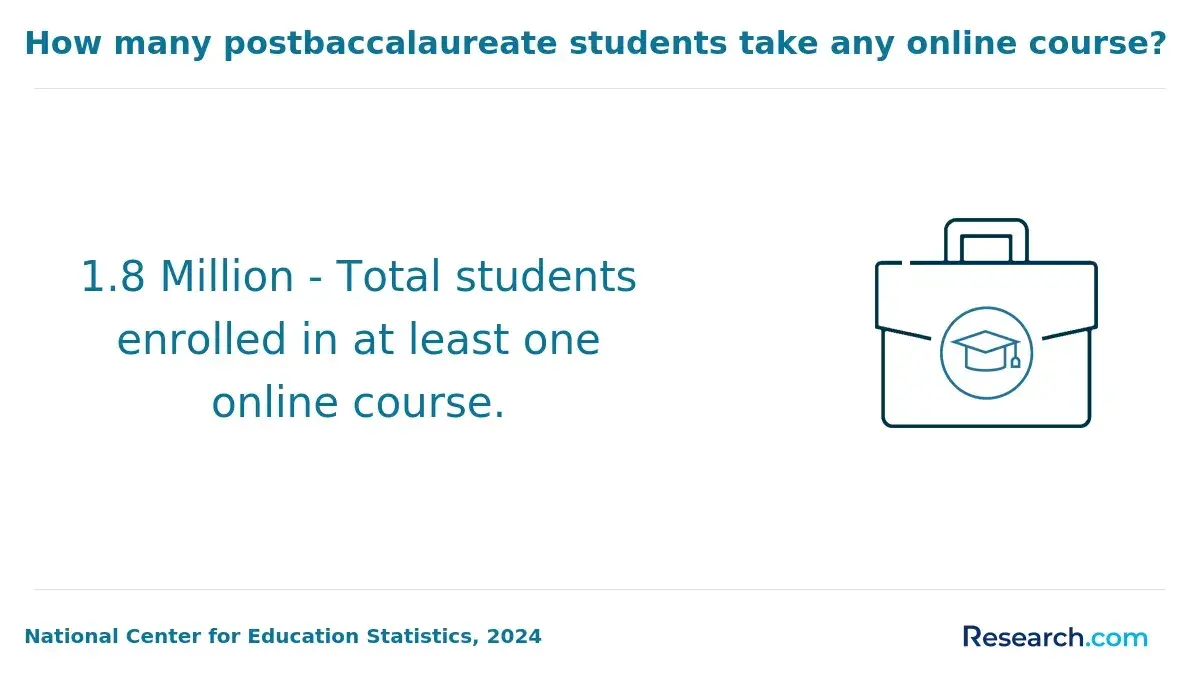
Completion rates between online and campus logistics students often reflect differences in enrollment patterns and institutional support rather than outright disparities in academic quality. For example, the National Center for Education Statistics reports that campus programs see about 60% graduation within six years, compared to roughly 35% for fully online cohorts. Much of this gap aligns with the fact that 62% of online logistics students attend part-time while managing work and family commitments, which naturally extends their time-to-degree and increases stop-out risk. These factors complicate maintaining the continuous, cohort-based progression more common in campus settings.
Campus students typically benefit from structured course sequencing, immediate access to faculty, and in-person advising that fosters accountability and timely completion. Conversely, online learners often face asynchronous formats that demand high self-direction amid fewer synchronous peer interactions or real-time faculty support. This can lead to isolation and reduced institutional connection, which impacts persistence negatively. While virtual tutoring and advising exist, qualitative studies highlight that online students frequently perceive these services as less accessible or less effective, challenging those who rely on consistent guidance to navigate prerequisites, internships, or practicum requirements typical in logistics careers.
Understanding these dynamics is critical for prospective logistics students weighing their options. Those with stable schedules and access to campus resources may benefit from the immersive environment and structured progression of in-person programs. Meanwhile, adult learners balancing external responsibilities must consider whether they have the discipline and support systems to navigate online pathways, which often involve complex transfer-credit evaluations and potential skepticism from employers without robust experiential elements. Graduation statistics thus offer useful context but must be interpreted alongside personal readiness, support needs, and the practical realities of combining education with life and work obligations.
How Do Online and Campus Logistics Programs Compare on Total Cost?
The total cost comparison between online and campus logistics programs extends well beyond just tuition, often reshaping student decisions based on residency requirements, fee structures, and personal circumstances. While public online programs may list tuition about 20% lower per credit hour, mandatory campus expenses like housing, meal plans, and transportation frequently negate these savings for in-person students.
Conversely, online learners face technology fees, specialized software costs, and sometimes higher charges at for-profit schools, which a 2024 U.S. Department of Education report links to 10-15% greater average student debt among online graduates compared to campus peers. These dynamics can affect debt management, with campus students potentially incurring larger up-front living costs but benefiting from broader institutional scholarships tied to residency, whereas online students often rely more on federal aid and employer tuition assistance aligned with work continuity.
Considering how online logistics program total cost compares to campus options requires weighing these financial variables alongside program length, course load, and work integration. Students able to balance employment with online formats might reduce overall debt and maintain income, albeit with trade-offs in access to hands-on experiences typically embedded in campus curricula. For working adults, employer tuition benefits often favor online paths, supporting ongoing career commitments without relocation or commuting.
Those assessing cost must also factor in travel or fieldwork expenses that both formats may demand depending on curriculum design. For a better grasp of affordable logistics education options suitable for varied needs, reviewing resources like LPC online programs can provide practical guidance.
What Hidden Costs Should Students Expect in Online vs Campus Logistics Programs?
Evaluating online versus campus logistics programs requires close attention to hidden costs that extend beyond tuition. Online students often encounter added technology fees ranging from $50 to $200 per course to cover software and proctoring services essential for supply chain simulations, while campus learners face expenses like commuting, parking, and housing that can surpass $15,000 annually near urban campuses. These additional costs influence budgeting and can complicate decisions for students balancing work, childcare, and academic commitments since on-site lab requirements and internships may mandate physical presence, limiting flexibility and increasing indirect expenses.
Financial aid disparities also affect total cost, with online students frequently relying more heavily on federal loans due to reduced grant opportunities, contributing to student debt levels averaging 15% higher at graduation. The inflexibility of campus schedules may reduce work hours or necessitate childcare investments, adding to financial strain. Conversely, online formats require investments in quiet study spaces and reliable high-speed internet, which may not always be affordable or feasible. Considering these trade-offs is critical, as hidden costs and scheduling demands directly impact program completion timelines and career-start readiness in a field where practical experience is often indispensable.
One logistics student shared that while researching programs, the added $150 per course technology fee for an online option initially seemed minor until factoring in the cost of specialized software subscriptions and occasional travel for proctored exams. Conversely, campus-based options demanded budgeting for a $12,000 yearly housing expense and daily commuting costs. The student paused before committing, recognizing that the nominal tuition savings of online delivery might be offset by these persistent expenses and interruptions to their part-time job, ultimately choosing a hybrid path to manage costs and maintain necessary work hours while completing essential hands-on training.
How Does Financial Aid Affect the Cost of Online and Campus Logistics Programs?
Financial aid's impact on the cost comparison between online and campus Logistics programs hinges on how aid eligibility and restrictions align with students' enrollment formats and life circumstances. Campus logistics tuition assistance and financial aid options often include scholarships, grants, and assistantships that require physical presence, making these less accessible to fully online students. For example, campus students may secure teaching assistantships that cover tuition and provide stipends, but these typically exclude remote learners, creating a net price disparity. Residency-based state grants further advantage on-campus enrollees, since many online programs operate out-of-state and do not qualify for these discounts, forcing online learners to rely more heavily on employer tuition benefits or federal aid to offset costs.
Employer tuition benefits, more commonly leveraged by working adults in online logistics programs, can serve as a predictable funding source, particularly in supply chain or manufacturing industries with tuition reimbursement policies. This form of aid complements flexible course pacing, allowing online students to manage costs against work schedules and avoid accumulating debt. However, loan reliance remains significant across both formats, though campus learners often face higher overall borrowing due to added living expenses and fees.
Military and veterans' benefits also influence net costs differently, with online programs attracting a larger share of GI Bill users due to their convenience. Prospective students weighing online versus campus options should assess how financial aid packaging, efficacy of employer support, and program fees interact with their personal financial strategy and career objectives, as factoring in these variables helps inform borrowing decisions and realistic cost expectations.
For information on affordable pathways, those exploring logistics degrees may also examine the cheapest online master's in urban planning as a comparative reference point for understanding institutional pricing trends and aid models beyond logistics. Integrating this perspective aids strategic planning around net price, graduation pacing, and the long-term financial implications inherent in format choice.
Do Online and Campus Logistics Graduates Have Different Career Outcomes?
Employment outcomes for graduates of online and campus logistics programs converge in graduation-to-employment rates, with campus graduates slightly ahead-approximately 82% versus 78% employed within six months according to the National Center for Education Statistics and the College Scorecard (2024). However, this gap signals more than timing; campus programs often offer structured internships and networking that foster stronger employer relationships and practical experience, which many hiring managers in logistics-intensive industries use to gauge readiness. Prospective students working full-time may favor online formats for flexibility, yet should consider how the reduced access to on-site experiential learning and local alumni connections might slow early career momentum in sectors that prioritize hands-on skill validation.
Employer attitudes toward online credentials remain mixed; a recent National Association of Colleges and Employers survey finds about two-thirds of employers accept online degrees on par with campus ones, but a significant minority remain wary, especially where in-person training impacts licensure or technical certification outcomes. While regional accreditation and certification pathways like APICS or CSCMP offer parity in credential validity, some state licensing boards insist on in-person components, limiting pure online program appeal in regulated markets. This translates into a tradeoff: campus-based programs typically enhance career mobility through stronger reputational signals and more robust professional networks, while online pathways excel in geographic reach and affordability but may require graduates to proactively build local industry connections post-graduation to offset inherent perception biases.
How Do Employers View Online vs Campus Logistics Degrees?
Employer assessments of online versus campus Logistics degrees hinge significantly on accreditation, program rigor, and demonstrable applied learning rather than delivery mode alone. Hiring managers frequently scrutinize whether a program is accredited by reputable bodies like the AACSB or ACBSP, as these credentials serve to validate consistent academic standards. For example, a logistics manager at a national distribution firm may prioritize candidates who completed internships or practicums that show direct industry engagement, regardless of whether the degree was earned online or in person. This practical experience often outweighs concerns about format, especially among recruiters familiar with the evolving landscape of online education.
Nevertheless, some sectors rooted in traditional Logistics networks continue to value campus-based degrees for their built-in opportunities to build face-to-face mentorship and social capital. According to the Society for Human Resource Management, roughly 27% of HR professionals believe campus graduates possess stronger networking advantages that can influence mid-career mobility. This preference can shape the early career trajectories of less experienced students or those entering industries where personal relationships and on-site training remain critical. Consequently, prospective students should weigh how well an online program integrates experiential components and industry connections alongside costs and flexibility, particularly when targeting employers who expect visible hands-on preparation and clear institutional reputation.
Which Logistics Degree Format Offers Better Flexibility for Working Adults?
Flexibility in logistics degree formats critically impacts working adults who must juggle employment, caregiving, and other responsibilities. While online and hybrid programs often promise adaptability through asynchronous coursework and part-time enrollment, these benefits come with tradeoffs such as limited live interaction, less immediate faculty access, and variability in local internship availability. Campus-based programs, in contrast, require fixed schedules with commuting and mandatory in-person labs or cohort learning, which can constrain working students but may offer stronger cohort cohesion, on-site resources, and networking opportunities that support timely degree completion.
According to the National Center for Education Statistics (NCES) 2024 report, about 65% of adult learners in logistics-related fields select online or hybrid formats to better align study with job and family demands. However, this flexibility can correlate with lower on-time graduation rates-campus students graduate on time at 56%, compared to 49% among online learners-indicating that self-discipline and technology access are crucial factors. For professionals evaluating flexible online logistics programs for working professionals, understanding these completion nuances and the impact of synchronous session requirements is vital for sustained career progress without prolonged cost exposure or work interruption.
Employer preferences further influence format choice, as 58% of companies with tuition assistance prioritize online options to integrate upskilling within work schedules. Yet those prioritizing hands-on learning might explore degree program nuances or adjunct credentials such as what can you do with a masters in forensic psychology for comparative insight into balancing flexibility with rigorous, career-focused education. Ultimately, students must weigh the operational realities of cohort structure, scheduling rigidity, and graduation timing against personal learning styles and workforce integration when choosing between online and campus logistics degrees.
How Should Students Choose Between an Online and Campus Logistics Program?
Choosing between online and campus logistics programs involves assessing how format impacts graduation rates, costs, and career trajectories. Campus logistics programs typically show graduation rates near 65%, compared to about 58% for fully online cohorts, reflecting differences in persistence and access to on-site resources. For example, a working adult balancing caregiving may find an online program's flexibility essential but should anticipate less direct exposure to internships or faculty mentorship, which can influence early-career placement and networking effectiveness. These trade-offs affect not only time-to-degree completion but also the sequencing of courses and opportunity costs associated with different formats.
Cost considerations extend beyond tuition to include housing, commuting, and indirect expenses, with campus logistics programs often exceeding $25,000 annually, whereas online alternatives may reduce total expenditure by 20-30%. However, affordability should be balanced against employer expectations; many logistics employers favor campus graduates for roles emphasizing field experience, though candidates trained online may better suit positions requiring digital proficiency and data fluency. Students should verify program accreditation to ensure credentials are industry-recognized and weigh these factors against their schedule stability and professional goals when choosing the best online versus campus logistics program for your career goals.
Ultimately, decisions hinge on prioritizing flexibility versus structured learning environments and evaluating internship and placement supports in each format. The workforce demand for mixed skills is growing, making it beneficial for logistics students also to consider complementary training, such as an MS in data analytics, which enhances career mobility in technology-driven supply chain roles. Comparing graduation rates and costs of online and campus logistics degrees clarifies these practical implications for long-term employability and financial investment.
References
- The Hidden Costs of College: What Students Don’t Plan For – The Coach Space https://thecoachspace.com/blog/hidden-costs-of-college/
- Learning Outcomes | M.S. in Supply Chain Management | Elmhurst University https://www.elmhurst.edu/academics/departments/business/programs/ms-supply-chain-management/learning-outcomes/
- 1. Online registration https://moderna.edu.pl/majors/management/bachelor-of-management/logistics-management/
- Master of Logistics and Supply Chain Management (MLSCM) https://www.gcsu.edu/business/gradbusiness/mlscm
- Your future after International Logistics Management I I NHL Stenden University of Applied Sciences https://www.nhlstenden.com/en/courses/logistics-management/future-career
- How Employers View Online Degrees: Interviews with Nine Hiring Executives https://www.onlineeducation.com/features/how-employers-view-online-degrees
- Types of Financial Aid for Online Colleges https://www.umassglobal.edu/blog-news/types-financial-aid-online-colleges
- Industry 4.0 in Logistics Higher Education | IntechOpen https://www.intechopen.com/online-first/1233793
- Benefits of an Online MBA in Logistics and Supply Chain Management https://www.dypatilonline.com/blogs/benefits-of-online-mba-logistics-supply-chain-management
- Online vs in-person study: which one is right for you? https://www.ube.ac.uk/whats-happening/articles/online-vs-in-person-learning/
Other Things You Should Know About Logistics
Yes, campus-based logistics programs often provide more structured opportunities for hands-on learning, such as lab work, site visits, and internships integrated into the curriculum. Online programs rely heavily on virtual simulations and case studies, which may limit direct physical interaction with supply chain systems or equipment. For roles that demand on-the-ground experience, campus settings typically offer a stronger foundation. Prospective students prioritizing practical skills should weigh the potential gap in tactile learning when choosing an online format.
Networking is frequently cited as a critical factor in logistics career trajectories, yet online logistics programs face challenges in facilitating these connections. While some online programs provide virtual career fairs and discussion forums, these often lack the depth of spontaneous interaction found on campus. Students lacking prior industry contacts may find the online environment less effective for building relationships with peers, faculty, or recruiters. Those aiming to leverage school networks for job placement should consider campus options more conducive to in-person engagement.
Online logistics programs offer greater scheduling flexibility, but this can sometimes translate into a heavier self-directed workload. Students must manage deadlines without the external structure of classroom sessions, which requires strong time-management skills. Campus programs provide more scheduled face-to-face guidance, often allowing clearer delineation between academic and personal time. Working adults with limited time might find online formats flexible yet demanding, so honestly assessing self-discipline and support needs is crucial before enrolling.
Employers increasingly accept online logistics degrees, especially when those programs come from accredited institutions with recognized curricula. However, some hiring managers still prefer campus graduates for entry-level roles where teamwork, direct supervision, and on-site presence are essential. When choosing between formats, students should prioritize the reputation and industry connections of the institution over delivery mode alone, as these factors weigh more heavily in initial hiring decisions than simply online versus campus designation.