2027 Logistics Degree Program Availability Report: Which States and Schools Offer the Most Options

Co-Founder and Chief Data Scientist
The concentration of logistics degree programs across various states reflects regional economic priorities and supply chain dynamics, revealing how education adapts to workforce demands. According to the U. S. Bureau of Labor Statistics in 2024, employment in transportation, storage, and distribution continues to grow faster than the national average, prompting institutions in logistics hubs to expand offerings. This expansion signals an alignment between educational infrastructure and industry needs, particularly in states with dense manufacturing and distribution networks. Analyzing where programs cluster offers insights into educational access disparities, institutional investments, and the responsiveness of academic systems to evolving labor markets.
This report examines which states and schools lead in logistics program availability and what those patterns suggest about workforce integration and strategic educational planning.
Key Benefits of States and Schools That Offer the Most Logistics Degree Program Options
- Greater logistics program options often mean varied specialization tracks, though this can complicate consistency in core competencies employers expect, requiring students to carefully assess alignment with target roles.
- States with abundant logistics degrees tend to supply employers with graduates familiar with diverse supply chain technologies, reflecting industry trends favoring adaptable skill sets across evolving digital platforms.
- Wide availability can reduce geographic barriers to entry for many students, but differences in program costs and duration mean accessibility gains may come with tradeoffs in financial and time investments.
- Key Benefits of States and Schools That Offer the Most Logistics Degree Program Options Key Benefits
- Which States Offer the Most Logistics Degree Programs? Top States
- Why Do Some States Have More Logistics Programs Than Others? Program Availability
- Which Colleges Offer the Largest Number of Logistics Degree Options? Top Schools
- How Do Online Programs Improve Access in States With Limited Options? Online Program Access
- How Much Does Logistics Program Tuition Vary by State? Program Tuition
- How Does Logistics Program Demand Affect Admissions Decisions? Program Demand
- How Do Logistics Specialization Options Vary by Region? Specialization Options
- How Does Regional Employer Demand Affect Career Outcomes? Employer Demand
- What Factors Matter Most When Comparing Logistics Programs Across States? Key Comparison Factors
- Which Regions May See the Fastest Growth in Logistics Education? Fastest Growing Region
Which States Offer the Most Logistics Degree Programs?
The distribution of logistics degree programs across the United States reflects deeper economic and infrastructural realities. Regions with established transportation networks, diversified manufacturing sectors, and integrated supply chain ecosystems naturally attract more programs. These areas often feature higher education institutions aligned with industry needs, creating concentrated educational ecosystems that support workforce demands and provide students with multiple specialized tracks.
- Texas: The state's pivotal geographic position as a central freight nexus, combined with multiple major ports in Houston and Dallas, drives a robust logistics education market. Universities here frequently offer interdisciplinary degrees linking logistics, supply chain management, and transportation engineering, directly responding to strong regional industries such as energy, retail, and manufacturing. This concentration provides students with extensive specialization options and a wide range of internship possibilities.
- California: With key ports like Los Angeles and Long Beach facilitating international trade, California's logistics programs emphasize global supply chains, maritime transport, and sustainability innovations. The presence of technology-focused universities encourages curricula integrating data analytics and green logistics practices, equipping students for evolving logistics roles demanding tech fluency and environmental awareness.
- Illinois: Anchored by Chicago's status as a major rail, air, and trucking hub, Illinois supports dense logistics educational offerings connected to large distribution centers and corporate logistics headquarters. This state fosters practical, career-oriented programs with strong industry partnerships that align academic content with employer expectations in warehousing, distribution, and advanced logistics analytics.
States like these exemplify how logistics program availability correlates less with population size and more with the complexity of regional supply chains and regional economic diversity. For prospective students seeking the most logistics degree programs in the US, understanding these educational ecosystems shapes realistic expectations about specialization options and career pathways. When selecting a program, candidates might also consider broader cost and accessibility issues, such as those noted in resources for the cheapest online colleges that accept FAFSA in USA, which factor into long-term educational investment decisions.
Why Do Some States Have More Logistics Programs Than Others?
Variations in regional differences in logistics degree program availability primarily reflect disparities in higher education infrastructure and the concentration of local demand for skilled graduates. States with larger public university systems and robust community college networks are generally better positioned to support a wider range of logistics education options. This institutional capacity aligns with population density and labor market needs, where more populous or economically complex states create sustained demand for logistics professionals. These structural differences mean that the availability and diversity of programs respond not only to student interest but also to workforce development strategies intertwined with regional economic patterns.
Key drivers influencing state factors affecting logistics education options include differential state funding priorities, institutional research capacity, and the presence of established industry clusters. States that invest heavily in postsecondary education tend to expand program offerings in logistics and related supply chain disciplines to meet employer needs. Moreover, logistics programs proliferate in regions hosting transportation hubs, manufacturing centers, or distribution networks, where strong employer demand incentivizes academic collaboration and curriculum tailoring. According to a recent 2024 report from the Bureau of Labor Statistics, states with the highest logistics employment rates typically demonstrate greater specialization in logistics education, reflecting how workforce demands and public investment coalesce to shape program expansion.
Such disparities in program availability have significant implications for student access and regional workforce development. Areas lacking in local logistics education may see students turn increasingly to online or hybrid modalities, though these often vary in quality and employer recognition. This uneven distribution also reinforces geographic labor market segmentation, where states with fewer academic offerings may experience skills shortages or reliance on out-of-state talent. For prospective students weighing options, understanding these structural dynamics is crucial, as the choice between proximity, program depth, and modality affects both immediate employability and long-term career trajectories. For those seeking expedited credentials to enter the field, exploring the quickest associates degree options available nationwide may provide a pragmatic starting point.
Which Colleges Offer the Largest Number of Logistics Degree Options?
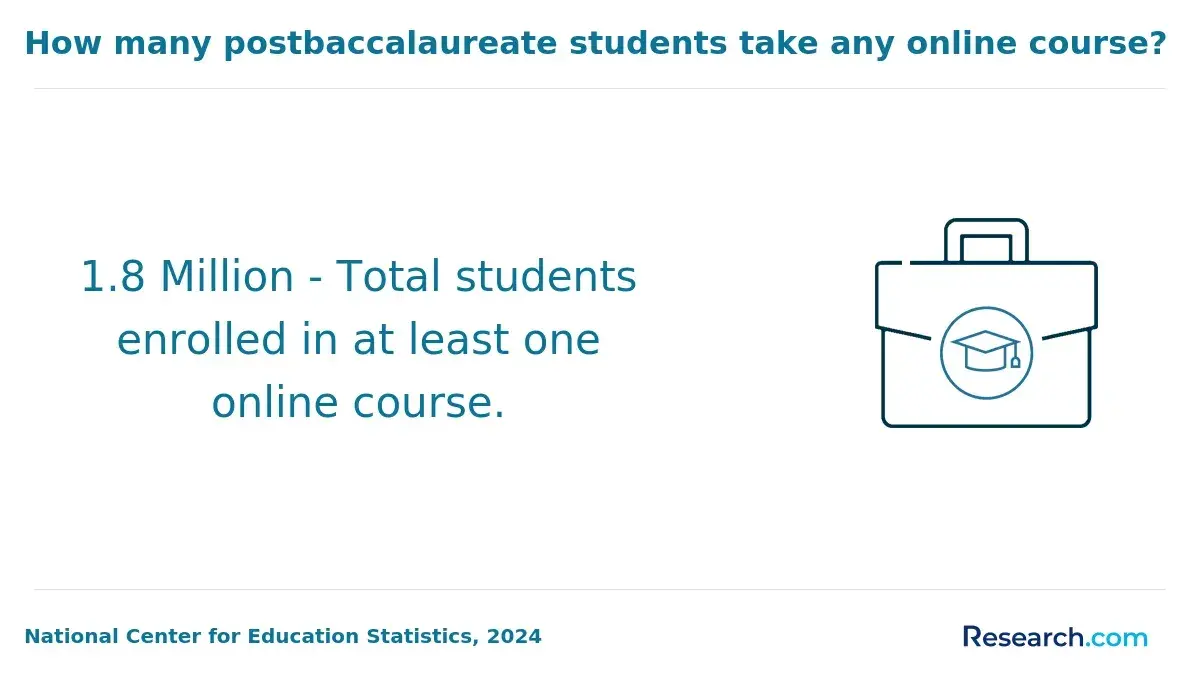
The quantity of logistics degree options available at a college is largely influenced by the institution's scale, funding, and academic infrastructure rather than geographic location alone. Larger universities with significant research activity typically offer more specialized pathways and a variety of delivery formats, from certificates to doctoral programs. This breadth reflects their capacity to integrate interdisciplinary content, maintain faculty expertise, and secure partnerships with industry. Data from the National Center for Education Statistics (2024) confirms that comprehensive public universities consistently provide the widest array of logistics-related academic options across multiple credential levels.
- Large Public Research Universities: These institutions benefit from extensive funding, diverse faculties, and established business and engineering schools, enabling them to offer multiple logistics degree tracks such as supply chain management, transportation, and global logistics strategy. The University of Michigan and Pennsylvania State University exemplify how research-driven universities expand curriculum by integrating data analytics and sustainability into logistics education, often using experiential learning models like internships and applied projects.
- Public University Systems with Regional Campuses: Multi-campus state universities leverage their size to create specialized programs at different locations, tailoring logistics education to regional industry needs near transportation hubs or manufacturing centers. The Texas A&M University System demonstrates how decentralized campuses provide a spread of associate to doctoral logistics options aligned with local workforce demands.
- Technical Institutes and Polytechnics: These institutions emphasize career-oriented logistics programs, frequently delivering certificates and associate degrees with strong practical components. While their offerings may be narrower, they embed modern technology applications and logistics automation, responding directly to employer skill requirements in sectors such as manufacturing and shipping.
- Research-Intensive Private Universities: Although fewer in number, some well-funded private universities with strong business or engineering faculties, like MIT, offer interdisciplinary logistics education integrated with systems engineering, artificial intelligence, and sustainability science. Their capacity for innovation and curriculum experimentation allows for cutting-edge logistics programs rarely found at smaller colleges.
These institutional types expand logistics program availability through leveraging financial resources, faculty expertise, interdisciplinary collaboration, and regional economic connections. Such strategic positioning supports the development of diverse curriculum tracks suited to both broad career readiness and specialized sector needs, meeting the complex expectations modern logistics employers require.
How Do Online Programs Improve Access in States With Limited Options?
Online logistics programs significantly mitigate geographic barriers for students in states with limited or absent in-person degree offerings. In many rural or underserved areas, local colleges may lack the capacity or specialization to deliver logistics education, compelling students either to forgo the field or to relocate. The availability of fully remote logistics degrees allows learners to remain in their communities while accessing curriculum and faculty expertise beyond their immediate region. According to the National Center for Education Statistics 2024 report, nearly 40% of students from such underserved areas chose online routes, highlighting the scale at which virtual programs address educational inequities in logistics.
The key enablers behind this expanded access include asynchronous course delivery, which accommodates working adults who cannot adhere to traditional class schedules, and cross-state enrollment options that reduce restrictions tied to physical campus attendance. Institutions leverage online formats to scale logistics enrollment without the constraints of classroom size or local infrastructure, effectively decoupling program availability from state boundaries. This shift decreases reliance on geographic proximity to universities, enabling a broader demographic to pursue specialized logistics training. The result is a more distributed student population and expanded institutional reach, which in turn shapes regional educational ecosystems and supply chain workforce pipelines.
This redistribution has wider implications for workforce development and institutional competition. Online logistics programs contribute to more evenly distributed talent pools across states, potentially easing localized labor shortages where brick-and-mortar programs are scarce. Additionally, increased cross-state competition among institutions can drive program innovation and diversification, prompting schools to rethink curricular relevance and delivery quality. Student mobility dynamics also evolve, as the imperative to relocate lessens, balancing enrollment patterns and fostering a more equitable higher education landscape in logistics.
One logistics graduate recalled navigating a rolling admissions cycle that spanned several months. Coming from a state with limited in-person options, they initially hesitated to apply due to uncertainty about course start dates and online format expectations. The flexibility of the online program finally allowed them to submit an application late in the cycle once work commitments eased, which proved critical. They described the waiting period as stressful but appreciated how the online structure ultimately accommodated their unpredictable schedule and delayed decision-making process.
How Much Does Logistics Program Tuition Vary by State?
Tuition for logistics degree programs varies widely across U.S. states due to fundamental differences in state higher education funding, institutional types, and residency-based pricing models. Public universities typically offer lower in-state tuition rates by leveraging state subsidies, while private institutions depend more heavily on tuition revenue, resulting in generally higher costs. Residency status plays a critical role in determining tuition, with many states offering significantly discounted rates to residents, reflecting policy decisions aimed at promoting workforce development within state borders. These systemic variations in education finance rather than arbitrary tuition settings underscore how logistics program tuition differences by state emerge from distinct funding structures and strategic prioritization of higher education resources.
According to data from the U.S. Department of Education's College Scorecard and state university system reports, in-state public tuition for logistics-related programs generally ranges from about $6,000 to $15,000 annually. States such as Florida and Texas, which maintain robust public university systems and emphasize accessibility through state subsidies, tend to fall at the lower end of this spectrum. By contrast, states with fewer large public institutions or higher living costs-like California and New York-see public tuition often exceeding $12,000 per year, with private colleges frequently charging above $25,000 regardless of residency. This tuition variability reflects not only institutional funding models but also regional economic conditions and state-level commitments to logistics workforce education. Students evaluating costs should also consider practical factors such as program quality and access to industry internships, similar to decisions made when exploring other fields like a hospitality management degree online.
These tuition disparities can influence student mobility and program selection, as affordability gaps impact access to logistics education across states. States with higher tuition may present barriers for local students, pushing them to seek out-of-state or private alternatives, which can carry different cost and outcome implications. Conversely, regions with strategic investments in logistics education may reduce financial obstacles through targeted grants or scholarships aimed at critical workforce sectors, affecting both program availability and long-term career trajectories. Understanding how education pricing systems, institutional financial structures, and regional economic factors intertwine is essential for discerning why costs differ substantially and how this shapes logistics degree accessibility nationwide.
How Does Logistics Program Demand Affect Admissions Decisions?
An uptick in demand for logistics degree programs typically results in more competitive admissions decisions, as schools face enrollment pressures constrained by physical space, faculty resources, and program accreditation standards. Institutions encountering high volumes of applicants tend to raise admission criteria, selectively weighing academic achievements, relevant work experience, and demonstrated commitment to supply chain proficiency. This narrowing of acceptance rates responds not only to capacity limits but also to maintaining program quality amid increased interest. Consequently, candidates often encounter elevated GPA thresholds or more stringent prerequisite requirements in programs where applicant pools exceed available seats.
The relationship between demand and selectivity is driven by several intertwined factors. Program capacity-including classroom size and instructor availability-directly restricts the number of students admitted, while accreditation bodies enforce quality controls that prevent unchecked expansion. Additionally, admissions committees increasingly emphasize alignment with current labor market demands, favoring applicants who possess practical skills or certifications linked to employer priorities in logistics and supply chain management. This labor-driven approach reinforces the preference for candidates with relevant internships or hands-on experiences, integrating workforce readiness into the admissions calculus. As a result, enrollment management strategies balance institutional sustainability with responsiveness to changing industry needs.
Higher demand also affects how applicants prepare and time their submissions, with many recognizing the need for stronger credentials or diversified experiences to stand out. Programs gaining reputational strength due to selectivity may attract even more competitive cohorts in the future, reinforcing cyclical admissions pressures and potentially narrowing access for some groups. For prospective students, understanding that demand fluctuations impact not only acceptance odds but also the shape and focus of programs is crucial for making strategic application choices aligned with both educational and career goals.
One logistics graduate recounted the tension of applying during a particularly competitive cycle marked by rolling admissions. They said the uncertainty of when decisions would come pressured them to finalize documents early but also to hedge applications by considering multiple programs. "I hesitated to commit until I had confirmation, because with so many qualified candidates, waiting weeks for a response was nerve-wracking," they shared. Ultimately, timing their application carefully and highlighting relevant work experience helped secure an offer, underscoring how demand-induced selectivity shapes both preparation and admissions outcomes in practice.
How Do Logistics Specialization Options Vary by Region?
Specialization options within logistics programs closely reflect regional economic priorities and dominant industries, shaping curriculum focus and skill development. In manufacturing-intensive regions such as the Midwest and South, logistics education often centers on transportation management, warehouse operations, and supply chain coordination aligned with automotive and energy sectors. Conversely, West Coast programs prioritize analytics-driven logistics, sustainable supply chain practices, and e-commerce logistics to address the demands of technology firms and large-scale retail operations. The Northeast tends to integrate international business and port management emphasis, mirroring its concentration of global shipping hubs and financial services, thus preparing students for cross-border logistics and compliance challenges essential for multinational roles.
These regional distinctions emerge from the interplay between local labor market needs, university research priorities, and established employer relationships that influence program design. For example, states with strong manufacturing clusters invest in applied logistics training tailored to distribution efficiency and industrial supply chains, often supported by partnerships with local firms seeking immediate workforce readiness. In regions like California and Washington, research universities emphasize data modeling and green logistics solutions driven by technology sector demands and sustainability initiatives. This industry-academic alignment is further reinforced by state workforce data showing that approximately 60% of logistics degree programs nationwide include supply chain analytics or management tracks, with the Midwest hosting 35% of those analytics-focused offerings and the West Coast nearly 30%, highlighting geographic specialization trends tied to economic structure.
The concentration of logistics specializations by region also influences student mobility and longer-term career flexibility. Graduates from programs aligned with local industry needs may find immediate job placement advantages but could face challenges if seeking opportunities outside their home region, where different specializations predominate. Awareness of these dynamic regional ecosystems enables prospective logistics students to strategically select programs that balance specialized expertise with adaptability for broader or national career pathways, reflecting how workforce realities and educational offerings operate in tandem to shape employability outcomes.
How Does Regional Employer Demand Affect Career Outcomes?
Regional employer demand plays a decisive role in shaping job availability and early career opportunities for logistics degree graduates. Locations with concentrated industrial activity-such as major ports, distribution hubs, and manufacturing centers-provide a denser market for logistics roles, leading to higher local hiring rates. States like California, Texas, and Illinois, with robust logistics firm presence, illustrate how state-level logistics job market influence on graduates can result in more immediate employment outcomes. Graduates from such regions often find a wider variety of entry-level positions, which can accelerate skill development and practical experience early in their careers.
The underlying mechanisms connecting regional demand and career outcomes include industry clustering, employer partnerships with academic programs, and wage competition across areas. Institutions near logistics hubs frequently benefit from established recruitment pipelines and cooperative hiring ecosystems that link students directly to local employers. According to data from the U.S. Bureau of Labor Statistics, logistics coordinators in high-demand metropolitan areas earn roughly 15%-20% more than their peers in regions with fewer logistics employers. These localized wage premiums and specialized hiring dynamics underscore how geographic market conditions strongly affect both compensation levels and career progression opportunities within the sector.
Regional employer demand also influences graduates' geographic mobility and long-term career trajectories, particularly as remote work expands within supply chain roles. Although degrees from less concentrated markets might necessitate greater relocation or reliance on virtual job searches, proximity to large employer networks reduces barriers to advancement and industry integration. Understanding this labor market geography is therefore critical for students and researchers comparing program availability and outcomes nationally. For those interested in pathways to related fields, insight into specialized transitions-such as speech pathology bridge programs-demonstrates how employer demand variations similarly influence cross-disciplinary career planning.
What Factors Matter Most When Comparing Logistics Programs Across States?
Comparing logistics programs across states requires looking beyond mere program availability. State-level differences in tuition costs, educational infrastructure, specialization options, and employer demand significantly affect educational access and the practical value of academic credentials. These factors not only influence affordability but also shape how well programs prepare students for evolving workforce needs and long-term career trajectories.
- Program accreditation and industry recognition: Accreditation by national bodies like the Accreditation Council for Business Schools and Programs (ACBSP) or endorsement from logistics industry associations ensure programs meet standards aligned with employer expectations. States hosting more accredited programs often provide curricula that better equip students for hiring criteria in regional job markets.
- Scope and specialization options: States with multiple institutions offering diverse specialized logistics degree tracks-such as supply chain analytics or transportation management-enable students to tailor their education closely to market niche demands. The statewide availability of specialized logistics degree options strongly impacts how effectively graduates can position themselves for specific career paths.
- Partnerships with industry and internship opportunities: Robust manufacturing and logistics hubs within a state frequently translate to richer internship networks and cooperative education placements. Such hands-on experiences improve graduate employability by integrating practical knowledge with academic learning, particularly in states where employers actively collaborate with educational institutions.
- Tuition cost differences in logistics degree programs by state: Variations in tuition fees influence the return on investment for students. According to recent data from the National Center for Education Statistics (2024), tuition cost must be balanced against early-career earnings and job placement rates to accurately assess program value across regions.
- Alignment with local employer demand: States with growing logistics sectors or evolving supply chain complexities provide dynamic employment opportunities, creating incentives for programs to adjust curricula in response. This dynamic directly affects graduates' prospects and underscores how regional economic context should inform program comparison.
Considering these factors collectively enables prospective students and researchers to evaluate logistics degree programs on educational quality, affordability, and workforce relevance rather than simple institutional reputation. For those exploring accelerated credentials in related fields, resources like online MPA degrees illustrate the growing trend toward specialized, efficient program structures tailored to workforce needs.
Which Regions May See the Fastest Growth in Logistics Education?
Growth in logistics education tends to cluster in regions where employer demand, demographic expansion, and investment in higher education coincide. These factors are closely linked to broader economic development and workforce needs, making regional logistics program growth a reflection of structural shifts rather than random trends. Understanding this context helps identify where students can expect the widest range of academic options and relevant specializations.
- Southeast: Rapid industrial expansion, especially in port logistics, e-commerce fulfillment, and warehousing in states like Georgia, Florida, and Texas, drives strong employer demand. This region's population growth and investment in universities and community colleges encourage program diversification, with a focus on operational technology and supply chain innovation.
- Midwest: The Midwest's geographic centrality supports a dense network of freight corridors and intermodal terminals, attracting logistics employers requiring skilled workers in freight management and supply chain optimization. Regional colleges are responding by expanding certificate and degree offerings, often emphasizing practical workforce alignment.
- Southwest: Increasing manufacturing and transportation infrastructure, alongside shifting population centers, contribute to program growth opportunities. Institutions here are developing logistics curricula that reflect both traditional distribution roles and emerging tech applications.
- Mountain West: While smaller in scale, rising demand linked to expanding regional supply hubs and resource-based industries is encouraging modest program expansion, often concentrated in applied and technical training.
References
- 1. Online registration https://moderna.edu.pl/majors/management/bachelor-of-management/logistics-management/
- Government And Education Logistics Market Size, Share & 2031 Growth Trends Report https://www.mordorintelligence.com/industry-reports/government-and-education-logistics-market
- Grading the States on Logistics Health https://siteselection.com/grading-the-states-on-logistics-health/
- Logistics - Vistula University https://vistula.edu.pl/en/major/logistics
- Industry 4.0 in Logistics Higher Education | IntechOpen https://www.intechopen.com/online-first/1233793
- Difference Between Supply Chain Management and Logistics: Key Insights | Gisma https://www.gisma.com/blog/difference-between-supply-chain-management-and-logistics-key-insights
- Colleges for Graduate Supply Chain Management Degrees | Optimize Your Supply Chain Management | Hollingsworth https://www.hollingsworthllc.com/top-colleges-for-graduate-supply-chain-management-and-logistics-degrees/
- Logistics Education: More Is Better - Inbound Logistics https://www.inboundlogistics.com/articles/logistics-education-more-is-better/
- Find Supply Chain Management and Logistics Degree Programs - SupplyChainGuide.org https://www.supplychainguide.org/degrees/
- Percent of program-supported countries that have a functional logistics coordination mechanism in place - DataForImpactProject https://www.data4impactproject.org/prh/health-systems/supply-chain/percent-of-program-supported-countries-that-have-a-functional-logistics-coordination-mechanism-in-place/
Other Things You Should Know About Logistics
Cohort diversity enriches the educational experience by providing varied perspectives and facilitating cross-cultural exchanges. In states with many logistics programs, diversity can enhance networking opportunities, foster innovative thinking, and better prepare students to work within global supply chains.
States with a high number of logistics degree offerings often include a wider array of curriculum tracks, from transportation management to advanced analytics, reflecting industry breadth. However, this variety sometimes comes at the cost of program depth or practical integration in each specialization. Students prioritizing hands-on experience and employer-aligned skills might prefer schools in less saturated states that focus deeply on fewer, highly applied tracks. Consequently, evaluating the balance between curriculum diversity and depth is vital for realistic career preparation.
In states with many logistics programs, offerings range from traditional full-time schedules to part-time or hybrid formats aimed at working professionals. This fragmentation means students must carefully assess time commitments and flexibility, as some programs demand rigorous in-person attendance that conflicts with professional responsibilities. Opting for programs designed with working students in mind can help mitigate dropout risk and optimize learning outcomes, especially in a discipline where real-world application complements academic theory.
While employer recognition is critical for immediate job placement, specialization alignment often drives long-term career adaptability in logistics, where niche expertise becomes increasingly valuable. In states with multiple programs, students benefit more from selecting programs tied to industries or regional clusters they intend to enter, rather than defaulting to brand name alone. Prioritizing specialization that matches local market demand and employer expectations typically results in stronger career trajectories than chasing programs based solely on reputation.