2027 Logistics Degree Growth by State: Where Interest Is Rising the Fastest

Co-Founder and Chief Data Scientist
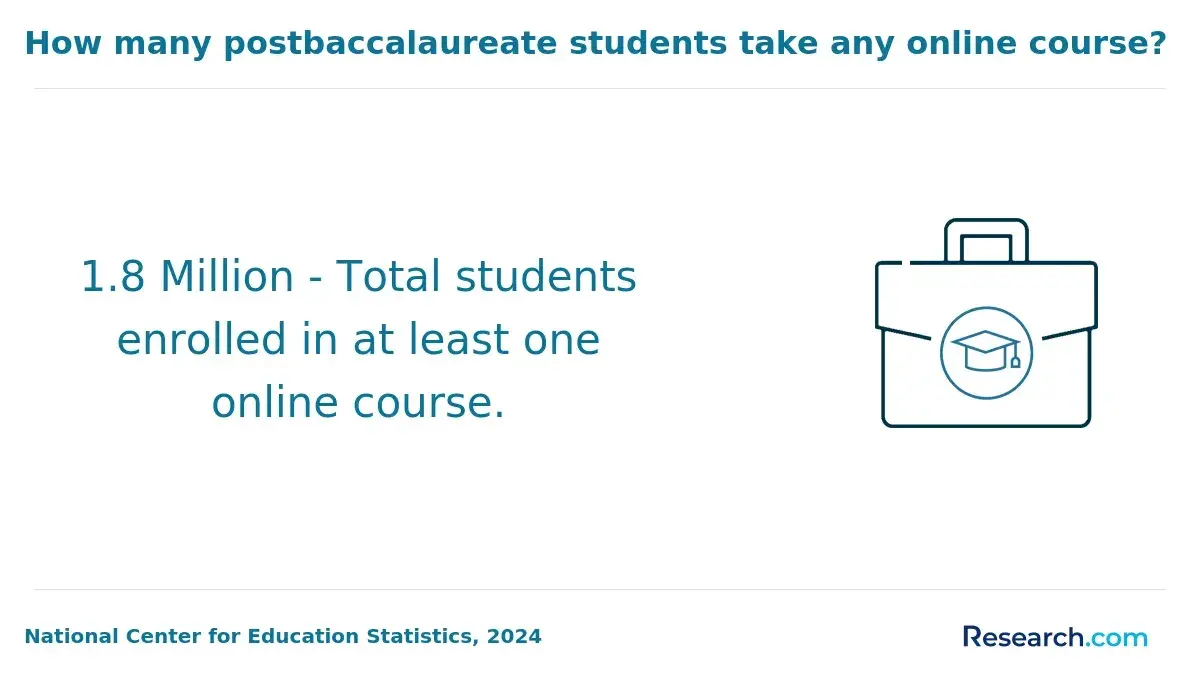
States experiencing rapid growth in logistics degree enrollment reveal distinct economic and workforce dynamics shaping educational demand. In regions with expanding supply chains and manufacturing hubs, rising enrollment reflects the need for advanced skills aligned with evolving industry standards and digitalization pressures. According to the National Center for Education Statistics, online logistics program enrollment increased by over 25% between 2021 and 2023, signaling greater accessibility for working professionals and adult learners. This trend underscores a shift toward flexible learning options that accommodate complex schedules, influencing when and where candidates pursue graduate education and how they position themselves for career advancement in competitive, region-specific job markets.
Key Things to Know About the State Where Logistics Degree Interest Is Rising the Fastest
- Texas's expanding logistics hubs benefit from deregulated freight policies fostering rapid degree enrollment growth, but costlier living and longer program durations pose tradeoffs for mobile students balancing work and study.
- Florida's aging workforce and rising e-commerce demand drive employer preference for logistics graduates with flexible, hybrid schedules; programs emphasizing adult learner needs influence hiring pipelines significantly.
- Indiana's community colleges lead with accessible online Logistics programs, enhancing entry timing but limiting deep specialization, affecting graduates' long-term mobility in highly technical supply chain roles.
- Which States Are Seeing the Fastest Growth in Logistics Degree Enrollment? States Seeing the Fastest Growth in Enrollment
- What Does Enrollment Growth in Logistics Programs Actually Tell Prospective Students? Interpreting Enrollment Growth
- How Do Regional Job Market Conditions Drive Logistics Degree Demand by State? Role of Regional Job Market Conditions
- Which States Have Added the Most New Logistics Degree Programs in the Last Five Years? States That Have Added the Most Programs
- How Has the Rise of Online Education Changed Which States Lead in Logistics Program Interest? Role of Online Education in Increased Program Interest
- What Demographic Trends Are Fueling Logistics Degree Growth in Specific States? Demographic Trends Fueling Growth
- How Do State Funding Levels for Logistics Services Influence Degree Program Growth? Role of State Funding Levels
- Which States Are Emerging as Unexpected Leaders in Logistics Degree Interest? States Emerging as Unexpected Leaders in Growth
- How Does State Population Size Affect the Interpretation of Logistics Degree Growth Data? Role of State Population Size
- What Role Do State Licensing Requirements Play in Driving or Suppressing Logistics Enrollment? Role of State Licensing Requirements
Which States Are Seeing the Fastest Growth in Logistics Degree Enrollment?
Enrollment growth in logistics degree programs across the United States does not merely reflect expanding academic interest but signals shifting workforce demands and regional economic transformations. Concentrated growth in certain states highlights where the logistics sector is evolving most rapidly, influencing how graduates access employment opportunities and the types of skills emphasized by institutions responding to employer needs. For students weighing the fastest growing logistics degree enrollment by state, understanding these geographic patterns is crucial. It allows them to align their education with areas where demand for supply chain and distribution expertise is intensifying, rather than dispersing efforts evenly nationwide, which might dilute potential career returns.
- Texas: As a premier transport and trade hub with ports, highways, and international trade corridors, Texas drives enrollment through significant employer demand for logistics management and data analytics skills. Graduates here often find themselves at the nexus of multimodal freight operations, requiring both technical fluency and operational leadership.
- Georgia: The Atlanta metro area's status as a freight and air cargo powerhouse creates a concentrated logistics ecosystem. Educational programs expand to meet corporate investments in just-in-time inventory and advanced warehousing technology, catering to professionals targeting pivotal roles in southeastern distribution networks.
- Florida: Rising e-commerce and intensified port activity push Florida's logistics programs to emphasize omni-channel fulfillment and last-mile delivery challenges. This growth aligns with job market realities where employers prioritize adaptability to consumer-driven supply chain volatility.
- Ohio: With its manufacturing heritage evolving toward integrated digital supply chains, Ohio's institutions revise curricula to address supply chain resilience and automation. This reflects an employer preference for graduates who combine traditional logistics acumen with emerging smart technology skills.
- Washington: The Pacific Northwest's logistics enrollment upticks correspond to technology-driven supply chain innovations and increased attention to sustainability. Programs here serve students targeting green logistics initiatives and the tech sector's distribution demands.
This growth is unevenly distributed, concentrated mainly in regions with strong, evolving logistics ecosystems rather than spread evenly nationwide. Future sections will dissect the specific economic, demographic, and policy factors fueling this momentum and explore why prospective students should scrutinize where programs are growing-not just their reputation-to optimize career trajectories in an increasingly complex and local-market-sensitive logistics labor market. Considering how these dynamics intersect with broader educational paths, including related fields such as social work, can also be critical, especially for working professionals contemplating options like online MSW programs to diversify career opportunities within health and human services supply chains.
What Does Enrollment Growth in Logistics Programs Actually Tell Prospective Students?
Enrollment growth in logistics programs can signal expanding interest but often masks critical differences in program quality and graduate outcomes. For instance, a surge driven by relaxed admission criteria might offer more access but could undermine workforce readiness, whereas growth grounded in strong industry connections tends to reflect genuine program value.
Raw enrollment figures provide an initial snapshot yet lack the depth needed for informed decisions. Prospective students must evaluate other performance indicators to distinguish programs likely to deliver career-relevant skills from those prioritizing quantity over quality.
- Retention: High enrollment paired with low retention suggests students may struggle academically or lack sufficient institutional support, diminishing the value of matriculation rates alone.
- Graduation Rates: Completion statistics reveal how effectively a program equips learners to fulfill credentialing requirements-critical for long-term career advancement.
- Job Placement Outcomes: Metrics on employment and starting salaries validate how well programs align training with labor market demand in specific regional logistics sectors.
- Licensure Pass Rates: Where certification is mandated, pass rates are a direct measure of program rigor and professional preparation beyond mere enrollment growth.
- Growth Drivers: Sustained increases tied to academic quality and regional economic needs contrast with spikes fueled by aggressive recruitment or lowered standards that may jeopardize educational integrity.
- Due Diligence: Students should weigh enrollment trends alongside firsthand accounts from current students and alumni to authenticate claims and understand real-world challenges.
How Do Regional Job Market Conditions Drive Logistics Degree Demand by State?
Regional economic and labor dynamics shape the demand for logistics degree programs far beyond mere enrollment figures. States where healthcare systems are expanding rapidly or where public sector growth is robust tend to generate heightened needs for logistics expertise, which in turn fuels graduate program interest. However, the strategic value of a logistics credential varies substantially depending on local industry structures, regulatory environments, and the presence of employer-driven upskilling incentives designed to retain talent. This interplay creates tangible consequences for students-from the quality of practicum sites to negotiations for entry-level salaries-making state-by-state workforce conditions crucial to selecting an effective educational path.
- California: Healthcare expansion and massive public infrastructure projects boost logistics jobs tied to warehouse management and supply chain roles, making demand for logistics graduates among the highest nationwide according to BLS occupational projections.
- Texas: Investments in public services combined with large school district networks create a sustained need for logistics professionals, further supported by employer programs aimed at workforce skill enhancements and increased graduate degree enrollments.
- Florida: The state's growing healthcare sector coupled with complex tourism-driven supply chains prompts a rise in logistics workforce development initiatives, as noted in state workforce reports emphasizing applied logistics skills.
- Ohio: A strong manufacturing base and steady public sector hiring stabilize logistics job growth, driving more applicants toward graduate logistics programs connected to regional labor market incentives.
- Georgia: Significant infrastructure investments paired with workforce development programs support substantial logistics job openings and a rising interest in advanced credentials in the field.
Prospective students assessing logistics degree demand influenced by regional job markets should weigh these state-specific conditions carefully. Regions with strong labor markets not only offer better practicum and internship placements but also create leverage in salary discussions post-graduation. Conversely, candidates must consider trade-offs like living costs, local credential relevance, and job competition when deciding where to study and work. For those exploring related pathways or alternative credentialing options, resources on the easiest associate degrees can provide comparative insight into accessible educational routes aligned with workforce demand.
Which States Have Added the Most New Logistics Degree Programs in the Last Five Years?
States that have markedly expanded their accredited logistics degree programs over the last five years reveal diverse strategic responses to regional economic drivers and educational policy incentives. These variations directly affect prospective students' program selection by shaping the range of concentrations available, delivery modalities, and financial aid dynamics.
- Texas: Texas stands out with a surge in entirely new logistics degree offerings. Its robust transportation infrastructure and growing port activity have attracted targeted state grants encouraging universities to establish fresh programs and broaden online access, addressing both urban and rural demand.
- Georgia: An intensely competitive higher education environment in Georgia has led existing logistics programs to significantly increase enrollment capacity. The state's official classification of logistics and supply chain management as critical labor shortage areas incentivizes institutions to diversify academic tracks, placing emphasis on e-commerce supply chains.
- Ohio: Ohio leverages its strategic Midwestern logistics hub status by creating new online logistics specializations tailored for working professionals. Accreditation rewards aimed at bolstering program quality and launch viability reinforce educational alignment with regional workforce needs.
- Arizona: Growth in Arizona's logistics programs correlates with expanding cross-border commerce and STEM education policies. Financial aid expansion through scholarships facilitates affordability, supporting students pursuing graduate degrees without excessive debt burden.
- Florida: Florida's approach combines added enrollment slots with the introduction of niche logistics tracks focused on international shipping and port management operations. Institutional competition tempers tuition hikes and fosters scholarship offerings, presenting students with a financially competitive environment.
Choosing a state with rapid logistics program growth means navigating a more complex array of options, including specialized concentrations and fluctuating financial aid offers. Prospective students should conduct detailed comparisons within the same state to assess curricular focus, tuition costs, and scholarship competitiveness before committing. This strategy is crucial given the operational realities employers face and the skill sets prioritized across different logistics sectors.
A recent graduate from a large southern state's expanding logistics program recalled the uncertainty and pressure during the application process. The rolling admissions schedule extended the waiting period, forcing a choice between accepting an early offer from a smaller program or delaying decision-making for a spot in a newly launched, more specialized track. Balancing urgency with strategic fit required careful consideration of long-term career impacts, illustrating how admission timing and program maturity can materially influence educational and professional outcomes in emerging logistics markets.
How Has the Rise of Online Education Changed Which States Lead in Logistics Program Interest?
The expansion of fully online logistics degree programs has significantly disrupted traditional patterns of graduate enrollment, reshaping which states emerge as primary centers of interest. Previously, students mostly pursued programs within reasonable commuting or relocation distances, constraining their options and reinforcing regional demand. Now, states like Texas, Florida, and Pennsylvania draw large numbers of out-of-state learners due to robust online offerings characterized by strong reputations, recognized accreditation, and competitive tuition. This geographic decoupling presents a distinct shift: students can prioritize program quality and cost over location, enhancing access for busy professionals or those unable to move.
- Geographic Decoupling: Distance no longer confines students, enabling institutional catchment areas to expand nationwide and allowing programs with established online platforms to attract diverse student bodies.
- Program Reputation: Employers increasingly scrutinize program credibility and outcomes, so states hosting well-accredited programs maintain appeal beyond their borders, influencing graduate employability.
- Tuition Competitiveness: Affordable tuition in select states incentivizes enrollment from cost-sensitive students who seek value without sacrificing program integrity.
- Student Access: Online formats accommodate working professionals' schedules and geographic constraints, broadening the pool of candidates entering logistics fields.
- Regulatory Caveats: Despite enrollment flexibility, varying state licensure and certification rules mean prospective students must rigorously verify credential acceptance in their intended practice locales to avoid downstream career barriers.
- State Impact: Hosting states evolve into virtual national providers, extending influence on workforce development and logistical expertise far beyond traditional boundaries, with regional economic implications.
What Demographic Trends Are Fueling Logistics Degree Growth in Specific States?
Regional demographic dynamics create uneven demand for logistics degree programs, influencing where career opportunities are likely to be sustainable rather than transient. For instance, states facing accelerated population aging-Florida and Arizona among them-see growing logistics needs tied to healthcare supply chains, requiring graduates to manage complex distribution of eldercare products. Such shifts underscore the importance of aligning logistics education with local workforce demands rather than national averages, as these localized factors directly affect hiring patterns and employer expectations.
- Population Aging: Aging demographics elevate demand for logistics professionals skilled in healthcare and pharmaceutical distribution, fueling enrollment growth in states with significant elderly populations.
- Immigration Patterns: States such as Texas and California with high immigrant inflows experience surges in manufacturing and retail logistics activity, necessitating expertise in managing international and multicultural supply chains.
- Urbanization: Rapid urban expansion in places like Colorado and North Carolina concentrates e-commerce and last-mile delivery challenges, increasing interest in technology-driven logistics solutions and education.
- K-12 Enrollment Growth: Rising youth populations in the Southeast and Mountain West signal potential for stable workforce pipelines, supporting steady logistics program increases connected to expanding warehousing and distribution sectors.
- Mental Health Diagnoses: Higher rates of diagnosed mental health issues in several Midwestern and Northeastern states indirectly affect logistics workforce availability and demand for specialized medical supply distribution, emphasizing nuanced healthcare logistics competencies.
Analyzing logistics degree enrollment demographic trends in U.S. states reveals how these factors collectively shape both program demand and labor market realities. Prospective students evaluating these trends should weigh state-specific trajectories to avoid entering saturated or volatile markets. This approach aligns practical workforce outcomes with educational investments, particularly when combined with broader research on the impact of population growth on logistics education demand by state.
For those considering graduate studies with a clear operational focus, reviewing related fields can also provide contextual balance, such as exploring online masters in communications programs to complement logistics management skills in complex supply environments.
How Do State Funding Levels for Logistics Services Influence Degree Program Growth?
State investment levels in publicly funded logistics services significantly shape the expansion or stagnation of logistics degree programs. When states maintain strong funding streams-such as generous Medicaid reimbursements, dedicated block grants, support for school-based mental health, and robust community health centers-they create reliable employment channels that incentivize educational institutions to grow and refine logistics curricula. This steady demand sustains workforce pipelines and attracts prospective students who see tangible career prospects. Conversely, in states where funding is unpredictable or insufficient, logistics programs often struggle to retain graduates, who are compelled to relocate to states with healthier job markets, limiting local program development and contributing to a skills drain.
- Funding Stability: Predictable and continuous public investment generates steady demand, encouraging schools to enhance offerings and secure quality faculty.
- Graduate Retention: Better-funded states typically hold more graduates locally, as employers can offer competitive, stable career opportunities.
- Program Responsiveness: Institutions in well-supported environments adapt curricula to evolving employer needs, improving graduate fit and market relevance.
- Employer Expectations: Increased public funding often elevates service standards, raising required skills and credentials, which can benefit graduates seeking upward mobility.
- Legislative Indicators: Examining recent state legislative actions on logistics funding helps gauge program viability and career stability prospects.
- Practical Inquiry: Questions regarding the percentage of graduates employed in-state after five years offer insights into local workforce health and program effectiveness.
One graduate recounted waiting anxiously during a rolling admissions cycle where program funding signals were unclear. Delayed legislative approval for public logistics support caused admissions committees to hesitate, leaving applicants uncertain about program capacity and future job prospects. This uncertainty forced careful timing and repeated follow-ups before committing. Ultimately, the graduate saw how the state's funding environment influenced not only admission decisions but also the practical readiness of programs to admit and support students, underscoring the critical link between public investment and educational opportunity in logistics.
Which States Are Emerging as Unexpected Leaders in Logistics Degree Interest?
States with rising logistics degree enrollment often owe their growth to a mix of targeted policies and evolving economic roles rather than established industry dominance. For prospective graduates, these emerging regions can provide less saturated admissions and potential regional hiring benefits but come with tradeoffs linked to the durability of their growth drivers.
- Arkansas: Historically overlooked in logistics education, Arkansas's recent surge is tied to workforce development funds aligned with its expanding role in regional distribution. State universities' accreditation of more logistics programs and Arkansas's involvement in the Mid-America Freight Coalition fuel the interest. However, retention of graduates is uncertain amid competition from better-known logistics hubs, making long-term prospects contingent on sustained investment.
- West Virginia: The state's enrollment spike results from federal Appalachian grants supporting workforce retraining and the introduction of hybrid and online formats appealing to working adults. Yet, much of this rise depends on limited-time funding, which suggests enrollment may level off once grants expire, a risk factor for those weighing program stability.
- New Mexico: Growth here is linked to integrating logistics education with renewable energy and defense supply chains, enhanced by cross-border trade facilitation and streamlined professional certs. This aligns with structural economic shifts, indicating a more stable growth trajectory than states reliant on temporary stimuli.
- Idaho: Increased logistics interest stems from interstate agreements easing credit transfer and expanded community college offerings. Affordable tuition and expanding e-commerce hubs attract career changers, though the smaller logistics ecosystem may limit mid- to long-term placement without willingness to relocate.
For individuals flexible in geography, emerging states can offer strategic advantages like lower tuition and less competitive entry but also call for a pragmatic assessment of local market longevity and credential value. Employers in these regions may prioritize hands-on expertise over credentials alone, underscoring the need to choose programs balancing innovation with proven outcomes. This nuance is critical for informed decisions amid the logistics degree enrollment growth by state.
Additionally, those exploring shorter or alternative educational pathways might consider programs such as a human services degree online to complement logistics qualifications, especially where interdisciplinary knowledge enhances adaptability and regional employability.
How Does State Population Size Affect the Interpretation of Logistics Degree Growth Data?
Interpreting logistics degree growth requires accounting for state population size to avoid misleading conclusions about where demand is genuinely rising. For instance, a large state adding 2,000 new logistics graduates annually may seem dominant compared to a smaller state adding 300. However, without adjusting for overall population, this raw enrollment growth obscures per-capita impact, which often better reflects market expansion. A smaller state with fewer absolute graduates can exhibit stronger relative growth and more dynamic opportunities due to lower saturation in its logistics workforce.
Absolute enrollment increases alone fail to reveal workforce saturation or the existing balance between licensed logistics professionals and the state population. States with mature logistics sectors may see stagnant per-capita growth despite high graduate numbers, signaling limited early-career openings for recent graduates. Conversely, states with rising per-capita graduation rates and below-average licensed professional ratios typically indicate underserved markets where demand outpaces supply, offering more promising hiring conditions.
When comparing logistics degree enrollment growth by state population size, prospects should focus on regions where licensed logistics professionals per capita lag behind national averages, as these markets often provide clearer pathways to employment. Regulatory complexity also plays a pivotal role; some states impose restrictive licensure or acceptance criteria that limit practitioner supply and influence market dynamics.
- Population Considerations: Larger states produce more graduates but often show slower per-capita growth, complicating straightforward enrollment comparisons.
- Absolute vs. Per-Capita Growth: Metrics adjusted for population size better identify genuine expansions in logistics program demand.
- Workforce Saturation: High saturation reduces early-career opportunities despite strong graduate output.
- Licensure Ratios: Below-average licensed logistics professionals per capita signal stronger hiring prospects.
- Regulatory Complexity: States with complex acceptance criteria restrict supply and affect hiring dynamics.
Considering these factors is critical for recent graduates, career changers, and geographically mobile students seeking strong logistics markets, especially when evaluating options alongside other graduate studies such as the best online MPA programs. Integrating enrollment data with state-specific regulatory and workforce conditions leads to more informed decisions aligned with long-term career viability and regional economic trends.
What Role Do State Licensing Requirements Play in Driving or Suppressing Logistics Enrollment?
State licensing requirements decisively shape logistics graduate program enrollment by setting the practical and regulatory conditions that influence both student decisions and employer hiring practices. In states where licensing frameworks are transparent and stable, prospective students encounter fewer unknowns regarding post-graduation obligations, making these programs more appealing. For example, a candidate comparing enrollment options may favor a state with a clear, stepwise licensure process over a state where requirements frequently shift or impose costly delays-factors that can translate into delayed employment and income. With reported median salaries for licensed logistics professionals often 10-15% higher in states enforcing rigorous licensing, the choice of location impacts both education value and long-term earnings.
Licensing boards exert indirect but powerful influence on enrollment by shaping employer expectations. Employers in states with well-established licensure systems tend to prioritize or require licensed candidates, reinforcing demand for advanced credentials. This employer-driven pressure magnifies interest in degree programs aligned with local licensing standards, reinforcing a feedback loop: strong licensure ecosystems promote program expansion, which supports advocacy for further regulatory clarity and modernization. Conversely, states with opaque or burdensome licensing risks deterrence of potential students and stagnation of program growth.
Prospective students should therefore conduct a holistic review of the entire licensing pathway in their intended state, rather than focusing solely on degree requirements. Understanding the manageability of post-degree licensure relative to other states is essential for optimizing career flexibility and maximizing return on educational investment.
- Transparency: Clear and accessible licensing information reduces uncertainty and encourages enrollment by outlining straightforward post-degree steps.
- Stringency: Excessively burdensome or frequently changing license requirements can discourage candidates, limiting program demand and workforce supply.
- Employer Influence: Licensing expectations shape regional hiring practices, driving students toward programs that satisfy state-specific licensure criteria.
- Regulatory Feedback Loop: Robust licensure frameworks create market dynamics that support program growth and regulatory improvements.
- Strategic Evaluation: Students must compare licensing demands across states to ensure educational investments align with practical post-graduation career paths.
References:
- Enrollment Marketing Strategy: How to Attract Students and Align Programs https://changinghighered.com/enrollment-marketing-strategy-how-to-attract-students-and-align-programs/
- M&A: State of Play in Logistics https://flexe.com/podcasts/m-a-state-of-play-in-logistics/
- How to Boost Student Enrollment in Your Online Degree Programs - Relearnit https://relearnit.com/how-to-boost-student-enrollment-in-your-online-degree-programs/
- Higher Education Enrollment and Marketing Trends of 2024 https://www.educationdynamics.com/higher-education-enrollment-and-marketing-trends-of-2024/
- Transportation & Logistics Job Market Report https://www.huemanrpo.com/resources/blog/transportation-logistics-job-market-report
- 7 Reasons why Logistics is a Future-Proof Career Choice | BSBI https://www.berlinsbi.com/blog/7-reasons-why-logistics-is-a-future-proof-career
- Florida Trade & Logistics 2030 Study Sets the Course for Florida’s Continued Leadership in Trade, Logistics, Exported-Oriented Manufacturing Activities, and Rural Economic Growth – Florida Chamber of Commerce https://www.flchamber.com/florida-trade-logistics-2030-study-sets-the-course-for-floridas-continued-leadership-in-trade-logistics-exported-oriented-manufacturing-activities-and-rural-economic-growth/
- Global Logistics: The Top 5 Emerging Markets You Shouldn’t Ignore - Global 3PL Network https://www.global3plnetwork.com/global-logistics-the-top-5-emerging-markets-you-shouldnt-ignore/
- Registration and licensing of vehicles https://assistpro.lt/en/areas-of-activity/registration-and-licensing-of-vehicles/
- Transport license 2026 – a complete guide https://www.dudkowiak.com/regulatory-in-poland/transport-license-in-poland
Other Things You Should Know About Logistics
Employers in states with rapidly rising logistics degree interest increasingly seek candidates with practical skills in supply chain analytics, technology integration, and regulatory compliance. This demand intensifies the expectation for programs to offer hands-on, real-world projects and partnerships with local industries. Graduates from programs lacking this applied focus may face slower job placement or need supplementary training. Prospective students should prioritize programs in these states that emphasize experiential learning directly aligned with employer workflows and emerging industry challenges.
The combination of tuition rates and local living costs strongly influences where students choose to pursue logistics degrees, often outweighing program reputation alone. States with lower tuition and affordable housing see disproportionate growth in enrollment, especially among working professionals balancing education with family and job responsibilities. However, lower-cost states may sometimes lack the breadth of employer networks found in higher-cost metropolitan areas, potentially limiting immediate job prospects. Students must weigh these tradeoffs carefully, balancing financial constraints with long-term career goals linked to industry presence.
Rising enrollment in a state signals increased interest but does not guarantee robust job market absorption or program quality. Students should interpret growth as a cue to investigate whether programs align with state economic drivers and employer needs rather than as an endorsement of all fast-growing programs. Prioritizing states where logistic degree growth correlates with expanding industry sectors, such as transportation hubs or manufacturing corridors, can improve chances of meaningful employment post-graduation. Enrollment surges driven primarily by aggressive marketing or lower costs deserve closer scrutiny.