2027 Best Business Schools in Oregon – Accredited Colleges & Programs

Co-Founder and Chief Data Scientist
Choosing a business school in Oregon is not just a question of which campus has the best-known name. The better question is whether a program fits your career target, budget, schedule, specialization needs, and expected return in Oregon’s economy. Business students in the state can pursue careers in healthcare, retail, technology, accounting, supply chain, entrepreneurship, nonprofit management, sports business, and other industries that need people who understand operations, finance, marketing, analytics, and leadership.
The labor market is one reason business degrees continue to attract students. The U.S. Bureau of Labor Statistics projects business and financial occupations to grow by 5.2% from 2024 to 2034, faster than the average for all U.S. occupations. The estimated median annual wage is $80,920, compared with $49,500 for all occupations. Those wage levels help explain why many students compare business career options and salaries before choosing a school, concentration, or MBA pathway.
This guide explains how to evaluate business schools in Oregon, what programs typically cost, how long they take, which specializations may fit Oregon’s industries, and what questions to ask before enrolling. It also highlights five Oregon schools offering business programs and gives practical decision points for online, campus-based, undergraduate, MBA, and accelerated options.
Best Business Schools in Oregon Table of Contents
- Is Oregon a good place for business majors?
- Business Program Length in Oregon
- Tuition and Costs of Business Programs in Oregon
- Oregon Schools Offering Business Programs for 2027
- What to Look For in a Business Program in Oregon
- What networking opportunities are available for business students in Oregon?
- The Importance of Accounting in Oregon's Business Framework
- What Other Career Paths Are Available in Oregon Beyond Business Administration?
- Trends in Oregon's Business Landscape
- Is an Affordable Online MBA Without a GMAT a Smart Investment for Business Professionals in Oregon?
- Can a Business Degree Propel Your Career in the Health and Wellness Sector?
- How can a business degree support career transitions in Oregon?
- Can Legal Studies Enhance Business Decision-Making in Oregon?
- How can integrating behavioral science enhance business strategies in Oregon?
- Can a Business Degree Strengthen Leadership in Oregon’s Substance Abuse Counseling Organizations?
- How Can a Business Degree Propel Your Accounting Career in Oregon?
- Can a Business Degree Elevate Leadership in Oregon's Pharmaceutical Sector?
- Can a Business Degree Pave the Way to Leadership Roles in Forensic Science Industries in Oregon?
- Can a Business Degree Enhance Community Impact and Social Work Initiatives in Oregon?
Quick Answer: Are Business Schools in Oregon Worth Considering?
Yes, Oregon can be a practical state for business majors, especially students who want access to healthcare, retail, technology, accounting, operations, nonprofit, entrepreneurship, and sustainability-focused careers. The state has 525,402 businesses employing 2,173,480 people, and business and financial occupations nationally have an estimated median annual wage of $80,920. However, Oregon’s cost of living is relatively high, so students should compare tuition, living expenses, accreditation, internship access, online flexibility, and the employment outcomes of each program before enrolling.
| Decision Factor | Why It Matters | What to Check Before Applying |
| Accreditation | Accreditation affects degree credibility, transfer options, employer recognition, and in some cases eligibility for professional pathways. | Confirm institutional accreditation and business-specific accreditation such as AACSB, ACBSP, or IACBE when relevant. |
| Total cost | Tuition is only one part of the expense; housing, fees, books, commuting, and lost work hours can change the real cost. | Compare in-state, nonresident, online, graduate, and part-time rates directly on school websites. |
| Specialization | A business degree is more useful when it connects to a target role or industry. | Look for tracks in accounting, finance, marketing, analytics, supply chain, entrepreneurship, healthcare, nonprofit management, or sustainability. |
| Format | Campus, hybrid, and online formats work differently for networking, flexibility, and internships. | Ask how online students access advising, career services, employer events, and group projects. |
| Career support | Business hiring often depends on internships, alumni referrals, portfolio projects, and employer connections. | Review internship partners, career fairs, alumni mentoring, job placement support, and employer engagement. |
Is Oregon a good place for business majors?
Oregon can be a strong choice for business students who choose their program strategically. The state has a sizable employer base, several major industries that rely on business talent, and schools that offer undergraduate business, MBA, executive MBA, accounting, analytics, entrepreneurship, and nonprofit management options. The trade-off is cost: students should weigh salary potential against Oregon’s living expenses and tuition differences between resident, nonresident, online, and private-school pricing.
The Oregon Business Industry
Students asking what jobs are possible with a business administration degree in Oregon will find opportunities across many sectors rather than one narrow career lane. Business graduates may work in finance, operations, management, accounting, marketing, logistics, healthcare administration, retail leadership, analytics, and startup roles.
Oregon has 525,402 businesses that employ 2,173,480 people. For business majors, that employer base matters because it creates demand for people who can manage budgets, lead teams, interpret data, improve processes, support sales, and build sustainable growth strategies.
Oregon’s 2025 GDP by sector includes several large industries: health and medical insurance at $23.8 billion, hospitals at $22.1 billion, semiconductor & circuit manufacturing at $16.9 billion, warehouse clubs & supercenters at $16.8 billion, and new car dealers at $14.8 billion, among others.
Those industries do not hire only technical specialists. They also need business graduates who understand accounting, supply chains, human resources, customer strategy, regulatory environments, analytics, and organizational leadership. That is why both BS Business Administration and MBA pathways can be relevant in Oregon’s economy.
Cost of Living
Oregon is the 11th most expensive state and the 21st best U.S. state to live in, according to Livingcost.org. That means Oregon may offer attractive career opportunities, but students should not ignore housing, food, transportation, and relocation costs when estimating the value of a business degree.
The estimated monthly cost of living in Oregon is around $2,461 with rent and $933 without rent for a single person. For a family of four, the estimate is around $5,650 with rent and $3,103 without rent. Basic food costs are listed at $657 per month for singles and $1,720 for a family of four, while rent and utilities are approximately $1,527 and $2,547, respectively.
Salaries
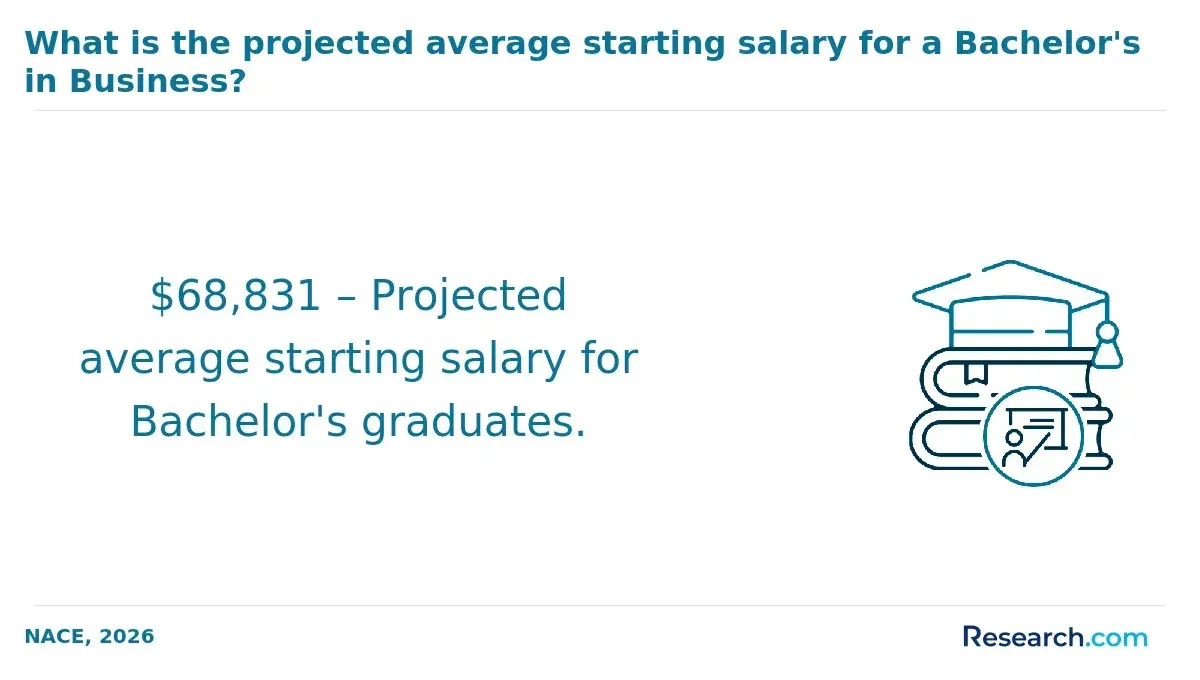
Business majors in Oregon earned $90,058 on average per year, with an hourly rate of $43.30. Across the U.S., business major salaries have a median of $75,600, with the top 10% earning around $143,790 per year and the bottom 10 percent earning less than $29,604 per year.
Those figures should be used as context, not a guarantee. Actual pay depends on job title, employer, location, industry, work experience, technical skills, certifications, internships, and whether the graduate moves into entry-level, specialist, management, or executive roles.
Students comparing expenses and outcomes often ask whether a business degree is worth it in Oregon. The answer depends on the program’s total cost, the student’s career plan, and the strength of the school’s employer connections.
Private-sector employment can be especially important for business graduates in Oregon. The state’s top three private-sector industries by employment are healthcare and social assistance at 323,526, retail trade at 285,094, and accommodation and food services at 192,183. These fields need managers, analysts, accountants, marketers, operations leaders, and MBA-trained professionals.
| Oregon Factor | What It Means for Business Students |
| Large employer base | More organizations may need business graduates in accounting, operations, finance, marketing, HR, and management. |
| High cost of living | Students should calculate total degree cost and expected early-career salary before committing. |
| Healthcare, retail, and services employment | Business graduates can target administrative, analytics, management, and operations roles in large employment sectors. |
| Technology and semiconductor activity | Students interested in analytics, supply chain, product management, and finance may benefit from tech-adjacent business coursework. |
Business Program Length in Oregon
Business program length in Oregon varies by credential, format, transfer credits, and whether the student attends full time or part time. A traditional bachelor’s degree is the standard entry point for many business careers, but associate degrees, accelerated bachelor’s-to-MBA tracks, executive MBAs, certificates, and dual degrees may fit different goals.
| Program Type | Typical Length Stated | Best Fit |
| Associate business degree | Two years | Students seeking a lower-cost starting point or a transfer path into a bachelor’s program. |
| BS Business Administration or related bachelor’s degree | Four years full time | Students preparing for entry-level business, accounting, marketing, finance, operations, or management roles. |
| Accelerated BSBA-to-MBA pathway | Five or six years | High-performing students who want to move efficiently from undergraduate study into graduate business training. |
| Five-year BSBA-to-MBA pathway | Five years | Students who want an MBA with only one additional year beyond the bachelor’s degree. |
| Executive MBA | One year in some formats | Working professionals who want advanced leadership training while staying employed full time. |
| Dual degree | Four to six years | Students combining business with another field, such as law, analytics, public policy, or another professional discipline. |
Part-time study can extend the timeline, while transfer credits, summer coursework, and accelerated scheduling may shorten it. Students should also ask whether internships, capstones, study abroad, or professional certification requirements affect the real completion timeline.
Tuition and Costs of Business Programs in Oregon
Business school pricing in Oregon differs by institution type, residency status, delivery format, credential level, and program structure. Undergraduate, graduate, online, hybrid, executive, and dual-degree programs may use different tuition models. Students considering specialized combinations, such as business with a finance degree focus, should compare the full cost of the entire academic plan rather than one year of tuition alone.
Some online-only programs reduce or remove out-of-state price differences, but this is not universal. Always verify the current tuition page and ask whether online, hybrid, and campus students are charged differently.
The 2025 average tuition in Oregon by education sector is listed as follows: public, four-year or above sector at $15,246; private not-for-profit, four-year or above sector at $32,894; private for-profit, four-year or above sector at $8,928; public, two-year sector at $4,345; and private not-for-profit, two-year sector at $11,750. In general, public options cost less than private not-for-profit programs, though program format and residency can change the comparison.
Resident and nonresident tuition can differ sharply. For example, the University of Oregon charges undergraduate Oregon residents $15,669 per year and nonresidents $43,302 per year for BS degrees. Resident graduate full-time tuition is $32,025 annually, while nonresident graduate full-time tuition is $44,619.60 annually.
Oregon State University lists full online courses at $52,080 per year, including hybrid and online formats. For full-time and part-time onsite programs, Oregon residents pay $48,360 per year, while nonresidents pay $91,140 per year.
Willamette University lists annual tuition for the BA/MBA degree at $63,756 and MBA degrees at $49,088 for domestic or international students. The University of Portland lists undergraduate business tuition at $27,200/semester and its Master of Business Administration at $1,450/credit.
Tuition and fees can change. Before applying, confirm the latest cost of attendance, scholarship deadlines, assistantship options, employer tuition benefits, transfer-credit rules, and whether fees differ for online, evening, hybrid, full-time, or part-time students.
| Cost Question | Why You Should Ask It |
| Is tuition charged by credit, semester, year, or total program? | Different pricing models make programs hard to compare unless you calculate total degree cost. |
| Do online students pay resident, nonresident, or separate online tuition? | Online pricing may reduce geographic cost differences, but policies vary by school. |
| How many credits are required to graduate? | A lower per-credit price may not be cheaper if the program requires more credits. |
| Are internships, travel, technology, books, or residency sessions required? | Required program activities can add expenses beyond tuition. |
| What aid is available for business students specifically? | Scholarships, assistantships, employer reimbursement, and transfer credits can change affordability. |
Oregon Schools Offering Business Programs for 2027
The following schools are Research.com recommendations based on available state, industry, program, and public information. This is not a complete list of every Oregon business option, and it should not be treated as a final ranking for every student. Use it as a starting point, then compare accreditation, cost, admissions requirements, specialization fit, schedule, internship access, and career outcomes.
1. University of Oregon
The University of Oregon Lundquist College of Business offers an undergraduate business administration degree with concentrations in accounting, entrepreneurship, finance, marketing, operations and business analytics, and sports business. High-achieving students may consider the Business Honors Program. Graduate options include the Oregon MBA and Ph.D. program in Eugene, while the Executive MBA in Portland is designed for executives with 10-15 years of business experience. Students can also use minors and certificates to shape a more focused academic plan.
- Program Length: BSBA 4 years; MBA 2 years; EMBA 2 years
- Tracks/concentrations: Various
- Annual Tuition and Fees: Undergraduate, Oregon Resident $15,669; Nonresident $43,302; Resident, graduate, full-time $32,025.00; Nonresident tuition, graduate, full-time $44,619.60 annually
- Required Credits to Graduate: BSBA 180 credits; Oregon MBA 76 credits; EMBA 73 credits
- Accreditation: Association to Advance Collegiate Schools of Business (AACSB)
2. Oregon State University
The Oregon State University College of Business offers a BSBA with focus areas that include digital marketing, family business, hospitality management, innovation and entrepreneurship, international business, marketing, merchandising management, retail management, sports business, and supply chain and logistics management. The undergraduate program also includes study-abroad options. The Oregon State MBA is available fully online, in person in Corvallis, and in a hybrid format in Portland. The MBA includes specialized tracks shaped with input from industry partners, applied projects, faculty mentorship, and access to peers, alumni, and employers.
- Program Length: BSBA 4 years; MBA 2 years
- Tracks/concentrations: Various
- Tuition (program total): BSBA $375 per credit (online); Graduate (60 credit-program) Fully online: part-time $52,080; Portland hybrid & online: part-time $52,080; Corvallis: full-time and part-time Oregon resident $48,360; Corvallis: Full time and part-time non-resident $91,140
- Required Credits to Graduate: BSBA 180 credits; MBA 60 credits
- Accreditation: Association to Advance Collegiate Schools of Business (AACSB)
3. Willamette University
The Willamette University Atkinson Graduate School of Management offers bachelor’s, MBA, and certificate programs in business and management. Its BA/MBA pathway allows students to start MBA coursework during the senior year of the bachelor’s degree and complete an accelerated graduate route. The school also offers several MBA and certificate options, a one-year MBA for exceptional students from AACSB-accredited undergraduate business programs, and a joint Law and Business degree through the JD-MBA.
- Program Length: BA/MBA 5 years; MBA 2 years; JD/MBA 2 years (one year MBA, one year JD)
- Tracks/concentrations: Various
- Tuition (annual cost): BA/MBA $63,756; MBA $49,088 (domestic or international)
- Required Credits to Graduate: BA/MBA undergrad + 60 MBA credits; JD/MBA 48 credits
- Accreditation: Association to Advance Collegiate Schools of Business (AACSB)
4. University of Portland
The University of Portland Pamplin School of Business offers undergraduate and graduate business degrees. Its BBA includes minors in Business Administration, Economics, Entrepreneurship and Innovation Management, Global Business, and Sustainability. Graduate options include a flexible evening MBA with concentrations in entrepreneurship and innovation management, finance, marketing, operations and technology management, sustainability, and strategy, as well as a Master of Business Administration in Nonprofit Management. The five-year BBA/MBA combines a 120-semester credit-hour BBA with a 30-semester credit-hour MBA and is structured to help students sit for the CPA board exams.
- Program Length: BBA 4 years; MBA 2 years; BBA/MBA 5 years
- Tracks/concentrations: Various
- Tuition cost: Full-time Undergraduate $27,200/Semester; Master of Business Administration $1,450/credit; Master of Business Administration in Nonprofit Management -$725/credit
- Required Credits to Graduate: BBA/MBA 150 credits; MBA 39
- Accreditation: Association of Advanced Collegiate Schools of Business (AACSB)
5. Southern Oregon University
Southern Oregon University offers BA/BS Business Administration degrees and MBA programs. The BA/BS has four tracks: Accounting (Public and Management), Management, Marketing, and Tourism Management, with Accounting and Management also offered online. MBA concentration areas include accounting, business analytics, finance, human resources, information analysis and decision-making, marketing, nonprofit management, sustainability, and arts management. Fully online MBA options are available in accounting, business analytics, marketing, finance, healthcare administration, and information analysis and decision making. One distinctive requirement is that students complete a minor outside the School of Business, an interdisciplinary certificate, or a one-year study abroad program.
- Program Length: BSBA 4 years; MBA 2 years
- Tracks/concentrations: Various
- Tuition cost: Online classes $212/credit; BS/BA $201/credit; MBA online $19,350 total program cost
- Required Credits to Graduate: BS/BA 180 credits; MBA online 45
- Accreditation: Accreditation Council for Business Schools and Programs (ACBSP)
Business remains a popular field of study in Oregon. Among total degree majors awarded in the state, general business administration and management ranked third with 1,892 degrees awarded, following liberal arts with 4,501 degrees awarded and general studies with 2,391degrees awarded.
What to Look For in a Business Program in Oregon
A good business program should do more than offer a recognizable degree title. It should connect coursework, faculty, projects, career services, and employer access to the kind of job you want after graduation. The best choice for an aspiring CPA may differ from the best choice for a future entrepreneur, healthcare administrator, data analyst, supply chain manager, or nonprofit executive.
Accreditation of Business Schools in Oregon
Accreditation helps students verify that a school or program meets recognized educational standards. Employers, graduate schools, transfer institutions, and professional pathways may look more favorably on degrees from accredited institutions and accredited business programs.
Institutional accreditation applies to the college or university as a whole. Programmatic accreditation reviews a specific business, accounting, or management program.
Three nonprofit independent organizations that accredit bachelor’s, master’s, and doctoral business and accounting programs in the U.S., including programs in Oregon, are:
- The Association to Advance Collegiate Schools of Business (AACSB International)
- The Accreditation Council for Business Schools and Programs (ACBSP)
- The International Accreditation Council for Business Education (IACBE)
Faculty Credentials and Industry Experience
Faculty quality affects what students learn, how current the coursework feels, and whether the program connects theory to practice. Look for instructors with relevant research, consulting work, executive experience, accounting credentials, analytics expertise, entrepreneurship experience, or leadership roles in the industries you want to enter.
Students planning a capstone, consulting project, honors thesis, or MBA specialization should review faculty bios and publications early. A professor’s expertise can shape mentorship opportunities, project topics, and career direction.
Business Tracks and Specializations
Business degrees are broad by design, so specialization matters. BSBA and MBA students can often focus through concentrations, minors, electives, certificates, internships, consulting projects, and capstones.
Common areas include accounting, finance, marketing, entrepreneurship, analytics, operations, supply chain, sports business, hospitality, healthcare administration, nonprofit management, sustainability, and international business. A focused track can help students signal clearer value to employers than a generic business credential alone.
| If Your Goal Is... | Look for Programs With... |
| Accounting or CPA preparation | Accounting coursework, CPA-aligned credit planning, audit and tax coverage, and accounting accreditation or strong employer connections. |
| Corporate finance or banking | Finance concentration, valuation coursework, Excel and analytics training, internship access, and faculty with finance experience. |
| Marketing or digital growth | Digital marketing, analytics, consumer behavior, branding, market research, and portfolio-building projects. |
| Operations or supply chain | Logistics, process improvement, analytics, project management, and industry-based applied projects. |
| Entrepreneurship | Startup coursework, venture labs, pitch events, family business or innovation tracks, and mentorship from founders. |
| Healthcare or nonprofit leadership | Healthcare administration, nonprofit management, budgeting, compliance, leadership, and community-based projects. |
Online, Hybrid, or Campus: Which Format Makes Sense?
Online business programs can be useful for working adults, parents, rural students, and professionals who cannot relocate. Campus programs may offer easier access to in-person networking, student organizations, recruiting events, and peer collaboration. Hybrid programs can provide a middle ground.
| Format | Advantages | Trade-Offs |
| Online | Greater scheduling flexibility and access from outside the campus area. | Students must be proactive about networking, advising, and career services. |
| Hybrid | Combines online convenience with some in-person interaction. | Campus visits, travel, or scheduled sessions may still be required. |
| Campus | Stronger day-to-day access to faculty, clubs, employer events, and classmates. | Relocation, commuting, housing, and schedule constraints can raise costs. |
Common Mistakes When Choosing a Business School
- Looking only at tuition. Compare total cost, fees, living expenses, credit requirements, lost work time, and aid availability.
- Ignoring accreditation. Confirm both institutional accreditation and business-specific accreditation when it matters for your goals.
- Choosing a concentration without a career target. A specialization should connect to roles, industries, internships, and skills employers actually request.
- Assuming online programs offer the same support. Ask how online students access career coaching, networking, tutoring, and employer events.
- Relying only on rankings. Rankings can be useful, but fit, affordability, accreditation, and outcomes matter more for individual decisions.
- Forgetting transfer policies. Transfer credits can reduce cost and time, but only if the school accepts them toward the right requirements.
- Assuming salary outcomes are guaranteed. Degree value depends on role, experience, location, internship history, skills, and industry demand.
What networking opportunities are available for business students in Oregon?
Networking is one of the practical advantages of business school because many business careers grow through referrals, internships, alumni connections, and employer-facing projects. In Oregon, students should look for programs that make networking part of the academic experience rather than leaving it entirely to the student.
- Career fairs and employer events. These events allow students to meet recruiters, learn what local employers are hiring for, and understand which skills are valued in different industries.
- Guest speakers and alumni panels. Executives, founders, managers, alumni, and industry specialists can help students see how classroom topics translate into real careers.
- Professional clubs and student organizations. Finance, marketing, entrepreneurship, accounting, analytics, and management clubs can create leadership experience and industry exposure.
- Internships and applied projects. Internships help students build evidence of experience, while consulting projects and capstones can become portfolio material.
- Alumni networks and mentoring. A responsive alumni base can help students explore industries, prepare for interviews, and identify entry-level opportunities.
The Importance of Accounting in Oregon's Business Framework
Accounting is one of the most practical business specializations because every major industry needs financial accuracy, budgeting discipline, reporting, and compliance. In Oregon, fields such as healthcare, retail, technology, manufacturing, and nonprofit services all rely on professionals who can interpret financial information and support responsible decision-making.
Students interested in public accounting, corporate accounting, audit, tax, forensic accounting, business valuation, or risk management should plan early for credential requirements. For a more focused pathway, review Research.com’s guide to accounting schools and CPA preparation in Oregon.
Oregon business programs may include coursework in financial reporting, managerial accounting, analytics, taxation, audit, financial forensics, and sustainability accounting. Students should ask whether a program helps them meet credit requirements for CPA eligibility and whether it has employer connections with accounting firms, government agencies, hospitals, corporations, or nonprofit organizations.
What Other Career Paths Are Available in Oregon Beyond Business Administration?
A business degree can lead to roles outside traditional corporate administration. Students interested in public systems, sustainability, local development, or mission-driven work may consider related fields such as urban planning, environmental management, public policy, nonprofit management, and community development. For example, students comparing business with planning-focused careers can explore urban planning education and career options in Oregon.
These paths can overlap with business training. Budgeting, project management, stakeholder communication, data analysis, and organizational leadership are valuable in government agencies, nonprofits, consulting firms, and community-focused organizations.
Trends in Oregon's Business Landscape
Business education in Oregon is being shaped by employer demand for technology fluency, data literacy, sustainability awareness, flexible work skills, and entrepreneurial thinking. Students should use these trends to choose electives, internships, certifications, and projects that build marketable experience.
- Healthcare and technology needs. Healthcare administration, business analytics, cybersecurity awareness, and operations skills can be relevant to Oregon’s large healthcare and technology-related sectors.
- Sustainability and responsible business. Oregon’s environmental focus makes sustainability, clean energy, renewable resources, and responsible operations useful areas of study for some business students.
- Remote and hybrid work. Flexible work has expanded the range of jobs students can pursue, but it also increases competition. Students who need flexibility may compare the most affordable online business degree programs.
- Entrepreneurship and small business growth. Oregon’s business environment can appeal to students who want to launch ventures, support family businesses, or work in startup operations.
How will emerging trends shape the future of business careers in Oregon?
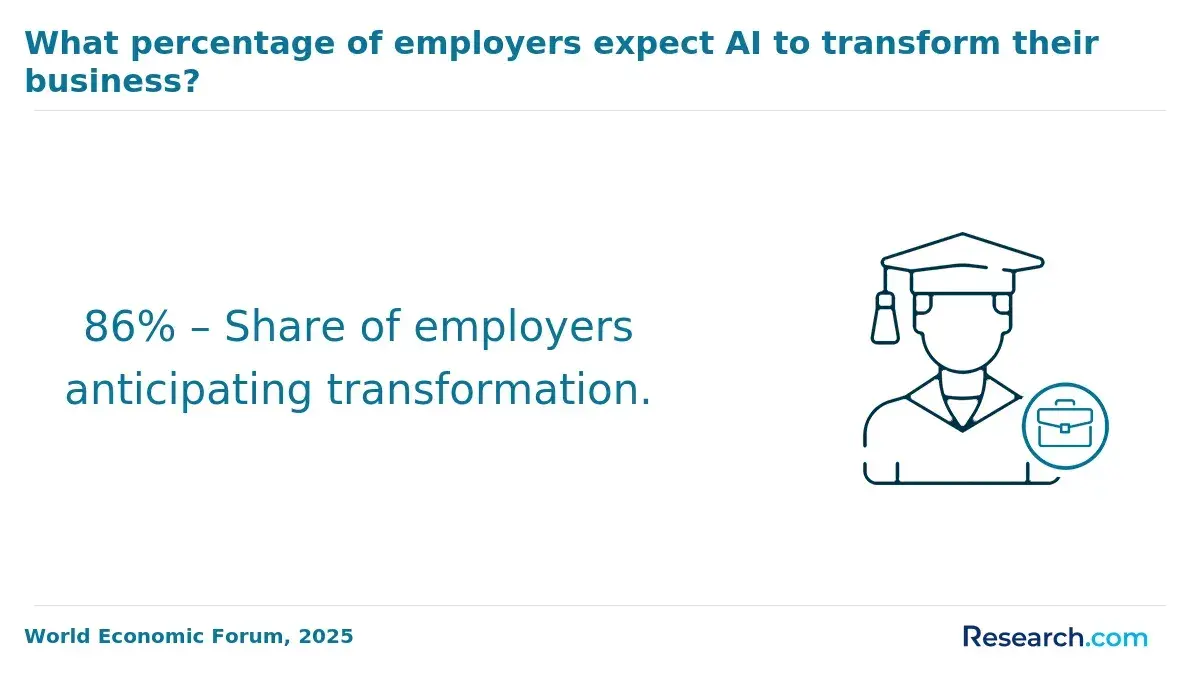
Several trends are changing what employers expect from business graduates. AI, automation, data analytics, sustainability, fintech, cybersecurity, and blockchain are influencing how companies make decisions, manage risk, reach customers, and improve operations.
AI and automation: Business graduates do not necessarily need to become engineers, but they increasingly need to understand how automation affects workflows, decision-making, reporting, customer service, and productivity. Coursework in analytics, operations, information systems, and strategic decision-making can help.
Data analytics: Employers value business professionals who can interpret data, explain insights clearly, and use evidence to support decisions. Students should look for programs with business intelligence, spreadsheet modeling, database concepts, visualization, and applied analytics projects.
Sustainability and green business: Sustainability is becoming part of risk management, operations, reporting, branding, and supply chains. Oregon students interested in this area should look for coursework in corporate social responsibility, environmental economics, sustainable operations, and ethics.
Emerging business fields: Fintech, cybersecurity, and blockchain are creating new intersections between business, regulation, finance, operations, and technology. Students targeting leadership roles in these environments may benefit from advanced management training such as an online MBA in organizational leadership.
Staking Your Future with Business Schools in Oregon
Business degrees can still be valuable, but the strongest outcomes usually come from a clear plan. Students should choose a school based on career alignment, cost, accreditation, format, specialization, internship access, and skills development rather than degree title alone.
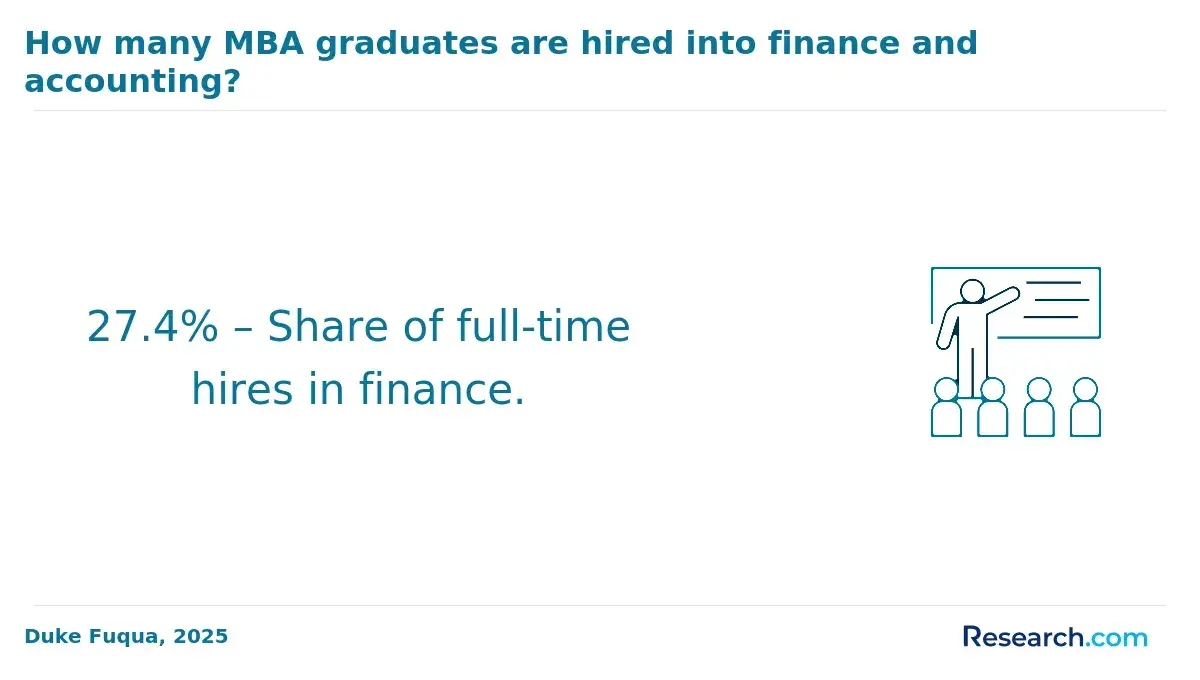
Technology is changing business work. Data analytics and AI can help organizations integrate information across departments, improve forecasting, and support faster decision-making. That makes analytical thinking, communication, ethics, and change management increasingly important for business students.
Students still asking whether business administration is a good major should focus on fit. It can be a strong major for students who want versatile career options, but it works best when paired with a concentration, internship, technical skills, and a realistic understanding of local costs and salaries.
Is an Affordable Online MBA Without a GMAT a Smart Investment for Business Professionals in Oregon?
An affordable online MBA with no GMAT requirement can make sense for Oregon professionals who already have work experience and want to build management, finance, strategy, analytics, or leadership skills without pausing their careers. The no-GMAT feature may reduce an admissions barrier, but students should still examine accreditation, faculty quality, curriculum depth, employer recognition, graduation requirements, and total cost. For side-by-side options, review Research.com’s guide to affordable online MBA programs with no GMAT requirement.
Can a Business Degree Propel Your Career in the Health and Wellness Sector?
Business training can support careers in health and wellness by building skills in operations, budgeting, marketing, analytics, customer engagement, and strategic planning. In Oregon, this may apply to healthcare organizations, wellness startups, nutrition businesses, fitness companies, consumer health brands, and community health initiatives. Students interested in pairing business knowledge with nutrition-focused work can review how to become a nutritionist in Oregon.
How can a business degree support career transitions in Oregon?
A business degree can help career changers translate prior experience into management, operations, consulting, analytics, entrepreneurship, or executive roles. For working professionals, flexibility matters. Programs designed for employed adults may combine practical leadership training with finance, strategy, organizational behavior, and decision-making coursework. Experienced professionals comparing advanced options may find an online executive MBA useful if it fits their schedule, budget, and advancement goals.
Can Legal Studies Enhance Business Decision-Making in Oregon?
Legal knowledge can make business leaders better at risk management, contracts, compliance, negotiation, governance, and intellectual property decisions. A full law degree is not the only way to gain this perspective; some professionals use certificates, legal studies coursework, or paralegal training to strengthen their business toolkit. Those exploring this direction can review how to become a paralegal in Oregon.
How can integrating behavioral science enhance business strategies in Oregon?
Behavioral science can improve business decisions by helping professionals understand customer motivation, employee behavior, leadership dynamics, persuasion, risk perception, and team performance. Business students interested in marketing, management, HR, consulting, or user experience may benefit from psychology-informed coursework. For related academic options, see Research.com’s guide to the best colleges for psychology in Oregon.
Can a Business Degree Strengthen Leadership in Oregon’s Substance Abuse Counseling Organizations?
Business graduates can contribute to substance abuse counseling organizations through budgeting, operations, staffing, compliance support, grant management, program evaluation, and strategic planning. However, direct counseling roles require separate preparation and credentials. Students who want to combine business leadership with clinical or community health work should review how to become a licensed substance abuse counselor in Oregon.
How Can a Business Degree Propel Your Accounting Career in Oregon?
A business degree with strong accounting coursework can prepare students for roles involving financial reporting, tax planning, budgeting, audit support, compliance, and business analysis. Students who want to become CPAs should confirm credit requirements, accounting course coverage, and whether the school supports CPA exam preparation. For details on the credentialing pathway, review how to become a CPA in Oregon.
Can a Business Degree Elevate Leadership in Oregon's Pharmaceutical Sector?
Business skills can be useful in pharmaceutical and healthcare-adjacent organizations, especially in operations, supply chain management, compliance support, market analytics, finance, and strategic planning. Professionals working near pharmacy services should also understand licensing and regulatory expectations. For career-specific context, review pharmacist licensure requirements in Oregon.
Can a Business Degree Pave the Way to Leadership Roles in Forensic Science Industries in Oregon?
Forensic science organizations need more than scientific expertise. They also require budgeting, workflow management, regulatory compliance, quality control, procurement, staffing, and strategic planning. Business graduates may support forensic laboratories, investigative agencies, or related service organizations in administrative and leadership roles. Students comparing the technical side of the field can review forensic scientist education requirements in Oregon.
Can a Business Degree Enhance Community Impact and Social Work Initiatives in Oregon?
Business graduates can strengthen social service and nonprofit work by improving budgeting, fundraising, operations, program management, reporting, and organizational strategy. This can be valuable for community programs that need sustainable funding and efficient service delivery. Students interested in direct practice or licensed roles should separately review how to become a social worker in Oregon.
Key Insights
- Oregon can be a solid market for business graduates, but fit matters. The state has 525,402 businesses employing 2,173,480 people, yet students should connect their degree to a specific industry, role, or specialization.
- Business and financial roles offer stronger-than-average wage potential. The projected growth rate is 5.2% from 2024 to 2034, and the estimated median annual wage is $80,920 compared with $49,500 for all occupations.
- Cost of living should be part of the ROI calculation. Oregon is listed as the 11th most expensive state, so tuition, housing, fees, and expected early-career earnings should be reviewed together.
- Accreditation is not optional due diligence. Check institutional accreditation and, where relevant, business accreditation from AACSB, ACBSP, or IACBE before enrolling.
- Specialization improves the value of a broad business degree. Accounting, analytics, finance, marketing, supply chain, entrepreneurship, healthcare administration, nonprofit management, and sustainability can all lead to different outcomes.
- Online and accelerated options can be useful, but only if support is strong. Ask whether online students receive the same advising, career services, networking access, and employer exposure as campus students.
- Do not treat salaries as guaranteed outcomes. Pay depends on experience, internships, technical skills, employer, location, industry, job title, and advancement path.
- Business degrees are flexible across sectors. Graduates can apply business skills in healthcare, accounting, legal support, social services, urban planning, wellness, pharmacy operations, forensic organizations, and nonprofit leadership when paired with the right credentials.
Related Articles for Nearby States
- 2027 Best Business Schools in Washington – Accredited Colleges & Programs
- 2027 Best Business Schools in California – Accredited Colleges & Programs
- 2027 Best Business Schools in Idaho – Accredited Colleges & Programs
- 2027 Best Business Schools in Nevada – Accredited Colleges & Programs
- 2027 Best Business Schools in Montana – Accredited Colleges & Programs
- 2027 Best Business Schools in Utah – Accredited Colleges & Programs
- 2027 Best Business Schools in Wyoming – Accredited Colleges & Programs
- 2027 Best Business Schools in Arizona – Accredited Colleges & Programs
- 2027 Best Business Schools in Colorado – Accredited Colleges & Programs
- 2027 Best Business Schools in New Mexico – Accredited Colleges & Programs
References:
- Data USA. (n.d.) Oregon | Data USA. (n.d.). Data USA.
- IBISWorld. (n.d.). Oregon - State Economic Profile. IBISWorld.
- Livingcost.org. (2026, March 11). Cost of Living in Oregon State, US. Livingcost.org.
- Missouri Economic Research and Information Center. (n.d.). States Gross Domestic Product. Missouri Economic Research and Information Center.
- Oregon.gov. (n.d.). State of Oregon: Blue Book Oregon’s Economy: Employment. Oregon.gov.
- U.S. Bureau of Labor Statistics. (2025, August 28). Business and Financial Occupations: Occupational Outlook Handbook. U.S. Bureau of Labor Statistics.
- U.S. Census Bureau. (2025, July 1). QuickFacts: Oregon. U.S. Census Bureau.
- Unglesbee, B. (2026, March 16). Oregon State hikes tuition over 6% for new students amid budget gap. Highed Ed Dive
- ZipRecruiter. (2026, March 25). Business Degree Salary. ZipRecruiter.
- ZipRecruiter (2026, March 25). Business Degree Salary in Oregon. ZipRecruiter
Other Things You Should Know About The Best Business Schools in Oregon
A typical Bachelor's degree in business in Oregon takes about four years to complete, while a full-time MBA program generally lasts two years. However, many schools offer part-time, online, and accelerated options that can adjust the timeline to fit individual needs.
Business majors in Oregon earned an average annual salary of $90,058, with an hourly rate of $43.30. This is higher than the national median salary for business majors, which is $85,178.
Tuition costs vary by institution and residency status. For example, the University of Oregon charges Oregon residents $15,669 per year for a BS degree and $32,025 annually for graduate programs. Non-residents pay $43,302 for undergraduate and $44,619.60 for graduate programs annually. Tuition for online and hybrid programs also varies.
Yes, several institutions in Oregon offer online business programs. For example, Oregon State University offers a fully online MBA program, while Southern Oregon University provides online MBA programs with various concentrations.
When selecting a business school in Oregon, ensure it holds accreditation from AACSB International (Association to Advance Collegiate Schools of Business) or ACBSP (Accreditation Council for Business Schools and Programs). These accreditations guarantee quality education and adherence to rigorous standards in business education.
Top industries for business graduates in Oregon include technology, healthcare, renewable energy, and manufacturing. These sectors offer diverse opportunities for business professionals, with companies often seeking graduates with skills in management, finance, and marketing to drive growth and innovation within the state.
Business graduates in Oregon can pursue careers in various sectors, including healthcare, finance, marketing, operations, entrepreneurship, and supply chain management. The state’s diverse economy and large number of business establishments provide ample employment opportunities.
To reduce the cost of a business degree, consider applying for scholarships, financial aid, and work-study programs. Additionally, some institutions offer lower tuition rates for online programs and may have in-state tuition discounts for residents. Always check the latest information on tuition and financial aid options from the institution’s website.