2027 Best Accounting Schools in Oregon – How to Become a CPA in OR

Co-Founder and Chief Data Scientist
Choosing an accounting school in Oregon is not just about finding a recognizable university name. The better question is whether a program will help you meet Oregon CPA education requirements, build practical accounting skills, control tuition and living costs, and compete for roles in public accounting, corporate finance, government, nonprofit organizations, or consulting.
This guide is designed for students comparing accounting programs in Oregon, career changers who want a more stable business path, and future CPAs planning their education timeline. It explains how accounting careers work in Oregon, what education and licensing steps are required, how long programs usually take, what schools offer accounting degrees, and how to compare programs before enrolling.
Quick Answer: What Should You Know About Accounting Schools in Oregon?
Accounting can be a practical career path in Oregon for students who want a business-focused profession with clear advancement options. To become a CPA in Oregon, candidates generally need a bachelor’s degree from an accredited institution, 150 semester hours or 225 quarter hours, one year of qualifying accounting experience under a licensed CPA, a passing CPA Examination score, and completion of the AICPA ethics exam. Oregon accounting programs vary by cost, format, accreditation, credit requirements, and internship access, so students should compare schools based on CPA alignment, total cost, career support, and flexibility.
| Decision Point | What It Means for Oregon Students |
| Best fit | Students who enjoy numbers, compliance, business decision-making, financial reporting, tax, audit, or analytical work. |
| CPA education target | 150 semester hours or 225 quarter hours are required for Oregon CPA licensure preparation. |
| Common degree route | Bachelor’s degree first, then additional credits through a master’s degree, certificate, double major, or extra undergraduate coursework. |
| Typical career settings | Public accounting firms, private companies, government agencies, nonprofits, healthcare organizations, consulting firms, and financial departments. |
| Main risk to avoid | Choosing a program without checking accreditation, CPA credit alignment, transfer policies, internship support, and total cost of attendance. |
Best Accounting Schools in Oregon Table of Contents
- Is accounting a good job in Oregon?
- What are the steps to becoming an accountant in Oregon?
- How long do accounting programs take in Oregon?
- How can you fast-track your accounting education?
- How much do accounting programs cost in Oregon?
- Which Oregon schools offer accounting programs for 2027?
- What should you look for in an Oregon accounting program?
- Could healthcare be a career alternative for accounting-minded students?
- How can you prepare for the CPA Examination in Oregon?
- What advancement options are available for CPAs in Oregon?
- Is a master's degree in accounting worth it in Oregon?
- How is technology changing accounting education in Oregon?
- What trends are shaping Oregon accounting careers?
- Why do networking and professional associations matter?
- Should accounting students consider forensic science specializations?
- How can accountants move into high school math teaching?
- Can accountants transition into legal and compliance roles?
- Can accounting graduates pursue teaching careers in Oregon?
- What other number-focused careers are available?
- How can accountants move into healthcare finance?
- How can accountants contribute to urban development?
Is accounting a good job in Oregon?
Accounting remains a strong option in Oregon because nearly every organization needs accurate financial records, tax compliance, budgeting, internal controls, and reporting. Recent job postings for accountants and auditors were still active across the state as of late 2025, and the field can offer a stable foundation for people who want a business career with multiple specialization paths.
According to ZipRecruiter, the average annual salary for accountants in Oregon is $72,240 (ZipRecruiter, 2026). Actual earnings can vary by location, employer, experience, credentials, and specialty. A staff accountant in a smaller organization will not have the same compensation profile as a CPA working in audit, tax, advisory, controllership, or executive finance.
Accounting can also be a useful base for advancement. With experience and credentials, accountants may move into roles such as senior accountant, auditor, tax specialist, accounting manager, controller, financial manager, or CFO. Students who want broader financial training may also compare accounting degrees with a graduate certificate in finance, especially if their long-term goals include corporate finance, budgeting, analysis, or investment-related work.
| Accounting May Be a Good Fit If You... | Consider Another Path If You... |
| Like structured problem-solving, financial details, deadlines, and rules-based analysis. | Strongly dislike repetitive review, documentation, compliance work, or close attention to detail. |
| Want a career that can lead to CPA licensure, management, consulting, tax, audit, or finance roles. | Prefer a highly creative role with little regulation or limited quantitative work. |
| Are willing to keep learning as accounting standards, software, tax rules, and reporting expectations change. | Want a profession where education ends after graduation and continuing professional development is minimal. |
What are the steps to becoming an accountant in Oregon?
The path depends on whether you want to work in accounting generally or become a licensed CPA. Many entry-level accounting roles require a bachelor’s degree, while CPA licensure requires additional education, experience, exams, and board approval.
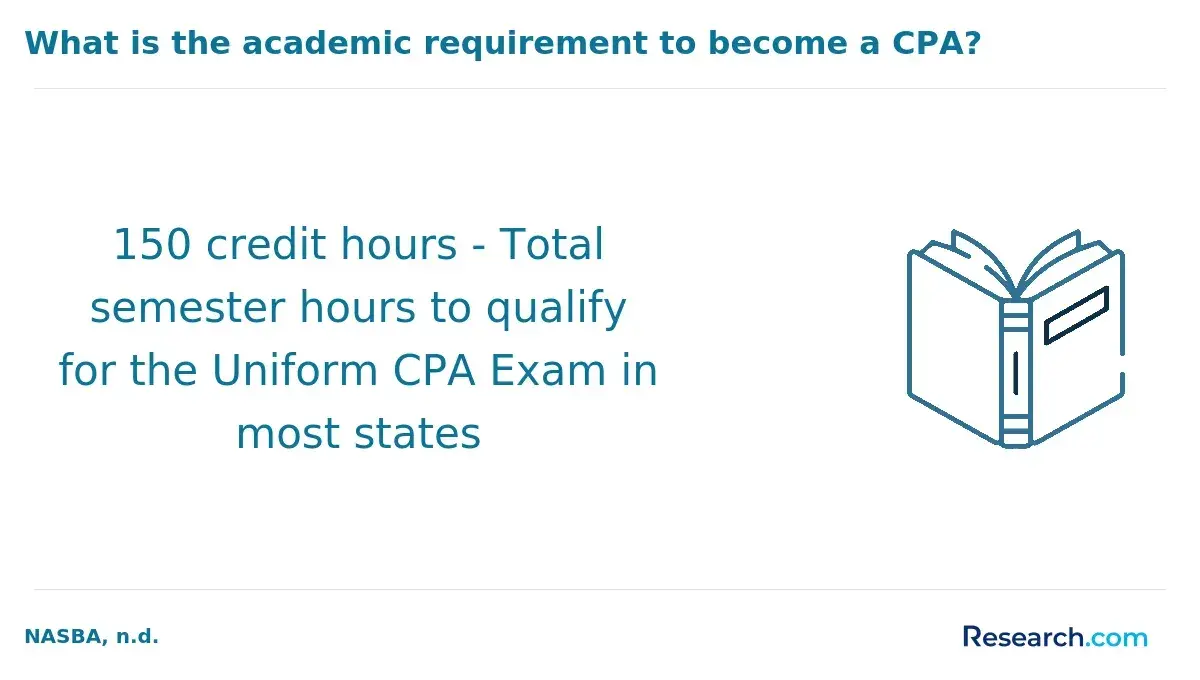
According to the Oregon Board of Accountancy, candidates who want to become an accountant in Oregon as a CPA must satisfy specific licensing requirements. These include earning a bachelor’s degree from an accredited institution, completing 150 semester hours or 225 quarter hours, gaining one year of accounting experience under the supervision of a licensed CPA, passing the CPA Examination, and completing the ethics exam from the American Institute of Certified Public Accountants, or AICPA. After meeting these requirements, candidates apply to the Oregon Board of Accountancy for licensure.
- Earn the right degree. Start with an accredited bachelor’s program in accounting, business administration with an accounting concentration, or a closely related field.
- Plan for the 150-hour requirement early. A typical bachelor’s degree may not be enough by itself, so ask advisors how students reach 150 semester hours or 225 quarter hours.
- Build experience while in school. Internships, part-time bookkeeping roles, tax season work, and campus recruiting can help you qualify for better entry-level roles.
- Prepare for the CPA Examination. CPA candidates should create a study schedule that matches their work obligations and graduation timeline.
- Complete supervised experience. Oregon requires one year of accounting experience under a licensed CPA.
- Pass the ethics exam and apply for licensure. Once education, exam, experience, and ethics requirements are complete, submit the CPA license application to the Oregon Board of Accountancy.
Major employment markets for accounting graduates include Portland-Vancouver-Hillsboro, Salem, and Eugene, though opportunities can also exist in smaller communities, remote accounting departments, public agencies, and regional firms.
How long do accounting programs take in Oregon?
Accounting program length depends on the credential, course load, transfer credits, and whether the student attends full time or part time. A general overview of accounting programs shows that shorter credentials can prepare students for bookkeeping or entry-level support roles, while bachelor’s and master’s degrees are more useful for CPA-track and professional accounting careers.
| Credential | Typical Full-Time Length | Best For |
| Associate degree in accounting | About two years | Students seeking foundational accounting knowledge, transfer options, or entry-level bookkeeping and accounting assistant roles. |
| Bachelor’s degree in accounting | About four years | Students planning professional accounting roles, CPA preparation, corporate accounting, audit, tax, or graduate study. |
| Master’s degree in accounting | One to two years | Students who need additional CPA credits, want advanced accounting coursework, or seek stronger preparation for specialized roles. |
| CPA exam preparation | A few months to over a year | Candidates who have completed required coursework and need structured review before testing. |
| Doctoral degree | About four to six years beyond a bachelor’s degree | Students interested in academic research, university teaching, or advanced scholarship. |
Students who need flexibility may consider a masters in accounting online program, especially if they are already working or need to complete additional credits without relocating.
How can you fast-track your accounting education?
Students who want to enter the workforce sooner can look at accelerated accounting degree programs online. These programs may compress coursework through shorter terms, year-round enrollment, generous transfer policies, or intensive course pacing.
An accelerated format can make sense if you already have college credits, can handle a heavier weekly workload, or need a career change without spending four traditional years on campus. Some online accelerated programs may allow students to finish in as little as 18 to 24 months, depending on prior credits, enrollment intensity, and program design.
However, faster is not automatically better. CPA-track students should confirm that accelerated coursework still covers required accounting, auditing, taxation, business, and ethics content. They should also verify accreditation, faculty access, tutoring, internship support, and whether the program’s credit system helps them reach 150 semester hours or 225 quarter hours.
| Fast-Track Option | When It Makes Sense | What to Check First |
| Accelerated online bachelor’s degree | You have transfer credits and need a flexible route to a completed degree. | Transfer credit limits, accounting course depth, accreditation, and CPA alignment. |
| Online master’s in accounting | You already have a bachelor’s degree and need advanced coursework or additional CPA credits. | Prerequisites, course schedule, tuition, faculty support, and exam preparation resources. |
| Certificate or bookkeeping program | You want a shorter credential for bookkeeping, payroll, or accounting support roles. | Whether credits transfer into a degree and whether the credential matches your career goal. |
| Summer or overload coursework | You are enrolled in a traditional program and want to reach CPA credit requirements sooner. | Academic workload, financial aid impact, course availability, and GPA risk. |
How much do accounting programs cost in Oregon?
Accounting education costs in Oregon vary by school type, degree level, residency status, delivery format, fees, books, transportation, housing, and whether students attend full time or part time. Tuition alone is not the full cost; students should compare total cost of attendance and expected borrowing.
For the 2024-2025 academic year, the average total cost of attendance for a four-year undergraduate program at a public institution in Oregon is approximately $31,102 for residents, while out-of-state students face an average cost of $53,733 (College Board, 2024). The cost of a four-year online accounting degree in Oregon averages approximately $15,650 per year (Franklin University, 2024). For two-year certificates, such as a certification program in bookkeeping, annual costs can be $5,245.
| Cost Factor | Why It Matters | Question to Ask |
| Residency status | Public universities often charge different rates for resident and out-of-state students. | Will my residency classification change my tuition? |
| Online vs. campus format | Online programs may reduce commuting or relocation costs but can still include fees. | What is the total online program cost, including technology and course fees? |
| Credit requirements | CPA-bound students may need more credits than a standard bachelor’s degree provides. | How much will it cost to reach 150 semester hours or 225 quarter hours? |
| Transfer credits | Accepted transfer credits can shorten time to completion and reduce tuition. | How many of my prior credits will count toward the accounting major? |
| Internship access | Paid internships can reduce net cost and improve job prospects. | Does the accounting department help students find internships? |
Oregon Schools Offering Accounting Programs for 2027
The Oregon schools below offer accounting programs with different costs, credit structures, accreditation types, and learning environments. Use the details as a starting point, then confirm current tuition, curriculum, and CPA alignment directly with each institution before applying.
| School | Program Length | Tracks/Concentrations | Cost per Credit | Credits to Graduate | Accreditation |
| Oregon State University | 4 years | Accounting | $348 | 180 | Association to Advance Collegiate Schools of Business |
| University of Oregon | 4 years | Accounting | $978 | 75 | Association to Advance Collegiate Schools of Business |
| Portland State University | 4 years | Accounting | $193-$676 | 180 | Association to Advance Collegiate Schools of Business |
| George Fox University | 4 years | Accounting | $499 | 120 | Accreditation Council for Business Schools & Programs |
| University of Portland | 4 years | Accounting | $1,608 | 120 | Accreditation Council for Business Schools & Programs |
Oregon State University
The OSU Accountancy degree prepares students for accounting, business, and consulting roles by teaching accounting as a decision-making language used across organizations. The program emphasizes leadership development and applied business judgment, and its faculty are recognized for teaching and research. The program is also ranked in the global top 10 for accounting systems research.
- Program Length: 4 years
- Tracks/concentrations: Accounting
- Cost per Credit: $348
- Required Credits to Graduate: 180
- Accreditation: Association to Advance Collegiate Schools of Business
University of Oregon
The University of Oregon accounting program focuses on conceptual understanding, technical accounting ability, and communication skills that help students explain financial information clearly. Its accounting faculty holds the top global ranking for tax research. The university also offers a 3+1 option for students who want to complete both a bachelor’s degree and a master’s degree in accounting.
- Program Length: 4 years
- Tracks/concentrations: Accounting
- Cost per Credit: $978
- Required Credits to Graduate: 75
- Accreditation: Association to Advance Collegiate Schools of Business
Portland State University
Portland State University offers an accounting degree that combines academic coursework, professional development, and practical accounting exposure. The program is designed to help students move beyond calculations and develop the judgment needed to advise organizations. Flexible online course options may appeal to students who need remote or hybrid learning.
- Program Length: 4 years
- Tracks/concentrations: Accounting
- Cost per Credit: $193-$676
- Required Credits to Graduate: 180
- Accreditation: Association to Advance Collegiate Schools of Business
George Fox University
George Fox University provides accounting education in financial reporting, accounting principles, business ethics, and applied professional practice. Students can prepare for work in public, corporate, nonprofit, or government accounting. The curriculum includes internships, projects, case studies, and coursework aligned with Oregon CPA exam preparation expectations.
- Program Length: 4 years
- Tracks/concentrations: Accounting
- Cost per Credit: $499
- Required Credits to Graduate: 120
- Accreditation: Accreditation Council for Business Schools & Programs
University of Portland
The University of Portland offers a Bachelor of Business Administration in accounting with coursework in core accounting principles and business foundations. Students can gain practical exposure through internships, case studies, and real-world projects. Alumni connections and professional networking opportunities are also part of the program’s value for students preparing for accounting careers.
- Program Length: 4 years
- Tracks/concentrations: Accounting
- Cost per Credit: $1,608
- Required Credits to Graduate: 120
- Accreditation: Accreditation Council for Business Schools & Programs
What should you look for in an accounting program in Oregon?
The best accounting program is the one that fits your goal, budget, schedule, and credential plan. A student seeking a bookkeeping role may not need the same program as a CPA candidate. Likewise, the cheapest accredited online accounting degree may be a smart choice for one student but not ideal for another if it lacks CPA-focused advising, strong transfer policies, or employer connections.
| Factor | Why It Matters | What to Verify |
| Accreditation | Accreditation signals that a program meets recognized academic standards and may support employer confidence. | Look for institutional accreditation and business/accounting accreditation such as AACSB or ACBSP where relevant. |
| CPA credit planning | CPA candidates need 150 semester hours or 225 quarter hours, which may exceed a standard degree plan. | Ask whether the school has a CPA advising map and how graduates usually complete the credit requirement. |
| Curriculum | Strong programs cover accounting principles, financial reporting, auditing, taxation, ethics, systems, and business foundations. | Review required courses and electives before enrolling. |
| Faculty experience | Faculty with professional and research experience can connect theory to real accounting problems. | Check faculty bios, CPA credentials, research areas, and industry involvement. |
| Career support | Internships and recruiting access can influence first jobs after graduation. | Ask about employer partnerships, alumni outcomes, internship placement, and accounting career fairs. |
| Format and flexibility | Working students may need evening, hybrid, online, or part-time options. | Confirm whether upper-division accounting courses are offered in the format you need. |
| Total cost | Tuition, fees, books, housing, transportation, and extra CPA credits all affect return on investment. | Calculate the full cost through graduation and CPA eligibility, not just first-year tuition. |
Students interested in credentials beyond the CPA can also ask whether coursework supports preparation for certifications such as the Certified Management Accountant (CMA).
Common mistakes when choosing an accounting school
- Looking only at tuition. A low tuition rate can be outweighed by poor transfer policies, limited course availability, or extra semesters.
- Assuming every accounting degree meets CPA requirements. Always verify how the program helps students reach 150 semester hours or 225 quarter hours.
- Ignoring accreditation. Accreditation can affect transfer credit, graduate school options, employer perception, and professional preparation.
- Skipping internship research. Accounting internships often lead to full-time offers, especially in public accounting and corporate finance departments.
- Choosing a format that does not match your life. A campus program may be difficult for working adults, while an online program may not suit students who need in-person support.
- Relying only on rankings. Rankings can be useful, but students should also compare curriculum, cost, location, career support, and CPA outcomes.
Could healthcare be a career alternative for accounting-minded students?
Students drawn to accounting because they like analysis, systems, and precision may also find meaningful work in healthcare administration or healthcare finance. Oregon’s healthcare organizations need professionals who understand budgets, billing, reimbursement, compliance, and operational data.
Some career changers may prefer a more clinical, patient-facing path. If that is the case, reviewing how to become a nurse practitioner in Oregon can help clarify the education, licensing, and training differences between healthcare practice and accounting-related healthcare administration.
How can you prepare for the CPA Examination in Oregon?
CPA exam preparation should begin before graduation, not after. Oregon candidates need to coordinate coursework, experience requirements, exam timing, and study resources so they do not lose momentum between school and licensure.
- Confirm eligibility with the Oregon Board of Accountancy. Make sure your credits and degree plan match Oregon’s requirements before scheduling exams.
- Map the exam content areas. Build a study plan around auditing, financial accounting, regulation, and business environment concepts.
- Use a structured review course or study system. Practice questions, simulations, and timed exams can help identify weak areas.
- Create a realistic weekly study schedule. Candidates working full time may need a longer study window than full-time students.
- Join a peer or mentor group. Study groups, faculty mentors, CPA supervisors, and alumni can provide accountability and exam strategy.
- Protect time for review and retesting if needed. The CPA process can take longer than expected, so build flexibility into your career timeline.
For a broader overview of the national CPA path, licensing process, and exam preparation strategy, see Research.com’s guide on how to become a CPA.
What career advancement opportunities exist for CPAs in Oregon?
The CPA credential can broaden career options because it signals advanced accounting knowledge, ethical responsibility, and readiness for regulated financial work. In Oregon, CPAs may advance inside accounting firms, private companies, public agencies, nonprofits, healthcare systems, and consulting practices.
| Advancement Path | Typical Roles | Best For |
| Management and executive leadership | Accounting Manager, Controller, CFO | CPAs who want to oversee financial operations, budgets, teams, and strategic planning. |
| Tax, audit, or assurance specialization | Tax Manager, Audit Manager, Assurance Consultant | Professionals who enjoy technical standards, client service, and complex reporting issues. |
| Forensic and risk-focused work | Forensic Accountant, Fraud Analyst, Risk Consultant | CPAs interested in investigations, controls, fraud prevention, and compliance. |
| Consulting and advisory | Financial Consultant, M&A Advisor, Risk Management Consultant | Experienced professionals who want project-based work and strategic client advising. |
| Public sector finance | Budget Analyst, Finance Director, Auditor General | CPAs who value public accountability, budgeting, and government financial oversight. |
| Education and training | Accounting Instructor, CPA Review Trainer, University Faculty | Professionals who want to teach, mentor, or contribute to accounting education. |
| Entrepreneurship | Firm Owner, Independent CPA, Advisory Practice Founder | CPAs who want independence and are prepared to manage clients, staff, operations, and compliance. |
Is a Master's Degree in Accounting Worth It in Oregon?
A master’s degree in accounting can be worthwhile in Oregon when it helps a student reach CPA education requirements, specialize in a higher-value area, strengthen recruiting options, or move into advanced accounting roles. It is less compelling if the student can meet career and licensure goals through lower-cost undergraduate credits, certificates, or employer-supported education.
To judge value, compare total tuition, time away from work, credential outcomes, CPA exam support, employer recruiting, and specialization options. Students should also consider whether the program offers coursework in audit, tax, analytics, accounting systems, financial reporting, or advisory services that connects directly to their target roles. For more detail on potential compensation considerations, review Research.com’s article on master degree in accounting salary.
| A Master’s May Be Worth It If... | It May Not Be Necessary If... |
| You need additional credits to reach CPA eligibility. | You can meet the 150-hour requirement through less expensive coursework. |
| You want stronger preparation for audit, tax, analytics, or advisory roles. | You are targeting bookkeeping or entry-level accounting support roles only. |
| The school has strong accounting employer connections. | The program is expensive and offers limited career support. |
| You can balance school with work or use employer tuition assistance. | The degree would require unsustainable debt without clear career benefits. |
How is technology changing accounting education in Oregon?
Accounting education in Oregon is increasingly shaped by digital tools, automation, data analysis, cloud platforms, and cybersecurity concerns. Employers still need accountants who understand debits, credits, tax, audit, and reporting standards, but they also expect graduates to work confidently with accounting systems and financial data.
- Accounting software: Programs may introduce tools such as QuickBooks, SAP, and Oracle Financials so students understand how organizations record, process, and analyze transactions.
- Data analytics: Accounting students benefit from learning how to interpret large data sets, identify anomalies, and support financial decisions with evidence.
- Cloud-based systems: Cloud accounting allows teams to access financial data remotely, update records in real time, and collaborate across locations.
- Cybersecurity awareness: Because financial data is sensitive, accounting students should understand internal controls, access management, data protection, and cyber risk.
- Automation and AI: Routine transaction processing is becoming more automated, which increases the value of judgment, review, analysis, communication, and ethical decision-making.
Students who need flexibility can compare online accounting programs that include both foundational accounting coursework and technology-focused training.
What trends are shaping Oregon accounting careers?
Oregon accounting professionals are working in an environment influenced by digital transformation, changing compliance expectations, remote work, cloud systems, AI-supported analytics, and growing demand for financial transparency. These trends do not eliminate the need for accounting judgment; instead, they change the tools accountants use and the questions employers expect them to answer.
Accountants who combine traditional financial expertise with systems knowledge, analytics, documentation skills, and ethical judgment will be better positioned for specialized roles in reporting, audit, risk, advisory, and data security. Students planning for CPA licensure should also monitor current CPA requirements in Oregon so their education plan remains aligned with licensing expectations.
Why do networking and professional associations matter for accounting students in Oregon?
Networking can affect an accounting student’s access to internships, mentors, job leads, exam advice, and industry knowledge. In accounting, relationships matter because many opportunities come through campus recruiting, alumni referrals, firm events, professional association meetings, and internship pipelines.
Students in Oregon can look for events and resources from organizations such as the Oregon Society of Certified Public Accountants, the American Institute of Certified Public Accountants, and the Institute of Management Accountants. These groups may offer educational programming, certification guidance, mentorship, professional development, and career connections.
School choice can also influence networking access. Institutions with active alumni, employer partnerships, and strong business programs may give students more chances to meet recruiters and working accountants. Students comparing broader business education options can explore the best business schools in Oregon as part of their research.
Should accounting students consider forensic science specializations in Oregon?
Forensic accounting may appeal to students who like investigation, fraud detection, documentation, and risk analysis. This path blends accounting knowledge with investigative methods and can lead to work involving financial discrepancies, internal controls, litigation support, and fraud prevention.
Students who want a broader investigative foundation may compare forensic accounting electives with a forensic science degree in Oregon. The right choice depends on whether the student wants to focus primarily on financial evidence or pursue a wider forensic science career.
How can accountants move into high school math teaching in Oregon?
Accounting professionals often have strong quantitative skills, but teaching high school mathematics requires more than subject knowledge. Career changers must understand pedagogy, classroom management, curriculum design, student assessment, and Oregon educator certification requirements.
Accountants interested in this path should review state-approved preparation and testing requirements and compare them with their existing education. For a focused explanation, see Research.com’s guide on how to become a high school math teacher in Oregon.
Can accountants transition into legal and compliance roles in Oregon?
Yes. Accountants can be strong candidates for compliance, risk, audit support, and legal operations roles because they understand documentation, internal controls, financial analysis, regulations, and ethical standards. These skills are useful in corporate legal departments, regulated industries, public agencies, and firms that need careful financial review.
Professionals considering legal support work may benefit from training in legal research, procedures, documentation, and regulatory frameworks. To compare that route, review how to become a paralegal in Oregon.
Can accounting graduates pursue teaching careers in Oregon?
Accounting graduates can pursue education careers, but they must meet Oregon’s teacher preparation and certification standards. Their strengths in structure, accuracy, numerical reasoning, and business concepts can be useful in classrooms, especially in math, business, personal finance, or career and technical education settings.
Before changing paths, prospective educators should identify the grade level and subject they want to teach, then compare certification routes. Research.com’s guide on what degree do you need to be a teacher in Oregon explains the broader teacher preparation process.
What other number-focused careers are available besides accounting?
Students who enjoy working with numbers but do not want an accounting career still have several options. They may consider data analysis, statistical research, financial planning, operations analysis, budgeting, actuarial support, payroll, banking, or teaching.
For those who like explaining math concepts to younger learners, elementary education may be worth exploring. Research.com’s page on elementary school teacher requirements in Oregon can help students compare education requirements with accounting and finance pathways.
How can accountants move into healthcare finance roles in Oregon?
Healthcare finance can be a logical specialization for accountants who want to apply financial reporting, budgeting, compliance, and analytics skills in hospitals, clinics, insurers, or healthcare administration. Relevant work may involve revenue cycle management, cost control, reimbursement analysis, budgeting, grant accounting, or financial operations.
Accountants interested in this field should learn healthcare billing terminology, insurance reimbursement structures, coding basics, and regulatory requirements. A useful starting point is Research.com’s guide on how to be a medical coder in Oregon, especially for professionals who want to understand the billing side of healthcare finance.
How can accountants contribute to urban development in Oregon?
Urban development projects require careful budgeting, grant tracking, cost analysis, infrastructure finance, public accountability, and long-term financial planning. Accountants can support these projects by helping cities, agencies, nonprofits, and developers evaluate costs, monitor funds, and maintain transparent records.
Professionals who want to move beyond accounting into planning, policy, and community development can compare their current skills with the education and experience needed for planning careers. Research.com’s guide on how to become an urban planner in Oregon outlines that broader pathway.
How to Choose the Best Accounting School in Oregon for Your Goals
The best accounting schools in Oregon can help students build technical accounting knowledge, prepare for CPA requirements, develop professional networks, and compete for internships and full-time roles. But the right program depends on your target job. A student aiming for CPA licensure should prioritize accreditation, credit planning, and recruiting access. A working adult may value online flexibility and transfer credit. A student interested in business leadership may compare finance or accounting before committing to a major.
- Define your career target. Decide whether you want bookkeeping, staff accounting, CPA licensure, tax, audit, corporate accounting, government finance, or consulting.
- Confirm accreditation. Check institutional accreditation and business program accreditation before applying.
- Ask about CPA credit planning. Make sure the program can explain how students reach 150 semester hours or 225 quarter hours.
- Calculate total cost. Include tuition, fees, housing, commuting, books, lost income, and extra credits needed for CPA eligibility.
- Review internship and employer access. Ask which firms recruit from the program and how students find accounting internships.
- Compare course delivery. Make sure required accounting courses are available online, in person, evenings, or part time if needed.
- Look beyond rankings. Rankings can help with discovery, but program fit, cost, outcomes, and licensure alignment matter more.
Questions to Ask Before Enrolling
- Is the institution accredited, and does the business or accounting program hold AACSB or ACBSP accreditation?
- How many credits are required to graduate, and how many additional credits will I need for Oregon CPA eligibility?
- Does the school provide CPA exam advising or review support?
- What percentage of upper-division accounting courses are offered online or in the format I need?
- Which employers recruit accounting students from this program?
- Are internships required, optional, paid, or supported by the department?
- How many transfer credits will the school accept toward the accounting major?
- What is the total estimated cost through graduation, not just the first year?
- Can I specialize in tax, audit, forensic accounting, analytics, or another area?
- What academic support is available for difficult accounting courses?
Key Insights
- Accounting can be a practical Oregon career path. The field supports roles in public accounting, corporate finance, government, nonprofits, healthcare, consulting, and small business services.
- CPA planning should start early. Oregon CPA candidates need a bachelor’s degree, 150 semester hours or 225 quarter hours, one year of supervised experience under a licensed CPA, the CPA Examination, and the AICPA ethics exam.
- Program length depends on the credential. Associate degrees usually take about two years, bachelor’s degrees about four years, master’s degrees one to two years, and CPA exam preparation can take a few months to over a year.
- Cost varies widely. For 2024-2025, the average total cost of attendance for a four-year undergraduate program at a public Oregon institution is approximately $31,102 for residents and $53,733 for out-of-state students.
- Accreditation matters. AACSB and ACBSP accreditation can help students identify programs that meet recognized business education standards.
- The cheapest program is not always the best value. Students should compare total cost, transfer credits, CPA alignment, internship access, course availability, and employer connections.
- Technology skills are now essential. Accounting students should graduate comfortable with accounting software, analytics, cloud systems, internal controls, cybersecurity awareness, and AI-supported workflows.
- Accounting skills transfer well. Graduates can move into finance, compliance, healthcare finance, forensic work, education, public sector budgeting, consulting, or urban development support.
Related Articles for Nearby States
- 2027 Best Accounting Schools in Washington – How to Become a CPA in WA
- 2027 Best Accounting Schools in Idaho – How to Become a CPA in ID
- 2027 Best Accounting Schools in Nevada – How to Become a CPA in NV
- 2027 Best Accounting Schools in Montana – How to Become a CPA in MT
- 2027 Best Accounting Schools in Utah – How to Become a CPA in UT
- 2027 Best Accounting Schools in Wyoming – How to Become a CPA in WY
- 2027 Best Accounting Schools in Arizona – How to Become a CPA in AZ
- 2027 Best Accounting Schools in Colorado – How to Become a CPA in CO
- 2027 Best Accounting Schools in New Mexico – How to Become a CPA in NM
- 2027 Best Accounting Schools in South Dakota – How to Become a CPA in SD
References:
- Accreditation Council for Business Schools and Programs. (2025). Find an accredited program. https://acbsp.org/page/accreditedprograms
- Association to Advance Collegiate Schools of Business. (2025). Accredited business schools. https://www.aacsb.edu/accredited
- American Institute of Certified Public Accountants. (2025). CPA licensure. https://www.aicpa.org/resources/article/cpa-licensure
- Financial Accounting Standards Board. (2025). Accounting standards. https://www.fasb.org/home
- National Association of State Boards of Accountancy. (2025). Education requirements. https://nasba.org/licensure/education
- Oklahoma Department of Commerce. (2025). Workforce data. https://www.okcommerce.gov/workforce/
- Oklahoma State Regents for Higher Education. (2025). Academic program inventory. https://www.okhighered.org/academic-programs/
- Oregon Higher Education Coordinating Commission. (2025). Public universities and colleges. https://www.oregon.gov/highered/institutions-programs/Pages/default.aspx
- U.S. Bureau of Labor Statistics. (2024). Accountants and auditors. https://www.bls.gov/ooh/business-and-financial/accountants-and-auditors.htm
- U.S. Department of Education. (2025). College scorecard. https://collegescorecard.ed.gov
Other Things You Should Know About the Best Accounting Schools in Oregon
Accreditation ensures that accounting programs meet specific quality standards outlined by accrediting bodies, such as AACSB or ACBSP. For students, this means receiving an education that is recognized and respected by employers, which can facilitate obtaining a CPA license and advancing their careers in the accounting field.
The length of accounting programs in Oregon varies. An associate’s degree typically takes about two years, a bachelor’s degree around four years, and a master’s degree one to two years. Doctoral degrees can take four to six years beyond a bachelor’s degree.
The Oregon Board of Accountancy sets CPA licensing rules in Oregon. It approves candidates for licensure, administers the state’s CPA requirements, and works with NASBA and the Uniform CPA Examination process. Applicants must meet Oregon’s education, exam, and experience standards before the board issues a CPA license.
When choosing an accounting program in Oregon, consider factors such as accreditation, cost of living, curriculum, credit requirements, faculty expertise, and career opportunities. Look for programs accredited by organizations like the AACSB or ACBSP, and ensure they offer hands-on learning experiences and networking opportunities.
Accounting graduates in Oregon can pursue careers in public accounting, corporate accounting, nonprofit accounting, and government accounting. With additional certifications like CPA, they can advance to higher-level positions such as financial manager, controller, or CFO.