2027 Fastest Online Taxation Management Degree Programs

Co-Founder and Chief Data Scientist
Choosing a fast online taxation management degree is really a timing decision: how quickly can you earn a credible accounting credential, qualify for tax-focused roles, and keep your total cost under control? Tax work remains central to business operations because individuals, corporations, governments, and nonprofits all need professionals who can interpret rules, prepare filings, reduce risk, and support financial decisions.
This guide is for students, transfer learners, working adults, and career changers comparing accelerated online bachelor’s programs with accounting, taxation, or tax management coursework. You will learn how these programs work, how long they take, what they cost, which schools offer faster options, what careers may follow, and how to decide whether this route fits your CPA, corporate tax, public accounting, or finance goals.
Quick answer: Is an accelerated online taxation management degree worth considering?
Yes—if you want a bachelor’s-level accounting foundation with tax-focused coursework and need a flexible format that can be completed faster than a traditional four-year schedule. Many accelerated online programs use six- or eight-week terms, year-round enrollment, and generous transfer-credit policies. That can help motivated students graduate sooner, continue working, and move toward roles in corporate tax, public accounting, audit, financial analysis, or tax management.
The U.S. economy expects about 130,800 accounting and auditing openings every year through 2033, and many of those positions favor candidates who understand tax compliance, financial reporting, business law, and accounting systems. The Bureau of Labor Statistics reports a median annual wage of $81,680 for accountants and auditors in May 2024, while major salary trackers list higher averages for tax managers in 2025.
Key benefits of an online taxation management degree
- Strong earning potential: Accountants and auditors with bachelor’s-level preparation are tied to a median pay figure of approximately $81.7 k, based on BLS 2024 data.
- Steady labor-market demand: A 5% growth outlook through 2025 and a continuing shortage of accounting and tax talent support demand for qualified graduates.
- Multiple career directions: Graduates can pursue corporate tax, public accounting, CPA preparation, audit, advisory, risk, consulting, or management-oriented finance roles.
- Faster completion for transfer students: Prior college credits, year-round calendars, and condensed terms can shorten the time to graduation.
- Work-friendly format: Online delivery can help students keep a job while completing tax, audit, and accounting coursework.
What can I expect from an online taxation management degree program?
An online taxation management degree is usually a bachelor’s program in accounting, business administration, or accounting and data analysis with a strong tax component. Most programs still require 120 credits, but accelerated options compress coursework into six- or eight-week sessions and offer classes throughout the year. Students with substantial transfer credit may be able to finish in as little as 20–30 months.
Coursework typically includes federal income tax, corporate taxation, auditing, cost accounting, financial reporting, business law, accounting information systems, and tax research. Some programs include capstones or exam-aligned courses that may support CPA or Enrolled Agent preparation, although earning a degree alone does not automatically make a graduate licensed or certified.
Most online classes are asynchronous, which means students can review lectures and complete assignments on their own schedule. Some programs also include live webinars, virtual tax labs, synchronous cohort meetings, or cloud-based accounting software simulations. Online students should expect technology fees, but they may avoid relocation and housing expenses. For context, average published in-state tuition at public four-year colleges is $11,610 for 2024-25.
| Program feature | What it usually means for students | Decision point |
| Accelerated terms | Courses run in six- or eight-week blocks instead of full semesters. | Best for organized students who can handle faster deadlines. |
| Transfer-credit policies | Prior college, associate degree, military, or professional credits may reduce remaining requirements. | Ask for a transfer evaluation before committing. |
| Tax-focused curriculum | Programs include individual tax, corporate tax, tax research, auditing, and business law. | Confirm the curriculum supports your target role or CPA plan. |
| Online delivery | Students often complete lectures, assignments, and exams remotely. | Check whether any live sessions, residencies, or proctored exams are required. |
| Career preparation | Some schools offer CPA-aligned courses, VITA clinics, internships, software labs, or employer connections. | Prioritize programs with practical tax preparation and advising support. |
Where can I work with an online taxation management degree program?
Tax-trained accounting graduates can work wherever organizations need accurate reporting, compliance, planning, audit support, and financial controls. According to 2024 OEWS data, major employing industries for accountants include:
- accounting and payroll services,
- corporate management,
- local government,
- real estate, and
- consulting services.
Tax-ready accountants are especially concentrated in large state economies with broad business, government, real estate, and finance activity. Common employment markets include:
- California
- Texas
- New York
- Florida
- Pennsylvania
How much can I make with an online taxation management degree program?
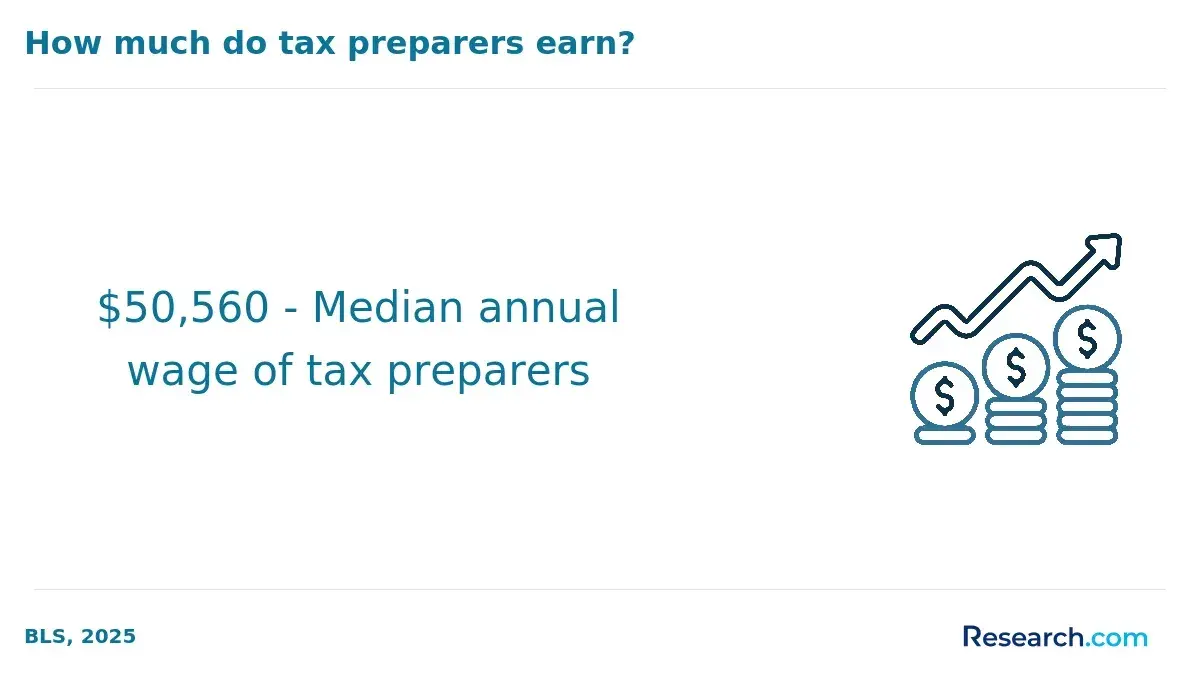
Compensation depends on role, location, experience, credentials, industry, and whether you move into management. The Bureau of Labor Statistics reports a median annual wage of $81,680 for accountants and auditors in May 2024. Tax managers generally sit further up the career ladder and often report higher pay.
| Salary source | U.S. tax manager pay figure listed for 2025 |
| Zippia | $96,100 average |
| Salary.com | $145,927 average |
| ZipRecruiter | $129,367 average |
| Indeed | $126,855 average |
| PayScale | $109,155 average |
| Glassdoor | $120,685–$186,411 typical range |
Even the lower listed tax manager average is above the 2024 national median wage of $49,500. Still, salary is not guaranteed by the degree alone. Graduates usually increase their earning power through relevant experience, CPA eligibility, tax software skills, industry specialization, and advancement into positions such as senior tax analyst, controller, director of tax, or director of finance.
- Fastest Online Taxation Management Degree Programs for 2027
- How long does it take to complete an online taxation management degree program?
- How does an online taxation management degree compare to an on-campus program?
- What is the average cost of an online taxation management degree program?
- What are the financial aid options for students enrolling in an online taxation management degree program?
- What are the prerequisites for enrolling in an online taxation management degree program?
- What courses are typically in an online taxation management degree program?
- What types of specializations are available in online taxation management degree programs?
- What postgraduate credentials can further boost my taxation management career?
- Are interdisciplinary accelerated degrees a smart complement to an online taxation management degree?
- What is the return on investment of an online taxation management degree?
- How do you choose the best among the fastest online taxation management degree programs?
- What career paths are available for graduates of online taxation management degree programs?
- What is the job market like for graduates with an online taxation management degree?
Fastest Online Taxation Management Degree Programs for 2027
Students looking for the fastest path should focus on online accounting programs with taxation coursework, accelerated schedules, strong transfer policies, and recognized accreditation. These programs are not always titled “taxation management,” but many bachelor’s degrees in accounting or business administration include the tax, audit, and financial reporting preparation needed for tax-focused careers.
If you are still comparing broader accounting options, Research.com’s guide to an online accounting degree can help you weigh affordability alongside speed. For the list below, the most important question is not only “Which program is fastest?” but “Which program is fast, credible, affordable, and aligned with my licensing or career goal?”
How do we rank schools?
Our rankings for the fastest online taxation management degree programs are built using a structured methodology that evaluates institutional data, program details, cost information, and student outcome indicators. We use the IPEDS database from the National Center for Education Statistics, information from Peterson's database including distance-learning data, and the College Scorecard database to compare schools more consistently.
Rankings should be used as a starting point, not a final decision. Before enrolling, verify current tuition, transfer-credit decisions, course availability, accreditation status, and whether the program supports CPA or other credential requirements in your state.
Fast program comparison
| School | Program | Listed cost | Listed accelerated timeline | Accreditation noted |
| California Baptist University | Online B.S. in Accounting | $520 per credit | 24 months | WSCUC; ACBSP |
| Herzing University | Online B.S. in Accounting | $515 per credit | 36 months on average | HLC; IACBE |
| Maryville University | Online B.S. in Accounting | $540 per credit | 30 months | HLC; ACBSP |
| University of Holy Cross | Accelerated B.S. in Accounting | $330 per credit | 20 months | SACSCOC |
| Methodist University | Online B.S. or B.A.S. in Accounting | $435 per credit | 3.5 years for the full BS or 2 years for BAS completion | SACSCOC; ACBSP |
| St. Catherine University | Online B.S. in Accounting | $475 per credit | 21 months | HLC; ACBSP |
| University of Massachusetts Global | Online B.B.A. with Accounting Emphasis | $500 per credit | ~3 years with transfer credits | WSCUC; IACBE |
| Purdue University Global | Online B.S. in Accounting | $371 per credit | 2–4 years | HLC; ACBSP |
| Liberty University | Online B.S. in Accounting and Data Analysis | $390 per credit | 30 months | SACSCOC; ACBSP |
1. California Baptist University – Online B.S. in Accounting
California Baptist University (CBU) is a private Christian university in Riverside, California, founded in 1950. Its online programs are designed for students seeking flexible study within a faith-based academic environment.
The Dr. Robert K. Jabs School of Business emphasizes applied business knowledge, ethical decision-making, and interdisciplinary preparation. Students considering CBU should review how its accounting curriculum supports taxation, auditing, business law, and CPA-related plans.
- Program cost: $520 per credit
- Program duration: 24 months (accelerated, with prior general education credits)
- Total credits needed: 120 credits (72-unit major + general education)
- Program Accreditation: WSCUC (regional); ACBSP (business)
2. Herzing University – Online B.S. in Accounting
Herzing University was founded in 1965 and operates as a private nonprofit institution headquartered in Milwaukee, Wisconsin, with campuses in multiple states. Its online programs are built around career-focused scheduling and support for working adults.
The online accounting bachelor’s program combines accounting practice with management-oriented coursework. Students can expect a practical curriculum, rolling admissions, and advising support intended to help them progress through a structured online plan.
- Program cost: $515 per credit
- Program duration: 36 months on average (accelerated 3-year track)
- Total credits needed: 122 credits (including general education)
- Program Accreditation: HLC (regional); IACBE (business)
3. Maryville University – Online B.S. in Accounting
Maryville University is a private university in St. Louis, Missouri, founded in 1872. Its online accounting program is delivered fully remotely and does not require campus visits.
The curriculum covers accounting principles, auditing, taxation, business strategy, and related professional skills. Maryville also offers an Early Access pathway that allows eligible students to begin graduate coursework during the senior year, which may appeal to students planning to continue into advanced accounting study.
- Program cost: $540 per credit
- Program duration: 30 months (can be completed in ~2.5 years with full-time year-round enrollment)
- Total credits needed: 128 credits (typical for a bachelor’s degree)
- Program Accreditation: HLC (regional); ACBSP (business)
4. University of Holy Cross – Accelerated B.S. in Accounting (Degree Completion)
The University of Holy Cross is a Catholic institution in New Orleans, Louisiana, founded in 1916. Its accelerated online B.S. in Accounting is structured as a degree-completion pathway for adults who already bring college credit.
Students with at least 42 prior college credits may enter a small cohort and complete the accounting degree in as few as 20 months. The program uses 8-week synchronous accounting classes and accepts up to 66 transfer credits, making it a notable option for students who value speed and a defined cohort model.
- Program cost: $330 per credit (flat rate)
- Program duration: 20 months (accelerated, assuming transfer of general education credits)
- Total credits needed: 120 credits (42+ transfer credits accepted, 54 credits in major, plus any remaining general education)
- Program Accreditation: SACSCOC (regional)
5. Methodist University – Online B.S. or B.A.S. in Accounting
Methodist University is a private university in Fayetteville, North Carolina, founded in 1956. It offers both an online Bachelor of Science and Bachelor of Applied Science in Accounting.
The BS path serves students beginning a full bachelor’s program, while the BAS is designed for students who already hold an associate degree in business or accounting. Condensed 8-week courses can help associate degree holders complete the bachelor’s in as little as 2 years.
- Program cost: $435 per credit
- Program duration: 3.5 years for the full BS (124 credits) or 2 years for BAS completion (with transfer credits)
- Total credits needed: 124 credits (BS) – up to 93 credits transferable for accelerated completion
- Program Accreditation: SACSCOC (regional); ACBSP (business)
6. St. Catherine University – Online B.S. in Accounting
St. Catherine University, also known as St. Kate’s, is a private Catholic institution in St. Paul, Minnesota, founded in 1905. Although historically centered on women’s education, its College for Adults is coeducational.
The 100% online accounting program is built for adult learners and can be completed in less than two years by students with the right prior coursework. The accelerated, flexible structure may also support students seeking a second bachelor’s degree in accounting.
- Program cost: $475 per credit
- Program duration: 21 months (approximately 5 semesters for the accounting major coursework)
- Total credits needed: 120 credits (44 credits in the accounting major; students complete major requirements if they hold a prior degree)
- Program Accreditation: HLC (regional); ACBSP (business)
7. University of Massachusetts Global – Online B.B.A. with Accounting Emphasis
The University of Massachusetts Global, formerly Brandman University, is a nonprofit institution established in 1958 with a mission that includes adult learners and military-affiliated students. Based in Irvine, California, it offers an online Bachelor of Business Administration with an Accounting emphasis.
The BBA structure gives students a broad business core plus a choice of emphasis areas. The accounting emphasis, transfer-friendly format, and self-paced “MyPath” options may help students with prior credits move through requirements more quickly.
- Program cost: $500 per credit
- Program duration: ~3 years with transfer credits (120 credits total; faster completion is possible with year-round enrollment or competency-based pacing)
- Total credits needed: 120 credits (BBA curriculum including general education and business core)
- Program Accreditation: WSCUC (regional); IACBE (business)
8. Purdue University Global – Online B.S. in Accounting (Accelerated)
Purdue University Global is the online division associated with the Purdue University system and serves many adult learners seeking career-oriented education. Its Bachelor of Science in Accounting includes concentrations in Tax Accountancy, Public Accountancy, Auditing/Forensic, and Managerial Accountancy.
The program is ACBSP-accredited and allows students to transfer up to 75% of required credits. With significant prior credit, a focused student may be able to finish in as little as two years, while students without transfers should expect a longer schedule.
- Program cost: $371 per credit
- Program duration: 2–4 years (accelerated: finish in ~2 years with max credit transfer; 4 years average without transfers)
- Total credits needed: 180 quarter credits (equivalent to 120 semester credits; up to 135 quarter credits transferable)
- Program Accreditation: HLC (regional); ACBSP (business)
9. Liberty University – Online B.S. in Accounting and Data Analysis
Liberty University is a large private Christian university in Lynchburg, Virginia, founded in 1971. Its online B.S. in Accounting, recently updated to include Data Analysis, combines accounting fundamentals with data interpretation skills.
Students take courses in financial accounting, taxation, auditing, accounting information systems, and data-related topics. The program uses accelerated 8-week terms, and Liberty states that a highly motivated full-time online student can complete the 120-credit degree in as little as 2.5 years by taking maximum course loads year-round.
- Program cost: $390 per credit (full-time online rate; textbooks included via their online access initiative)
- Program duration: 30 months (approx. 2.5 years with continuous full-time enrollment – faster if transferring credits)
- Total credits needed: 120 credits (Liberty allows up to 90 transfer credits, which can significantly shorten completion time)
- Program Accreditation: SACSCOC (regional); ACBSP (business)
How long does it take to complete an online taxation management degree program?
Most online bachelor’s programs in accounting or taxation management require 120 credits. The difference is delivery speed. Accelerated programs often use six- or eight-week terms, multiple start dates, and year-round enrollment so students can complete more credits in less calendar time.
Western Governors University, for example, reports that its students finish bachelor’s programs in three years or less because competency-based pacing allows students to move through material they already know. Nationally, just 42% of undergraduates reach the finish line within four years at traditional colleges, according to the 2025 EducationData cost study educationdata.org.
The practical takeaway: speed depends heavily on transfer credits, weekly study time, term structure, and whether you attend full time. Students who can manage heavier workloads may enter the workforce sooner, reduce tuition exposure, and later apply credits or preparation toward graduate options such as a masters in accounting online.
| Student profile | Likely timeline | What affects speed most |
| First-time bachelor’s student | Often closer to 4 years unless taking year-round accelerated loads | Course load, term length, and general education requirements |
| Transfer student with prior college credit | Commonly 20–30 months in accelerated degree-completion formats | Number of accepted transfer credits and major requirements left |
| Associate degree holder | Often about 2 years in a completion pathway | How well associate coursework matches bachelor’s requirements |
| Competency-based learner | Can move faster when prior knowledge is strong | Assessment pace, self-discipline, and school policies |
How does an online taxation management degree compare to an on-campus program?
The biggest difference is flexibility. Online programs often use asynchronous lectures, digital assignments, and multiple start dates, which can help students balance school with work or family responsibilities. Campus programs usually follow a more fixed semester schedule and may offer more in-person networking, student organizations, and local recruiting events.
Cost structures may also differ. Some virtual programs charge by credit, while others use flat-rate tuition or subscription-style pricing that rewards students who complete more coursework per term. Campus students may face additional housing, commuting, parking, and relocation costs.
Employer acceptance has improved substantially when the school is reputable and properly accredited. In the NACE Job Outlook 2024 survey, 87.4 % of employers hired graduates who earned their degree online, and 100 % paid them the same starting salary as peers from brick-and-mortar programs. Drexel University’s comparison guide emphasizes that credibility depends on choosing a regionally accredited school with a recognized academic presence.
| Factor | Online taxation/accounting program | On-campus taxation/accounting program |
| Schedule | Often asynchronous with flexible weekly work | Class meetings usually occur at set times |
| Completion speed | May be faster with short terms and transfer credits | Often follows a standard semester sequence |
| Cost profile | May reduce housing, commuting, and relocation costs | May include campus-based living and transportation costs |
| Networking | Depends on virtual events, alumni access, and career services | Often includes in-person clubs, job fairs, and faculty interaction |
| Employer perception | Strongest when regionally accredited and academically rigorous | Often familiar to local employers and campus recruiters |
What is the average cost of an online taxation management degree program?
Costs vary widely, so students should compare the full cost of attendance instead of relying only on headline tuition. CollegeTuitionCompare lists the 2024-25 average undergraduate tuition for accounting programs at $29,073. EducationData reported in March 2025 that a typical in-state student at a public four-year school spends $27,146 per year in total cost of attendance, while private nonprofit students spend $58,628.
Many online programs charge by the credit hour, often in the $300–$550 range. Online learners may also avoid campus housing and may continue working, which can reduce opportunity cost. However, they should still budget for technology fees, exam proctoring, books or course materials, software access, graduation fees, and any required residencies.
Accelerated completion can improve affordability because finishing in 30 months instead of 48 may reduce the number of terms paid and the time spent delaying full-time career progression. The same cost logic applies in other accelerated fields, including an accelerated online specialist degree in education, where shortening time-to-completion can affect total ROI.
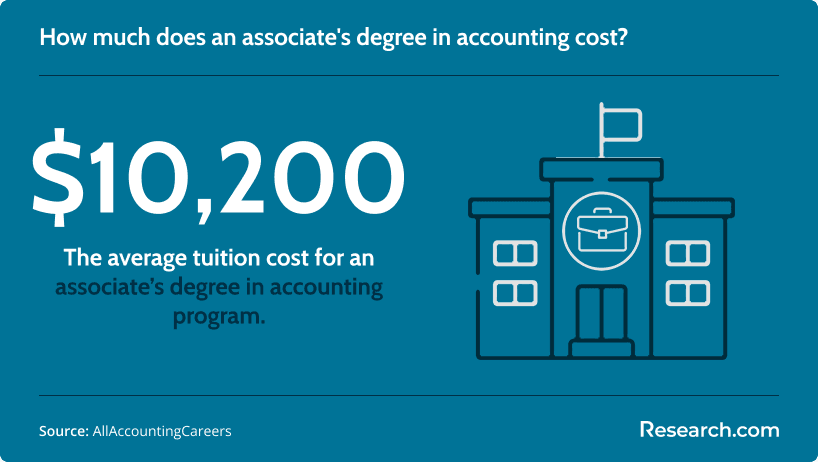
Associate degrees in accounting can also serve as lower-cost starting points, with average tuition of $10,200. Students who are unsure about a full bachelor’s commitment may use an associate pathway for entry-level work or transfer preparation before completing the remaining bachelor’s requirements.
What are the financial aid options for students enrolling in an online taxation management degree program?
Accredited online students are generally eligible for many of the same financial aid options as campus students, provided the school and program meet federal aid rules. The best strategy is to combine gift aid, employer support, and careful borrowing rather than relying only on loans.
- Federal Pell Grant: Need-based aid that does not have to be repaid; up to $7,395 for 2025-26.
- Direct Subsidized/Unsubsidized Loans: Federal student loans that are repaid after enrollment ends or drops below the required threshold.
- Federal Work-Study: Part-time work opportunities that may help offset education costs.
- State Grants & Scholarships: Resident-focused aid programs with rules and award amounts that differ by state.
- Institutional Aid: Scholarships, grants, or tuition discounts offered by the college itself.
- Private Scholarships: Awards from nonprofits, professional associations, CPA societies, employers, and community organizations.
- Employer Tuition Assistance: The IRS allows companies to provide workers up to $5,250 tax-free each year.
- VA Education Benefits: GI Bill® benefits may cover tuition, fees, and housing support for eligible veterans.
Students comparing online degree formats outside accounting—such as the shortest master's degree in homeland security online—should use the same aid checklist: confirm eligibility, calculate total cost, and ask whether accelerated pacing affects aid disbursement.
What are the prerequisites for enrolling in an online taxation management degree program?
Admission requirements for accelerated online taxation and accounting programs are usually similar to those for traditional bachelor’s programs. The main difference is that online programs often use streamlined digital admissions, rolling starts, and faster transcript review.
Common prerequisites include:
- Accredited high-school diploma or GED, submitted before the first term begins.
- Official transcripts from every high school or college previously attended.
- Minimum GPA, often around 2.5–3.0; NCES notes GPA is the strongest predictor of first-year success.
- College-level algebra or equivalent math readiness.
- SAT/ACT scores when required, although over 80 % of U.S. four-year institutions will stay test-optional for Fall 2025.
- Online application, application fee, and sometimes a short personal statement.
- Government-issued ID and, for transfer students, a formal credit evaluation that may include up to 90 credits.
Submit materials at least four weeks before your preferred start date so advisors can evaluate transfer credits, finalize your plan of study, and confirm financial aid. This preparation is especially important in accelerated programs, including fields like an accelerated master's degree in management information systems online, where missing paperwork can delay entry into a cohort.
The career context is also important. Approximately 1.58 million accountants and auditors were employed in the U.S. in 2024, and employment is projected to increase by 5% from 2024 to 2034. Meeting admission requirements is the first step toward entering a field with broad demand across business, government, and professional services.
What courses are typically in an online taxation management degree program?
Most online taxation management programs follow the same academic foundation as an accounting major, with added attention to tax law, compliance, research, and applied accounting technology. Because taxation blends law, finance, ethics, and documentation, students should expect writing, spreadsheet analysis, research assignments, and software-based work.
The AICPA’s CPA-Evolution blueprint highlights the importance of tax knowledge: the Regulation (REG) exam section, which is heavily tax-focused, posted a 62.6 % cumulative pass rate in 2024, the highest of any core section. Students planning for CPA licensure should compare course content with their state board’s education requirements.
As tax work becomes more digital, some students also add technology training. For example, learners who want stronger cloud and automation knowledge may compare options such as the fastest online cloud engineering bootcamps, especially if they plan to work with secure tax platforms, analytics tools, or automated compliance systems.
| Course area | What students usually study | Why it matters in tax work |
| Federal Income Tax I | Individual returns, exclusions, credits, and Form 1040 preparation. | Builds the foundation for individual tax compliance. |
| Corporate Taxation | Entity choice, dividends, mergers, and Subchapter C issues. | Supports corporate tax planning and reporting. |
| Accounting Information Systems | Databases, controls, QuickBooks/Xero labs, and accounting workflows. | Prepares students for technology-driven accounting environments. |
| Intermediate Accounting I & II | GAAP, revenue recognition, long-term liabilities, and reporting standards. | Connects tax work to financial statements and compliance. |
| Auditing & Assurance | Risk assessment, evidence, sampling, and internal control testing. | Helps tax professionals understand documentation and audit readiness. |
| Cost/Managerial Accounting | Budgeting, variance analysis, and break-even models. | Supports business decision-making and internal tax strategy. |
| Business Law for Accountants | Contracts, UCC, agency, and bankruptcy basics. | Gives tax professionals legal context for transactions and entities. |
| Tax Research & Ethics | Internal Revenue Code research, circular 230 standards, and client memos. | Develops defensible tax positions and professional judgment. |
What types of specializations are available in online taxation management degree programs?
Specializations help students connect general accounting study to a more targeted career path. Tax-related concentrations often replace general business electives with focused courses in planning, compliance, analytics, fraud, or CPA preparation. Demand can be strongest where tax knowledge overlaps with strategy, regulation, and data-informed decision-making.
The BLS reports financial-manager pay at a $161,700 median in 2024, and many professionals who reach finance leadership first build expertise in tax planning, reporting, or controllership. Students comparing cross-functional business options may also review fields such as accelerated healthcare MBA online programs, where finance, policy, and organizational strategy intersect.
Students interested in broader business leadership, consulting, or financial product strategy may also consider how a tax foundation could pair with a fast-track MBA in marketing online, although that path is most relevant when the goal extends beyond accounting into client advisory, management, or market-facing roles.
| Specialization | Best fit | Common topics |
| Corporate Tax Planning | Students targeting in-house corporate tax departments | Large-entity compliance, multi-state apportionment, and ASC 740 |
| International Taxation | Students interested in multinational business or global compliance | Transfer pricing, treaties, BEPS rules, and foreign tax credits |
| Forensic Accounting & Fraud | Students drawn to investigations, litigation support, or audit risk | Fraud detection, investigative methods, evidence, and ACFE preparation |
| Estate & Trust Taxation | Students interested in wealth transfer, fiduciary work, or personal advisory | Gift strategies, fiduciary returns, and wealth transfer models |
| Tax Technology & Data Analytics | Students who want analytics, automation, or systems-focused tax roles | Return automation, Power BI dashboards, and AI risk flags |
| Public Accounting/CPA Readiness | Students preparing for public accounting and CPA-aligned coursework | Advanced auditing, REG/TCP capstones, and Becker labs |
Many schools use 12-18 credits of guided electives for these emphasis areas while keeping the total bachelor’s requirement at 120 credits.
What postgraduate credentials can further boost my taxation management career?
A bachelor’s degree can qualify graduates for many entry-level accounting and tax roles, but higher-level tax careers often reward additional credentials. The right credential depends on whether you want to sign audit reports, represent taxpayers, manage corporate accounting teams, or move into advisory and finance leadership.
| Credential or degree | Best for | Why it can matter |
| CPA | Public accounting, audit, tax advisory, and senior accounting roles | Often valued for tax, audit, reporting, and advancement; requirements vary by state. |
| Enrolled Agent | Tax representation and federal tax practice | Signals specialized federal tax knowledge and ability to represent taxpayers before the IRS. |
| CMA | Corporate accounting, management accounting, and finance leadership | Supports budgeting, performance management, and internal decision-making roles. |
| Master’s in Accounting | CPA education requirements and advanced accounting specialization | Can help students reach credit requirements and deepen tax or audit expertise. |
| MBA with finance or accounting focus | Management, consulting, and executive-track roles | Broadens leadership, strategy, and financial management preparation. |
Students interested in management-oriented advancement should compare cost carefully before adding graduate study. Lower-cost options such as cheapest MBA programs may make sense when the credential clearly supports a promotion path, employer tuition support is available, or the program complements a tax-focused career plan.
Are interdisciplinary accelerated degrees a smart complement to an online taxation management degree?
Interdisciplinary study can be useful when it supports a specific professional goal. For example, tax professionals working with real estate, construction, government contracting, technology firms, or healthcare organizations may benefit from understanding project budgets, operations, regulation, and industry-specific financial risks.
However, students should avoid adding unrelated degrees simply because they are fast. A second credential should solve a real problem: improving promotion odds, opening a new industry, meeting employer requirements, or strengthening technical skills. If you are exploring non-accounting accelerated paths, a program such as a 2-year construction management degree may be relevant only if your tax or finance work connects directly to construction operations, development, contracting, or project-based accounting.
What is the return on investment of an online taxation management degree?
The ROI of an online taxation management degree depends on total cost, completion speed, transfer credits, job outcomes, credential plans, and how much income you can preserve while studying. A faster program can improve ROI if it reduces tuition terms, lets you continue working, and moves you into higher-paying accounting or tax roles sooner.
Use a simple calculation before enrolling: compare your total program cost against realistic salary growth in your target role, then factor in debt, interest, lost work hours, and certification costs. Do not assume that an accelerated degree automatically produces a higher salary. The strongest ROI usually comes from an accredited program, low net cost, strong transfer credit, tax-relevant coursework, employer support, and a clear plan for CPA, EA, CMA, or graduate study.
Students considering leadership roles may eventually compare graduate business options, including the best online MBA programs. That step is most worthwhile when the MBA connects to a defined career move, such as tax director, controller, finance manager, consulting manager, or executive-track business role.
How do you choose the best among the fastest online taxation management degree programs?
Speed should never be the only selection factor. The best accelerated program is the one that balances completion time, academic credibility, cost, tax coursework, transfer credit, support, and licensing alignment. If your long-term goal is public accounting, start by reviewing how to become a certified public accountant and then compare each program against your state’s CPA education requirements.
| Question to ask | Why it matters | What to verify |
| Is the school regionally accredited? | Accreditation affects transferability, employer trust, and aid eligibility. | Confirm agencies such as SACSCOC, HLC, or WSCUC. |
| Does the business program hold specialized accreditation? | AACSB, ACBSP, or IACBE recognition can signal business-program review. | Check the school’s current accreditation page. |
| How many credits will transfer? | Transfer decisions can change both cost and timeline. | Request an official evaluation, not an estimate. |
| Does the curriculum support CPA preparation? | CPA rules vary by state and often include specific accounting credits. | Ask an advisor for a course-by-course CPA alignment review. |
| What is the real total cost? | Fees and materials can change affordability. | Add tuition, tech fees, books, software, proctoring, and graduation fees. |
| How are tax skills practiced? | Employers value applied tax software, research, and documentation experience. | Look for labs, VITA work, case projects, internships, or simulations. |
| What support exists for online learners? | Accelerated courses move quickly and require prompt help. | Review tutoring, advising, library access, career services, and faculty availability. |
If you are comparing taxation against other business operations careers, reviewing program structures in fields such as the shortest master's program in supply chain management can help you see how accelerated formats differ by discipline, employer expectations, and career outcome.
Common mistakes to avoid
- Choosing only by speed: A 20-month timeline is not helpful if the program lacks the coursework or accreditation you need.
- Ignoring CPA rules: A bachelor’s degree may not satisfy all state CPA education requirements by itself.
- Comparing tuition but not fees: Technology, materials, proctoring, and graduation charges can change the final cost.
- Assuming all online programs are asynchronous: Some accelerated programs require live sessions or cohort meetings.
- Overloading without a plan: Condensed tax and accounting courses can be demanding, especially during work-heavy seasons.
- Skipping career services: Internships, tax clinics, alumni networks, and employer connections can matter as much as course speed.
What career paths are available for graduates of online taxation management degree programs?
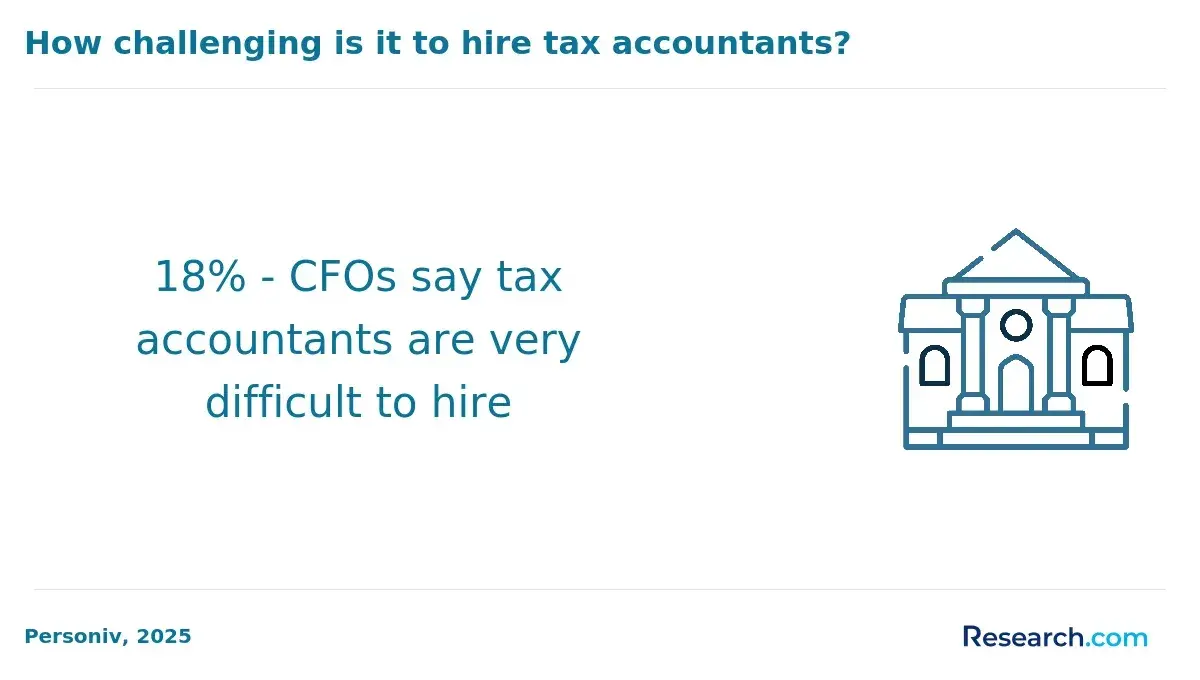
A taxation-focused accounting bachelor’s degree can lead to staff roles, analyst roles, and eventually management positions across public accounting firms, corporate finance departments, government agencies, consulting practices, and nonprofit organizations. Zippia counted 79,204 open tax-manager postings in early 2025 and a 10 % five-year salary jump, suggesting active demand for experienced tax professionals.
Some graduates start in staff accounting or tax preparation before moving into specialized tax analysis. Others use employer support to continue into advanced credentials or MBA accounting programs, especially when targeting controller, tax director, or finance leadership roles.
| Career path | Typical work | Pay figure cited |
| Tax Manager | Leads tax compliance, planning, staff review, and risk management. | Zippia places average pay near $96 K and forecasts 123 K new jobs this decade. |
| Senior Tax Analyst | Prepares complex returns, researches tax law, and supports planning projects. | Median $79,029 in 2025. |
| Corporate Tax Accountant | Handles quarterly and annual tax reporting for companies. | BLS median for accountants is $81,680. |
| Financial Manager with Tax Focus | Shapes tax policy, reporting strategy, budgets, and financial controls. | Median $161,700 in 2024. |
| IRS Revenue Agent | Reviews returns, conducts audits, and applies tax statutes. | Falls under accountant classification, $81,680 median. |
| Controller or Director of Tax | Oversees tax risk, reporting, compliance teams, and broader finance operations. | Average director pay tops $113,000. |
Salary varies by employer, region, experience, credential status, and specialization. The average annual wage for accountants and auditors sits at $90,780, which provides a strong baseline for tax-related career planning.
What is the job market for graduates with an online taxation management degree?
The job market remains favorable for qualified accounting and tax professionals. The Bureau of Labor Statistics projects 5% growth for accountants and auditors from 2024-34, faster than the average for all occupations, with about 124,200 openings each year. Tax specialists support that pipeline because mergers, credits, regulatory updates, multistate operations, and international rules all create compliance and planning needs.
At the management level, the BLS expects financial-manager employment to grow 17%, with about 75,100 openings annually, through 2033. These roles often require tax literacy because finance leaders must understand how tax decisions affect cash flow, reporting, risk, and strategy. Business-and-financial occupations overall should generate 963,500 openings a year and offer a median wage of $80,920 in May 2024, compared with the $49,500 cross-occupation median.
Technology is changing the work, not eliminating the need for judgment. Automation can speed up data entry, reconciliation, and return preparation, but employers still need professionals who can interpret law, review exceptions, evaluate risk, explain decisions, and advise stakeholders. Tax professionals who combine accounting knowledge with analytics, systems, cybersecurity awareness, or networking fundamentals may be better prepared for tech-enabled finance environments. Some learners explore IT-related credentials such as accelerated CCNA certification training online when their goals include compliance technology, systems auditing, or finance operations.
The following chart reinforces the favorable outlook for accountants and auditors and shows why tax expertise remains valuable in a regulatory environment that continues to grow more complex.
What graduates say about online taxation management degree programs
- I finished my 120-credit program in 28 months, which helped me attempt the REG section of the CPA exam earlier than planned. That timing mattered because I was able to apply during tax season and stand out for entry-level tax roles. Selene
- Our group assignments used cloud-based tax software, and I worked with classmates in five different states on multistate return scenarios. It felt close to the type of collaboration my firm handles every quarter. Arjun
- The online format let me stay in my analyst job while completing the degree. Six weeks after graduation, I moved into a tax manager role at $96K, and now I am preparing to pursue the CMA. Mireya
Key Insights
- An accelerated online taxation management degree is best for disciplined students who want a faster, work-compatible route into accounting and tax careers.
- Most programs still require 120 credits, so the real speed advantage comes from transfer credits, six- or eight-week terms, year-round enrollment, and competency-based or degree-completion formats.
- Accreditation is non-negotiable. Verify regional accreditation first, then review business accreditation and CPA alignment if licensure is part of your plan.
- Cost should be measured as total net price, not tuition alone. Include fees, books, tax software, transfer-credit loss, loan interest, and the income you may preserve by studying online.
- The Bureau of Labor Statistics reports $81,680 median pay for accountants and auditors in May 2024, while tax manager salary trackers list higher 2025 averages, including $96,100 from Zippia.
- Job outlook remains solid: the article cites about 130,800 accounting and auditing openings every year through 2033 and also notes BLS projections of about 124,200 openings each year from 2024-34.
- Online and campus degrees can lead to similar opportunities when the school is accredited, rigorous, and well supported; employer perception depends more on quality and credibility than delivery format.
- The strongest candidates combine tax knowledge with accounting systems, analytics, ethics, communication, and practical experience through internships, VITA clinics, simulations, or employer-based projects.
References:
- AICPA & CIMA. CPA Exam Scoring and Pass Rates.
- California Baptist University. Online Bachelor of Science in Accounting.
- CollegeTuitionCompare. Accounting Major Tuition Costs.
- EducationData.org. Average Cost of College.
- Glassdoor. Taxation Manager Salary.
- Herzing University. Bachelor of Science in Accounting.
- Indeed. Tax Manager Salaries.
- Liberty University. Bachelor of Science in Accounting.
- Maryville University. Online Bachelor’s in Accounting.
- Methodist University. Online BS/BAS in Accounting.
- National Center for Education Statistics. IPEDS Trend Generator Table.
- PayScale. Tax Manager Salary.
- Purdue University Global. Online Bachelor’s in Accounting.
- Salary.com. Tax Manager Salary.
- St. Catherine University. College for Adults Accounting Program.
- UMass Global. Bachelor of Business Administration – Accounting Emphasis.
- University of Holy Cross. Online Bachelor of Science in Accounting.
- U.S. Bureau of Labor Statistics. Accountants and Auditors.
- U.S. Bureau of Labor Statistics. Financial Managers.
- Western Governors University. B.S. Accounting.
- ZipRecruiter. Taxation Manager Salary.
- Zippia. Tax Manager Jobs.
- Zippia. Tax Manager Salaries.
Other Things You Should Know About Online Taxation Management Degree Programs
For 2027, programs such as those offered by Southern New Hampshire University, American Public University, and Colorado State University-Global Campus are designed to be completed in an accelerated timeframe, typically within 12 to 18 months. These programs are structured to provide comprehensive knowledge swiftly without compromising on quality.
For a 2027 Fastest Online Taxation Management Degree Program, you should budget approximately 15-20 hours per week for study. Individual commitment can vary based on personal learning pace and course rigor. Consistent scheduling and effective time management are key to keeping up with the accelerated pace of these programs.