2027 Best Online Associate in Paralegal Studies at Accredited U.S. Universities

Co-Founder and Chief Data Scientist
Choosing an online associate degree in paralegal studies is really a question of value: will the program qualify you for entry-level legal work, fit your schedule, and justify the cost? The U. S. Bureau of Labor Statistics reported a $61,010 median annual wage for paralegals and legal assistants in May 2024, making this a practical legal career path that does not require law school. This guide is for students comparing accredited online options, career changers, and working adults who want a structured way to evaluate programs, costs, accreditation, training, and employment outcomes.
Key Things You Should Know
- Accreditation matters more than advertising: prioritize institutionally accredited schools, then check whether the paralegal program has ABA approval if employers in your market prefer it.
- Cost varies widely, but the College Board's 2024 Trends in College Pricing reported average public two-year in-district tuition and fees of $4,050 for 2024-2025, which is a useful benchmark for associate-level affordability.
- Career outcomes are solid but not automatic: BLS data shows a May 2024 median paralegal wage of $61,010 and projected 1% employment growth from 2023 to 2033, so program quality, internships, location, and legal technology skills can strongly affect results.
What is an online associate degree in paralegal studies and how does it work?
An online associate degree in paralegal studies is a two-year undergraduate program that prepares students to support attorneys, courts, corporations, government agencies, and legal departments. Students learn legal research, legal writing, civil litigation, contracts, ethics, document preparation, and office technology while completing general education courses such as English composition, communication, and social science.
Most programs require about 60 credits and are offered as an Associate of Arts, Associate of Science, or Associate of Applied Science. The difference matters: AA and AS degrees often transfer more easily into bachelor's programs, while AAS degrees are usually more career-focused and may include more applied legal courses. If you are still deciding between a law-focused path and a broader flexible major, comparing paralegal programs with options such as the most affordable online interdisciplinary studies programs can help clarify whether you want specialized legal training or a more customizable degree.
Online paralegal programs usually work through a learning management system where students read cases, draft legal documents, submit research assignments, join discussions, and take exams. Some courses are asynchronous, meaning you can complete weekly work on your own schedule, while others may include live sessions, proctored exams, or scheduled meetings with instructors.
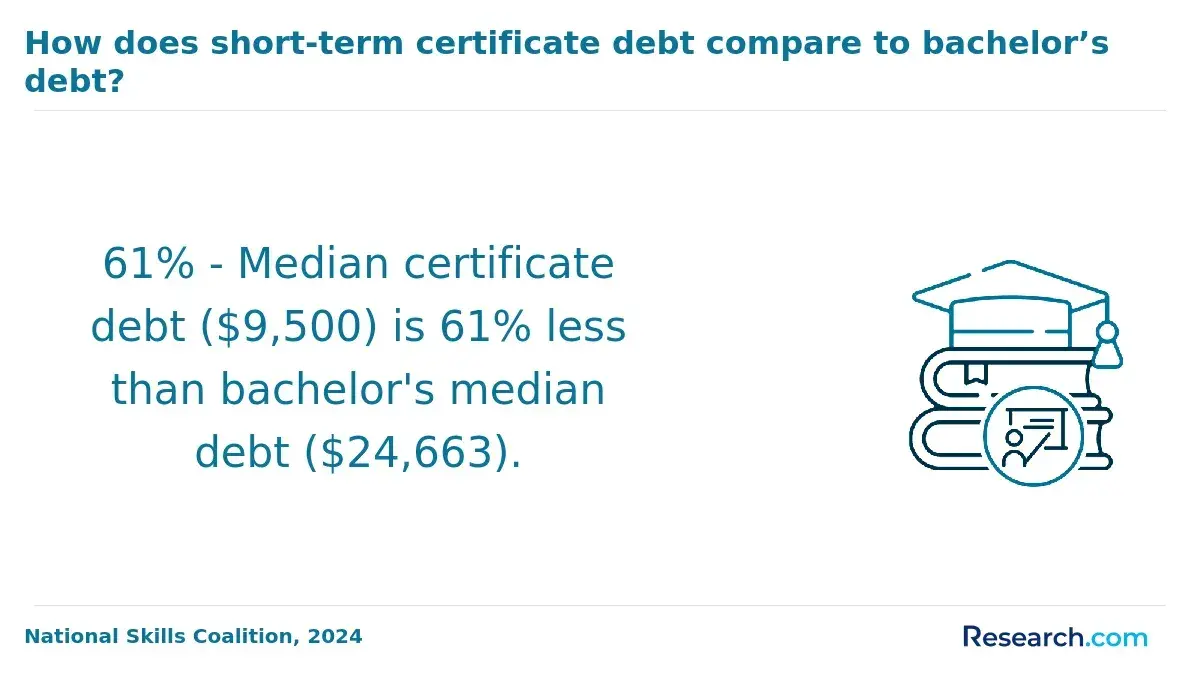
The best fit depends on your goal. Choose an online associate in paralegal studies if you want a structured path into legal support work, plan to transfer into a bachelor's degree later, or need a credential that shows employers you understand legal procedure. Consider a shorter certificate if you already have a degree and only need legal specialty training. Consider a bachelor's degree if you want broader advancement options in compliance, corporate legal operations, public administration, or pre-law preparation.
How do online paralegal associate programs compare to campus-based programs?
Online and campus-based paralegal associate programs can cover the same academic material, but the learning experience is different. The right format depends on your schedule, learning style, local internship access, and how much in-person structure you need.
The comparison below shows the practical trade-offs students should weigh before enrolling. It is especially useful if you are balancing work, family responsibilities, commuting distance, or a need for hands-on support.
| Factor | Online associate program | Campus-based associate program | Best fit |
| Schedule | Often asynchronous or evening-friendly | Fixed class times and campus attendance | Online is better for working adults and caregivers |
| Networking | Requires intentional outreach to instructors, alumni, and local legal employers | More natural face-to-face networking with classmates and faculty | Campus may help students who want built-in local connections |
| Skill practice | Strong for research, writing, e-filing simulations, and legal technology | Strong for live discussion, mock interviews, and in-person workshops | Either can work if the program includes applied assignments |
| Internship access | May require the student to locate an approved site near home | Often tied to local law firms, courts, or agencies | Campus can be easier for students without local legal contacts |
| Cost control | Can reduce commuting, parking, and relocation costs | May include campus fees and transportation expenses | Online may be more affordable when tuition is comparable |
Online learning is not automatically easier. Strong online students are self-directed, comfortable with reading-heavy courses, and willing to ask questions early. Campus programs may be better for students who need real-time accountability or prefer direct interaction with instructors.
A common mistake is assuming every online degree is equally suited to remote study. Paralegal education adapts well to online delivery because legal research, writing, case management, and e-discovery already rely heavily on digital tools. That is different from fields with more physical studio or lab requirements, although even fields such as online architecture programs increasingly use digital platforms where appropriate.
Which U.S. universities offer accredited online associate degrees in paralegal studies?
Several U.S. institutions offer online associate-level programs in paralegal studies, legal studies, or closely related legal support fields. Availability, state authorization, tuition, and ABA approval can change, so students should verify details directly with the school before applying.
The table below is a decision-support shortlist, not a ranking. It highlights examples of institutionally accredited schools that are commonly considered by online paralegal or legal studies students and shows what to check next.
| Institution | Example online associate-level option | Institutional accreditation to verify | Best for students who want |
| Liberty University | Associate of Arts in Paralegal Studies | Southern Association of Colleges and Schools Commission on Colleges | A faith-based private university format with accelerated online courses |
| Purdue Global | Associate-level legal support or legal studies pathway | Higher Learning Commission | A large online university system with career-focused legal support training |
| Rasmussen University | Paralegal associate degree options offered through online or blended formats where available | Higher Learning Commission | Applied legal coursework and career-focused support services |
| Herzing University | Associate-level legal studies or legal assisting pathway | Higher Learning Commission | A career-oriented online format with professional skills emphasis |
| Keiser University | Associate of Arts in Paralegal Studies through online or campus-supported delivery where available | Southern Association of Colleges and Schools Commission on Colleges | A structured private university model with legal support coursework |
| American Public University System | Associate of Science in Legal Studies | Higher Learning Commission | Flexible online study for military-affiliated and working adult students |
| University of Alaska Fairbanks | Associate of Applied Science in Paralegal Studies or legal studies-related pathway, subject to current delivery format | Northwest Commission on Colleges and Universities | A public university option with a practical associate-level focus |
To identify the "best" program for your situation, look beyond brand recognition. A strong online paralegal associate program should have transparent tuition, clear transfer policies, legal specialty courses taught by qualified faculty, research and writing assignments based on real legal tasks, access to legal databases or simulations, and career services that understand legal hiring.
Before you apply, ask admissions or the program chair these questions. They help reveal whether the program is truly aligned with paralegal employment rather than only offering a general legal overview.
- Is the institution currently accredited by an agency recognized by the U.S. Department of Education or the Council for Higher Education Accreditation?
- Is the paralegal program ABA-approved, and if so, does that approval apply to the online delivery format?
- How many legal specialty credits are required, and which courses involve drafting, research, litigation procedure, and ethics?
- Does the program include or help arrange an internship, practicum, capstone, or portfolio?
- What legal research platforms, case management tools, or e-discovery concepts are used in coursework?
- Can credits transfer into a bachelor's degree at the same school or partner institutions?
- What career services are available for online students, including résumé help, mock interviews, and employer connections?
What accreditation should an online paralegal associate program have to be recognized?
For an online paralegal associate degree to be recognized, the school should be institutionally accredited by an agency recognized by the U.S. Department of Education or the Council for Higher Education Accreditation. Institutional accreditation is the baseline because it affects financial aid eligibility, transfer credit, employer recognition, and the credibility of the degree.
Paralegal education also has a second quality signal: approval by the American Bar Association. ABA approval is not the same as institutional accreditation, and it is not legally required for every paralegal job. However, some law firms, government offices, and corporate legal departments prefer or specifically request graduates from ABA-approved programs.
The distinction below helps prevent one of the most common enrollment mistakes: assuming "accredited" and "ABA-approved" mean the same thing. They answer different questions.
| Quality marker | What it means | Why it matters | What to verify |
| Institutional accreditation | The college or university meets broad academic and administrative standards | Supports financial aid, transfer, and employer recognition | Current accreditation status on the accreditor's official directory |
| ABA approval | The paralegal program meets ABA guidelines for paralegal education | May improve recognition with employers that prefer ABA-approved training | Whether approval applies to the specific program and delivery format |
| State authorization | The school is allowed to enroll online students from your state | Protects students in distance education programs | Whether your state is included before enrolling |
| Programmatic transparency | The school clearly publishes curriculum, outcomes, tuition, and policies | Helps you compare value and avoid weak programs | Course list, faculty qualifications, internship options, and transfer rules |
Red flags include vague accreditation language, pressure to enroll immediately, unclear total cost, no legal specialty curriculum, no writing or research assignments, and claims that the degree will automatically lead to a specific job or salary. If a school says it is "licensed," "approved," or "registered," ask whether that is the same as institutional accreditation; often, it is not.
What courses and practical training are included in an online paralegal associate curriculum?
An online paralegal associate curriculum combines legal theory, practical document skills, professional ethics, and technology. The strongest programs do not simply introduce legal topics; they ask students to draft, research, analyze, organize, and communicate the way entry-level legal support staff do in real workplaces.
Most programs include a mix of general education, legal specialty courses, and applied experiences. The list below shows the course areas that matter most when comparing curricula.
- Legal research and writing, including case law, statutes, legal memoranda, citation, and objective analysis.
- Civil litigation and procedure, including pleadings, discovery, motions, deadlines, trial preparation, and court systems.
- Contracts, torts, criminal law, family law, business law, real estate law, probate, or other substantive legal areas depending on the program.
- Legal ethics, including confidentiality, unauthorized practice of law, conflicts of interest, attorney supervision, and professional responsibility.
- Law office technology, including document management, e-filing, calendaring, spreadsheets, presentation tools, and legal research platforms.
- Practical training through an internship, practicum, capstone, simulated case file, or professional portfolio.
Technology is becoming more important in paralegal work. Employers increasingly expect comfort with electronic discovery, digital case files, remote collaboration, court e-filing systems, and careful use of AI-assisted tools. A good program should teach students how to use technology responsibly without relying on it to replace legal judgment, attorney review, or ethical obligations.
When reviewing a curriculum, look for assignments that produce work samples. A résumé says you studied legal writing; a portfolio with a research memo, discovery plan, case chronology, and drafted pleading shows a potential employer what you can actually do.
What are the typical admission requirements for online associate paralegal programs?
Admission requirements for online associate paralegal programs are usually accessible compared with bachelor's or graduate programs. Most schools are designed for first-time college students, working adults, transfer students, and career changers.
Requirements vary by institution, but applicants should commonly expect the following. Reviewing these items early can help you avoid delays after submitting an application.
- High school diploma, GED, or recognized equivalent.
- Online application and identity verification.
- Official high school transcripts and any prior college transcripts.
- Minimum age or state residency documentation if required by the school.
- Placement assessment or course placement review for English and math, unless waived by prior coursework or test scores.
- Technology requirements, such as reliable internet access, updated software, webcam access for proctored exams, and word processing capability.
- English proficiency documentation for applicants whose prior education was not completed in English.
Selective admissions are uncommon at the associate level, but students should not treat open admission as a sign that every program is low effort. Paralegal coursework is reading- and writing-intensive. If you struggle with writing, grammar, or time management, choose a program with tutoring, writing center access, library support, and instructor availability for online students.
Transfer students should request a formal credit evaluation before committing. A school may accept general education credits but require legal specialty courses to be completed through its own program, especially if ABA approval or program-specific standards apply.
How long does it take to complete an online paralegal associate degree and what does it cost?
Most full-time students can complete an online associate degree in paralegal studies in about two years. Accelerated formats may shorten the timeline, while part-time students commonly take longer because they balance coursework with employment, caregiving, or military service.
Cost depends on tuition rate, residency status, transfer credits, books, technology fees, online course fees, legal database access, graduation fees, and whether the program requires an internship that affects work hours. As a national benchmark, the College Board's 2024 Trends in College Pricing reported average published tuition and fees of $4,050 for public two-year in-district students in 2024-2025. That figure does not represent every online university price, but it gives students a useful affordability reference point when comparing associate programs.
Use the following cost categories when estimating your total investment. The tuition number alone can be misleading if fees, books, and transfer limitations are not included.
- $4,050 average published tuition and fees for public two-year in-district students in 2024-2025, according to the College Board.
- $7,395 maximum Federal Pell Grant for the 2024-2025 award year, according to Federal Student Aid, which can substantially reduce out-of-pocket cost for eligible students.
- Program-specific online fees, technology fees, textbooks, legal research access, exam proctoring charges, and graduation fees, which should be confirmed directly with the school.
- Opportunity costs such as reduced work hours during internships, commuting to a practicum site, or time spent completing proctored exams.
Students comparing legal and justice-related programs should also look at adjacent fields. For example, understanding the cost of criminal justice degree options can help you decide whether your goal is legal support, law enforcement, corrections, victim advocacy, or a broader public safety career.
To reduce cost, start by checking transfer credits, employer tuition assistance, military education benefits, state grants, payment plans, and community college partnerships. The best financial choice is not always the cheapest tuition; it is the program that offers recognized accreditation, a strong curriculum, realistic completion support, and a pathway to the job or transfer option you actually want.
What entry-level legal careers can you pursue with an online paralegal associate degree?
An online associate degree in paralegal studies can prepare graduates for entry-level legal support roles, especially when paired with strong writing samples, internship experience, and familiarity with legal software. Paralegals cannot provide legal advice, represent clients in court, or set legal fees, but they can perform substantive legal work under attorney supervision.
The table below summarizes common early-career roles and how they differ. Use it to match your interests with the type of legal environment you may want to pursue.
| Entry-level role | Typical responsibilities | Common employers | Good fit for students who like |
| Paralegal | Legal research, drafting, discovery support, case organization, client communication under attorney supervision | Law firms, corporate legal departments, government agencies | Research, writing, deadlines, and detailed case work |
| Legal assistant | Document preparation, scheduling, correspondence, filing, billing support, client intake | Law offices, public agencies, nonprofit legal organizations | Administrative coordination and legal office operations |
| Litigation support assistant | Organizing evidence, managing discovery documents, preparing trial binders, supporting e-discovery workflows | Litigation firms, vendors, corporate legal teams | Technology, organization, and fast-paced case preparation |
| Legal intake specialist | Screening potential clients, gathering facts, documenting case details, routing inquiries | Plaintiff firms, legal aid offices, high-volume practices | Communication, empathy, and structured fact-gathering |
| Court or records clerk support role | Processing filings, maintaining records, assisting with court procedures, tracking deadlines | Courts, county offices, government agencies | Public service, procedure, and document accuracy |
| Compliance or contract assistant | Tracking policies, organizing contracts, reviewing forms for completeness, supporting audits | Healthcare, finance, insurance, corporate legal departments | Business law, organization, and regulatory environments |
Legal career paths overlap with criminal justice, public administration, and compliance. If you are deciding between courtroom support, law enforcement administration, corrections, or investigative support, comparing criminal justice degree cost information alongside paralegal tuition can help you avoid choosing a program that does not match your intended workplace.
To strengthen your first job search, build a small portfolio, ask instructors for feedback on legal writing, complete an internship if possible, and learn basic legal technology. Many entry-level applicants have a degree; fewer can show polished work samples and a clear understanding of attorney supervision, confidentiality, and deadlines.
What is the salary potential and job outlook for paralegals with an associate degree?
The salary potential for paralegals with an associate degree depends on location, employer type, experience, practice area, technical skills, and whether the role is in a small firm, large firm, corporate legal department, court, or government agency. An associate degree can qualify candidates for many entry-level roles, but it does not determine salary by itself.
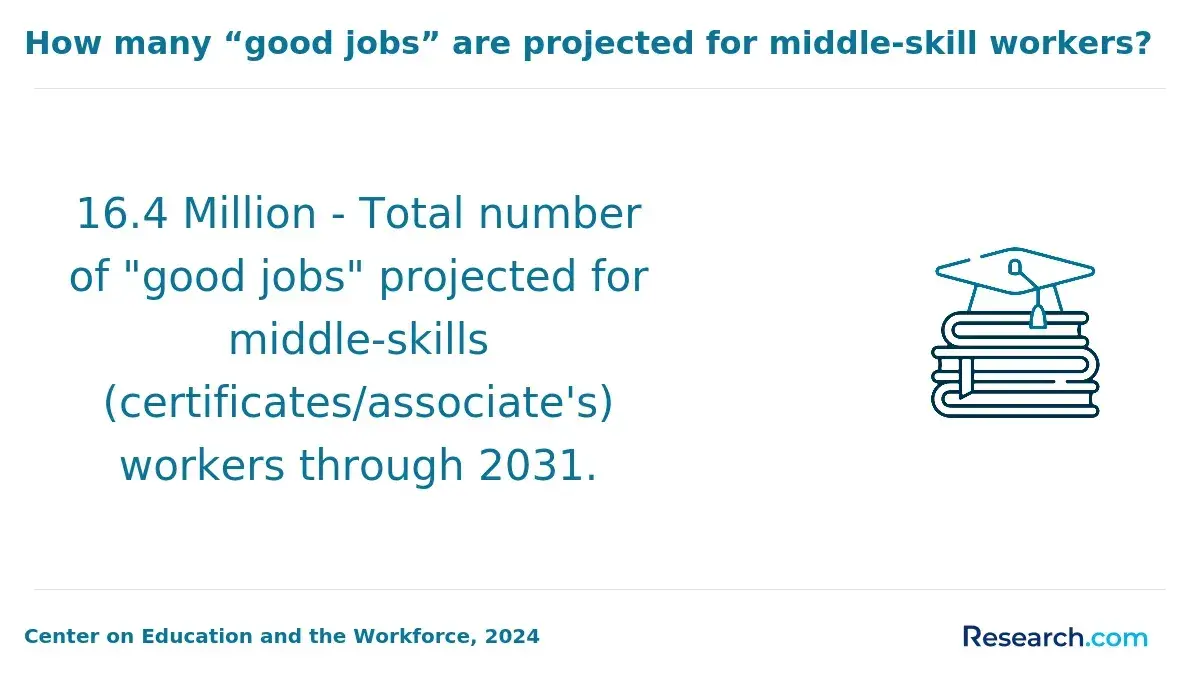
The U.S. Bureau of Labor Statistics reported a May 2024 median annual wage of $61,010 for paralegals and legal assistants. For students, this means paralegal work can offer a middle-skill legal career path without the time and expense of law school, but local wages may be higher or lower depending on the legal market.
Job growth is more modest. The BLS projected 1% employment growth for paralegals and legal assistants from 2023 to 2033, with many openings expected to come from replacement needs rather than rapid expansion. That makes program selection and employability skills important: students should not rely on the degree alone to stand out.
Current hiring trends favor paralegals who can combine legal fundamentals with technology and communication skills. E-discovery, digital case management, remote client communication, AI-assisted document review, and data privacy awareness are becoming more visible in legal support work. Employers still need human judgment, accuracy, ethics, and attorney-supervised analysis, especially because AI tools can produce errors or unsupported conclusions.
To improve your return on investment, compare local job postings before enrolling. Look for the education level requested, whether employers mention ABA-approved education, which software appears repeatedly, and whether internships or experience are preferred. If most postings in your area ask for a bachelor's degree, an associate program with a strong transfer pathway may be the better long-term choice.
Do paralegals need certification or licensing, and how does an associate degree prepare you?
Paralegals generally do not need a state license in the way attorneys do. However, requirements and employer preferences vary, and some states or professional settings may use specific titles, registration systems, or competency expectations. The safest approach is to check the rules and hiring norms in the state where you plan to work.
Certification is different from licensing. A license is government permission to practice a regulated profession; a voluntary certification is usually offered by a professional organization to demonstrate knowledge, experience, or competency. For paralegals, certification can help with credibility, advancement, or specialization, but it is not always required for entry-level employment.
The main certification options vary in eligibility rules, exam structure, and professional recognition. Students should review current requirements directly with each certifying organization before planning around a specific credential.
| Credential type | Purpose | How an associate degree can help | Important limitation |
| Entry-level paralegal certification | Shows foundational legal knowledge and professional readiness | Provides coursework in legal research, writing, ethics, and procedure | Eligibility rules may require specific education, experience, or both |
| Professional paralegal certification | Supports career advancement after gaining experience | Creates an academic base for later exam preparation | Often more valuable after legal work experience |
| Specialty certificates | Focuses on areas such as litigation, contracts, compliance, or e-discovery | Helps students identify a practice area and build relevant coursework | May not replace employer-required experience |
| State-specific registration or title rules | Addresses local professional standards where applicable | May satisfy part of an education requirement if recognized | Rules differ by state and can change |
An associate degree prepares students for certification by building the core knowledge tested in many paralegal exams: legal terminology, research, writing, ethics, civil procedure, and analytical reasoning. It also helps students understand the boundaries of the paralegal role, especially the prohibition against unauthorized practice of law.
A practical path is to complete an accredited associate program, gain supervised legal experience, join a professional paralegal association if useful in your region, and then pursue certification when it aligns with your job goals. Avoid paying for certification prep before confirming that the credential is recognized by employers in your local legal market.
Other Things You Should Know About Paralegal Studies
Often, yes, but transfer depends on the receiving school, accreditation, grades, and whether the courses are considered academic or career-technical. If transfer is important, choose an AA or AS pathway when possible and request written transfer guidance before enrolling.
Some legal support jobs are remote or hybrid, especially in document review, litigation support, contracts, and corporate legal operations. Entry-level candidates may still need in-office training because legal work involves confidential files, local procedures, and attorney supervision.
Graduates of online Associate in Paralegal Studies in 2027 can expect a steadily growing job market. The demand for paralegals is high due to increasing legal service needs across various sectors. Online degrees from accredited institutions provide solid technical and practical knowledge, making graduates competitive in the job market.
Successful paralegal students are detail-oriented, organized, ethical, comfortable with reading and writing, and able to meet deadlines. Strong communication skills also matter because paralegals often interact with attorneys, clients, courts, and outside agencies.
References
- Online Associate Degrees in Paralegal Studies: Compare Schools https://www.degreesforgood.org/online-degrees/paralegal-programs/associate/
- Best Online Paralegal Associate Degrees https://www.onlineu.com/degrees/associate-paralegal
- 7 Paralegal Jobs Not in Law Firms https://www.becomeaparalegal.org/blog/7-paralegal-jobs-not-in-law-firms-where-to-look-what-to-expect/
- Pursue Your Legal Career: Online Paralegal Studies (ASPS) https://www.southuniversity.edu/online/degrees-programs/criminal-justice-and-legal-studies/paralegal-studies-as
- The Difference Between a Paralegal Certification and Degree | Bryan University Online© https://bryanuniversity.edu/faq/the-difference-between-a-paralegal-certification-and-degree/
- How long does it take to become a paralegal? That depends. https://paralegal-bootcamp.com/how-long-does-it-take-to-become-a-paralegal/
- Higher income and job demand signals growth for paralegals https://paralegal.edu/blog/higher-income-and-job-demand-signals-growth-for-paralegals/
- The 25 Best Online Associate in Paralegal Studies Programs https://www.onlinecolleges.net/rankings/best-online-associate-paralegal-studies-degree-programs/
- Paralegal Career Path: Outlook, Salary, Skills | PathWise https://pathwise.io/navigating-the-paralegal-career-path/
- Online Paralegal Certificate Program | Self-Paced Course https://www.uscareerinstitute.edu/online-paralegal-school