
2027 How to Become a Construction Scheduler: Education, Salary, and Job Outlook

Co-Founder and Chief Data Scientist
Construction schedulers turn a build plan into a working timeline. They map activities, sequence crews, track materials, monitor delays, and keep project teams focused on the next critical milestone. When scheduling is done well, owners, contractors, engineers, and subcontractors can make better decisions before small issues become expensive setbacks.
This career is a strong fit for people who like planning, construction, problem-solving, and data-driven coordination. It can also be a practical route into broader construction management, project controls, claims analysis, or project leadership roles.
This guide explains the credentials, skills, career path, salary expectations, internship options, work settings, challenges, and advancement strategies for becoming a construction scheduler. It also helps you decide whether the role matches the way you like to work.
What are the benefits of becoming a construction scheduler?
- The construction scheduler role has a positive job outlook, with 8% growth expected by 2025, reflecting increased demand for efficient project management in construction.
- Average salaries range from $60,000 to $85,000 annually, rewarding technical expertise and experience in scheduling complex construction timelines.
- Choosing this career offers job stability and opportunities to develop valuable skills in planning, critical thinking, and coordination essential for construction success.
What credentials do you need to become a construction scheduler?
Most construction scheduler jobs require a mix of construction knowledge, scheduling software ability, and project coordination experience. A bachelor’s degree is the most common academic foundation, but some candidates enter through an associate degree, field experience, or project controls support roles.
The strongest credential path depends on your starting point. If you are new to construction, formal education can help you learn estimating, contracts, construction methods, and project management fundamentals. If you already work in the field, certifications and software training may help you move into scheduling faster.
- Bachelor's Degree: Many employers prefer or require a bachelor’s degree in construction management, civil engineering, architecture, or a related field. These programs usually cover scheduling methods, estimating, construction documentation, contracts, safety, and project management software. Students who want a faster route may compare options such as a best accelerated bachelor's degree online, provided the program fits their career goals and has appropriate accreditation.
- Associate's Degree or Field Experience: Some entry-level scheduler or project controls assistant roles may accept an associate degree plus strong construction experience. This path is more realistic for candidates who have worked as field engineers, assistant superintendents, estimators, coordinators, or trades professionals and understand how construction work is sequenced on site.
- Project Management Professional (PMP) & Certified Associate in Project Management (CAPM): These credentials can help demonstrate general project management knowledge. CAPM may be more suitable earlier in a career, while PMP is typically more useful after you have substantial project experience.
- Planning and Scheduling Professional (PSP): Offered by AACE International, the PSP is more directly aligned with scheduling and project controls work. It signals knowledge of schedule development, monitoring, analysis, and forecasting.
- Licensing: Construction schedulers generally do not need a state license simply to prepare and manage schedules. However, broader construction management, engineering, architecture, or public infrastructure roles may involve state-specific requirements depending on the work performed and who signs official documents.
- Continuing Education: Scheduling tools, delivery methods, contract requirements, and project controls practices change over time. Ongoing training in Primavera P6, Microsoft Project, BIM-enabled scheduling, earned value concepts, delay analysis, and risk management can keep your skills competitive.
What skills do you need to have as a construction scheduler?
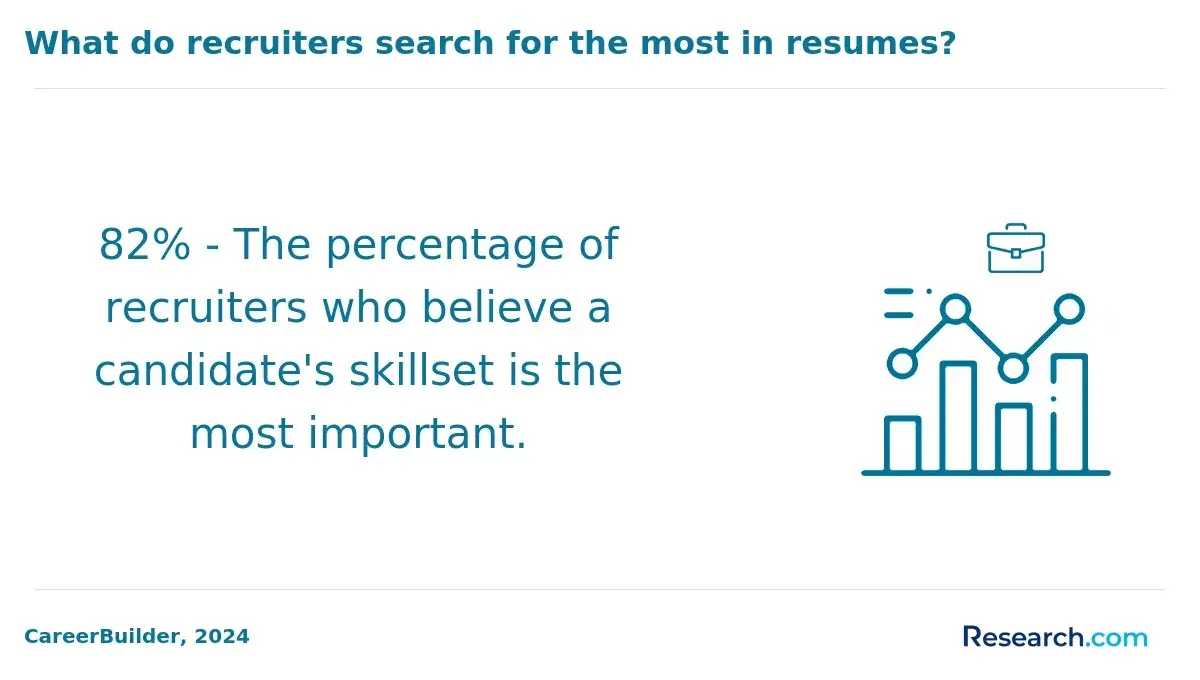
A construction scheduler needs more than the ability to build a bar chart. The job requires understanding how construction work actually happens, translating that work into a logical sequence, and communicating the schedule in a way that field teams and executives can use.
The best schedulers combine technical planning, construction judgment, and calm communication under pressure. These are the core skills to build:
- Scheduling Software Proficiency: Primavera P6 and Microsoft Project are commonly used for schedule development, updates, look-ahead planning, and reporting. Employers may also expect familiarity with dashboards, spreadsheets, document control platforms, or enterprise project controls systems.
- Critical Path Method (CPM): CPM knowledge is essential because it identifies the sequence of activities that directly affects the project finish date. A scheduler must understand logic ties, float, constraints, calendars, milestones, and schedule quality issues.
- Construction Process Knowledge: A useful schedule reflects real field conditions. You need to understand site preparation, procurement, permitting, inspections, trade sequencing, commissioning, and closeout, along with the regulations and contract requirements that affect timing.
- Risk and Variance Analysis: Schedulers compare planned progress with actual progress, identify slippage, and explain what changed. This includes spotting delays early, testing recovery options, and helping the team understand schedule risk before it becomes a claim or budget problem.
- Resource Allocation and Progress Tracking: Labor, equipment, materials, and subcontractor availability all affect the timeline. Strong schedulers know how to connect schedule activities to realistic resource assumptions and field progress updates.
- Building Information Modeling (BIM): BIM experience can support 4D scheduling, clash coordination, visualization, and better communication between design and construction teams.
- Data Analysis and Forecasting: Schedulers work with progress reports, productivity data, procurement logs, weather impacts, and change events. The ability to interpret this information helps you produce reliable forecasts rather than simply updating dates.
- Communication Skills: A schedule is only useful if people understand it. You must explain risks, trade-offs, deadlines, and recovery plans clearly to project managers, superintendents, owners, subcontractors, and executives.
- Problem-Solving: Projects rarely follow the first plan. A strong scheduler can adjust logic, evaluate alternatives, and help the team decide what to resequence, accelerate, or escalate.
What is the typical career progression for a construction scheduler?
Construction scheduling careers usually begin in support roles and move toward greater responsibility for schedule development, project controls, stakeholder reporting, and leadership. Advancement depends on experience, software skill, construction knowledge, and your ability to explain schedule impacts clearly.
| Career stage | Typical roles | What you usually focus on |
| Entry level | Junior Scheduler, Project Engineer focused on scheduling | Learning project planning, schedule updates, document review, progress tracking, and scheduling software while supporting senior staff. Expect to spend around two to three years refining these foundational skills. |
| Mid level | Senior Scheduler, Lead Scheduler | Managing comprehensive project schedules, coordinating with field teams, assessing risk, preparing reports, and communicating schedule impacts to stakeholders. With three to five years of experience, certifications like PMP or Certified Construction Manager (CCM) can help support advancement. |
| Management and specialization | Scheduling Manager, Project Controls Manager, Director-level roles | Overseeing multiple projects, leading scheduling teams, setting project controls standards, advising leadership, and influencing strategic planning. After five to eight years, some professionals specialize in forensic scheduling, claims analysis, construction technology, project management, or risk management. |
Progression is not always linear. Some schedulers move from field operations into project controls, while others start in estimating, engineering, or project coordination. The common thread is credibility: employers look for people who can create schedules that match field reality and defend schedule recommendations with evidence.
Continuous learning and networking matter throughout this career. New delivery methods, software platforms, AI tools, sustainability requirements, and contract standards can change how schedules are built, reviewed, and used.
How much can you earn as a construction scheduler?
Construction scheduler pay varies by experience, region, project size, employer type, and specialization. The salary figures available for 2025 show that this can be a well-paid project controls role, especially for schedulers who can manage complex commercial, industrial, infrastructure, or public-sector schedules.
| Salary measure | Amount |
| Average salary for a construction scheduler in the United States | Approximately $100,500 per year |
| Entry-level salary | Around $55,955 |
| Experienced scheduler salary | Up to $149,000 annually |
| Average salary in New York | Near $113,700 |
| Top earners in New York | Surpassing $128,000 |
Experience is one of the clearest drivers of compensation. Early-career schedulers often focus on updates, reports, and basic logic development. Higher-paid schedulers are typically trusted with baseline schedule creation, delay analysis, recovery planning, executive reporting, and coordination across multiple project teams.
Education and credentials can also influence salary, especially when they lead to senior project controls or management roles. A bachelor’s degree in construction management, civil engineering, architecture, or a related field is often more directly relevant than advanced academic credentials for most scheduler positions. However, professionals aiming for research, teaching, executive consulting, or specialized leadership roles may explore advanced study options, including an easiest phd in a related discipline.
Specialization can improve earning potential as well. Infrastructure, energy, transit, healthcare, data center, and large-scale commercial projects often require more sophisticated scheduling because procurement, phasing, regulatory review, subcontractor coordination, and claims exposure can be more complex.
What internships can you apply for to gain experience as a construction scheduler?
Internships are one of the most practical ways to test whether construction scheduling fits you. They also help you build the field awareness that classroom scheduling exercises cannot fully provide. Look for roles that expose you to project timelines, jobsite coordination, cost tracking, document control, and schedule updates.
Common internship options include:
- Construction Assistant Project Manager Internships: These roles often involve supporting schedule development, meeting preparation, procurement tracking, submittal logs, subcontractor coordination, and progress documentation.
- Project Controls Internships: These internships are especially relevant for future schedulers. They may include milestone tracking, schedule updates, cost and schedule reporting, change event logs, and variance analysis.
- Project Management Co-op/Internships: Co-op and internship programs with project management firms can provide hands-on exposure to scheduling software, construction documentation, owner meetings, and field coordination.
- Government Agencies and Healthcare Providers: Public infrastructure, hospital, and institutional construction projects often involve strict compliance requirements, long project phases, public accountability, and detailed reporting.
- Nonprofits and Schools: Community development and educational facility projects can help interns build coordination, communication, and documentation skills while learning how budget and stakeholder constraints affect schedules.
If you are searching for construction scheduling internships for college students, use job titles beyond “construction scheduler intern.” Search for “project controls intern,” “field engineer intern,” “project engineer intern,” “assistant project manager intern,” “construction management intern,” and “planning intern.” Competitive markets such as New York may offer more openings, but they may also require earlier applications and stronger resumes.
During an internship, focus on learning how to read drawings, specifications, RFIs, submittals, procurement logs, and daily reports. These documents are the raw material behind a reliable schedule. Employers in 2025 value candidates who can connect documentation with real project progress and communicate schedule concerns before they escalate.
Most construction scheduler candidates do not need a doctorate to enter the field. However, if you are considering long-term academic, research, or executive-level goals, reviewing options such as the cheapest doctorate degree online may help you compare the cost and purpose of advanced education before committing.
How can you advance your career as a construction scheduler?
Advancement as a construction scheduler comes from becoming more trusted with complex decisions. Employers promote schedulers who can build defensible schedules, communicate risk clearly, work well with field leaders, and help project teams choose realistic recovery strategies.
- Enhance your technical skills: Deepen your ability in Primavera P6, Microsoft Project, BIM-supported scheduling, dashboards, spreadsheets, and project controls reporting. Do not stop at software commands; learn schedule logic, calendars, constraints, float management, schedule quality checks, and update discipline.
- Obtain professional certifications: Credentials such as Project Management Professional (PMP) or Certified Construction Manager (CCM) can strengthen your profile for leadership roles. Scheduling-focused credentials may be especially valuable if you want to move into senior scheduler, project controls, or claims-related work.
- Build field credibility: Spend time with superintendents, foremen, engineers, and subcontractors. A schedule that ignores field sequencing, access constraints, inspections, weather, or procurement realities will not be trusted.
- Learn contract and claims basics: Senior schedulers often support delay analysis, change orders, time extension requests, and dispute documentation. Understanding contract language and schedule notice requirements can make you more valuable.
- Network extensively: Professional groups such as the Construction Management Association of America (CMAA) and the Project Management Institute (PMI) can provide training, industry contacts, job leads, and exposure to current project controls practices.
- Seek mentoring relationships: A mentor can help you avoid common mistakes, such as overusing constraints, accepting weak progress data, or failing to document delay causes. Experienced schedulers and senior project managers can also explain how scheduling decisions are viewed by owners and executives.
Where can you work as a construction scheduler?
Construction schedulers work anywhere large projects need careful sequencing, progress monitoring, and resource coordination. Jobs are available with contractors, owners, consultants, engineering firms, and public agencies. The best work setting for you depends on whether you prefer field coordination, client advisory work, public infrastructure, or internal corporate project delivery.
- Construction Companies: Major firms like Bechtel, Jacobs, and Turner Construction Company employ schedulers to build and maintain project timelines, coordinate resources, support project managers, and help keep work aligned with contract milestones.
- Civil Engineering Firms: Organizations such as AECOM and CH2M (now part of Jacobs) need schedulers for infrastructure projects that may involve utilities, transportation, environmental constraints, permitting, and public-sector reporting.
- Government Agencies: Entities like the U.S. Army Corps of Engineers and local public works departments coordinate large public projects where milestone tracking, compliance, documentation, and accountability are especially important.
- Consulting Firms: Companies including Deloitte and KPMG may provide construction scheduling, project controls, risk, claims, or advisory services. These roles can involve analyzing schedules rather than managing only one project from inside a contractor’s team.
- Large Corporations: Corporations such as Amazon and Google employ in-house construction schedulers to support real estate, facilities, data center, and development projects.
If you are targeting construction scheduler jobs in New York or other competitive markets, tailor your resume to the employer type. Contractors may value field coordination and software skills; consulting firms may emphasize analysis and reporting; public agencies may prioritize compliance and documentation.
For those still choosing an education path, a quickest highest paying degree may be worth comparing if it builds relevant skills in construction management, project management, estimating, scheduling, or engineering technology. The degree should match the roles you want, not just the promise of speed.
What challenges will you encounter as a construction scheduler?
Construction scheduling can be rewarding, but it is not a low-pressure desk job. Schedulers sit at the center of competing priorities: owners want certainty, project managers need options, field teams face real constraints, and subcontractors may have limited resources. Your work is often reviewed closely when a project falls behind.
- Handling demanding workloads and strict deadlines: Construction projects frequently face delays, with nearly 87% experiencing setbacks. Schedulers must update timelines quickly, test recovery options, and keep information accurate even when weather, site conditions, late materials, or labor shortages disrupt the plan.
- Managing emotional pressures: Schedulers often deliver difficult news. You may need to explain why a milestone is at risk, why acceleration may cost more, or why a delay has changed the critical path. This requires professionalism, patience, and the ability to stay objective during tense conversations.
- Bridging the gap between software skills and scheduling expertise: Knowing Primavera P6 or Microsoft Project is not the same as understanding schedule logic. Many people can enter dates, but fewer can apply critical path analysis, risk management, and schedule quality standards. Only a small fraction of schedules meet quality standards, which makes technical mastery important.
- Adapting to rapid industry evolution and fierce competition: The construction field is changing because of new regulations, sustainability demands, digital delivery, BIM, and emerging AI technologies. Schedulers who keep learning will be better positioned than those who rely only on old templates or manual processes.
What tips do you need to know to excel as a construction scheduler?
To excel as a construction scheduler, focus on becoming both technically precise and easy to work with. A schedule is a decision tool. Your job is to make the project’s timing, risks, dependencies, and trade-offs visible enough for the team to act.
- Build a disciplined update routine: Set clear cutoffs for progress data, confirm updates with field leaders, document assumptions, and avoid changing logic without a reason. Consistency protects schedule credibility.
- Understand the work before scheduling it: Review drawings, specifications, procurement needs, inspection requirements, access limits, and subcontractor sequencing. A technically correct schedule can still fail if it ignores field reality.
- Use software as a tool, not a substitute for judgment: Primavera P6 and Microsoft Project can calculate dates, but you must decide whether the logic, durations, calendars, and constraints make sense.
- Communicate in plain language: Executives may need a high-level milestone summary, while superintendents may need a two-week look-ahead plan. Adapt the message to the audience without hiding the facts.
- Track risks early: Monitor long-lead materials, design approvals, permits, labor availability, weather-sensitive work, and inspection bottlenecks. Early warnings are more useful than late explanations.
- Keep learning: Workshops, certifications such as PMP or CCM, project controls training, and exposure to new technologies can improve both your competence and credibility.
- Develop professional relationships: Mentors, industry groups, project managers, and experienced field staff can help you understand how strong schedules are built, defended, and used in real projects.
How do you know if becoming a construction scheduler is the right career choice for you?
Construction scheduling is a good fit if you enjoy planning complex work, solving time-sensitive problems, and coordinating with many different people. It is less ideal if you want highly predictable days, minimal pressure, or limited interaction with project teams.
Use these questions to evaluate your fit:
- Do you like analytical problem-solving? Schedulers break large projects into smaller activities, identify dependencies, and determine which tasks control the finish date.
- Are you detail-oriented without losing the big picture? You need to manage dates, logic, progress, and documentation while still understanding owner priorities and project goals.
- Can you communicate with different types of people? The role requires conversations with project managers, engineers, contractors, executives, clients, and field crews.
- Are you comfortable with changing conditions? Construction sites change because of weather, design revisions, procurement delays, inspections, labor issues, and unforeseen conditions.
- Do you want a career with growth into project controls or management? Construction scheduling can lead to senior scheduler, project controls manager, claims analyst, project manager, risk manager, or director-level roles.
If you are asking whether Is Construction Scheduling a Good Career applies to you personally, compare the daily work with your strengths. People who enjoy structure, logic, urgency, and collaboration often find the role engaging. People who prefer isolated work or fixed routines may find it stressful.
If education is your next step, comparing the cheapest online schools for working students can help you find a flexible program while balancing cost, accreditation, schedule, and career relevance.
What Professionals Who Work as a Construction Scheduler Say About Their Careers
- Aries : "Pursuing a career as a construction scheduler has provided me with incredible job stability. The consistent demand for projects globally means there's always work available, and the salary potential grows significantly with experience. It's rewarding to see how precise scheduling directly impacts successful project completions."
- Massimo : "The dynamic nature of construction scheduling presents unique challenges that keep the work both engaging and demanding. Navigating unexpected delays and coordinating multiple teams requires sharp problem-solving skills and adaptability. These experiences have honed my decision-making abilities in ways few other roles could."
- Angel : "One of the most fulfilling aspects of being a construction scheduler is the clear path for professional growth. Industry training programs and certifications open doors to higher management roles, allowing me to expand my influence across projects. It's satisfying to evolve continually and contribute to more complex developments over time."
Other Things You Should Know About Becoming a Construction Scheduler
Construction schedulers typically use specialized project management and scheduling software to create and maintain timelines. Popular tools include Primavera P6, Microsoft Project, and Asta Powerproject. Familiarity with these programs is essential as they help in resource allocation, progress tracking, and updating schedules in real time.
Aspiring construction schedulers can research industry reports, job listings, and salary surveys specific to 2026 to gauge potential earnings. Factors such as location, experience, company size, and industry trends will significantly impact salary expectations. Networking with industry professionals and consulting recruiting agencies can also provide valuable insights.
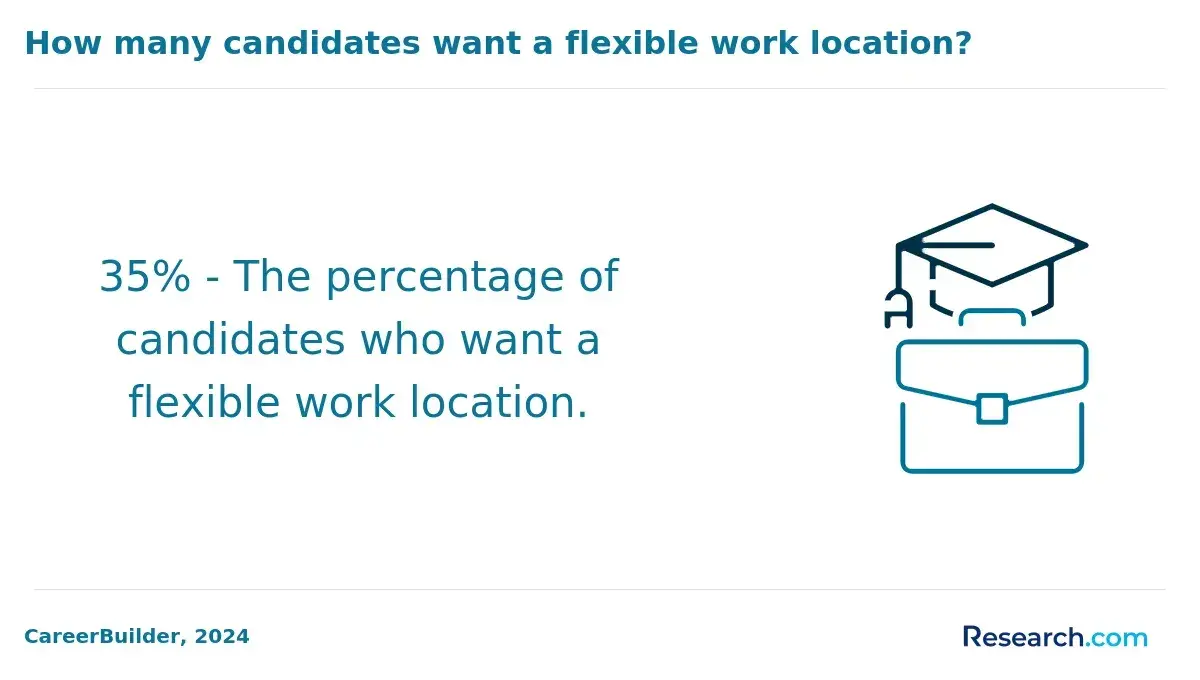
Construction schedulers often split their time between onsite visits and office or remote work. While much of the scheduling is done via computer, periodic site visits are necessary to verify progress and address unforeseen issues. Being flexible with work location can be important in this role.
Construction schedulers should understand design-bid-build, design-build, and construction manager at risk. These delivery methods affect baseline schedules, change orders, and milestone tracking. In 2027, employers often expect schedulers to coordinate with contractors, owners, and subcontractors under the method used on the project.
References
- 4 Corner Resources. (n.d.). The ultimate construction scheduler career guide.
- Construction Users Roundtable (CURT). (2024). New study: Top 5 factors impacting construction project schedules.
- PAT Testing. (2025). 6 career growth paths for construction schedulers.
- Skills U. (n.d.). Become a construction scheduler: Career path guide.
- SmartPM. (n.d.). How to start a career as a construction scheduler.
- University of Arizona Global Campus (UAGC). (n.d.). What is a construction scheduler?





