2027 Regional vs National Accreditation for Online Leadership Bachelor's Degrees

Co-Founder and Chief Data Scientist
As a working professional seeks to pursue an online bachelor's degree in leadership, concerns arise about whether regional or national accreditation will affect future prospects. The individual worries that choosing a nationally accredited program, often seen as more flexible, might limit credit transfer or employer recognition. Conversely, regional accreditation is typically considered more prestigious but less accessible. With nearly 40% of online leadership graduates reporting challenges in transferring credits or gaining employer trust, the accreditation type plays a crucial role. This article explores the differences between regional and national accreditation for online leadership bachelor's degrees, highlighting their impact on academic quality, transferability, and career pathways.
Key Benefits of Regional vs National Accreditation for Online Leadership Bachelor's Degrees
- Regional accreditation is widely recognized by employers and graduate schools, enhancing degree credibility compared to many nationally accredited programs.
- Credits from regionally accredited leadership programs transfer more easily, supporting academic progression and graduate study eligibility.
- National accreditation often suits career-focused students seeking flexible, vocational pathways, while regional accreditation aligns with broader academic and professional goals.
What Is the Difference Between Regional and National Accreditation for an Online Leadership Bachelor's Degree?
Regional and national accreditation represent two distinct forms of institutional recognition for online leadership bachelor's degrees in the United States. Regional accreditation is granted by agencies overseeing colleges within specific geographic regions, focusing on traditional institutions that emphasize academic rigor, comprehensive curricula, and qualified faculty. National accreditation, on the other hand, is typically awarded to schools with specialized missions, such as vocational or technical programs, often with a narrower scope. Both types ensure quality but differ significantly in standards and institutional focus. Notably, over 40% of students now enroll in at least one online course, making it crucial to understand how accreditation affects the value of online degrees and how regional accreditation vs national accreditation for online leadership bachelor's degrees can impact educational outcomes.
In terms of practical implications, regionally accredited schools generally receive broader recognition from employers, graduate programs, and other academic institutions. Credits earned at regionally accredited institutions tend to transfer more easily, facilitating continued education or professional advancement. Conversely, credits from nationally accredited colleges may face limitations in transferability as many regionally accredited schools consider national accreditation less rigorous. This distinction also affects how degrees are valued in the job market or graduate admissions. For prospective students looking for guidance, exploring options like those listed under best online degrees can help clarify how these accreditation types relate to career and educational goals, especially when considering the differences between regional and national accreditation for leadership degrees online.
Which Agencies Provide Regional Accreditation for Online Leadership Bachelor's Degrees?
Regional accreditation in the United States is granted by a select number of established accrediting agencies that evaluate colleges and universities based on rigorous academic quality and institutional standards. About 70% of all degree-granting institutions hold regional accreditation, which helps ensure consistent educational excellence and facilitates credit transfer between schools. Knowing the regional accrediting agency behind an online leadership bachelor's degree program can clarify its academic credibility and acceptance.
The main regional accrediting agencies for online leadership bachelor's degree programs include:
- Middle States Commission on Higher Education (MSCHE): Oversees institutions in New York, New Jersey, Pennsylvania, Delaware, Maryland, Washington D.C., and Puerto Rico, ensuring they maintain high academic standards.
- New England Commission of Higher Education (NECHE): Accredits colleges across the six New England states: Connecticut, Maine, Massachusetts, New Hampshire, Rhode Island, and Vermont.
- Higher Learning Commission (HLC): Covers a broad region including Midwestern and some Southwestern states such as Illinois, Indiana, Iowa, Kansas, Michigan, Minnesota, Missouri, Nebraska, North Dakota, Ohio, Oklahoma, South Dakota, Wisconsin, and West Virginia.
- Southern Association of Colleges and Schools Commission on Colleges (SACSCOC): Responsible for institutions in the southern U.S., including Alabama, Florida, Georgia, Kentucky, Louisiana, Mississippi, North Carolina, South Carolina, Tennessee, Texas, Virginia, and parts of Latin America.
- Western Association of Schools and Colleges (WASC): Accredits colleges in California, Hawaii, and Pacific territories, focusing on sustaining quality education.
Each of these regional accrediting bodies plays a vital role in maintaining academic quality appropriate for many students, including those pursuing regional accreditation agencies for online leadership bachelor's degrees. Accreditation affects transferability of credits and recognition by employers or graduate schools. For students seeking programs with strong market value, combining a leadership bachelor's degree with knowledge of the easiest college majors with high pay can enhance career prospects.
What Are the Main National Accrediting Bodies for Online Leadership Bachelor's Degree Programs?
National accreditation for online leadership bachelor's degrees is usually granted by agencies that oversee career-focused, technical, or specialized schools throughout the United States. These national accreditors differ from regional ones by operating nationwide and emphasizing practical skills and workforce preparation. About 6% of degree-conferring institutions in the U.S. hold national accreditation, highlighting their specialized approach.
The primary national accrediting organizations relevant to online leadership degree programs include:
- Accrediting Commission of Career Schools and Colleges (ACCSC): This body accredits institutions centered on career, technical, and occupational education, including online and hybrid leadership programs designed to meet current job market demands.
- Distance Education Accrediting Commission (DEAC): DEAC focuses on distance learning, accrediting schools that offer online or correspondence-based courses, making it especially relevant for fully online leadership degrees aimed at adult learners balancing work and study.
- Council on Occupational Education (COE): Specializing in career and technical education, COE accredits institutions that provide hands-on, job-oriented programs, often including associate and bachelor's leadership degrees with a vocational emphasis.
Recognized by the U.S. Department of Education and the Council for Higher Education Accreditation (CHEA), these agencies maintain legitimacy in the accreditation landscape. However, their practical focus may lead to differences in academic scope and credit transferability compared to regional accreditors, factors that prospective students should weigh carefully when choosing programs.
How Do Admission Requirements Vary by Accreditation Type for an Online Leadership Bachelor's Degree?
Admission requirements for regionally accredited online leadership bachelor's programs tend to be rigorous and well-defined. Applicants usually must hold a high school diploma or equivalent and provide academic transcripts, standardized test scores such as the SAT or ACT, letters of recommendation, and sometimes personal essays. These programs emphasize academic achievement and often employ a selective admissions process to identify candidates with strong potential for success. They maintain consistent standards to ensure quality and facilitate credit transfer between institutions. Notably, about 85% of first-time undergraduate students choose regionally accredited schools, reflecting their strong reputation and established admission criteria.
Conversely, nationally accredited programs generally offer more flexible and accessible admission policies. These schools often require only a high school diploma or GED, frequently waive standardized test requirements, and may accept applications on a rolling basis. This approach appeals to a diverse range of students, including working adults and those needing a faster enrollment turnaround. National accreditation tends to focus less on traditional academic metrics and more on practical skills or career readiness, resulting in broader eligibility but often less stringent entry barriers.
When asked about her experience, a graduate of an online leadership bachelor's program recalled feeling initially overwhelmed by the extensive application materials required by her chosen regionally accredited school. She described the process as thorough but rewarding, noting, "Submitting transcripts, test scores, and recommendations took several weeks, but it helped me feel confident that I was prepared." Her journey contrasted with friends who attended nationally accredited programs where enrollment was quicker, though she valued the sense of rigor and preparedness gained from her program's selective admissions. Overall, she found that navigating the admission requirements shaped her mindset and commitment to completing the degree successfully.
How Does Online Leadership Bachelor's Degree Tuition Differ by Accreditation Type?
Tuition for online leadership bachelor's degree programs varies based on accreditation type, institutional structure, and program design. Nationally accredited schools often offer more flexible or lower upfront tuition rates, but total costs can increase with additional fees. According to the National Center for Education Statistics, students at regionally accredited public institutions typically pay about 20% less per credit hour than those at for-profit, nationally accredited schools.
- Pricing Models: Regionally accredited programs usually charge tuition by credit hour or annually with most fees included, while nationally accredited institutions often use flat rates or per-credit pricing but add separate fees for technology and materials.
- Cost Ranges: Tuition at regionally accredited schools generally falls between $10,000 and $30,000 yearly, reflecting higher academic standards, whereas nationally accredited programs may start near $5,000 but show greater variability in overall expense.
- Included Fees: Fees tend to be bundled into tuition at regionally accredited universities, providing clearer cost expectations, unlike many nationally accredited schools that itemize fees, potentially raising total charges.
- Value Considerations: Regionally accredited degrees often have broader credit transferability and recognition, impacting long-term academic and career opportunities. Prospective students weighing how online leadership bachelor's degree tuition varies by accreditation should consider these factors carefully.
- Program Variation: Differences in tuition also reflect the diversity of specialization and institutional mission. For a comprehensive evaluation, students may compare tuition alongside program type and transfer policies, as seen in resources like the online administration degree listings.
Can I Get Financial Aid for Both Types of Accredited Online Leadership Bachelor's Degrees?
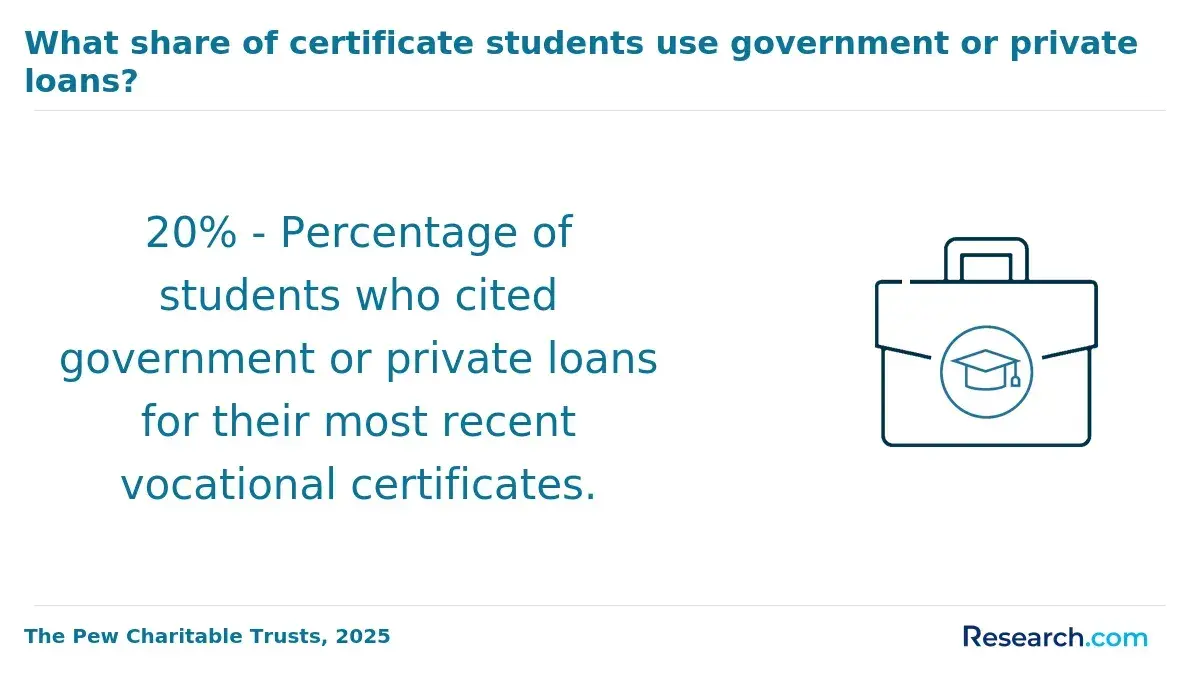
Financial aid options for online leadership bachelor's programs differ depending on whether the institution holds regional or national accreditation and their participation in federal and state aid programs. Nearly 85% of undergraduate students in the U.S. rely on some form of financial aid, emphasizing its critical role in making higher education affordable. Below is a comparison of common financial aid types available to students based on accreditation.
- Federal Pell Grants: These grants are generally accessible to students attending regionally accredited institutions and nationally accredited schools approved for federal Title IV funding. Students at nationally accredited schools without this approval typically cannot receive Pell Grants.
- Federal Student Loans: Loans backed by the federal government are mostly offered to students at regionally accredited schools or nationally accredited programs participating in federal aid programs. Without such participation, students lose access to these low-interest loans.
- Work-Study Programs: Availability is mostly confined to regionally accredited institutions or nationally accredited schools authorized to provide federal aid, limiting options for students at other nationally accredited programs.
- Private Scholarships: These vary widely and are often open to students in both accreditation categories. However, some scholarship providers may prefer or require regional accreditation as a condition for eligibility.
- State Grants: Typically, these programs favor students enrolled at regionally accredited institutions located in the state, often excluding those at nationally accredited schools from receiving state-based financial assistance.
Can I Transfer Credits From a Nationally Accredited to a Regionally Accredited Online Leadership Bachelor's Degree?
Transferring credits from a nationally accredited online leadership bachelor's degree to a regionally accredited program often involves navigating strict institutional policies and ensuring that coursework aligns closely with the receiving program's curriculum. Regional accreditation is generally viewed as more rigorous, so many regionally accredited schools limit the amount and type of credits they will accept from nationally accredited institutions. Transferability largely depends on factors like course equivalency, credit hours, and whether the credits come from institutions recognized by the U.S. Department of Education. A common trend in higher education is that regionally accredited schools tend to accept fewer credits from nationally accredited programs, requiring students to provide detailed documentation and sometimes undergo additional approvals before credits are accepted.
When asked about his experience transferring credits, a student enrolled in an online Leadership bachelor's degree shared, "It was frustrating at first because the process wasn't very clear, and I had to gather official course descriptions and syllabi multiple times." He explained that working closely with academic advisors was essential, but acceptance of some credits still took longer than expected, leaving him uncertain about which courses would count toward his degree. "I learned that being organized and proactive made a difference, but it's important to prepare for some credits not transferring as hoped." This student's experience highlights the complexities involved and the importance of careful planning for those considering a similar transition.
Does Accreditation Type Affect Job Opportunities After an Online Leadership Bachelor's Degree?
Accreditation type can influence how employers perceive online leadership bachelor's degrees, with industry standards and hiring practices shaping the impact. A survey by the National Association of Colleges and Employers found that over 90% of employers prefer candidates whose degrees come from properly accredited institutions, underscoring the importance of accreditation in the job market. Comparing job opportunities from regionally vs nationally accredited leadership degrees reveals different employer attitudes and expectations.
- Employer Recognition: Regional accreditation is often seen as the gold standard for academic rigor, leading many employers-especially in traditional sectors-to favor degrees from regionally accredited institutions. However, nationally accredited programs are sometimes valued for practical skills relevant to specific careers.
- Industry Expectations: Sectors with stringent licensing or certification requirements typically prefer regionally accredited degrees due to their rigorous standards. For emerging fields or industries placing higher value on experience, national accreditation can still provide viable job opportunities.
- Hiring Filters: Some human resource departments use job filters that exclude degrees from nationally accredited schools, limiting opportunities for graduates from these programs. This makes understanding employer preferences crucial for students weighing accreditation options.
- Role-Specific Requirements: Management and leadership roles in established companies often require or prefer degrees from regionally accredited schools, reflecting perceived academic quality. Meanwhile, other organizations might prioritize hands-on experience over accreditation status.
- Career Pathways: Graduates should consider how accreditation influences not only job prospects but also future education or training options. Exploring programs like a one year online MBA entrepreneurship may offer additional career advancement pathways after a leadership degree.
Will Accreditation Affect Eligibility for Advanced Degrees After an Online Leadership Bachelor's Degree?
Accreditation type can significantly influence eligibility for advanced degrees after completing an online leadership bachelor's degree. Graduate schools often prioritize the accreditation status of the undergraduate institution when considering admissions and credit transfer. Over 90% of graduate programs in the U.S. favor regional accreditation due to its rigorous standards and widespread acceptance.
- Admissions Recognition: Many master's and doctoral programs require degrees from regionally accredited schools. Degrees from nationally accredited institutions, often vocational or for-profit schools, may face skepticism, affecting admission chances.
- Institutional Policies: Some graduate schools accept national accreditation if the undergraduate institution maintains articulation agreements or additional certifications, but this is less common and varies significantly.
- Credit Evaluation: Transferability of credits from accredited leadership bachelor programs depends largely on accreditation type. Regionally accredited degrees typically have credits accepted more readily than those from nationally accredited schools, impacting course progression.
- Variability Across Graduate Schools: Policies differ widely; prospective students should verify how their graduate programs view regional and national accreditation to understand credit acceptance and admissions eligibility.
The impact of regional and national accreditation on graduate school acceptance remains a critical factor for leadership bachelor candidates aiming to pursue further education. For those interested in military-affiliated programs, exploring online colleges for military students can offer valuable options with recognized accreditation pathways.
How Do I Choose Between Regional vs National Accreditation for an Online Leadership Bachelor's Degree?
When choosing between regional and national accreditation for an online leadership bachelor's degree, students should weigh several important factors. Regional accreditation is typically more respected and widely accepted by employers and traditional universities, which can be beneficial for credit transfer and graduate school admission. National accreditation often corresponds to vocational or specialized programs, offering greater flexibility but sometimes limiting credit acceptance and broader recognition. Aligning the accreditation type with your academic objectives and whether you prioritize seamless credit transfer or a focus on specific career skills is crucial. Notably, about 40% of students report lacking full awareness of accreditation differences before enrollment, highlighting the need for careful consideration.
To decide which accreditation best suits your goals, start by confirming the institution's accreditation through official sources like the U.S. Department of Education or the Council for Higher Education Accreditation. Examine each school's transfer policies closely, since nationally accredited programs may have stricter rules regarding acceptance of external credits. Reflect on your long-term plans, whether advancing into leadership positions or pursuing graduate studies, as regional accreditation generally holds more weight in these areas. Consulting academic advisors and comparing how each accreditation aligns with your career path will help ensure a well-informed choice tailored to your needs.
What Graduates Say About Regional vs National Accreditation for Online Leadership Bachelor's Degrees
- Landen: "Choosing a regionally accredited online leadership bachelor's program was essential for me because I wanted a degree recognized by employers nationwide. The flexibility of online courses allowed me to balance work and study, although I did find that some networking opportunities were limited compared to on-campus options. Ultimately, the accreditation boosted my confidence when applying for management roles, opening doors I hadn't anticipated."
- Nicholas: "Reflecting on my experience in a nationally accredited online leadership program, I appreciated the program's accessibility and cost-effectiveness, which fit perfectly with my busy schedule. While there were occasional challenges with how certain courses were structured, the curriculum's real-world focus helped me develop practical skills that I use daily in my career. Pursuing this degree has definitely elevated my professional credibility in the eyes of colleagues and clients."
- Maverick: "I opted for a regionally accredited leadership degree online because I valued the rigorous academic standards and the reputation that comes with it. The program's blend of theory and applied leadership principles prepared me well for higher-level positions. Earning this degree enhanced my career prospects and gave me a solid foundation to influence positive change within my organization."
Other Things You Should Know About Leadership Degrees
Many graduate schools prefer or require a bachelor's degree from a regionally accredited institution when admitting students into leadership-related graduate programs. Some master's programs may accept degrees from nationally accredited schools but often with additional conditions or evaluations. It is important to check the specific graduate program's admission policies for accreditation requirements.
Regional accreditation typically involves stricter quality standards and more comprehensive evaluation of the curriculum, which can result in more rigorous academic content for leadership degrees. National accreditation often focuses on career-oriented training and may emphasize practical skills over theoretical foundations. Prospective students should consider how curriculum depth aligns with their academic and career goals.
Professional certification boards in leadership fields often require candidates to have degrees from regionally accredited institutions to qualify for certification exams. National accreditation may not always meet these criteria, limiting eligibility for some certifications. Students interested in professional credentials should verify the accrediting standards recognized by their target certification bodies.
References
- Skills Employers Actually Want: How an Online Leadership Degree Builds What Modern Organizations Need https://www.marian.edu/blog/2026/01/skills-employers-actually-want-how-an-online-leadership-degree-builds-what-modern-organizations-need.php
- The Safest Way to Finance an Online Bachelor’s Degree in 2026 https://www.collegetransitions.com/blog/how-to-finance-an-online-bachelors-degree/
- Online Degree Credibility And Employer Trust - the full circle academy https://thefullcircleacademy.com/online-degree-credibility-and-employer-trust/
- Types of Financial Aid for Online Colleges https://www.umassglobal.edu/blog-news/types-financial-aid-online-colleges
- National vs. Regional Accreditation: Which Should I Trust? | Resilient Educator https://resilienteducator.com/degrees/national-vs-regional-accreditation/
- Distance Learning Cost in 2026: Online Degree Cost, Cost of Online Courses, Online Tuition vs Campus Tuition, and Online Education Cost Comparison https://autogarabalti.md/cost-comparison-is-distance-learning-more-affordable-than-traditional-education/
- Which is Better, Regional or National Accreditation? https://www.dlsii.com/blog/which-is-better-regional-or-national-accreditation/1000/
- Regional Accreditation vs National: Understanding Key Differences and Benefits - The Scholarship System https://thescholarshipsystem.com/blog-for-students-families/regional-accreditation-vs-national-understanding-key-differences-and-benefits/
- Accreditation: National vs Regional Comparison | Online Learning https://uoflonline.com/2015/04/accreditation-national-vs-regional-comparison/
- The Acceptability of Online Degrees Earned as a Credential for Obtaining Employment | Scilit https://www.scilit.com/publications/be093d22316377fdf65e255ee06780fa