2027 Photography Degree Programs With Rolling Admissions

Co-Founder and Chief Data Scientist
How do rolling admissions influence access to photography degree programs amid shifting career timelines? For many working adults balancing jobs and family, traditional admission deadlines create barriers, delaying entry into creative fields that value timely skill acquisition. Recent research by the National Center for Education Statistics finds that flexible enrollment options correlate with a 15% increase in adult college participation, suggesting rolling admissions open pathways for career changers targeting fast-evolving visual industries. Photography programs also demand hands-on practice and internships, so adaptable intake schedules can better align academic pacing with professional portfolio development. This article examines how rolling admissions shape enrollment strategies and supports decision-making based on individual timing and career priorities.
Key Benefits of Photography Degree Programs With Rolling Admissions
- Flexible enrollment timing in photography programs enables students to start portfolios or projects aligned with evolving creative trends, but may complicate coordination of cohort critiques and personalized mentorship scheduling.
- Rolling admissions allow programs to adapt intakes based on industry demand shifts, helping graduates better align skills with employer expectations in dynamic visual media markets.
- Extended application windows reduce financial pressure for candidates balancing freelance or part-time work, though prolonged admissions cycles can delay graduation timelines affecting early career advancement.
How Do Photography Degree Programs With Rolling Admissions Work?
Rolling admissions in photography degree programs fundamentally reshape how students engage with application timelines, aligning enrollment flexibility with the discipline's need for personalized mentorship and specialized resource management. This continuous intake mechanism enables students to enter at varied points in the year, reflecting the fluid demand for studio access and faculty attention that photographic education requires.
- Flexible Enrollment Timing: Rather than adhering to fixed deadlines, applicants can submit materials throughout the year, allowing entry to match openings in studio space or faculty availability. This approach accommodates students who might need to start mid-cycle without waiting for the next traditional semester.
- Resource-Driven Cohort Management: Photography programs rely on small, intensive cohorts due to hands-on critique and equipment use. Rolling admissions help programs admit students in waves that prevent overloading lab spaces or diluting instructor feedback quality, ensuring manageable class sizes.
- Workforce Alignment: The creative industries hiring cycle often deviates from academic calendars, with opportunities arising sporadically based on project needs. Rolling admission structures allow students to better coordinate academic progress with internship and portfolio development tied to these real-world rhythms.
- Community and Curriculum Tradeoffs: Enrolling students at varied times can fragment peer cohorts, complicating group critiques or collaborative projects that rely on synchronized skill development. This tradeoff requires programs and students to actively manage integration and pacing challenges.
Understanding how photography degree rolling admissions process works entails recognizing these operational and pedagogical balancing acts. Programs maintain a continuous application review to serve diverse applicant needs, including working professionals or international students, who benefit from entry flexibility despite the increased administrative demands this places on faculty.
For prospective students, weighing these factors against traditional admission models can clarify how flexible enrollment may better accommodate individual schedules and career timing without ignoring the consequences of reduced cohort uniformity or irregular curriculum pacing. The presence of rolling admissions reflects a distinct evaluative priority: balancing accessibility with resource constraints inherent to photography education.
Students curious about alternative degree pathways in allied fields might also explore short degrees that pay well, which similarly emphasize pragmatic alignment of program structure with workforce realities.
What Are the Admission Requirements for Rolling Admissions Photography Programs?
Rolling admissions for photography programs prioritize ongoing evaluation of an applicant's portfolio and readiness rather than strict deadlines, reflecting a tradeoff between speed and preparedness. Applicants who can promptly submit a polished body of work increase their chances of early acceptance, which is critical in workforce contexts demanding quick skill demonstration and adaptability. Programs assess more than just academic records, placing significant weight on demonstrated creative and technical capabilities within submitted work, a factor often overlooked in traditional admissions timelines.
- GPA Requirement: While programs generally require a high school diploma or equivalent, GPA is less emphasized compared to portfolio quality, serving mainly as a baseline indicator of academic discipline.
- Transcripts: Academic transcripts provide insight into an applicant's time management and ability to balance artistic pursuits with academic demands, informing admissions committees about general readiness for program rigor.
- Application Form: A completed, detailed application is necessary to capture basic personal and educational information, facilitating administrative processing and initial qualification checks.
- Portfolio: The core criterion, portfolios must showcase technical proficiency, creative range, and conceptual clarity, often weighing more heavily than standardized metrics in reflecting potential career success.
- Letters of Recommendation: Some programs require recommendations from art instructors or professionals familiar with the applicant's growth and commitment, supplementing the portfolio with qualitative endorsements.
- Personal Statement: A concise statement of purpose outlining artistic vision and career goals helps admissions committees gauge alignment with program objectives and professional trajectories.
- English Proficiency: For non-native speakers, demonstrable English proficiency remains important to ensure comprehension of coursework and effective communication in creative industries.
When Should You Apply for Rolling Admissions Programs?
Rolling admissions in photography programs function through continuous application reviews rather than fixed deadlines, but timing still critically shapes outcomes. Early applicants benefit from programs filling limited class seats as applications come in, reducing competition and improving access to merit-based aid often granted on a first-come, first-served basis. Beyond simply submitting early, these applicants tend to receive more detailed portfolio evaluations and personalized consideration from admissions committees, which matters in a discipline highly dependent on subjective artistic appraisal. Mid-cycle candidates face stiffer competition with fewer open seats and diminished scholarship opportunities, making the quality and distinctiveness of their submissions increasingly important against a smaller applicant pool.
Late applicants encounter significant challenges, frequently competing only for waitlist positions as most seats and financial aid are exhausted. Due to compressed timelines, they may face logistical difficulties securing housing, financial aid processing, or meeting preparatory requirements, which can disrupt smooth entry and immediate engagement in the program. Strategic timing thus involves balancing preparedness with the operational realities of rolling admissions: submitting once application materials are polished enough to stand out, yet not so late that institutional and financial resources have run out. This tradeoff parallels workforce hiring practices, where early candidates gain priority and thorough assessment, while last-minute applicants contend with limited openings and rushed decisions.
One graduate recounted hesitating to apply early because of incomplete portfolio work but then rushed a mid-cycle submission due to looming deadlines from a rival program applying fixed dates. Although admitted, the applicant felt their late timing limited scholarship awards and led to missing several preparatory workshops that peers attended. This experience highlighted the indirect costs of delayed applications beyond admission itself-affecting financial support, program acclimation, and career networking opportunities, all crucial for launching a competitive photography career.
Are Rolling Admissions Common in Online Programs?
Rolling admissions are notably more prevalent in online photography degree programs than their on-campus counterparts due to the inherent flexibility and scalability of digital formats. Institutions offering photography degree programs with rolling admission online leverage this model to accommodate remote learners balancing diverse personal and professional commitments, allowing for multiple entry points across the year. This approach enables programs to dynamically adjust enrollment based on ongoing demand, mitigating administrative bottlenecks typical of fixed semester systems. However, not all online photography schools adopt rolling admissions; some prefer structured cohorts to maintain synchronized curriculum delivery and enhanced peer interaction, which can be critical for skill development and networking in creative fields.
Operationally, rolling admissions facilitate faster enrollment cycles, appealing to students needing rapid transitions into visual arts careers or skill pivots. That said, increased flexibility may intensify competition, especially in high-demand online cohorts where seats are limited and filled irregularly. Surveys indicate that approximately 40-50% of online creative arts programs, including photography, use rolling admissions-significantly higher than the 20-30% seen on campus, reflecting a learner-centered design ethos. Prospective students should weigh these factors alongside application deadlines and financial aid timing. For comprehensive strategies on flexible enrollment in other fields, consider reviewing research on executive online MBA programs, which illustrate how rolling admissions support professional trajectories across disciplines.
Do Rolling Admissions Schools Have Higher Acceptance Rates?
Rolling admissions policies do not inherently correlate with higher acceptance rates; instead, acceptance is shaped by underlying program factors such as capacity, demand, and enrollment goals. The perception that rolling admissions schools admit more students arises because applicants who apply earlier often have a better chance due to available seats. However, this advantage reflects timing rather than weakened criteria. Programs maintain consistent standards throughout their cycle, and as openings fill, later applicants face stiffer competition for remaining spaces.
In photography degree programs, this dynamic varies widely. Competitive institutions with rolling admissions may still have low acceptance rates, while less selective schools might combine flexible deadlines with more accessible entry. Applicants should understand that rolling admissions is primarily an administrative approach, not an academic or qualitative signal. For returning or nontraditional students balancing work and life demands, rolling admissions can offer valuable flexibility without compromising program rigor, provided they align expectations with the program's selectivity and market realities.
How Much Do Rolling Admissions Photography Programs Cost?
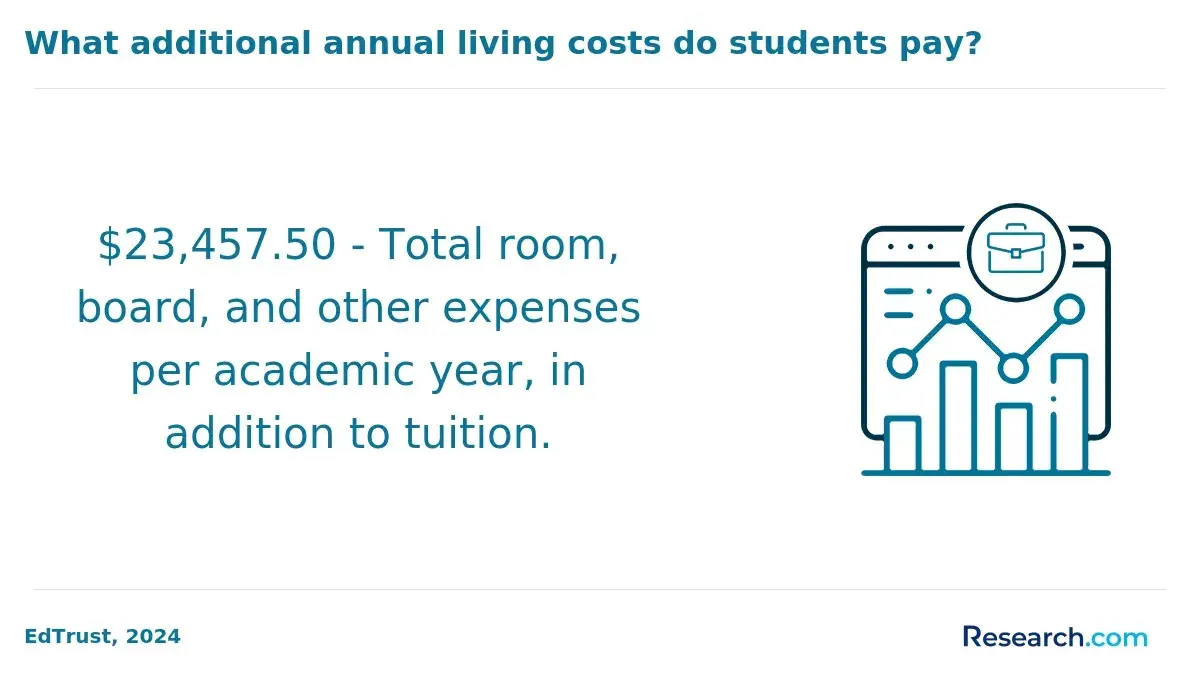
Cost structures in rolling admissions photography programs require careful analysis beyond headline tuition figures. Typically, these programs price either per credit hour-ranging from $300 to $700 per credit-or as a flat rate between $4,000 and $7,000 per term. While rolling admissions do not inherently change tuition, they influence the timing and pacing of financial obligations, allowing students to distribute expenses according to individual schedules. Additional charges often include institutional fees between $100 and $500 per term and expenses for specialized materials, such as camera equipment and software licenses. These elements collectively shape the real-world cost, impacting budgeting decisions and subsequent workforce entry strategies.
Program format also plays a critical role in the total cost experience. For example, accelerated tracks may increase term expenses but reduce time to credential, potentially lowering overall investment despite higher short-term costs. Cohort-based or hybrid models introduce fixed fees or technology charges that trade flexibility for structured progression and resource access. Understanding the average tuition rates for rolling admissions photography programs alongside these variables aids in evaluating cost comparison of rolling admissions versus traditional photography degrees. This nuanced view helps align financial planning with academic pacing and career timelines. Students interested in flexible enrollment options might also consider other educational pathways, such as the best online doctorate in organizational leadership, which reflect related dynamics of affordability and scheduling in advanced education.
Are Career Outcomes Different for Rolling Admissions Students?
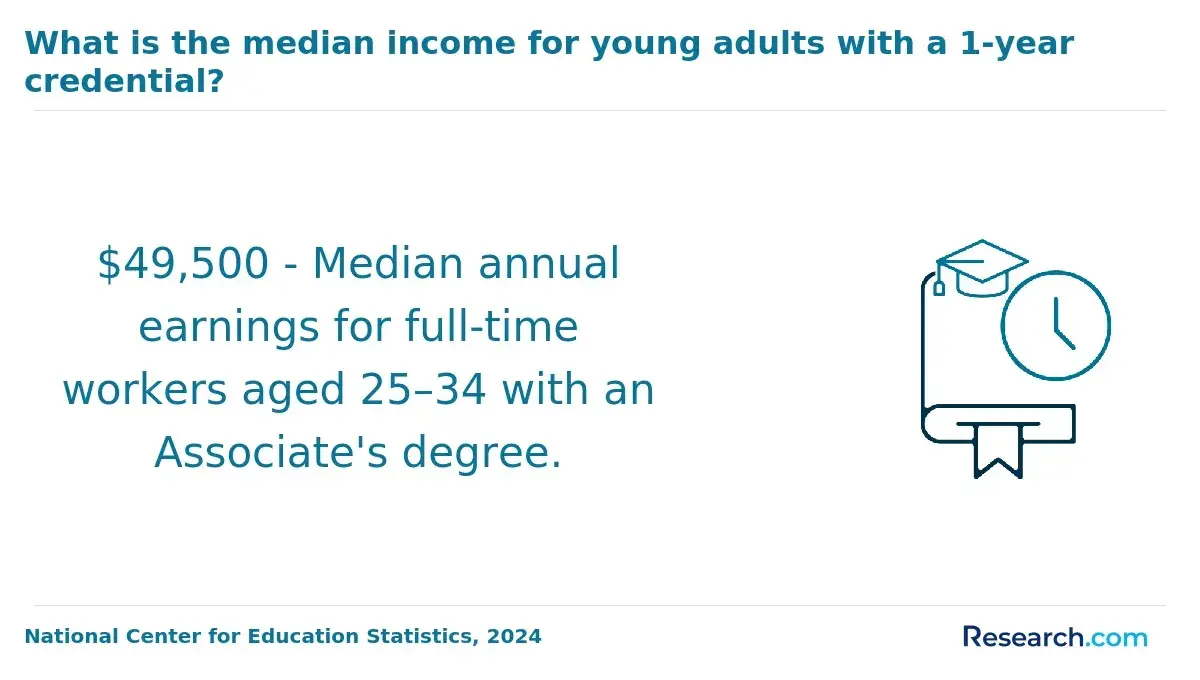
Career outcomes for students admitted through rolling admissions in photography programs are not significantly shaped by the admissions process itself but are instead determined by factors such as program quality, accreditation, and specialization focus. Rolling admissions primarily provide flexibility in application timing and do not inherently alter the educational rigor or industry relevance of a degree. Key drivers of employability include the availability of internships, portfolio-building projects, professional networks, and geographic proximity to vibrant creative markets. While rolling admission allows earlier or later entry, which might influence when a student graduates and enters the job market, this timing advantage is marginal and does not translate directly into superior long-term career success. For instance, according to the 2022 National Center for Education Statistics report, students who maintain continuous enrollment generally complete their programs faster, but this acceleration alone does not guarantee sustained competitive advantages in photography employment.
The impact of rolling admissions therefore depends heavily on individual program characteristics rather than the admission timeline. Some institutions with rolling admissions deliver comprehensive career support comparable to traditional programs, while others may lack such resources, creating variable career outcomes within this admissions category. Additionally, local labor market conditions play a crucial role; metropolitan areas with active creative sectors provide more job opportunities compared to regions with fewer industry connections. Ultimately, prospective students should weigh program curriculum strength, experiential learning opportunities, and professional integration over flexible admissions when assessing potential career return on investment.
After applying through rolling admissions, Maria hesitated to submit her portfolio immediately, uncertain if her work reflected her best abilities. She waited several weeks to refine her assignments, often worrying about lost time compared to fixed-deadline applicants. When she finally applied, her acceptance notification arrived quickly, allowing her to start classes mid-semester. Though she graduated later than some peers who applied earlier, Maria felt that the extra preparation time improved her portfolio quality and confidence during internship interviews. Her experience underscores that rolling admissions can introduce uncertainty about timing but also offer a strategic opportunity to strengthen application materials, impacting career readiness more than mere admission speed.
Can Rolling Admissions Programs Lead to High-Paying Careers?
Rolling admissions in photography programs primarily affect application timing rather than salary outcomes, with little direct impact on career earnings. While rolling admissions can allow students to enroll sooner and potentially graduate earlier, the link between admission flexibility and high-paying jobs is tenuous. High salaries in photography depend more substantially on specialization within the field-such as commercial or fashion photography-the prestige and accreditation of the institution attended, and the candidate's ability to complete internships and build a robust professional network. For example, a graduate focusing on commercial photography with established industry connections may command a six-figure salary, while others in fine art photography may see more modest earnings despite similar admission pathways.
Geographic location and labor market conditions also critically shape earnings, with photographers in major urban centers typically earning more than those in less active regions. Although programs with rolling admissions offer useful enrollment flexibility for those balancing personal or professional obligations, this convenience does not translate directly into better financial outcomes. Salary ranges for photography graduates illustrate this variability-entry-level roles may start around $30,000 while experienced professionals reach six figures. Therefore, prospective students should prioritize program quality, experiential opportunities, and industry engagement over admission format when considering long-term financial prospects from a Photography degree program.
What Are the Disadvantages of Rolling Admissions Programs?
Rolling admissions in photography degree programs often create uncertainties that complicate strategic planning for applicants. Unlike fixed admission cycles, they result in variable cohort sizes and unclear start dates, which can disrupt collaborative learning and networking essential to students' development. These practical drawbacks also influence financial decisions and academic pacing in ways that affect long-term outcomes.
The challenges of rolling admissions for photography students extend beyond scheduling flexibility. For instance, unclear or compressed timelines for financial aid applications often force rushed funding choices, increasing the risk of discontinuous enrollment. Data indicates nearly 40% of students miss out on competitive scholarships due to late or staggered application deadlines, underscoring the financial strain. Decision fatigue plays a notable role too, as longer application windows tend to encourage procrastination, delaying degree progression in programs where sequential coursework matters.
- Unpredictable cohort dynamics hinder peer networking and collaborative learning, limiting exposure to diverse perspectives crucial in creative fields.
- Compressed or unclear financial aid deadlines complicate funding decisions, increasing the risk of dropout or deferral in photography programs.
- Extended application timelines encourage procrastination, delaying degree completion and potentially weakening skill continuity.
- Nontraditional graduation schedules may affect employer perceptions, as many employers prefer candidates aligned with traditional academic calendars, impacting early career opportunities.
Students weighing flexible admissions should assess these tradeoffs relative to their personal circumstances, including how these timing issues might intersect with workforce demands and financial planning. Those seeking options for managing costs might also explore related pathways such as the cheapest online master's in project management, which may offer different enrollment patterns and professional outcomes.
How Do You Choose the Best Photography Program With Rolling Admissions?
Evaluating rolling admissions photography programs demands more than checking application deadlines; it requires assessing how the program's structure and outcomes align with your professional and scheduling needs. Flexible admissions often indicate accommodations for nontraditional students, but the quality of education and career support varies widely. Selecting from the best photography degree programs with flexible admissions means balancing technical skill development, conceptual growth, and practical career pathways.
- Curriculum emphasis: Programs focusing solely on equipment mastery might not prepare you for evolving creative demands, while those blending technical and conceptual training better position you for diverse roles.
- Scheduling and delivery: Rolling admissions correlate with flexibility, but confirm whether class formats-online, in-person, or hybrid-fit your work-life balance and learning preferences.
- Graduation and retention rates: Higher retention rates, particularly among part-time students, signal institutional support; a known trend in programs offering rolling admissions and online options.
- Career services and industry access: Connections to internships and active professional networks are critical in photography, where real-world experience weighs heavily in hiring decisions beyond institutional reputation.
- Alignment with career goals: Since photography spans commercial, artistic, and technical fields, ensure the program's outcomes and alumni success stories resonate with your targeted niche.
While exploring pathways in creative fields, some students may also investigate options such as the online masters in human services for broader career flexibility. Prioritizing programs that match your professional priorities and flexibility needs ultimately shapes employability more than admission timing alone.
What Graduates Say About Photography Degree Programs With Rolling Admissions
- Shane: "Balancing full-time work with my photography degree was tough, so I opted for the rolling admissions program to start immediately when I had the time. This flexibility let me build a portfolio steadily, which ultimately landed me an internship at a boutique creative agency. While the pay started modestly, the hands-on experience and real-world projects gave me a stronger footing than classmates who took traditional routes."
- Emiliano: "I was hesitant at first because funding the program meant tightening my budget, but the rolling admissions allowed me to jump in without waiting a semester. The decision proved crucial when I secured freelance gigs early on by showcasing my class assignments online. However, I quickly realized employers prioritized diverse experience over certificates alone, pushing me to pursue side projects alongside coursework to stay competitive."
- Samuel: "After a career pivot, I needed a program that fit my packed schedule, so the rolling admissions photography degree seemed like a practical choice. It accelerated my entry into the workforce, but I encountered limits on advancement due to the absence of formal licensure in the field. Still, the internship placement helped me negotiate a full-time role, though I continue to build skills independently to move past entry-level positions."
Other Things You Should Know About Photography Degrees
Programs with rolling admissions often have staggered project timelines, which can complicate aligning internships or networking events with academic progress. Since photography employers frequently expect students to complete portfolio-ready projects by certain milestones, out-of-sync enrollment may delay these outcomes and reduce timely access to industry contacts. Students should evaluate how programs facilitate internship placements and professional connections throughout different enrollment periods to avoid lagging behind peers in building their professional network.
Rolling admissions often signal flexible scheduling, which can benefit students juggling employment or personal commitments by allowing them to start when ready without waiting for semester deadlines. However, this flexibility sometimes comes with a tradeoff in institutional support intensity or fewer in-person critiques and workshops, which are vital to honing photography skills. For those prioritizing hands-on learning and frequent instructor feedback, selecting programs that explicitly support active students with rolling starts is advisable to maintain consistent skill development.
Rolling admissions means students might submit portfolios under varied seasonal or academic circumstances, potentially influencing the quality of work presented due to differing preparation times or available resources. This variation can affect admission competitiveness and initial placement within course levels, impacting the educational trajectory and peer grouping. Students should consider whether the program provides clear guidance and support for portfolio development throughout the year to maximize entry advantage and placement accuracy.
References
- How To Choose A Photography Class Or Workshop https://digital-photography-school.com/how-to-choose-a-photography-class-or-workshop/
- Admissions | VanArts - Apply for Art & Design Programs Today https://www.vanarts.com/admissions/
- How to Apply to Moore https://moore.edu/admissions-aid/undergraduate-students/how-to-apply/
- Photography by Degrees: How to select a graduate school for an MFA in photography https://unitednationsofphotography.com/2021/03/20/photography-by-degrees-how-to-select-a-graduate-school-for-an-mfa-in-photography/
- What Can You Do With A Photography Degree? - What Career Live https://www.whatcareerlive.co.uk/what-can-you-do-with-a-photography-degree/
- Photography Program to Go Fully Online at Ridgewater https://ridgewater.edu/news/photography-program-to-go-fully-online-at-ridgewater/
- Important Dates | Undergraduate Admissions https://www.artcenter.edu/admissions/undergraduate-admissions/important-dates.html
- How to Choose a Photography School? Spéos https://speos-photo.com/en/how-to-choose-a-photography-school/
- The Advantages and Disadvantages of Rolling Admissions https://www.petersons.com/blog/the-advantages-and-disadvantages-of-rolling-admissions/
- Enrolling in a Photography Course: What You Need to Know https://www.uniccm.com/blog/enrolling-in-a-photography-course-what-you-need-to-know