2027 What Can You Do With an Electrical Engineering Degree

Co-Founder and Chief Data Scientist
An electrical engineering degree can lead to work in power, electronics, robotics, telecommunications, aerospace, transportation, semiconductors, and renewable energy. The decision matters because the U.S. Bureau of Labor Statistics projects 9% growth for electrical and electronics engineers from 2023 to 2033, faster than average.
This guide is for students, career changers, and working technicians comparing degree options. You will learn which jobs fit the major, what they pay, how programs differ, and how to choose a path that matches your budget, schedule, and career goals.
Key Things You Should Know
- Electrical engineering graduates can work in power systems, embedded systems, electronics design, controls, telecommunications, renewable energy, semiconductors, defense, aerospace, and data-heavy engineering roles.
- The BLS reported a May 2024 median annual wage of $111,910 for electrical engineers, but pay varies by industry, location, clearance requirements, graduate education, and technical specialty.
- ABET accreditation is a major program-quality signal, especially if you may pursue Fundamentals of Engineering, Professional Engineer licensure, government work, or graduate engineering study.
What can you do with an electrical engineering degree in today's job market?
An electrical engineering degree prepares you to design, test, improve, and maintain systems that use electricity, electronics, signals, controls, or electromagnetism. In practical terms, that can mean designing a circuit board, modeling a power grid, writing firmware for a medical device, improving battery systems, testing radar equipment, or helping a factory automate production.
The degree remains useful because many industries are becoming more electrified and software-connected at the same time. Electric vehicles, grid modernization, AI hardware, robotics, 5G infrastructure, advanced manufacturing, and renewable energy all depend on engineers who understand both physical systems and digital tools.
Electrical engineering is also broad enough to support several adjacent paths. If you like machines and thermal systems more than circuits, comparing electrical engineering with mechanical engineering can help; students focused on affordability may also research the cheapest mechanical engineering degree online before committing to one engineering branch.
This table summarizes common directions so you can connect the degree to real work settings. Use it to identify which industries match your interests before comparing schools or specializations.
| Career direction | Typical work | Best fit for students who like |
| Power and energy | Power distribution, renewable integration, substations, protection systems, grid reliability. | Infrastructure, sustainability, large-scale systems, public utilities. |
| Electronics and hardware | Circuit design, PCB layout, signal testing, product validation, sensors. | Hands-on labs, devices, prototyping, precision testing. |
| Controls and automation | Industrial controls, robotics, feedback systems, manufacturing automation. | Math modeling, factories, robotics, process improvement. |
| Telecommunications and signal processing | Wireless systems, antennas, communications networks, radar, image or audio processing. | Signals, networks, defense technology, communications. |
| Embedded systems | Firmware, microcontrollers, hardware-software integration, connected devices. | Coding, electronics, IoT devices, real-time systems. |
| Semiconductors and microelectronics | Chip design, testing, fabrication support, device physics, process engineering. | Materials, cleanroom environments, advanced electronics. |
The smartest path depends on the kind of problems you want to solve. Students who enjoy both math and physical systems usually find the major more satisfying than students who only want a general business or technology credential.
What entry-level and advanced careers are available to electrical engineering graduates?
Electrical engineering graduates can start in technical design, testing, field, manufacturing, quality, or systems roles. With experience, graduate study, licensure, or management training, they can move into senior design, systems architecture, technical leadership, product management, consulting, or engineering management.
Entry-level jobs usually involve applying established engineering methods under supervision. Advanced roles involve defining requirements, making design decisions, signing off on technical work, managing risk, or leading teams.
The table below compares career levels and responsibilities. It can help you see how an early job may lead to more specialized or higher-responsibility work over time.
| Career stage | Possible roles | Typical responsibilities | Common advancement factor |
| Entry-level | Electrical design engineer, test engineer, field engineer, controls engineer, validation engineer. | Run tests, prepare drawings, troubleshoot components, document results, support senior engineers. | Internships, lab projects, CAD or simulation skills, FE exam progress. |
| Early career | Power systems engineer, embedded systems engineer, hardware engineer, automation engineer. | Own smaller design tasks, analyze failures, coordinate with manufacturing, improve product performance. | Specialized tools, industry knowledge, project delivery record. |
| Mid-career | Senior electrical engineer, systems engineer, project engineer, applications engineer. | Lead design reviews, manage technical requirements, mentor junior staff, communicate with clients. | Technical depth, communication, PE license where relevant. |
| Advanced | Principal engineer, engineering manager, technical consultant, product architect. | Set design strategy, approve major decisions, manage budgets, lead cross-functional teams. | Leadership, licensure or graduate education, business judgment. |
Several job titles are especially common for graduates who want to enter the field quickly. These roles are not identical, so read job descriptions carefully instead of applying based only on title.
- Electrical design engineer: Designs electrical systems, prepares schematics, uses modeling tools, and supports testing or installation.
- Test or validation engineer: Confirms whether components, devices, or systems meet performance and safety requirements.
- Controls engineer: Designs automation and feedback systems used in manufacturing, robotics, utilities, and process industries.
- Field engineer: Works on-site to install, troubleshoot, inspect, or commission electrical systems and equipment.
- Embedded systems engineer: Combines electronics and programming to control devices such as sensors, vehicles, medical tools, or industrial equipment.
One common mistake is treating the first job as a final career identity. A graduate who starts in testing can later move into design, systems engineering, compliance, or product development if they keep building tool skills and domain knowledge.
How much do electrical engineers earn and what affects salary potential?
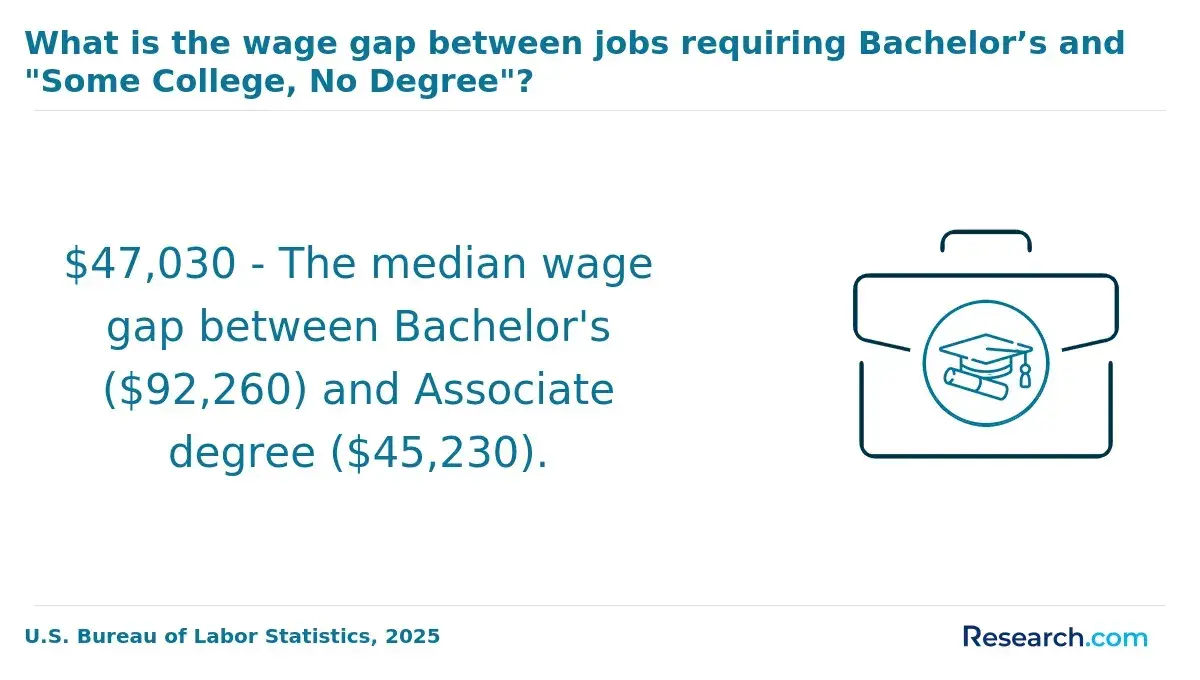
The BLS Occupational Employment and Wage Statistics program reported a May 2024 median annual wage of $111,910 for electrical engineers in the U.S. This figure is a useful national benchmark, not a promise; actual compensation depends heavily on industry, location, clearance requirements, employer size, overtime practices, and the complexity of the work.
Salary potential often rises when an engineer develops a scarce combination of skills. For example, power engineers who understand grid protection, embedded engineers who can write firmware and read schematics, or semiconductor engineers with process knowledge may compete for more specialized roles.
The table below shows major factors that commonly influence salary. Use it as a checklist for evaluating which career choices may increase your long-term earning potential.
| Factor | How it can affect pay | Decision takeaway |
| Industry | Defense, semiconductors, utilities, aerospace, and technology firms may pay differently for similar engineering skills. | Compare industries, not just job titles. |
| Location | Regions with high concentrations of technology, energy, or defense employers may offer higher pay but also higher living costs. | Evaluate salary against rent, commuting, and taxes. |
| Specialization | Power systems, RF, embedded systems, controls, and semiconductor skills can command different market value. | Choose electives and projects that match hiring demand. |
| Education level | A master's degree may help in research-heavy, semiconductor, signal processing, AI hardware, or advanced systems roles. | Pursue graduate school when it supports a specific technical goal. |
| Licensure | A PE license can matter in consulting, utilities, public infrastructure, and roles involving responsible charge. | Check whether your target industry values licensure before investing time. |
Be cautious with salary averages from small surveys, social media posts, or school marketing pages. The better approach is to compare national labor data with local job postings and alumni outcomes from the specific programs you are considering.
What is the job outlook and industry demand for electrical engineers in the U.S.?
Electrical engineering demand is tied to long-term infrastructure and technology trends rather than a single employer type. The BLS projects 9% employment growth for electrical and electronics engineers from 2023 to 2033, which signals stronger-than-average demand across areas such as engineering services, manufacturing, research and development, and technology-enabled infrastructure.
The outlook is helped by several U.S. trends: power-grid upgrades, renewable generation, electric vehicle infrastructure, semiconductor investment, factory automation, communications networks, and defense modernization. At the same time, hiring can be cyclical in sectors such as consumer electronics or semiconductors, so students should build transferable engineering fundamentals instead of training for only one product category.
The table below connects industry demand to practical preparation choices. It can help you choose projects, internships, and electives that align with the labor market.
| Demand area | Why employers need electrical engineers | Preparation that helps |
| Energy and utilities | Grid reliability, renewables, substations, protection systems, electrification. | Power systems, protection, high-voltage safety, energy modeling. |
| Advanced manufacturing | Automation, robotics, motor controls, sensors, industrial networks. | Controls, PLCs, robotics, instrumentation, troubleshooting. |
| Semiconductors | Chip design, fabrication, testing, packaging, process optimization. | Microelectronics, device physics, cleanroom exposure, statistics. |
| Defense and aerospace | Radar, communications, navigation, avionics, power electronics. | Signals, RF, embedded systems, reliability, security awareness. |
| Medical and consumer devices | Sensors, safety testing, embedded controls, product validation. | Circuit design, firmware, testing, documentation, compliance mindset. |
AI and automation are changing the work, but they are not eliminating the need for engineers who understand physical constraints. Tools can assist with simulation, code generation, documentation, and design exploration; engineers still need to verify safety, reliability, manufacturability, and regulatory compliance.
What types of electrical engineering degrees and specializations can you pursue?
Electrical engineering degrees are offered at the associate, bachelor's, master's, and doctoral levels. For most engineering roles, the bachelor's degree is the standard entry point, while graduate study is most useful for advanced technical work, research, university teaching, or specialized industries.
If you are comparing engineering with software-focused routes, review how much hardware, calculus, physics, and lab work you want in your education. Students who prefer programming-intensive careers may compare an electrical engineering major with an online CS degree before choosing a program.
The table below compares degree levels. It can help you avoid overpaying for a credential that is either too limited or more advanced than your target job requires.
| Degree level | Typical length | Best for | Limitations |
| Associate degree or electrical engineering technology degree | About 2 years | Technician, maintenance, testing, drafting, field support, transfer preparation. | May not qualify for full engineer roles that require an ABET-accredited bachelor's degree. |
| Bachelor's in electrical engineering | About 4 years full time | Entry-level engineering roles, FE exam eligibility in many cases, broad technical foundation. | Heavy math and lab workload; not the fastest path for purely software careers. |
| Master's in electrical engineering | About 1 to 2 years full time | Advanced design, signal processing, RF, power electronics, controls, semiconductors, research roles. | Best ROI when tied to a specific specialization or employer need. |
| PhD in electrical engineering | Often 4 to 6 years after a bachelor's, depending on program and research | Research labs, university faculty roles, advanced R&D, highly specialized technical leadership. | Long time commitment; not necessary for most industry engineering jobs. |
Common specializations include power systems, electronics, controls, communications, signal processing, embedded systems, electromagnetics, robotics, photonics, microelectronics, and renewable energy. Pick a specialization after reviewing local and national job postings, not just course descriptions.

How do online electrical engineering programs compare to on-campus programs?
Online electrical engineering programs can work well for disciplined students, working adults, military learners, and transfer students who need flexibility. However, electrical engineering is more lab-intensive than many online majors, so the quality of remote labs, in-person intensives, simulation tools, and hardware kits matters more than the convenience of the format.
On-campus programs usually provide easier access to physical labs, faculty research, design teams, makerspaces, and internship networks. Online programs may offer stronger scheduling flexibility, but students should confirm whether the format supports ABET accreditation, proctored exams, lab completion, and employer expectations.
The table below compares online and on-campus formats. Use it to decide which learning environment fits your constraints and how much hands-on access you need.
| Format | Strengths | Trade-offs | Best fit |
| Online | Flexible schedule, fewer relocation costs, often suitable for working students. | Labs may require kits, simulations, local proctors, or short residencies. | Self-directed learners with strong time management. |
| On-campus | Direct lab access, easier faculty interaction, student design teams, campus recruiting. | Less schedule flexibility and possible housing or commuting costs. | Traditional full-time students and hands-on learners. |
| Hybrid | Combines online lectures with in-person labs or intensives. | Requires travel planning and schedule coordination. | Students who need flexibility but still want structured lab access. |
Before enrolling online, ask the school to explain exactly how each lab course works. A vague answer about "virtual labs" is not enough for a major where employers expect measurement, troubleshooting, and design validation experience.
What courses and skills are typically taught in an electrical engineering program?
Electrical engineering programs combine mathematics, physics, engineering design, computing, and lab-based problem solving. The courses can be demanding because students must learn abstract theory and then apply it to real circuits, signals, machines, and systems.
As engineering work becomes more data-driven, students may also benefit from statistics, machine learning, and data analysis. Those who want to move toward analytics-heavy roles after an engineering foundation can compare graduate engineering options with an MS data science online program, especially if they are targeting AI, optimization, smart-grid analytics, or technical product roles.
The table below shows common course areas and the skills they develop. Use it to judge whether a program offers both theory and applied preparation.
| Course area | What students learn | Career relevance |
| Calculus, differential equations, and linear algebra | Mathematical modeling, systems behavior, optimization basics. | Signals, controls, electromagnetics, power systems, machine learning foundations. |
| Circuit analysis and electronics | Voltage, current, analog and digital components, amplifiers, filters. | Hardware design, testing, embedded systems, product development. |
| Signals and systems | Frequency response, sampling, filtering, communication principles. | Telecommunications, audio, imaging, radar, data acquisition. |
| Electromagnetics | Fields, waves, transmission lines, antennas. | RF engineering, wireless systems, microwave devices, aerospace and defense. |
| Power systems and machines | Energy conversion, motors, generators, grid components. | Utilities, renewable energy, electric vehicles, industrial power. |
| Programming and embedded systems | Coding, microcontrollers, real-time constraints, hardware interfaces. | IoT, robotics, medical devices, automotive systems, automation. |
| Engineering design and labs | Measurement, prototyping, documentation, teamwork, safety. | Nearly all engineering roles, especially testing and design validation. |
Strong programs also build professional skills: technical writing, project management, ethical judgment, teamwork, safety awareness, and the ability to explain complex trade-offs to non-engineers. Those skills become more important as engineers advance into client-facing or leadership roles.
What are the admission requirements, program length, and typical costs for electrical engineering degrees?
Admission requirements vary by school and degree level, but electrical engineering programs usually expect strong preparation in math and science. For bachelor's programs, applicants often submit high school transcripts, standardized test scores if required, essays, recommendations, and evidence of calculus readiness. Transfer applicants may need completed prerequisites in calculus, physics, chemistry, and introductory engineering.
Program length depends on your starting point. A full-time bachelor's degree usually takes about four years, while transfer students may finish sooner if credits apply cleanly. Part-time students should ask how often required courses are offered because engineering sequences can delay graduation if one prerequisite is missed.
Cost varies widely by institution, residency, and format. The College Board's 2024 Trends in College Pricing reported average published tuition, fees, housing, and food of $24,920 for in-state students at public four-year institutions and $58,600 at private nonprofit four-year institutions for 2024-25. Those figures show why net price, scholarships, transfer credits, and time-to-degree can matter as much as the advertised tuition rate.
When comparing costs, look beyond tuition. The following items can change the real price of an electrical engineering degree.
- Tuition and mandatory fees.
- Engineering course fees, lab fees, software access, and equipment kits.
- Housing, food, transportation, and parking.
- Textbooks, calculators, hardware, safety equipment, and testing supplies.
- Lost income if you reduce work hours to handle the course load.
- Transfer-credit limits that may require retaking technical courses.
To reduce cost without weakening your preparation, consider completing transferable calculus, physics, and general education courses at a community college, applying for engineering-specific scholarships, using employer tuition assistance, and choosing a program with clear graduation planning. The cheapest option is not always the best value if poor advising or weak lab access delays completion.
How do you choose an accredited, reputable electrical engineering school or program?
The most important quality check for an electrical engineering program is accreditation. In the U.S., ABET accreditation is widely recognized for engineering programs and can affect employer confidence, graduate school options, and licensure eligibility. Institutional accreditation also matters for federal financial aid, transfer credit, and graduate admissions.
Do not choose a school based only on ranking, brand recognition, or the lowest advertised tuition. A better choice is the program that aligns with your specialization, learning format, budget, transfer situation, and career target. If you are still comparing very different academic paths, such as technical engineering versus information-focused careers, a resource on a masters in library science can help clarify whether you prefer systems design or information services before committing to graduate study.
The table below lists quality signals to review before applying. These indicators help you separate strong programs from programs that may be convenient but risky.
| Quality signal | Why it matters | Red flag |
| ABET accreditation for the specific program | Supports engineering credibility and may matter for PE licensure. | The school is accredited, but the electrical engineering program itself is not. |
| Transparent curriculum | Shows whether the program includes core engineering theory, labs, and design. | Few lab courses or unclear technical prerequisites. |
| Faculty expertise | Research and industry experience can strengthen specializations. | No faculty depth in your target area. |
| Career outcomes | Placement data, internship access, and employer relationships support ROI analysis. | Only broad marketing claims with no engineering-specific outcomes. |
| Transfer and advising policies | Engineering course sequences can delay graduation if credits do not apply. | Admissions promises credits before department review. |
| Lab and design resources | Hands-on work is central to engineering preparation. | No clear explanation of lab access for online or hybrid students. |
Before enrolling, take these practical steps to reduce risk and improve your odds of finishing on time.
- Confirm ABET accreditation for the exact electrical engineering program, not just the institution.
- Ask for a term-by-term degree plan based on your transfer credits or starting level in math.
- Review senior design projects, lab requirements, internship support, and employer partnerships.
- Compare total estimated cost after grants, scholarships, fees, commuting, housing, and equipment.
- Ask whether graduates pursue FE exams, PE licensure, graduate school, or specific industries.
- Speak with current students or alumni about workload, advising quality, and access to faculty.
The best program is not necessarily the most famous one. It is the one that gives you a credible engineering credential, strong technical preparation, manageable cost, and a realistic path to the jobs you want.
Are licenses, certifications, or professional engineer credentials required for electrical engineers?
Most electrical engineers do not need a Professional Engineer license for every role, especially in electronics, embedded systems, manufacturing, semiconductors, and private product development. However, licensure can be important or expected in public infrastructure, utilities, consulting engineering, building systems, and roles where engineers approve work that affects public safety.
The standard licensure path usually starts with an ABET-accredited engineering degree, followed by the Fundamentals of Engineering exam, qualifying work experience under licensed engineers, and the Principles and Practice of Engineering exam. Requirements vary by state licensing board, so students should verify rules early if licensure may be part of their career plan.
The table below explains common credentials. It can help you decide whether a license or certification is necessary for your target role.
| Credential | Who may need it | What to know |
| FE exam and Engineer Intern or Engineer-in-Training status | Students or graduates planning for PE licensure. | Often taken near graduation or soon after completing an engineering degree. |
| Professional Engineer license | Engineers in consulting, utilities, public works, building systems, or public-safety-related design. | State-specific requirements apply; ABET accreditation can be important. |
| Industry certifications | Engineers in project management, automation, safety, networking, or specialized tools. | Useful when matched to a role, but not a substitute for an engineering degree. |
| Security clearance | Some defense, aerospace, communications, and government contractors. | Not a certification, but it can affect eligibility for certain roles. |
Do not assume licensure is unnecessary just because many private employers do not require it. If you might work in power, infrastructure, consulting, or regulated systems, choose a program and internship path that keeps the PE option open.
Other Things You Should Know About Electrical Engineering
Entry-level electrical engineers are often expected to use MATLAB, Simulink, AutoCAD Electrical, and SPICE-based circuit simulation tools. Employers may also require familiarity with PCB design software such as Altium Designer or Cadence, plus basic programming in Python or C for testing, automation, and embedded systems work.
Some can, especially in roles involving simulation, design documentation, software, firmware, data analysis, or systems modeling. Fully remote work is less common in jobs requiring lab testing, manufacturing support, field service, classified facilities, or on-site equipment commissioning.
Yes, especially if you focus on power systems, power electronics, controls, energy storage, grid integration, or electric vehicle infrastructure. Renewable energy employers often need engineers who understand how generation, transmission, protection, and control systems work together.
Take the strongest math and science courses available, especially calculus, physics, and chemistry. Build comfort with programming, electronics kits, robotics, or design competitions if possible. Strong study habits matter because the college curriculum is sequential and missing early math foundations can slow progress.
References
- Explore UM | University of Manitoba - Electrical Engineering (BSc) https://umanitoba.ca/explore/programs-of-study/electrical-engineering-bsc
- Average Salary for Electrical Engineer in Texas | HCU https://hc.edu/articles/salaries-for-electrical-engineers/
- Explore Electrical Engineering https://www.learnelectricalengineering.com/explore.php
- Job Outlook: Electrical Engineering | Progressive https://www.progressiverecruitment.com/en-us/knowledge-hub/industry-insights/job-outlook-electrical-engineering/
- Bachelor degree engineering studies - Faculty of Electrical Engineering https://we.pb.edu.pl/en/admission/study-offer/bachelor-degree-engineering-studies/
- Electrical Engineer Salary Guide 2026 - KORE1 https://www.kore1.com/electrical-engineer-salary-guide/
- Top Electrical Engineering Schools Ranked for 2025 - Delta Wye Electric https://deltawye.com/top-electrical-engineering-schools/
- EEVblog Captcha https://www.eevblog.com/forum/chat/(us)-do-you-need-the-pe-license-to-practice-electronics-engineering-in-the-us/
- Online Electrical Engineering Degrees - BSEE, MSEE https://www.onlineengineeringprograms.com/electrical
- Licensure | NCEES https://ncees.org/licensure/