2027 Electrical Engineer vs Electronics Engineer vs Controls Engineer: Which Path Pays More?

Co-Founder and Chief Data Scientist
Choosing between electrical, electronics, and controls engineering is really a choice between power systems, devices, and automation. It matters because the U. S. Bureau of Labor Statistics reported a $118,780 median annual wage for electrical and electronics engineers in May 2024, but pay varies by specialty and industry.
This guide is for students, career changers, and early-career engineers comparing degrees, salaries, job duties, and long-term mobility. You will learn which path tends to pay more, what each role actually does, and how to choose the smartest education route.
Key Things You Should Know
- Electronics engineers have the highest official BLS median among the directly comparable categories, with electronics engineers, except computer, reported at $127,090 in May 2024, compared with $111,910 for electrical engineers.
- Controls engineering can pay competitively, especially in automation-heavy sectors, but it is not tracked as one standalone BLS occupation, so salary comparisons depend heavily on industry, plant environment, software skills, and project responsibility.
- The safest educational starting point for all three paths is an ABET-accredited electrical engineering, electronics engineering, or closely related engineering degree with labs, programming, design projects, and internships.
Which engineering path pays more: electrical engineer, electronics engineer, or controls engineer?
The short answer is that electronics engineering usually has the highest official salary benchmark, while controls engineering can match or exceed it in specific industries. Electrical engineering remains the broadest and often most flexible path, which can matter as much as first-year salary if you want options across utilities, manufacturing, aerospace, defense, consulting, renewable energy, or semiconductors.
BLS May 2024 wage data gives a useful baseline: electronics engineers, except computer, had a median annual wage of $127,090, while electrical engineers had a median annual wage of $111,910. Controls engineers are harder to compare because employers may classify them under electrical engineering, industrial engineering, mechanical engineering, automation engineering, instrumentation engineering, or "engineers, all other." That means job-title salary sites can vary widely, and readers should compare actual job postings in their target region before choosing a path based only on a headline salary.
The table below summarizes the practical salary picture. It is most useful if you are deciding which major, concentration, or early internship direction best matches your income goals and work style.
| Career path | Official pay benchmark | Where pay tends to be strongest | Best fit if you want |
| Electrical engineer | BLS reported a $111,910 median annual wage in May 2024 | Power generation, transmission, utilities, construction design, renewable energy, defense, consulting | A broad engineering foundation with many industries to choose from |
| Electronics engineer | BLS reported a $127,090 median annual wage for electronics engineers, except computer, in May 2024 | Semiconductors, aerospace, defense, communications, embedded systems, test engineering | Device-level design, circuits, sensors, signal processing, and hardware products |
| Controls engineer | No single BLS occupation cleanly captures the role | Advanced manufacturing, robotics, automotive, food and beverage, pharmaceuticals, energy, process industries | Automation, programmable logic controllers, industrial systems, robotics, and plant performance |
For a purely data-based answer, electronics engineering leads among the official categories. For a real-world career decision, the best-paying path is the one that combines a strong technical niche, internship experience, industry demand, and willingness to work where high-value projects are located.
What do electrical, electronics, and controls engineers each do in their day-to-day work?
These careers overlap, but they solve different engineering problems. Electrical engineers typically work with power, energy, equipment, and large-scale systems. Electronics engineers focus more on circuits, devices, hardware, communications, and embedded products. Controls engineers design and maintain the logic that makes machines, production lines, robots, and process systems behave safely and efficiently.
The table below shows how the work differs in daily practice. Use it to test whether you are more interested in infrastructure, product hardware, or automation.
| Role | Common daily responsibilities | Tools and environments | Typical work products |
| Electrical engineer | Design power distribution, analyze loads, review electrical drawings, test equipment, coordinate with contractors or project teams | CAD software, power analysis tools, test equipment, field sites, utilities, design firms | Power plans, equipment specifications, system studies, compliance documentation |
| Electronics engineer | Design circuits, debug boards, run simulations, test prototypes, evaluate components, work with firmware or product teams | Oscilloscopes, PCB tools, circuit simulators, labs, manufacturing test environments | PCB designs, test reports, prototypes, schematics, component selections |
| Controls engineer | Program PLCs, tune control loops, troubleshoot production systems, integrate sensors and actuators, improve automation reliability | PLCs, HMIs, SCADA systems, robotics platforms, factories, process plants | Control logic, automation standards, commissioning reports, machine upgrades |
A useful way to think about the difference is scale. Electrical engineers often design the systems that deliver and manage energy. Electronics engineers design the devices and hardware that use signals and components. Controls engineers connect electrical, mechanical, software, and process knowledge to make equipment operate correctly in the real world.
How do salaries and earning growth compare by experience level across these three careers?
Experience affects salary differently in each path. Electrical engineers often grow by moving from design support into project ownership, power studies, licensed engineering responsibility, or engineering management. Electronics engineers may see strong growth when they develop specialized skills in RF, semiconductors, embedded systems, defense hardware, or advanced testing. Controls engineers can grow quickly if they can own automation projects, commission systems, reduce downtime, and bridge plant operations with software and hardware.
The table below does not promise a specific salary at each level. Instead, it shows the typical earning-growth pattern readers should expect when comparing the three options against the BLS May 2024 medians.
| Experience level | Electrical engineer | Electronics engineer | Controls engineer |
| Entry-level | Often starts in design, testing, field support, or project engineering under senior review | Often starts in circuit testing, validation, PCB support, component work, or lab roles | Often starts in PLC support, automation technician-to-engineer pathways, commissioning assistance, or plant troubleshooting |
| Mid-career | Pay growth improves with independent design responsibility, utility projects, renewable energy, or consulting experience | Pay growth improves with product ownership, embedded systems, RF, semiconductor, or defense experience | Pay growth improves with plant ownership, robotics, SCADA, motion control, safety systems, and commissioning experience |
| Senior level | Higher earnings often come from licensure, project leadership, technical specialization, or management | Higher earnings often come from advanced hardware specialization, systems architecture, or technical leadership | Higher earnings often come from leading automation standards, capital projects, multi-site systems, or controls architecture |
The main salary mistake is treating "engineer" as one market. A controls engineer in a high-demand manufacturing hub may out-earn an electrical engineer in a lower-paying public-sector role, while an electronics engineer in semiconductors or aerospace may out-earn both. Compare job postings by title, industry, region, security clearance requirements, travel expectations, and overtime policies before making a final decision.
What education and degree requirements differ for electrical, electronics, and controls engineers?
Most employers prefer at least a bachelor's degree in electrical engineering, electronics engineering, computer engineering, mechanical engineering with controls coursework, mechatronics, or a closely related engineering field. For roles involving public safety, stamped engineering drawings, or consulting, an ABET-accredited engineering degree can be especially important because it supports the Fundamentals of Engineering and Professional Engineer licensure pathway.
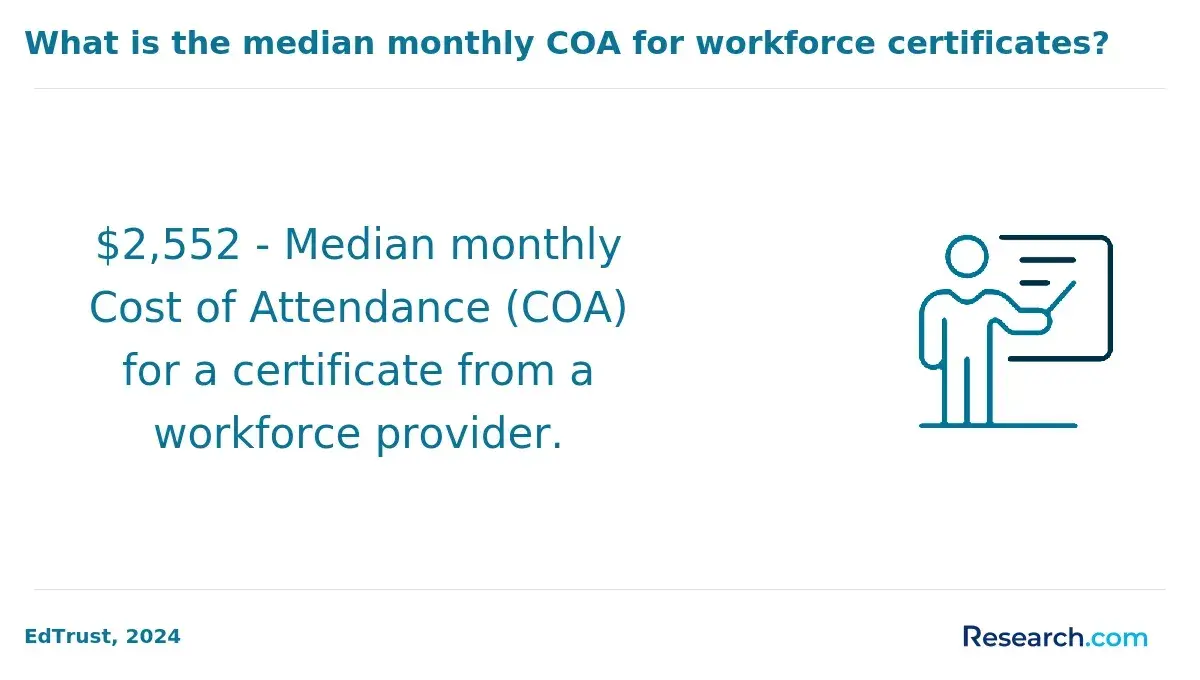
Cost is part of the decision. College Board's 2024 pricing data reported average published tuition and fees of $11,610 for in-state students at public four-year institutions and $30,780 for out-of-state students. That gap matters because engineering programs can require lab fees, software, longer course sequences, and sometimes an extra term if prerequisites are missed.
The table below summarizes the degree choices that most often lead into each role. It can help you avoid choosing a program that sounds close to engineering but lacks the math, lab, or design depth employers expect.
| Goal | Strong degree choices | What to verify before enrolling |
| Electrical engineer | Bachelor's in electrical engineering or electrical and computer engineering | ABET accreditation, power systems courses, design labs, internship placement, senior design projects |
| Electronics engineer | Bachelor's in electrical engineering, electronics engineering, electrical and computer engineering, or computer engineering | Circuits, electronics labs, embedded systems, PCB design, signals, hardware testing opportunities |
| Controls engineer | Electrical engineering, mechanical engineering, mechatronics, automation engineering, or industrial engineering with controls coursework | PLC labs, feedback control, instrumentation, robotics, SCADA exposure, manufacturing partnerships |
If your interests shift away from engineered systems and toward natural resources, mapping, hydrology, or Earth processes, an online geoscience degree may align better than forcing an electrical engineering path. The key is to choose the degree that matches the problems you actually want to solve.
How do accredited electrical engineering programs prepare students for each of these career tracks?
Accredited electrical engineering programs are designed to build a broad technical foundation before students specialize. That breadth is valuable because electrical, electronics, and controls jobs all rely on calculus, physics, circuits, programming, experimentation, design constraints, and safety awareness. ABET accreditation is not just a label; it signals that the program is reviewed against engineering education standards, including design, ethics, teamwork, communication, and continuous improvement.
Students can use a single electrical engineering program to prepare for multiple outcomes if they choose electives, labs, internships, and capstone projects carefully. The steps below are practical ways to shape a broad EE degree into one of the three career tracks.
- For electrical engineering, prioritize power systems, machines, energy conversion, protection, power electronics, and internships with utilities, design firms, contractors, or renewable energy companies.
- For electronics engineering, choose analog and digital electronics, embedded systems, semiconductor devices, PCB design, RF, signal processing, and lab-heavy product-development projects.
- For controls engineering, add feedback control, instrumentation, robotics, PLC programming, mechatronics, industrial networks, and internships in manufacturing or process automation.
- For any path, keep a portfolio of design projects, lab reports, code repositories, test results, and senior design work because employers often use projects to evaluate early-career engineers.
The common red flag is assuming the major name alone determines employability. Two students in the same electrical engineering program can graduate with very different job readiness depending on whether they completed relevant projects, internships, and tool-based coursework.
What typical courses and concentrations lead into electrical, electronics, or controls engineering roles?
Course selection is one of the best ways to steer your career without changing majors. Electrical engineering programs often start with the same foundation, but upper-division electives decide whether your resume reads like power, hardware, automation, communications, or embedded systems.
The table below connects common courses and concentrations to the roles they support. Use it when comparing curriculum maps, transfer plans, or elective options.
| Course or concentration area | Best-aligned path | Why it matters |
| Power systems, electric machines, energy conversion | Electrical engineer | Builds preparation for utilities, renewable energy, facilities, grid modernization, and power design roles |
| Analog electronics, digital design, semiconductor devices | Electronics engineer | Supports circuit design, board-level troubleshooting, component selection, and product hardware work |
| Signals and systems, communications, RF | Electronics engineer | Useful for wireless systems, aerospace, defense, telecommunications, and sensor-based products |
| Feedback control, PLCs, instrumentation, robotics | Controls engineer | Prepares students for automation, manufacturing systems, machine control, and process optimization |
| Programming, embedded systems, data acquisition | Electronics engineer or controls engineer | Helps bridge hardware with software, sensors, testing, and industrial monitoring systems |
If you consistently prefer organizing technical information, research systems, records, and user access over building electrical products or automation systems, a library science degree online may be a more suitable education path. That is not a downgrade; it is a sign that your strongest fit may be information management rather than engineering design.
Are online electrical engineering degrees respected for careers in electronics and controls engineering?
Online electrical engineering degrees can be respected when they come from properly accredited institutions and include credible lab, design, and assessment components. Employers usually care less about whether every lecture was online and more about whether the program taught the required engineering fundamentals, provided hands-on learning, and produced graduates who can solve real problems.
Online study is most attractive for working adults, military students, students far from campus, and learners who need schedule flexibility. However, electrical engineering is lab-intensive, so students should examine how the program handles circuits labs, instrumentation, design projects, proctored exams, software access, and any required campus visits.
When comparing accredited online electrical engineering programs, look beyond tuition and rankings. The checklist below focuses on the factors most likely to affect career readiness.
- Confirm institutional accreditation and, when relevant to your goals, ABET accreditation for the specific engineering program, not just the university.
- Ask how labs are delivered, including whether students use mailed lab kits, remote instruments, simulation tools, local labs, or short in-person residencies.
- Review the curriculum for the concentration you want, such as power, electronics, embedded systems, or controls, instead of assuming every EE program offers all options.
- Ask about internship support, employer partnerships, career services, senior design projects, and whether online students receive the same advising as campus students.
- Check transfer-credit limits, prerequisite sequencing, and course rotation because engineering courses often build on each other and may delay graduation if missed.
The biggest online-program mistake is choosing flexibility at the expense of labs and accreditation. A convenient program that lacks the technical depth employers expect may cost less upfront but weaken your return on investment.
What licenses or certifications are recommended or required for each engineering specialty?
Licensure and certification expectations vary by role. Many electronics and controls engineers work in private industry without a Professional Engineer license, especially when they design internal products, manufacturing systems, or automation processes. By contrast, electrical engineers who offer services to the public, sign and seal drawings, or work in consulting may need the PE pathway, depending on state rules and job responsibilities.
The table below shows how credentials typically fit each specialty. Always verify requirements with your state licensing board, employer, and target industry before assuming a credential is optional or mandatory.
| Credential | Most relevant for | Why it can matter |
| Fundamentals of Engineering exam | Electrical engineers and some controls engineers | Often the first step toward PE licensure and useful for students near graduation from accredited engineering programs |
| Professional Engineer license | Electrical engineers in consulting, power, construction, utilities, or public-facing engineering services | May be required to sign and seal engineering documents or take responsible charge of certain work |
| PLC, robotics, or vendor certifications | Controls engineers | Can demonstrate hands-on familiarity with industrial automation platforms and strengthen plant-based job applications |
| IPC, embedded systems, RF, or test-related credentials | Electronics engineers | Can support roles in PCB design, electronics manufacturing, quality, testing, and specialized hardware environments |
| Safety and compliance training | All three paths | Useful when work involves hazardous energy, industrial equipment, regulated products, or field environments |
A common credential mistake is collecting certificates without a career target. If your real interest is technical research support, archives, knowledge systems, or information access, an MLIS may make more sense than adding engineering certifications that do not match your intended work.
What is the job outlook and industry demand for electrical, electronics, and controls engineers?
The job outlook is strong enough to make all three paths worth serious consideration. BLS projected employment for electrical and electronics engineers to grow 9% from 2024 to 2034, faster than the average for all occupations, with about 19,000 openings projected each year on average. For students, that means the market is not limited to one narrow employer type; demand is spread across infrastructure, manufacturing, defense, energy, automation, and technology.
Several current trends are shaping demand. Grid modernization and renewable energy projects support electrical engineering. Semiconductors, aerospace, communications, and embedded devices support electronics engineering. Robotics, industrial automation, reshoring of manufacturing, predictive maintenance, and connected plant systems support controls engineering. AI also affects the field, but it is more likely to change tools than eliminate the need for engineers who understand physical systems, safety, testing, and accountability.
The table below summarizes where demand is strongest and what students should build into their resumes to stay competitive.
| Path | Demand drivers | Skills that improve competitiveness |
| Electrical engineer | Grid upgrades, electrification, utilities, energy storage, renewable energy, building systems | Power analysis, protection, codes, CAD, field communication, project documentation |
| Electronics engineer | Semiconductors, defense systems, sensors, aerospace, communications, embedded hardware | Circuit design, testing, embedded programming, signal processing, PCB tools, lab troubleshooting |
| Controls engineer | Automation, robotics, industrial efficiency, process reliability, smart factories, manufacturing investment | PLCs, SCADA, instrumentation, robotics, industrial networking, commissioning, safety systems |
Demand does not remove competition. Employers still look for proof of applied ability: internships, co-ops, capstone projects, lab work, troubleshooting experience, and clear communication. Students who graduate with only classroom exposure may need more time to reach the best-paying roles.
How should students choose between electrical, electronics, and controls engineering programs and careers?
Choose based on the intersection of three factors: the systems you like working on, the industries hiring in your target region, and the curriculum that will give you credible hands-on experience. Salary matters, but it should not be the only deciding factor because engineering careers reward persistence, problem-solving, and specialization over time.
The following process can help you make a decision without relying only on rankings, salary averages, or program marketing.
- Start with work environment: choose electrical if you want power, energy, infrastructure, or building systems; electronics if you want devices, circuits, and hardware; controls if you want automation, factories, robotics, and machines.
- Compare local and national job postings for entry-level titles, required tools, internship expectations, travel requirements, and preferred degrees.
- Check program accreditation, lab access, senior design options, internship support, and whether the curriculum has electives in your target specialty.
- Estimate total cost, not just tuition, including fees, software, commuting, housing, lost work time, extra semesters, and transfer-credit limits.
- Ask admissions or department advisors which employers recruit from the program and what recent capstone projects, labs, and co-op placements look like.
- Avoid assuming salary outcomes are guaranteed; use wage data as a benchmark, then validate it against your region, industry, clearance eligibility, and willingness to relocate.
Electrical engineering is the safest choice if you want maximum flexibility. Electronics engineering is attractive if you enjoy circuits, products, and hardware specialization and want the strongest official salary benchmark. Controls engineering is a strong fit if you like seeing software, sensors, motors, robots, and industrial processes work together in real time.
The best next step is to pick two or three target job titles, then reverse-engineer the degree, courses, projects, and internships that appear most often in those postings. That approach turns a broad education decision into a practical career plan.
Other Things You Should Know About Electrical Engineering
High school students interested in these engineering paths should focus on excelling in mathematics and physics, participate in relevant extracurricular activities like robotics clubs, and gain programming experience. Taking Advanced Placement courses in calculus and physics can also provide a solid foundation for future studies.
No, most factory automation roles do not require a Professional Engineer license, but PE licensure is required for certain public-facing or sealed design work in the United States. Licensure is handled by state boards through NCEES exams, with a typical path of ABET-accredited education, FE exam, experience, and PE exam.
None is universally harder; the difficulty depends on your strengths. Electrical engineering may feel harder if you dislike power systems or field design, electronics may be harder if circuits and signals are challenging, and controls may be harder if you do not enjoy programming, troubleshooting, and mechanical system behavior.
References
- Exploring Electrical Engineering: Pathways to Innovation and Careers https://www.amanengineering.com.sg/electrical-engineering-complete-guide-to-career-paths-and-specializations/
- What Does an Electrical Engineer Do | Vista Projects https://www.vistaprojects.com/what-does-an-electrical-engineer-do/
- What does an Electrical Controls Engineer do? Career Overview, Roles, Jobs | MEA https://jobs.electricalassociation.com/career/electrical-controls-engineer
- 3 High-Demand Engineering Career Pathways for High School CTE Students https://www.pltw.org/blog/3-high-demand-engineering-career-pathways-for-high-school-cte-students
- Career Progressions and Wage Growth: Is There a One-Size-Fits-All Job Ladder? https://www.richmondfed.org/publications/research/economic_brief/2024/eb_24-14
- Professional Engineer Licensing https://www.harborcompliance.com/engineer-license-requirements-registration
- The Highest Paying Jobs in Electrical Engineering https://www.matchtech.com/resources/blog/highest-paying-electrical-engineering-jobs/
- How is the job market for Electrical and Electronics Enginee... https://forum.etechnophiles.com/basic-electronics-theoretical-questions/how-is-the-job-market-for-electrical-and-electronics-engineering-graduates-in-the-future/
- Comparing Mechanical vs Electrical Engineering | PSB Academy https://www.psb-academy.edu.sg/blog/which-engineering-path-is-right-for-you-mechanical-or-electrical
- Career Services | University of Manitoba - Career Compass: Electrical Engineering https://www.umanitoba.ca/career-services/career-planning/career-compass-electrical-engineering