2027 Best Careers After an Electrical Engineering Degree

Co-Founder and Chief Data Scientist
Choosing what to do after an electrical engineering degree is a high-stakes decision because the field is broad: power, electronics, robotics, semiconductors, telecommunications, aerospace, software, and data roles are all possible. The U.S. Bureau of Labor Statistics projects employment for electrical and electronics engineers to grow 9% from 2023 to 2033, faster than the average for all occupations.
This guide helps students, recent graduates, and career changers compare career paths, salaries, industries, credentials, and program formats so they can choose a direction that fits their strengths and goals.
Key Things You Should Know
- The strongest career paths after an electrical engineering degree include power systems, electronics design, embedded systems, controls and automation, telecommunications, semiconductor engineering, renewable energy, aerospace, robotics, and technical project management.
- According to BLS data published in 2024, electrical and electronics engineers had a median annual wage of $109,010 in May 2023, but pay varies by industry, region, experience, security clearance, and specialization.
- The most career-ready graduates usually combine an ABET-accredited degree, hands-on design or lab experience, programming skills, internship experience, and, for public-facing engineering work, a path toward FE and PE licensure.
What are the best career paths you can pursue after an electrical engineering degree?
The best career after an electrical engineering degree depends on whether you prefer designing physical hardware, writing software that controls devices, maintaining large-scale infrastructure, improving energy systems, or leading technical teams.
Electrical engineering is not one job; it is a foundation for roles that work with electricity, signals, circuits, power conversion, sensors, communications, computing hardware, and automated systems.
The table below compares major career paths by what the work typically involves and when each path makes the most sense. Use it to narrow your direction before choosing electives, internships, certifications, or graduate study:
| Career path | Typical responsibilities | Best fit for students who like | Common employers |
| Power systems engineer | Designs, tests, and maintains electrical grids, substations, distribution systems, and protection equipment | Infrastructure, energy reliability, utilities, and large systems | Utilities, energy companies, engineering consulting firms, public agencies |
| Electronics design engineer | Creates circuit boards, analog and digital circuits, sensors, and electronic products | Hands-on hardware design, prototyping, and testing | Consumer electronics, medical device, defense, industrial equipment firms |
| Embedded systems engineer | Develops firmware and hardware interfaces for devices, vehicles, appliances, robots, and industrial systems | Programming close to hardware and solving device-level problems | Automotive, aerospace, robotics, IoT, manufacturing, defense |
| Controls and automation engineer | Builds systems that regulate machines, production lines, motors, robotics, and industrial processes | Manufacturing, robotics, feedback systems, and applied math | Manufacturers, automation vendors, energy companies, logistics firms |
| Telecommunications or RF engineer | Works on wireless systems, antennas, radio frequency design, signal quality, and network performance | Signals, communications, wireless technology, and field testing | Telecom carriers, aerospace, defense, satellite, network equipment firms |
| Semiconductor engineer | Supports chip design, fabrication, testing, packaging, process control, or validation | Microelectronics, cleanroom technology, materials, and advanced devices | Semiconductor manufacturers, chip design firms, equipment suppliers |
| Renewable energy engineer | Works on solar, wind, battery storage, microgrids, inverters, and grid integration | Sustainability, power electronics, and energy transition projects | Renewable developers, utilities, energy storage companies, consulting firms |
| Systems engineer | Coordinates requirements, interfaces, testing, risk, and integration across complex engineering projects | Big-picture technical planning and cross-functional teamwork | Aerospace, defense, transportation, medical technology, large manufacturers |
For most graduates, the smartest first step is not to chase the highest-sounding title. It is to choose a technical area where you can build evidence of skill through labs, capstone projects, internships, open-source work, undergraduate research, or portfolio projects.
Employers usually hire early-career engineers based on proof that they can solve real engineering problems, communicate clearly, and learn new tools quickly.
If you are unsure which path fits, compare careers using these practical filters before committing to a specialization:
- Work environment: Power and field engineering may involve site visits, while semiconductor, electronics, and embedded roles may be more lab- or office-based.
- Software intensity: Embedded systems, controls, signal processing, and robotics usually require more programming than traditional power distribution roles.
- Regulation and licensure: Utility, construction, and public infrastructure work may place more value on FE and PE licensure than consumer electronics roles.
- Security and citizenship requirements: Aerospace, defense, and some telecommunications roles may require U.S. citizenship or security clearance eligibility.
- Graduate study expectations: Semiconductor, RF, advanced signal processing, and research-heavy roles may favor a master's degree or PhD, especially for design or R&D positions.
What entry-level electrical engineering jobs are available for recent graduates?
Recent graduates usually begin in roles that blend design support, testing, documentation, troubleshooting, modeling, and collaboration with senior engineers. Entry-level titles vary by company, but the core goal is similar: prove that you can apply engineering theory safely and accurately in real projects.
The table below summarizes common first jobs and the experiences that can help applicants stand out. These roles are often stepping stones toward more specialized engineering positions:
| Entry-level role | What you may do | Helpful preparation |
| Electrical engineer I | Assist with design calculations, drawings, test plans, documentation, and product or system validation | ABET-accredited degree, internship, CAD or simulation tools, capstone project |
| Test engineer | Build test procedures, run measurements, analyze failures, and write reports for products or systems | Lab experience, oscilloscopes, data analysis, Python or MATLAB, careful documentation |
| Field service engineer | Install, troubleshoot, calibrate, or support electrical equipment at customer or project sites | Hands-on troubleshooting, communication skills, travel flexibility, safety awareness |
| Controls engineer associate | Support PLCs, motor drives, sensors, automation systems, and production equipment | Control systems coursework, PLC exposure, industrial internship, manufacturing interest |
| Embedded software or firmware engineer | Write low-level code, debug hardware interfaces, and test device behavior | C or C++, microcontrollers, digital systems, Git, embedded projects |
| Applications engineer | Help customers use technical products, translate requirements, and support sales or deployment teams | Strong communication, product knowledge, lab skills, customer-facing experience |
| Power systems analyst | Support load flow studies, protection coordination, reliability reviews, or grid planning work | Power systems electives, simulation tools, utility internship, FE exam preparation |
A strong entry-level search strategy should match the role to your evidence of readiness. For example, a student with a robotics capstone and C++ projects may be more competitive for embedded or controls roles, while a student with utility internship experience may be better positioned for power systems work.
To improve your odds of getting a first engineering job, prioritize actions that create proof of ability rather than simply adding more coursework:
- Build a project portfolio with two or three well-documented designs, tests, simulations, or prototypes.
- Apply for internships, co-ops, undergraduate research, or lab assistant roles before graduation.
- Learn at least one widely used programming or analysis tool, such as Python, MATLAB, C, C++, SPICE, AutoCAD Electrical, or a power systems package.
- Practice explaining technical decisions in plain language because many interviews test communication as much as equations.
- Use job descriptions to identify repeated tools and skills, then tailor your resume around evidence that matches those requirements.
A common mistake is applying broadly with the same resume for every electrical engineering job. A better approach is to create targeted versions for power, electronics, embedded, controls, or RF roles so recruiters can immediately see the connection between your background and the job.
How much do electrical engineers typically earn and what factors impact salary?
Electrical engineering can lead to strong earnings, but salary depends heavily on industry, location, role, clearance requirements, experience, and technical specialization.
According to BLS data published in 2024, electrical and electronics engineers had a median annual wage of $109,010 in May 2023. That figure is useful as a national benchmark, but it should not be treated as a guaranteed outcome for any graduate or program.
The table below explains the main salary drivers and how students can use them when comparing career paths. It is more useful to evaluate these factors together than to focus only on a single national median:
| Salary factor | How it affects pay | What students should consider |
| Industry | Defense, semiconductor, software-adjacent, and aerospace roles may pay differently from utilities, manufacturing, or public-sector roles | Compare total compensation, stability, benefits, clearance requirements, and long-term mobility |
| Location | High-cost technology and defense hubs may offer higher pay but also higher living costs | Compare salary against housing, taxes, commute, and relocation costs |
| Specialization | High-demand areas such as embedded systems, power electronics, chip design, and automation may reward deeper technical skill | Choose electives and projects that match the roles you want, not just broad degree requirements |
| Experience | Engineers typically move from support tasks to independent design, technical ownership, and leadership over time | Look for employers with training, mentorship, and promotion pathways |
| Licensure or clearance | PE licensure may matter in public-facing power and infrastructure work; clearances can matter in defense | Check whether the roles you want value the credential before investing time and fees |
| Graduate education | A master's degree can help in advanced design, research, semiconductor, RF, or specialized systems work | Evaluate whether the added cost is tied to a role that actually prefers or requires graduate study |
Salary research should be local and role-specific. Before accepting an offer, compare the base salary with overtime expectations, bonus potential, relocation support, tuition reimbursement, retirement benefits, health coverage, professional development funding, and the cost of living in the work location.
Students should also be cautious about ranking careers by pay alone. A field role with travel premiums may look attractive but may not fit someone who wants predictable hours. A lower initial salary in a strong training program may produce better long-term growth than a higher-paying job with limited mentoring or outdated tools.
Which industries hire electrical engineering graduates and how does demand vary by sector?
Electrical engineering graduates are hired wherever organizations design, power, control, connect, or automate systems. Demand varies by sector because each industry responds to different forces: grid modernization, defense spending, semiconductor investment, electrified transportation, industrial automation, data center growth, and renewable energy deployment.
BLS projections published in 2024 show 9% employment growth for electrical and electronics engineers from 2023 to 2033. For readers, the key takeaway is not that every sector will grow at the same pace; it is that electrical engineering skills remain relevant across multiple parts of the economy, giving graduates more than one route into the labor market.
The table below compares major hiring sectors and the type of electrical engineering work they commonly offer. It can help students align electives, internships, and projects with employer needs:
| Industry | Typical electrical engineering work | Demand considerations |
| Utilities and power | Grid planning, distribution systems, protection, substations, reliability, power quality | Driven by grid modernization, electrification, aging infrastructure, and renewable integration |
| Semiconductors | Chip testing, process engineering, device characterization, design validation, manufacturing support | Influenced by domestic manufacturing investment, supply chain strategy, and advanced computing demand |
| Aerospace and defense | Avionics, radar, communications, control systems, embedded systems, systems integration | Often values security clearance eligibility, rigorous testing, and documentation discipline |
| Automotive and transportation | Battery systems, power electronics, sensors, controls, embedded software, charging systems | Shaped by electric vehicles, autonomous features, safety systems, and manufacturing automation |
| Manufacturing and industrial automation | PLCs, robotics, motor drives, process controls, instrumentation, predictive maintenance | Supported by demand for productivity, quality control, and automation upgrades |
| Telecommunications | Wireless systems, RF design, antennas, signal testing, network hardware, satellite communications | Depends on network expansion, spectrum use, satellite systems, and connectivity needs |
| Medical technology | Diagnostic devices, sensors, imaging systems, safety testing, electronics validation | Requires strong quality systems, regulatory awareness, and careful documentation |
| Technology and data infrastructure | Power distribution, hardware systems, data center electrical systems, controls, monitoring | Influenced by cloud computing, AI infrastructure, reliability requirements, and energy efficiency |
AI and automation are changing the work rather than eliminating the need for engineers. Tools can assist with simulation, code generation, documentation, layout checks, and predictive maintenance, but employers still need engineers who understand safety, physical constraints, standards, testing, and failure modes.
When evaluating industries, ask whether you want to work on products, infrastructure, manufacturing systems, or regulated mission-critical systems. That choice affects your daily tasks, the tools you use, the value of licensure, and how much travel or fieldwork you may encounter.
What advanced roles can electrical engineers move into with experience or graduate study?
With experience, electrical engineers can move into deeper technical specialties, leadership roles, systems-level positions, or adjacent fields such as data science, product management, and technical consulting. The right path depends on whether you want to remain an individual technical expert, manage people, or translate engineering work into business decisions.
Advanced roles usually require more than years on the job. Employers often look for a record of successful projects, technical ownership, mentoring, cross-functional communication, and the ability to make trade-offs under budget, schedule, safety, or regulatory constraints.
| Advanced role | Typical path | Graduate study value |
| Senior electrical engineer | Progresses from design support to independent design ownership and technical review | Helpful but not always required if experience is strong |
| Principal or staff engineer | Leads architecture, standards, complex problem-solving, and technical direction across teams | Often valuable in advanced hardware, RF, semiconductor, or systems work |
| Power systems planning engineer | Develops grid models, reliability studies, interconnection reviews, and long-range infrastructure plans | Can be useful for specialized power coursework and research |
| RF or microwave engineer | Designs and tests high-frequency communication, radar, antenna, or satellite systems | Frequently helpful because the work can be mathematically specialized |
| Semiconductor design or validation engineer | Works on chip architecture, verification, testing, yield improvement, or failure analysis | Often valuable for advanced microelectronics and device physics |
| Engineering manager | Moves from technical execution to hiring, planning, budgets, performance, and team delivery | MBA, engineering management, or technical master's may help depending on employer |
| Technical product manager | Connects customer needs, technical feasibility, roadmaps, and business strategy | Not always required, but business, systems, or software training can help |
| Data or AI systems engineer | Applies engineering domain knowledge to analytics, predictive maintenance, optimization, or intelligent systems | Often strengthened by graduate study in analytics, machine learning, or data systems |
Some electrical engineers move toward data-heavy roles because modern grids, factories, vehicles, and devices generate large amounts of sensor and performance data. Engineers considering that transition may compare electrical engineering graduate options with an online masters in data science, especially if they want to work in predictive maintenance, energy analytics, industrial AI, or technical analytics roles.
Before enrolling in graduate school, confirm that the degree aligns with a specific career move. A master's degree can be worthwhile when it opens access to advanced design, research, higher-level technical work, or a specialized industry. It may be less useful if your target role primarily rewards licensure, field experience, management performance, or employer-specific training.
Which professional certifications can strengthen an electrical engineering career in the U.S.?
Certifications and licenses can strengthen an electrical engineering career, but their value depends on the type of work. Public infrastructure, consulting, building systems, and utility work may place more emphasis on licensure, while electronics, embedded systems, and semiconductor employers may care more about technical tools, project experience, and specialized training.
The most important U.S. credential path for many traditional engineering roles is the FE-to-PE pathway. Requirements vary by state licensing board, but the general sequence includes an ABET-accredited engineering degree or board-approved equivalent, the Fundamentals of Engineering exam, qualifying engineering experience, and the Principles and Practice of Engineering exam.
Here's a quick breakdown:
| Credential | Best for | Why it can matter |
| Fundamentals of Engineering exam | Students and recent graduates seeking Engineer Intern or Engineer-in-Training status | Shows progress toward professional licensure and can be especially useful in power, infrastructure, and consulting |
| Professional Engineer license | Engineers who sign or seal engineering work or take legal responsibility for public-facing projects | May be required for certain roles and can support advancement in consulting, utilities, and public works |
| Certified Energy Manager | Engineers working in energy efficiency, facilities, sustainability, or building energy systems | Can demonstrate applied knowledge of energy performance and savings projects |
| Project Management Professional | Engineers moving into project leadership, scheduling, budgeting, and cross-functional delivery | Can help when the role requires formal project management rather than only technical execution |
| Certified Automation Professional | Controls, automation, and industrial systems engineers | Can support credibility in process control, instrumentation, and automation environments |
| Vendor or platform certifications | Engineers using specific industrial, cloud, networking, or design tools | Useful when employers rely heavily on a specific toolchain, but less portable than broad engineering credentials |
Do not collect certifications randomly. Start by reviewing job descriptions for your target roles, then identify which credentials appear repeatedly and whether they are required, preferred, or merely nice to have.
A practical credential plan may look like this:
- If you are still in school, verify whether your program is ABET-accredited and ask faculty when students typically take the FE exam.
- If you want power, infrastructure, utility, or consulting roles, consider taking the FE exam near graduation while engineering fundamentals are fresh.
- If you are already employed, ask your manager which credentials are tied to promotion, client work, or billable responsibilities.
- If you are moving into management, compare project management credentials with internal leadership programs and real project ownership opportunities.
- If you are pursuing automation, energy, or specialized tools, choose certifications that map directly to the systems used by your target employers.
How does choosing a specialization in electrical engineering affect your career options?
Your specialization influences the roles you qualify for first, the tools you learn, the industries that notice your resume, and whether graduate study may be useful later. It does not permanently lock you into one path, but it can make your first job search easier or harder depending on how well your coursework and projects match employer needs.
The table below shows how common specializations connect to career options. Use it when choosing electives, capstone topics, internships, and personal projects:
| Specialization | Career options it supports | Key skills to build |
| Power and energy systems | Utility engineer, power systems analyst, renewable energy engineer, substation engineer | Power flow, protection, transformers, grid codes, renewable integration, safety |
| Electronics and circuit design | Electronics design engineer, hardware engineer, test engineer, product development engineer | Analog and digital circuits, PCB design, signal integrity, lab measurement, failure analysis |
| Embedded systems | Firmware engineer, embedded hardware engineer, IoT engineer, robotics engineer | C or C++, microcontrollers, real-time systems, debugging, hardware interfaces |
| Controls and robotics | Controls engineer, automation engineer, robotics engineer, mechatronics engineer | Feedback control, sensors, actuators, PLCs, modeling, dynamics, machine control |
| Telecommunications and RF | RF engineer, wireless engineer, antenna engineer, satellite communications engineer | Signals, electromagnetics, antennas, spectrum analysis, microwave tools, field testing |
| Semiconductors and microelectronics | Semiconductor process engineer, design validation engineer, device engineer, test engineer | Device physics, cleanroom processes, VLSI basics, testing, statistics, yield analysis |
| Signal processing | DSP engineer, imaging systems engineer, communications engineer, audio or sensor systems engineer | Linear systems, filters, Fourier analysis, MATLAB or Python, algorithms, probability |
Software-heavy specializations can also create bridges into computing careers. If you discover that you prefer algorithms, operating systems, and software products more than circuits or power systems, comparing an online CS degree with an electrical engineering path can clarify whether a second degree, minor, certificate, or targeted self-study plan makes more sense.
The most common specialization mistake is choosing based only on perceived prestige. A better strategy is to compare your interest, local employer demand, project opportunities, and tolerance for the work environment.
For instance, semiconductor work may be exciting but geographically concentrated, while power systems may offer broader regional options through utilities, consulting firms, and public infrastructure employers.
What skills beyond technical knowledge help electrical engineers advance their careers?
Technical skill gets electrical engineers into the field, but advancement often depends on how well they communicate, document decisions, work across disciplines, manage risk, and translate complex constraints into practical choices. Senior engineers are not just better at calculations; they are trusted to make decisions that other people can act on.
Electrical engineers who want to move faster should develop the following nontechnical and cross-functional skills alongside technical depth:
- Technical communication: Write test reports, design notes, requirements, and emails that make decisions clear to engineers, managers, technicians, and customers.
- Systems thinking: Understand how one design choice affects cost, safety, manufacturability, maintenance, software, supply chain, and user experience.
- Project judgment: Balance scope, schedule, risk, and quality instead of treating engineering problems as isolated calculations.
- Collaboration: Work effectively with mechanical engineers, software developers, technicians, operators, procurement teams, and nontechnical stakeholders.
- Documentation discipline: Keep records that support testing, compliance, troubleshooting, audits, and future maintenance.
- Ethical and safety awareness: Recognize when a design choice could affect public safety, reliability, accessibility, or regulatory compliance.
- Business awareness: Understand why customers, utilities, manufacturers, or agencies make purchasing and investment decisions.
One practical way to build these skills is to treat every school or early-career project like a professional assignment. Define requirements, document assumptions, test results, explain failures, and summarize trade-offs. That habit can make your portfolio more convincing than a list of tools alone.
Another mistake is assuming that communication skill means "being good at presentations." In engineering, communication also includes writing precise requirements, creating readable diagrams, explaining risk honestly, and documenting why a design passed or failed. These skills become more valuable as projects become more expensive, regulated, or safety-critical.
How do online, hybrid, and campus electrical engineering programs influence career outcomes?
Program format can influence networking, lab access, scheduling flexibility, cost, internship opportunities, and how easily students build hands-on experience. Employers generally care more about accreditation, skills, projects, internships, and readiness than whether every class was completed online, but electrical engineering is a lab-heavy discipline, so format details matter.
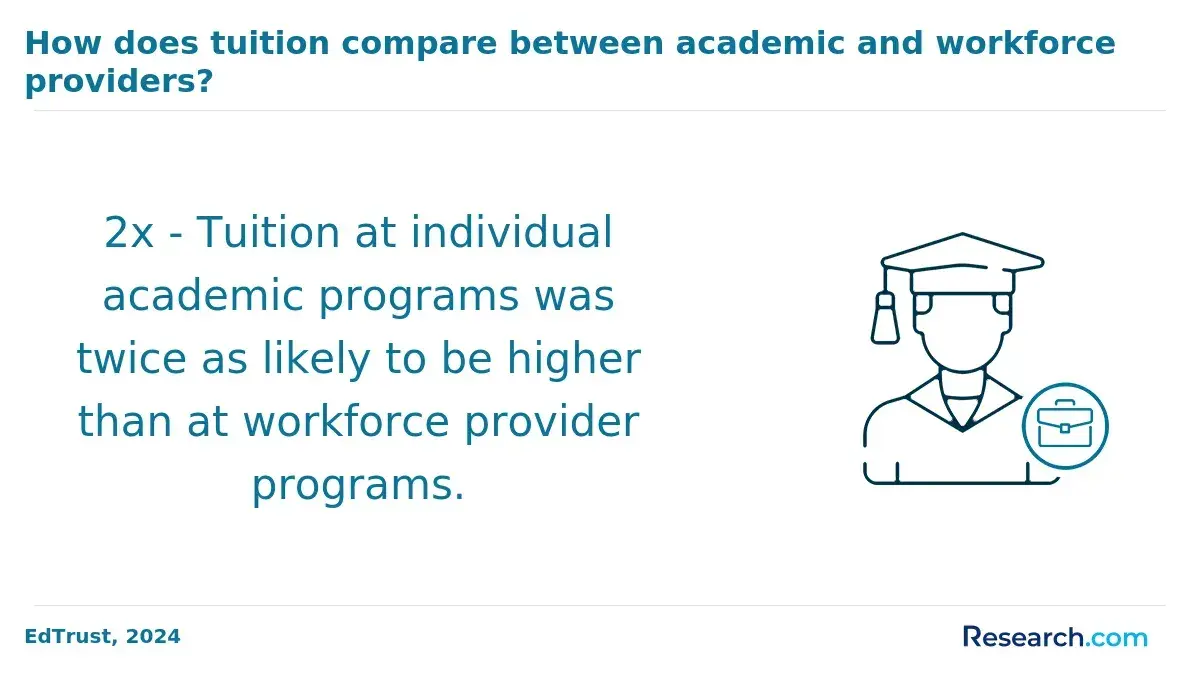
College Board data published in 2024 reported average published tuition and fees of $11,610 for in-state students at public four-year institutions for 2024-25. This benchmark helps students remember that program cost is not only about sticker tuition; housing, travel, lab fees, equipment, and the ability to keep working can change the real cost of attendance.
The table below compares formats from a career-outcomes perspective. Use it to identify which format supports your schedule without weakening the practical experience employers expect:
| Program format | Career advantages | Potential trade-offs | Best fit |
| Campus | Strong access to labs, faculty, student teams, recruiting events, and peer networks | Less flexible schedule, possible relocation or housing costs | Traditional students who can attend full time and want maximum in-person project access |
| Hybrid | Combines online coursework with scheduled labs, intensives, or campus sessions | Requires travel planning and careful scheduling around lab requirements | Working students who need flexibility but still want structured hands-on learning |
| Online | Can support working adults, military learners, caregivers, and students far from campus | Must verify lab delivery, accreditation, proctored exams, faculty access, and employer recognition | Self-directed students who can build hands-on experience through kits, local labs, work projects, or residencies |
Veterans and active-duty learners should pay special attention to accreditation, transfer credit, military benefits, deployment flexibility, and lab requirements. Comparing the best military friendly online electrical engineering degrees can help identify programs designed around those needs.
Before choosing an online or hybrid electrical engineering program, ask specific questions rather than relying on broad claims about flexibility:
- Is the program ABET-accredited, and does the accreditation apply to the online or hybrid version?
- How are required labs completed, and are students expected to travel for lab sessions?
- What equipment, software, test kits, or proctoring tools must students purchase?
- Does the school help online students access internships, co-ops, career fairs, and faculty research?
- How are team projects, capstone design, and lab troubleshooting handled for remote learners?
- Will the format meet requirements for FE exam eligibility, employer reimbursement, or graduate admissions in your target state or institution?
What should students look for when choosing an electrical engineering program for career success?
The best electrical engineering program is not always the highest-ranked or most expensive option. It is the program that gives you a credible degree, strong engineering fundamentals, practical design experience, career support, and a realistic path to the roles you want.
Start with accreditation. For U.S. engineering programs, ABET accreditation is especially important because it can affect employer confidence, graduate school options, and eligibility for the FE and PE licensure pathway. Students should verify accreditation directly for the specific program, campus, and format they plan to attend.
The table below summarizes program features that matter for career outcomes. It can help students compare schools beyond marketing claims:
| Program feature | Why it matters | Red flag to avoid |
| ABET accreditation | Supports professional credibility and may matter for licensure pathways | Program claims "engineering-focused" but lacks recognized engineering accreditation |
| Hands-on labs | Electrical engineering requires measurement, testing, troubleshooting, and safety practice | Program offers limited detail on how online or remote labs are completed |
| Capstone design | Gives students a portfolio project that demonstrates applied problem-solving | Capstone is vague, individual-only, or disconnected from real engineering constraints |
| Internships and co-ops | Work experience can strongly improve entry-level competitiveness | Career services are generic and not connected to engineering employers |
| Faculty and specialization fit | Faculty expertise affects electives, research, advising, and project options | No clear coursework or faculty support in your desired specialization |
| Transfer and credit policies | Can affect cost, time to graduation, and whether prior STEM work counts | School gives unofficial estimates but no written transfer evaluation |
| Total cost | Tuition is only one part of the investment; fees, tools, housing, and lost work time matter | Program advertises low tuition but hides lab, technology, or residency costs |
| Career outcomes | Employer relationships, placement patterns, and alumni paths help show market relevance | School promises specific salaries or job outcomes without transparent evidence |
Students who are comparing engineering with other information-focused fields should also be honest about their preferred work. If you enjoy organizing knowledge, supporting research access, digital archives, and information systems more than designing electrical systems, a masters in library science may align better with your strengths than continuing deeper into engineering.
Use a structured decision process before enrolling:
- Define your target career path, such as power, embedded systems, electronics, controls, RF, or semiconductors.
- Confirm that the program is ABET-accredited and that the accreditation applies to your exact delivery format.
- Review the curriculum for required labs, design projects, math, programming, and electives tied to your target field.
- Ask for written details on tuition, fees, equipment, transfer credits, financial aid, and time to completion.
- Compare internship, co-op, undergraduate research, student engineering teams, and employer recruiting opportunities.
- Talk with current students or alumni about workload, faculty access, lab quality, and job-search support.
- Avoid any program that promises guaranteed salaries, minimizes lab requirements, or pressures you to enroll before answering accreditation and cost questions.
A good electrical engineering program should make you more employable through evidence: projects, lab competence, internships, technical communication, and a degree employers trust. If a school cannot explain how students build that evidence, keep comparing options.
Other Things You Should Know About Electrical Engineering
In 2027, some leading career options for electrical engineers include roles in renewable energy, AI and machine learning, and telecommunications. Specializations in these rapidly evolving fields offer strong job prospects and opportunities for innovation.
Some people enter adjacent roles through computer engineering, physics, mechanical engineering, electronics technology, or military technical training. However, many electrical engineer positions prefer or require a bachelor's degree in electrical engineering or a closely related ABET-accredited engineering field, especially for licensure-track or design-responsible roles.
Most electrical engineers benefit from coding skills, even if they do not become software engineers. Python, MATLAB, C, or C++ can help with data analysis, simulation, automation, embedded systems, testing, controls, and signal processing. The amount of coding required depends on the specialization.
Electrical engineering graduates often pursue an M.S. in electrical engineering, power systems, control systems, communications, or computer engineering. Many programs require a bachelor’s degree in engineering, a minimum 3.0 GPA, and GRE scores only at some universities. A master’s usually takes 1.5 to 2 years full time.
References
- From Student to Professional: How to Establish a Career as an Electrical https://study-in-hungary.com/blog/from-student-to-professional-how-to-establish-a-career-as-an-electrical-engineer/
- Best Career Options After Electrical Engineering: Jobs, Higher Studies & Salaries https://www.sirtbhopal.ac.in/blogs/best-career-options-after-electrical-engineering-jobs-higher-studies-salaries
- BS in Electrical Engineering Outcomes | University of Bridgeport https://www.bridgeport.edu/news/what-can-you-do-with-bs-in-electrical-engineering/
- Electronic/Electrical Engineering Graduate Jobs | Gradcracker - Careers for STEM Students https://www.gradcracker.com/search/electronic-electrical/engineering-graduate-jobs
- Common Career Paths for Electrical Engineers https://www.matchtech.com/resources/blog/common-career-paths-electrical-engineers/
- The Significance of Electrical Engineering Certification for Professional Advancement - CertLibrary Blog https://www.certlibrary.com/blog/the-significance-of-electrical-engineering-certification-for-professional-advancement/
- Electrical Engineer Skills and Electrical Engineer Requirements https://hc.edu/articles/is-electrical-engineering-right-for-me/
- How to Become an Electrical Engineer https://www.hirecruiting.com/newsroom/how-to-become-an-electrical-engineer-skills-education-and-career-path/
- The Best Certifications for Electrical Engineers https://www.cybercoders.com/careeradvice/industry-insights/best-certifications-electrical-engineers
- What jobs can you do with an electrical engineering degree? https://targetjobs.co.uk/careers-advice/engineering/what-jobs-can-you-do-electrical-engineering-degree