2027 Nutrition Job Market Report: Open Roles, Salary Bands, and Hiring Momentum

Co-Founder and Chief Data Scientist
The labor market for nutrition professionals reflects shifting employer priorities amid evolving regulatory frameworks and technological integration in healthcare and food systems. Rather than uniform growth, hiring patterns reveal nuanced demand shaped by credential complexity, geographic workforce distribution, and increased focus on specialized expertise such as metabolic health or public health nutrition.
Salary bands and open roles act as signals of underlying market pressures, including organizational restructuring and investment cycles that affect hiring momentum. Notably, many programs report a rising average student age, suggesting a trend toward midcareer entrants who may require adaptable educational models and signal a workforce evolving in response to diverse professional trajectories and practical constraints.
Key Things to Know About Nutrition Job Market
- Open roles in nutrition are expanding in clinical and community health settings, yet competition grows with many qualified candidates, signaling a need for niche specialization to stand out.
- A 2024 labor report shows salary growth plateauing in entry-level nutrition jobs, reflecting employer caution amid budget constraints and emphasizing the value of complementary skills for advancement.
- Hiring momentum favors candidates with practical experience, creating a tradeoff for students who delay workforce entry for extended education, affecting cost and opportunity timelines.
- Key Things to Know About Nutrition Job Market Key Things to Know About Nutrition Job Market
- How Strong Is Demand for Nutrition Graduates in Today's Job Market? Demand for Graduates
- Which Nutrition Careers Have the Most Open Job Opportunities? In-Demand Careers
- What Salary Bands Are Employers Offering Across Nutrition Careers? Offered Salary Bands
- Which Industries Are Hiring the Most Nutrition Graduates? Top-Hiring Industries
- How Does Hiring Demand Vary by State, Region, and City? Hiring Demand by Location
- What Skills Are Employers Prioritizing in Nutrition Job Postings? In-Demand Skills
- Which Certifications Increase Employability and Salary Potential? High-Value Certifications
- How Do Remote and Hybrid Opportunities Affect the Nutrition Job Market? How Do Remote and Hybrid Opportunities Affect the Nutrition Job Market?
- Which Nutrition Careers Show the Strongest Long-Term Hiring Momentum? Strongest Careers
- How Can Students Use Job Market Data to Make Better Career Decisions? How Can Students Use Job Market Data to Make Better Career Decisions?
How Strong Is Demand for Nutrition Graduates in Today's Job Market?
Recent labor market data from the U.S. Bureau of Labor Statistics indicates Nutrition graduate job opportunities and salary trends 2024 suggest moderate but stable demand for professionals in dietetics and nutrition. An 8% projected employment growth over the next decade outpaces average occupational growth, bolstered by expanding interest in health and chronic disease prevention.
However, LinkedIn Workforce Reports reveal nuanced variations, with stronger hiring momentum in clinical dietetics and corporate wellness sectors contrasted by heightened competition in urban areas saturated with new graduates. Employers increasingly favor candidates blending academic qualifications with certifications like Registered Dietitian Nutritionist credentials and hands-on experience, raising the entry barrier for those fresh out of school.
The drivers shaping demand include technological innovation-especially in personalized nutrition and digital health tools-and shifting public health priorities, which emphasize preventive care and data analytics skills. Geographic economic factors further influence opportunities, as funding fluctuations impact community nutrition roles. Graduates who enhance their Nutrition expertise with interdisciplinary skills in areas like healthcare administration or health coaching tend to access a broader labor market.
Prospective students should consider these workforce dynamics carefully, recognizing that credentials alone may not guarantee competitive positioning amidst evolving hiring criteria and regional disparities. For those exploring advanced qualifications, programs such as online MSN FNP programs illustrate growing intersections between clinical practice and nutrition-related care delivery.
Which Nutrition Careers Have the Most Open Job Opportunities?
Job opportunities within nutrition careers are unevenly distributed, reflecting broader labor market trends, shifts in healthcare priorities, and evolving employer requirements for specialized expertise. Rapid growth in healthcare settings combined with a rising focus on preventive care and community health has expanded demand for certain nutrition roles.
The ongoing digital transformation and telehealth adoption are also reshaping job availability, favoring professionals adept in remote client engagement and integrative health approaches. According to the U.S. Bureau of Labor Statistics Occupational Outlook Handbook published in 2024, employment of dietitians and nutritionists is projected to grow 11% through2032, indicating strong sector expansion and persistent demand.
- Clinical Dietitians: Hospitals and outpatient care centers are the largest employers for clinical dietitians who assess patient nutritional needs and create tailored meal plans. The complexity of medical diets in managing chronic illnesses like diabetes and cardiovascular disease sustains high hiring levels. Employers prioritize clinical experience alongside communication skills to effectively collaborate with interdisciplinary healthcare teams.
- Public Health Nutritionists: Public health agencies drive demand for nutritionists who design community wellness programs and address nutrition-related chronic diseases on a population level. These roles require expertise in epidemiology and program management, reflecting an organizational shift toward preventive interventions and health equity.
- Wellness Coaches and Corporate Nutrition Specialists: As employers increasingly invest in preventive health benefits, nutrition professionals in corporate wellness roles see rising openings. These positions emphasize behavioral counseling, motivational interviewing, and data-driven program implementation to improve employee health outcomes and reduce healthcare costs.
- Sports Nutritionists: The sports and fitness industry's expansion fuels demand for nutritionists specialized in optimizing athletic performance and recovery. Practical knowledge in metabolism, supplementation, and individualized meal planning is essential, although the job market remains narrower compared to clinical or public health sectors.
- Telehealth Nutrition Consultants: Technological advancements have created new roles for nutrition practitioners delivering services remotely. Employers value proficiency with digital communication tools and adaptability, enabling access to broader client bases and flexible care delivery. Despite this growth, establishing licensure credentials such as RD or RDN remains a key hiring prerequisite.
What Salary Bands Are Employers Offering Across Nutrition Careers?
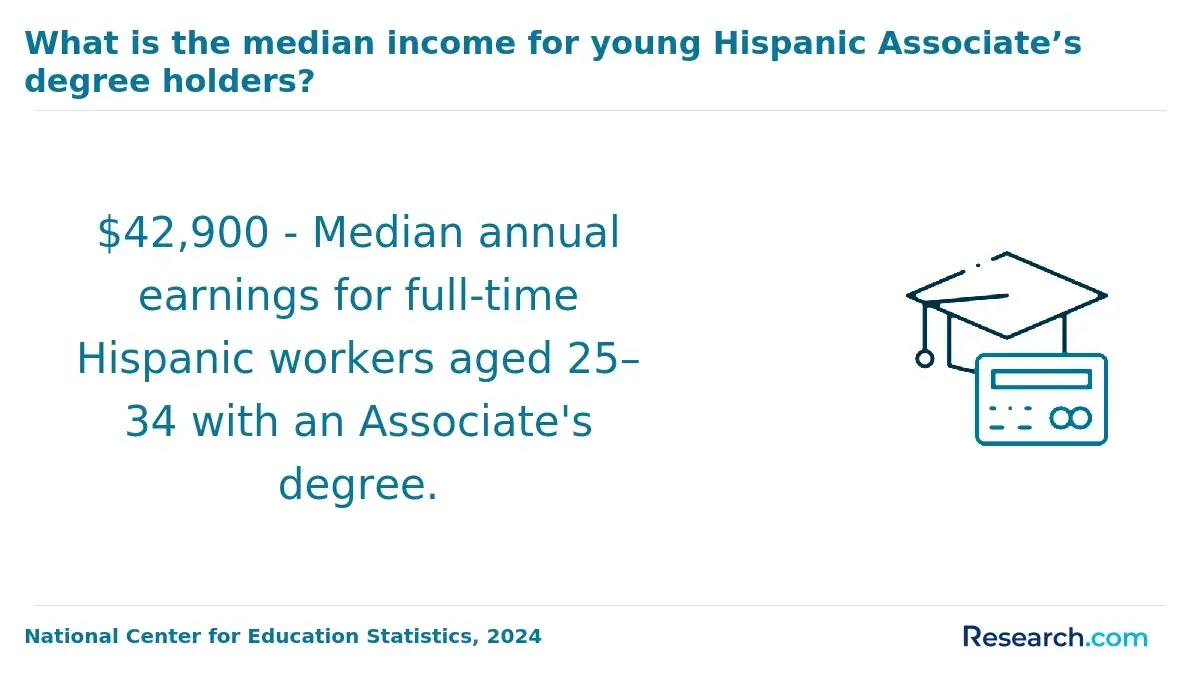
Salary bands within nutrition careers display a clear progression aligned with education, experience, and role complexity, as reflected in 2024 labor market data from the U.S. Bureau of Labor Statistics and LinkedIn Salary Insights. Entry-level roles such as nutrition assistants or dietetic technicians typically earn between $38,000 and $50,000 annually, reflecting positions that generally require associate degrees or certifications.
Mid-level professionals, including registered dietitians and nutritionists with several years of experience and at least a bachelor's degree, command from $55,000 to $75,000. Senior-level specialists and managers, often holding advanced degrees and extensive leadership or specialized clinical experience, can see compensation ranging from $80,000 up to $110,000 or more. These figures are not arbitrary but correlate with increasing responsibility, credentialing, and the ability to oversee complex nutrition programs or research initiatives.
Variability in these salary ranges primarily stems from factors such as job specialization intensity, geographic economic conditions, and employer type. Positions requiring niche expertise in areas like pediatric or oncology nutrition tend to attract higher pay due to scarce skill availability and the critical nature of their work. Metropolitan areas and large healthcare systems often offer premium wages compared to public health or community settings, reflecting both cost of living adjustments and market competitiveness.
Furthermore, employers factor both formal education and demonstrated practical skills heavily into compensation decisions, causing experienced candidates with advanced certifications or leadership capabilities to command upper-tier salaries. This nuanced wage distribution underscores labor market dynamics, where pay scales reflect not just time served but the strategic value of specialized nutrition competencies in evolving healthcare and wellness environments.
A graduate of an online nutrition degree recalled their admissions process amid a rolling timeline, noting the tension between waiting for a program decision and the urgency to plan financially. They described the experience as a mix of hesitation and strategic prioritization, unsure whether to commit to preparatory courses without official acceptance but feeling pressure to move quickly due to limited financial aid windows.
Which Industries Are Hiring the Most Nutrition Graduates?
Demand for nutrition graduates is particularly strong in sectors experiencing rapid structural shifts such as digital transformation, program expansion, and persistent skill shortages. These industries increasingly rely on evidence-based dietary expertise to meet evolving consumer health priorities, regulatory standards, and integrated care models.
Their recruitment patterns reflect a growing recognition that nutrition competencies are essential for addressing complex health, wellness, and population-level challenges in a changing economic environment.
- Healthcare: As the dominant employer of nutrition graduates, healthcare's expansion is driven by its role in managing chronic disease and personalized care. Institutions seek professionals skilled in clinical dietetics, therapeutic meal planning, and interdisciplinary collaboration to support patient outcomes. In 2024, data from the Academy of Nutrition and Dietetics indicates over 40% of nutrition positions are embedded within hospitals, outpatient clinics, and long-term care facilities.
- Food and Beverage Industry: Companies in product innovation and regulatory compliance are heavily investing in nutrition expertise to adapt to rising consumer demand for transparent labeling and health-conscious formulations. Essential skills include nutrient analysis, food safety knowledge, and policy navigation. This sector prioritizes candidates who can translate nutritional science into actionable product development strategies.
- Public Health Agencies: Governmental and nonprofit organizations increasingly integrate nutrition professionals to design community programs targeting malnutrition reduction and chronic disease prevention. The emphasis is on population health assessment, program implementation, and culturally relevant education. Graduates with experience in epidemiology and policy advocacy are especially sought after here.
- Corporate Wellness Programs: Corporations are expanding benefits packages that incorporate nutrition counseling to improve employee health and productivity. This emerging niche requires nutritionists adept at behavior change communication, health coaching, and wellness program design tailored to diverse workforces.
- Fitness and Sports Organizations: The growth of performance nutrition roles reflects heightened interest in optimizing athletic output and recovery. Employers value expertise in metabolism, physiology, and individualized meal planning to support competitive and recreational athletes.
These hiring trends illustrate how nutrition professionals must align technical knowledge with sector-specific demands, whether clinical rigor, regulatory fluency, population-level impact, or customized wellness solutions. Salary variations reflect this specialization, with median entry-level earnings ranging approximately from $55,000 in public health roles to over $70,000 in private healthcare settings, according to 2024 National Association of Nutrition Professionals data.
How Does Hiring Demand Vary by State, Region, and City?
Hiring demand for nutrition jobs varies significantly by state and region, shaped largely by industry concentration, healthcare infrastructure, and economic conditions. States like California, Texas, and New York exhibit stronger labor markets due to large populations combined with concentrated healthcare systems and wellness industries, driving higher and more diverse openings. The Northeast and West Coast consistently offer increased opportunities and salary potential, reflecting their roles as hubs for public health investment and corporate wellness sectors.
By contrast, regions across the Midwest and South show more modest demand for nutrition professionals, often emphasizing entry-level or generalist roles aligned with slower but steady healthcare growth. These regional nutrition job market trends underscore how employer density and local economic priorities influence role availability, compensation norms, and expectations for advanced credentials, as documented in workforce analytics and recent U.S. Bureau of Labor Statistics data.
At the city level, labor market variations become more pronounced, shaped by urban centers' healthcare and technology ecosystems. Major metros with academic medical centers and government health agencies-such as Boston, Chicago, and San Francisco-tend to cluster research-focused nutrition positions with higher salary bands and competitive hiring climates. Mid-sized cities experiencing healthcare sector growth, like Denver and Raleigh, show rising demand but also increased competition driven by expanding hospitals and wellness initiatives.
Localized workforce infrastructure, including partnerships with universities and availability of specialized training, further shape supply and demand dynamics. Additionally, cost-of-living differences moderate salary offers and influence candidate willingness to relocate, a critical factor for employment outcomes. For those considering advanced degrees as a pathway, exploring options such as a cheapest online MBA healthcare management can be a strategic choice to meet evolving employer expectations and enhance competitiveness in these varying regional labor markets.
What Skills Are Employers Prioritizing in Nutrition Job Postings?
Employer expectations for nutrition professionals are shifting in response to rapid technological advances, automation of routine tasks, and greater integration of interdisciplinary approaches within healthcare and community settings. These dynamics create evolving demand for skill sets that extend beyond traditional dietetics knowledge.
Nutrition job postings in 2024 increasingly emphasize capabilities that demonstrate both technical proficiency and the ability to collaborate across diverse teams, reflecting the complex realities of modern patient care and data-driven decision-making.
- Clinical Nutrition Expertise: Mastery of nutritional assessment and personalized dietary planning remains foundational. Employers prioritize candidates who can tailor interventions to varied populations as clinical roles grow more specialized, directly impacting patient outcomes and positioning professionals for advancement in healthcare settings.
- Data Literacy and Digital Competency: Proficiency with Electronic Health Records and nutrition analysis software is now critical. Over 70% of nutrition-related roles require familiarity with digital tools, underscoring a trend toward data-driven care and the automation of documentation, enhancing accuracy and efficiency.
- Communication Skills: Clear translation of complex scientific information to patients and interdisciplinary teams is increasingly valued. Effective communication mitigates healthcare fragmentation and supports integrated care models, which are becoming industry standard.
- Behavior Change Counseling: Techniques such as motivational interviewing are prioritized for their proven role in improving long-term dietary adherence. This soft skill signals an employer focus on sustainable patient engagement rather than one-time interventions.
- Interdisciplinary Collaboration: Nutrition professionals must demonstrate teamwork capabilities within multifaceted healthcare environments. Employers demand this to align with trends toward integrated delivery systems and holistic wellness initiatives.
Which Certifications Increase Employability and Salary Potential?
Certifications in the nutrition field function as critical indicators of specialized expertise, practical skills, and readiness to meet professional standards. Beyond formal education, these credentials provide employers tangible evidence of a candidate's technical competence and familiarity with regulatory and ethical frameworks.
Given the competitive hiring environment, holding relevant certifications enhances applicants' appeal and can significantly influence salary offers and career mobility.
- Registered Dietitian Nutritionist (RDN): Recognized as the benchmark credential, the RDN label carries substantial employer trust due to its rigorous educational, supervised practice, and licensure requirements. It meets widespread demand in healthcare and community settings for verified clinical proficiency, often translating into salaries 15-20% higher than those without formal licensure.
- Certified Nutrition Specialist (CNS): Valued particularly in integrative and functional nutrition, the CNS underscores advanced knowledge and clinical skills often missing in general nutrition roles. Employers favor it where cutting-edge or individualized approaches are sought, making it a differentiator that can boost negotiating power and open niche career pathways.
- Certified Clinical Nutritionist (CCN): This certification aligns with emerging trends in personalized dietary interventions within clinical contexts. Employers in specialty practices increasingly prefer CCN holders for their verified expertise, resulting in measurable salary premiums and expanding job opportunities in non-traditional nutrition settings.
Additional certifications focused on state licensure or specialized endorsements facilitate compliance with regulatory environments and help organizations meet accreditation demands, especially in insulin therapy, oncology nutrition, or sports nutrition divisions. The convergence of these credentials with rising employer expectations drives a hiring preference for professionals who combine certification with practical experience, often resulting in a 10-25% salary advantage.
Labor market data from the 2024 CareerBuilder Workforce Insights report confirms candidates holding such credentials receive approximately 25% more interview opportunities, demonstrating the tangible hiring impact. An early-career nutrition graduate recounted navigating application cycles with caution. After completing a degree, she prioritized waiting for her RDN exam results before pursuing additional certifications, fearing premature commitments could dilute focus or lead to overlapping expenses.
The rolling admissions process for clinical internships meant uncertain timelines, occasionally prompting hesitation about when to apply for specialized credentials. Her strategy involved careful timing to align readiness with employer expectations, underscoring how certification pathways often require nuanced decision-making that balances preparation effort against anticipated employability gains.
How Do Remote and Hybrid Opportunities Affect the Nutrition Job Market?
Remote and hybrid work arrangements have expanded hiring patterns within the nutrition job market by broadening the geographic scope from which employers source talent. According to recent labor analyses from 2024, nutrition-related roles in research, education, and telehealth counseling increasingly accommodate flexible work formats, enabling wider accessibility for candidates beyond traditional urban centers.
This development supports a growing share of programs adapting to nutrition remote work trends in the United States, though roles requiring hands-on clinical or community engagement remain less flexible. Employers now emphasize self-motivation and digital communication proficiency, aligning with early-career demands for skills in telehealth technology and remote data management, which influence both candidate competitiveness and job design.
These shifting work models recalibrate salary norms and competition within nutrition professions by introducing regional pay adjustments that mirror cost-of-living disparities, often narrowing salary bands compared to conventional metropolitan roles. Hybrid roles offering blended virtual and on-site responsibilities have emerged to balance operational collaboration with work-life flexibility.
Consequently, nutrition professionals face evolving employer expectations where digital literacy is critical for sustaining productivity and engagement. As these trends mature, the nutrition job market is likely to experience continued decentralization, with talent mobility less constrained by geography, amplifying competitive pressures among candidates and reshaping long-term labor market structures. For those exploring specialized paths, such as becoming a functional medicine NP, understanding these dynamics is essential for informed career decisions.
Which Nutrition Careers Show the Strongest Long-Term Hiring Momentum?
Long-term hiring momentum in nutrition careers stems from structural shifts in healthcare, public health, and corporate wellness rather than short-term labor fluctuations. This momentum encapsulates enduring economic, demographic, and technological trends that shape employer demand and workforce needs across diverse settings.
Sustained job growth reflects deeper industry transformations including aging populations, preventive health priorities, and increasing integration of digital tools in nutrition counseling and management.
- Registered Dietitians and Licensed Nutritionists remain critical in clinical environments where aging demographics and complex chronic conditions drive ongoing demand. Their expertise addressing medical nutrition therapy, combined with stricter regulatory standards, creates a durable need for credentialed professionals in hospitals and outpatient care.
- Nutrition Educators and Community Health Coordinators show growing opportunities as public health initiatives intensify focus on diet-related diseases such as obesity and diabetes. This expansion is reinforced by policy shifts and sustained investments in preventive care programs targeting population health at scale.
- Nutrition Consultants in Corporate Wellness capitalize on rising corporate interest in employee health as businesses aim to reduce healthcare expenditures and increase productivity. Evolving employer strategies and data-driven wellness programs underpin long-term stability for these roles.
- Specialists in Nutrigenomics and Digital Nutrition Coaching represent emerging niches driven by technological advancement and personalized nutrition trends. Though more specialized, these careers are expected to gain traction as advanced certifications and digital literacy become standard prerequisites.
The U.S. Bureau of Labor Statistics projects dietitians and nutritionists will grow 15% through 2032, significantly outpacing average occupational growth. Salary ranges vary widely-from $55,000 at entry-level to above $80,000 with experience-highlighting the importance of credentials like Registered Dietitian Nutritionist status, direct clinical experience, and communication skills in securing competitive positions.
Prospective students navigating these career pathways should carefully consider the balance between educational prerequisites and practical employability. For individuals exploring accelerated routes into healthcare-related professions, aligned with nutrition interests, examining accelerated nursing programs can provide valuable context on expedited credentialing options in adjacent fields.
How Can Students Use Job Market Data to Make Better Career Decisions?
Students can leverage job market data from sources like 2024 labor reports, hiring platforms, and salary databases to evaluate demand, compensation, and growth in various nutrition fields. These data points reveal where openings are expanding-for example, clinical nutritionists in healthcare tend to show sustained hiring momentum compared to wellness coaching roles. Salary bands highlight which specializations or settings, such as research or community dietetics, provide higher returns on education investment.
By analyzing regional trends and workforce changes, students can identify areas with robust opportunities and the necessary skill sets employers prioritize, including practical experience and digital literacy. Interpreting job market data requires balancing short-term fluctuations with longer-term career stability and geographic flexibility. Overemphasizing trending roles risks misalignment with evolving industry needs, so students should integrate data insights with their professional interests and skill alignment.
Employer demand for hands-on experience underscores the importance of seeking internships and projects that reflect real-world challenges. This nuanced approach helps translate raw labor market information into actionable education and career strategies that avoid superficial choices and better align with sustainable employment outcomes.
References
- 5 Career Paths for Dietetics Graduates - Healthcare Administration Degree Programs https://www.healthcare-administration-degree.net/lists/5-career-paths-for-dietetics-graduates/
- Careers | Momentum https://www.themomentum.ai/careers
- Nutrition Careers Guide 2025 | Jobs & Salary https://www.nutritioned.org/careers/
- Home https://www.husson.edu/online/blog/2024/03/careers-in-nutrition-and-wellness
- How to pick the best nutrition coach certification (Updated) https://www.ptpioneer.com/personal-training/certifications/nutrition-certification-programs/
- Career tips for new graduate dietitians — Gemma Sampson https://www.gemmasampson.com/blog/career-tips-dietitian
- Demand for dietitians is growing as Americans crave healthier lifestyles. Here's what the job entails. https://www.topnutritioncoaching.com/blog/demand-for-dietitians-is-growing-as-americans-crave-healthier-lifestyles-heres-what-the-job-entails
- Careers - Nutrition International https://nutritionintl.org/careers/job-seekers/
- 98 nutrition English-speaking jobs in Germany https://englishjobs.de/jobs/nutrition
- What’s the Best Nutrition Certification? | ISSA https://www.issaonline.com/blogs/nutrition/whats-the-best-nutrition-certification
Other Things You Should Know About Nutrition
Choosing to specialize early can increase employability in highly focused roles but may limit flexibility if demand shifts or local job availability narrows. Generalist nutritionists often have broader entry points across diverse settings but may face slower salary growth and less competitive differentiation. Candidates should weigh whether they prefer a targeted expertise that aligns with specific employer needs or a broader skill set that allows them to pivot across sectors as hiring trends evolve.
When salary ranges for early-career and mid-career positions overlap, role differentiation and employer expectations often become subtle, focusing more on demonstrated impact and soft skills than just tenure. Job seekers should prioritize roles that emphasize growth opportunities and measurable contributions rather than relying solely on titles or years of experience. Understanding this overlap can guide candidates to negotiate better and target positions offering clear performance-based advancement.
Emerging professionals face a tradeoff between holding out for more stable, often institutional nutrition roles with steadier benefits and accepting faster entry through contract-based or transient opportunities. Prioritizing stability is generally advisable when long-term career advancement and credential accumulation are key, but securing early work-even if less stable-can build critical experience and networks. Candidates should carefully consider their financial resilience and career timeline before opting for rapid employment in less stable positions.
Employers increasingly value practical experience, familiarity with data-driven nutrition interventions, and interdisciplinary collaboration skills alongside formal education. Candidates should critically evaluate how their training equips them for workload intensity and innovation demands typical in nutrition roles, rather than assuming credential attainment guarantees readiness. Early-career professionals benefit from seeking out internships or volunteer roles that mimic real-world problem-solving to better meet nuanced employer standards.