2027 Nutrition Salary Trends Report: Are Wages Keeping Up With Tuition and Inflation?

Co-Founder and Chief Data Scientist
A prospective nutrition student weighs the rising cost of tuition against potential salary outcomes after graduation. With education expenses climbing higher each year, assessing whether the financial return justifies the investment is crucial. Inflation further complicates this calculation by eroding purchasing power, making raw salary figures insufficient for evaluating overall value. Understanding how wages compare to these economic factors helps clarify the long-term benefits of pursuing a nutrition degree.
Salary growth, tuition fees, and inflation often move at different rates, so focusing solely on starting salaries can be misleading. A comprehensive assessment requires looking beyond immediate earnings to consider sustained financial gains over time. This article examines nutrition salary trends against tuition increases and inflation, exploring return on investment, affordability, and key influences shaping the true economic value of a nutrition education. Such analysis is essential for informed decisions about this career path.
Key Things to Know About Nutrition Salary Trends
- Nutrition graduate wages have lagged behind a 7% average annual inflation rate since 2021, meaning actual earnings often fail to keep pace with increasing tuition and living costs.
- Specialization in clinical or sports nutrition correlates with up to 20% higher salaries, emphasizing that targeted expertise significantly influences long-term earning potential, not just degree completion.
- The rising demand for nutritionists in aging populations drives a 12% projected job growth through 2030, highlighting sector-specific employment trends as critical for sustained income growth.
- Key Things to Know About Nutrition Salary Trends Key Things to Know About Nutrition Salary Trends
- What Is the Current Salary Outlook for Nutrition Graduates? Salary Outlook
- Are Nutrition Salaries Keeping Up With Inflation? Inflation Impact
- How Do Tuition Costs Compare With Nutrition Salary Growth? Tuition vs Salary
- Does a Nutrition Degree Deliver a Positive Return on Investment? Degree ROI
- Which Industries Offer the Highest Salaries for Nutrition Graduates? Which Industries Offer the Highest Salaries for Nutrition Graduates?
- Which States and Cities Offer the Highest Pay for Nutrition Professionals? Which States and Cities Offer the Highest Pay for Nutrition Professionals?
- How Do Nutrition Salaries Grow Throughout a Career? Career Growth
- How Do Nutrition Salaries Compare With Similar Degrees? Salary Comparison
- How Is Employer Demand Affecting Nutrition Salary Trends? Employer Demand
- How Can Students Maximize Their Lifetime Earnings With a Nutrition Degree? Maximizing Earnings
What Is the Current Salary Outlook for Nutrition Graduates?
Salary prospects for nutrition graduates in 2024 reveal a landscape marked by modest growth but significant variability influenced by factors such as geographic location, sector, and experience. Data from the U.S. Bureau of Labor Statistics shows median annual wages for dietitians and nutritionists around $66,000, with entry-level roles often starting near $50,000 and seasoned professionals in clinical or specialized fields earning between $80,000 and $90,000. However, these figures do not fully capture the financial challenges posed by rising tuition costs, which have increased by approximately 5% annually, outpacing the average annual 2-3% salary growth found in many regions. This gap highlights why two graduates holding the same nutrition degree might see sharply different earnings-for instance, one working in a hospital setting may earn a steady salary close to the median, while another pursuing private practice or research could experience more income fluctuations tied to client acquisition or grant availability.
Understanding current earnings for nutrition degree holders requires looking beyond initial pay to longer-term career progression and sector-specific opportunities. While starting salaries may seem underwhelming compared to rising educational expenses, fields like nutritional genomics and diet-related health technology offer faster growth and potentially higher compensation, rewarding those who diversify their expertise. Prospective students should weigh these evolving trends against their willingness to specialize or adapt, as well as the projected steady demand for nutrition professionals. For those concerned about cost versus return, exploring affordable pathways-such as online nursing degree programs-may offer strategic alternatives to traditional routes that balance investment with future earning potential.
Are Nutrition Salaries Keeping Up With Inflation?
Wage increases for nutrition graduates have struggled to keep pace with inflation, meaning nominal salary growth does not always equate to enhanced purchasing power. Data from the U.S. Bureau of Labor Statistics reveals that while inflation rose approximately 5% annually over the past two years, median wages for dietitians and nutritionists have only grown by about 2% per year. This gap leads to a real income decline, forcing many recent graduates to absorb rising living expenses with stagnant or shrinking financial resources despite higher paycheck figures. For example, a newly credentialed nutritionist earning a slight pay raise may actually find their monthly budget tighter when rent, utilities, and groceries have increased more substantially.
Comparing nutrition graduate salary growth versus inflation highlights the impact of tuition fees rising around 4% annually, which frequently outstrips wage growth and intensifies financial pressure. The mismatch is more acute for entry-level professionals, many of whom carry significant student debt without the cushion of substantial wage increases. Mid-career nutritionists fare slightly better but still face obstacles overcoming cumulative inflation and tuition costs paid in earlier years. Prospective students and career changers must also consider that wage trends vary notably between sectors, with private healthcare and wellness industries-where many find employment-demonstrating slower salary gains than public sector counterparts. This dynamic underscores why evaluating long-term financial returns can be as important as examining immediate job demand, much like those wondering if is medical billing and coding in demand when exploring career shifts from nutrition.
How Do Tuition Costs Compare With Nutrition Salary Growth?
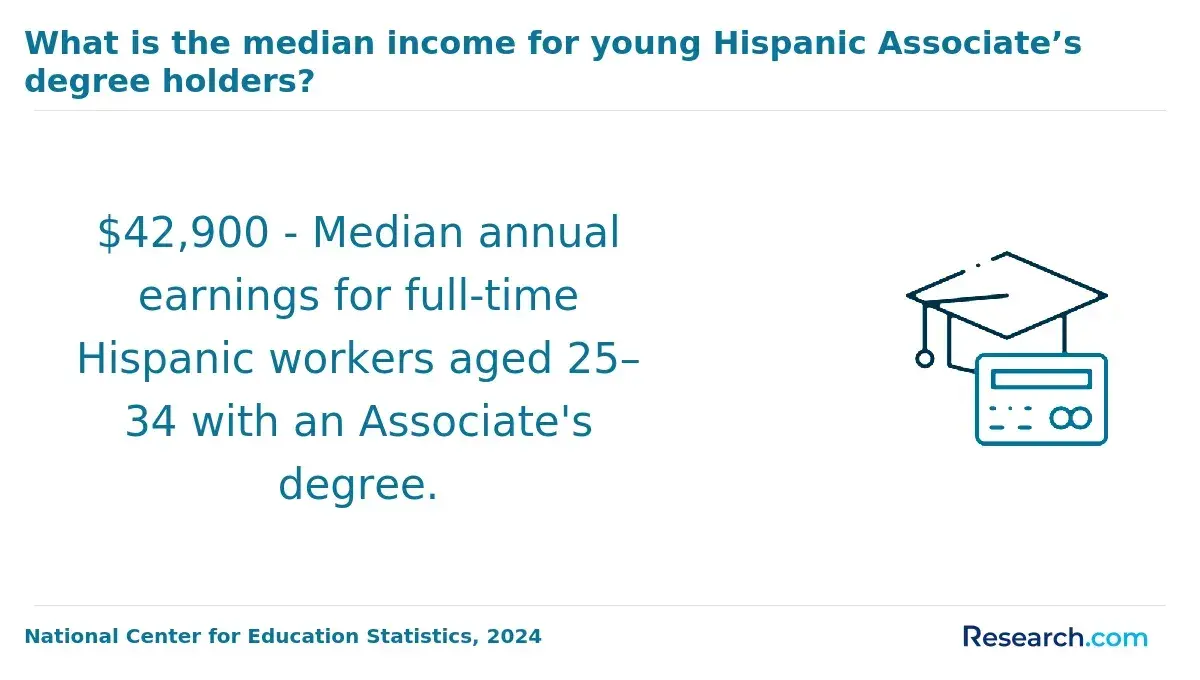
Evaluating the financial value of a Nutrition degree requires looking beyond isolated figures for tuition costs or salary growth, instead observing how these elements interact over time. According to the National Center for Education Statistics and the U.S. Bureau of Labor Statistics in 2024, tuition for nutrition programs has increased annually by 4-5%, outstripping typical salary growth that averages only 2-3% for early- to mid-career professionals. This divergence means that, while graduates may secure stable entry-level salaries between $45,000 and $55,000, the rising educational debt often accumulates faster than their capacity to repay it comfortably. Comparing these trajectories reveals the crucial tension many students face: escalating educational investments are not matched by proportional income gains, complicating long-term financial planning.
Consider a student entering a nutrition program in a high-cost region with tuition rising steadily each year. If this individual carries substantial loans, the slower wage increases mean early career raises may barely cover inflation and loan interest, unlike a peer who attends a lower-cost institution or secures significant scholarships. Additional factors such as employer type, location, and career progression speed critically influence whether salary growth compensates for rising tuition costs. This nuanced dynamic underscores the importance of evaluating both upfront and ongoing financial implications rather than judging the degree's worth by salary or cost alone.
A recent nutrition graduate shared that while initially enthusiastic, they hesitated before committing to their degree after realizing tuition hikes had outpaced salary prospects they observed in local job listings. Managing loan repayments alongside rent and basic expenses became a tight balancing act, prompting them to prioritize finding scholarship support and part-time work during their studies. Their experience highlights how tuition inflation can subtly but significantly impact financial decisions, often requiring early-career students to take calculated risks and seek diverse funding sources to make the degree financially viable.
Does a Nutrition Degree Deliver a Positive Return on Investment?
In higher education, return on investment (ROI) entails weighing the total cost of earning a nutrition degree-tuition, fees, and opportunity costs-against the long-term financial benefits, career opportunities, and professional development it enables. This calculation goes beyond starting salaries, considering how income typically grows with experience and credentialing over time. For example, a graduate beginning with a median salary near $47,000 could see steady increases, particularly if they obtain advanced certifications like Registered Dietitian Nutritionist (RDN) or pursue roles in clinical nutrition or public health, which generally offer higher pay and stability.
However, the ROI timeline varies widely depending on geographic location, career specialization, and initial educational expenses, which have escalated due to inflation and rising tuition. Government labor data from 2024 confirms that job demand for nutrition professionals remains stable, helping graduates maintain steady employment, yet graduates pursuing lower-paying positions or lacking certification may face a longer break-even period. Thus, securing scholarships, choosing cost-effective programs, and targeting sectors with higher salary potential are critical factors that can influence whether a nutrition degree ultimately results in net financial gain.
Overall, a nutrition degree can yield a positive return on investment, but this outcome is far from guaranteed and hinges on individual choices and market conditions. For students weighing this path, the decision should factor in multiple variables including upfront costs, certification efforts, and job market realities rather than solely relying on entry-level salary figures. Reliable data from the U.S. Bureau of Labor Statistics and the National Center for Education Statistics emphasize that while median early-career salaries start modestly, strategic credentialing and sector selection are key to unlocking the full financial value of a nutrition degree over time.
Which Industries Offer the Highest Salaries for Nutrition Graduates?
Identifying which industries offer the highest salaries for nutrition graduates requires analyzing workforce demand and specialized skill sets. Data from authoritative sources like the U.S. Bureau of Labor Statistics and professional nutrition associations reveal that compensation varies significantly across sectors, influenced by factors such as expertise level, geographic region, and the nature of roles. Beyond base salaries, industries with an emphasis on innovation, healthcare integration, or corporate wellness programs typically provide better financial rewards. Here are key sectors that generally provide the strongest earning potential and long-term opportunities for nutrition graduates seeking the top paying nutrition careers by industry and region.
- Healthcare Sector: Nutrition professionals in hospitals, outpatient care centers, and clinical environments tend to earn among the highest wages. Registered dietitians and specialists play integral roles in medical treatments and disease management, with median salaries from $65,000 to $85,000, particularly in large metropolitan areas. Advanced certifications and clinical experience often drive higher compensation.
- Pharmaceutical and Biotech: This sector offers elevated pay for nutritionists involved in drug development, clinical trials, and regulatory compliance. Early-career nutrition specialists can exceed $80,000 annually, benefiting from the blend of nutrition science and research innovation. Skills in data analysis and regulatory knowledge enhance earning potential.
- Corporate Wellness: Companies investing in employee health programs create demand for nutrition graduates who develop personalized wellness strategies. These roles frequently include performance bonuses or profit-sharing and cater to a growing preventive health market, rewarding expertise in behavioral nutrition and health coaching.
- Private Consultancy: Nutrition consultants advising individuals or organizations can command competitive fees, with earnings supplemented by client retention and specialized knowledge in areas like weight management or sports nutrition. Established client bases and professional networking boost income prospects.
- Food and Beverage Industry: Graduates focusing on product development, quality assurance, or regulatory affairs in this sector often receive between $60,000 and $90,000. Combining nutrition knowledge with business acumen and food safety certifications is critical for achieving top salaries.
For nutrition students and recent graduates planning their careers, evaluating these sectors through the lens of their skills and interests is vital. For example, someone with a strong interest in clinical nutrition might target healthcare roles, while another with a passion for research could pursue pharmaceutical positions. Exploring additional credentials such as certifications in functional or sports nutrition may also unlock higher salary tiers.
Prospective students considering the fastest paths to advanced practice roles might also explore options like the shortest online nurse practitioner program, which can complement nutrition expertise within healthcare careers.
Which States and Cities Offer the Highest Pay for Nutrition Professionals?
Geographic location substantially impacts the financial outcomes of those pursuing careers in nutrition, making it essential to evaluate regional economic landscapes beyond simple salary figures. While states offering top-tier wages may seem attractive, the broader context of living costs, housing affordability, and local job markets critically shapes net benefits. For example, a graduate earning a median salary in San Francisco faces vastly different financial realities than one in Dallas, due to striking differences in expenses and demand drivers. Here are key states and cities where nutrition professionals tend to earn the most, with insights into the factors influencing these variations.
- California: California consistently ranks highest for nutrition salaries, often exceeding $80,000 annually, driven by extensive healthcare networks, wellness industries, and research institutions. However, prospective professionals must weigh these gains against the state's steep cost of living and housing prices, which can erode income advantage.
- Massachusetts: Boston and surrounding areas support premium pay scales near $78,000 due to dense concentrations of hospitals, universities, and biotech firms. These sectors foster demand but also come paired with elevated living costs, requiring careful budgeting.
- New York: New York City offers median salaries upwards of $85,000, anchored by large healthcare systems and academic centers. Yet, high rent and daily expenses mean take-home pay may not translate to greater disposable income or savings.
- San Francisco: Median salaries surpass $90,000, propelled by robust wellness, clinical, and research sectors. Still, extreme housing costs and inflation pressure diminish long-term wealth accumulation, demanding close attention to personal finance planning.
- Texas: Cities like Dallas and Houston provide competitive wages around $65,000 paired with moderate living costs. This balance often results in better net earnings, appealing to nutrition graduates seeking cost-efficiency and career opportunity alignment.
- Florida: Mid-range salaries approximately $65,000 coexist with lower expenses in cities such as Miami and Orlando. This combination can enhance lifestyle quality, although inflation and tuition debt remain important considerations.
- Washington, D.C. Metro: Salaries nearing $75,000 reflect the demand from government agencies, nonprofit organizations, and healthcare providers. While cost of living is high, strong institutional presence offers career stability and advancement pathways.
How Do Nutrition Salaries Grow Throughout a Career?
Nutrition salaries tend to grow incrementally as professionals gain experience and specialize within their fields. Entry-level nutritionists typically earn between $50,000 and $60,000 annually, a range reflective of the challenges new graduates face in establishing themselves professionally. By mid-career, salaries often rise to approximately $65,000 to $75,000, influenced not only by years worked but also by pursuing additional certifications, advanced degrees, or niche expertise such as pediatric or renal nutrition. Data from the U.S. Bureau of Labor Statistics in 2024 shows that those who engage in ongoing education or public health initiatives usually experience stronger income growth, highlighting the importance of continuous skill development.
As nutritionists move into senior or managerial positions, salary increases become more pronounced, with many earning between $80,000 and over $100,000 annually. Leadership roles with responsibilities like team management, program design, or policy development drive these higher earnings, especially in metropolitan areas or private practice settings. To illustrate, two graduates with identical degrees can end up on very different salary paths: one who pursues a master's degree and specializes in clinical nutrition may reach the upper salary brackets faster, while another who remains in generalist roles without advanced credentials may see slower wage growth. Key factors influencing salary progression include advanced training, professional networking, and strategic career moves rather than time alone.
A nutrition degree graduate recounted feeling uncertain early in their career about whether to invest time and money into specialized certification. Initially, they worked as a general nutrition assistant earning modest wages, but after two years, they decided to earn a registered dietitian credential. This decision came with some financial strain due to course costs but ultimately led to a promotion and a salary increase beyond $85,000. They reflect that the hesitation was real, given rising student debt, but in retrospect, the targeted credential and resulting expertise were crucial for breaking through the early wage ceiling many peers experienced.
How Do Nutrition Salaries Compare With Similar Degrees?
Graduates with a nutrition degree generally face a median annual wage near $66,000, which is modest compared to related health and science fields. Earnings data from the U.S. Bureau of Labor Statistics and other authoritative sources reveal that while nutrition salaries are stable, they often fall short of what graduates in closely related programs can expect. These differences reflect factors like certification requirements, job settings, and demand within each discipline. The following points outline how nutrition salary comparison with related degrees typically plays out in real-world career scenarios.
- Public Health: Graduates in public health, especially those focusing on health education or community health, tend to earn around $70,000 annually. These roles often involve broader population health strategies, which can command slightly higher wages due to policy influence and larger public sector involvement compared to individual-focused nutrition careers.
- Biomedical Sciences: Those entering biomedical science often exceed $80,000 in median salaries by working in research or clinical environments. The higher pay reflects advanced technical skills and certifications, as well as research funding availability, which nutrition graduates may lack without further education.
- Kinesiology and Exercise Science: Professionals with kinesiology degrees typically earn between $68,000 and $72,000. Their salary advantage stems from involvement in rehabilitation, sports science, and fitness industries, which often have higher private-sector wages and expanding market demand.
- Nutrition Careers: While nutrition salaries lag slightly behind these related fields, certification or graduate study can elevate earnings. Nutrition roles usually emphasize personalized diet planning and wellness, offering stable job prospects amid rising healthcare awareness, though starting incomes may be lower.
For prospective students comparing the earnings of nutrition graduates versus similar fields, the choice often rests on balancing passion for diet and wellness with realistic income expectations. Understanding these nuances helps evaluate whether the return on investment justifies the cost. Those curious about salary prospects in related health domains may also consult resources on how much does a sports analyst make for additional career insights.
How Is Employer Demand Affecting Nutrition Salary Trends?
Employer demand plays a crucial role in shaping salary trends for nutrition professionals by influencing competition among organizations for qualified candidates. When hospitals, wellness centers, and public health agencies actively seek nutrition experts, the pressure to attract and retain talent can push wages upward. However, this effect often moderates according to budget constraints and economic conditions. For example, a recent graduate may find entry-level salaries stagnant despite increased openings, reflecting a market where demand outpaces wage growth due to limited funding or oversupply of entry-level applicants, illustrating the nuanced reality behind rising employer demand.
Key factors driving nutrition employer demand salary trends include public health priorities, chronic disease management, and wellness initiatives which sustain hiring activity. Although strong demand can contribute to faster wage growth, salaries are also closely tied to experience level, specialization within the nutrition field, and organizational size. According to projections from the U.S. Bureau of Labor Statistics for 2024, employment for dietitians and nutritionists is expected to grow faster than average, yet recent analyses highlight that wage increases lag behind inflation and education costs, underscoring the complex interplay between demand and compensation.
Prospective nutrition students should weigh these dynamics carefully, especially as rising tuition and living expenses challenge the financial return of a degree. Exploring alternatives like fastest online medical billing and coding certificate programs can offer more immediate employment outcomes. Understanding how the impact of job market on nutrition wages interacts with these broader economic factors is essential for making informed decisions that balance educational investment and long-term career value.
How Can Students Maximize Their Lifetime Earnings With a Nutrition Degree?
Maximizing lifetime earnings with a nutrition degree requires strategic choices beyond completing foundational coursework. Data from the U.S. Bureau of Labor Statistics and the Academy of Nutrition and Dietetics indicates that advanced credentials and targeted specialization significantly enhance earning potential. For example, a clinical dietitian with a master's degree working in a hospital setting often out-earns peers in general wellness roles. Below are key strategies proven to impact long-term financial outcomes for nutrition professionals.
- Advanced Degrees: Pursuing a master's or doctoral degree often leads to higher starting salaries and eligibility for leadership roles. These degrees deepen expertise and open doors to specialized clinical or research positions.
- Specialization Focus: Concentrating on areas like sports nutrition, clinical nutrition, or nutritional genomics boosts marketability and pay. Employers value candidates with unique skills aligned to emerging fields.
- Certification Credentials: Credentials such as Certified Nutrition Specialist (CNS) or Board Certified Specialist in Sports Dietetics (CSSD) distinguish candidates, often correlating with increased consulting opportunities and higher wages.
- Healthcare Settings: Working in hospitals or outpatient clinics generally offers more stable employment and above-average salaries compared to community-based or wellness roles.
- Interdisciplinary Skills: Combining nutrition expertise with business or communication skills enhances leadership prospects and lifetime earnings, as reported by the National Association of Nutrition Professionals.
- Continuous Learning: Engaging in ongoing professional development keeps skills current, which is critical in fast-growing sectors like integrative health and nutritional genomics.
- Networking and Mentorship: Building professional relationships through associations and internships can unlock higher-paying roles and consulting gigs that compound earnings over time.
References
- Nutrition Sciences Career Pathways & Earnings https://collegeroi.org/roi/major/nutrition-sciences/
- The price of college is rising faster than wages for people with degrees | USAFacts https://usafacts.org/articles/is-college-worth-it-the-price-of-college-is-rising-faster-than-wages-for-people-with-degrees/
- The Nutrition Institute https://www.thenutritioninstitute.com/us/en/blog-salary
- 2026 salary guide for nutraceuticals and wellness CPG https://www.newhope.com/market-data-and-analysis/where-are-salaries-now-in-the-nutrition-and-cpg-wellness-sector
- Dietitian Salaries - Dietitian Salaries https://dietitiansalaries.com/
- Are Nutritionists in High Demand in The Current Job Market? https://www.origym.co.uk/blog/are-nutritionists-in-demand/
- Why Inflation & Salary Increases Are Different https://wcbc.ca/inflation-vs-salaries/
- How to become a sports nutritionist in the UK: Career paths and salaries - Regent College London | RCL https://www.rcl.ac.uk/news/how-to-become-a-sports-nutritionist-in-the-uk-career-paths-and-salaries/
- Has pay kept up with inflation? - The Hamilton Project https://www.hamiltonproject.org/data/has-pay-kept-up-with-inflation/
- 6 Interesting Nutrition Career Paths You Should Consider https://online.federation.edu.au/interesting-nutrition-career-paths/
Other Things You Should Know About Nutrition
Longer nutrition programs often mean higher tuition and delayed entry into the workforce, which can significantly impact overall earnings when factoring in lost wages during study. Choosing accelerated paths or programs with a strong practical component might reduce education costs and improve early career employability. Prioritizing programs that balance reasonable costs with robust experiential learning can enhance initial salary prospects despite inflation pressures.
Advanced certifications can lead to higher wages but come with additional tuition and time investments that may not immediately offset costs. For some candidates, entering the job market earlier provides quicker income and on-the-job experience, which can be valuable in climbing the salary ladder over time. Carefully assess whether the wage premium for certifications justifies delaying earnings, especially given rising tuition and inflation rates.
Part-time study reduces immediate tuition strain and allows concurrent employment, potentially stabilizing finances during education. However, this approach can extend total time to degree completion, slowing wage growth tied to career advancement. Those considering part-time options should evaluate whether their current job's salary trajectory compensates for the delayed entry into higher-paying nutrition roles.
Specializing in niche areas can command higher salaries but may restrict job opportunities and geographic mobility, raising risks if market demand shifts. Generalist nutrition credentials might offer broader employment options and steadier income but potentially lower peak salaries. For many, early career flexibility and adaptability should trump immediate wage maximization when balancing education costs and inflation-driven living expenses.